REVIEW · JAISALMER
All-Day Desert Safari with Cultural Program
Book on GetYourGuide →Operated by Wonbin safari · Bookable on GetYourGuide
Red dunes meet a real ghost village stop.
This all-day cultural safari from Jaisalmer mixes big-Thar-desert driving with a guided walk through the ruins of Kuldhara, then tops it off with a camel ride, sunset views, and a camp evening of Rajasthani music, dance, and food. You’ll be moving most of the day, but the plan is built around variety: ruins, dunes, animals, and culture in one loop.
Two parts I really like are the guided heritage walk at Kuldhara and the camp welcome plus cultural program. The Kuldhara stop isn’t just a photo stop; it’s a structured walk (around 30 minutes) where you can make sense of what happened there and how people once lived in the desert. And at camp, the Tika & Aarti welcome, the folk/gypsy dance and singing, plus the buffet dinner make the evening feel like more than a roadside stop.
One consideration: it’s a long day on wheels and sand, running from about 11:30 am until around 10:30 pm, and it’s not suitable for pregnant women. If you hate noise or you’re hoping for a quiet, slow pace, the cultural show and camp music/discotheque can feel like a lot.
In This Review
- Quick hits you’ll feel immediately
- Why this Jaisalmer desert safari works as a full-day plan
- Your day timeline: from 11:30 pickup to around 10:30 return
- Pickup and the ride into the Thar Desert
- Kuldhara: the guided heritage walk through ruins
- Lunch under shade before the camel ride
- Camel ride and reaching the camp area
- Sunset and scenic photo stops
- Camp welcome: Tika & Aarti, snacks, and the cultural program
- Dinner in the desert and the return to Jaisalmer
- Kuldhara ghost village heritage walk: more than ruins at a distance
- Jeep safari and dune bashing: thrill with a guided eye
- Camel ride and sunset: how the timing turns photos into a moment
- Camp ritual and the Rajasthani cultural program (folk dance, singing, more)
- Food in the desert: shaded lunch, pure veg buffet dinner, and allergy notes
- Price and value: why $38 can make sense here
- Who this tour is best for (and when to skip)
- Should you book Wonbin Safari’s all-day cultural desert safari?
- FAQ
- What time does the desert safari start and when do I return?
- Where do I get picked up?
- Do I get a heritage walk at Kuldhara Village?
- Is lunch included, and is it under shade?
- How long is the camel ride?
- What happens at the camp in the evening?
- Is the dinner vegetarian?
- Who can participate, and who should avoid it?
- What ID do I need to bring?
- Is free cancellation available?
- What languages are supported?
Quick hits you’ll feel immediately
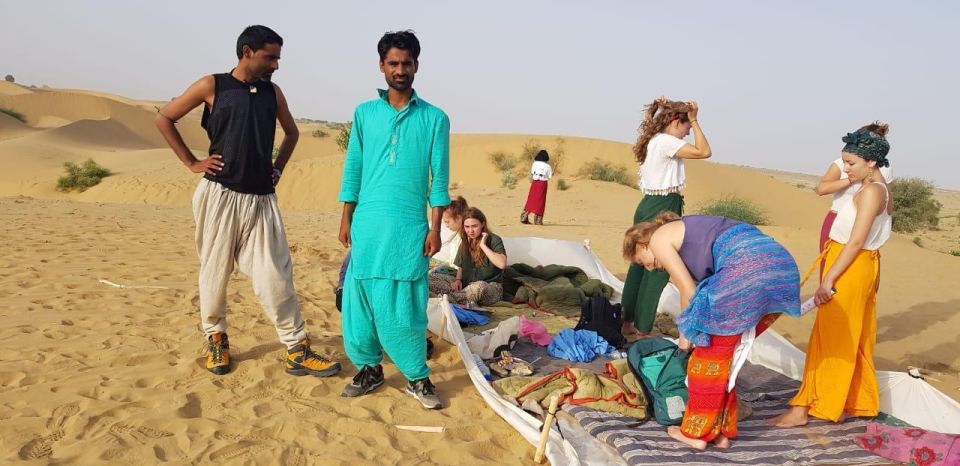
- Kuldhara heritage walk: guided ruins exploration that explains why it became a so-called ghost village.
- Jeep safari with dune bashing: built for thrill and views across the Thar dunes.
- Camel ride timed for sunset: you reach the camp area and then watch the red-sand light change.
- Camp rituals and cultural program: Tika & Aarti welcome, then folk dance and traditional singing.
- Small group size (up to 10): easier to ask questions and stay with the group.
Why this Jaisalmer desert safari works as a full-day plan
This isn’t just a desert ride you squeeze into an afternoon. The pacing is intentionally stacked: start with a heritage walk, move into dune country, then settle into camp for the cultural program and dinner. In practice, that means you get daylight exploration early and the most atmospheric moments—sunset and camp performances—later.
Another reason it works is the structure of the included moments. You’re not only getting logistics like transport and meals. You also get the two big “story anchors” of the day: Kuldhara’s human history and the Rajasthani performances that show how desert communities express identity through music and dance.
The small-group format (limited to 10) matters more than it sounds. When you’re on sand, in a jeep, or walking through ruins, you want everyone moving together and the guide able to answer questions without sounding rushed.
You can also read our reviews of more tours and experiences in Jaisalmer
Your day timeline: from 11:30 pickup to around 10:30 return
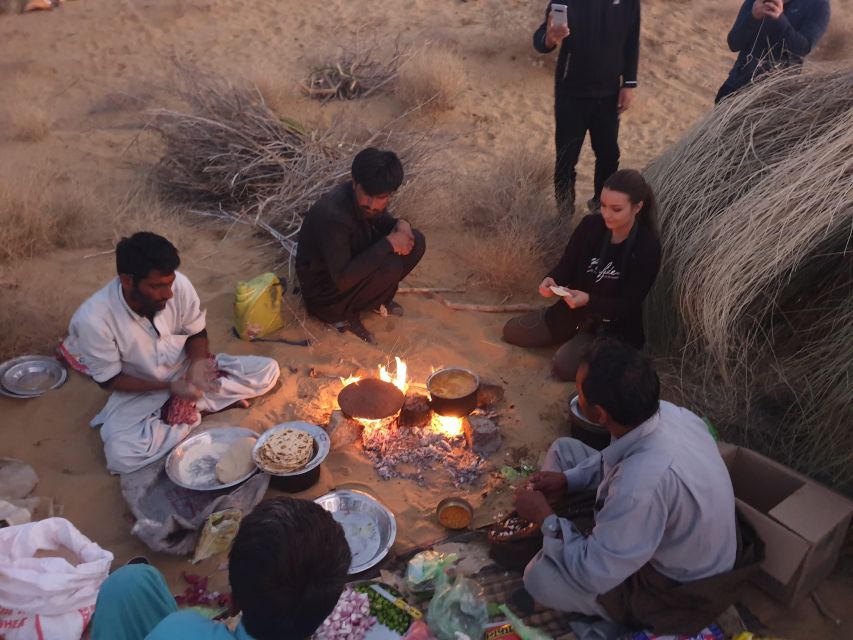
Here’s how the day usually unfolds, with the timing that helps you plan your energy and expectations.
Pickup and the ride into the Thar Desert
You start at 11:30 am with a jeep pickup from Jaisalmer—either from a scheduled destination, from a hostel, or via the day’s organized pickup. Then it’s off in jeeps for dune driving across the Rajasthan Thar Desert, including dune bashing/jeep safari.
This is the part that sets the tone. The drive is active, and you’ll likely spend more time than you think sitting on a moving jeep through desert terrain. If you’re prone to motion discomfort, consider that before you book.
Kuldhara: the guided heritage walk through ruins
Next comes Kuldhara Village, where you do a guided heritage walk for about 30 minutes. Kuldhara is famous as the so-called ghost village—an area abandoned overnight by locals to escape oppression by a cruel minister. Today, the ruins give it a strange, quiet charm, and the walk is your chance to connect the story to what you can actually see.
This stop is one of the most meaningful parts of the itinerary because it’s interactive. You’ll have time to explore the different forms of ruins and get a clearer picture of desert village life in a region that’s otherwise mostly associated with sand dunes.
Lunch under shade before the camel ride
After Kuldhara, you head into the desert portion of the day with lunch provided under shade, with about 2 hours allocated. The plan includes authentic Rajasthani cuisine, and the shaded meal break is important—you’re not just driving and hoping for the best.
If you have dietary needs, make sure you tell the organizer in advance. They explicitly note they can work with you regarding allergies or restrictions.
You can also read our reviews of more tours and experiences in Jaisalmer
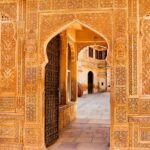
Camel ride and reaching the camp area
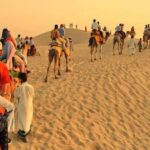
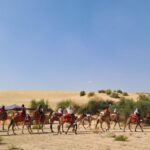
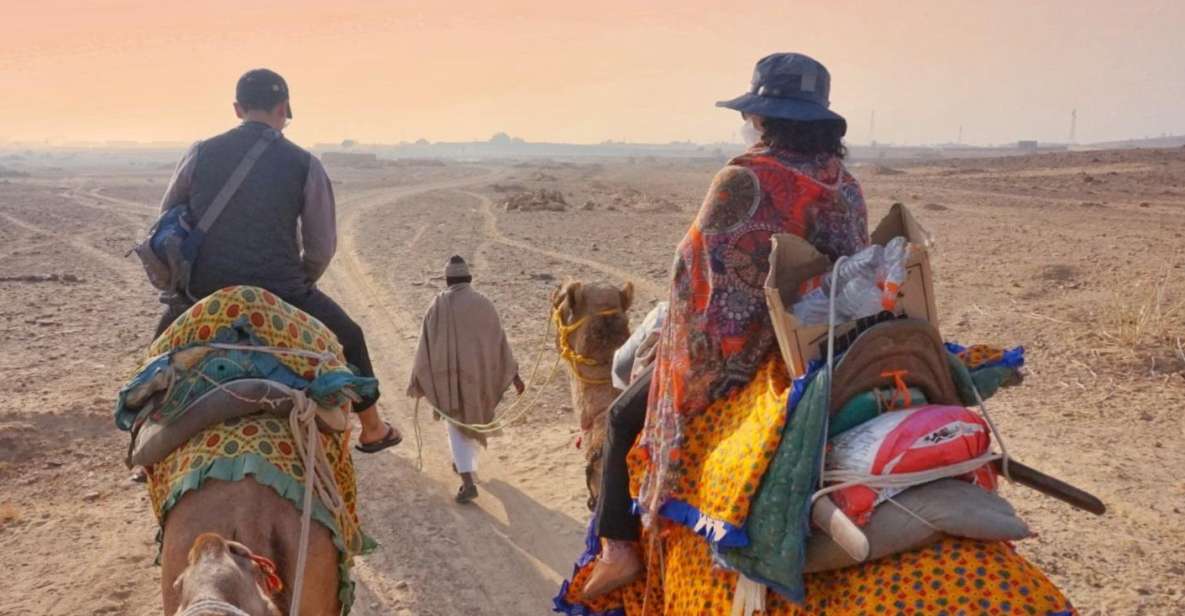
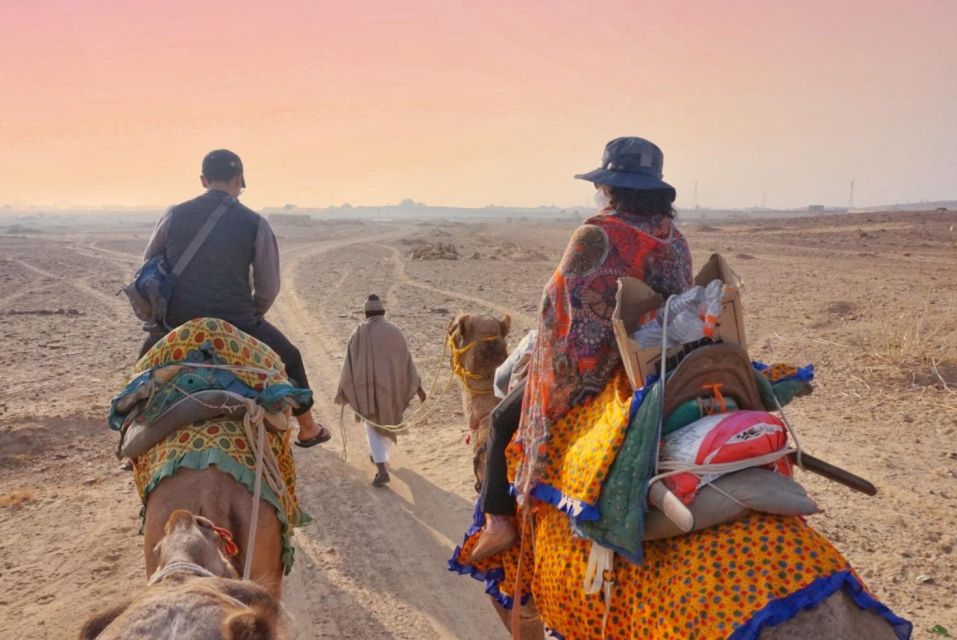
Then comes the camel ride: around 1 hour. The camel ride is used to transition to the camp area, so it’s not just a quick photo moment. You’ll be moving with the desert pace, and the guide/team will handle the setup so you can focus on the ride itself.
From there, the timeline continues with scenic stops on the way and time built in for views.
Sunset and scenic photo stops
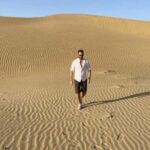
You’ll get a stretch of time for sunset and photos—about 2 hours that includes photo stops, scenic viewing, and the sunset over the sand dunes. The highlight here is simple: the Thar’s light does dramatic things late day, and the tour gives you time to actually see it.
Camp welcome: Tika & Aarti, snacks, and the cultural program
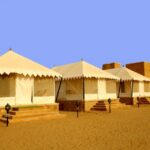
At camp, the vibe shifts from outdoors driving to a full cultural evening. You’ll start with a traditional welcome: Tika & Aarti, plus refreshing drinks and tasty snacks.
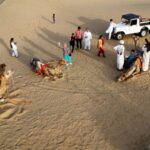
Then you’ll watch the Rajasthani cultural program, including folk dances and traditional singing. The performances include men and women in colorful clothing, with folk and gypsy dance styles and songs that date back generations. This part runs about 2 hours, and it’s also when the camp entertainment ramps up.
The included package notes music and a discotheque as well, so expect the evening to feel lively, not hushed.
Dinner in the desert and the return to Jaisalmer
Dinner comes as a Rajasthani buffet in the desert—pure veg—with about 2 hours scheduled for dinner. After the night’s food and performances, you’ll be transported back to Jaisalmer around 10:30 pm the same day.
That end time is part of the value: you still get a full cultural evening without losing the whole next day to recovery.
Kuldhara ghost village heritage walk: more than ruins at a distance
Kuldhara can feel like the kind of place people only want for the spooky label. But this tour builds the heritage walk around explanation and exploration, not just standing among broken walls.
You’re given a chance to walk the ruins (about 30 minutes) and understand the central story: locals abandoned the area overnight to escape oppression by a cruel minister. Today, you explore the remains and get a feel for the desert village layout and daily life patterns that once existed in the region.
What makes this stop particularly useful on a short trip is that it adds context. If your time in Jaisalmer is just a couple of days, the dunes alone can blur into one big “desert day.” Kuldhara gives the day a human spine.
A small practical note: walking through ruins means uneven ground and some time outdoors, so wear shoes you’re comfortable moving in.
Jeep safari and dune bashing: thrill with a guided eye
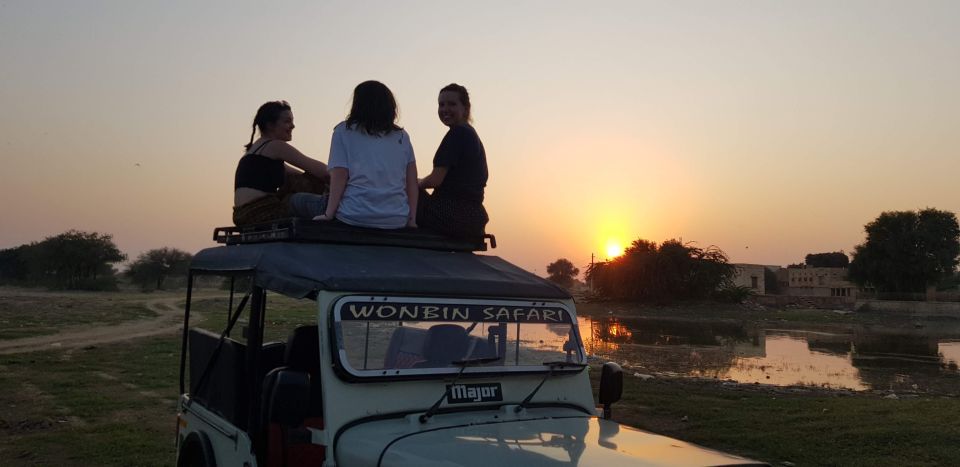
The jeep portion isn’t described as a gentle drive. It’s a guided dune bashing/jeep safari, and you’re crossing desert terrain rather than following a scenic highway.
The payoff is variety of views. From inside the jeep, you get the sweep of the desert in ways you just can’t replicate from a camel or on foot. The tour also includes photo stops and scenic viewpoints later, so the day doesn’t end after the bumpy ride.
One of the best signs for this part of the day is that the safari is frequently praised as epic and memorable. In the kind of feedback that matters, people name guides and drivers and describe the ride as genuinely fun rather than chaotic.
Camel ride and sunset: how the timing turns photos into a moment
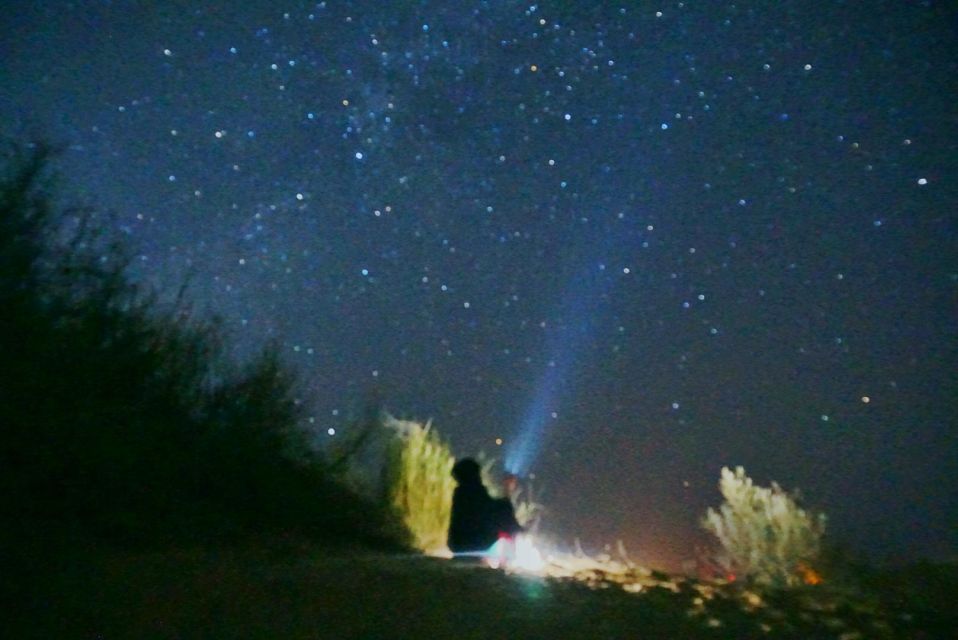
The camel ride comes after the lunch and Kuldhara steps, so you’re not rushing straight from the ruins into an evening-night schedule. You transition to the camp area with the camel ride, and then you get time to watch sunset over the sand dunes.
The tour explicitly builds time for views—about 2 hours of photo stops and sunset/scenic time. That matters because sunsets in desert country move fast. If your schedule is too tight, you miss the actual shift in color.
This is also where the “cultural safari” identity shows up. The desert isn’t just a backdrop. It’s part of the show: light, silence between sounds, and the sense of distance that makes the camp evening feel like a destination.
Camp ritual and the Rajasthani cultural program (folk dance, singing, more)
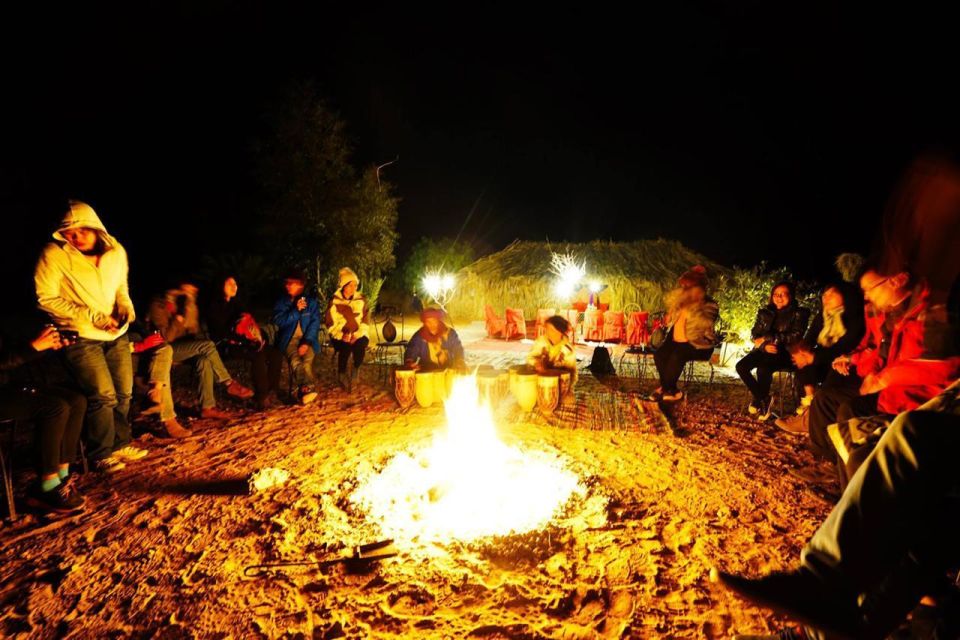
Camp is where the tour becomes a cultural evening, not only a desert adventure. You get a traditional welcome with Tika & Aarti, plus refreshing drinks and snacks to keep you comfortable while you settle in.
Then the cultural program brings folk dances and traditional singing. The performances include men and women in colorful clothes, featuring folk and gypsy dance styles and songs that are described as dating back generations. It runs for about 2 hours, which is a good length—long enough to feel like a real evening, not so long that you start checking your watch.
Included entertainment also mentions music and a discotheque. So think of camp as social and energetic. If you’re hoping for a calm, meditation-style desert evening, you might find it too loud.
Still, the people leading the evening get positive mentions by name. Guides like Talab are described as welcoming, efficient, lively, and fun. Other names that come up include Mahboob Ali and Shadam Khan, noted for warm gestures and good guidance. That kind of on-the-ground hosting helps cultural programs land well, because it’s not just the show—it’s how the team manages your comfort and expectations.
Food in the desert: shaded lunch, pure veg buffet dinner, and allergy notes
Food is handled in two main chunks.
- Lunch: authentic Rajasthani cuisine, eaten under shade, with about 2 hours planned.
- Dinner: Rajasthani buffet dinner that’s pure veg, with about 2 hours scheduled.
You also get snacks and water at the camping area. The program notes snacks and water availability, which is a practical reassurance when you’re spending the day in open desert conditions.
If you’re sensitive to specific ingredients or have allergies, you should inform the organizer ahead of time. The tour data explicitly says they can accommodate dietary restrictions if you let them know.
One detail worth knowing from real-world experience shared with this kind of camp setup: some evenings include extra interactive moments like cooking over a fire at camp. Even if that isn’t guaranteed, it’s consistent with how these cultural evenings can feel hands-on.
Price and value: why $38 can make sense here
At about $38 per person for a full-day plan, the value depends on what you’d otherwise pay for in pieces.
Here, you’re getting:
- jeep transport and dune bashing
- the heritage walk at Kuldhara
- lunch under shade
- a camel ride
- sunset viewing and photo time
- camp welcome (Tika & Aarti) plus snacks and drinks
- the cultural program with folk dance and singing
- a pure veg buffet dinner
- return transport to Jaisalmer the same day
- all of it in a small group (up to 10)
If you tried to book these separately—transport, camel experience, guided ruins time, camp evening, and meals—the totals add up quickly. The small group also reduces the usual “everyone gets lost” stress that can happen in larger tour formats.
So yes, $38 is not only a number. It’s a full-day package price that stacks multiple paid experiences into one outing.
Who this tour is best for (and when to skip)
This safari is a strong fit if you want:
- a first-time Jaisalmer experience that hits both culture and desert action
- a guided day that includes Kuldhara rather than skipping it for pure sand
- an organized evening with Rajasthani performances and food, not only a sunset viewpoint
- a smaller group setting (up to 10), where guides can actually help
It’s less ideal if you:
- need a slow, quiet pace (camp includes music and a discotheque)
- can’t handle a long day (11:30 am to around 10:30 pm)
- are pregnant (it’s not suitable for pregnant women)
Also keep your expectations flexible. One piece of feedback in the mix rated the desert safari and cultural program as average, which is a reminder that cultural shows and desert driving can vary in how people interpret them. If you’re open-minded and you show up curious, this format tends to work.
Should you book Wonbin Safari’s all-day cultural desert safari?
If your idea of a great Jaisalmer day includes Kuldhara, dune bashing, a camel ride, and an evening cultural program with food, then this is an easy yes. The schedule is full, the variety is real, and the package includes almost everything you’d otherwise have to arrange separately.
I’d especially lean toward booking if you want a smaller group experience with bilingual-style support (English, Hindi, Korean) and a guided heritage stop—not just a generic desert photo run.
If you prefer quiet evenings, or you know long, bumpy travel days don’t suit you, then think twice and look for a gentler format.
FAQ
What time does the desert safari start and when do I return?
The safari starts at 11:30 am and you typically return to Jaisalmer around 10:30 pm the same day.
Where do I get picked up?
Pickup is from Jaisalmer, either from a scheduled destination or directly from your hostel. Transport is by jeep, and pickup/drop from the railway station has been reported in some cases.
Do I get a heritage walk at Kuldhara Village?
Yes. You’ll visit Kuldhara Village and enjoy a guided heritage walk for about 30 minutes.
Is lunch included, and is it under shade?
Yes. Lunch is included and is served under the shade of trees. It’s about 2 hours in the schedule.
How long is the camel ride?
The camel ride lasts about 1 hour.
What happens at the camp in the evening?
You’ll receive a traditional welcome with Tika & Aarti, then enjoy a Rajasthani cultural program with folk dances and traditional singing, followed by dinner.
Is the dinner vegetarian?
Yes. The dinner is a pure veg Rajasthani buffet.
Who can participate, and who should avoid it?
The tour notes it is not suitable for pregnant women.
What ID do I need to bring?
Bring a passport or ID card. A copy is accepted.
Is free cancellation available?
Yes. You can cancel up to 24 hours in advance for a full refund.
What languages are supported?
The host or greeter supports English, Hindi, and Korean.