REVIEW · FORT KOCHI
Fort Kochi & Mattanchery 3-Hour Walking Tour
Book on GetYourGuide →Operated by Carnival Tours Kochi · Bookable on GetYourGuide
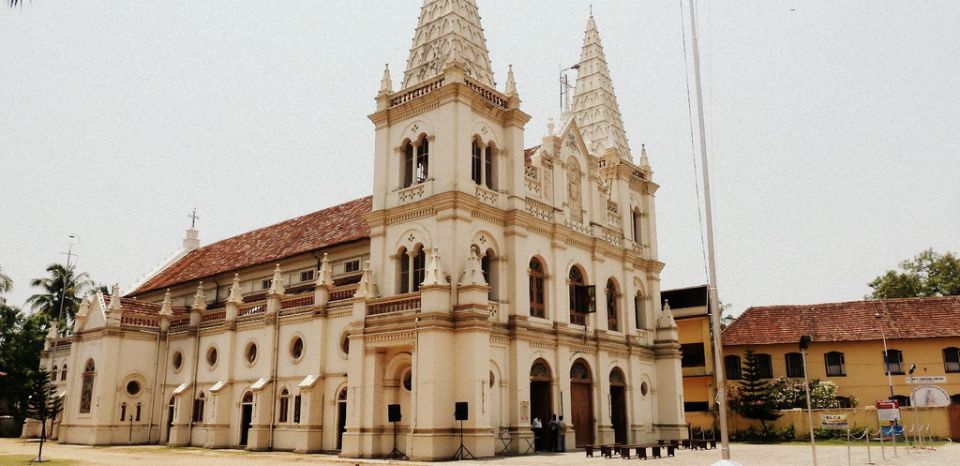
Fort Kochi walks you through centuries. In just 3 hours you’ll connect the Chinese fishing nets with European churches and Portuguese-era artwork, then finish in Mattancherry with Santa Cruz Basilica standing out for its whitewashed face and inside paintings. I like how the route ties everyday life to big, moving history without feeling like a museum slog. One thing to plan around: the Jewish Synagogue and Dutch Palace shut on Fridays, Saturdays, and Jewish holidays.
This is a private, English-guided walk that also gives you time to look at the streets themselves—locals at work, traders’ leftovers, and the spice-town smell drifting through Jew Town. If you’re the type who wants to linger for a long photo session in the Dutch Palace, you may feel the time is a bit tight.
In This Review
- Key highlights worth marking on your map
- How this 3-hour walk strings together Fort Kochi and Mattanchery
- Chinese Fishing Nets: more than a photo stop
- St Francis Church (1503): Vasco da Gama and the Portuguese military dead
- Santa Cruz Basilica: white facade outside, paintings inside
- Mattancherry Dutch Palace murals: where Portuguese rule meets Hindu epics
- Paradesi Synagogue and Jew Town: brass, glass, and spice trade memory
- Price and guide quality: does $30 feel fair?
- Practical tips so you enjoy every stop
- Should you book the Fort Kochi & Mattanchery walking tour?
- FAQ
- What is the duration of the Fort Kochi & Mattanchery walking tour?
- How much does the tour cost?
- Is this tour private?
- What’s included in the price?
- Where do I meet for the tour?
- Is there a guide, and what language do they speak?
- What are the main places you visit?
- Are the Jewish Synagogue and Dutch Palace open every day?
- Is the tour suitable for cruise ship passengers?
- What is the cancellation policy and does pay-later booking exist?
Key highlights worth marking on your map
- Chinese fishing nets in action and the long story behind them
- St Francis Church (1503) and the Vasco da Gama burial-site link
- Santa Cruz Basilica with its two spires and wall paintings
- Mattancherry Dutch Palace murals featuring Hindu epics like the Ramayana and Mahabharata
- Paradesi Synagogue details including the brass pulpit, Belgian glass chandelier, and hand-painted porcelain tiles
- A walk that keeps moving into Jew Town for spice-trade vibes
How this 3-hour walk strings together Fort Kochi and Mattanchery
Fort Kochi and Mattanchery are close, but they don’t feel like one place. They feel like two different chapters of Kochi’s story—fishing and seafaring in Fort Kochi, then courts, trade, and faith in Mattancherry. That’s why this tour works: it’s a short timeline, but it covers the main “why you’re here” landmarks on foot.
It’s built as a private group experience, so you get a real chance to ask questions and get the meaning behind what you’re seeing. And it’s practical. Expect an easy walking pace for old-town lanes, plus a little time at each major stop so you don’t just pass by and move on.
The big value here is how the guide connects details. You end up noticing things yourself—like how Portuguese church art sits beside local culture, or how fishing technology from far away became local livelihood.
Chinese Fishing Nets: more than a photo stop
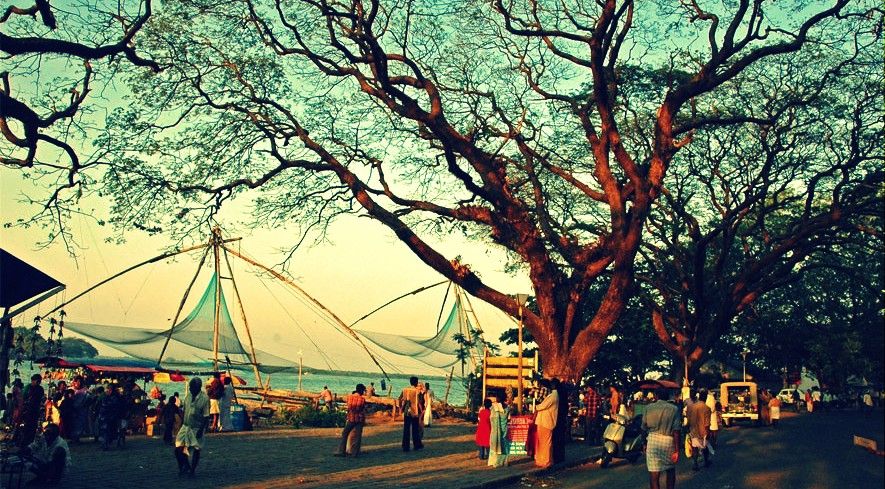
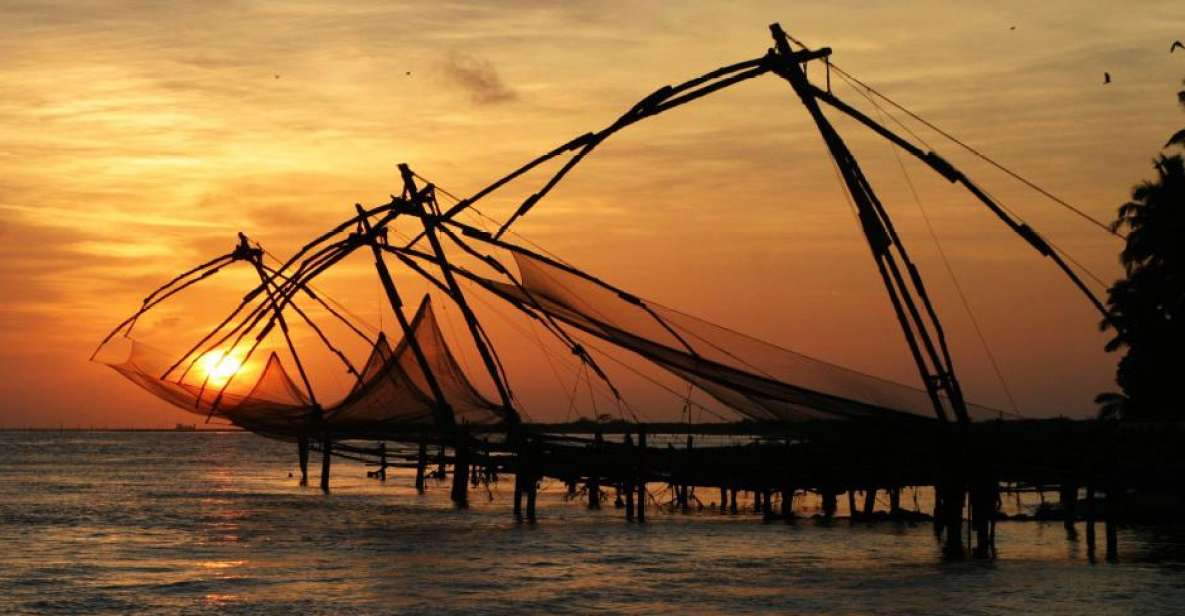
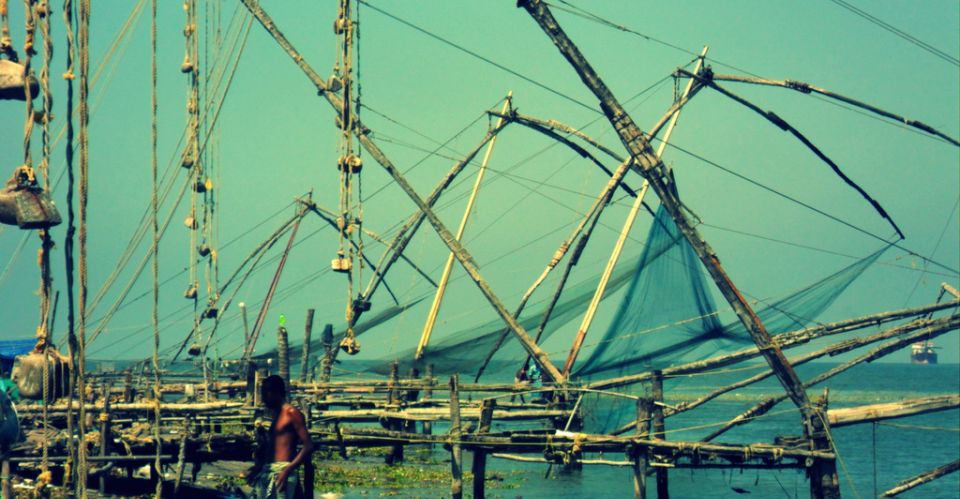
The tour kicks off with the Chinese Fishing Nets, which are still used by Kochi fishermen today. The story matters. These nets were introduced by traders from the court of Kublai Khan in the 14th century, and Kochi’s fishermen kept the practice going—so you’re not only looking at a relic.
What I like about starting here is that it grounds the whole day. Before you hit church facades and synagogues, you see a working craft tied to ocean cycles and daily income. It makes the rest of the tour click: Kochi wasn’t shaped by empires alone—it was shaped by people earning their living and adapting what came through trade routes.
Practical note: this is an active area. Dress for sun and watch your footing on uneven ground. If you’re sensitive to heat, try to drink water early and pace yourself for the first stretch.
St Francis Church (1503): Vasco da Gama and the Portuguese military dead
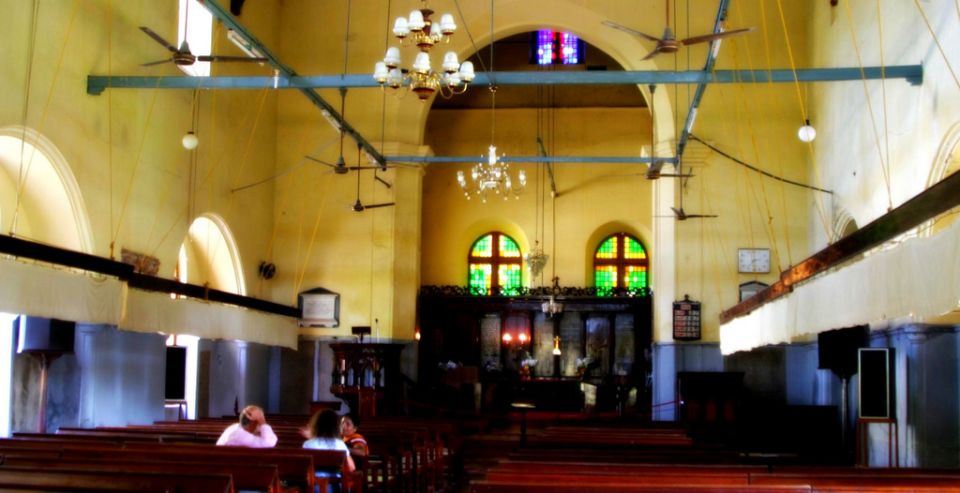
Next up is St Francis Church, described as the oldest European church in India, built in 1503 by Portuguese friars. The name “St Francis” is only part of what brings people in. The key link is the church’s connection to Vasco da Gama, whose burial place is tied to the site.
Inside and around the church, the cemetery adds another layer. The grounds served as a resting place for Portuguese army officials and soldiers. That’s a big reminder that Europe’s arrival in this region wasn’t only missionaries and merchants—it also came with military ambition and consequences.
What you’ll get here is a sense of time layering. You’re standing at a place that has been used for centuries, and the architecture and burial grounds give it weight in a way that an ordinary “quick photo” doesn’t.
A small drawback: you may feel like you want more quiet time, because the cemetery aspect can pull your attention longer than the main building does. If you’re rushing, you’ll miss some of that mood.
Santa Cruz Basilica: white facade outside, paintings inside
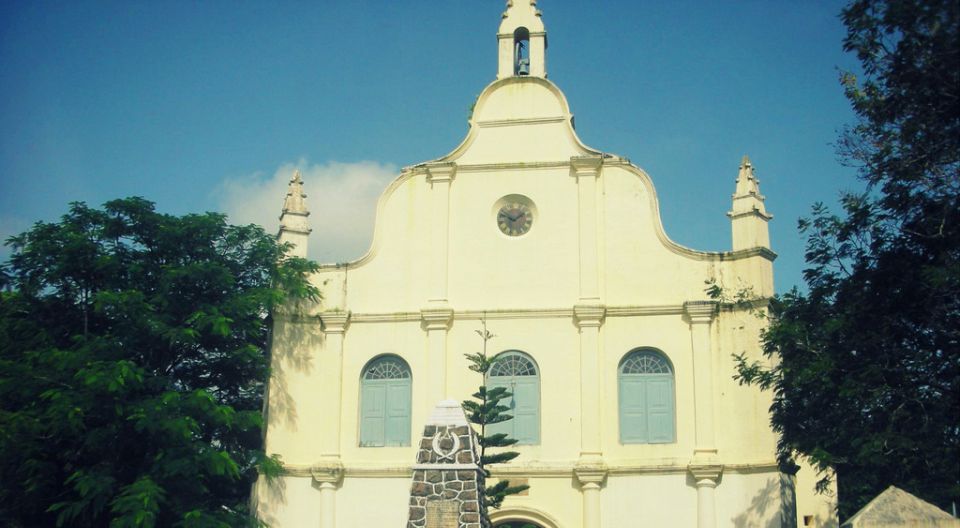
Then comes Santa Cruz Basilica, one of India’s largest and most impressive churches. From outside, you get the bright whitewashed look and two soaring spires—easy to spot and easy to admire from more than one angle.
Inside is where the basilica earns its reputation. The walls are decorated with frescoes, murals, and large paintings showing scenes from the life of Jesus Christ. Even if you’re not the religious-art type, you’ll likely find yourself pausing. The sheer scale of the paintings makes them hard to treat like background decoration.
Here’s what makes this stop worth your attention: it’s a visual record of how Portuguese Christianity took root locally and tried to stay meaningful in a foreign land. The guide’s framing helps you see the paintings as storytelling, not just decoration.
If you prefer less crowd energy, go with a calmer pace—take a breath before you start photographing. The light inside can make it easy to rush and miss details.
Mattancherry Dutch Palace murals: where Portuguese rule meets Hindu epics
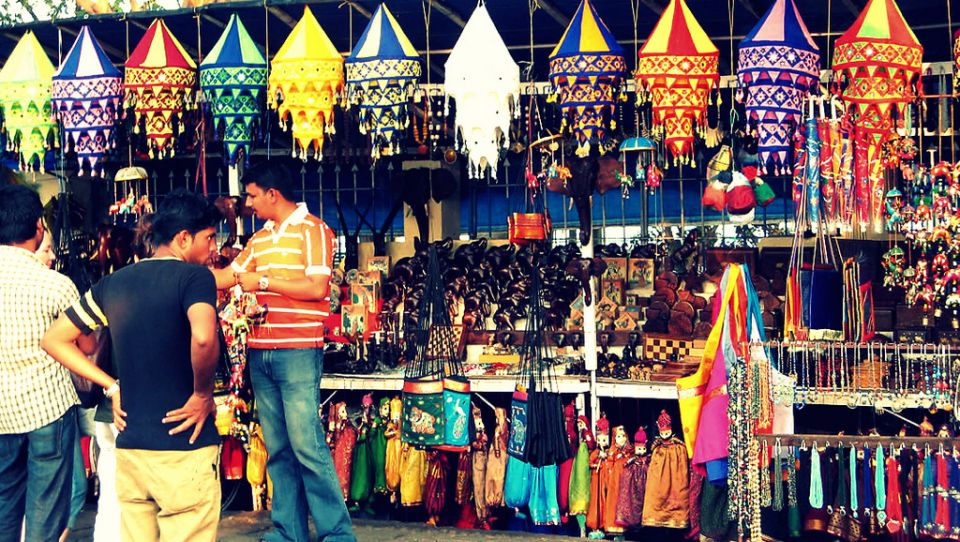
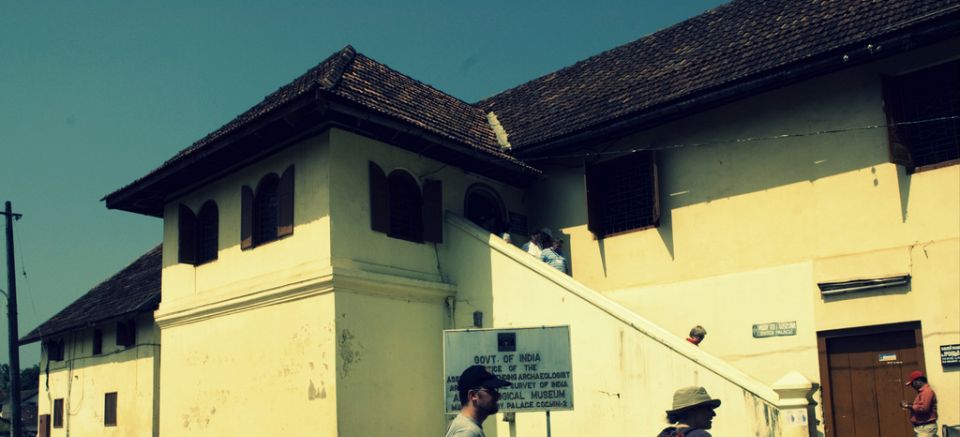
After the churches, you shift into palace territory with Mattancherry Dutch Palace. This palace was built by the Portuguese and presented to the Raja of Kochi in 1555. That date alone is interesting, but the art is the real reason people care.
The murals are the star. They portray Hindu tales such as the Ramayana and Mahabharata. That’s a striking cultural mix: Portuguese-built structure, court setting, and Hindu epics told through mural art.
Why this matters for you: it shows Kochi as a trading port where cultures didn’t always replace each other—they often translated each other. You’re seeing adaptation in paint.
One consideration: some visitors wish they had more time here. The palace can pull you in if you like wall art, characters, and panel-by-panel storytelling. If you’re that person, plan for the fact that 3 hours is a tight window for a lot of heavy-hitting stops.
Paradesi Synagogue and Jew Town: brass, glass, and spice trade memory
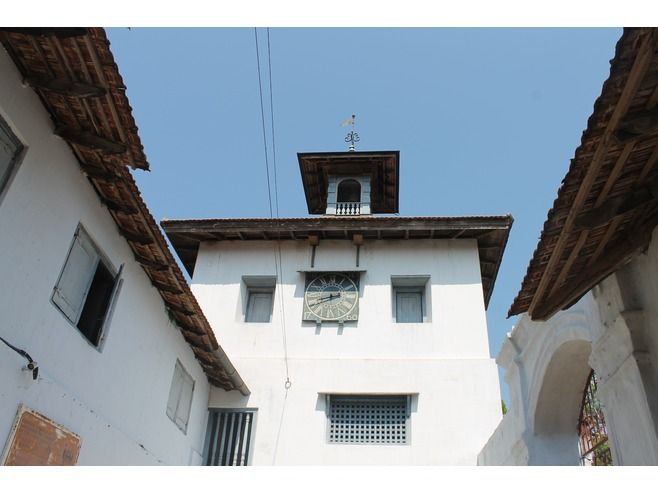
In Mattancherry, the tour moves to the Paradesi Synagogue, also known as the oldest active synagogue in South India. The details are gorgeous and oddly varied for one small space.
Look for the ornate brass pulpit. Take in the Belgian glass chandelier, and don’t rush past the hand-painted Chinese porcelain floor tiles. That mix—materials and craftsmanship from different places—matches Kochi’s identity as a long-time port where goods, people, and styles traveled.
Then it’s time for Jew Town, the neighborhood that connects directly to the spice trade. The air is part of the experience. You’ll smell ginger, cardamom, turmeric, and cloves as you wander around nearby lanes.
I love this ending because it shifts you from “important buildings” to everyday atmosphere. After big architectural stops, Jew Town makes the whole day feel human: trade on the street, aroma in the air, and history that still lives in the neighborhood rhythm.
Big planning note (and it matters): the Jewish Synagogue and Dutch Palace are closed on Fridays, Saturdays, and Jewish holidays. If your dates land on those days, your best bet is to check other Fort Kochi options, because the core synagogue/palace pairing won’t work.
Price and guide quality: does $30 feel fair?
At $30 per person for 3 hours with entrance fees included, this tour is priced like a “do it once and do it well” experience. You’re not just walking between sights—you’re paying for the guide’s connections between places: how fishing technology links to long trade history, how Portuguese churches sit next to court-era art, and how Jew Town ties back to spice commerce.
Where the value really shows is in the guide quality. The English guides I’ve heard about for this tour are known for friendly explanations and the kind of detail that turns landmarks into stories. Names that come up often include Tomy/Tommy, Sad, Rajesh, and Shaji. Guides like this tend to make you feel like the city is offering context, not just asking for your photo card.
One more reason $30 works: it’s private. Even a small group format changes the experience. You can slow down, ask why something was built, or get directed on what to look for inside rather than guessing.
Practical tips so you enjoy every stop
Here are the small things that make a big difference with a 3-hour walking plan:
- Meeting point: Carnival Tours & Travels, Princess Street, near Shop N Save and opposite Block Prints, Fort Cochin. Arrive a bit early so you’re not starting the walk flustered.
- Be punctual: the tour asks you to report about 5 minutes before departure.
- Wear shoes for old-town streets: you’ll be on foot through Fort Kochi and Mattancherry lanes, with uneven patches.
- Expect a short ride near Jew Town: some versions include a quick tuk-tuk or rickshaw transfer to the Jew Town area, which helps keep the schedule realistic.
- Plan for closures: synagogue and Dutch Palace are closed on Fridays, Saturdays, and Jewish holidays, so check your calendar before you commit.
- Not for cruise ship passengers: this tour won’t be provided to cruise ship guests, so if you’re in Kochi by cruise, look for an alternative format.
Also, if you like flexibility, this option offers reserve now and pay later, which can be handy when your other plans (or weather) aren’t locked in yet. And it includes entrance fees, so you don’t get surprise charges mid-walk.
Should you book the Fort Kochi & Mattanchery walking tour?
Book it if you want a tight, guided loop that covers the best-known anchors—Chinese Fishing Nets, St Francis Church, Santa Cruz Basilica, Mattancherry Dutch Palace, and Paradesi Synagogue—without wasting hours figuring out what order makes sense. It’s especially good if you like your sightseeing with explanations you can use while you’re still standing there.
Skip or adjust your plan if your travel dates include Friday, Saturday, or Jewish holidays, because the synagogue and Dutch Palace won’t be open. Also consider alternative pacing if you’re the type who needs long time windows inside art-heavy spaces like the Dutch Palace.
If you want a straightforward way to understand why Fort Kochi and Mattancherry feel so different, while still being close enough for one story arc, this tour is a strong choice.
FAQ
What is the duration of the Fort Kochi & Mattanchery walking tour?
The tour runs for 3 hours.
How much does the tour cost?
The price is $30 per person.
Is this tour private?
Yes, it’s a private group tour.
What’s included in the price?
Entrance fees are included.
Where do I meet for the tour?
You meet at Carnival Tours & Travels, Princess Street, near Shop N Save and opposite Block Prints, Fort Cochin.
Is there a guide, and what language do they speak?
Yes. The tour includes a live English-speaking guide.
What are the main places you visit?
You visit the Chinese Fishing Nets, St Francis Church, Santa Cruz Basilica, Mattancherry Dutch Palace, and Paradesi Synagogue, then you also wander around Jew Town.
Are the Jewish Synagogue and Dutch Palace open every day?
No. They are closed on Fridays, Saturdays, and Jewish holidays.
Is the tour suitable for cruise ship passengers?
No. This tour won’t be provided to cruise ship passengers.
What is the cancellation policy and does pay-later booking exist?
Free cancellation is available up to 24 hours in advance for a full refund, and you can reserve now and pay later.