REVIEW · HARIDWAR
Haridwar: Ganga Aarti Ceremony Tour at Har Ki Pauri Ghat
Book on GetYourGuide →Operated by Tourify Uttarakhand · Bookable on GetYourGuide
Har Ki Pauri turns into a whole different world at dusk. You’ll be right where the Ganga Aarti happens, with an English guide explaining what you’re seeing as priests light deepas of ghee and mantras roll over the steps. I especially like the tour’s focus on timing—arrive early enough to get a good seat—so you’re not stuck watching from the sidelines.
Two things I really like: you get live commentary while the ceremony unfolds, and the plan includes a comfortable spot close to the river so you can actually follow the ritual. A small drawback to consider: depending on your guide, the explanation level during the ceremony can vary—so if you want more context, it helps to ask questions early and set expectations.
In This Review
- Key highlights at Har Ki Pauri Ghat
- Why Har Ki Pauri sunset makes the Ganga Aarti feel personal
- Meeting point and how to get a great seat without stress
- Har Ki Pauri ghat: the guided walk and your first look at the atmosphere
- The Ganga Aarti itself: deepas, mantras, bells, and the golden flame
- Offering time: flowers, leaf boats, and small diyas on water
- Photography and etiquette: how to get good shots without being a problem
- The guided portion after the ceremony: what you’ll do for those extra hours
- Price and value: is $25 for 3 hours fair?
- Who this tour suits best (and who should reconsider)
- Small logistics that actually matter
- Should you book this Har Ki Pauri Ganga Aarti tour?
- FAQ
- Where does the tour start?
- How long is the Har Ki Pauri Ganga Aarti tour?
- What’s included in the price?
- Is hotel pickup and drop-off included?
- Can I bring and use a camera?
- What should I wear or bring?
- Is there a time you should arrive before the ceremony?
- Is this tour wheelchair accessible and private?
Key highlights at Har Ki Pauri Ghat
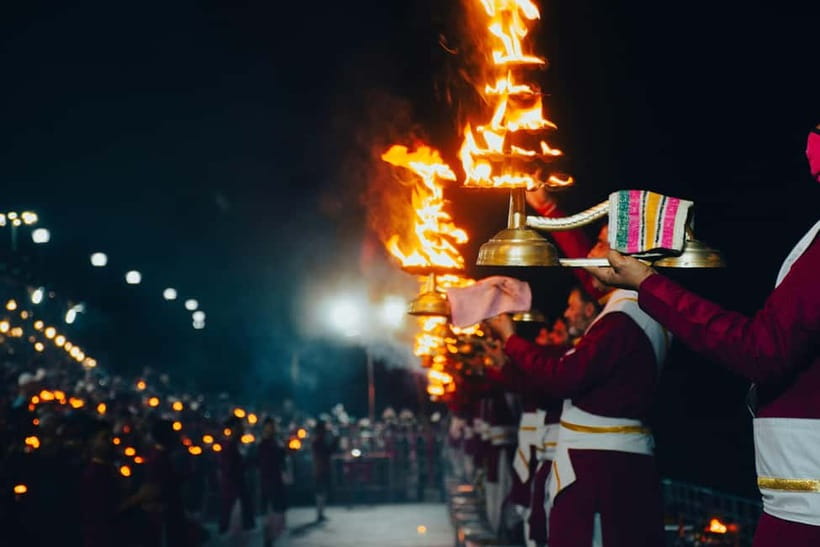
- Sunset timing so the ceremony starts as day turns to night, with the lamps lit at the right moment
- Deepas of ghee and synchronized priest movements, plus chants, bells, and conch shells
- English-speaking commentary to translate the meaning of the ritual as you watch
- Comfy viewing seating that lets you get closer to the riverbank without scrambling
- Photography allowed throughout, with a clear reminder to be respectful and not disrupt
Why Har Ki Pauri sunset makes the Ganga Aarti feel personal

The Ganga Aarti isn’t only something you watch. At Har Ki Pauri, it’s something you experience with your senses—sound first, then light, then the smell of incense and offerings. As the sun drops behind the river horizon, you can feel the crowd shift from sightseeing mode into ceremony mode.
The timing matters because the ritual is tied to the transition from day to night. That’s part of why the ceremony feels so emotional: it’s presented as light overcoming darkness, and good prevailing over evil. When the priests lift the large brass lamps and the flames catch the air, the symbolism lands fast, even if you’re not deeply religious.
You can also read our reviews of more tours and experiences in Haridwar.

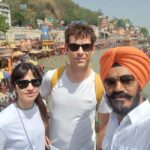
Meeting point and how to get a great seat without stress
Your tour starts at Pandit Deendayal Upadhayay vehicle parking (डबल स्टोरी). From there, you head toward Har Ki Pauri with a guide, which is helpful when you’re trying to manage timing and crowds in a busy riverfront area.
Here’s the practical advantage: you’re instructed to arrive 30 minutes before the ceremony. That means you’re not racing for a spot at the last second, and you’re more likely to land somewhere you can actually see the priests and the lamps clearly. If your goal is a front-row feel, this early arrival is the difference between good photos and barely usable ones.
Har Ki Pauri ghat: the guided walk and your first look at the atmosphere
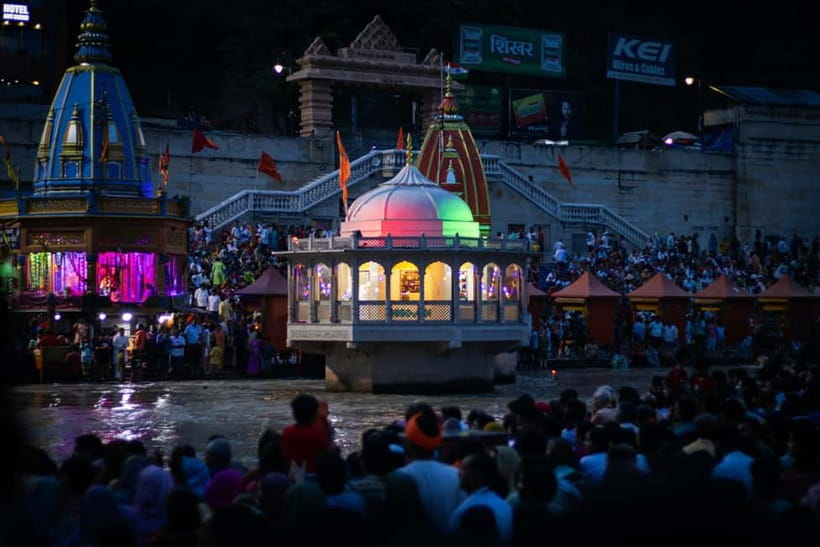
Once you reach Har Ki Pauri, you get a guided introduction plus free time to settle in. The steps along the ghat fill with devotees, monks, priests, and travelers as dusk approaches, and the air starts to thicken with incense smoke and temple-bell sound.
This first stretch is more than a warm-up. It’s when you get your bearings—where the action will be, how the crowd moves, and what the different sounds mean. If you’re hoping to catch the ceremony’s most intense moments from a comfortable position, you’ll want to use this window to set yourself up and avoid getting pushed around later.
The Ganga Aarti itself: deepas, mantras, bells, and the golden flame
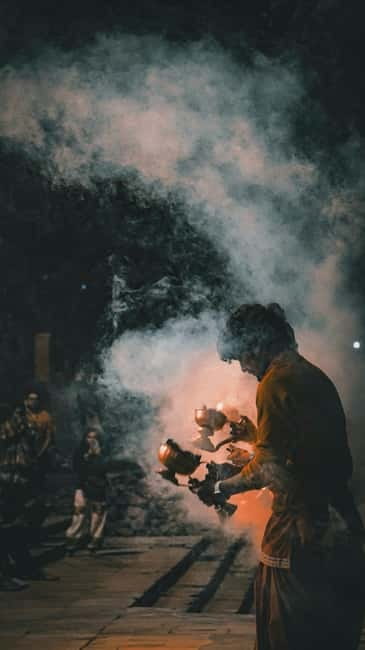
The ceremony begins around dusk, right when the light changes. Priests—often referred to as pandas in this context—perform the Aarti dressed in traditional saffron robes, chanting ancient Sanskrit hymns and prayers. You’ll see large brass lamps (deepas) loaded with ghee, which produces a steady golden flame instead of a weak flicker.
As the lamps lift and move in rhythmic circular motions, the soundscape becomes part of the ritual: rhythmic chanting, the ringing of bells, and conch shells being blown. The guide’s job here is to help you connect the dots—what you’re hearing, what you’re seeing, and why it’s done this way.
One chant you’ll likely hear is “Om Jai Gange Mata,” a popular aarti hymn dedicated to Mother Ganga. Even when you don’t understand every Sanskrit word, you’ll feel the structure: call-and-response patterns, repeated phrases, and the way the entire ghat seems synchronized to the ceremony.
Offering time: flowers, leaf boats, and small diyas on water
A major emotional moment comes when people offer flowers, leaves, and small diyas (clay lamps) released on leaf boats into the Ganges. This is gratitude and reverence in physical form—tiny flames drifting into moving water while prayers travel with them.
If you want to join in, it’s worth knowing you can purchase diyas from vendors near the ghat. The best advice is to be ready: don’t wait until the last second to find what you need. Hold onto your offering until you’re sure how the flow of the ceremony moves, and keep the action calm and respectful.
The sight of those tiny flickering lights on the river is hard to forget. And it also helps you understand what the Aarti is really doing: it’s not just worship in place; it’s worship offered outward, into the current.
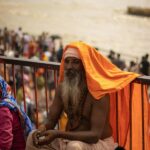

Photography and etiquette: how to get good shots without being a problem
Photography is allowed throughout the ceremony, and you’re being told you can bring a camera. Great—you just still need to be smart about it. Don’t stand up if it blocks someone’s view, don’t swing your camera into the faces of nearby worshippers, and keep movements slow.
A simple strategy: use your camera during the most stable moments (lamp lifts, the main chanting peaks, the offering release). When things get crowded, prioritize standing still and framing patiently over chasing action.
Also, avoid alcohol and drugs. The ceremony is religious and public-facing, and that rule is in place for a reason: to keep the atmosphere focused on the ritual and the people participating.
The guided portion after the ceremony: what you’ll do for those extra hours
After Har Ki Pauri, the tour continues with an additional visit and guided touring for about two hours. The specifics of what you’ll see aren’t spelled out here, so you should treat this as time for more Haridwar context and guided walking around nearby sights.
What’s valuable, though, is the pacing. You’re not dropped back immediately after the Aarti. Instead, you get time to keep learning while the meaning of the ceremony is still fresh in your head—so you don’t leave with photos only.
Price and value: is $25 for 3 hours fair?
At around $25 per person for a roughly 3-hour experience, this tour is priced like something practical: you’re paying for English-speaking guidance, live commentary, a comfortable viewing setup, and the included access to the main ceremony zone (including skipping the ticket line).
Here’s how I’d judge value for you:
- If you want the ceremony explained in plain English while it’s happening, the guide is the real value.
- If you’re happy to figure everything out on your own, you might save money—but you’ll likely spend more time working out where to stand and what different moments mean.
- If you care about photography and want a stable viewing position, that comfy seating can be worth the price by itself.
One more note from real-world experience: the level of explanation can vary by guide. In one case, a first guide stayed with the group until another arrived, and the first had more active explanations. Then, during the ceremony, the assigned guide didn’t say much. If you want heavy narration, it’s smart to ask your guide early what they’ll cover during the Aarti.
Who this tour suits best (and who should reconsider)
This tour is a strong fit if you want a structured way to see one of India’s most recognizable river rituals. It’s ideal for first-timers to Haridwar who don’t want to guess about timing, crowd flow, or the meaning behind the chants and offerings.
It also works well if you’re not sure how religious you feel about it. The Aarti is designed to be a shared sensory experience—sound, light, movement—so even people who aren’t deeply involved with the faith often find the atmosphere moving.
If you’re the type who wants a full deep-dive into Sanskrit hymns or detailed cultural history beyond what’s covered by the guide, you might want extra help beyond what this tour offers. The focus here is the ceremony experience, with explanations that keep you oriented—not a multi-topic lecture series.
Small logistics that actually matter
Dress modestly. It’s a religious event, and you’ll feel more comfortable in clothing that covers you appropriately. Keep your camera ready, and plan on being steady—less fuss during the ceremony means better shots and a calmer experience.
The ceremony is especially grand during festivals like Kumbh Mela and Ganga Dussehra. If you’re traveling during those periods, expect bigger crowds and more intensity, which also means arriving early becomes even more important.
If you’re traveling on a tight schedule, note what’s not included: there’s no hotel pickup or drop-off. You’ll need to get to the meeting point yourself.
Should you book this Har Ki Pauri Ganga Aarti tour?
Book it if you want an easier, more guided way to see the Ganga Aarti at Har Ki Pauri—especially if you care about timing, comfortable riverbank viewing, and English explanations during the ceremony. At $25 for about 3 hours, you’re paying for convenience and context, not just access.
Consider skipping or adding your own plan if you’re comfortable navigating Haridwar alone and you’re mainly there for the visuals. Also, if explanation depth is your top priority, you’ll want to speak up early and ask your guide what you can expect during the main ritual.
FAQ
Where does the tour start?
It starts at Pandit Deendayal Upadhayay vehicle parking (डबल स्टोरी).
How long is the Har Ki Pauri Ganga Aarti tour?
The duration is 3 hours.
What’s included in the price?
You get the Ganga Aarti ceremony experience at Har Ki Pauri, live commentary and explanations, comfortable sit to join the ceremony, photography allowed, and an English-speaking tour guide.
Is hotel pickup and drop-off included?
No. Hotel pickup and drop-off are not included.
Can I bring and use a camera?
Yes. You should bring a camera, and photography is allowed throughout the ceremony as long as you’re respectful and don’t disrupt.
What should I wear or bring?
Dress modestly for this religious event, and bring a camera.
Is there a time you should arrive before the ceremony?
Yes. Arrive 30 minutes before the ceremony to secure a good viewing spot.
Is this tour wheelchair accessible and private?
Yes. It’s listed as wheelchair accessible, and it’s offered as a private group.
If you want, tell me your travel month and whether you’re coming for Kumbh Mela or a normal date—I’ll help you plan the best time to arrive at the ghat for the kind of view you want.