REVIEW · MUNNAR
Kerala Traditional village cooking class (Munnar)
Book on GetYourGuide →Operated by Amazing Munnar Adventure Tourism Society · Bookable on GetYourGuide
Spices, tea, and a real kitchen. That is the vibe of this Munnar traditional village cooking class, hosted by Mr Raveendra kumar and Mrs selvi, with cooking, stories, and plenty of tasting. You start with a peek into how Kerala home cooks think about ingredients like coconut, curry leaves, and mustard seed, then you end up eating what you made.
I like two things most. First, the market visit isn’t window dressing. You’re picking produce and spices with context, and it makes the cooking lessons stick. Second, this is true hands-on cooking, not a demo where you hover at the edge of the cutting board.
One consideration: the class runs 4 hours, but it may stretch an extra hour or more depending on the dishes. If you’re trying to stack multiple plans in one afternoon, build in buffer time.
In This Review
- Quick hits: what makes this class feel special
- Entering A Munnar Home With Mr Raveendra kumar and Mrs Selvi
- The Market Walk: Where Kerala Cooking Starts
- Tea Estate, Fruits, Vegetables, and Spices (Not Just a Menu Listing)
- The Cooking Lesson Flow: From Welcome Drinks to Q&A
- Hands-On Cooking: You Actually Get to Cook
- What You’ll Taste: A Shared Kerala Feast
- Timing, Pickup, and the $21 Value Equation
- Rules Matter: A Calm Home Setting
- Who This Cooking Class Fits Best (And Who Might Skip It)
- Should You Book This Kerala Village Cooking Class in Munnar?
- FAQ
- How long is the Kerala Traditional village cooking class in Munnar?
- What is the price per person?
- Do I get pickup and drop from my hotel?
- Is a market visit included?
- What languages do the instructors speak?
- Do I cook, or is it only a demonstration?
- What food is included during the class?
- What dishes might be cooked?
- What dietary preferences can I request?
- What restrictions should I know about?
Quick hits: what makes this class feel special
- Hosted at a local home by Mr Raveendra kumar and Mrs selvi
- Market visit to choose ingredients before the cooking starts
- Tea-estate and produce focus, including fruits, vegetables, and spices
- Step-by-step ingredient guidance, with attention to Kerala staples and medicinal supplements
- Groups cook multiple dishes, then you all taste together
Entering A Munnar Home With Mr Raveendra kumar and Mrs Selvi
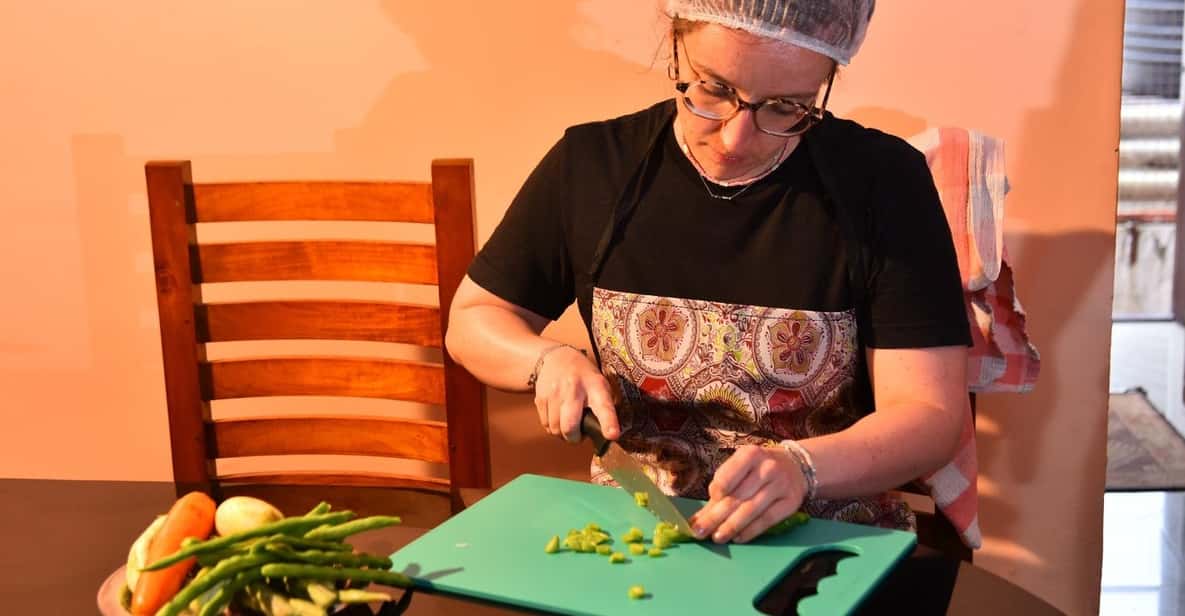
The experience starts like you’re being invited into someone’s routine. Mr Raveendra kumar and Mrs selvi guide the day with the kind of calm, patient pace that works well for first-timers. They’ve been serving and teaching since 2001, and you feel that experience in how smoothly the class moves from explanation to action.
You’ll be working in an actual home kitchen setting rather than a studio classroom. That matters because Kerala cooking is less about fancy techniques and more about timing, ingredient behavior (how coconut milk changes, how spices bloom), and getting the ratios right for stew, curry, or steamed dishes.
Another practical plus: you get instruction in English, Tamil, and Malayalam. In some cases, you may get translation support during the cooking if that helps you follow the steps clearly.
You can also read our reviews of more tours and experiences in Munnar.


The Market Walk: Where Kerala Cooking Starts
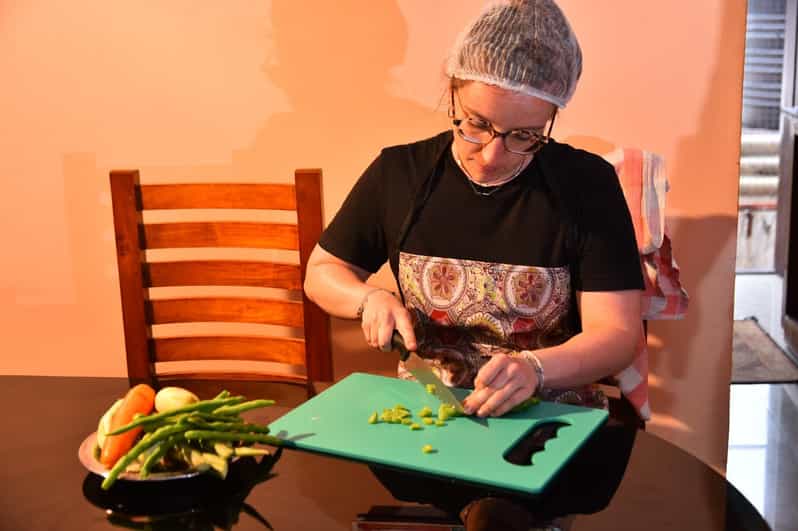
Before the stove gets busy, you’ll do a market visit to select ingredients. The point isn’t just shopping. It’s learning what shows up locally in Munnar—seasonal vegetables, fruits, and spices—and why home cooks build menus around what’s available.
This also helps you understand dishes beyond the final plate. When you know what curry leaves smell like fresh, or you understand the role of coconut milk, you stop treating Kerala flavors like a mystery. You start treating them like a set of tools.
If you’re the type who likes to recreate meals later, this is the part you’ll remember the most. You can’t buy every ingredient back home, but you’ll learn what is essential versus what is flexible.
Tea Estate, Fruits, Vegetables, and Spices (Not Just a Menu Listing)
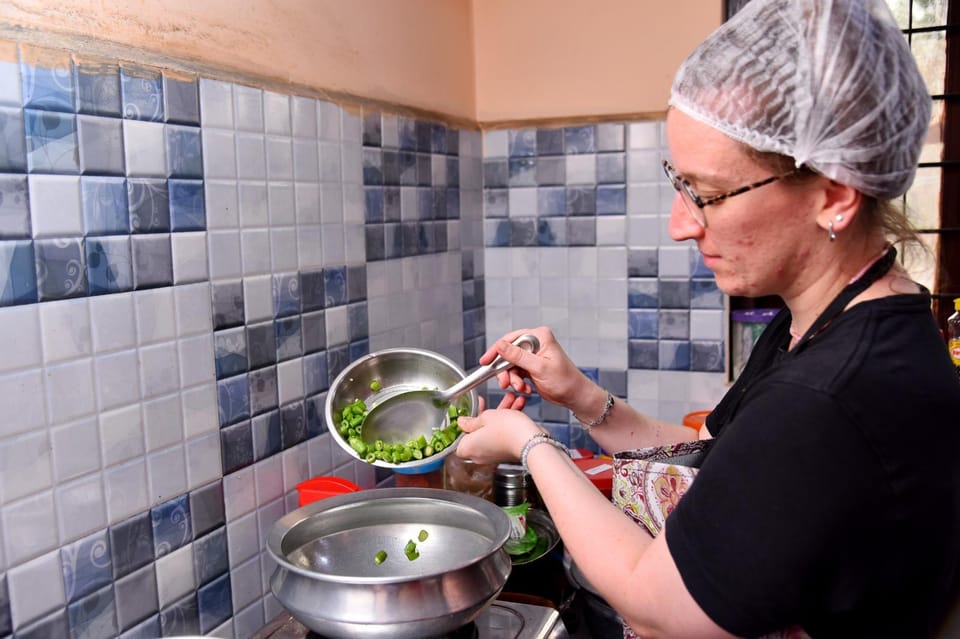
This class includes time and attention for Kerala produce beyond the cooking pot. You can expect a focus on tea estate context as well as local fruits, vegetables, and spices. In Kerala, those items aren’t just background—they’re the flavor engine.
You’ll also hear about medicinal supplements alongside food recipes. That’s not something you usually get in standard tourist cooking classes. Even if you don’t care about traditional wellness claims, it’s still useful food knowledge: spices are used differently, and certain ingredients are treated as both taste and care.
You’ll get an ingredient intro before cooking ramps up—think coconut milk, curry leaves, mustard seeds, and common spice staples like turmeric, coriander, and cumin. This groundwork makes the later steps feel less random.
The Cooking Lesson Flow: From Welcome Drinks to Q&A
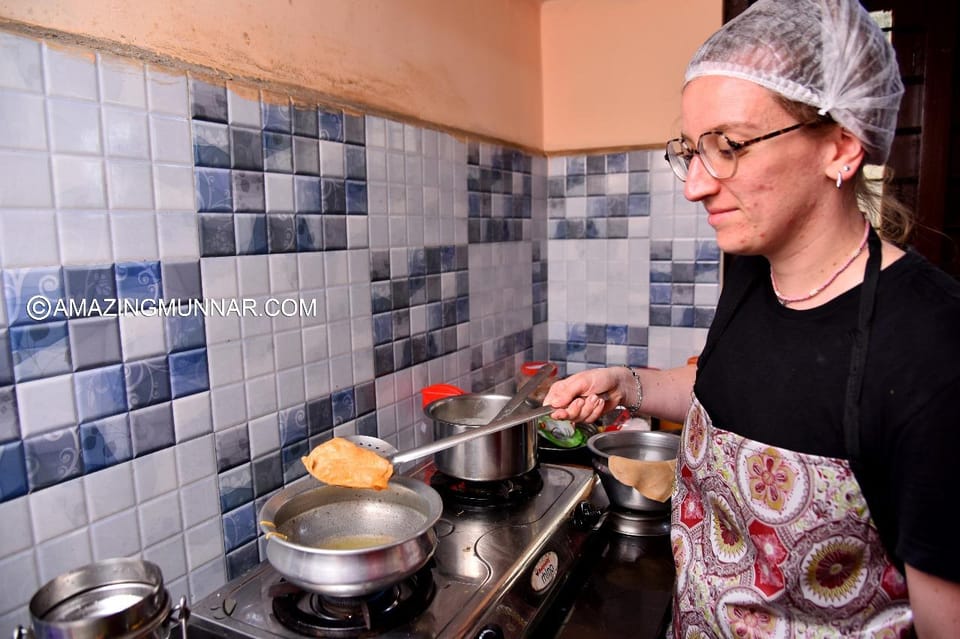
The format is structured, which is good news if you’re worried you’ll be lost. It typically goes like this:
- Introduction to Kerala cuisine and ingredients
- Live cooking demonstration with step-by-step explanations
- Hands-on cooking in groups
- Tasting session for everything you made
- Q&A to clear up anything you still don’t get
You’ll likely start with a welcome drink and then move into the cooking sequence. Some classes also include snacks along the way, so you’re not just waiting around until the big meal.
Dishes can vary based on what you’re selected for and what’s finalized close to class time (the menu is finalized at least 12 hours before). Examples of dishes that may appear include appam and stew, fish curry, avial, and puttu with kadala curry. In vegetarian-focused sessions, you may see more plant-based curries and sides built around Kerala staples.
The demonstration portion is where the technique talk is most helpful. You’ll learn the procedure for adding ingredients and how to aim for authentic flavor. That means more than saying add spices; it’s about when you add them and what you’re trying to activate—like bloom-and-balance cooking rather than dumping everything at once.
Hands-On Cooking: You Actually Get to Cook
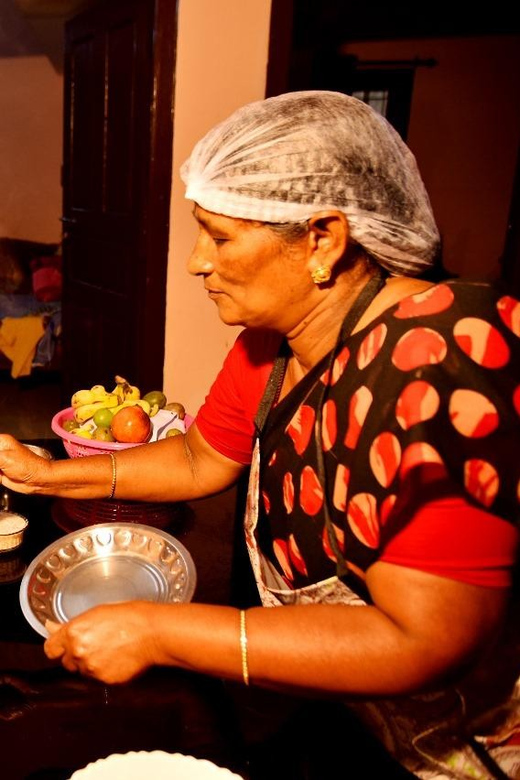
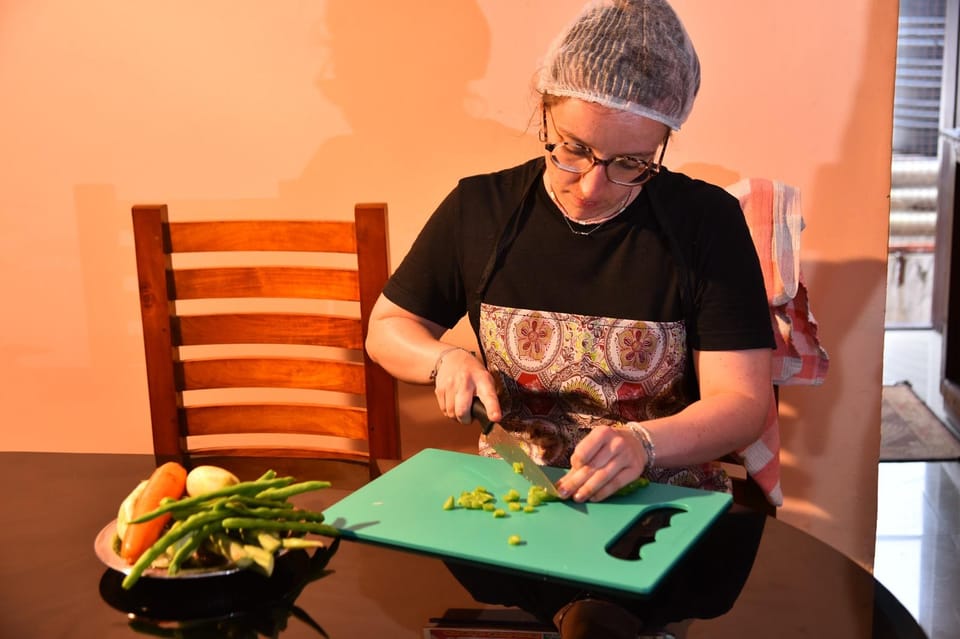
After the demo, you’ll switch from watching to doing. You’ll be divided into groups and assigned dishes to prepare under guidance. In practice, that means you’re chopping, mixing, frying or steaming, and shaping parts of the dishes rather than only stirring.
This is one of the best reasons to book. Kerala cuisine has a lot of small “texture” decisions—how thick a coconut-based curry feels, how the batter cooks, whether a stew tastes layered or flat. When you cook it yourself, you understand those differences fast.
They provide the basics you need: knife, apron, and a cutting board. You also get pen and paper, which is a quiet lifesaver if you want to jot down spice timings or serving order. And because it’s a private group, you generally get more direct help when a step goes sideways.
From the experience descriptions, it’s not unusual for classes to end with cooking and tasting around 6 to 8 dishes. That’s a lot of food education for one afternoon.
What You’ll Taste: A Shared Kerala Feast
Once everything is cooked, the day shifts to tasting. Everyone samples what the groups prepared, then you talk through flavors, textures, and aromas. This is where you learn what “right” tastes like in Kerala terms.
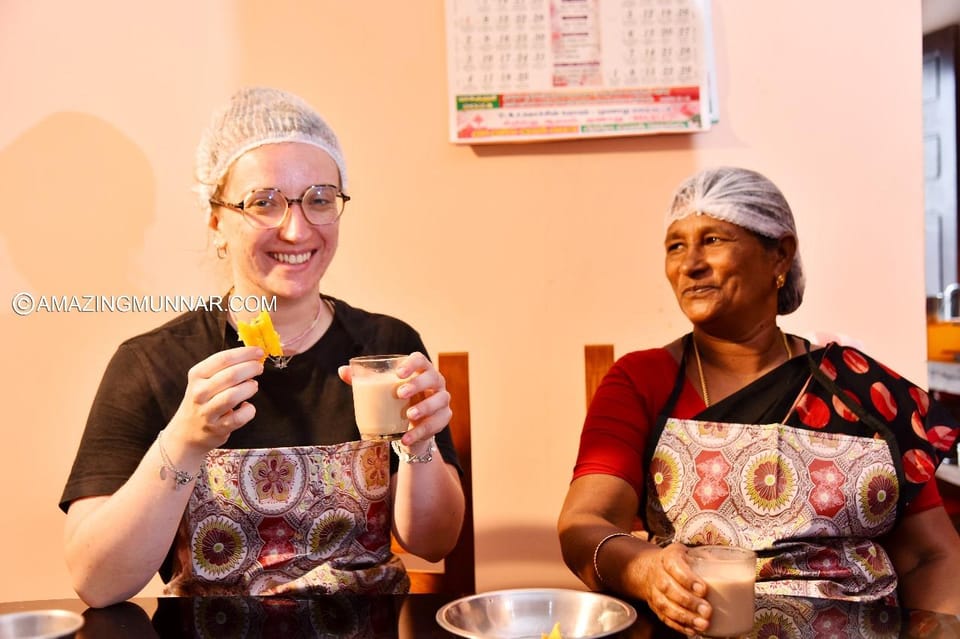
You may see a mix of veg and non-veg dishes depending on the menu. Common highlights can include curry dishes and sides, with snacks and sometimes dessert. Some classes specifically add things like masala chai and fried banana snacks—so you’re tasting more than one style of sweetness and spice.
Why the tasting matters: it teaches you to diagnose flavors. If the stew tastes dull, you’ll be able to connect it to missing spice timing or balance. If a coconut-forward curry feels heavy, you’ll remember how the coconut milk was treated earlier.
And yes, you’re eating a meal that’s built from the ingredients you bought and prepared. That’s real value, not just “fun cooking class food.”
Timing, Pickup, and the $21 Value Equation
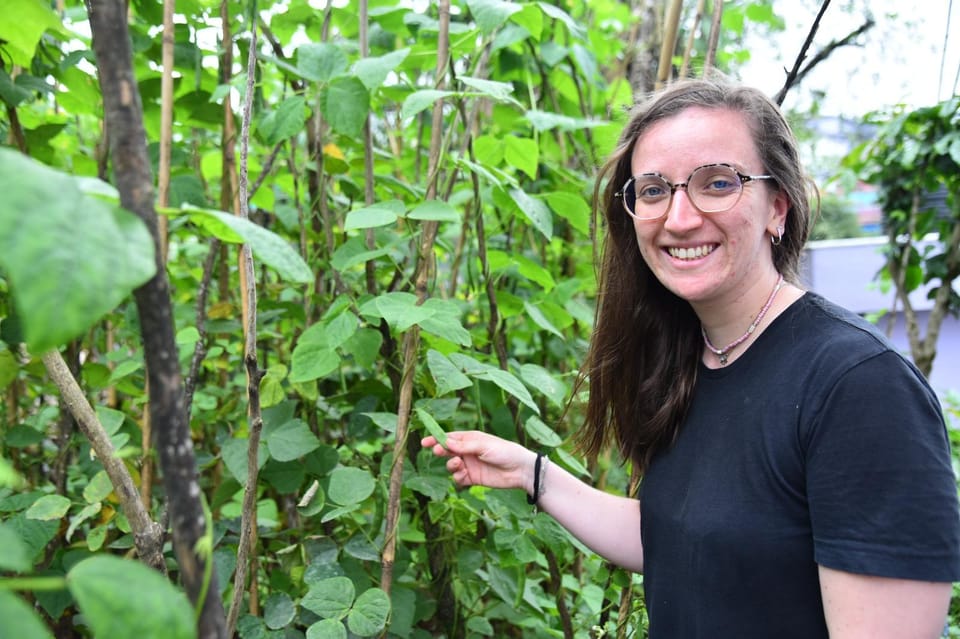
The price is $21 per person for about 4 hours. For Munnar, that’s strong value because you’re getting far more than a recipe card:
- lecture and live demonstration
- meal and snacks
- market visit
- travel guidance
- drinking water (water bottle)
- equipment (knife, apron, cutting board)
- pen and paper
Most cooking classes charge extra for transportation or make it “just a demo.” Here, the structure includes the market experience and the equipment you need to cook.
Now the logistics part you should actually care about. Pickup and drop are included within 2 km of Munnar town. If you need pickup from elsewhere, additional charges may apply. Also, one practical heads-up: the class may run up to an extra hour or more based on dishes.
My advice: confirm pickup details in advance, especially if you’re staying outside the simple 2 km radius. If you’re meeting at a pickup point, plan for a little coordination time.
Rules Matter: A Calm Home Setting
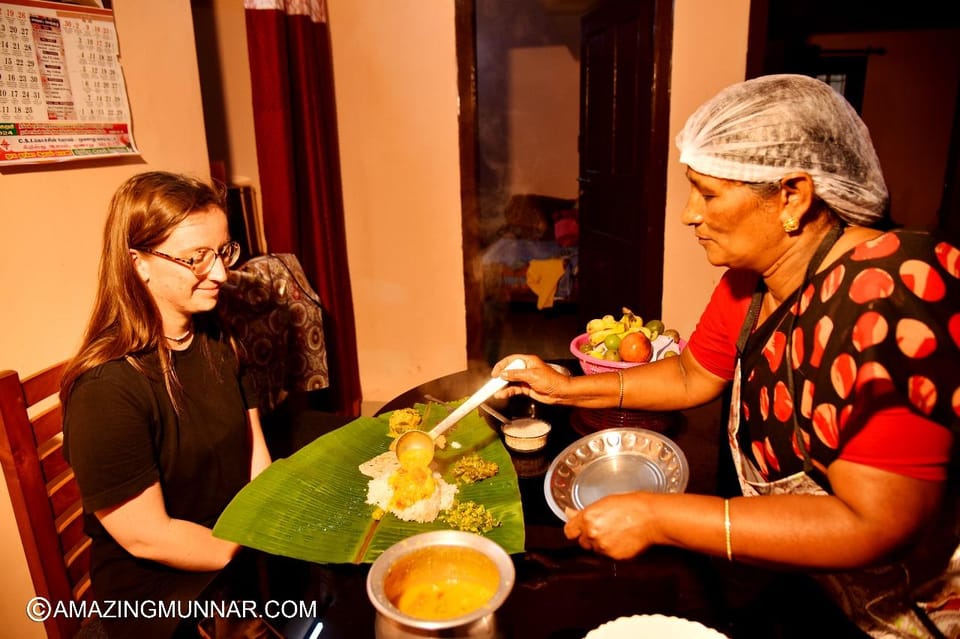
This isn’t a chaotic party setup. There are clear rules: no pets, no intoxication, no alcohol or drugs, and no fireworks or explosives. Alcoholic drinks aren’t allowed in the vehicle.
That’s good for most people because it keeps the focus on food, conversation, and cooking instruction. If you want a home-style, respectful experience, this fits the bill.
Who This Cooking Class Fits Best (And Who Might Skip It)
This experience is a great match if you want:
- a hands-on way to learn Kerala home cooking
- ingredient context (spices, produce, coconut-based flavors)
- a full afternoon meal that feels personal and grounded
It’s also a solid fit for food lovers who travel with curiosity. You’ll leave with more than dishes—you’ll leave with an understanding of how ingredients behave.
Two reality checks:
- It is wheelchair accessible, but it is not suitable for visually impaired people or hearing-impaired people. If you fall into those categories, you’ll want to check details directly before booking.
- The time can run longer than the headline 4 hours. If you’re chasing a tight schedule, don’t stack another tour right after.
Should You Book This Kerala Village Cooking Class in Munnar?
If you want a cooking class that feels like an actual local day—not a staged performance—this is a very good bet. The combination of market visit, spice and ingredient explanations, and real hands-on cooking makes it worth the $21.
Book it if you’re flexible with time and you’d enjoy learning why Kerala flavors work, not just memorizing recipes. Skip or double-check details if your schedule is tight, or if you need specific support due to visual or hearing accessibility needs.
FAQ
How long is the Kerala Traditional village cooking class in Munnar?
The duration is listed as 4 hours, but it may extend by 1 hour or more depending on the dishes.
What is the price per person?
The price is $21 per person.
Do I get pickup and drop from my hotel?
Pickup and drop are included within 2 km radius from Munnar town. If you need hotel pickup outside that radius, additional charges may apply.
Is a market visit included?
Yes. A market visit is included as part of the experience.
What languages do the instructors speak?
The instructor speaks English, Tamil, and Malayalam.
Do I cook, or is it only a demonstration?
You get hands-on cooking. After the demonstration, you cook assigned dishes in groups with guidance.
What food is included during the class?
You’ll have a meal & snacks. A welcome drink is also part of the menu concept, plus dessert.
What dishes might be cooked?
Menus vary, but dishes like appam and stew, fish curry, avial, puttu and kadala curry are examples of what can be included. The menu categories include veg, non-veg, snacks, welcome drinks, and dessert.
What dietary preferences can I request?
The class can include vegetarian options, based on the way it has been arranged for some participants. If you have a preference, request it in advance.
What restrictions should I know about?
Pets are not allowed. Intoxication and alcohol/drugs are not allowed. Alcoholic drinks are also not allowed in the vehicle.