REVIEW · AGRA
Agra: Street Food Tour with Spice Market on Tuk-Tuk Ride
Book on GetYourGuide →Operated by Coxan Tours - Private Sightseeing Tours · Bookable on GetYourGuide
Street food in Agra comes with a plan. This 3-hour Old Agra experience mixes a temple-and-market route with guided tastings, plus a rickshaw ride that gives you city views without getting lost. I love that the tour keeps you moving and eating, not just watching.
My second big win is the people part. On my ideal street-food day, you want someone who can steer you to the right stalls and help you match the food to your comfort level, and the guide on this tour does that with real attention. You’ll also get a classic street-to-street feel through chaat gali and the spice market, in a way that stays friendly and practical.
The main thing to consider: this isn’t for slow, step-light touring. It involves walking in crowded markets, so it’s not suitable for people with mobility impairments.
In This Review
- Key things that make this Agra street food tour worth it
- How the tour flows: pickup, Old Agra landmarks, and then straight to food
- Chaat gali: the street where Agra snack culture takes center stage
- The food lineup: jalebi, petha, vada pav, samosa, and the rest
- Spice Market by rickshaw: what you learn when the food aisle becomes a lesson
- Transport that actually helps: walking plus tuk-tuk plus rickshaw views
- Guides like Amir and Shubham: why the person matters on a street-food tour
- Price and value: is $16 a bargain or a gamble?
- What to bring and how to plan your afternoon (so you enjoy it)
- Who should book this, and who should skip it
- A simple decision guide: should you book this Agra street food tour?
- FAQ
- What time does the tour pick up?
- Where does the tour start and end?
- How long is the experience?
- Is the tour mostly walking?
- What food is included?
- Can I request a vegetarian experience?
- Do I get water during the tour?
- What should I wear or bring?
- What languages are available?
- Is it suitable for mobility impairments?
- Can I pay later?
- What is the cancellation window?
- Should you book this Agra street food tour with spice market?
Key things that make this Agra street food tour worth it
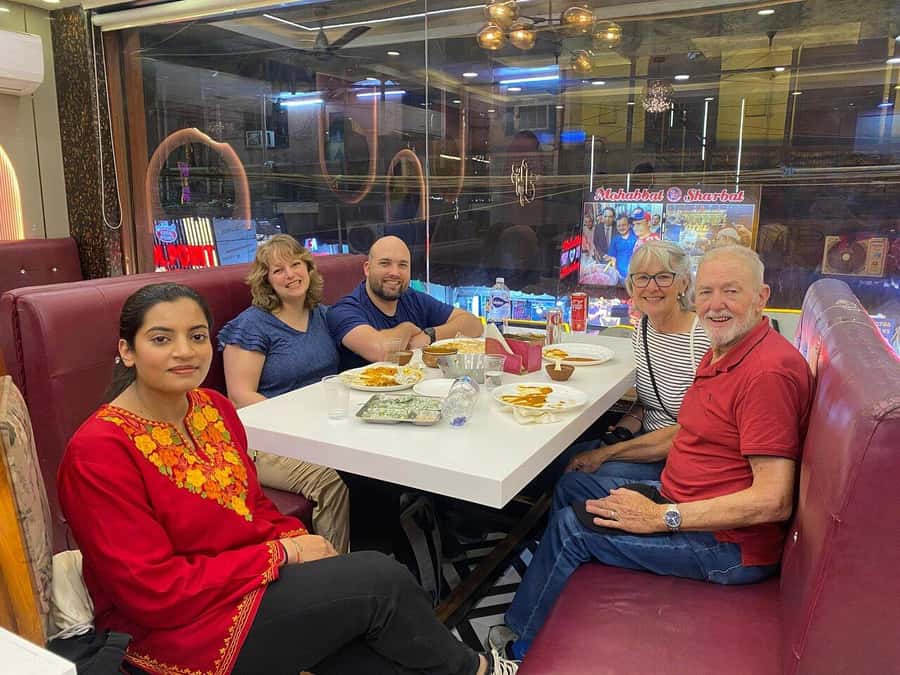
- Private tuk-tuk pickup and drop-off at your chosen location in Agra
- Chaat gali street stops for pani puri, aloo chaat, aloo tikki, pav bhaji, and more
- A guide who tailors tastings to your spice level and appetite
- Spice Market on a rickshaw with explanations tied to medical and health use of spices
- Temple visits that set the scene at Shri Mankameshwar Mandir and Jama Masjid
- Good “start-to-finish” flow with cold mineral water and napkins provided
How the tour flows: pickup, Old Agra landmarks, and then straight to food
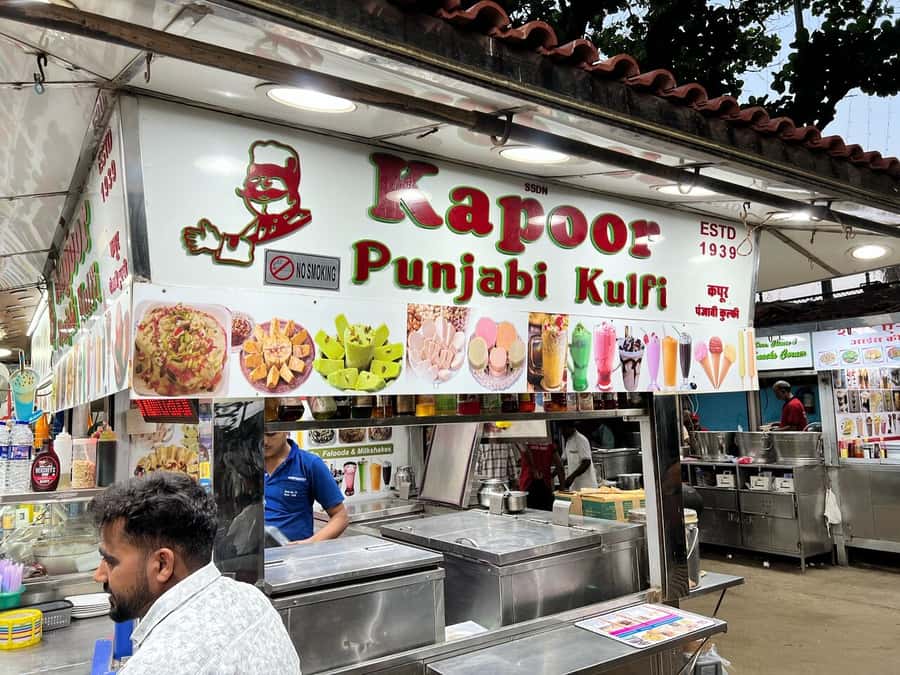
This tour is designed around an afternoon/evening rhythm. You pick a start time between 3:00 PM and 6:00 PM, and you’ll get pickup from any location in Agra. That flexibility matters because Agra traffic and heat can be unpredictable, and arriving at the right moment helps you enjoy the markets instead of fighting them.
The route begins with a couple of meaningful stops that give context before you start snacking. First is Shri Mankameshwar Mandir, an ancient Hindu temple devoted to Lord Shiva. The tour goes beyond photo-taking by pointing out the Shiva statue and idols, so you get more meaning behind the sights as you move.
Next up is Jama Masjid, built by Jahanara Begum, the daughter of Shah Jahan (the same Shah Jahan associated with the Taj Mahal). This isn’t just a quick glance. It helps you understand why religious and daily life are so tightly connected in Old Agra: markets and worship share the same streets, and the tour uses that reality to set your expectations for what comes next.
Then the day shifts into “eat mode” through the markets, with a mix of walking and rickshaw travel so you can cover ground without feeling like you’re sprinting.
You can also read our reviews of more food & drink experiences in Agra


Chaat gali: the street where Agra snack culture takes center stage
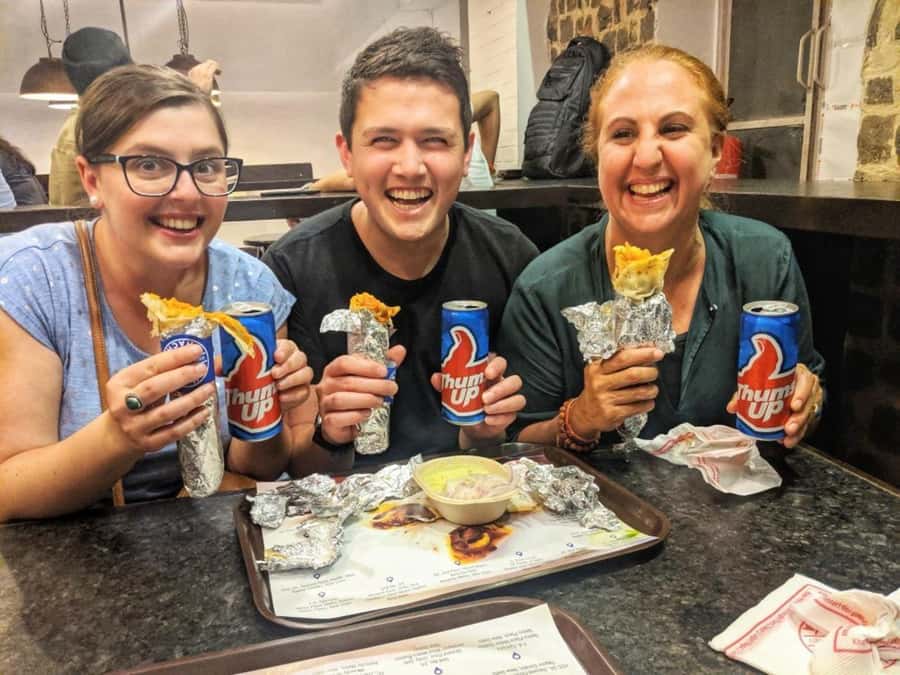
If you’ve never done Indian street food before, chaat gali is where it clicks. This is the area where you find vendors lined up for savory bites that range from tangy to spicy, and the tour aims to sample several of the favorites so you get variety fast.
You’ll taste classics such as pani puri, which is the hollow fried crisp filled with potato, onion, and chickpeas, then served with a punchy mix. Expect more than one version of “aloo” here too—aloo chaat and aloo tikki are both common picks on this route. The difference between them is part of the fun: one leans into sauced, snack-stall complexity, while the other is more of a crisp-fried, sauce-and-chutney style bite.
You’ll also encounter crowd-friendly street-food hits like pav bhaji, plus other chaat-style snacks from the surrounding vendor scene. The best part is that your guide doesn’t treat this like a checklist. The tastings are adjusted to your taste and how adventurous you want to be, so you can go all-in on flavor—or keep it calmer.
One practical tip: chaat is best when you eat it in small bites and keep moving. The tour’s pacing (walking plus rickshaw) fits that. If you want a slow, sit-down dinner vibe, you’ll be happier with a restaurant. If you want the street’s energy while staying organized, this format works.
The food lineup: jalebi, petha, vada pav, samosa, and the rest
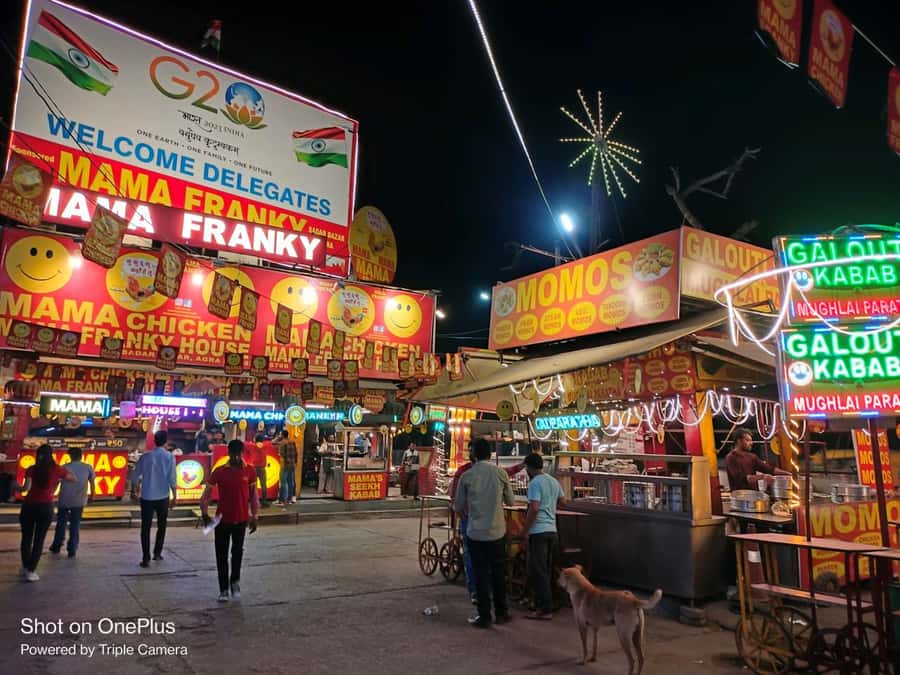
This is not a single-snack tour. You’re sampling both savory and sweet, and the guide’s job is to make sure you’re full enough to enjoy everything, but not so full you miss the standouts.
On the savory side, you can expect staples like:
- Samosas and kachori (fried snacks with spiced fillings)
- Chole bhature, a Punjabi-style plate with chickpea curry and fried bread
- Vada pav, often called an Indian street burger: a fried potato mixture with chutneys served in a bun
- Plus other street bites as you move through Old Agra
On the sweet side, the tour aims for two classic Agra flavors:
- Jalebi, the syrup-soaked spirals
- Petha, a local sweet that’s known for its unique texture
One review-based pattern you should plan for: people who want maximum enjoyment tend to go into the tour hungry, then let the guide pace them. If you show up already full from a big lunch, you’ll have less room to sample the full range. In other words, treat this as your main event, not your dessert detour.
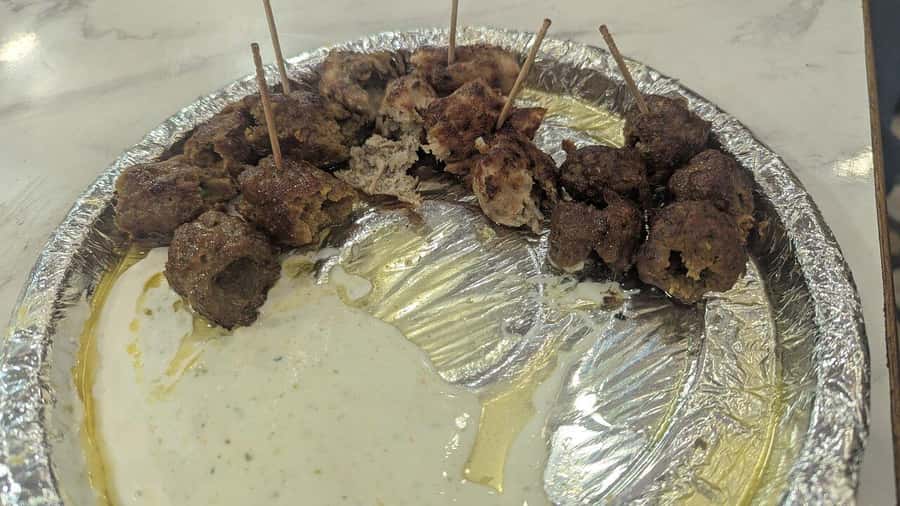
Vegetarian and non-vegetarian options are handled through selection. If you choose non-vegetarian, you’ll get meat-focused items included. If you choose vegetarian, you’ll still see plenty of variety, including vegetable kebab-style bites that show up on the route in some cases.
Spice Market by rickshaw: what you learn when the food aisle becomes a lesson
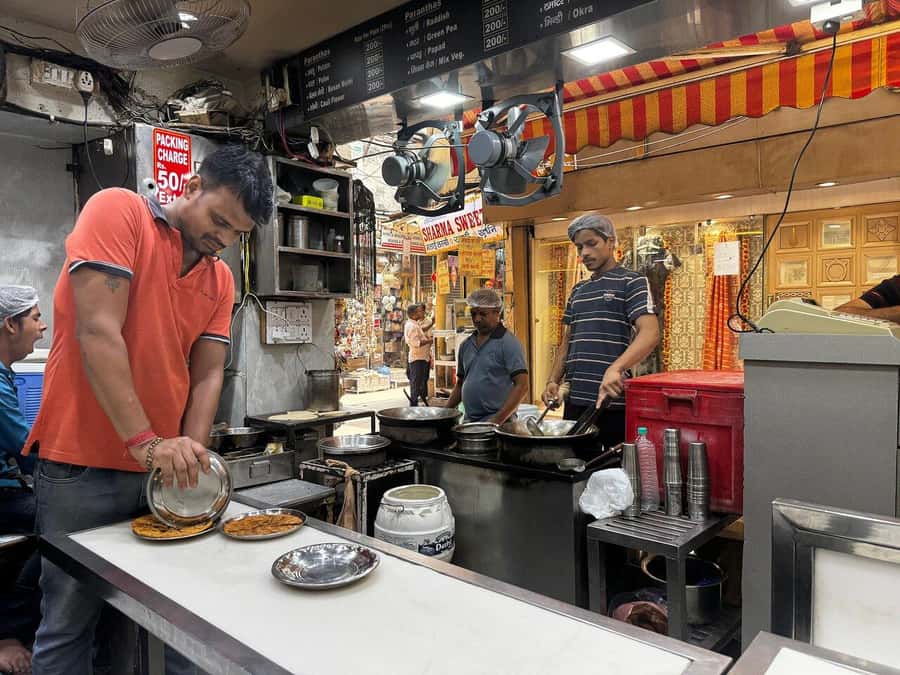
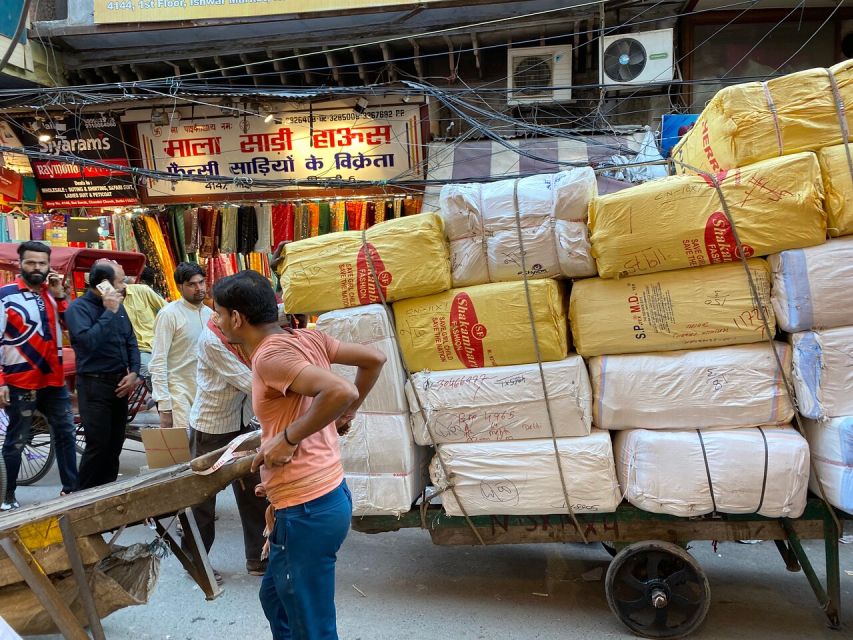
A standout moment on this tour is the trip to the Spice Market on a traditional rickshaw ride. The practical value is simple: you get a guided view while transporting through a busy area, and you’re not stuck trying to navigate narrow market lanes on your own.
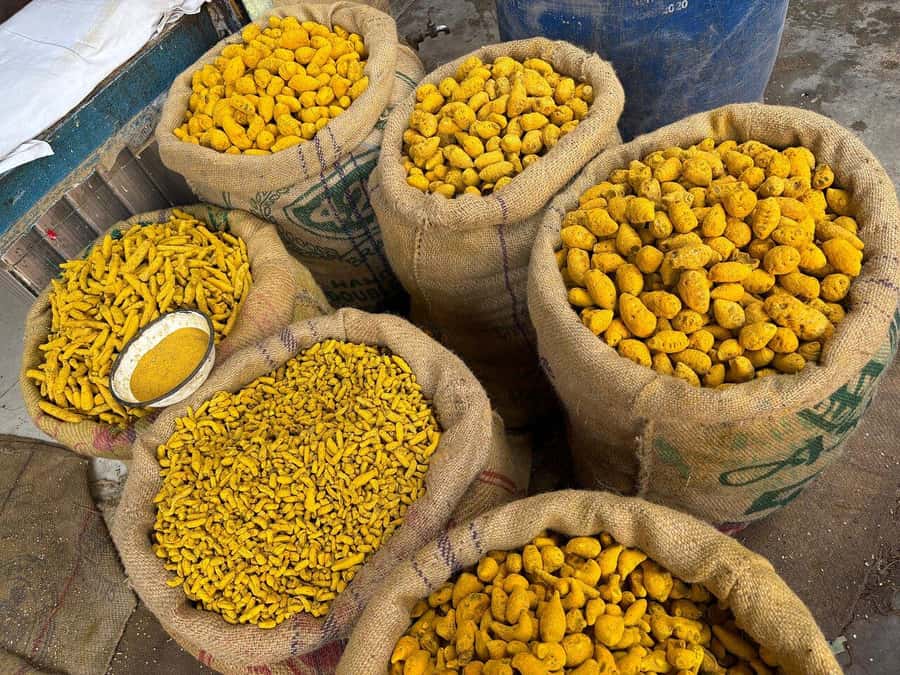
What makes this stop feel more than just shopping tourism is the explanation layer. The guide shares information on how spices connect to medical and health ideas—basically, how people use spices in everyday life and what traditional thinking links them to.
Even if you don’t care about the deeper health claims, you’ll still benefit. Spices are harder to understand from a grocery shelf. In a spice market, you see the colors, textures, and blends, and the guide can explain what’s in common mixes and why certain flavors show up repeatedly in Indian cooking.
This is also a good point in the tour to slow down. After chaat and fried snacks, your brain gets a quick reset when you see the raw ingredients behind the flavors.
Transport that actually helps: walking plus tuk-tuk plus rickshaw views
Agra street food is best enjoyed when you can move fast enough to keep your appetite alive. This tour’s transport setup is practical: you get private tuk-tuk pickup and drop-off, and you switch to street-friendly movement with walking and rickshaw riding.
That mix matters because:
- Walking lets you soak up the market energy and reach the tight vendor lanes.
- Rickshaw time gives you a break and a better look at how crowded streets really function.
- Tuk-tuk pickup and return reduce hassle, especially if you’re staying somewhere with limited access.
One of the quieter benefits is safety and confidence. When you’re with a local guide and a private driver, you spend less time negotiating and more time focusing on the food.
Also, the tour includes cold mineral water and napkins, which sounds basic until you’re halfway through a long tasting path and grateful you’re not hunting for a bottle.
You can also read our reviews of more tours and experiences in Agra

Guides like Amir and Shubham: why the person matters on a street-food tour
For street food, the guide is everything. You need someone who knows which stalls are worth your time and who can help you keep your comfort level. On this tour, guides can be Amir or Shubham, and both are described as calm, friendly, and focused on making the experience safe and enjoyable.
What I look for in a guide here is confidence with crowd flow. Market streets can feel chaotic even when they’re safe. The guides on this tour are the kind of people who know vendors personally, which can mean less waiting and smoother transitions. If you’ve ever stood in line while your group gets hungry, you’ll understand why that matters.
The best guides also handle your preferences without making it awkward. This tour includes tailoring to taste and adventure level, so you’re not stuck eating what you don’t like just because it’s part of a set menu.
Price and value: is $16 a bargain or a gamble?
At $16 per person, this tour is priced like a real local-food experience, not a luxury show. You’re getting a private live guide, transport support (tuk-tuk pickup/drop-off and rickshaw rides), plus snacks and sweets depending on the option you select.
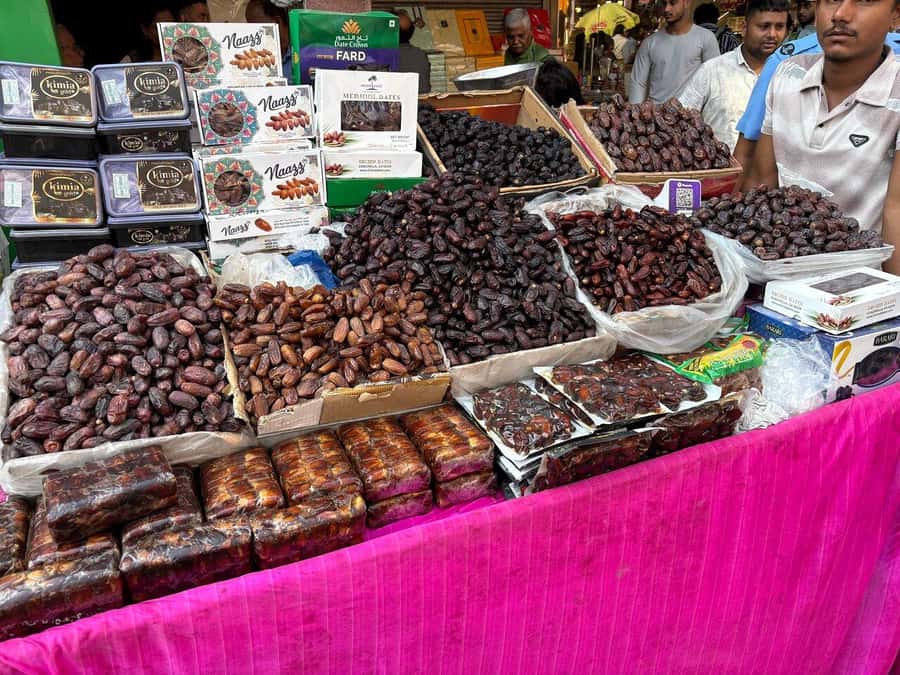
The value also comes from the number of stops and the variety. You’re not only eating one type of snack. You’re sampling across categories—savory chaat, fried street classics, a Punjabi dish, and then sweets like jalebi and petha. That range is where street-food tours justify their price.
One thing to keep in mind: snacks and sweets are included if that option is selected, and non-vegetarian items are included if that option is selected. So check your choices before you go. If you want the fullest tasting range, you’ll usually want to select the snack-and-sweets option.
For many people, the bigger value is time saved. Trying to recreate this on your own in Old Agra could cost you hours of indecision and wandering. With a guide, the learning curve is faster, and the food sequence is smoother.
What to bring and how to plan your afternoon (so you enjoy it)
This is a “wear your walking shoes” tour. Bring comfortable shoes, because you’ll spend time moving through markets and switching between walking and rickshaw segments.
Also, plan your timing like this:
- Eat a lighter lunch than you think you need.
- Expect strong flavors, fried textures, and sweet syrup in the mix.
- Save your real dinner for after, or at least be open to the guide’s suggestions.
One helpful touch: guides often offer dinner recommendations at the end. In at least one instance connected to the tour, Amir even redirected a tuk-tuk to a restaurant called Salt Bar after the street-food portion. That kind of follow-through is useful when you’re tired and hungry and just want a good, reliable meal.
Who should book this, and who should skip it
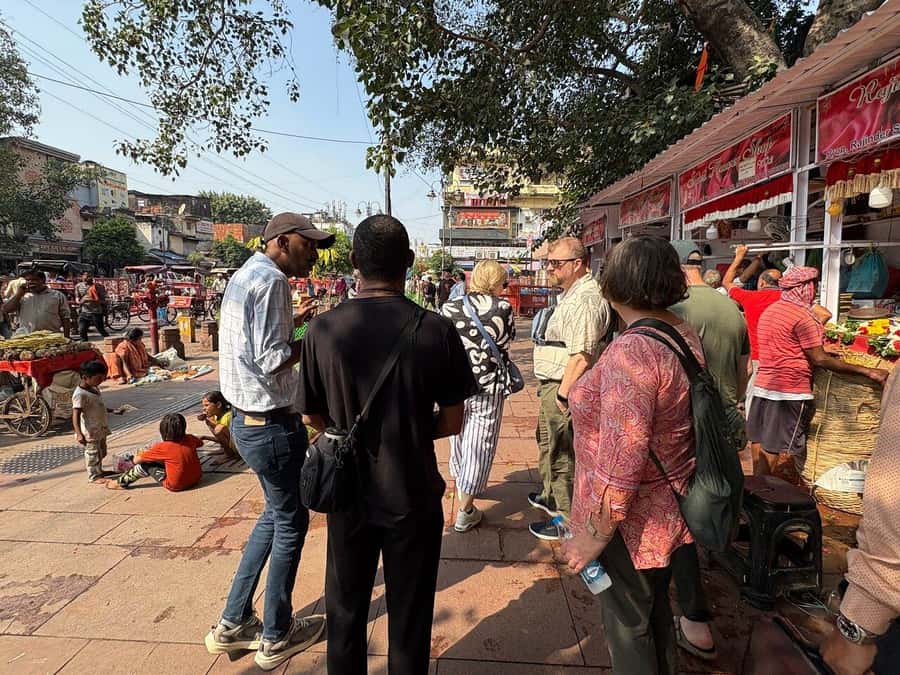
This tour is a great fit if you:
- Want a guided way to eat around Old Agra
- Like trying multiple street snacks in a short window
- Want a mix of food and market sightseeing, not just a single restaurant stop
- Prefer a small-group feel with personalized attention
Skip it if you:
- Have mobility issues, since it is not suitable for people with mobility impairments
- Want a fully seated, low-walking experience
- Don’t handle spicy or fried foods well, since chaat and street classics are core to the menu
A simple decision guide: should you book this Agra street food tour?
Book it if you want your Agra afternoon to feel like the city’s daily rhythm, with a guide who handles the route and helps you choose what to try. The combination of chaat gali tastings, sweet classics like jalebi and petha, and a spice market rickshaw stop makes this more than a snack crawl.
Don’t book it if you need a gentle, wheelchair-friendly itinerary or you’re looking for a quiet cultural museum style day. This is food-first, with movement and market energy.
If that sounds like your kind of travel, this is strong value and a smart way to experience Agra after you’ve seen the big monuments.
FAQ
What time does the tour pick up?
Pickup is available between 3:00 PM and 6:00 PM, and you can choose the pick-up time.
Where does the tour start and end?
You’ll be picked up from your chosen location in Agra and dropped back at the end of the tour.
How long is the experience?
The street food tour is about 3 hours.
Is the tour mostly walking?
It’s a mix of walking plus a traditional rickshaw ride, with tuk-tuk transport used for parts of the route.
What food is included?
Street food snacks and sweets are included if you select that option. Non-vegetarian items are included if you select that option.
Can I request a vegetarian experience?
Yes. The tour includes vegetarian and non-vegetarian options depending on what you select.
Do I get water during the tour?
Yes. The tour includes cold mineral water and napkins.
What should I wear or bring?
Wear comfortable shoes since there’s walking in market areas.
What languages are available?
The tour is offered in English and Spanish.
Is it suitable for mobility impairments?
No. It’s not suitable for people with mobility impairments.
Can I pay later?
Yes. You can reserve first and pay nothing today (pay later).
What is the cancellation window?
You can cancel up to 24 hours in advance for a full refund.
Should you book this Agra street food tour with spice market?
If you want to eat your way through Agra with a guide who helps with safety, pacing, and snack choice, this tour is an easy yes. Plan to go in hungry, wear comfortable shoes, and be ready for classic street flavors—then let the guide handle the market route and the spice-stop learning.