REVIEW · LUCKNOW
Lucknow Colonial Heritage Walk: Guided Tour by Foot
Book on GetYourGuide →Operated by Lets Go Far · Bookable on GetYourGuide
Lucknow’s colonial streets have stories on every corner. This 2-hour heritage walk is a tight, on-foot way to see how British design, Mughal style, and the 1857 Rebellion are still written into the city. I especially liked the Gothic revival spires of St. Joseph’s Cathedral and the solemn pull of The Residency ruins, where the 1857 siege left visible scars. One thing to keep in mind: this is real walking with no pickup, so comfy shoes and water matter.
The group stays small (up to 10), and the guide works in English and Hindi, which helps you actually follow the connections between buildings. You’ll also get a few practical, local-feeling tips and a chance to ask questions as you go.
In This Review
- Key highlights to look for
- St. Joseph’s Cathedral: your first clue Lucknow has two eras in one frame
- Walking toward The Residency: ruins that make the 1857 story feel immediate
- Hazratganj Market: where Mughal elegance meets British streets
- The guide experience: what you’re really paying for
- Price and value: $13 isn’t the bargain, it’s the focus that is
- Practical stuff for walking in Lucknow (and what to avoid)
- Who this Lucknow colonial heritage walk fits best
- Should you book Lucknow Colonial Heritage Walk on foot?
- FAQ
- Where do I meet for the tour?
- How long is the Lucknow colonial heritage walk?
- What languages are the guides?
- Is this a small group tour?
- Do I need to bring my own water and sun protection?
- Are there any items or clothing restrictions?
- Are meals and drinks included?
- Is this tour suitable for pregnant women?
Key highlights to look for
- St. Joseph’s Cathedral’s Gothic revival design: big spires, strong photo angles, and clear context for what you’re seeing.
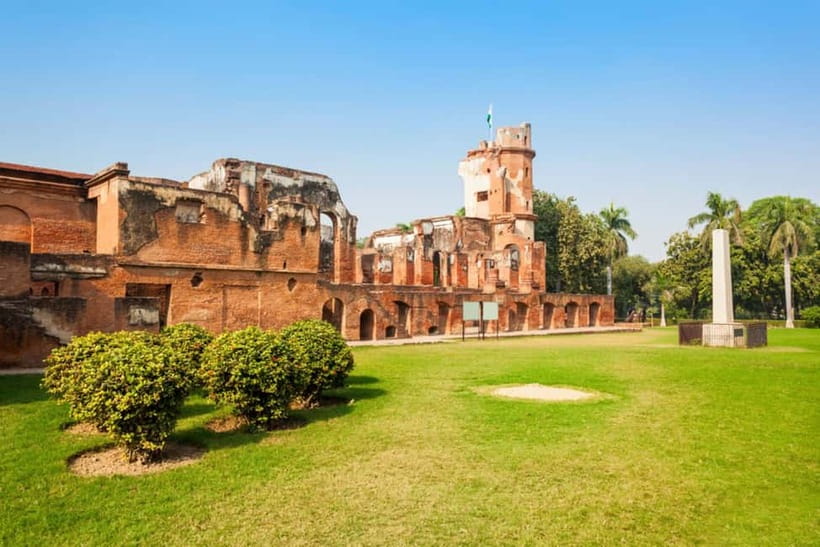
- The Residency ruins and the 1857 Rebellion: a visit that feels more like a guided story walk than a quick sightseeing stop.
- Mughal-British style mix at Hazratganj Market: arcaded lanes and Victorian-style street lamps alongside older Mughal roots.
- A small group pace: you’re not getting rushed through key viewpoints.
- Guides who use humor and conversation: the best moments are the “how this happened” explanations you can actually talk about.
St. Joseph’s Cathedral: your first clue Lucknow has two eras in one frame
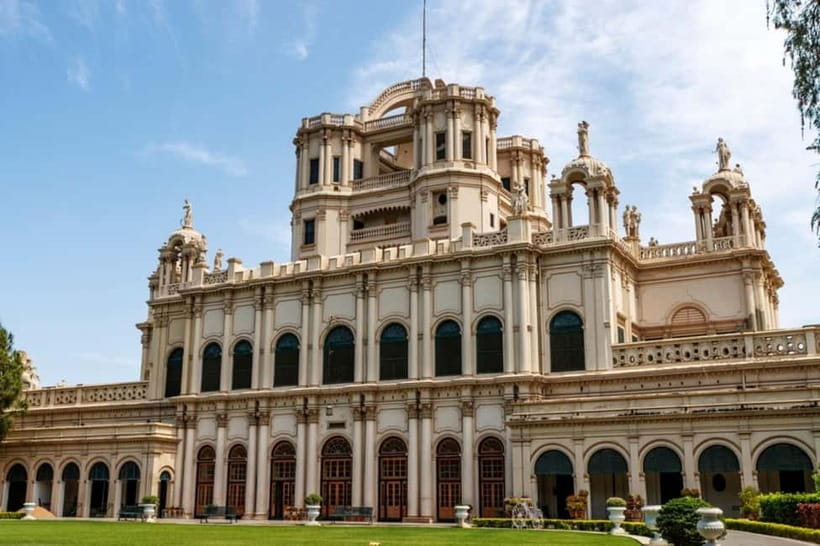
The tour starts at the entrance of St. Joseph Cathedral Church, and that’s a smart move. You begin with a landmark that instantly signals the colonial chapter of Lucknow, then you use it like a reference point for everything that follows.
What you’ll notice first is the architecture. The cathedral’s Gothic revival style shows up in its towering spires and the overall feel of vertical lines and careful stonework. It’s not just a pretty starting photo. The guide’s job here is to help you connect the design to the people who built it and the era it represents—so you’re not just looking at shapes, you’re learning how a city retools itself over time.
This stop also sets the tone: the atmosphere is calmer than the chaos of markets, but you’re still in the middle of the city. If you’re the type who likes historical places with atmosphere (religious sites often deliver that), you’ll like how this opener gives you breathing room before the heavier 1857 story at The Residency.
A practical note: bring your basics for sun and glare. You’ll be outside, and the tour lists sunglasses, sunscreen, a sun hat, and water for a reason.
You can also read our reviews of more tours and experiences in Lucknow.


Walking toward The Residency: ruins that make the 1857 story feel immediate
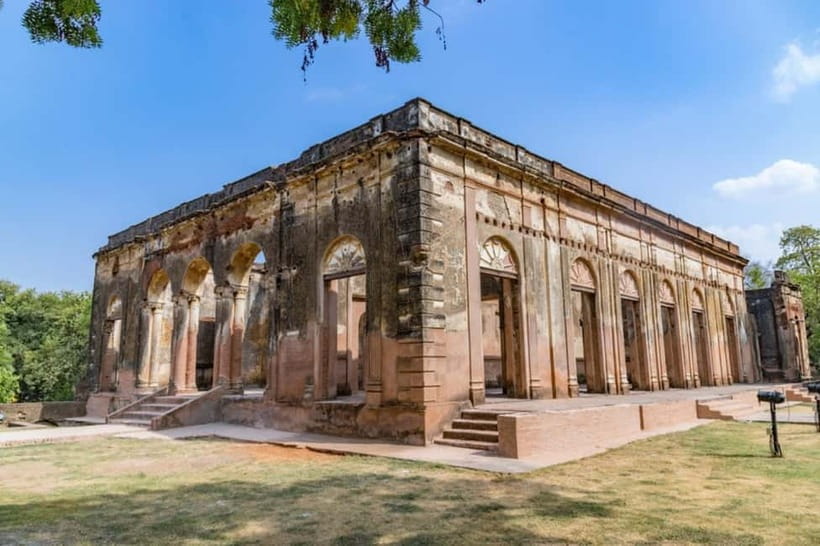
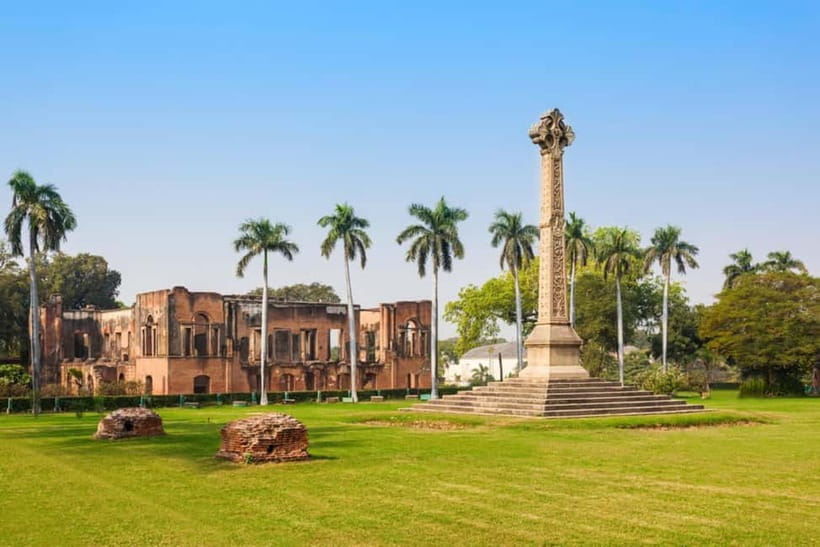
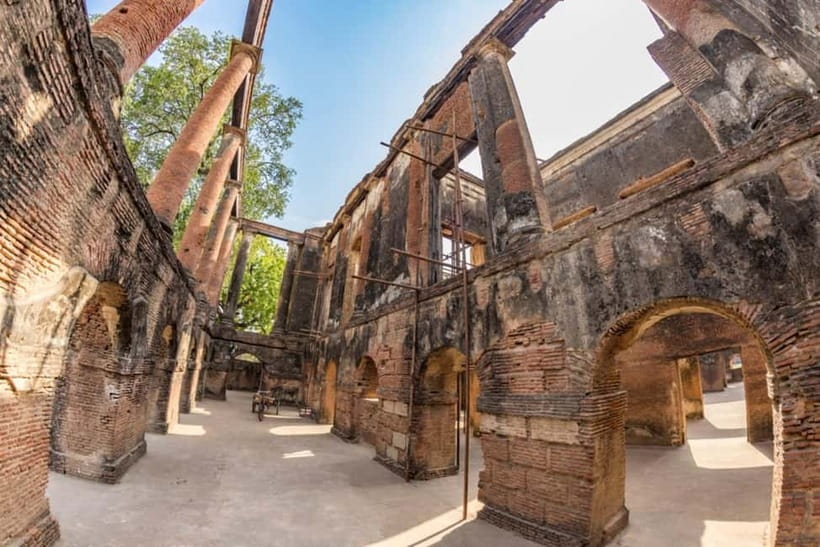
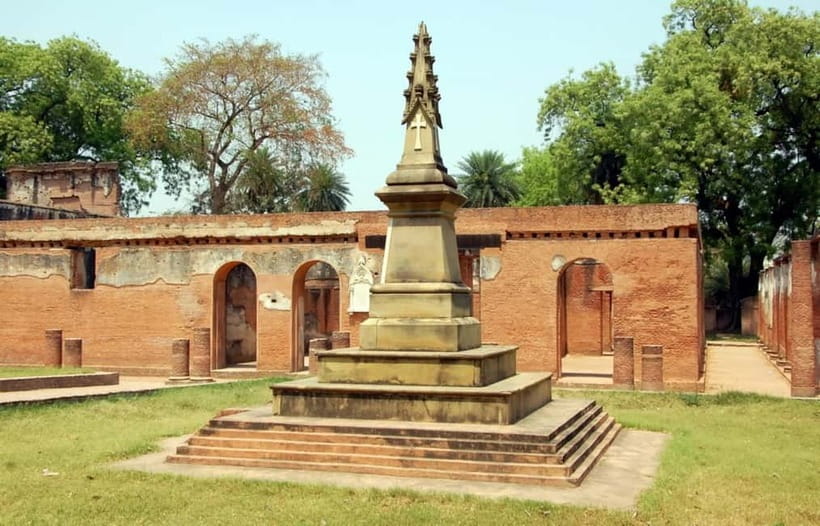
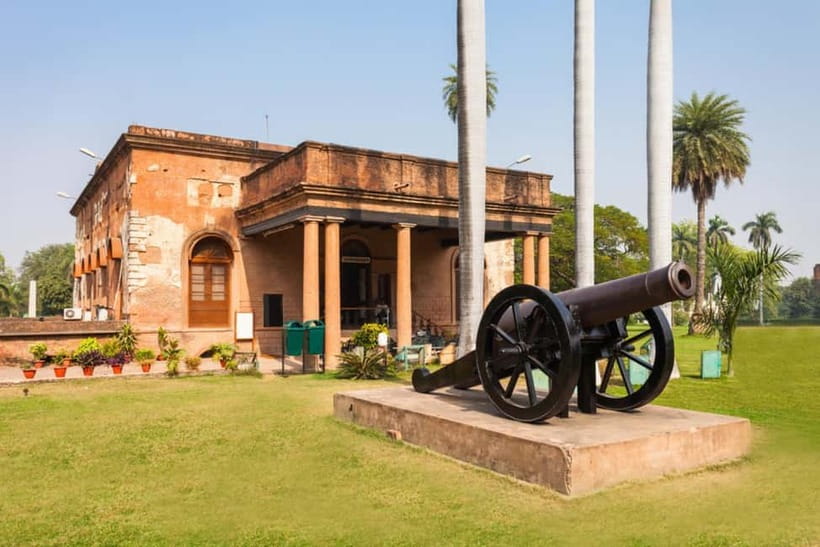
From the cathedral, you move through leafy lanes toward The Residency, a colonial complex that once housed British officials. Today, it’s a ruin—and that matters. Ruins don’t just show age; they show interruption. Here, you’re looking at a place marked by the 1857 Rebellion, and the guide explains the siege that unfolded.
What I find useful about this stop is that it turns “history” into something you can point at. The experience highlights bullet-marked facades and crumbling walls, so you get to literally stand where the conflict left traces. The guide’s storytelling is what ties it together: you’re guided through what happened and why this location became a defining chapter in what’s often called India’s First War of Independence.
There’s also a “how cities get written over” angle that you’ll probably enjoy. Lucknow holds multiple layers at once. One block might feel like British order in built form, while another corner reminds you that local resistance and global politics collided here. Standing in the Residency ruins is one of the clearest ways to feel that overlap.
One small caution: this is a walking tour through historical sites. If you’re someone who gets uncomfortable on uneven ground or feels stiff after a couple of hours on your feet, plan your pace and don’t try to speed-run the photos.
Hazratganj Market: where Mughal elegance meets British streets
Your final stop is Hazratganj Market, and it works as a satisfying “full-circle” ending. The cathedral gives you the colonial architectural mood, the Residency gives you the colonial-era conflict, and then Hazratganj shows the everyday side of how cultures blended in the built environment.
What to look for here:
- Arcaded walkways that create covered, pedestrian-friendly rhythm.
- Victorian-style street lamps, which visually scream British influence.
- Mughal-era roots, which are part of why the market doesn’t feel like a copy-paste European space.
The guide frames this stop as a coexistence story: two legacies sharing one city identity. You’ll also see colonial-style buildings used for modern shops and cafés, so the place isn’t preserved like a museum. It’s alive, and that’s part of the value. You’re watching history stay in use.
This is also where the “hidden alleys and tucked-away gems” part of the tour can matter. The walk isn’t only about the headline buildings; it aims to give you those side streets and quieter angles where you can see more of how Lucknow actually feels as you move through it.
If you’re traveling with a camera (you should be), this is often the most forgiving stop for photos. The market vibe is busy enough to feel real, but structured enough that you won’t be constantly fighting the crowd.
The guide experience: what you’re really paying for
At $13 per person for a 2-hour small-group walk, you’re not paying for transportation or a long itinerary. You’re paying for guidance—story, structure, and the connections between places.
The tour includes an English/Hindi speaking live guide, and the best part is how the guide turns what could be disconnected stops into one flowing narrative. I love when a guide does two things well:
1) explains what you’re looking at (like Gothic revival features), and
2) explains why it matters (like how the 1857 rebellion is tied to The Residency).
The reviews you provided point to this being a standout. One guide named Saadam is praised for being informative and taking guests to a good variety of locations within the short time window. Another guide named Vishal is singled out as more of a storyteller than a mere “walk and point” guide, with passion and deep knowledge that come through during the route. If you care about feeling like the tour is personal and not scripted, chances are you’ll enjoy that style.
You’ll also get lively conversation. The tour description mentions humor, culture, and real connection, plus insider tips on how to experience Lucknow like a local. In practice, that usually means you ask questions and you get answers that help you understand daily life, not just dates and names.
Tip for you: in a short tour, your best questions are the ones that link stops together. Try asking how the architectural choices reflect power, or how Mughal and British urban planning influenced today’s feel of the city.
Price and value: $13 isn’t the bargain, it’s the focus that is
Let’s talk value plainly. $13 for 2 hours with a live bilingual guide and a small group (up to 10) is a reasonable deal, especially if you’d otherwise be piecing together a DIY walk without local context.
Where the value comes from:
- You’re seeing multiple landmarks in one compact route.
- The guide connects colonial architecture, the 1857 rebellion, and present-day market culture.
- You also get “insider hacks” and side-lane wandering, which tends to be where solo travelers miss out.
Now, one caution based on the information you shared: one booking experience included a mismatch between what was advertised and what was charged (Rs 1200 shown, Rs 1800 paid), and another detail about how many spots were left seemed off. That doesn’t mean the tour is consistently mispriced, but it does mean you should double-check the final amount shown at checkout and the booking details before you pay. That one-minute check can save you stress later.
If you do that, the price looks fair for what you get: a guided narrative walk, not just a set of photos.

Practical stuff for walking in Lucknow (and what to avoid)
This tour is short, but it’s not a sit-down museum visit. You’ll walk between sites, and the conditions matter.
Here’s what to bring, based on the tour guidance:
- Water
- Sunscreen
- Sunglasses
- Sun hat
- Camera
- Cash
Dress and gear basics:
- Wear comfortable shoes. You’re walking through historical sites and lanes, and nothing will ruin a good story better than sore feet.
- Plan for sun glare and heat. The reminders in the packing list aren’t extra—they’re there because this route is outdoors.
What’s not allowed:
- Weapons or sharp objects
- Short skirts
- Intoxication, alcohol, and drugs
Rules like the dress guidance are part of keeping the stops respectful, especially around a cathedral.
Also: there’s no pickup and drop, so you’ll want to be ready to get yourself to the meeting point on time.
Who this Lucknow colonial heritage walk fits best
This is a good match if you like:
- Walking tours that feel story-led
- Architecture (especially Gothic revival details)
- History you can see in walls and street shapes
- Short time windows (2 hours is manageable for most schedules)
It may not be the best match if:
- You’re pregnant. The tour lists it as not suitable for pregnant women.
- You need frequent rest stops or have mobility limits not mentioned in the details you provided.
- You want a long, slow, museum-style experience. This is compact and paced to cover three main areas plus the lane wandering.
One more fit check: if you don’t enjoy guided interpretation, this might feel like a lot of explanations in a short time. But if you like asking questions and learning while you walk, that’s exactly where this tour shines.
Should you book Lucknow Colonial Heritage Walk on foot?

I think you should book if you want a focused way to understand Lucknow’s colonial imprint without wasting half a day. Starting at St. Joseph’s Cathedral, moving to The Residency with its 1857 scars, then ending at Hazratganj Market is a clean storyline. Add a small group size (up to 10) and guides who seem to bring energy—Saadam and Vishal come up as examples—and it’s an easy “yes” for history-minded travelers.
I’d hesitate if you’re sensitive to walking time, or if you hate paying attention to details like what’s allowed and what you should bring. And before you hit pay, do the quick sanity check on the final price shown at checkout, since one booking experience noted an advertised-versus-charged mismatch.
If you want a practical, authentic Lucknow taste—colonial architecture, the shadow of 1857, and a real market where history still shows up—this is a solid, efficient choice.
FAQ
Where do I meet for the tour?
You meet at the entrance of St. Joseph Cathedral Church. Arrive on time to avoid delays in starting.
How long is the Lucknow colonial heritage walk?
The tour duration is 2 hours.
What languages are the guides?
The live tour guide speaks English and Hindi.
Is this a small group tour?
Yes. The group is limited to 10 participants.
Do I need to bring my own water and sun protection?
Yes. The tour suggests bringing water, sunscreen, sunglasses, and a sun hat, along with a camera and cash.
Are there any items or clothing restrictions?
You can’t bring weapons or sharp objects. Short skirts and intoxication (including alcohol and drugs) are not allowed.
Are meals and drinks included?
No. Meals and drinks are not included.
Is this tour suitable for pregnant women?
No. The tour is listed as not suitable for pregnant women.