REVIEW · AGRA
Cooking class with taj
Book on GetYourGuide →Operated by Explore taj · Bookable on GetYourGuide
One kitchen, three cultures to learn fast. This small-group Indian cooking class in Uttar Pradesh blends veg cooking, masala tea, and quick lessons in henna and sari styling, all in about 3 hours. What I like most is that it feels like a family kitchen lesson, not a factory demo, and you get both food and culture in the same sitting. A possible drawback: the balance between watching vs actually cooking can vary by group, so go in with the mindset of learning steps, not just expecting a hands-on workshop.
If you love food that tastes like it came from someone’s home (spices, curries, and the comfort stuff), you’ll likely enjoy this. The class also includes henna and sari guidance, plus a small gift tied to the food and spices. Do plan for a vegetarian-focused menu only, and keep in mind that one booking note mentions a no-show situation—so it’s smart to confirm details if your schedule is tight.
In This Review
- Key highlights worth your time
- A 3-hour vegetarian kitchen lesson near the Taj
- Getting started with masala tea and a clear cooking plan
- Henna and sari lessons: culture you can actually practice
- The cooking itself: veg dishes built with spices
- Dinner with the same food plan
- Drinks and beer: what’s included vs what you might choose
- Price and value: why $5 can feel almost unreal
- Logistics: pickup near Taj Link Road and what to bring
- Who should book this cooking class (and who might not love it)
- Should you book Cooking Class with Taj?
- FAQ
- How long is the cooking class?
- Where is the experience located?
- Is the class vegetarian?
- What language is the instructor?
- How big is the group?
- Is masala tea included?
- Is dinner included in the price?
- Is pickup available?
- Can I drink beer?
- What should I bring?
- What is the cancellation policy?
Key highlights worth your time

- Henna + sari how-to taught alongside the cooking
- Masala tea on arrival and spice talk during prep
- Vegetarian kitchen experience with hygiene-focused cooking and choices
- Small group (up to 10) with an English-speaking instructor
- You may get to cook too, not only watch
- Dinner is included with the same general food plan
A 3-hour vegetarian kitchen lesson near the Taj
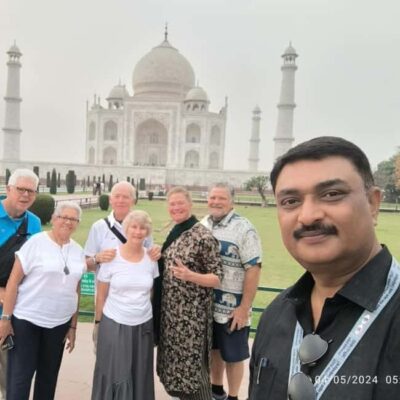
This experience runs in Uttar Pradesh, India, and it’s designed for short attention spans with a full payoff. At the 3-hour mark, you should leave with a working sense of how Indian veg dishes get built: spices first, flavor layers next, and then a curry (or curry-style dish) that tastes balanced rather than just hot. The small group size (limited to 10) also matters. In a group that’s too large, cooking classes turn into lectures. Here, it’s set up so you can ask questions and get direction.
Another reason it works well for most people: it’s not only food. You get a culture-and-style component as well—henna and sari instructions—so you’re learning more than recipes. If you’re in Agra for the Taj Mahal, this is a smart add-on because it turns your day from “sightseeing photos” into “taste + technique + everyday traditions.”
Practical note: it’s not suitable for children under 10, and you’ll want to bring comfortable shoes plus your camera. This isn’t a “wear flip-flops and drift around” kind of activity.
You can also read our reviews of more cooking classes in Agra
Getting started with masala tea and a clear cooking plan

You’ll be welcomed with Indian masala tea before anything hits the cutting board. That opening matters because it sets the rhythm: you’re not just arriving at a random meal. You’re starting with flavors—tea, spice talk, and context for how the kitchen works.
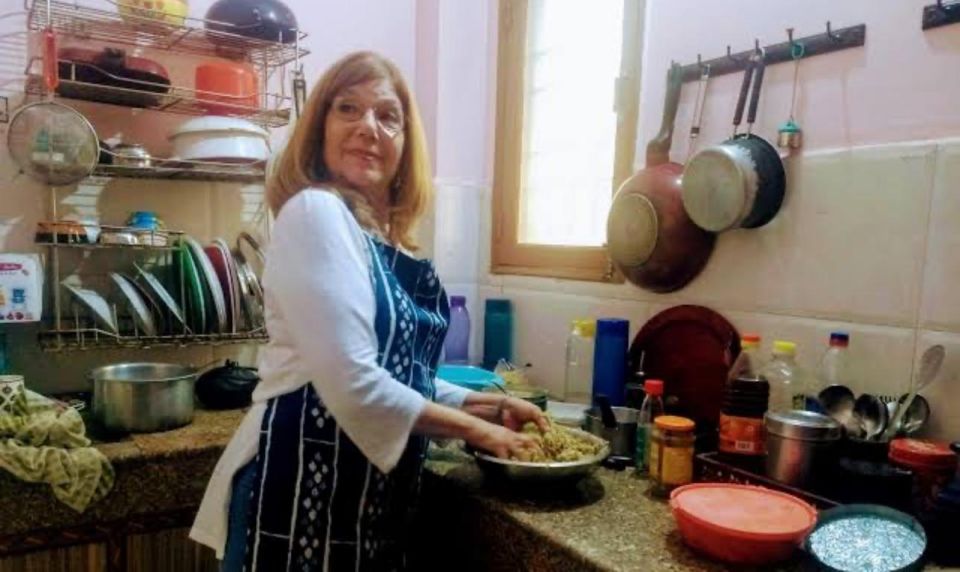
After the tea, you’re taken into the kitchen where the instructor explains the food plan and teaches the basics of Indian cooking for this meal. You should expect a guided walkthrough: what ingredients are used, why they’re used, and how they combine into the final dish. The session is taught in English, which is huge if you want to understand what’s happening rather than just watch hands do the work.
There’s also a practical “you’re part of this” approach. You’ll likely be invited to cook some steps yourself, so you don’t leave feeling like you paid for entertainment. Still, one consideration is that the class can lean more toward demonstration than full participation depending on how the day runs and how many people are in the group. If hands-on time is your top priority, keep that expectation realistic and be ready to do at least a few tasks.
Henna and sari lessons: culture you can actually practice

The standout non-food portion here is that you learn henna (often called mehndi in everyday talk) and a sari how-to. This isn’t presented as a lecture about fashion history. It’s closer to “try it, understand the steps, ask questions.” For many visitors, that’s what makes it memorable: you get a skill you can picture using again, even later back home.
In a kitchen setting, henna and sari lessons also make sense. Indian food isn’t separate from clothing, festivals, and everyday rituals. When you see how style and spice culture overlap, your meal feels more grounded in real life.
Two quick expectations:
- The sari lesson may involve instruction and guidance on how it’s worn, not a full wardrobe transformation.
- Henna instruction may be brief, but it’s still hands-on in spirit—learning what goes where and why.
You’ll also receive some kind of gift tied to the food/spice experience (like masala tea or spices). Even if you already know spices, the gift is a nice reminder to bring something home that connects to what you learned.
The cooking itself: veg dishes built with spices
This is a vegetarian-focused class, so you won’t be dealing with meat-based recipes. That’s a plus for value and comfort, especially if you want to try Indian flavors without worrying about unfamiliar ingredients. You’ll also have choices among the vegetarian dishes during the meal, and the setup is described as a hygiene-focused kitchen, which matters when you’re eating prepared food in someone else’s space.
What you can learn from the cooking portion:
- How spices are used to create the base flavor of curries
- How vegetables get cooked so they stay tasty, not soggy
- How a curry-style dish is assembled and finished for the final flavor
One important detail: the cooking class is paired with dinner that uses the same general food plan. So you get an immediate “taste test” right after learning. When you can eat what you just built (or saw built with you involved), the lesson sticks.
About participation: you’re not only an observer. The experience specifically says you’ll be let to cook for the experience—so expect at least some chance to handle ingredients or assist with steps. Still, if your group gets a more demo-heavy flow, focus on learning the structure. You can always ask the instructor to slow down and repeat a key step.
Dinner with the same food plan
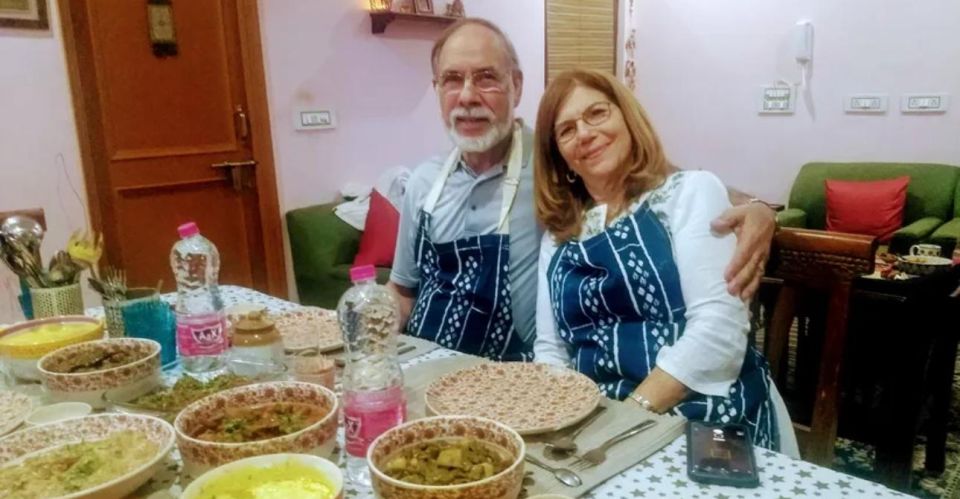
Meal time is handled in a way that feels straightforward: after the cooking lesson, you eat dinner featuring the food from the session. The highlights describe dinner included at the same price, which helps the value story a lot. You’re paying for more than instruction—you’re paying for the edible result.
Also, dinner isn’t described as a “separate restaurant meal.” It’s treated as part of the same family-kitchen experience. That usually means:
- You’ll get the same general curries/veg dishes that were explained
- You’ll understand what you’re tasting
- You can ask follow-up questions while you eat
If you’re the type who hates paying for cooking classes where the food is small, this inclusion is a big reason to feel confident. For a low listed price, the dinner piece turns it into an actual full experience rather than a snack-sized class.






Drinks and beer: what’s included vs what you might choose
This part is where you should read carefully. The core experience includes masala tea—that’s clearly part of the welcoming and included elements. But the drink rules look a bit mixed in the information provided.
Here’s the safest, practical way to think about it:
- Masala tea is included.
- The “not included” section says no beer and no other drinks.
- The “what to expect” portion says you can drink beer if you want, while keeping the food vegetarian.
So, treat beer as optional, not guaranteed-included. If alcohol matters to you, I’d confirm directly before you go so you don’t reach the kitchen expecting it to be part of the price.
For everyone else: you’ll still have a satisfying drink (masala tea) and a full veg meal.
Price and value: why $5 can feel almost unreal
At $5 per person for a 3-hour cooking lesson plus tea and dinner, the value is genuinely strong. The price isn’t just for “watching curry happen.” It includes:
- Food
- Tea
- Vegetables used in the cooking class
- And dinner at the same price level (as described)
On top of that, you get cultural extras—henna and sari instruction—and small gifts tied to spices/tea. Even if you decide the cooking is only partly hands-on, you still walk away with a meal you understand and a couple practical cultural lessons you can talk about for years.
The only caution with low-cost experiences is reliability and fit. If you’re someone who needs maximum participation and you’re short on time, the best move is to confirm your booking details early and set expectations about interaction level.
Logistics: pickup near Taj Link Road and what to bring
Pickup is listed as included from any hotel on Taj Link Road. At the same time, a separate line says pickup is not included. That contradiction means you should handle this like a pro: check your exact pickup eligibility based on your hotel location. If you’re not on that route, you might need alternative arrangements.
Other practical details you can plan around:
- Skip the ticket line is listed, which usually means smoother entry once you arrive.
- Instructor is English.
- Group is small: up to 10 participants.
- What to bring: comfortable shoes and a camera.
One more “bring your brain” tip: because henna and sari lessons may involve movement and dressing guidance, wear shoes you can stand in without complaining.
Who should book this cooking class (and who might not love it)
This works best if you:
- Want a short, high-return experience near Agra
- Prefer vegetarian food and clear spice explanations
- Like cultural add-ons that teach practical how-to (henna and sari)
- Enjoy small groups and English instruction
You might want to skip or reassess if you:
- Need a very structured, fully interactive cooking workshop where everyone cooks the whole dish step-by-step
- Are traveling with kids under 10 (it’s not suitable)
- Are extremely sensitive about schedule reliability—because there have been reports of the class not taking place and no response in at least one instance
If you fall in the “I want hands-on food learning” camp, go in expecting a mix of demonstration and participation, and be ready to ask questions during the cooking steps.
Should you book Cooking Class with Taj?
Yes—if you want a fast, authentic-feeling way to eat Indian veg food you understand, and you’re excited to learn more than recipes. The $5 price is hard to beat when tea and dinner are included, and when henna + sari instruction turns the kitchen lesson into a broader cultural snapshot.
Before you lock it in, do two things: confirm pickup details for your exact hotel (especially if you’re not on Taj Link Road), and set expectations that interaction can vary. If you do that, you’ll likely come away with curry-spice know-how, a tasty meal, and a couple personal “I learned this” memories—exactly the kind of trip detail that makes India feel close up, not distant.
FAQ
How long is the cooking class?
The experience lasts about 3 hours.
Where is the experience located?
It’s in Uttar Pradesh, India.
Is the class vegetarian?
Yes. The food is vegetarian, and you’ll have vegetarian dish choices.
What language is the instructor?
The instructor teaches in English.
How big is the group?
It’s a small group limited to 10 participants.
Is masala tea included?
Yes. You’ll be welcomed with Indian masala tea, and tea is included.
Is dinner included in the price?
Dinner is included, described as being with the same food for the same price.
Is pickup available?
Pickup is listed as included from hotels on Taj Link Road, but the information also contains a line stating pickup is not included. If your hotel isn’t on Taj Link Road, check directly.
Can I drink beer?
The “not included” list says no beer, but the experience description also says you can drink beer if you want. Don’t assume it’s included in the price; confirm if it matters to you.
What should I bring?
Bring comfortable shoes and a camera.
What is the cancellation policy?
Free cancellation is available up to 24 hours in advance for a full refund.