REVIEW · NEW DELHI
Delhi: Mehrauli Archaeological Park Tour with Hotel Pickup
Book on GetYourGuide →Operated by India Tour Solution - ITS · Bookable on GetYourGuide
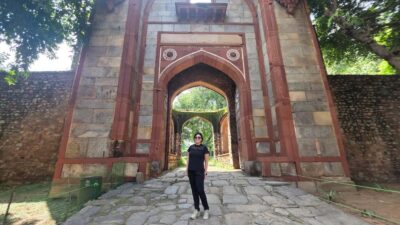
Delhi has quiet corners, and this is one. A walking tour through Mehrauli Archaeological Park turns the usual city chaos into something readable: tombs, ruins, and stepwells laid out in a way that makes Delhi’s long story feel human. I especially liked the way the route hits Jamali Kamali Mosque and Rajon Ki Baoli—two spots that look like landmarks, but act like book covers for whole centuries.
I also really appreciate the private, door-to-door flow. With hotel pickup and drop-off, you’re not wasting time negotiating rides before you can even start enjoying the walk.
One drawback to consider: this is a 3-hour on-foot experience in a historic site with uneven ground in places. If you’re hoping for lots of slow, museum-style resting, you may find the pacing a bit “steady.”
In This Review
- Key highlights worth your attention
- A quiet walk through Delhi’s oldest layers
- Hotel pickup makes the whole tour feel easy
- The 3-hour flow: what you do, and why it works
- Jamali Kamali Mosque: more than a pretty stop
- Rajon Ki Baoli: the stepwell that changes how you see the park
- Balban’s Tomb remains: a Sultanate-era anchor
- Skip-the-line entry and the pace inside the park
- Languages: you can match the guide to your comfort
- Bottled water and small comforts that actually help
- Price and value: what $29 gets you (and what it doesn’t)
- Who this tour suits best
- A realistic checklist before you go
- Should you book this Mehrauli walking tour?
Key highlights worth your attention
- A local expert guide who places each monument in Delhi’s timeline, not just names it
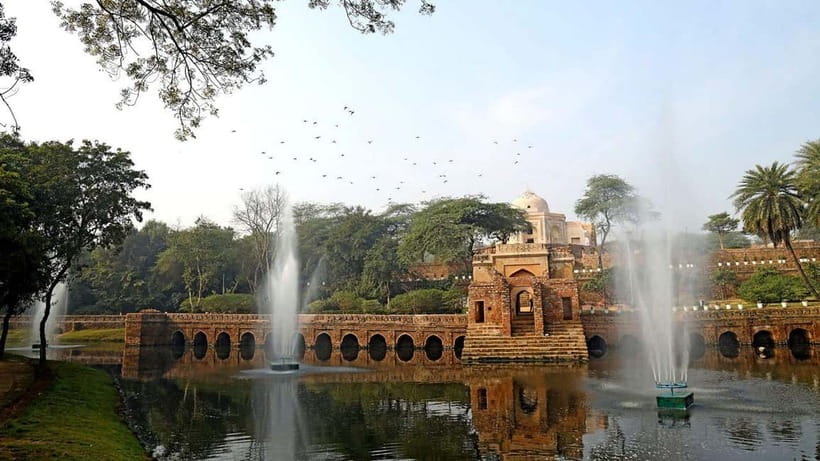
- Jamali Kamali Mosque paired with other major religious sites inside the park
- Rajon Ki Baoli stepwell to see how water architecture shaped daily life and power
- Balban’s Tomb remains for a stronger feel of Sultanate-era Delhi
- Private hotel pickup and drop-off from many areas around Delhi and nearby cities
- Skip-the-line entry through a separate entrance, plus bottled water for the walk
A quiet walk through Delhi’s oldest layers
Mehrauli Archaeological Park works differently from the big-ticket Delhi stops. It doesn’t feel like a single monument you rush past. It feels like a landscape of clues. You’re walking among ruins, tombs, and stepwells that span centuries, so the park becomes a kind of open-air timeline.
What makes this kind of walk click is the guide. With the right person talking beside you, you stop treating each structure like an isolated photo spot. Instead, you understand why the same patch of ground mattered over and over—because different dynasties, religions, and rulers left their mark here.
I also like the emotional tone of this park. Delhi can be intense. Inside Mehrauli, the pace naturally slows, and you can actually look at details without the constant pressure of traffic and crowds.
You can also read our reviews of more tours and experiences in New Delhi.



Hotel pickup makes the whole tour feel easy
A major quality-of-life win is the private pickup and drop-off. Your ride isn’t generic. You can be collected from multiple pickup areas around Delhi and the surrounding region, including Rohini, Aerocity, Noida, New Delhi, Paharganj, Old Delhi, and Gurugram—and drop off in matching areas like Old Delhi, Rohini, Paharganj, Aerocity, and more.
If you’re staying outside central Delhi, that matters. You avoid the common trap: spending your morning figuring out transportation instead of spending it with the guide. And because it’s private, you don’t have to match your schedule to a bus plan.
One extra perk shows up in real-world guides’ style. In one booking, the guide Shah (plus the driver) added context during the drive and pointed out other sights along the way. Even if every ride isn’t exactly the same, it’s a good sign of what a strong guide can do when you’re already moving through the city.
The 3-hour flow: what you do, and why it works
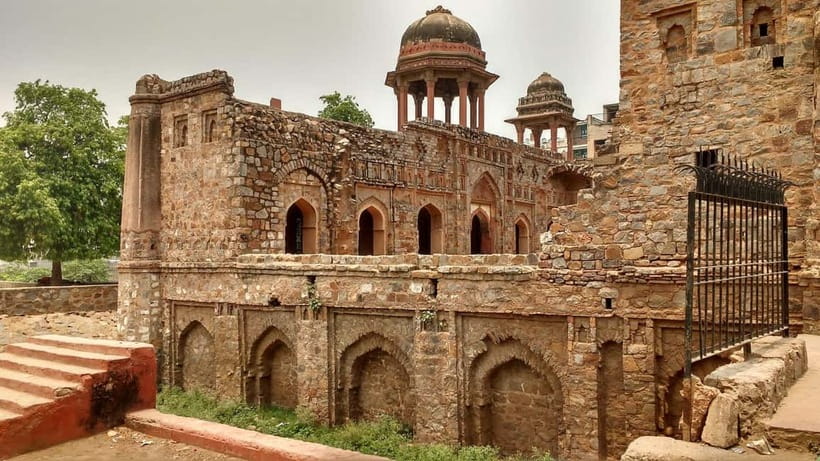
This is a half-day format, built around a walking loop inside the park. The core time is about 2 hours at the site, with pickup and drop-off completing the full 3-hour total.
That time structure is smart for two reasons:
- You get enough walking time to feel like you’ve actually seen the place, not just checked boxes.
- It fits into a busy Delhi schedule. You can do this on a day when you also want markets, temples, or other major sights.
Also, the group setup is private. That usually means the guide can slow down when you want photos, and speed up when you’re focused.
Jamali Kamali Mosque: more than a pretty stop
Jamali Kamali Mosque is one of those Delhi structures that looks instantly important. The guide’s job is to help you read it correctly—who built what, why this site became meaningful, and how religious architecture evolved in the Delhi region.
When a guide explains the relationship between the mosque and the surrounding memorial landscape, the stop feels less like a landmark photo and more like a chapter in the city’s story. You’ll likely walk in with the basic idea of a mosque, then walk out understanding the larger point: how sacred spaces and powerful patronage were connected.
If you’re into photography, this is where you benefit from walking with someone who can position you for angles without wasting time. And if you’re more into history than pictures, this is where you’ll start connecting names and eras instead of just collecting them.
Rajon Ki Baoli: the stepwell that changes how you see the park
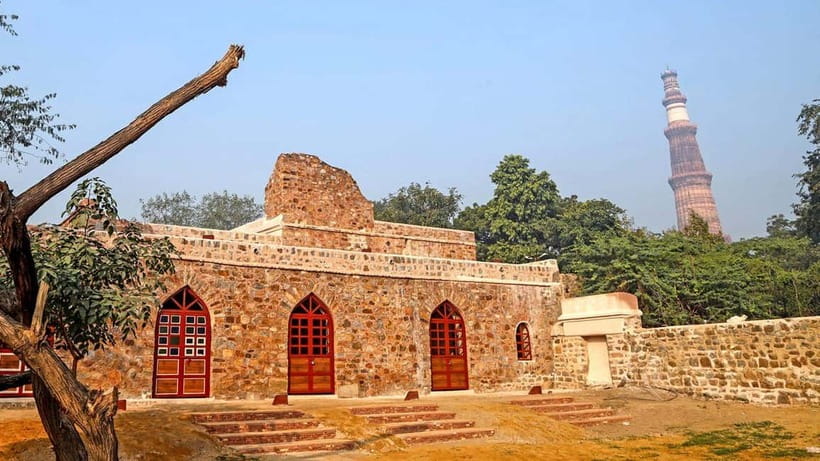
Rajon Ki Baoli is the kind of place where you notice details fast. It’s a stepwell, so the “architecture” isn’t just decorative. It’s functional. It shaped daily life because it stored and accessed water, and that changes the vibe of what you’re looking at.
A good guide helps you understand why stepwells matter politically and socially. In places where power and water intersect, structures like this weren’t only practical—they were also statements. As you move down or around the well area, the setting feels cooler and more enclosed than the rest of the park, so the experience becomes physical, not only intellectual.
This stop is also a strong reason to go with a guide instead of wandering alone. Even with a map, stepwell layouts can feel confusing, and you’ll spend more time figuring out where you are than understanding what you’re seeing.



Balban’s Tomb remains: a Sultanate-era anchor
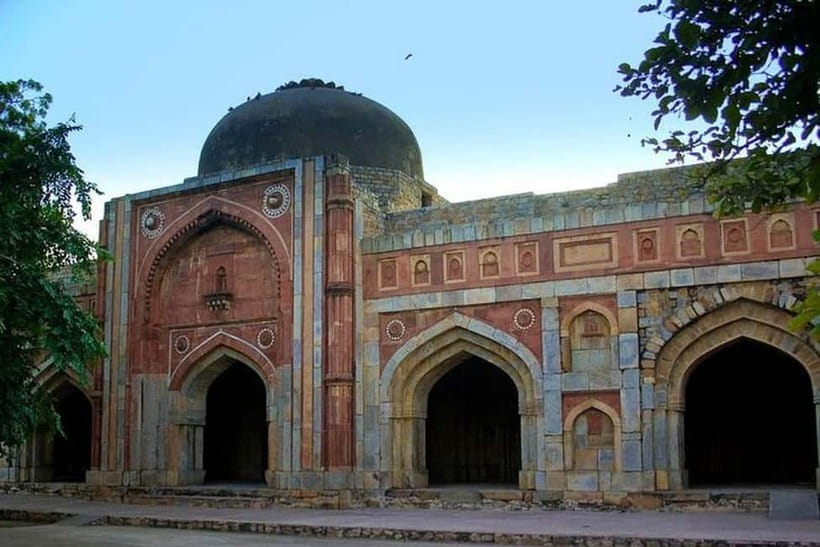
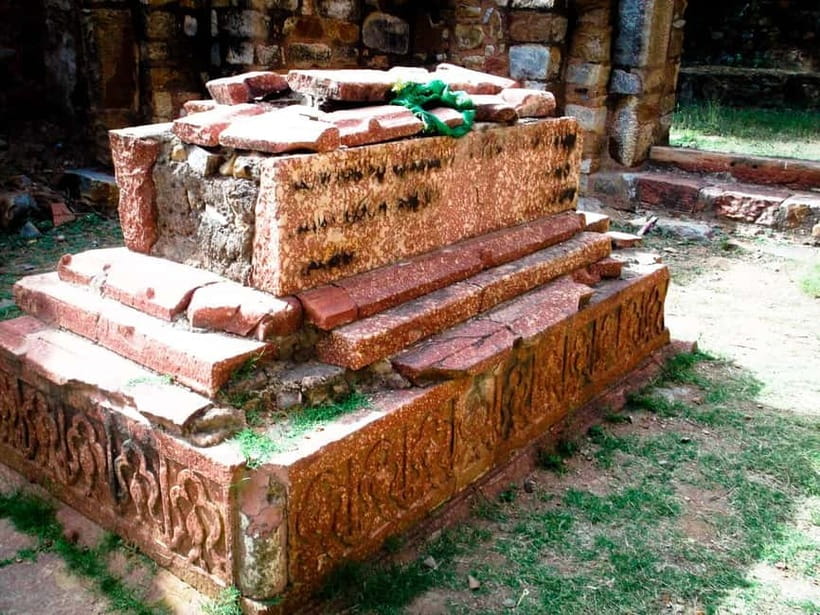
Balban’s Tomb is a great example of why guided context matters. Tombs can feel similar at first glance—until you’re told what makes this one distinct in its era and what the ruins suggest about how it was used and honored.
When you hear the story behind the remains, the stop becomes an anchor point. It helps you place what you’re seeing into a broader shift—from earlier Sultanate influence toward later Mughal-era developments that shaped Delhi’s monumental style.
One practical note: ruins can mean uneven surfaces and less-than-perfect clarity about boundaries. A guide helps you interpret what you’re looking at without you guessing, and you spend more time noticing meaningful features rather than walking in circles.
Skip-the-line entry and the pace inside the park
Part of the efficiency here is skip-the-line entry through a separate entrance. That matters in Delhi because waiting can eat your energy, and half-day tours already run on a clock.
Inside the park, the walking format keeps the experience from turning into an endless lecture. You move, you pause, you listen. If you like photos, you’ll probably have plenty of stops. If you prefer history, the guide can keep pointing out the “why” behind each monument.
Because the tour is a private group, you should also expect fewer interruptions and less crowd pressure than a larger group tour. That makes it easier to ask questions and get answers tailored to what you care about—architecture, chronology, or the stories behind names.
Languages: you can match the guide to your comfort
This tour offers a live guide in multiple languages: English, Spanish, German, French, and Hindi. That means you can comfortably follow the historical context, which is really the heart of the value here. You’re paying for understanding, not just movement.
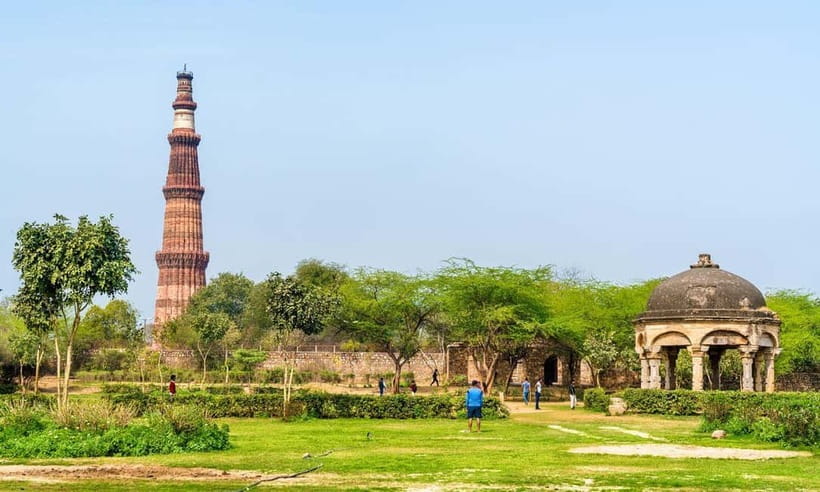
In one example, the guide Ahmed explained the monuments with names and context tied to the time period, and he even added extra context about Qutub Minar even though it wasn’t part of the core route. That kind of flexibility is exactly what you want from a guide who can see what you’re curious about.
Bottled water and small comforts that actually help
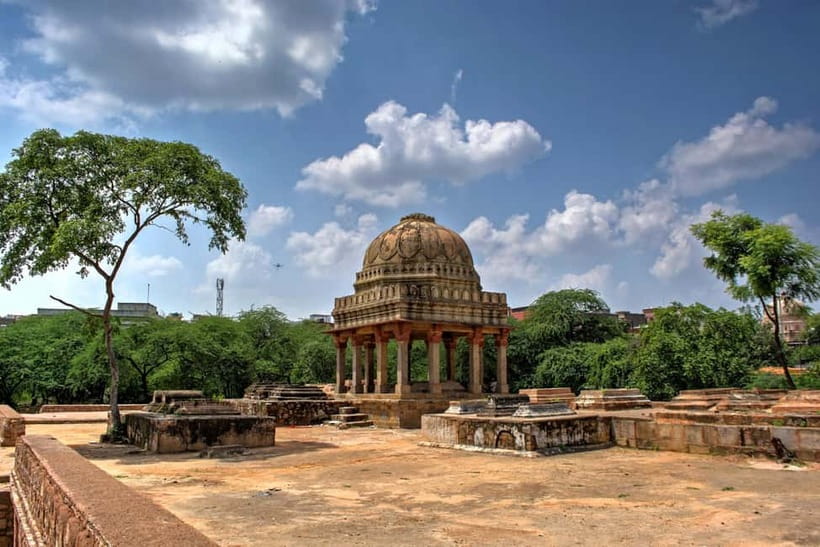
Some tours say they include water and then forget what that means. Here, bottled water is included, which is useful for a 3-hour walk in Delhi’s heat swings.
Also, that “private pickup” part isn’t just convenience. It reduces the mental load of the morning. You show up, you start, and you return. That makes it easier to enjoy the park instead of thinking about logistics every ten minutes.
Price and value: what $29 gets you (and what it doesn’t)
At $29 per person for about 3 hours, the value is strongest if you care about context. You’re not just buying entry to a park; you’re buying a guide who connects the dots between multiple monuments and their place in Delhi’s long timeline.
Here’s what’s included:
- Professional English-speaking guide
- Private hotel pickup and drop-off
- Bottled water
- Entry to Mehrauli Archaeological Park
- Walking tour of key sites within the park
Not included: meals or snacks, plus personal expenses.
So, my practical advice is to plan your day around that. If you’re hungry after the tour, you’ll want to eat nearby or bring a light snack plan for before the pickup time. The tour gives you enough time to enjoy the walk, but it doesn’t solve your whole day.
Who this tour suits best
This works really well if you:
- Like history that you can see with your feet on the ground
- Want a quieter alternative to Delhi’s busiest monument circuit
- Prefer a guide who explains the “why,” not just the “what”
- Are traveling with a tight schedule and need a focused 3-hour plan
It’s also a good choice if you don’t want to figure out the park alone. One guide’s attention is the difference between passable wandering and a coherent understanding of the site.
If you’re traveling with mobility limits, it’s worth noting the tour is described as wheelchair accessible. Still, because it’s a walking tour in a historic park, it may be best to confirm how the route handles uneven ground with the operator before you go.
A realistic checklist before you go
You’ll enjoy this tour more with a few basics:
- Wear comfortable walking shoes. Historic sites can be uneven.
- Bring a light layer. Indoor shade and open-air sun can feel different quickly.
- Keep your phone charged for photos, but don’t treat it like a race.
- Plan for water. Bottled water is included, but you’ll still want to pace yourself.
If you get even one good conversation with your guide—about why a mosque or tomb sits where it does—you’ll feel like the $29 paid off.
Should you book this Mehrauli walking tour?
If you want an easy, guided way to see Delhi’s older layers without spending your morning arranging transport, I think you should book it. The private pickup and drop-off remove friction. The focused 3-hour timing keeps it doable. And the monuments—Jamali Kamali Mosque, Rajon Ki Baoli, and Balban’s Tomb remains—make a compact route where a guide’s explanations genuinely change what you notice.
I’d skip it only if you dislike walking on uneven historic ground or you prefer a long, slow museum-style experience with lots of seating and minimal movement. Otherwise, this is a smart, cost-effective way to see a side of Delhi that most people miss.