REVIEW · NEW DELHI
Delhi Footsteps of Mahatma Gandhi Half-Day Tour
Book on GetYourGuide →Operated by Go City Adventures · Bookable on GetYourGuide
Gandhi’s final footsteps are a short ride away. This half-day tour strings together the meaning of non-violence with the places tied to Gandhi Smriti and the National Gandhi Museum, where you’ll see original books and documents rather than only photo ops. I love the anchor stop connected with his last 144 days and the assassination on 30 January 1948, and I love how the quiet setting at Raj Ghat slows the pace. One drawback to consider: the day is tight, and you do have scheduled time for a New Delhi break and shopping, so it may not feel like a strict Gandhi-only route the whole time.
The best part of this tour is the practical flow: a 10:00 AM hotel pickup in an air-conditioned vehicle, a professional guide, and a private group pace that helps you actually take in each site. Still, quality can vary by guide and language—so if you book for a specific language, it’s worth making sure that’s covered on the day.
In This Review
- Key highlights worth your time
- Gandhi Smriti (Gandhi Memorial): last 144 days and 30 January 1948
- Indira Gandhi Memorial Museum: the Nehru-Gandhi story behind independence
- Raj Ghat on the Yamuna: where Hey Ram matters
- National Gandhi Museum: original documents that make the message concrete
- Timing and transport across Delhi NCR: the 10:00 AM rhythm
- Price and value for $51: what’s included, what’s not
- Watch-outs: language fit and the shopping time tradeoff
- Who this Delhi Gandhi half-day tour suits best
- Should you book this Delhi Footsteps of Mahatma Gandhi Half-Day Tour?
- FAQ
- How long is the Delhi Footsteps of Mahatma Gandhi Half-Day Tour?
- What time does the tour start, and do you pick up from hotels?
- Where are the pickup and drop-off locations?
- What sites are visited during the tour?
- Is the tour guided, and what languages are available?
- What should I wear?
- Are meals included in the price?
Key highlights worth your time
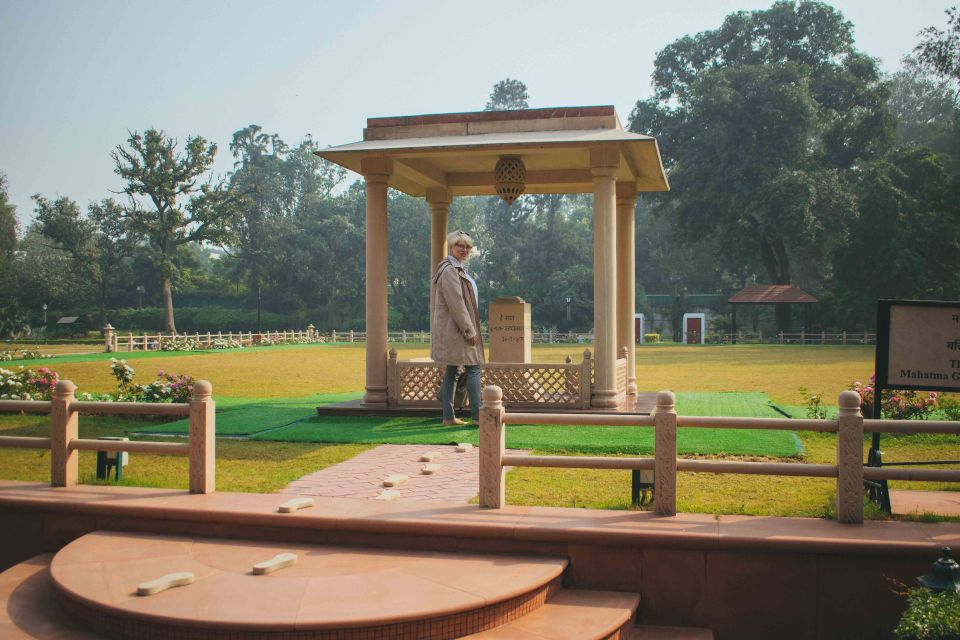
- Gandhi Smriti in the spotlight: last 144 days, assassination day, and a museum tied directly to his story
- Raj Ghat + Hey Ram: the cremation memorial on the Yamuna, with a guided stop that stays focused
- National Gandhi Museum materials: original books, journals, documents, plus audio-video context
- Indira Gandhi Memorial Museum’s family lens: rare photos and Nehru-Gandhi personal history
- Private group pacing with hotel pickup/drop-off: helps you avoid wasted time negotiating Delhi streets
Gandhi Smriti (Gandhi Memorial): last 144 days and 30 January 1948
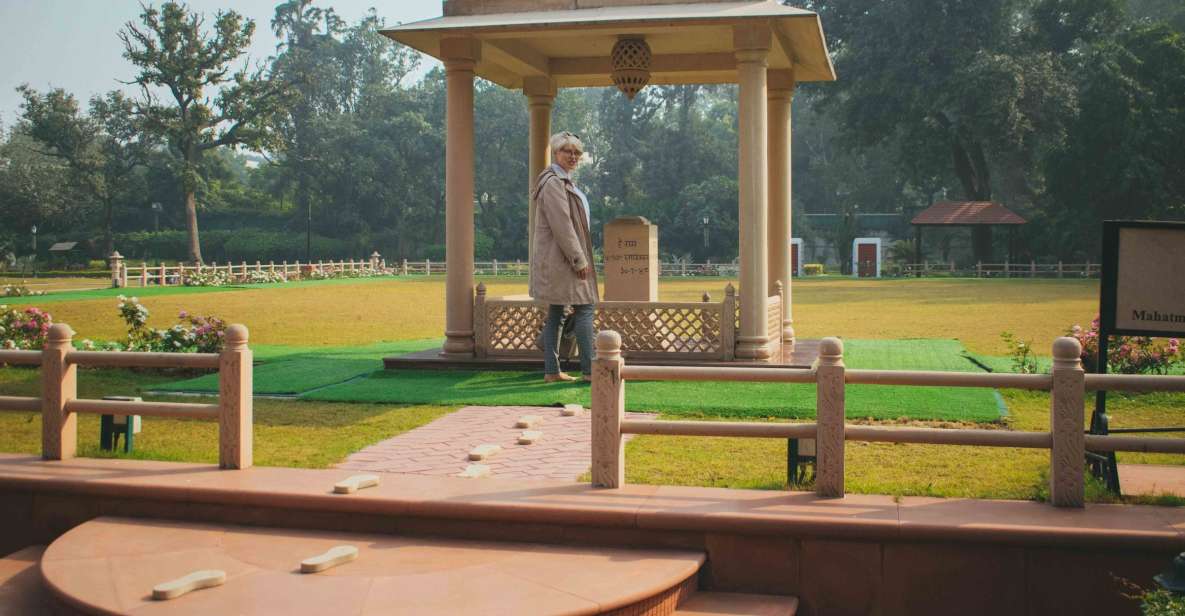
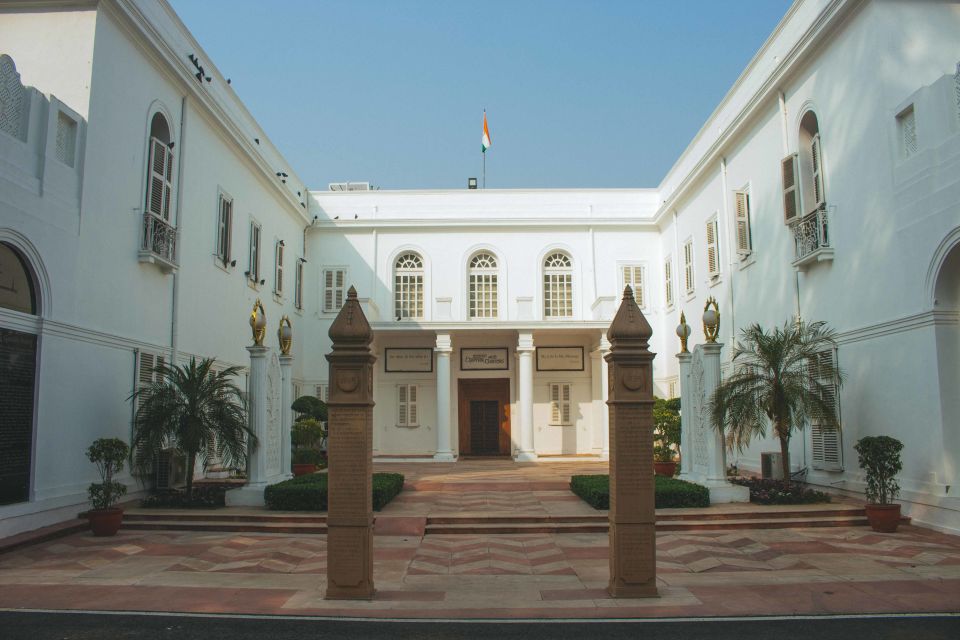
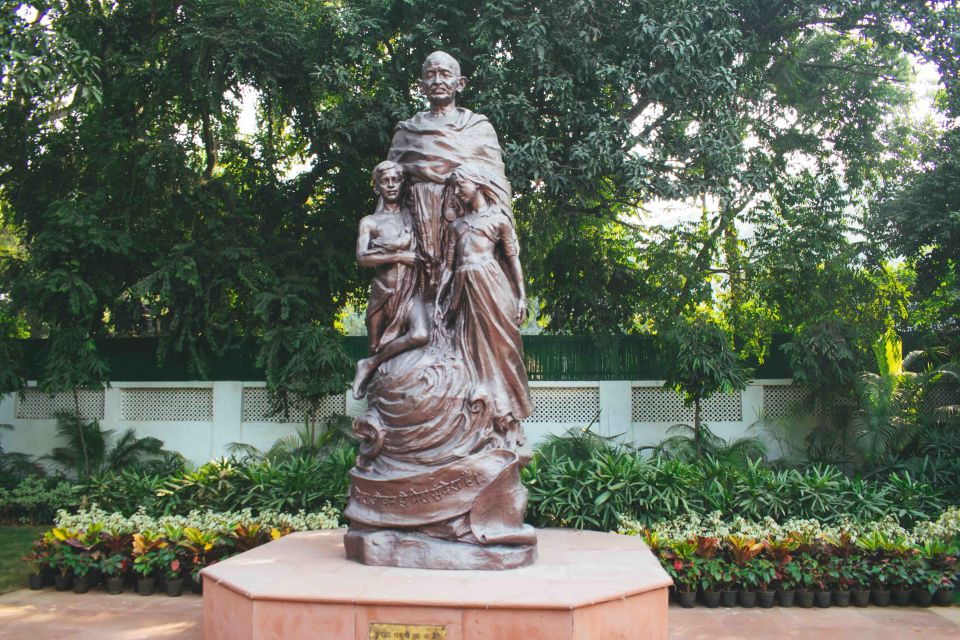
This tour starts where the story becomes personal. Gandhi Smriti is the key first stop, tied to the final 144 days of his life and the assassination on 30 January 1948. Even if you already know the big facts, walking through a place that connects life and death like that changes the tone fast.
Plan for this stop to feel structured and museum-focused. You’ll be in a guided setting for about an hour, and the tour includes a shoe-keeping tip, which tells you to expect some areas where you’ll take shoes off or store them. Smart casual dress works best here, and comfortable walking shoes matter more than you might think—Delhi can shift from marble steps to small indoor transitions quickly.
What I like about this opening is that it gives you a clear anchor before you move outward. You don’t start with theory or a random photo parade. You start with place-based context: this is where the final days happened, and the museum helps you connect that moment to the broader message of non-violence.
You can also read our reviews of more tours and experiences in New Delhi


Indira Gandhi Memorial Museum: the Nehru-Gandhi story behind independence
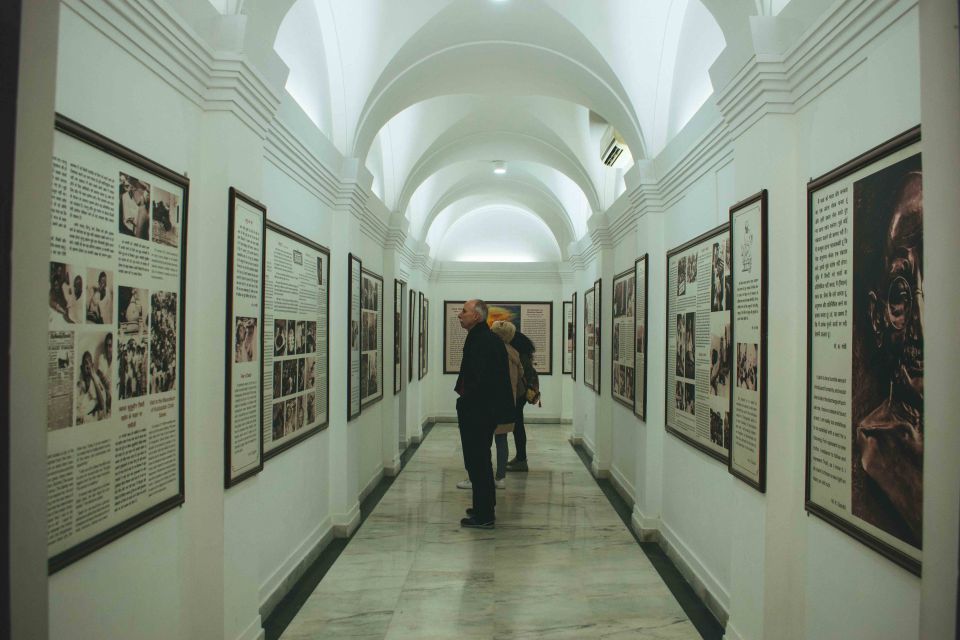
After Gandhi Smriti, the tour moves to the Indira Gandhi Memorial Museum. This stop is shorter—about 40 minutes with a guide—but it plays an important role in the day because it shifts from Gandhi the symbol to Gandhi the era.
The museum was the residence of India’s former Prime Minister Indira Gandhi and later became a museum. In the galleries, you’re looking at rare photographs of the nationalist movement, plus personal moments of the Nehru-Gandhi family and Indira’s childhood. That family perspective can be a useful counterweight if you tend to think of independence as only speeches and movements.
There’s also a pacing benefit. This isn’t an all-day museum slog. It’s a focused segment that helps you understand how the independence period kept shaping personal lives right after the political battles moved on.
One practical note: don’t treat this as an extra sightseeing bonus. Treat it as a story bridge. If you’re sensitive to political content, just remember the museum is presented through the Nehru-Gandhi lens, so your takeaway may depend on what you already know about that family and era.
Raj Ghat on the Yamuna: where Hey Ram matters
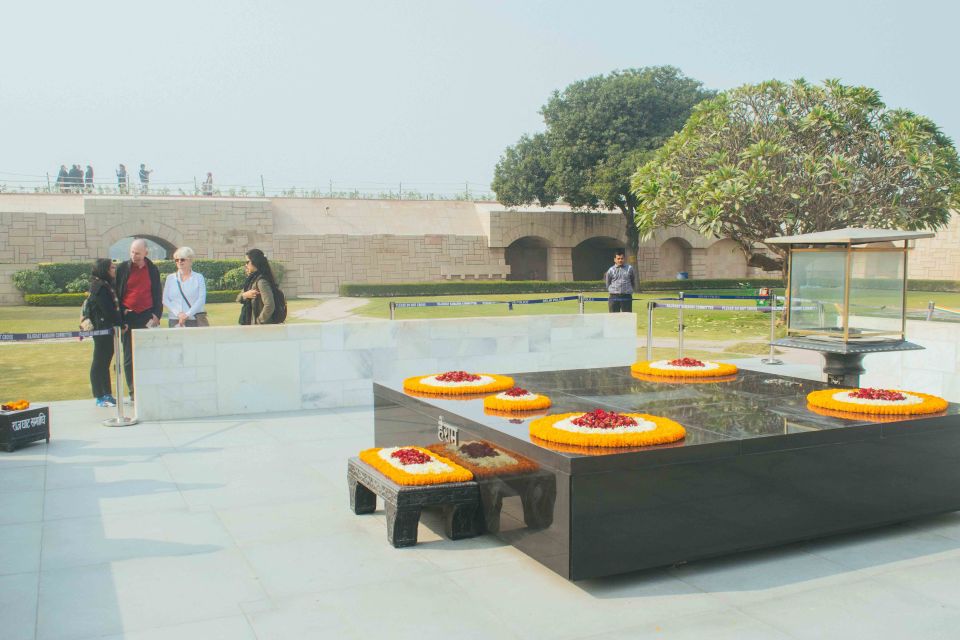
Raj Ghat is the emotional midpoint. The memorial sits on the banks of the River Yamuna, and it’s marked by the words Hey Ram—the last words attributed to Gandhi. It’s also the place where Mahatma Gandhi was cremated, so this stop isn’t just symbolic. It’s physical remembrance.
Expect a guided visit of about 30 minutes. That’s long enough to take in the atmosphere without turning into a hurried checklist. In my experience, memorial sites work best when you don’t over-schedule. Here, the shorter time actually helps you stay present.
The Yamuna setting is worth noticing. Even in a fast-moving city, the memorial area creates a different tempo. If you’re the type who likes to “read” a place with your eyes—orientation, light, the way people move—Raj Ghat gives you that space.
If you want the day to stay meaningful, use this stop as your reset. After Raj Ghat, you’ll go to the National Gandhi Museum, and having this stillness in your head helps the museum materials land harder.
National Gandhi Museum: original documents that make the message concrete
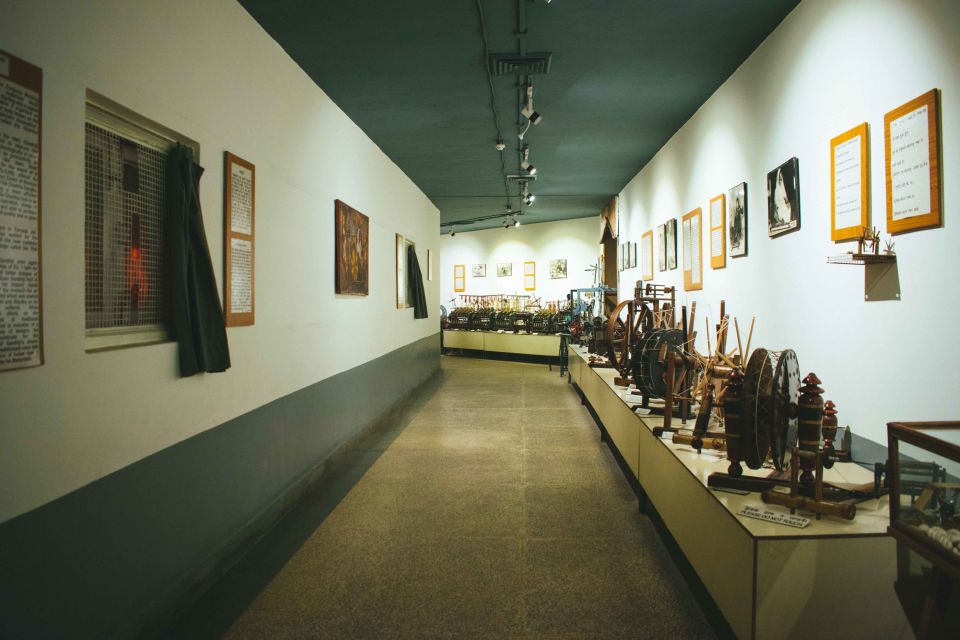
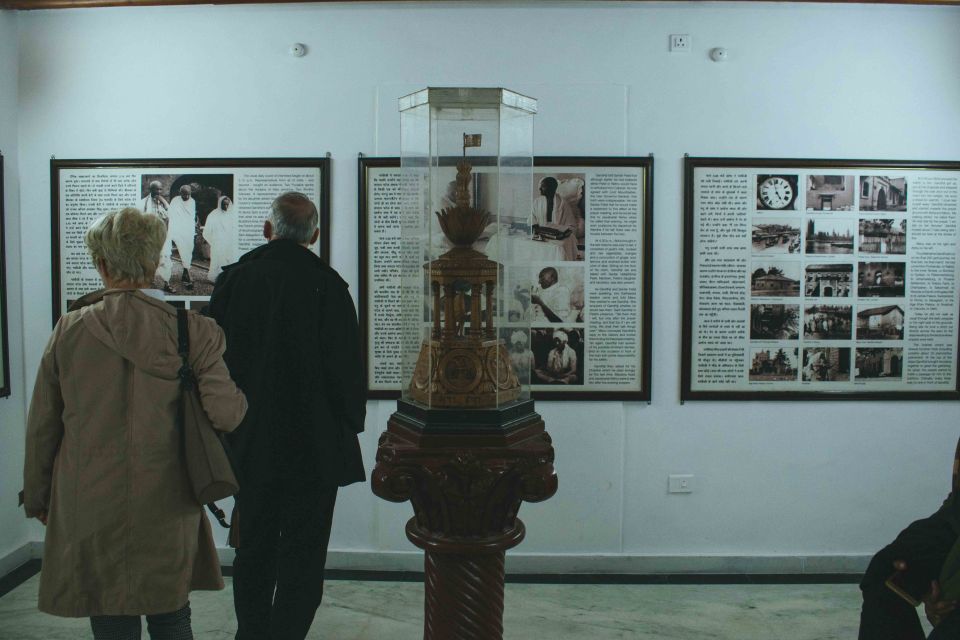
The last and most document-heavy stop is the National Gandhi Museum, with about an hour guided time. This is where the tour shifts from memorial emotion to archival detail.
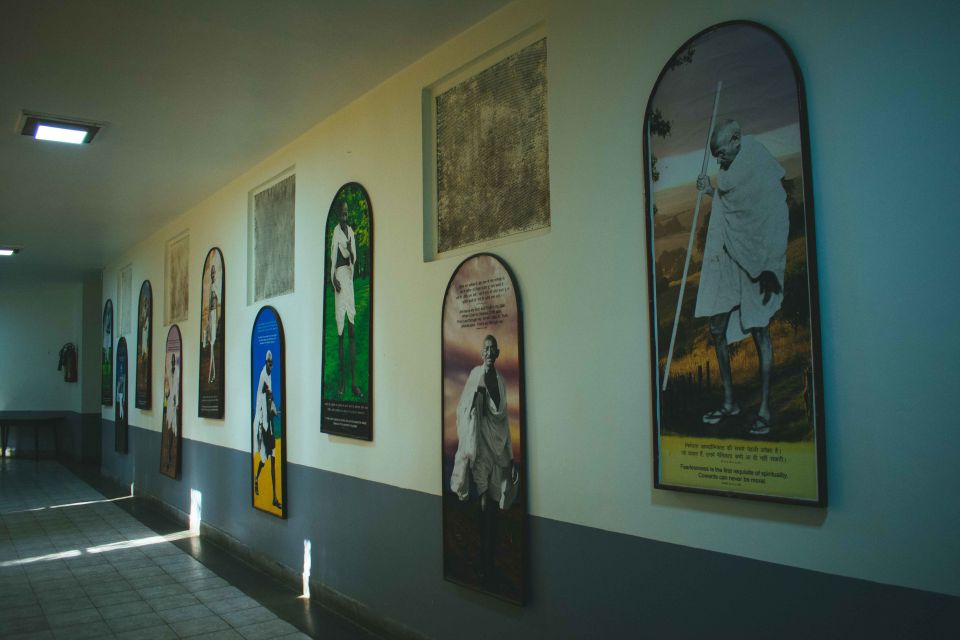
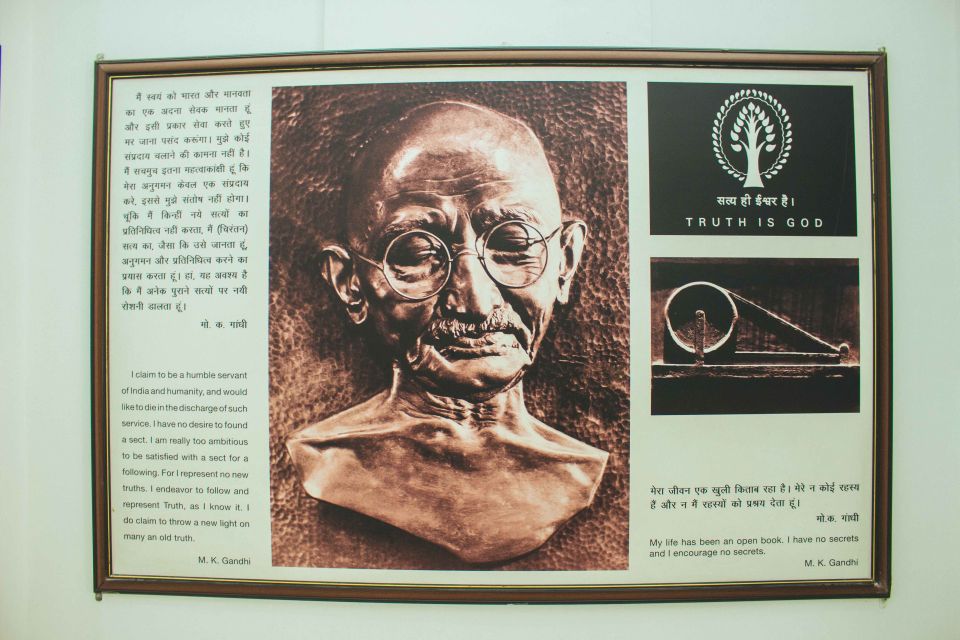
You’ll see original books, journals, and documents related to Gandhi, plus photographs and audio-video visuals. That mix matters because it shows how Gandhi’s ideas weren’t only slogans. You get to connect the message of non-violence to writing, media, and record-keeping.
I also like how the day is sequenced. Museums and memorials are common in Delhi, but this one follows a smart arc:
- start at the life-and-death anchor (Gandhi Smriti),
- add a family/era lens (Indira Gandhi Memorial Museum),
- pause at the cremation memorial (Raj Ghat),
- then finish with materials that explain and preserve the ideas.
If you’re trying to decide what’s most valuable to you, the National Gandhi Museum is often the part that turns a visit into understanding. It’s also a good option if you want something more than walking and looking.
Bring your patience for exhibits that may not all be “interactive.” It’s a museum, so expect reading and viewing, not games. If you love documents and primary-source style material, you’ll appreciate this more than you might expect.
Timing and transport across Delhi NCR: the 10:00 AM rhythm
The tour runs about 4 to 6 hours, starting with pickup at 10:00 AM. You can be picked up from multiple locations across Delhi NCR, including Gurugram, New Delhi, Delhi, Ghaziabad, and Noida, depending on the option you choose.
Transportation is in an air-conditioned vehicle, which is a real comfort factor in Delhi when the morning heat ramps up. This tour is also private-group style, so you’re not stuck waiting while a large group argues about where to stand in a crowd.
On the road, Delhi traffic is a thing. The driver’s job is to keep transfers smooth between sites. In several good experiences, the driver has been praised for staying on schedule and guiding efficiently through busy streets from hotel to destinations and back again. That kind of smooth routing can be the difference between feeling rushed and feeling relaxed.
After the final stop, you’ll either be dropped back at your hotel or you can explore on your own. That flexibility is helpful if you want to grab lunch nearby or just keep walking in the neighborhood without adding another booking.




Price and value for $51: what’s included, what’s not
At $51 per person, this tour can be a solid value if you want guided context and low hassle more than you want to build the day yourself.
What’s included:
- hotel pick-up and drop-off
- transportation by air-conditioned vehicle
- a professional English-speaking guide (and multiple other languages are offered)
- booklets
- shoe-keeping tip
What’s not included:
- meals and drinks
So, you’ll likely need to plan for lunch on your own. The duration is half-day, and the schedule includes a break time in New Delhi with shopping time (about 20 minutes). That break can work for a quick snack or a drink if you want one, but you shouldn’t count on it being a meal.
One important cost detail: there can be an extra fee for some hotel pickup/drop-off locations. The tour notes a $20 extra fee (cash to the guide) for pick-up and drop-off from hotels in Noida, Gurgaon, and Gurugram. If your hotel is outside the core pickup options, verify what you’ll pay so there are no surprises.
Finally, there’s an inclusion/value angle beyond the price tag. You’re paying for someone to connect the dots between four distinct stops—two museums plus two memorial-focused sites—so you don’t have to guess what to look for once you’re there.
Watch-outs: language fit and the shopping time tradeoff
Most people want a Gandhi-focused route that stays calm, reflective, and on-message. This tour mostly fits that goal, but there are two watch-outs you should plan for.
First: language matching. The tour lists multiple languages (English, Spanish, German, Italian, French, Russian), but there have been occasional negative experiences where the guide did not match the expected language well or did not provide enough explanation. To protect yourself, check that your guide language is confirmed on the day, especially if you booked something other than English.
Second: the New Delhi break and shopping time. The schedule includes a break in New Delhi and a shopping window. Some experiences have also described being taken to other places that felt outside the main Gandhi stops, and one negative experience involved pressure around buying at an unrelated shop. Even if that isn’t your plan, treat the shopping time as optional in spirit: decide what you want, and if you don’t want to shop, simply say so early.
A simple way to keep control: at the start of the tour, ask what the exact stops and timing will be for the New Delhi break. That one question prevents the day from drifting away from what you booked.
Who this Delhi Gandhi half-day tour suits best
This is a strong fit if:
- you’re in Delhi for a short stay and want a focused introduction to Gandhi’s life and message
- you like guided context at memorial sites, not just sightseeing
- you want a mix of emotional place (Gandhi Smriti and Raj Ghat) plus materials (National Gandhi Museum)
It’s also a good match if you’re traveling with someone who knows less about Gandhi than you do. The structure makes it easier to follow the story without getting lost in details.
You might rethink if:
- you want a long, academic deep dive that stays purely on Gandhi without any break-for-shopping time
- you’re very sensitive to any shopping-pressure dynamics and want a strictly non-commercial route
- you’re expecting a fast-food style tour where everything is brief and light. This day includes museum time where you’ll actually look and read.
Should you book this Delhi Footsteps of Mahatma Gandhi Half-Day Tour?
Book it if you want a guided, low-hassle half-day that traces Gandhi through the places where his life, death, and ideas were preserved. I think the National Gandhi Museum and Raj Ghat combo is the payoff, especially if you like seeing original materials after standing at a memorial.
Skip—or at least verify details—if language is critical for you or if you want zero shopping time and zero detours. Ask your guide at the start what will happen during the New Delhi break, and confirm your guide language match.
For $51, the value is mostly in the structure: pickup, air-conditioned transfers, guided museum time, and a clear arc from final days to ideas on paper. If that’s your kind of travel, you’ll likely find it worth the morning schedule.
FAQ
How long is the Delhi Footsteps of Mahatma Gandhi Half-Day Tour?
It runs about 4 to 6 hours.
What time does the tour start, and do you pick up from hotels?
Pickup happens at 10:00 AM from selected hotel locations, and you’ll be dropped off at the end (or you can continue exploring on your own).
Where are the pickup and drop-off locations?
Pickup options include Gurugram, New Delhi, Delhi, Ghaziabad, and Noida. Drop-off options include New Delhi, Noida, Delhi, Gurugram, and Ghaziabad.
What sites are visited during the tour?
The tour includes Gandhi Smriti (Gandhi Memorial), Indira Gandhi Memorial Museum, Raj Ghat, and the National Gandhi Museum, plus a break time in New Delhi.
Is the tour guided, and what languages are available?
Yes, it includes a live guide. Languages listed are English, Spanish, German, Italian, French, and Russian.
What should I wear?
The dress code is smart casual, and comfortable walking shoes are recommended.
Are meals included in the price?
No. Meals and drinks are not included.