REVIEW · NEW DELHI
Delhi: Gurudwara Bangla Sahib – Faith, Culture and Peace
Book on GetYourGuide →Operated by Crystal India Holidays · Bookable on GetYourGuide
Gurudwara Bangla Sahib runs on quiet purpose. This 2–2.5 hour private visit is one of Delhi’s easiest ways to understand Sikh faith and daily community life, and I really like how the Langar meals and the golden dome make the experience feel both meaningful and practical. One thing to plan for: you’ll need modest clothing and a head covering, and you might feel slightly underdressed if you show up unprepared.
What makes this stop special is the mix of big visual beauty and human-scale rituals. You’ll watch soulful hymns and prayers, stand near the Sarovar (the holy water reservoir), and get guide-led context so you’re not just looking at buildings—you’re understanding what you’re seeing.
The other easy win is the way it’s handled. With private, air-conditioned transport from your hotel (if you choose pickup), you can spend your energy on the temple, not on Delhi traffic and directions. The only real trade-off is time: this is a short tour, so the best photos and deeper moments depend on how patient you are inside the flow of worship.
In This Review
- Key things you’ll notice
- Why Gurudwara Bangla Sahib Feels Peaceful Fast
- Getting There in Delhi Without Turning It Into a Quest
- Your Guide’s Sikhism Primer: History and Traditions You Can Actually Use
- The Golden Dome and Temple Design: More Than a Photo Stop
- The Sarovar: Holy Water, Healing Beliefs, and Quiet Observation
- Langar Lunch Energy: Equality You Can Watch Up Close
- Prayer and Hymns: How the Soundtrack Shapes the Visit
- What to Wear and Bring (So You Don’t Stress Indoors)
- Price and Value: Is $14 Worth 2–2.5 Hours in Delhi?
- Who This Tour Suits Best
- Practical Expectations: Duration, Pace, and Timing
- Should You Book This Gurudwara Bangla Sahib Visit?
- FAQ
- Where is the meeting point for the tour?
- How will I get the guide or driver contact details?
- What languages are the live guides?
- How long does the visit take?
- Is hotel pickup available?
- Is this tour wheelchair accessible?
- Do I need to bring a headscarf?
- What’s included in the price?
Key things you’ll notice
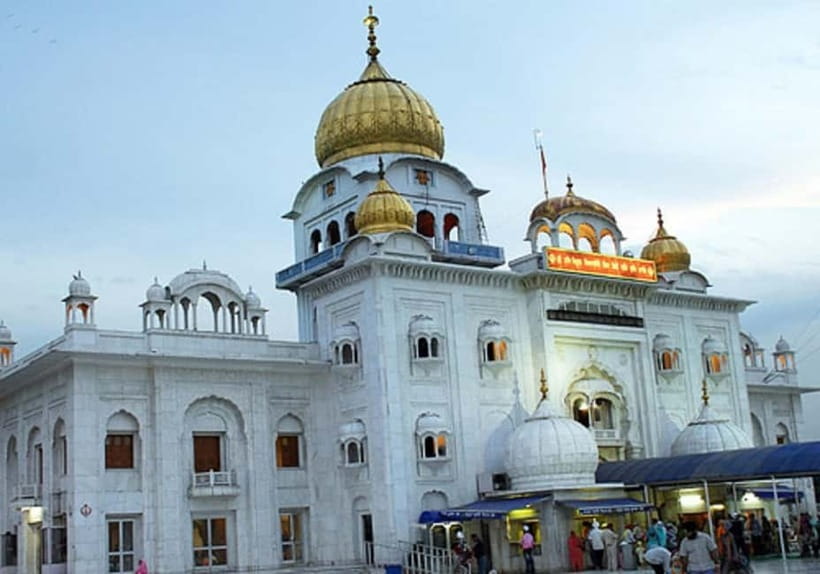
- Golden dome + intricate design: the architecture feels striking without being complicated to appreciate
- English/Hindi live guide: you’ll get clear explanations of Sikh traditions and temple history
- Sarovar calm: you can observe the holy water setting and learn why it matters
- Langar in action: thousands served daily, showing equality through everyday service
- Hotel pickup option: reduces stress and keeps the schedule realistic
- Dress-code simplicity: scarves are provided at the temple, but you should still dress modestly
Why Gurudwara Bangla Sahib Feels Peaceful Fast
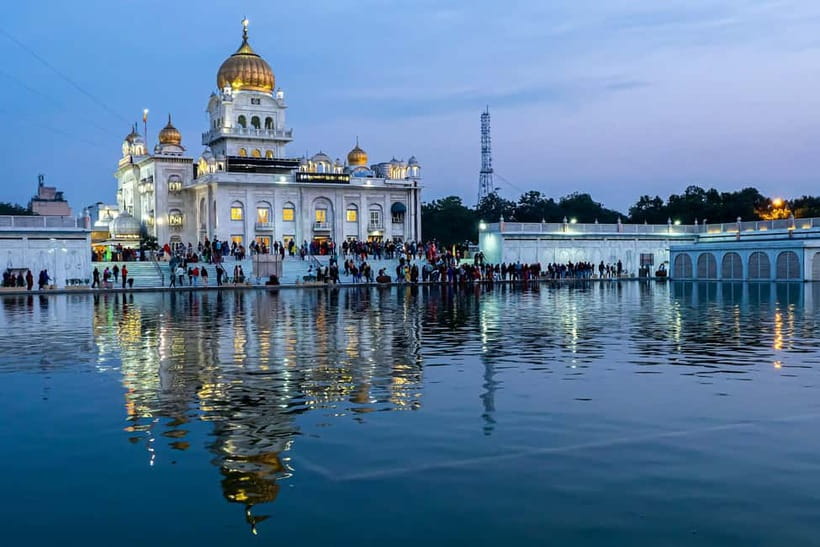
Gurudwara Bangla Sahib is famous for a reason, but the main reason is what you feel when you arrive: order, calm, and a steady rhythm. Even if you’re not religious, the space is designed to slow you down. The prayers and hymns create a gentle background that keeps the experience focused, not chaotic.
What I like most is that you get meaning without needing a lecture. The temple’s design and daily practices explain Sikh values in a way you can see with your own eyes. The gold dome draws your attention right away, but the ongoing service—people working, people praying, people sharing food—does the teaching.
Also, the setting is visually soothing. The holy water reservoir (the Sarovar) gives you a natural “pause point” where you can step back, look around, and take in how people treat the space: quietly, respectfully, and with purpose.
You can also read our reviews of more tours and experiences in New Delhi.

Getting There in Delhi Without Turning It Into a Quest
Delhi traffic can turn a short visit into a stressful one. That’s why the transport setup matters here. You have private, air-conditioned vehicle service from your hotel to the temple area (pickup is optional, but it’s one of the smartest choices if you’re staying in the city and want a smooth morning or afternoon).
You meet your guide at the entrance. From there, the timing is built around a comfortable pace for a 2–2.5 hour experience. You’re not wandering alone, guessing where to stand or what to ask. The guide keeps you moving, but not rushed.
One practical detail: your guide’s contact info is shared one day before the tour (via WhatsApp, or email if you don’t use WhatsApp). That’s helpful if your hotel lobby is busy, you’re waiting for a driver, or you have a last-minute question. In a city where plans can shift, having direct contact is calming.
Your Guide’s Sikhism Primer: History and Traditions You Can Actually Use
A good guide turns a temple visit into understanding. Here, you’ll learn about Sikh traditions and the significance of Gurudwara Bangla Sahib, including the story behind the gurudwara. That context matters because a place like this has layers—rituals, symbols, and daily actions—and it’s easy to miss the point if you only look at visuals.
Your guide also helps you interpret what’s happening as you walk through the spaces. You’ll likely notice how people move, how prayers are observed, and how the environment supports worship and community. Instead of asking yourself what something means, you’ll have answers that connect directly to what you’re seeing.
English and Hindi are available with the live guide, so you can follow comfortably. For many visitors, the “aha moment” is realizing that Sikhism isn’t only about belief—it’s practiced through everyday behavior, especially service and equality. The tour gives you that thread from the start, so later stops feel connected instead of random.
The Golden Dome and Temple Design: More Than a Photo Stop
Yes, the golden dome is a big deal. It’s one of the most recognizable features of Gurudwara Bangla Sahib, and it’s the kind of architecture that looks impressive even when you’re standing at normal visitor distance.
But the value is what comes with it. When you look closely, the intricacy of the design adds texture and richness. This isn’t just a single eye-catching detail; it’s the overall composition. The temple’s beauty supports the atmosphere: it invites reverence rather than tourist gawking.
Your guide’s explanations help you see why the look matters. In many faith spaces, art and structure aren’t decoration. They’re part of how meaning is communicated—through form, through symmetry, and through the sense of gathering around worship.
If you’re photographing, plan to use a patient approach. Religious spaces often require movement with crowds and quiet moments of waiting. The upside is that the calm hymns make even a few minutes between shots feel peaceful rather than annoying.
The Sarovar: Holy Water, Healing Beliefs, and Quiet Observation
One of the most interesting parts of this visit is the Sarovar, the holy water reservoir. The tour experience includes time to observe this serene setting. And because your guide explains its significance, you’re not just staring at water—you’re learning why people treat it as special.
The Sarovar is believed to have healing properties. Even if you don’t share the belief, you can still respect how the place functions emotionally and spiritually for people. This is one of those moments where you benefit from slowing down. Look, listen, and watch how others behave. That behavior is part of the lesson.
This stop also helps balance the intensity of temple life. If you’re coming in from a busy day in Delhi, the Sarovar area can feel like a reset button. It’s calmer, visually softer, and it gives your brain a chance to absorb the atmosphere rather than just react to it.
Practical note: stick to respectful observation. You’ll enjoy it more if you treat this as a place of devotion, not a spectacle.


Langar Lunch Energy: Equality You Can Watch Up Close
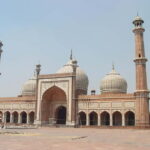
If you remember one thing from this tour, make it Langar. It’s the community kitchen and meal service, and it’s one of the clearest examples of Sikh values in action.
Here’s what you should expect: free meals are served daily, and the scale is enormous—thousands are served. That tells you something important about the philosophy. The idea isn’t charity as a one-time event. It’s consistent service as a daily practice.
Watching Langar in action does two things for you:
- It shifts your view from “temple as architecture” to “temple as community engine.”
- It shows equality in a way that’s hard to fake or misunderstand.
Whether you simply observe or participate, the experience grounds the history and traditions you learned from your guide. You’ll see that the Sikh emphasis on selfless service isn’t abstract. It’s operational. People organize, serve, and keep things running so others can eat in peace.
If you’re hungry when you arrive, this is the rare cultural stop that’s not just educational—it’s also practically rewarding. And if you’re not hungry, it still lands because you see the care behind it.
Prayer and Hymns: How the Soundtrack Shapes the Visit
Part of the experience includes hearing or witnessing the soulful hymns and prayers. This is where Gurudwara Bangla Sahib becomes more than sight-seeing. The sound shapes your pace, your mood, and your ability to notice details without feeling pushed.
The tour doesn’t just point at what to see; it helps you understand how prayer works in real time. You’ll feel a difference from places that are only open for viewing. Here, the atmosphere is alive. People come with intention, not just for photos.
This is also a good reason to avoid rushing. Even if you plan to take pictures, build in time to stand quietly. The hymns don’t need your attention like a performance, but giving them a few minutes makes the whole visit click.
What to Wear and Bring (So You Don’t Stress Indoors)
You’ll get more out of the tour if your outfit doesn’t cause last-minute fixes.
Bring:
- Camera
- Comfortable clothes
- Headscarf
Dress code is modest clothing. A head covering is required, but the temple provides scarves. That said, it’s still smart to bring something lightweight so you don’t rely on borrowing options at a busy time.
Comfort matters because you’ll likely spend time moving through areas and standing for moments of observation. Breathable fabric helps in Delhi. If you wear layers, you’ll adapt to changing indoor/outdoor air quickly.
Also, keep your expectations realistic: this is a place of worship. Keeping your phone quiet and moving respectfully makes the visit smoother for you and the people around you.
Price and Value: Is $14 Worth 2–2.5 Hours in Delhi?
At around $14 per person, this is priced like an efficient, no-nonsense cultural visit. That cost is not just for entry or a quick look—it includes a live guide and private group attention, plus hotel pickup and drop-off if you select that option.
Let’s break down value:
- Guide time included: you’re paying for interpretation, not just access
- Private transportation option: in Delhi, that can be worth it because time and stress have a cost
- Clear duration: 2–2.5 hours is long enough to learn, observe, and see Langar, but short enough to fit into a packed itinerary
If you’re trying to do a “serious culture” stop without sacrificing comfort, this fits well. It’s also a good option if you don’t want to spend your limited energy figuring out schedules, directions, and what’s meaningful inside.
The one downside of a short guided experience is depth. You won’t get a long, slow immersion. But for most people, that’s a strength: you leave with understanding and calm, not exhaustion.
Who This Tour Suits Best
This tour works especially well if you:
- Want a meaning-first visit (not just photos)
- Like community stories, not only monuments
- Prefer a guide so you know what you’re seeing as you go
- Are short on time but still want a structured experience
- Want a peaceful break from Delhi’s noise
It’s also suitable for all ages, and wheelchair access is available, so it can work for families and mixed mobility groups.
If you’re traveling with kids, the Langar element often holds attention because it’s practical and human. If you’re traveling solo, the private group format helps you feel less lost and more guided.
Practical Expectations: Duration, Pace, and Timing
Plan for about 2–3 hours. Departure times are flexible based on your schedule, so you can pick a time that matches your energy level and the rest of your day.
Because this is a temple environment with prayers and meals happening continuously, the pace is naturally shaped by what’s going on inside. That’s normal. The good news is your guide helps you follow the flow without turning it into a guessing game.
If you want the best results, arrive with modest, prepared clothing and a calm mindset. Treat it like a place of worship first, and a cultural stop second.
Should You Book This Gurudwara Bangla Sahib Visit?
I’d book it if you want one simple guided experience that covers faith, culture, and community values in a way that’s easy to understand and genuinely moving.
It’s a strong choice for first-timers to Delhi who want a peaceful break with real context. It’s also a smart value pick if you’re thinking about spending money on tours and want the guide to do the heavy lifting.
Skip it only if you’re looking for a long, slow, in-depth study session. This is a focused visit. You’ll get a lot of meaning fast, and then you’ll be ready to move on with your day—calmer than when you started.
FAQ
Where is the meeting point for the tour?
Your guide meets you at the entrance of the attraction.
How will I get the guide or driver contact details?
You’ll receive contact details from the local service provider one day before the tour via WhatsApp (or by email if you don’t use WhatsApp). The WhatsApp number is also listed on your booking voucher.
What languages are the live guides?
The live tour guide is available in English and Hindi.
How long does the visit take?
The duration is about 2 to 2.5 hours (approximately 2–3 hours).
Is hotel pickup available?
Pickup is optional. If you choose it, you’ll get hotel pickup and drop-off in a private vehicle.
Is this tour wheelchair accessible?
Yes, it is wheelchair accessible.
Do I need to bring a headscarf?
Head covering is required, and you should bring a headscarf. Scarves are also provided at the temple.
What’s included in the price?
The tour includes the services of a friendly, knowledgeable guide. If you select the pickup option, hotel pick-up and drop-off in a private vehicle are included.