REVIEW · NEW DELHI
From Delhi: Private 3-Day Golden Triangle Tour
Book on GetYourGuide →Operated by R S Travels · Bookable on GetYourGuide
Three cities. One tight schedule. This private Golden Triangle tour links Delhi, Agra, and Jaipur with a guide and private car, so you can reach the Taj Mahal and the best-known sights without turning the trip into a transport puzzle. I like the included rickshaw ride through Chandni Chowk and how the day-to-day plan stacks major monuments in a sensible order. The main drawback to keep in mind: it’s a fast pace, and shop stops can steal time from exactly what you want most.
You’ll also appreciate the simple logistics: pickup from your Delhi hotel or the airport, 2 nights in a 3-star category hotel (double/twin sharing), and breakfast each morning. Day 1 ends with a drive to Agra, so you’re sleeping near the Taj instead of commuting at dawn. Just be ready for a lot of walking—bring comfy shoes and plan for early days.
In This Review
- Key highlights that matter (before you book)
- Why the Golden Triangle works in 3 days
- Price and logistics: what you really get for $119
- Day 1 in Delhi: Red Fort, Old Delhi, and Mughal-era landmarks
- Red Fort and the feeling of imperial scale
- Jama Masjid and Chandni Chowk by rickshaw
- Raj Ghat and Qutub Minar: reflection and astronomy-like geometry
- Humayun’s Tomb and the lead-in to Agra
- India Gate and a drive-by of the President’s House
- One Day 1 reality check
- Day 2 in Agra: Taj Mahal timing and Agra Fort’s Mughal blend
- Taj Mahal: the main event (but not on Fridays)
- Agra Fort: Persian and Mughal architecture you can actually read
- Markets and handicrafts: a little freedom helps
- Arriving in Jaipur after Agra
- Day 3 in Jaipur: Amber Fort, Hawa Mahal, and Jantar Mantar
- Amber Fort: a strong start for photos and scale
- Hawa Mahal: the honeycomb-window look
- City Palace museums: royal heritage at your pace
- Jantar Mantar: an astronomy observatory you can visit
- Jal Mahal: the photo stop at Man Sagar Lake
- Bazaars for crafts and textiles
- Hotel and guide value: the difference between a tour and a plan
- Skip-the-line help and monument fees: plan your budget
- Timing warnings that can change your day
- What to bring (and what to avoid)
- Who should book this Golden Triangle tour?
- Should you book this 3-day Golden Triangle from Delhi?
- FAQ
- What is included in the tour price?
- Are monument fees included?
- Do I get pickup from the airport or my hotel?
- How many nights are included, and what hotel category is used?
- Is the Taj Mahal open every day?
- Are Red Fort and temples open on Mondays?
- What languages are the tour guides available in?
- Is this a private tour?
- Is the tour wheelchair accessible?
- What should I bring and wear?
Key highlights that matter (before you book)

- UNESCO hits in a smart sequence: Red Fort, Humayun’s Tomb, Qutub Minar, Taj Mahal, Agra Fort, and Jaipur’s observatory and forts
- Private car + live guide: You get a dedicated person to explain what you’re seeing across Delhi, Agra, and Jaipur
- Chandni Chowk by rickshaw: A classic, hands-on way to get your bearings quickly in Old Delhi
- Amber Fort and Hawa Mahal time: Two of Jaipur’s most iconic visuals in one day
- Monument entry support, with fees extra: The tour is set up to help with ticket lines, but the monument fees aren’t included
Why the Golden Triangle works in 3 days
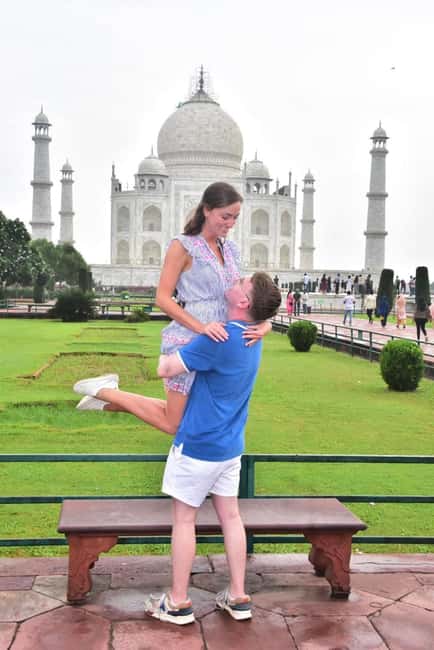
The Golden Triangle is popular for a reason: it concentrates India’s most famous sights into one loop that makes sense for a short trip. In three days, you’ll see Mughal-era landmarks, Old Delhi landmarks, and royal Jaipur architecture—all with a private guide and vehicle doing the hard work of moving you around.
What I like about this version is that it doesn’t just list monuments. It builds days around them. Day 1 is Delhi with the big hitters spread across different neighborhoods, then you transition to Agra. Day 2 anchors on the Taj Mahal and finishes with more Fort time. Day 3 switches gears to Jaipur’s forts, palace spaces, and a World Heritage astronomy site, then closes with a little market time and an easy return to Delhi.
The value here is in the combination: private transport, live guide, and included hotel nights. For $119 per person, you’re not just paying for sightseeing—you’re paying to reduce decision fatigue. You show up, get picked up, and follow a plan that is designed to cover a lot without you micromanaging everything.
You can also read our reviews of more private tours in New Delhi

Price and logistics: what you really get for $119
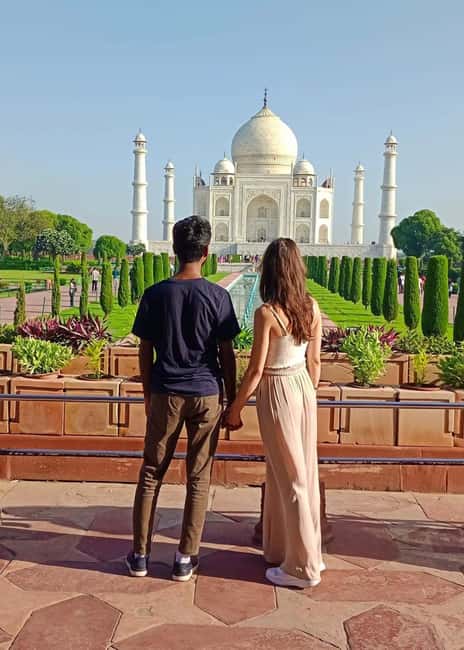
At $119 per person for 3 days, this tour is priced like a practical way to experience the “greatest hits” loop. Included items are meaningful:
- pickup and drop-off from anywhere in Delhi (hotel or airport)
- 2 nights accommodation (double/twin sharing) in a 3-star category hotel option
- breakfast at the hotel
- a private, live guide for Delhi, Agra, and Jaipur
- transport by private vehicle
Two extra things matter just as much as what’s included:
1) Monument fees aren’t included. So your day-of spending may rise when you get to each site.
2) Food and drinks aren’t included either, so budget for lunches and snacks on your own.
Also, the itinerary includes ticket-line help (it says you can skip the ticket line). That can be a time-saver at busy sites, especially when you’re trying to keep the day on schedule. Still, the best way to protect your schedule is to be clear with your guide about what you want most and what you’re okay skipping.
Day 1 in Delhi: Red Fort, Old Delhi, and Mughal-era landmarks

Day 1 is where you get your mental picture of Delhi. It’s not just “see a fort, see a mosque.” It’s a mix of power, faith, and street-life in one day.
Red Fort and the feeling of imperial scale
You start at the Red Fort, a World Heritage Site. The main draw is scale and symmetry. Even if you’re not a history buff, the architecture communicates authority—this place was built to impress at every step. For a short trip, this stop sets the tone.
Jama Masjid and Chandni Chowk by rickshaw
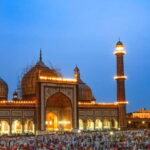
Then you move to Jama Masjid, one of India’s largest mosques. After that, you ride a rickshaw through Chandni Chowk, a major Old Delhi market area. I love this part because it’s not a museum moment. It’s movement. You feel the neighborhood rhythm immediately, and your guide can point out how the street layout supports everyday life.
You can also read our reviews of more tours and experiences in New Delhi






Raj Ghat and Qutub Minar: reflection and astronomy-like geometry
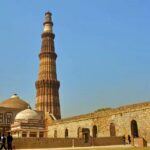
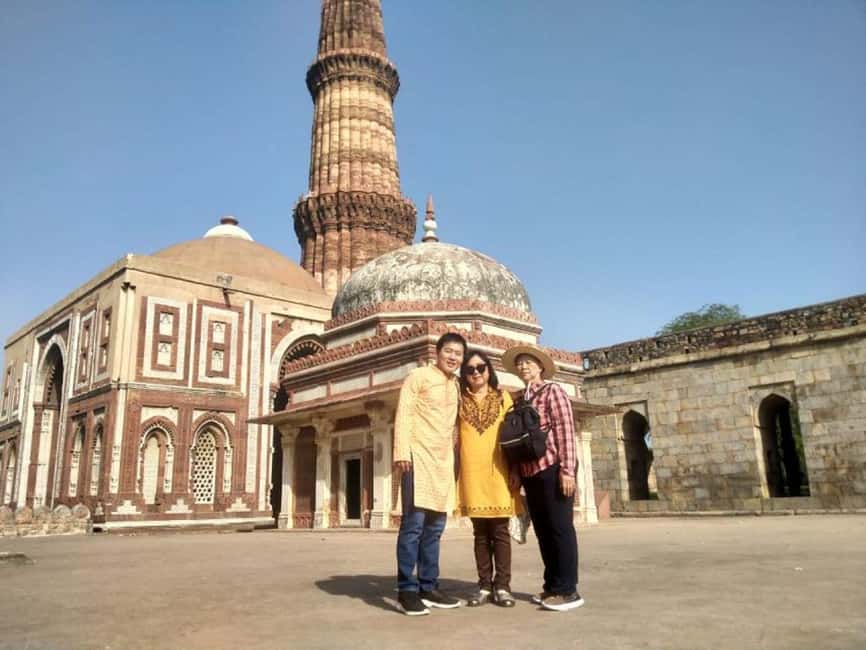
You’ll visit Raj Ghat, the memorial to Mahatma Gandhi. It’s a quieter reset inside a very active day. Next up: Qutub Minar, another World Heritage Site. The tower’s height and details make it a perfect “vertical landmark” between Old Delhi and the more spread-out Mughal sites.
Humayun’s Tomb and the lead-in to Agra
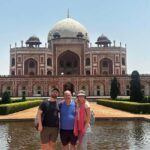
Humayun’s Tomb is next. It matters because it’s a precursor to the Taj Mahal era style. Seeing it on Day 1 helps Day 2 land harder—you’ll recognize visual themes when you finally reach the Taj.
India Gate and a drive-by of the President’s House
Later you’ll visit India Gate and do a drive past the President’s House. This is a good end-of-day mix: iconic Delhi symbolism without dragging the day into late-night crowds. Then you drive to Agra and sleep there.
One Day 1 reality check
This day is packed. You’ll likely walk more than you expect, and the order is tight. If you have limited stamina, you’ll want to take advantage of breaks for water and use the private guide to plan your pace.
Day 2 in Agra: Taj Mahal timing and Agra Fort’s Mughal blend
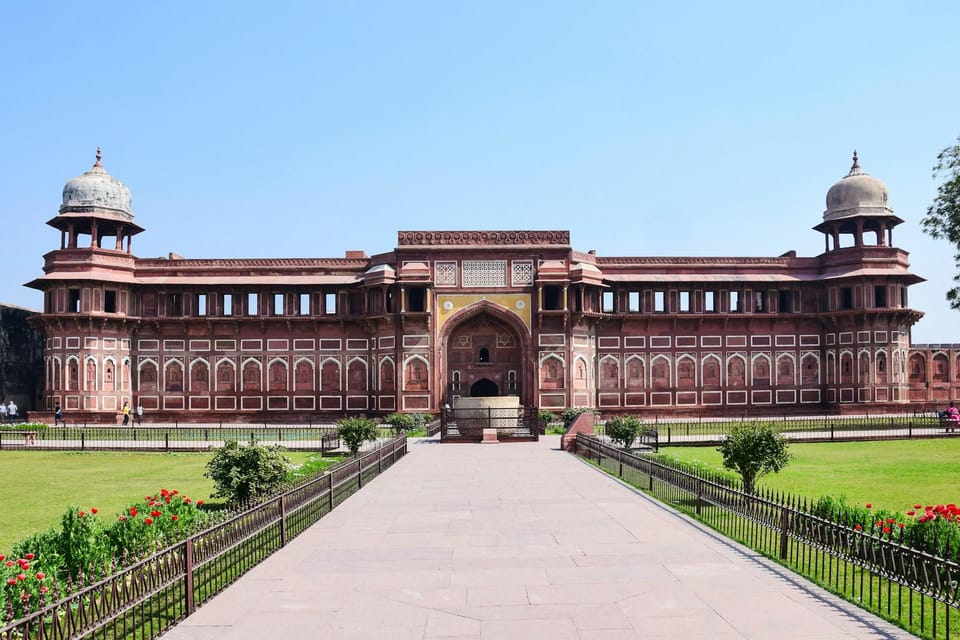
Agra is the centerpiece. The schedule is built around your one big “photo-at-sunset” goal: the Taj Mahal—and it comes with a key scheduling warning.
Taj Mahal: the main event (but not on Fridays)
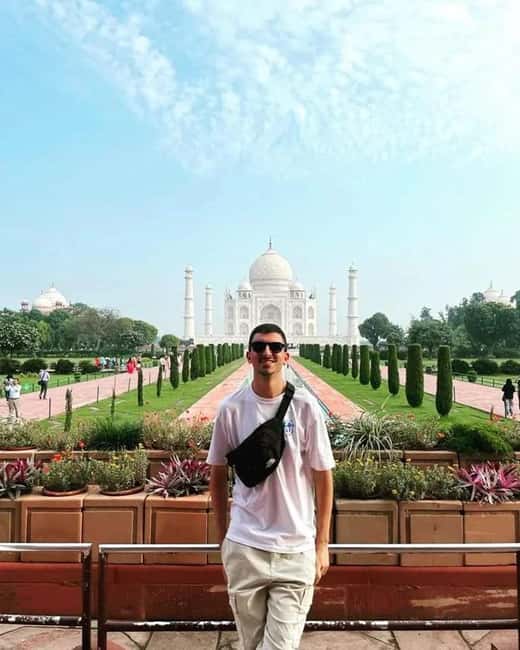
The Taj Mahal is a World Heritage Site and it’s the kind of sight that changes how you look at architecture afterward. It’s white marble, symmetry, and that calm feeling you only get when you’re standing in the right spot.
Just don’t plan around the wrong day. The Taj Mahal is closed on Friday. If your trip window includes a Friday, ask your provider how your dates are handled so you’re not paying for a plan that hits a dead stop.
Agra Fort: Persian and Mughal architecture you can actually read
After the Taj, you visit Agra Fort, a historic fortress known for a blend of Persian and Mughal architecture. I like this pairing because it’s complementary. The Taj is romance and perfection. The Fort is power, practicality, and defensive design. Together, they give you more than just one visual style.
Markets and handicrafts: a little freedom helps
You’ll also get some free time to explore local markets and handicraft shops for souvenirs. This is the part where you can slow down and shop at your own rhythm. My tip: decide in your head what you want before you get to the shops, so you don’t feel rushed later.
Arriving in Jaipur after Agra
The day ends with a drive to Jaipur and another overnight stay there. This setup means you don’t bounce back and forth too much. It’s efficient, and it reduces the stress of constant packing.
Day 3 in Jaipur: Amber Fort, Hawa Mahal, and Jantar Mantar
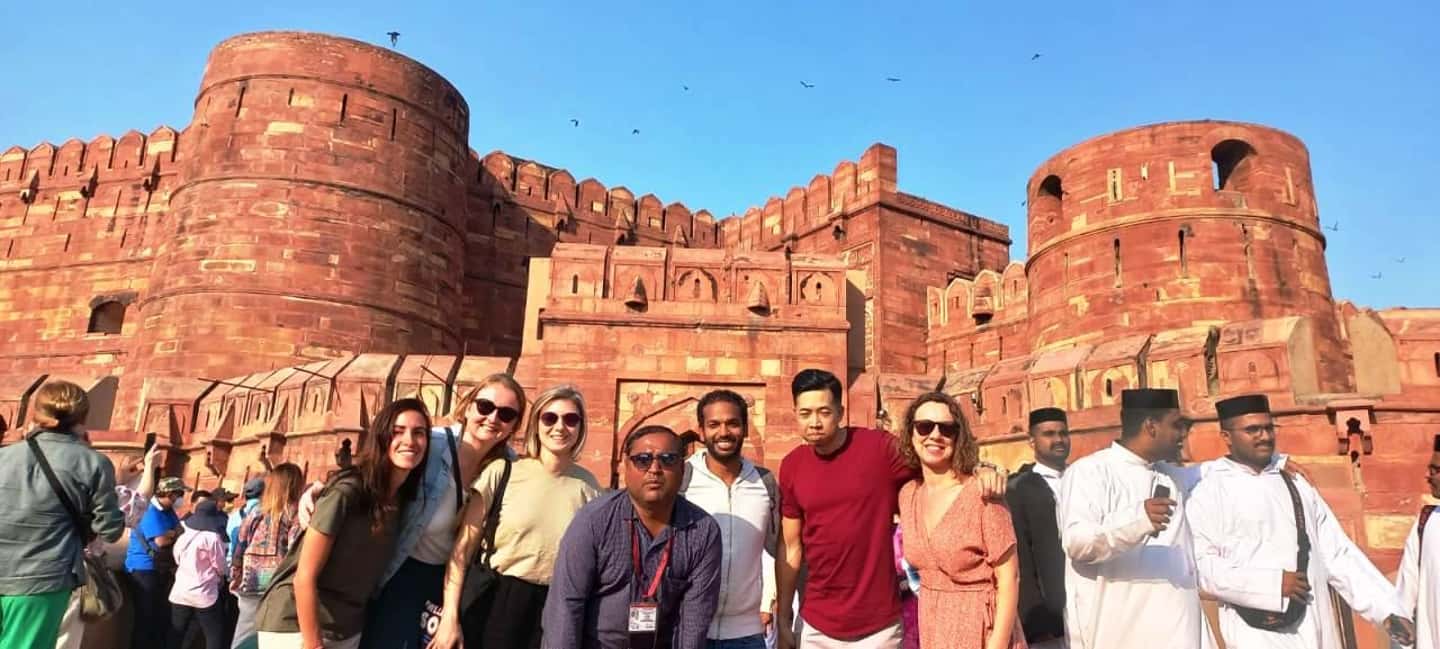
Jaipur is the “show your details” city. Day 3 moves through royal architecture, palace spaces, and a surprisingly scientific World Heritage site.
Amber Fort: a strong start for photos and scale
You begin with Amber Fort. This is one of Jaipur’s best openings because the fort’s grandeur demands attention right away. It’s also a good anchoring stop—everything else feels more connected afterward.
Hawa Mahal: the honeycomb-window look
Next is Hawa Mahal, famous for its honeycomb-like windows. Even if you’ve seen pictures, seeing the façade in person helps. You get a better sense of how design creates atmosphere and light. This is one of those “how does it work” stops, and it rewards patient looking.
City Palace museums: royal heritage at your pace
Then you go to City Palace, including its museums. This is where you shift from exterior photos to interior storytelling. It helps you understand why Jaipur is called the Pink City and how royal life translated into architecture. If you like context, take your time here; if you don’t, you can still get the key ideas without overpacking your brain.
Jantar Mantar: an astronomy observatory you can visit
You’ll visit Jantar Mantar, an astronomical observatory and World Heritage Site. This stop is valuable because it breaks the pattern of “fort + palace.” It’s science made visible in stone, and the shapes help you understand that the city wasn’t only about display—it was also about measurement.
Jal Mahal: the photo stop at Man Sagar Lake
You’ll end with a photo stop at Jal Mahal, the palace in the middle of Man Sagar Lake. It’s best treated as a quick look with camera ready. Don’t plan this as your only break—keep your energy for the last section.
Bazaars for crafts and textiles
After that, you get leisure time to explore Jaipur’s colorful bazaars for traditional crafts and textiles. I like having this at the end because it feels less hurried than squeezing shopping between monuments. If you’re buying gifts, this is also where you can compare options.
Then the tour concludes with a drive back to Delhi or onward to your next destination.
Hotel and guide value: the difference between a tour and a plan
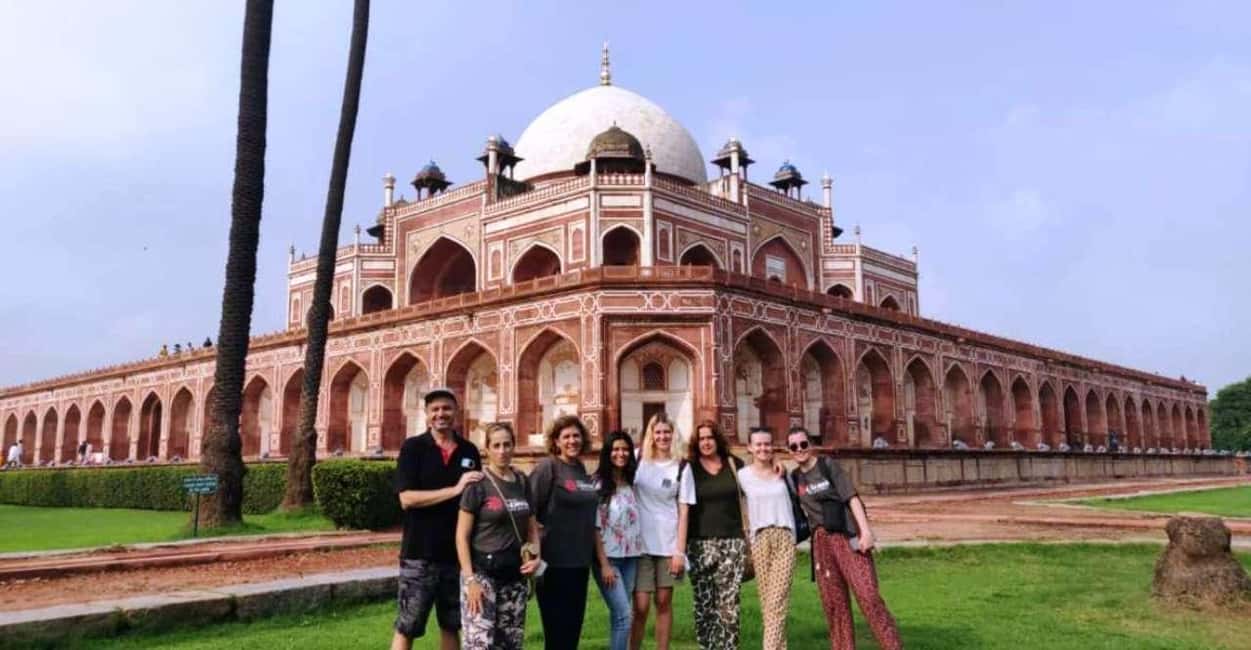
This is a private group tour, with a private vehicle and a live guide. That matters because Delhi, Agra, and Jaipur are not “walk-up and figure it out” cities for most people.
A good guide helps you understand:
- what each monument was built to do
- why the architecture looks the way it does
- how to move through sites efficiently while staying respectful
The guide is available in English, French, Spanish, Japanese, German, Chinese, and Italian, so you’re not stuck translating everything yourself.
One practical note from the experience style: some time can be used for shop stops. If you have strong preferences, bring them up early and ask for time protection around your top sights. You’ll get a better outcome when the day starts with clear priorities.
Skip-the-line help and monument fees: plan your budget
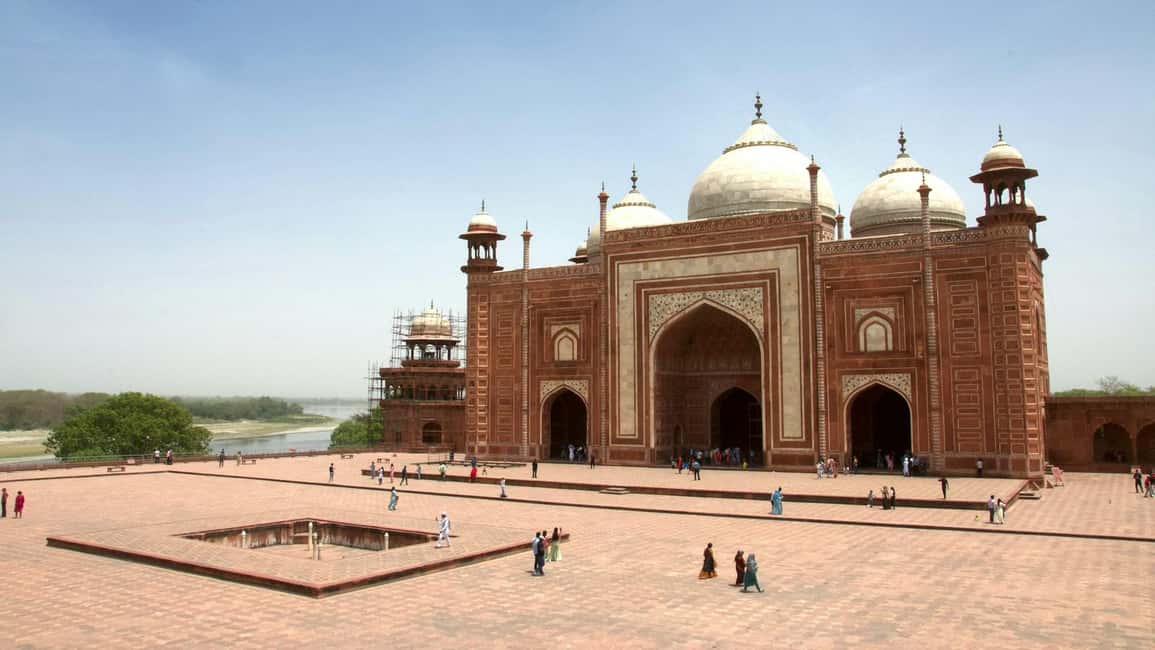
The tour says you can skip the ticket line, which can make a real difference when sites are crowded. That said, monument fee tickets aren’t included. Food and drinks aren’t included either.
So think of the tour cost ($119 per person) as the base that covers:
- the guide
- the car
- two hotel nights with breakfast
- coordinated entry support
Then plan for extras like monument fees and daily meals. If you want to control costs, decide on a rough daily spend for lunch and small snacks, and keep some cash or cards handy for on-site payments.
Timing warnings that can change your day
Two closure rules are worth memorizing before you lock in your dates:
- The Taj Mahal is closed on Friday.
- All temples and Red Fort are closed on Monday.
If your trip overlaps either of those, you’ll want your provider to confirm how the schedule is adjusted. Otherwise you can lose the most important anchor moments of the trip. With a three-day plan, there’s less room to “swap in whatever is open” at the last second.
What to bring (and what to avoid)
This tour is built around walking at heritage sites and moving between neighborhoods, so pack smart:
- comfortable shoes
- comfortable clothes
You should also note what’s not allowed:
- pets
- weapons or sharp objects
And one more reality: the itinerary includes multiple big outdoor sights. Even if it’s not stated weather-wise, you’ll feel the sun and wind. Comfortable clothing and water habits will make a huge difference.
Who should book this Golden Triangle tour?
This works best for you if:
- you want a first-time Golden Triangle experience without building logistics from scratch
- you like having a guide explain what you’re looking at
- you prefer private transport over shared shuttles
- you have limited days and want to see Delhi, Agra, and Jaipur together
It may not be ideal if:
- you need a very slow pace
- you want a highly flexible route with minimal structure
- you have mobility concerns, since the tour is listed as not suitable for people with mobility impairments (even though wheelchair accessibility is also stated)
If you’re pregnant, it’s also listed as not suitable.
Should you book this 3-day Golden Triangle from Delhi?
I think this tour is worth considering if you want a guided, private, efficient “classic loop” with major UNESCO sites and hotel nights built in. The private guide and vehicle reduce stress, and the included breakfast helps mornings start smoothly. For many people, that’s the difference between enjoying the monuments and spending the day managing travel fatigue.
Book it if you’re comfortable with a tight schedule and you communicate your priorities early—especially if you care about minimizing time spent on shops. Skip it if your travel dates hit Friday for the Taj Mahal or Monday for Red Fort and temples, unless you’re sure the plan can adjust. If you want the Golden Triangle without surprises, confirm closures and then enjoy the fact that most of the hard work is already handled for you.
FAQ
What is included in the tour price?
Pickup and drop-off in Delhi, 2 nights accommodation on double/twin sharing, 3-star category hotel option (if chosen), breakfast at the hotel, a private live tour guide for Delhi, Agra, and Jaipur, and transport by private vehicle are included. Monument fees, food, drinks, and personal expenses are not included.
Are monument fees included?
No. Monument fees are listed as not included, even though the tour mentions skip-the-ticket-line support.
Do I get pickup from the airport or my hotel?
Yes. Pickup is included from anywhere in Delhi, such as your hotel or the railway station/airport.
How many nights are included, and what hotel category is used?
The tour includes 2 nights accommodation on double/twin sharing. A 3-star category hotel is included if the 3-star option is chosen.
Is the Taj Mahal open every day?
No. The Taj Mahal is closed on Friday.
Are Red Fort and temples open on Mondays?
No. All temples and Red Fort are closed on Monday.
What languages are the tour guides available in?
The live tour guide is available in English, French, Spanish, Japanese, German, Chinese, and Italian.
Is this a private tour?
Yes. It’s listed as a private group with private tour guiding and transport.
Is the tour wheelchair accessible?
The information includes wheelchair accessibility, but it also lists the tour as not suitable for people with mobility impairments. If this affects you, it’s best to confirm details directly with the provider.
What should I bring and wear?
Bring comfortable shoes and comfortable clothes.