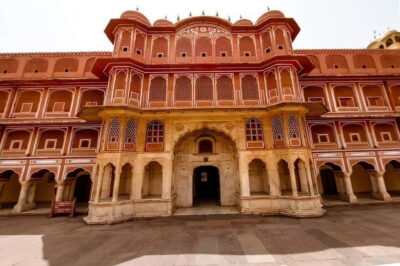
REVIEW · NEW DELHI
Delhi: Private Old and New Delhi Full or Half Day Tour
Book on GetYourGuide →Operated by The Taj Holidays · Bookable on GetYourGuide
Delhi in one day, but in the right order. This private tour stitches together Old Delhi’s street-level energy with New Delhi’s grand government landmarks, and it does it with a real guide plus an air-conditioned car. I especially like the rickshaw ride through the narrow lanes near Chandni Chowk, and I like that you’re not just stopping for photos—you get guided context at each major site.
The main drawback to plan for is comfort. You’ll do a fair bit of walking in crowded areas, and some days swap sights: Lotus Temple is closed on Mondays, so you go to Humayun’s Tomb instead.
In This Review
- Key moments you’ll actually feel
- Why this Old and New Delhi combo works
- Pickup, comfort, and timing (the stuff that makes or breaks the day)
- Old Delhi first: Jama Masjid and the move from street noise to sacred space
- The rickshaw ride and Chandni Chowk: where you feel Delhi’s pulse
- Red Fort from outside: a quick Mughal sight-stop with a heads-up
- Gurudwara Bangla Sahib: where the day slows down for humans and faith
- Raj Ghat and India Gate: respectful stops before the big-photo landmarks
- Lunch break: a short pause that actually helps you keep going
- Parliament House area: guided context plus a bit of self-time
- Qutub Minar complex: the UNESCO highlight that’s worth the time
- Lotus Temple versus Humayun’s Tomb on Mondays
- Lodhi Gardens area and Agrasen ki Baoli: quieter end-of-day energy
- What’s included (and how to think about the $5 price)
- Guide languages and what “private group” means in practice
- Practical tips so the day feels good, not exhausting
- Who this tour is ideal for
- Should you book this Delhi Old and New Delhi private tour?
- FAQ
- How long is the Delhi Old and New Delhi private tour?
- What start times are available?
- Do I get hotel or airport pickup and drop-off?
- Is there an option that includes entrance fees?
- Is lunch included?
- Do you include the rickshaw or tuk-tuk ride?
- Are tickets handled during the tour?
- What happens if I visit on a Monday?
- What should I bring?
- What’s not allowed during the tour?
Key moments you’ll actually feel
- Jama Masjid and the big-sky scale of Old Delhi: guided time inside and a short walking stretch to orient you fast
- Rickshaw through Chandni Chowk: a fun way to move through the spice-market chaos without exhausting yourself
- Gurudwara Bangla Sahib: a calm, human stop with insights into Sikh traditions and the community kitchen
- Qutub Minar complex: a major UNESCO site with time for a guided look at the minaret and surrounding area
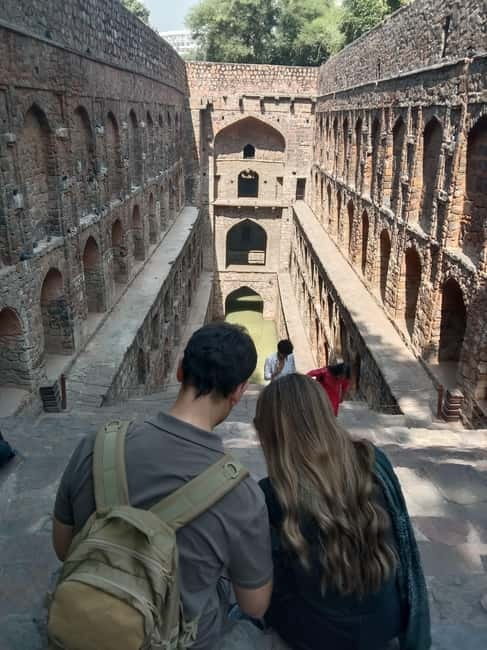
- Agrasen ki Baoli: a quieter stepwell stop that helps break up the big-monument pace
Why this Old and New Delhi combo works

If you’re only here for a short visit, Delhi can feel like two different cities. Old Delhi is tight streets, calls to prayer, food smells, and bargaining. New Delhi is wide roads, memorials, formal buildings, and monuments that feel built for long views. This tour tries to give you the contrast in one go—without leaving you stuck in the wrong neighborhood at the wrong time.
You also get a private setup, not a cattle-car group. Door-to-door pickup and drop-off across Delhi and the NCR region means less stress on arrival day, and the guide keeps the day moving so you spend less time guessing and more time understanding what you’re seeing.
You can also read our reviews of more private tours in New Delhi



Pickup, comfort, and timing (the stuff that makes or breaks the day)
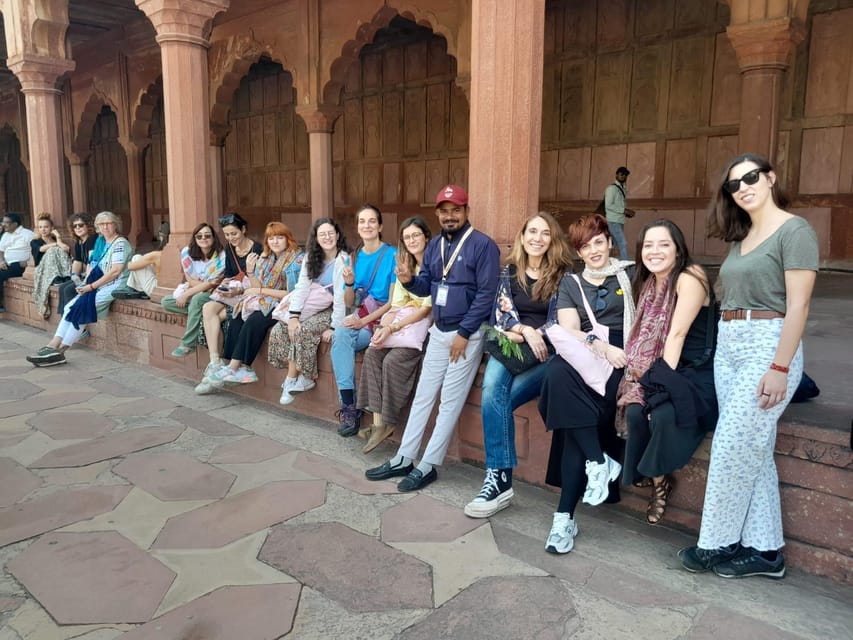
You can pick a start time anywhere from 7:30 AM to 4:00 PM, and you’ll be picked up from your hotel, the airport, or another location in Delhi and the NCR area. You travel in an air-conditioned car with a driver, which matters in Delhi’s heat when you’re also walking outside.
You have two main pacing options:
- Half-day: about 4–5 hours covering the major highlights
- Full-day: about 7–8 hours for more time at the sights
The practical win here: you can match the tour to your energy level. If you want the big hits only, do half-day. If you like time for photos, slower stops, and a lunch break that isn’t rushed, go full-day.
Old Delhi first: Jama Masjid and the move from street noise to sacred space
Most tours rush you into Old Delhi and out again. This one begins with Jama Masjid, India’s largest mosque, and gives you a guided visit plus a short walk—about half an hour of dedicated time there.
Why I like this start: it sets the tone. Old Delhi can be loud and hectic, but Jama Masjid gives you a clear “why” behind what you’ll see next. You get a sense of the architecture and the spiritual atmosphere before you step into the sensory overload of the market lanes.
The rickshaw ride and Chandni Chowk: where you feel Delhi’s pulse

Then comes the part people remember: the rickshaw (pedicab) ride through the narrow streets near Chandni Chowk. The ride is short, but it’s the right kind of short—long enough to feel the geometry of the lanes, short enough that you’re not worn out before the market.
After that, you get about an hour at Chandni Chowk with a guided tour and sightseeing time. This is where you’ll run into Delhi’s “real life” rhythm: spice shops, street vendors, and the constant flow of people. It’s also where having a guide helps. You’ll know what you’re looking at and why it matters, instead of just wandering and trying to figure out what’s worth your attention.
Tip: wear shoes you can trust. Even on a guided route, you’ll be on your feet for stretches in busy areas.
Red Fort from outside: a quick Mughal sight-stop with a heads-up
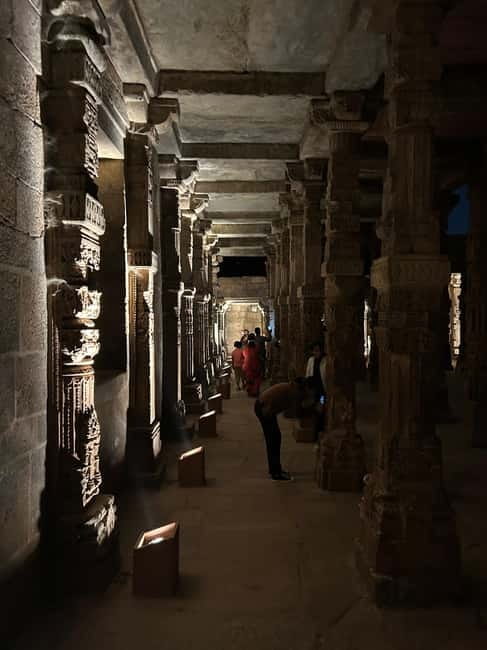
You’ll see the Red Fort from outside for a short pass-by stop. If you’re traveling on a Monday, note that the fort is closed that day, so you won’t do an inside visit.
This is still useful. The exterior view anchors the Mughal-era story for Old Delhi, and it helps connect the dots between religious sites, the market neighborhood, and the larger imperial presence in the city.



Gurudwara Bangla Sahib: where the day slows down for humans and faith

Next up is Gurudwara Shri Bangla Sahib. You get about an hour for a guided visit and sightseeing. This place changes the tempo of the day. After crowded lanes and intense market energy, Bangla Sahib offers a calmer, more spacious feeling.
You’ll learn about Sikh traditions and you’ll see the community kitchen that feeds thousands daily. Even if you’re not religious, this is one of the most “Delhi at its best” moments—because it shows how faith turns into everyday service, not just ceremonies.
Raj Ghat and India Gate: respectful stops before the big-photo landmarks
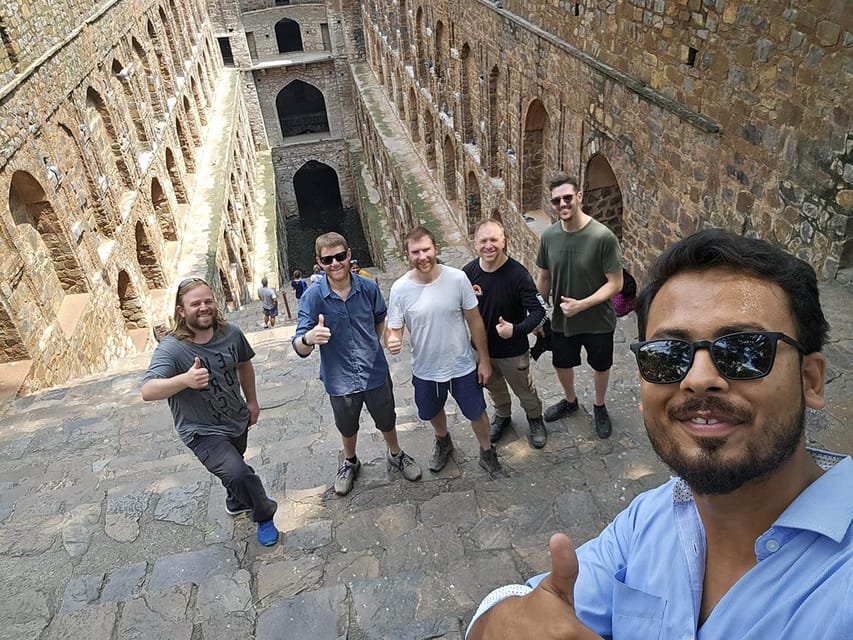
Once you shift into New Delhi mode, the route includes Raj Ghat for a guided visit and a shorter sightseeing stop. Then you move to India Gate, another guided stop with time to look around.
These two together work well: Raj Ghat asks you to slow down, while India Gate gives you the big memorial scale. If you’ve got limited time, these are strong “one-stop” introductions to how Delhi handles remembrance in public space.
Lunch break: a short pause that actually helps you keep going
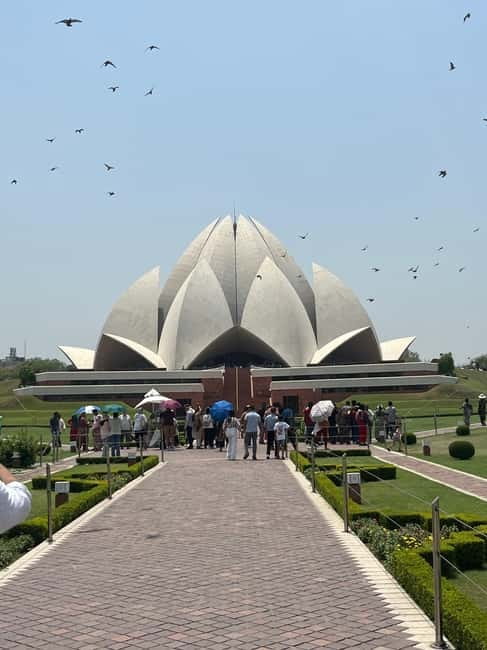
In the middle of the New Delhi stretch, you’ll get lunch for about 30 minutes if you choose the option that includes it. Drinks aren’t included, so it’s worth planning for water beyond what’s provided.
A half-hour lunch break is also a practical buffer. By then, you’ve already done Old Delhi walking plus rickshaw time. That small reset keeps the afternoon from feeling like nonstop rushing.
Parliament House area: guided context plus a bit of self-time
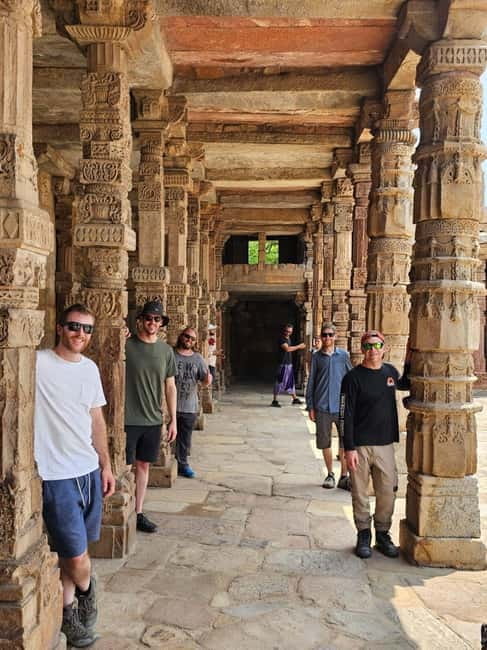
You’ll visit the Parliament of India area with guided time, then you get a self-guided period (about an hour) to explore at your own pace.
This is one of the better formats for government buildings. The guide sets context so you’re not just looking at walls, then your free time lets you zoom in on details that catch your eye—without the pressure of a constant lecture.
Qutub Minar complex: the UNESCO highlight that’s worth the time
One of the most satisfying parts of the New Delhi side is Qutub Minar. You get guided sightseeing time here (about 45 minutes), which is enough to understand why this site is famous and to appreciate the towering minaret.
If you care about architecture, this stop will likely be a highlight. It’s also a good mid-afternoon anchor—solid and photogenic, but not so complicated that you’ll feel lost without constant guidance.
Lotus Temple versus Humayun’s Tomb on Mondays
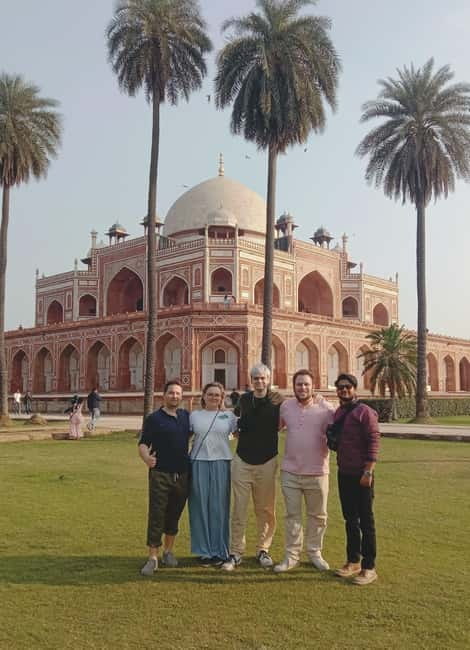
Next comes the Lotus Temple (about an hour) for guided sightseeing. It’s closed on Mondays, and on a Monday tour you’ll instead go to Humayun’s Tomb.
Why you should care: if you’re visiting on Monday, you can still expect a major Mughal-era landmark, but the vibe changes. Humayun’s Tomb is a great “alternative centerpiece,” and the swap means your day doesn’t collapse just because one icon is resting.
Lodhi Gardens area and Agrasen ki Baoli: quieter end-of-day energy
Later in the tour, you’ll reach Lodhi Gardens area and then Agrasen ki Baoli, with guided sightseeing time around 20 minutes at the stepwell.
This is a smart way to end. You’ve been dealing with big monumental scale earlier—mosque, fort exterior, memorial gate, formal government buildings. A stepwell stop brings you down to a more human, atmospheric level. Agrasen ki Baoli has that moody, echoey feel that pairs well with a slower final stretch.
What’s included (and how to think about the $5 price)
The tour includes:
- Air-conditioned car with driver
- Hotel/airport pickup and drop-off
- Live professional tour guide
- Rickshaw and tuk-tuk ride in Old Delhi
- Water bottles and an umbrella
- Monuments entry tickets if you choose the entrance-fee option
- Lunch if you choose the lunch option
And it also includes something you’ll feel immediately: skip-the-ticket-line (when tickets are part of your selected package).
About the price: $5 per person is unusually low for a private day with pickup, guide, transport, and rides. That doesn’t automatically mean it’s a bad deal—Delhi can be very cost-competitive. The key is to match your option choices to your priorities:
- If you want the smoothest day with fewer payments and a guided entry flow, select the all-inclusive entrance fees package.
- If you want a lighter plan and you don’t mind paying for any entries or lunch separately, you can choose less and tailor costs.
Either way, you’re paying for time saved. In a city like Delhi, time spent figuring out routes, tickets, and logistics is the hidden cost.
Guide languages and what “private group” means in practice
This tour runs with a live guide available in multiple languages: Chinese, English, French, German, Italian, Japanese, Spanish, Hindi. Private group also means the pacing is easier to manage. You’re not waiting for people to catch up in a different comfort level.
Names you might see associated with guide roles include Amir, Asif, and Adil Khan—good proof that the experience is being run by real people who know how to keep a day running smoothly.
Practical tips so the day feels good, not exhausting
A few things you can do to make this tour work better for you:
Plan for sun and walking. You’ll be outside enough that you’ll want sunglasses and sunscreen. Comfortable clothes matter too, not just for heat but for mosque and temple etiquette.
Bring your ID. You’ll be asked for passport or an ID card.
Skip the big bag. Pets aren’t allowed, and luggage or large bags aren’t.
Have your camera ready, but don’t chase it. Old Delhi and Qutub Minar both reward patient looking. If you’re constantly stopping for photos on your own, you’ll cut into time for guided context.
Who this tour is ideal for
This is a strong choice if you:
- want Old and New Delhi in one day
- prefer a guided route that keeps you from second-guessing what to see next
- like contrasts—market chaos followed by formal monuments
- value a plan that includes transport and guidance rather than “good luck”
It may be less ideal if you:
- want long, unstructured wandering time (this is a guided pace)
- dislike heat and walking in crowds
- are trying to see Delhi with a fully relaxed, no-schedule mindset
Should you book this Delhi Old and New Delhi private tour?
Yes—if you want an efficient, high-impact day with pickup, transport, a live guide, and the Old Delhi street experience built in. The rickshaw through Chandni Chowk is the kind of moment you can’t really replicate on your own without planning.
If you book, I’d pick the option that includes entrance fees (and lunch if you’ll be out long enough to appreciate a break). With the tour’s mix of major sites, that choice tends to reduce the hassle load and keeps the flow smoother.
And if you’re traveling on a Monday, remember the swap: Lotus Temple closes, so expect Humayun’s Tomb instead. Plan your expectations around that, and the day still works.
FAQ
How long is the Delhi Old and New Delhi private tour?
You can choose a half-day option (about 4–5 hours) or a full-day option (about 7–8 hours).
What start times are available?
Start times are available between 7:30 AM and 4:00 PM, depending on availability.
Do I get hotel or airport pickup and drop-off?
Yes. Pickup and drop-off are included from your hotel, the airport, or another location across Delhi and the NCR region.
Is there an option that includes entrance fees?
Yes. An all-inclusive package can include entrance fees to the monuments (if that option is selected).
Is lunch included?
Lunch is included if you select the option that includes it.
Do you include the rickshaw or tuk-tuk ride?
Yes. The tour includes a rickshaw and tuk-tuk ride in Old Delhi.
Are tickets handled during the tour?
You’ll skip the ticket line, and monuments entry tickets are included if you choose the option that includes them.
What happens if I visit on a Monday?
Lotus Temple remains closed on Monday. If you take the tour on Monday, you will visit Humayun’s Tomb instead.
What should I bring?
Bring a passport or ID card, comfortable walking shoes, sunglasses, sunscreen, and comfortable clothes.
What’s not allowed during the tour?
Pets are not allowed, and luggage or large bags are not allowed.