REVIEW · HARIDWAR
From Delhi: Rishikesh and Haridwar Day Trip
Book on GetYourGuide →Operated by India Travel Choice · Bookable on GetYourGuide
Rishikesh and Haridwar in one day feels intense. I like the private AC car and the live guide that helps you read what you’re seeing, not just where to stand. One thing to weigh: this is a long day with a 4–5 hour drive each way.
I’m especially drawn to the spiritual rhythm here: the morning start, the river-side stops, and then the big payoff at Ganga Aarti in Haridwar. The yoga session also adds a grounded moment, not just sightseeing. The only drawback is that some fees aren’t included, like the cable car option in Haridwar and certain ashram/temple entry costs.
You’ll get a lot packed into 8–16 hours, and it can be a perfect plan if you want meaning and movement without hotel-hopping. If you’re hoping for a slow, no-rush day, consider staying overnight instead.
In This Review
- Key highlights to look forward to
- The big idea: why this day trip works
- Leaving Delhi early: the 5:00 a.m. start and what it means
- Rishikesh bridges, temples, and the view of the Ganges
- Beatles Ashram in Rishikesh: a counterculture footnote with spiritual context
- Triveni Ghat and river rituals: where the day turns more devotional
- Yoga in Rishikesh: 1 hour that actually changes your pace
- Lunch: what’s included (and what’s not)
- On the road to Haridwar: timing and mental reset
- Har Ki Pauri: the most revered ghat and the holy dip
- Mansa Devi, Chandi Devi, or Bharat Mata Mandir: temple choices that fit your stamina
- The Ganga Aarti at sunset: why this is the moment
- Private group, live guide, and the power of asking questions
- Price and value: what $87 per person buys you
- Who this day trip is best for (and who should skip it)
- Should you book this tour?
- FAQ
- What time does the tour start from Delhi?
- How long is the drive from Delhi to Rishikesh?
- Are Laxman Jhula and Ram Jhula included?
- Is yoga included, and how long is the session?
- Is lunch included in the package price?
- Do I need to pay extra for the cable car in Haridwar?
- Which temples will I visit in Haridwar?
- Is the Ganga Aarti included?
- What’s included in the tour besides activities?
- Is this tour suitable for everyone?
Key highlights to look forward to
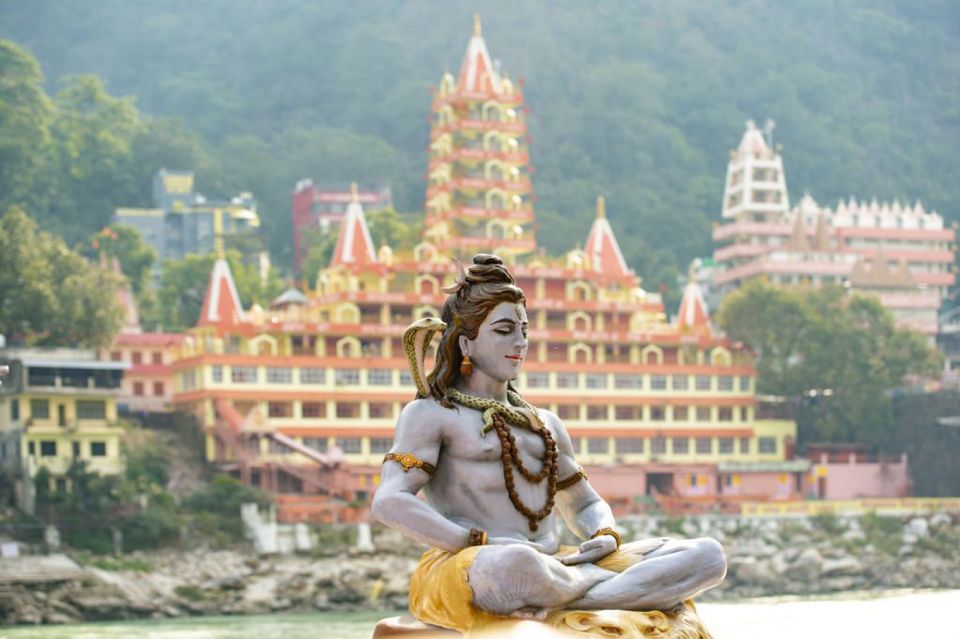
- Ganga Aarti at Har Ki Pauri with the kind of viewing help guides can arrange
- 1-hour yoga session in Rishikesh with a simple dress code you’ll actually follow
- Two Ganges-side cities in one loop with temples, ghats, and river bridges
- Rishikesh suspension bridges and old-school temple energy around them
- Bharat Mata Mandir with a lift up to the sixth floor (final access is on foot)
- Private guide and car so you can ask questions and keep your timing realistic
The big idea: why this day trip works
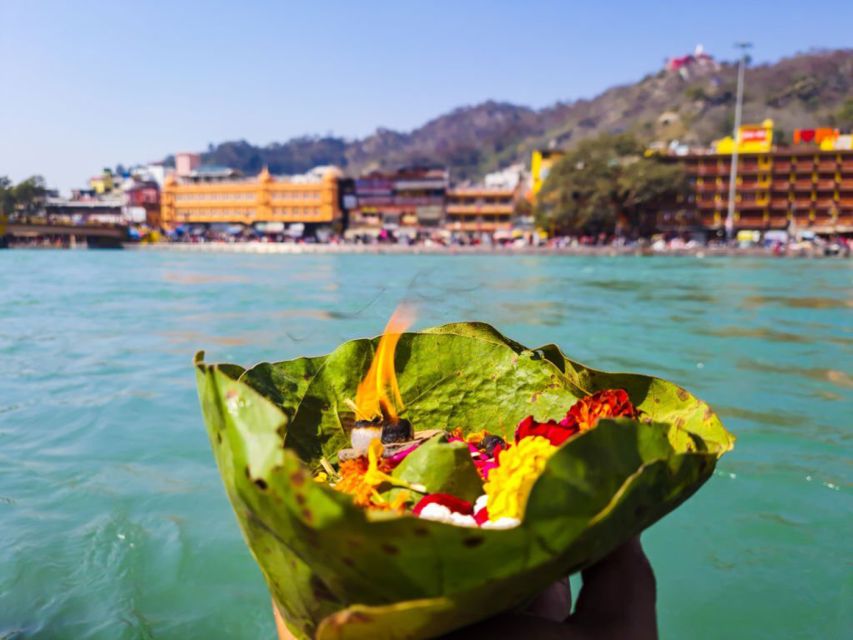
There’s a certain kind of trip that only makes sense when you do it with a local guide. This one is set up for that. You’re going from Delhi to two river cities where religion isn’t a museum display; it’s daily life. A private vehicle also matters here because the road time is real, and you’ll want comfort for the ride.
The best part is how the day is paced. You start in Rishikesh with iconic river landmarks, then you shift to Haridwar for the evening ceremony—when the Ganges feels most alive. You’re not stuck in one single neighborhood either. You get bridges, ghats, temples, and the famous riverside atmosphere, with guidance that helps you connect the dots.
You can also read our reviews of more tours and experiences in Haridwar

Leaving Delhi early: the 5:00 a.m. start and what it means
Your day begins around 5:00 a.m. from Delhi. The drive is about 4–5 hours (roughly 220 km), so you’ll want an easy breakfast plan before pickup if you can. This early start isn’t just for logistics. It helps you arrive in Rishikesh while things are calmer, so your first stops don’t feel rushed.
A private AC car for sightseeing is included, plus tolls, parking, and bottled water. In practice, that means you’re not juggling auto-rickshaws or waiting around for transfers. The reviews also emphasize safe driving—people name drivers like Nasir, Akash, Rahul, and Chetan for being steady behind the wheel, even in tricky conditions like fog.
One practical note: this tour runs long—up to 16 hours—so build in patience. If you’re the type who hates time in a car, you’ll need to mentally switch into road-trip mode.
Rishikesh bridges, temples, and the view of the Ganges
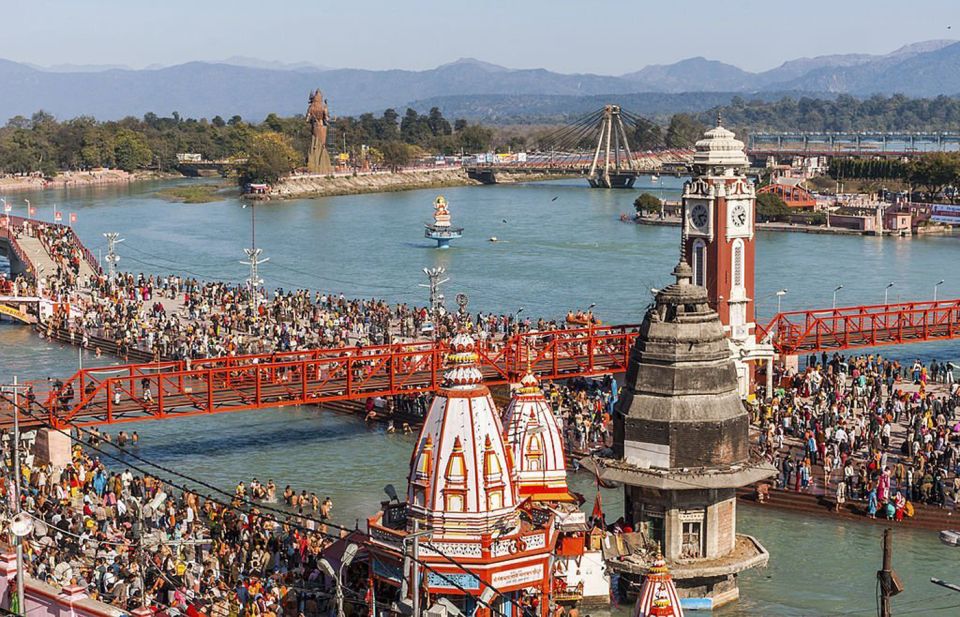
Around 9:30 to 10:00 a.m., you arrive in Rishikesh and start with the city’s famous river crossings. You’ll see Laxman Jhula first, but there’s an important heads-up: it may be temporarily closed for general visit. Don’t panic—your guide will adapt, but it’s good to know that one “must-see” might be more photo-and-overview than full walking.
Next comes Ram Jhula and the area around it. This stretch is full of temples and ashrams, and it’s one of the easiest places to understand why Rishikesh became a magnet for yoga and devotion. The bridges aren’t just scenery; they connect the rhythm of the riverfront to the spiritual geography inland.
If you want a story-rich stop, make sure you’re listening here. Guides on this route, including Satish and Deepak in different cases, tend to explain temple icons and what they represent—so the symbols start making sense instead of feeling random.
Beatles Ashram in Rishikesh: a counterculture footnote with spiritual context
After the bridges, you’ll visit the Beatles Ashram, also known as the Maharishi Mahesh Yogi Ashram (the Beatles stayed here in 1968 and wrote/composed songs). This stop is a neat contrast to classic temple-circuit travel. It also helps you realize Rishikesh isn’t only “ancient tradition.” It’s also a place where global pop culture and Indian spirituality collided.
A note that matters for budgeting: entrance fees aren’t included for the Beatles Ashram (it’s flagged as betel Ashram fees). So if you’re planning to go inside and linger, keep cash or a card ready for that add-on.
Triveni Ghat and river rituals: where the day turns more devotional
By about 12:30 p.m., you continue exploring Rishikesh at Triveni Ghat. This is a sacred bathing spot where the Ganga, Yamuna, and Saraswati are said to meet. Even if you don’t plan to bathe, the ghat setting gives you a clear sense of how the river functions as a spiritual boundary and a living presence.
This is also a good time to slow down slightly. The day is still moving, but ghat areas reward quiet observation—watching the flow of pilgrims, seeing how people move, and noticing how temples punctuate the riverbank.



Yoga in Rishikesh: 1 hour that actually changes your pace
Around 1:30 p.m., the tour includes a yoga and meditation session at an ashram. The class is one hour, and the yoga fee is included.
Dress matters here: you’re asked to wear half-sleeve or stretchable cloths suitable for movement. This isn’t the time for heavy layers or anything stiff. If you show up comfortable, you’ll get more out of it.
Why it’s valuable: the yoga session gives you a break from the constant walking and looking. It also sets up the later ceremony in Haridwar, because you’re more likely to understand the intent behind the rituals you’ll watch in the evening.
Lunch: what’s included (and what’s not)
At about 1:30 p.m., you’ll have lunch at a local vegetarian restaurant. Here’s the catch: lunch charges are not included in the package.
This is common on tours like this, but it’s still worth planning for. If you’re sensitive to spicy food or want a more familiar meal, ask your guide for a recommendation before ordering.
One helpful angle from the experience reports: guides tend to guide you toward food options that fit the day’s timing. Still, you’ll decide the final bill.
On the road to Haridwar: timing and mental reset
By 2:30 p.m., you arrive in Haridwar. This mid-afternoon shift is where the day can either feel smooth—or start to feel long. The benefit of having a private driver is that you don’t lose time negotiating routes.
Think of this segment as a reset. Your next stops involve a temple climb or cable car choice, then the big evening event. Hydrate, stretch your legs when you can, and keep your camera ready—Haridwar’s riverfront mood is different from Rishikesh’s.
Har Ki Pauri: the most revered ghat and the holy dip
Your first major Haridwar stop is Har Ki Pauri, around late afternoon. It’s described as the most revered ghat on the banks of the Ganges, and the tour includes time for a peaceful visit.
You can also take a holy dip in the Ganges. Even if you don’t go in, the experience is about the atmosphere: people gathering, the river’s scale, and the sense that this is a living religious center—not a postcard set.
Mansa Devi, Chandi Devi, or Bharat Mata Mandir: temple choices that fit your stamina
After Har Ki Pauri, you’ll head to Bilwa Parvat to visit temples. The tour notes that you can visit only one temple. You can reach the temple by cable car or trekking, but cable car fees aren’t included.
Here’s what’s on the list:
- Mansa Devi Temple
- Chandi Devi Temple
- Bharat Mata Temple (Bharat Mata Mandir)
The Bharat Mata Mandir is a seven-floor building. There’s an elevator up to the sixth floor, and the last floor requires walking. That detail helps you plan if you have mobility limits or want less stairs.
How to choose: if you want the calmer, more structure-driven option, Bharat Mata Mandir’s elevator setup can reduce the strain. If you like the old-school “walk up and earn the view” vibe, trekking can feel more active. Your guide can help decide based on your energy level.
The Ganga Aarti at sunset: why this is the moment
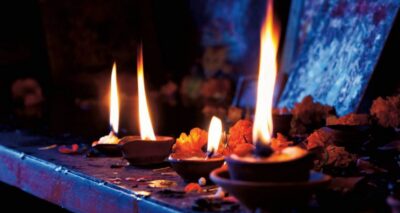
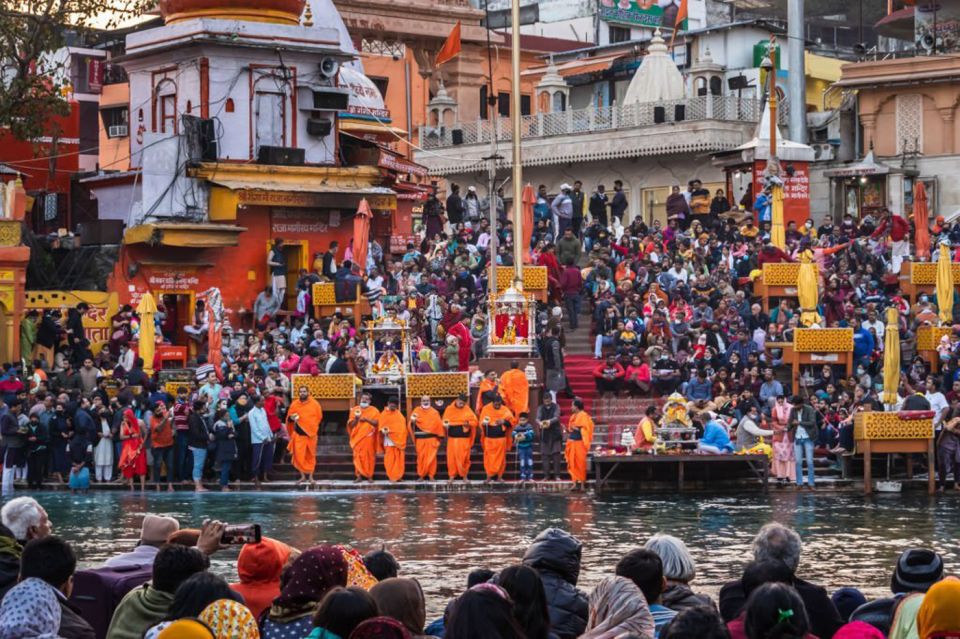
Around 4:30 p.m., the tour shifts into evening mode with Ganga Aarti at Har Ki Pauri. This is held at sunset on the banks of the Ganges, and it’s the signature event of the day.
Why it matters: it’s one thing to read about Hindu ritual; it’s another to experience the timing, the coordinated movements, and the way the river acts like an amplifier for sound, light, and emotion.
Many guides on this route are praised for managing viewing comfort. People mention guides getting best seats with a clear view for the ceremony. So don’t treat it as just attendance. Treat it like performance seating for a show you want to actually understand.
Private group, live guide, and the power of asking questions
One of the biggest value points here is the format: private group with a live guide. Languages listed include English, Spanish, German, and French, so you can get explanations that feel personal rather than generic.
This is also where the experience can become more than sightseeing. Multiple people highlight guides who connect Hindu stories to what’s carved in stone—things like why temple icons exist, what sculptures represent, and how yoga fits into the wider picture. Names that come up include Deepak, Satish, Aman, Tirthraj, Sahdev, Aryan, and others.
If you like a tour that answers the questions you didn’t know you’d ask, this is your setup.
Price and value: what $87 per person buys you
The listed price is $87 per person for an 8–16 hour day trip with pickup and drop-off.
At face value, this can sound steep—especially because lunch isn’t included. But value is bigger than the sticker price here. You’re paying for:
- Private AC transport for the long Delhi–Rishikesh–Haridwar route
- A live guide who can explain temples, river rituals, and yoga
- Included Aarti ceremony charges
- Included yoga session fees
- Tolls and parking, plus mineral water
- Flexible pickup within Delhi NCR (optional pickup is available)
When you compare that to the cost of doing this on your own—transport, entry fees, and paying for a guide to get you the real context—the pricing starts to make sense.
The main “budget surprises” are the items clearly flagged as extra: lunch, and cable car fees (and potentially certain ashram/temple entrance fees).
Who this day trip is best for (and who should skip it)
This is a strong match for:
- First-timers who want Rishikesh + Haridwar highlights in limited time
- People who like learning the meaning behind rituals and symbols
- Travelers who value safety and comfort during a long drive (especially if you’re going solo)
It’s not a great match for:
- Pregnant women (explicitly listed as not suitable)
- Anyone who hates long road time and wants a relaxed, slow schedule
One practical tip: if you’re sensitive to heat or want to maximize comfort, bring a light layer for late afternoon-to-evening, plus something simple for your feet and movement during temple visits.
Should you book this tour?
If you’re trying to fit Haridwar and Rishikesh into a tight Delhi schedule, I’d book it—on condition that you accept the trade: a very full day and a long drive.
Book it if you want the Aarti ceremony with context, a real yoga stop, and you’d rather have a guide than figure out everything yourself. Skip it (or consider an overnight alternative) if you’re hoping for slow travel, because the hours add up quickly.
If you go, come with one mindset: this is not just about photos. It’s about watching how people move through devotion on the Ganges—and having someone explain what you’re seeing as you go.
FAQ
What time does the tour start from Delhi?
Pickup starts early, with departure from Delhi at around 5:00 AM.
How long is the drive from Delhi to Rishikesh?
It’s about 4–5 hours, roughly 220 km.
Are Laxman Jhula and Ram Jhula included?
The itinerary includes Laxman Jhula and Ram Jhula, but Laxman Jhula may be temporarily closed for general visit.
Is yoga included, and how long is the session?
Yes. A yoga and meditation session is included and lasts for about one hour. A dress code of half sleeves or stretchable clothing applies.
Is lunch included in the package price?
No. Lunch is not included, and you’ll pay directly.
Do I need to pay extra for the cable car in Haridwar?
Cable car ride fees are not included. You can also reach the temple by trekking, depending on your choice.
Which temples will I visit in Haridwar?
The tour lists Mansa Devi Temple, Chandi Devi Temple, and Bharat Mata Temple on Bilwa Parvat, but you can visit only one.
Is the Ganga Aarti included?
Yes. Ganga Aarti charges are included, and you’ll attend the ceremony at Har Ki Pauri at sunset.
What’s included in the tour besides activities?
Included items are pickup/drop-off, private AC car for sightseeing, a live guide, tolls and parking, mineral water, yoga session fees, and Aarti ceremony charges.
Is this tour suitable for everyone?
It is not suitable for pregnant women. Alcohol and drugs are not allowed. The tour is listed as wheelchair accessible.