REVIEW · AGRA
Book Govt. Approved Tour Guide For Taj Mahal & Fort
Book on GetYourGuide →Operated by Taj Tour Guide · Bookable on GetYourGuide
Agra clicks faster with a real guide. I like how guides such as Wahid and Riyaz handle the story side (clear Mughal context, friendly pace), and I also love the practical touches—like skip-the-line entry and golf cart support near the Taj. One thing to plan for: entrance fees and lunch are not included, so your day budget needs a little extra padding.
This is set up as a private group walking experience, with your guide meeting you in Agra at your selected time and location. You can get the tour in many languages, and the day is built around the big sights plus optional add-ons like Baby Taj and a bazaar stop.
Expect a focused tour of Taj Mahal and Agra Fort, with narration that explains why these places were built the way they were. It’s also worth noting that Taj Mahal remains closed on Fridays, so your ideal day can’t be a Friday.
In This Review
- Key things that make this tour work in real life
- What you’re really booking: a govt-approved guide day in Agra
- Meeting in Agra and getting moving without stress
- Taj Mahal time: more than a quick stop
- Photo and crowd reality check
- Agra Fort: Akbar’s sandstone maze with Indo-Islamic details
- The pace matters here
- Baby Taj (Itmad-ud Daulah): optional, but often a smart add-on
- Bazaar time and the art of not getting pulled around
- Lunch break: plan on paying yourself
- Skip-the-line entrance and the Taj-day essentials
- Timing, day length, and the Friday closure note
- Languages and private pacing: why it feels better than a rush tour
- Price and value: what $8 really buys, and what costs extra
- Who should book this tour?
- Should you book this Taj Mahal and Agra Fort guide?
- FAQ
- How long is the Taj Mahal and Agra Fort tour?
- Where do we meet the guide?
- Is the tour private or shared?
- Is lunch included in the price?
- Are entrance fees included?
- Does the tour include Taj Mahal and Agra Fort for sure?
- Is Baby Taj included?
- How do we avoid long lines at the Taj Mahal?
- What languages are available for the live guide?
- Is the Taj Mahal tour wheelchair accessible?
Key things that make this tour work in real life

- Govt-approved guide service: you’re paying for someone official, not a random script
- Skip the line via separate entrance: less waiting, more looking
- Taj logistics handled: golf cart to the Taj area, plus shoe covers and a camera fee
- Big Mughal moments, not just photos: Shahjahan’s love-story at the Taj, Akbar’s fort after
- Optional Baby Taj and bazaar time: you control how “full” your day feels
- Multilingual help: English and multiple other languages are available
What you’re really booking: a govt-approved guide day in Agra

This tour is simple in concept: you get an official guide, a structured route, and enough time to actually understand what you’re looking at. That matters in Agra, because the Taj Mahal and Agra Fort are famous for a reason—but without the right explanation, they can feel like a blur of crowds and camera angles.
I like that the service is positioned as a govt-approved tour guide experience. It signals a level of accountability, and in practice it means your guide spends more time interpreting the sites and less time improvising.
You’re also not stuck in a huge group. This runs as a private group tour, which gives your guide room to adjust pace and take care of small needs—like staying close, helping with photos, or keeping you from getting pulled into the usual roadside distractions.
You can also read our reviews of more guided tours in Agra



Meeting in Agra and getting moving without stress
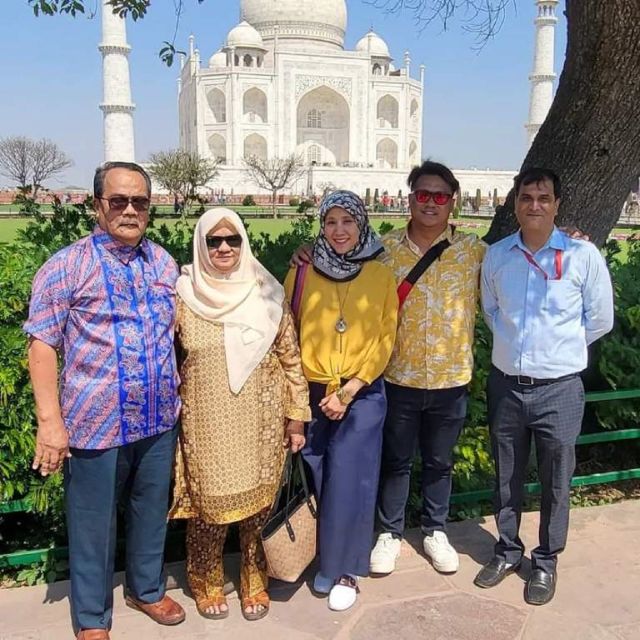
The day starts with a meet-and-welcome in Agra, based on your time and location. If you’re coming with your own plan for getting to the city, that flexibility is useful. And because this is a walking tour, your guide’s job is also about keeping the movement smooth between stops.
One practical detail I appreciate: the guide will join you in your pre-booked car for the city tour if needed. That can save time and reduce confusion, especially if you don’t want to figure out every small transfer yourself.
Solo travelers often worry about feeling lost or overwhelmed near the Taj. The tour is set up so the guide meets you, walks with you, and helps you keep your bearings. In the same spirit, it can feel safer and calmer when someone is actively managing the pace and the approach routes.
Taj Mahal time: more than a quick stop

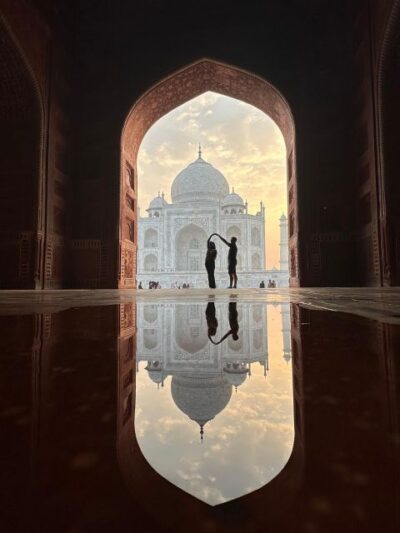
Your main visit is the Taj Mahal, scheduled for about 2.5 hours with guided sightseeing. This is the highlight most people come for, but the real value here is that the guide doesn’t just point. They explain the story: it was built by the fifth Mughal emperor Shahjahan in loving memory of his beloved queen.
You’ll also hear architecture-focused narration, including how the design connects to the meaning. That turns your viewing from I recognize the postcard into I understand what I’m seeing and why those choices were made.
The tour also handles key on-site logistics. You get shoes covers and a camera fee is included, plus water bottles. Add the golf cart to Taj Mahal, and the walking burden is reduced at the point where crowds and sun can be the most draining.
Photo and crowd reality check
You’ll want to plan for the fact that the Taj is crowded. The guide’s job is to help you find good angles and timing without wasting your energy. In particular, guides like Wahid are noted for helping with photos—useful if you’re traveling alone and don’t want to keep hunting for strangers willing to take a shot.
Agra Fort: Akbar’s sandstone maze with Indo-Islamic details

After a break for Agra and lunch time, you’ll head to Agra Fort for about 75 minutes. This site is often underrated compared with the Taj, but it has its own big personality: it was built by Emperor Akbar in 1565 AD, made of red sandstone, and it’s a UNESCO World Heritage site.
The guided focus here is on the architecture and the cultural blend—Indo-Islamic influences. That description isn’t just academic. It changes how you view the fort walls, gates, and layout. You start spotting the design ideas that connect power, defense, and style.
One reason this stop feels worth it on a short timeline: it gives contrast. The Taj is pure emotional symbolism; the fort is more about empire, strategy, and daily life layers.





The pace matters here
Agra Fort can cover a lot of ground. Because the tour is structured, you’re less likely to wander randomly and miss the key visual points your guide is trying to show you. The 75-minute window is tight enough to keep momentum, but long enough for a guided walk rather than a rushed pass-by.
Baby Taj (Itmad-ud Daulah): optional, but often a smart add-on

You can add Itmad-ud Daulah, also known as Baby Taj, as an optional visit. This one is built by Noor Jahan in memory of her parents. If you liked the Taj Mahal story, Baby Taj often lands as the “why” companion—smaller, more intimate, and great for slowing down your eyes.
If your day feels packed, you can skip it. But if you have the time, it’s a nice way to extend the Mughal theme without jumping into another huge-ticket stop.
Bazaar time and the art of not getting pulled around

There’s optional free time for the local bazaar. This is where you can stretch your legs after the main monuments, grab a snack if you want, or pick up small souvenirs.
Here’s the practical part: when the guide is with you, you’re better prepared to say no quickly and stick to your priorities. In fact, guides are specifically noted for helping keep peddlers at bay, which makes bazaar time less of a negotiation marathon.
If shopping is your thing, use that window. If you’d rather keep it quiet, treat it as a short stroll and get back to the monuments with energy intact.
Lunch break: plan on paying yourself
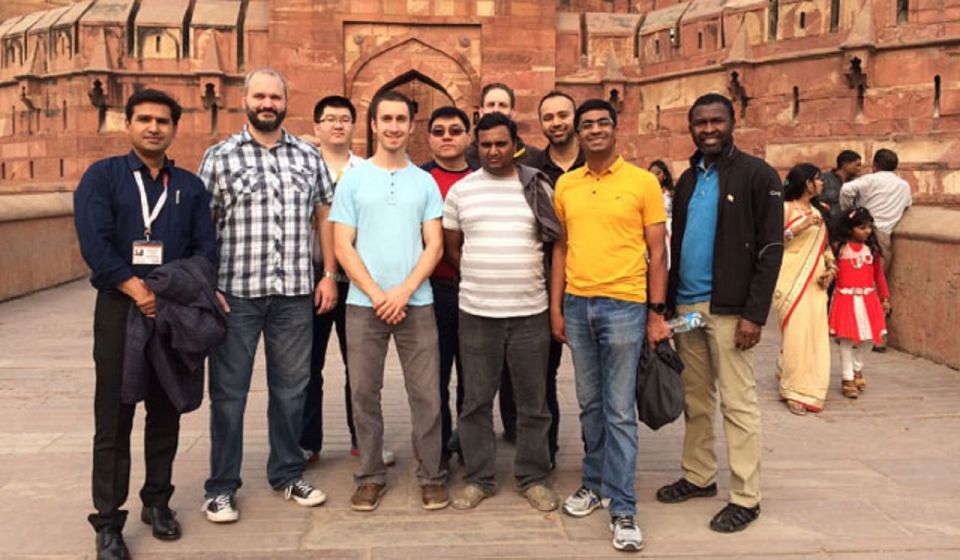
The tour includes a break in Agra with lunch time scheduled for about 1 hour. The plan includes going to a “best restaurant,” but lunch itself is not included in the tour price.
That’s actually normal for a guided day like this. The benefit is that you don’t have to decide on the fly where to eat, especially if you’re trying to time lunch between Taj and Agra Fort.
My advice: set a budget for lunch before you go, and use the guide’s recommendation. You’ll spend less time deciding and more time enjoying the day.
Skip-the-line entrance and the Taj-day essentials
The tour includes skip the line through a separate entrance. That’s huge on a famous site where waiting can steal your best viewing light and make you cranky.
It also includes several “small but important” items that add up:
- Water bottles
- Shoes covers
- Camera fee
- Golf cart support to reach the Taj area
These details matter because they prevent the common travel friction: last-minute shopping for shoe covers, searching for places to store items, or getting stuck in lines while other visitors move on.
Timing, day length, and the Friday closure note

The tour runs from 2.5 to 6 hours, depending on your selected timing and whether you add optional components. If you choose the full experience (Taj, Agra Fort, and optional Baby Taj and bazaar time), expect a longer day.
One scheduling note you shouldn’t ignore: Taj Mahal remains closed on Friday. If your trip lands on a Friday, you’ll need to shift your monument day to avoid disappointment.
This is one of those cases where checking your calendar is as important as checking your camera storage.
Languages and private pacing: why it feels better than a rush tour
The tour offers live guidance in multiple languages: English, French, Japanese, Spanish, Italian, German, Chinese, Russian. That means you’re not stuck with a simplified explanation just because you don’t speak local languages.
Private pacing also helps. One example from the experience is how guides like Iqbal can adapt to the group, keeping the narration aligned with what you want to see and how quickly you’re moving.
In practical terms, it means you can ask follow-up questions, slow down for a viewpoint, or get help managing the flow around the busiest areas.
Price and value: what $8 really buys, and what costs extra
The price shown is $8 per group up to 1, which is strikingly low given what’s included. Here’s the reality check: the tour includes the govt approved guide, visits to Taj Mahal and Agra Fort, optional Baby Taj, golf cart to Taj Mahal, shoe covers, water bottles, and a camera fee.
What’s not included:
- Entrance fee
- Lunch
- A car for city sightseeing unless the option is selected
So the bargain isn’t that the monuments are free. The bargain is that you’re paying primarily for guide service and the on-site add-ons that reduce friction.
If you were to arrange a guide plus separate logistics on your own, the time saved and the smooth route can add up fast. For solo travelers especially, this kind of “guided day with built-in logistics” often feels like the smartest use of your limited time in Agra.
Who should book this tour?
This tour is a strong match if you want:
- A private guided day instead of a large group scramble
- Clear storytelling around Mughal sites (Taj Mahal, Agra Fort)
- Help with on-site details like shoe covers and timing at the Taj
- Optional flexibility for Baby Taj and a short bazaar break
It also makes sense if you’re traveling solo. The meeting and escort style described—meeting you at your accommodation and walking you through—can reduce the stress of navigating a crowded landmark day.
If you’re the type who loves wandering alone without structure, you might find the guided pacing a little tight. But most people come to Agra for two icons and then realize they also need the context to make it click.
Should you book this Taj Mahal and Agra Fort guide?
I’d book it if your main goal is to see the big sites with the right narration and minimal hassle. You’re getting an official guide, a practical setup for the Taj visit, and a route that doesn’t waste hours.
I wouldn’t book it last-minute if your trip is on a Friday, since the Taj Mahal is closed. And if you’re trying to keep everything ultra-budgeted, remember that entrance fees and lunch are extra, so plan your spending accordingly.
If you want a smooth Agra day where the landmarks come with meaning (not just selfies), this is a solid choice.
FAQ
How long is the Taj Mahal and Agra Fort tour?
The duration is listed as 2.5 to 6 hours, depending on timing and any optional stops you choose.
Where do we meet the guide?
The meeting point is arranged by sending your location so the guide can meet you in Agra.
Is the tour private or shared?
It is a private group experience.
Is lunch included in the price?
Lunch is not included.
Are entrance fees included?
Entrance fees are not included.
Does the tour include Taj Mahal and Agra Fort for sure?
Yes. It includes visits to the Taj Mahal and Agra Fort.
Is Baby Taj included?
Baby Taj (Itmad-ud Daulah) is optional.
How do we avoid long lines at the Taj Mahal?
The tour includes skip-the-line entry through a separate entrance.
What languages are available for the live guide?
Live tour guide languages include English, French, Japanese, Spanish, Italian, German, Chinese, and Russian.
Is the Taj Mahal tour wheelchair accessible?
Yes, the tour is listed as wheelchair accessible.