REVIEW · PUSHKAR
From Jaipur : Private Ajmer Pushkar Tour by Cab
Book on GetYourGuide →Operated by Golden Triangle Holidays · Bookable on GetYourGuide
Two holy towns in one long day. This Jaipur-to-Pushkar-and-Ajmer trip pairs a private AC car with on-site guidance at Ajmer Dargah and key temples.
I especially like having a dedicated driver plus a live guide, so you’re not just hopping between places. You’ll also get an early Pushkar sunrise option and real walking time around the sacred areas, not a quick drive-by.
One thing to watch: not everything is included. On-site rituals and add-ons can mean extra costs, and some moments near the lake can come with donation pressure—go in with a budget and firm limits.
In This Review
- Key things I’d focus on before you book
- Road-trip Comfort From Jaipur: AC Car, Driver, and Real Time on the Ground
- Pushkar at Sunrise and the Brahma Temple Stops You’ll Remember
- Optional add-ons in Pushkar: desert safaris, camel rides, and quick choices
- The Pushkar lake area: spiritual energy, plus donation expectations
- Ajmer With a Local Guide: Temples, Walks, and the Ajmer Dargah Priority
- The Khwaja Muin-ud-din Chishti Shrine: what you’re actually there to see
- Getting around Ajmer: walking vs tuk-tuk
- The Big Question: Does the Private Timing Feel Worth It?
- How to protect your time in the day
- Price and Value: What You Get for Around $12 Per Person
- Practical Tips: Cash, Respect, and Avoiding Money Pressure
- Bring cash and use it on your terms
- Don’t let pressure decide your day
- Keep your phone secure in crowded temple areas
- Who This Tour Suits Best (And Who Might Feel Frustrated)
- Should You Book This Jaipur to Ajmer Pushkar Private Cab Tour?
- FAQ
- What’s included in the tour price?
- Which major places will we visit?
- Are monument entry fees included?
- Is food included?
- Are camel rides, jeep safaris, and tuk-tuk rides included?
- What should I bring with me?
Key things I’d focus on before you book
- Private AC transport with an English-speaking driver, plus car Wi-Fi and unlimited water
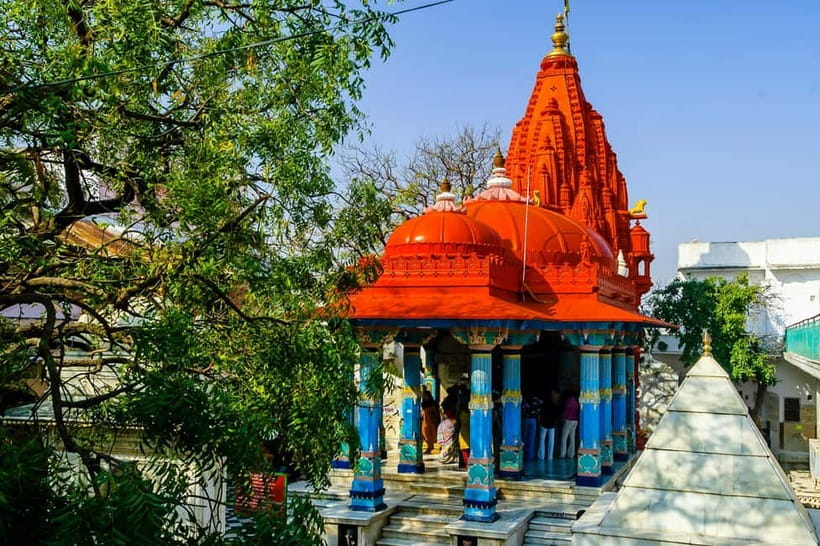
- Guided temple time in Pushkar and Ajmer, including Brahma Temple and the Khwaja Muin-ud-din Chishti Shrine
- A long but structured day: about 3 hours in Pushkar and about 2 hours in Ajmer, plus driving time
- Optional safaris and rides cost extra (camel, jeep/horse safaris, and tuk-tuk options)
- Cash matters for offerings and activities that aren’t included in the tour price
Road-trip Comfort From Jaipur: AC Car, Driver, and Real Time on the Ground
If you’re short on days in Rajasthan, this is a practical way to hit two major spiritual stops without the stress of planning transport yourself. You’re picked up from your hotel or a preferred location in Jaipur, then handled by a private, air-conditioned car with a dedicated driver. The car also includes Wi-Fi and unlimited bottled water, which sounds small until you’re sitting in traffic for hours.
I like that this isn’t just a taxi. You have a live tour guide on-site (English and French). That matters because Pushkar and Ajmer aren’t only about impressive buildings—they’re about the meaning of the places, the flow of worship, and how to move respectfully through crowded areas. A good guide also helps you avoid wasting time figuring out what’s where.
A note on timing: the tour runs about 8 to 14 hours. That range usually comes down to your start time and how many add-ons you choose (like safaris). So while it’s marketed as same-day, you should plan for a long day and not schedule anything strict the same evening back in Jaipur.
You can also read our reviews of more private tours in Pushkar

Pushkar at Sunrise and the Brahma Temple Stops You’ll Remember
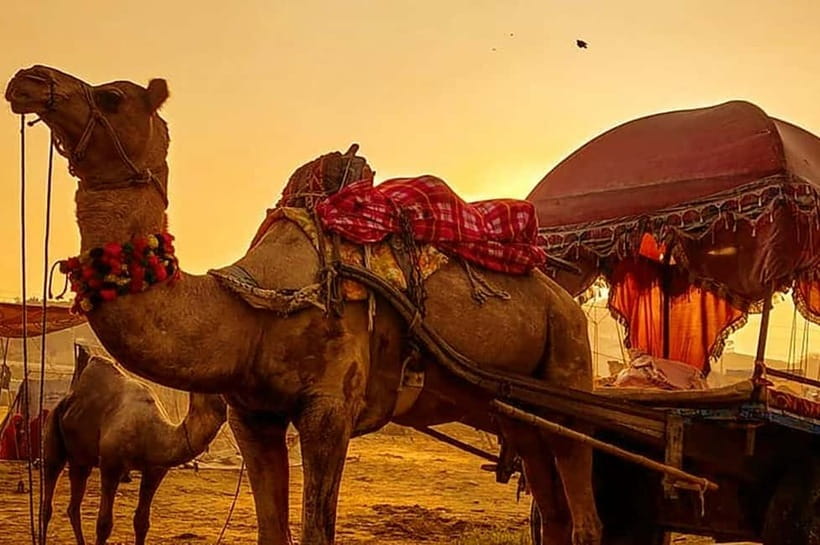
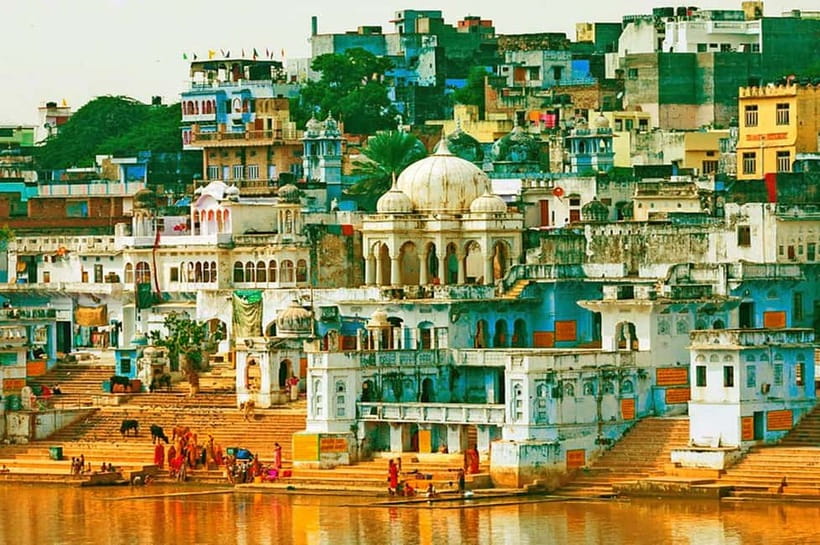
Pushkar is the kind of place where morning feels different. The plan often includes a sunrise experience, which can be a highlight if you like being up early and catching the ghat atmosphere at the softer, calmer hour. From there, you’ll spend around 3 hours in Pushkar with a mix of photo stops, walking, sightseeing, and guided time.
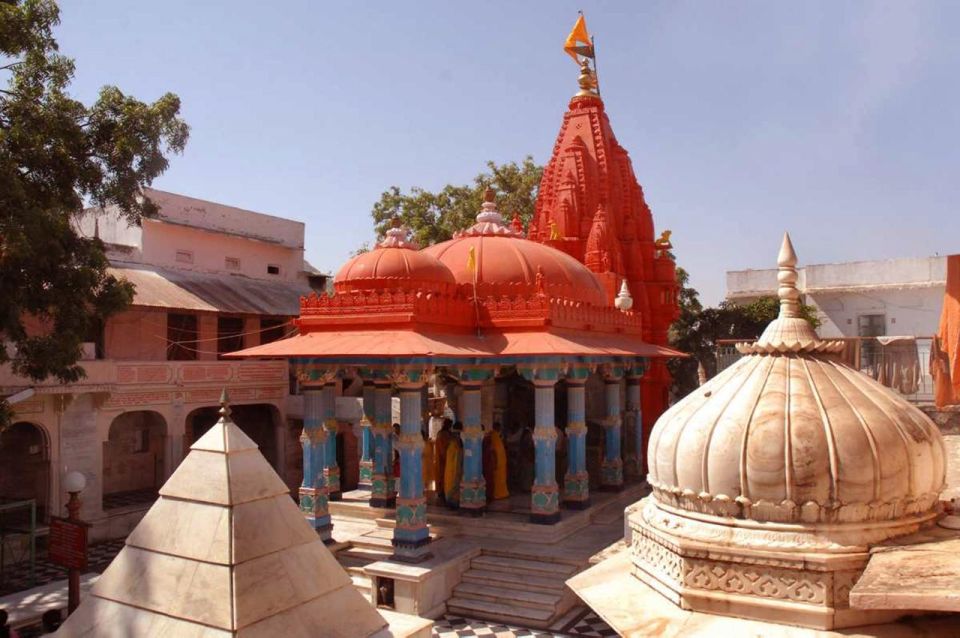
The anchor stop is the Brahma Temple. This temple is iconic in Pushkar, and the guide helps you understand why it matters and what you’re looking at beyond just the architecture. If you’ve never visited a pilgrimage site like this, you’ll likely notice how the day is paced around worship and movement—people come, they pray, they pause near water, they talk, they buy small offerings, and they keep going.
Optional add-ons in Pushkar: desert safaris, camel rides, and quick choices
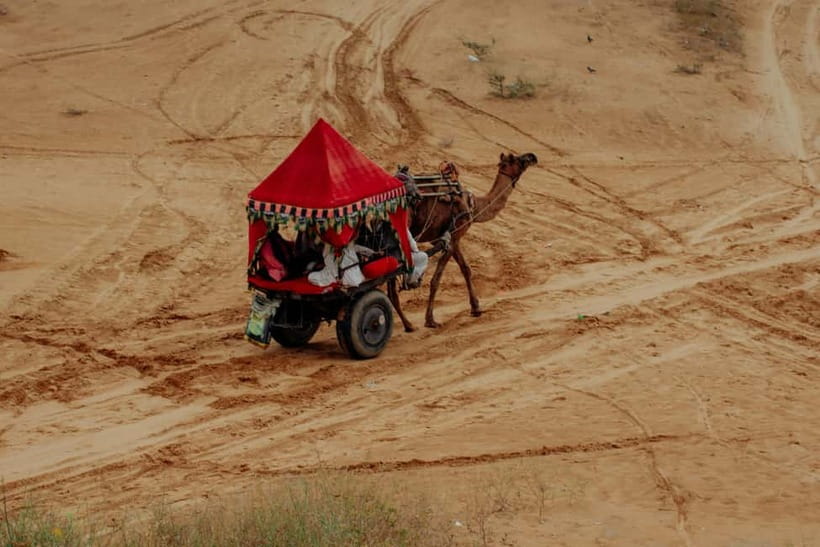
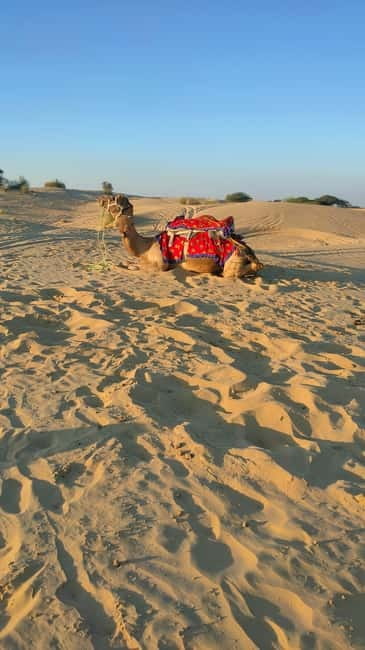
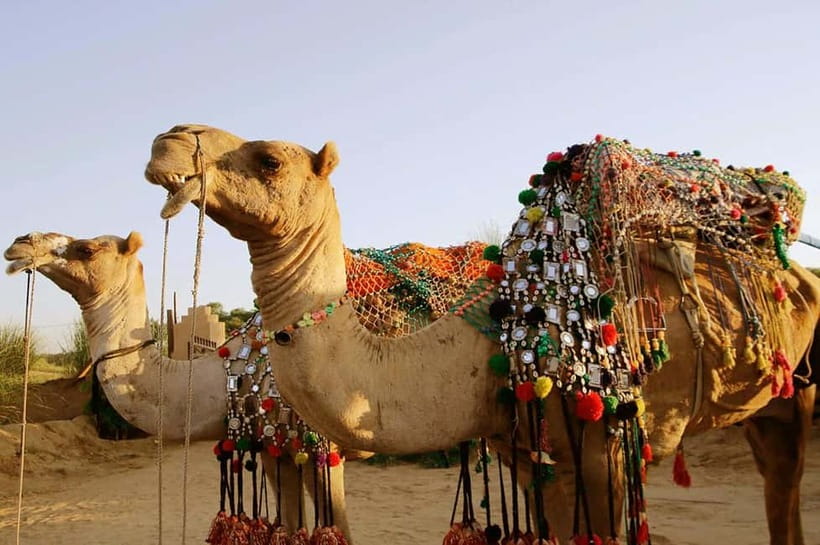
You might also choose to head toward Pushkar’s desert side for camel, jeep, or horse safaris. Here’s the key practical point: these are not included in the tour price. That means you should decide ahead of time:
- Do you want a short scenic safari feel, or a real out-and-back experience?
- Are you okay paying on-site for the extra ride time?
Some people love these add-ons because they add variety to a day that would otherwise be purely temple-focused. Others find the safari portion can feel shorter than expected, so set your expectations: this is more of a taste than a full desert adventure unless you add more time.
The Pushkar lake area: spiritual energy, plus donation expectations
Pushkar’s lake areas are where the day can feel most intense—in a good way, if you’re ready for it. You may be guided through blessing-style moments connected to the water, and this is where the tour can shift from sightseeing into something more transactional.
One clear piece of advice from the on-the-ground experience: bring cash. Offerings were described as starting around 2,100 INR for some lake blessings, and the amount can rise depending on what you choose. If you don’t want that pressure, decide early that you’ll participate only up to your comfort level, or skip any blessing moment that feels too salesy.
Also keep your phone and wallet secure. In crowded areas, it only takes one chaotic moment for valuables to disappear. Don’t carry them loosely. Keep a steady grip and treat it like a busy market, not a museum.
Ajmer With a Local Guide: Temples, Walks, and the Ajmer Dargah Priority
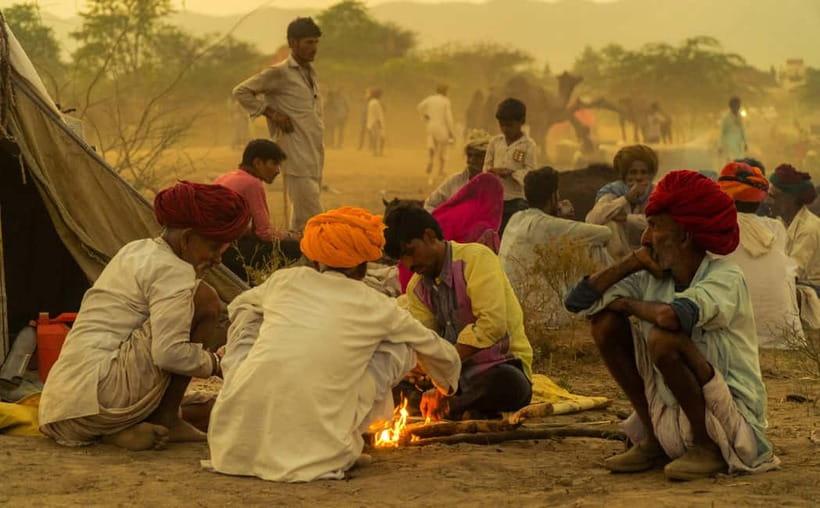
After Pushkar, you’ll drive to Ajmer for around 2 hours of sightseeing and walking time. The experience is designed to cover the city’s spiritual core without trying to do everything at once.
You’ll have a local guide for the Ajmer leg, and the pace typically includes photo stops and guided navigation through the important sights. There’s also a safety briefing, which is a good sign: Ajmer can be busy, and the flow inside pilgrimage areas requires common-sense awareness.

The Khwaja Muin-ud-din Chishti Shrine: what you’re actually there to see
The centerpiece is the Khwaja Muin-ud-din Chishti Shrine, often called the Ajmer Dargah. This is a major Sufi pilgrimage site, and the guide’s job is to help you understand what you’re witnessing—why people come, what the spaces mean, and how to behave appropriately.
If you’re going to spend your time anywhere, this is where it should go. The best way to enjoy it is to slow down in the prayer spaces, watch the rhythm of people moving through, and don’t treat it like a photo challenge. Yes, take pictures if allowed and respectful, but let the moment breathe.
Getting around Ajmer: walking vs tuk-tuk
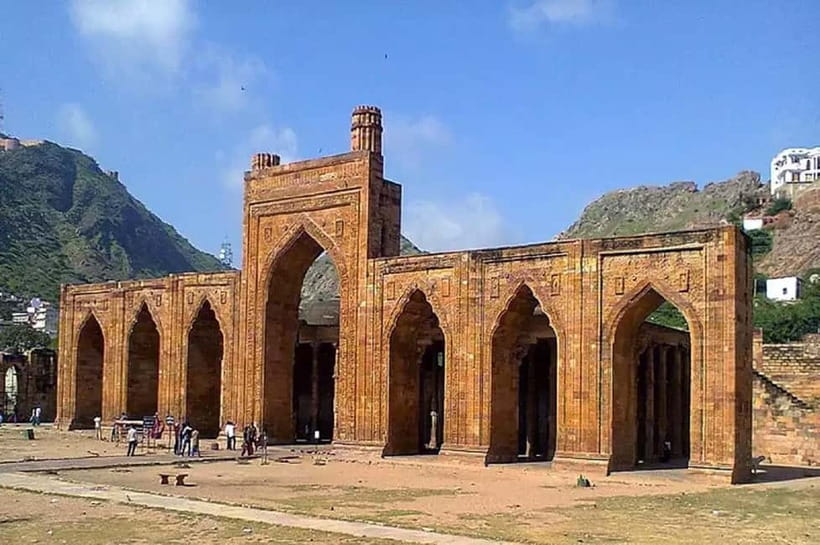
You might see options for a tuk-tuk ride to the mosque area (and that ride is noted as not included). Some people prefer using tuk-tuk rather than walking through tighter spots, especially when the crowds are thick or when you want to conserve energy for the shrine visit.
My practical advice: if you’re tired from the Pushkar driving day, don’t fight for every step. Use a ride option if it’s available and fits your comfort level. Your body will thank you later.
The Big Question: Does the Private Timing Feel Worth It?
This is where expectations matter.
The tour structure generally gives you about 3 hours in Pushkar and about 2 hours in Ajmer, but your overall day still stretches because Jaipur to these towns takes time. That’s why I’d treat this as a guided day trip, not a fast hop-and-drop.
A common issue with day-trip itineraries is imbalance: if you spend a lot of time transferring but only get short guided moments at specific temples, it can feel off. You’ll want to choose the add-ons that matter most to you and keep the rest simple. If you load up too many extras without making trade-offs, the day can feel rushed at the end.
How to protect your time in the day
- Prioritize the two “musts”: Brahma Temple in Pushkar and Ajmer Dargah in Ajmer
- Decide about camel/jeep/horse safaris early, since they can reshape your schedule
- Ask your guide how much time you’ll actually have for lake blessings and temple stops before you commit to any extra activity
Also, the duration listed as 8–14 hours means you should confirm the start time when you book, because that affects sunrise feasibility and how relaxed your day feels.
Price and Value: What You Get for Around $12 Per Person
A price around $12 per person can sound almost too good, so here’s how I’d evaluate it honestly.
You are paying for:
- A private AC vehicle with an English-speaking driver
- Water bottles (unlimited) and basic car comforts like Wi-Fi
- Pickup and drop from your hotel or chosen location in Jaipur
- Fuel, parking, tolls, and taxes
You are not paying for:
- Food and drinks
- Monument entry fees
- Camel ride and jeep safari (and similar safari add-ons)
- Ajmer Dargah tuk-tuk ride
So the value comes from the transportation and guidance being included. The “cheap” part tends to disappear if you add several optional activities, especially anything that involves rides or special access.
The smart move: treat the tour as the backbone. Use it to get to both towns comfortably and with local context. Then decide on one or two extras you truly want (like a short safari segment), instead of stacking everything.
If you’re traveling as a pair or small group, this kind of private transport can feel especially efficient per person. Just be prepared for on-site spending in a place where offerings and add-ons are part of the experience.
Practical Tips: Cash, Respect, and Avoiding Money Pressure
This day trip mixes temples, pilgrimage routines, and informal interactions with people who offer services or request donations. That’s normal in places like Pushkar and Ajmer—but you still control your comfort level.
Bring cash and use it on your terms
Multiple parts of the experience can require payment on-site. Offerings at lake blessings were described as starting around 2,100 INR, and safari rides are also extra. So I’d plan for cash even if you mostly expect a guided, prepaid day.
Don’t let pressure decide your day
If you feel rushed into donating more than you want, pause and calmly decide. The tour aims to guide you, not take over your budget. If something feels too pushy, you can step back, ask for a moment, and redirect your focus toward the next temple stop.
Keep your phone secure in crowded temple areas
One safety note that comes up in this region: people can try to engage for money in hectic areas, and valuables can be tempting to snatch. Keep your essentials close, and avoid leaving your phone out while you’re distracted.
Who This Tour Suits Best (And Who Might Feel Frustrated)
This works best if you want a single-day spiritual and cultural hit with private transport and real guidance. It’s also a good fit if you don’t want to manage buses, train schedules, and local navigation yourself.
You might feel less happy if:
- You only want tightly timed, museum-style stops and hate open-ended interactions
- You’re uncomfortable with donation expectations near pilgrimage water areas
- You want a long, deep dive into fewer sites rather than a packed route
And it’s not suitable for pregnant women or wheelchair users, based on the tour’s stated limitations.
Should You Book This Jaipur to Ajmer Pushkar Private Cab Tour?
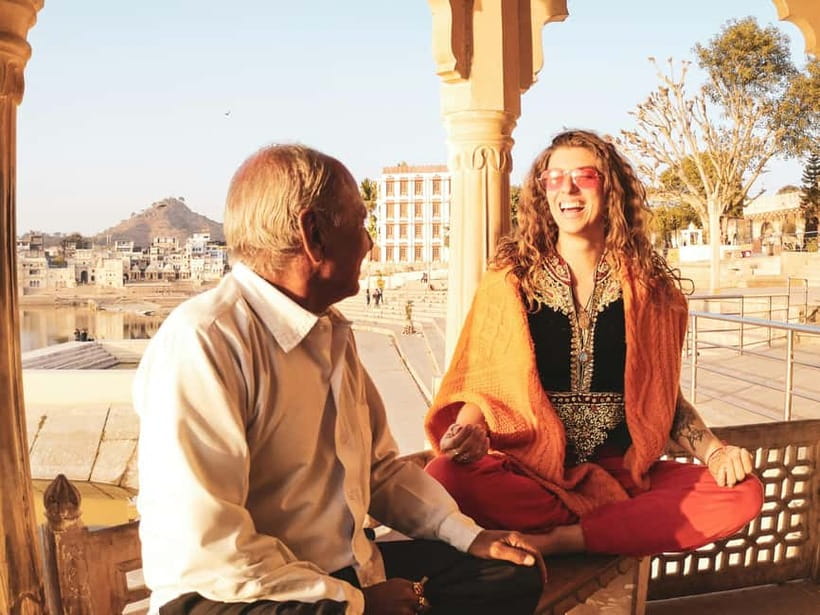
Yes, if your goal is a comfortable, guided, two-town day: Pushkar with a temple-and-lake focus, then Ajmer with a centerpiece visit to Khwaja Muin-ud-din Chishti Shrine. The private AC car, English-speaking driver, and on-site guides make this a low-stress way to see the highlights without getting lost.
I’d also book it if you’re the type who likes adjusting your schedule on the fly—adding a safari segment in Pushkar or choosing a quicker tuk-tuk approach in Ajmer if you feel tired.
But I would think twice if you’re very sensitive to donation pressure or you hate extra on-site spending. Since key add-ons and food/entry fees aren’t included, your final cost depends on what you say yes to during the day.
If you’re okay with that trade-off, this is a strong value way to connect Rajasthan’s Hindu and Sufi pilgrimage worlds in one long, memorable day.
FAQ
What’s included in the tour price?
You get a private AC vehicle with an English-speaking driver, water bottles (unlimited), car Wi-Fi, tissue paper, and hotel (or preferred location) pickup and drop in Jaipur. The tour also includes a live English/French guide on-site, plus fuel, parking, tolls, and other taxes.
Which major places will we visit?
In Pushkar you’ll visit and tour key temple areas, including the Brahma Temple area. In Ajmer you’ll tour and visit the Khwaja Muin-ud-din Chishti Shrine.
Are monument entry fees included?
No. Monument entry fees are not included.
Is food included?
No. Food and drinks are not included. There may be a lunch stop opportunity in Pushkar, but you should expect to pay for your meal.
Are camel rides, jeep safaris, and tuk-tuk rides included?
No. Camel rides, jeep safari, and the Ajmer Dargah tuk-tuk ride are not included.
What should I bring with me?
Bring a passport or ID card, since you’ll need it for the experience. It’s also smart to carry some cash for on-site activities that aren’t included.