REVIEW · MUMBAI
Dharavi Slum Tour
Book on GetYourGuide →Operated by Linda Tour Mumbai · Bookable on GetYourGuide
Dharavi is a city you can walk into. This Mumbai Dharavi slum tour focuses on work, recycling, and everyday life—so you leave with a sharper view of how this community runs. It’s led by local guides such as Ruqaiyya and Neha, who explain what you’re seeing with clarity and real context.
What I like most is the way the tour turns stereotypes on their head. You’ll see small-scale production linked to global brands, including plastic processing and work that connects to recognizable products. I also like the practical setup: English-speaking local guidance, entry fees handled, bottled water, and hotel/port pickup and drop-off (plus a/c transport).
One drawback to consider: this is a walk in a dense working area. Wear comfortable shoes, expect tight pathways, and be ready for a tour format that’s more about learning through observation than a polished “sightseeing” vibe.
In This Review
- Key things to know before you go
- Why Dharavi is more than a headline
- Price and Logistics: getting value without the hard sell
- Meeting Point, Pickup, and how the route starts
- From Mahim to the recycling yard: what you’ll actually see
- The 2-hour walk through daily work and community life
- Plastic, leather, ceramics, and the surprise scale of small production
- Drop-off at Third Wave Coffee and Dhobi Ghat: keep the momentum
- What’s included (and what you need to plan for)
- The role of the guide: why Ruqaiyya, Neha, and Rihanna come up
- Timing: 2 to 7 hours, so pick what fits your day
- Respect and comfort rules you should know
- Who should book this Dharavi tour (and who might rethink it)
- Quick checklist before you go
- Should you book this tour?
- FAQ
- How long is the Dharavi Slum Tour?
- Where does the tour start?
- Is hotel or port pickup included?
- What are the drop-off locations after the tour?
- What does the tour include besides the guided walk?
- Are meals included in the price?
- Are drinks included?
- What languages will the guide speak?
- What should I bring?
- Are there any restrictions during the tour?
- Is free cancellation available?
Key things to know before you go
- Local guides matter: named guides in the mix include Ruqaiyya and Neha, praised for clear explanations and friendly teaching.
- It’s a working tour: recycling and small manufacturing take center stage, not staged performances.
- Short walk, big context: the guided walk is set at around 2 hours, with options that can run longer.
- You’ll see plastic and metal activity: the route includes a recycling yard and hands-on production scenes.
- Drop-offs are convenient: you finish near Third Wave Coffee and Dhobi Ghat, where you can keep exploring.
- Rules are simple: no alcohol/drugs and no nudity—so plan accordingly.
Why Dharavi is more than a headline
Dharavi is often reduced to one dramatic word in travel stories. This tour gives you something more useful: a way to understand the place as a living economy. You’ll hear that Dharavi is home to more than 20 million people and is driven by work tied to recycling, with an estimated annual economic output around $1 billion.
What makes the approach valuable is the framing. Instead of asking you to feel sorry at a distance, the tour asks you to notice the systems—how people organize space, trade skills, and produce goods. That change in viewpoint is the whole point.
And yes, Dharavi is still what many people picture when they hear “slum.” But it’s also a city within a city, with neighborhoods, routines, and businesses. When you see the work up close, the stereotypes don’t hold their shape.
You can also read our reviews of more tours and experiences in Mumbai.


Price and Logistics: getting value without the hard sell
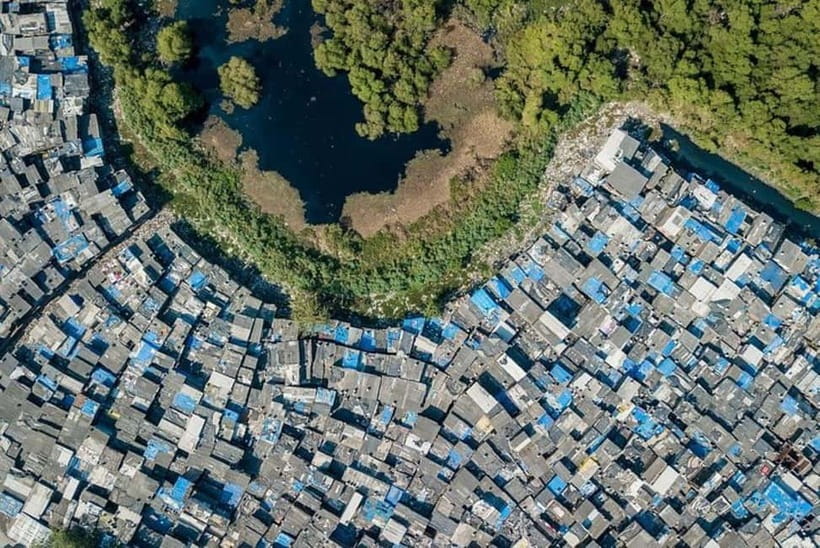
The price here is $8 per person, which is hard to beat for a guided, structured visit in a city as complex as Mumbai. What you’re buying isn’t just a walk. You’re getting an English-language local guide, entry fees, bottled water, and private transport with pickup and drop-off.
That matters because Mumbai isn’t just crowded—it’s organized chaos. Having the guide and transport handled reduces your stress and keeps the day running on time. If you’re on a tight budget, this is one of those “good value” activities that doesn’t feel like a compromise.
Just don’t treat it like a casual street stroll. You’ll be walking and listening for most of the experience, and you’ll want to show up ready to pay attention.
Meeting Point, Pickup, and how the route starts
The meeting point can vary depending on the option you book, so read the exact details before you leave. The tour commonly starts at Mahim Railway Station, with the day structured around getting you into the right area with minimal confusion.
Pickup is described as optional, and you may be told to wait in the hotel lobby about 10 minutes before the scheduled start time. If you’re staying in central Mumbai, it’s often easier to coordinate pickup than to meet at a busy transit hub on your own.
Also note the end of the tour has multiple drop-off locations: Third Wave Coffee and Dhobi Ghat. That’s a helpful touch because it can save you time if you plan to continue exploring after the walk.
From Mahim to the recycling yard: what you’ll actually see
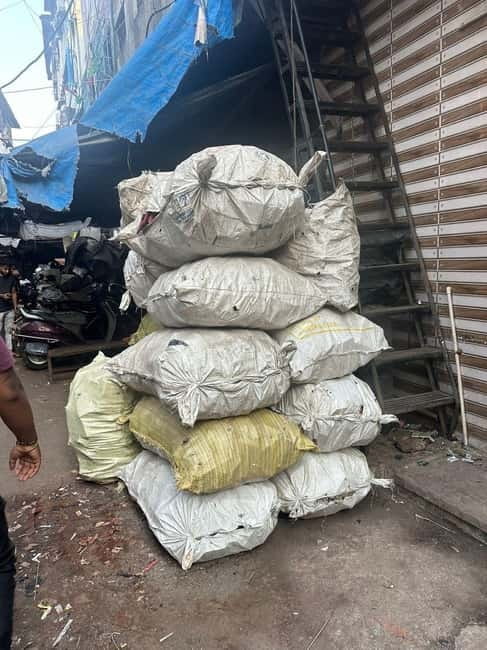
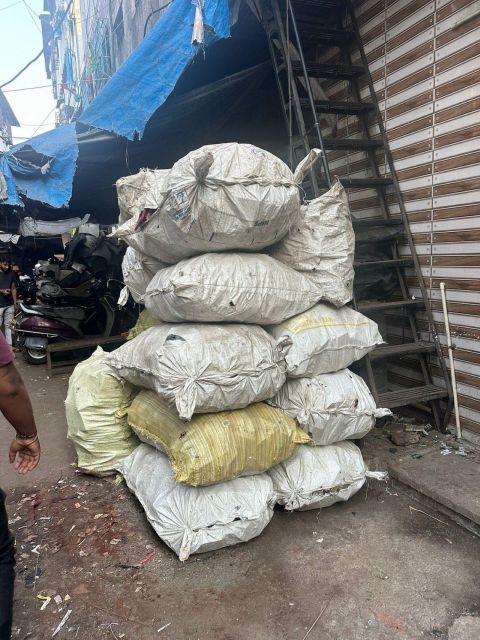
The tour begins by guiding you toward the recycling and production areas, including a route that passes the Plastic and Metal Recycling yard of the thirteenth compound. This is where the visit shifts from general impressions to visible process.
You’re not just looking at raw material. You’re seeing how plastic is melted and molded into new forms, and how workers create items such as buttons. The tour also connects the dots to brand names—one example given is work linked to Barbie Dolls in India.
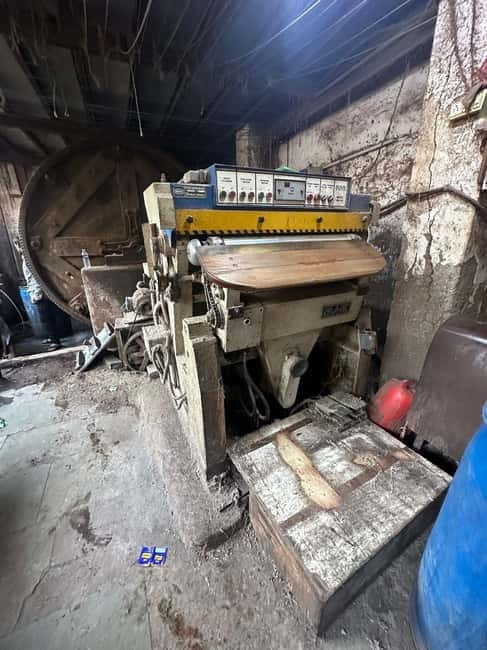
Even if you don’t care about recycling, pay attention to the production logic. You’ll notice how small spaces are used, how tools are shared, and how the work keeps moving even in tight quarters. That’s the real lesson: manufacturing doesn’t always need huge factories to function.
If you’re sensitive to intense industry scenes, take it slowly. This portion is about production reality, not a softened version for visitors.
The 2-hour walk through daily work and community life
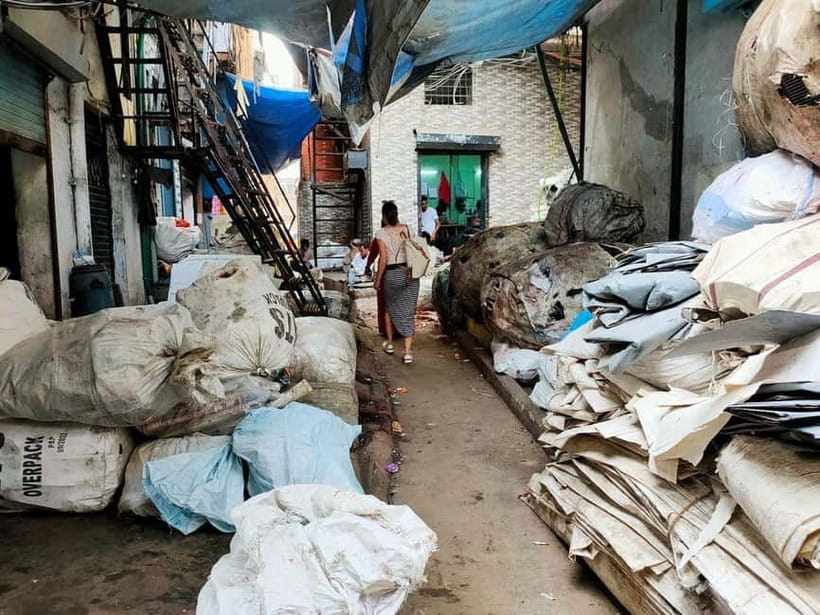
The core timing is a guided walk of about 2 hours in Dharavi. During that time, you’ll move through the working lanes where residents produce goods and run small operations. The tour’s focus is on showing the industrious side of Dharavi—how multiple skills coexist in close quarters.
One reason the walk works is that it’s guided. You’re given context as you go, so the places you see don’t blur together. In the feedback, guides like Ruqaiyya are singled out for deep knowledge and for explaining things with clarity and charm.
You may also meet Neha, praised for showing a range of daily life details and for being helpful throughout the tour. Another guide name that comes up is Rihanna (spelled that way in one booking), also credited as a good guide.
That matters for your experience because Dharavi isn’t “one attraction.” It’s a web of small businesses and daily rhythms. A good guide helps you keep track of what you’re seeing and why it matters.




Plastic, leather, ceramics, and the surprise scale of small production
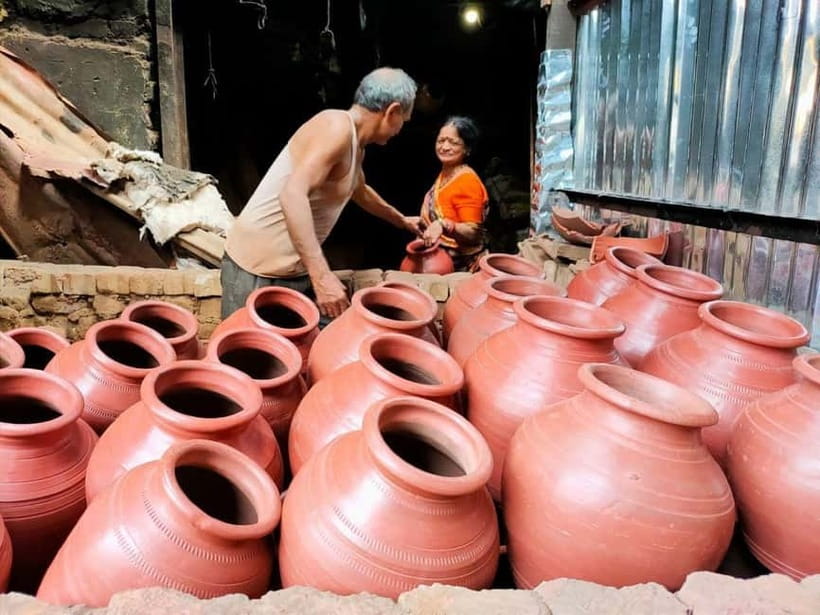
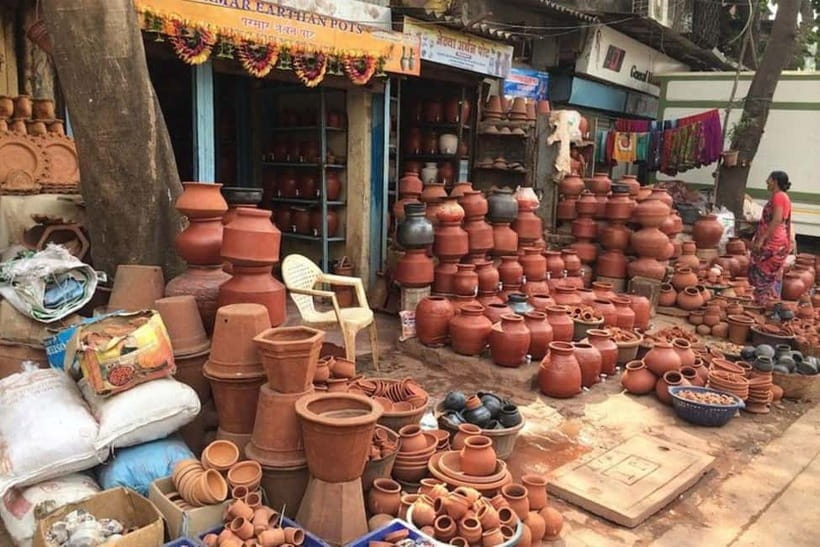
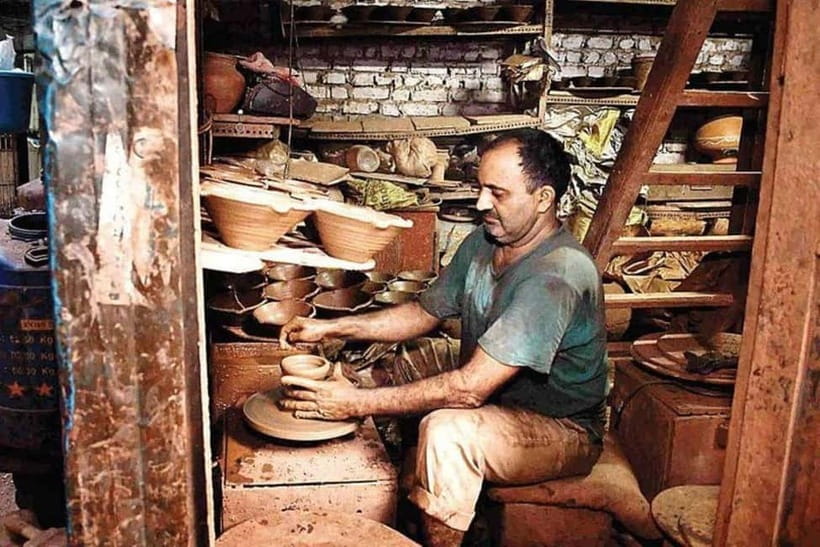
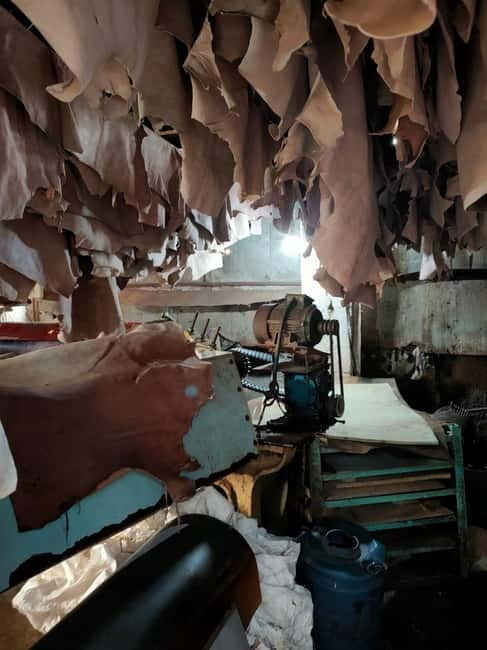
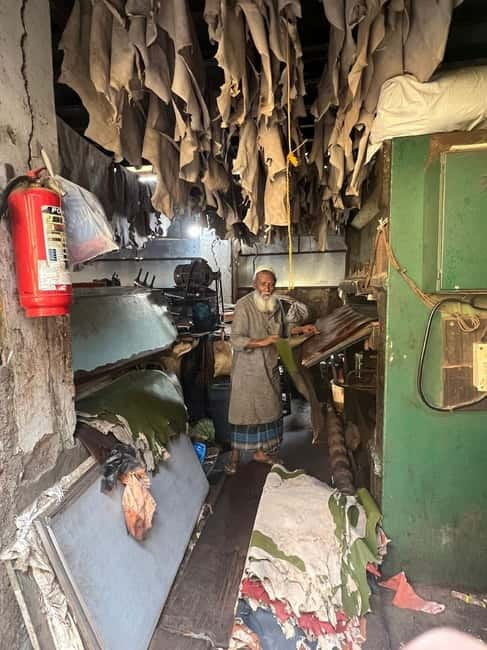
The tour doesn’t stop at recycling. It highlights the broader range of small industries found within Dharavi’s boundaries. You might learn about work producing leather goods, ceramics, embroidered garments, and other products linked to domestic and international markets.
This is one of the best parts for practical travelers. It changes how you think about supply chains. Instead of picturing “global goods” as distant factories, you see how skilled work can happen in compact spaces and still reach far-away buyers.
You’ll also learn that Dharavi has grown from its colonial-era roots—founded in 1883 during British colonial times—and it has transformed into a dense, functioning community. The age of the place isn’t the headline; the ongoing adaptation is.
Take note of what the guide emphasizes. Some guides lean into recycling processes, while others connect you more to craftwork and daily routines. Either way, the goal stays the same: show the place as a system of work and exchange.
Drop-off at Third Wave Coffee and Dhobi Ghat: keep the momentum
Finishing near Third Wave Coffee can be a nice reset point if you want a break without battling for transit. From there, you can choose to continue exploring Mumbai at your own pace.
With Dhobi Ghat as another drop-off location, you’re also close to a very different kind of Mumbai scene—still working, still real, and very photogenic. Even if you don’t plan to add another stop, having a named drop-off reduces stress. You know where you’ll land when the tour ends.
This is one of those small logistics wins that make a day feel easier.
What’s included (and what you need to plan for)
Here’s the practical breakdown:
Included:
- All places entry fees
- English language local guide (English, Hindi, Marathi available)
- Hotel/port pickup and drop-off
- Bottled water
- Air-conditioned vehicle
- Private transportation
Not included:
- Meals
- Drinks
That last part is important. Plan a snack or keep an eye out for food nearby after the tour. Since the walk is about 2 hours, you may work up an appetite, especially in Mumbai’s heat.
Also bring comfortable shoes. That’s not optional fluff—Dharavi is a working neighborhood, and the ground and paths are not designed for tourists in flip-flops.
The role of the guide: why Ruqaiyya, Neha, and Rihanna come up
In the feedback, the guide quality is the consistent standout. Ruqaiyya is praised for depth of knowledge, clear explanations, friendly energy, and an ability to handle questions. Neha is described as helpful and as showing multiple daily-life spots. Rihanna also gets credit for being a very good guide.
What this tells me as a reader is simple: you won’t get the same experience from a generic script. You want someone who can connect details to meaning—why a specific recycling step matters, how the work fits together, and what the community looks like beyond stereotypes.
If you’re the type who asks lots of questions, this is a good match. Guides here seem comfortable answering and adjusting the pacing to what you want to understand.
Timing: 2 to 7 hours, so pick what fits your day
The tour is listed as 2 to 7 hours, depending on selected options and availability. The core walk portion is about 2 hours, but longer options suggest there may be additional time blocks included by the route you choose.
So treat it like a planning tool, not a single fixed promise. If you’re balancing jet lag, you might prefer the shorter duration. If you want extra time to ask questions and take breaks, choose a longer slot.
Respect and comfort rules you should know
This tour sets clear boundaries. No alcohol and no drugs, and no nudity. That keeps things respectful and helps the visit stay focused on learning rather than spectacle.
For comfort:
- wear comfortable shoes
- expect a walking format inside a dense area
- bring a good attitude—this isn’t built like a quiet museum visit
Also keep in mind you’re moving through a working community. Your role is observer and learner, not someone hunting for photo moments at any cost.
Who should book this Dharavi tour (and who might rethink it)
This tour is a strong fit if you want:
- a guided look at Mumbai’s real economic life
- a stereotype-buster with specific focus on recycling and small production
- a local guide experience, especially with guides like Ruqaiyya or Neha
It might not be the best match if you:
- need a fully scripted, low-walking itinerary
- prefer only famous monuments and tidy viewpoints
- don’t enjoy listening while walking through an active neighborhood
If you’re curious and respectful, you’ll likely get a lot out of it.
Quick checklist before you go
- Comfortable shoes (non-negotiable)
- Water needs are covered with bottled water
- Plan for meals after (food isn’t included)
- Bring questions for the guide—this tour works best when you engage
- Dress and behave in a way that follows the no-alcohol/no-drugs and no-nudity rules
Should you book this tour?
I’d book it if you want to understand Dharavi as a functioning community with real work behind it. The $8 price makes it an easy choice, and the guide quality stands out as a major reason people enjoy the day—especially with names like Ruqaiyya and Neha showing up in the top-rated experiences.
I’d hesitate only if you’re expecting a polished sightseeing circuit or you want minimal walking. This is hands-on learning through neighborhoods and industry.
If you go in with curiosity, good shoes, and a mindset that prioritizes people over props, it can be one of the most meaningful parts of your Mumbai trip.
FAQ
How long is the Dharavi Slum Tour?
The duration is listed as 2 to 7 hours, depending on the selected option. The guided walk through Dharavi is about 2 hours.
Where does the tour start?
The meeting point can vary depending on the option you book. The tour commonly begins at Mahim Railway Station, but you should confirm your exact meeting instructions.
Is hotel or port pickup included?
Yes, hotel/port pickup and drop-off are included. Pickup may be optional depending on the option you choose.
What are the drop-off locations after the tour?
The tour includes drop-offs at Third Wave Coffee and Dhobi Ghat, along with a third drop-off location listed in the activity details.
What does the tour include besides the guided walk?
It includes entry fees for all places, an English language local guide, bottled water, and air-conditioned vehicle plus private transportation.
Are meals included in the price?
No, meals are not included.
Are drinks included?
No, drinks are not included (bottled water is included).
What languages will the guide speak?
The live tour guide is available in English, Hindi, and Marathi.
What should I bring?
Bring comfortable shoes for walking.
Are there any restrictions during the tour?
Yes. Alcohol and drugs are not allowed, and nudity is not allowed.
Is free cancellation available?
Yes, you can cancel up to 24 hours in advance for a full refund.