REVIEW · NEW DELHI
Delhi: All-Inclusive Full or Half Day Tour With Hotel Pickup
Book on GetYourGuide →Operated by Zaara Travels · Bookable on GetYourGuide
Delhi changes its mood every few blocks. I love the way this tour stitches Old Delhi street life to New Delhi monuments, and I especially like the Red Fort start with guided context. The only catch: it packs a lot into a half to full day, so comfortable shoes matter.
I also like the human scale of the stops—especially the Chandni Chowk rickshaw ride, where the city feels like it’s moving right past you. And you get a live guide in several languages, which helps all those places make sense instead of becoming a checklist.
You’ll usually be picked up from hotels across Delhi and the surrounding cities, then dropped back after you’ve hit the big landmarks. One heads-up: the Red Fort is closed on Mondays, so check your calendar before you book.
In This Review
- Key Highlights I’d Prioritize
- Why This Old Delhi to New Delhi Mix Works
- Hotel Pickup, Air-Conditioned Transport, and the Real Meaning of Skip-the-Line
- Red Fort: Where Your Delhi Story Starts
- Chandni Chowk by Rickshaw and Jama Masjid: The City’s Volume at Full Volume
- Local Lunch That Keeps the Day on Track
- Qutub Minar: The Tall Brick Story You Can See in One Hour
- Humayun’s Tomb, Humayun’s Era: Why Delhi’s Architecture Feels Connected
- India Gate and Lotus Temple: Memorial and Modern Faith in One Stretch
- Presidential House and Parliament Drive-By: What You’ll Notice From the Road
- The Guides Matter: Himansh, Mayank, and Zeeshan
- Price and Value: What $18 Gets You (And When It’s a Smart Deal)
- Practical Tips Before You Go: Shoes, Photos, and Smart Casual
- Should You Book This Delhi Tour? My Honest Take
- FAQ
- How long is the Delhi tour?
- Which major sites do you visit?
- Do I get hotel pickup and drop-off?
- Is lunch included?
- Are there rules about photography and smoking?
- What languages are available for the guide?
Key Highlights I’d Prioritize
- A true Old-to-New Delhi route so you see both the historic core and the government-and-monument side
- Red Fort plus Jama Masjid with guided visits that explain what you’re actually looking at
- Rickshaw ride in Chandni Chowk for a fast, fun taste of market Delhi without needing to navigate alone
- Major monuments in a time-smart flow (Qutub Minar, Humayun’s Tomb, India Gate, Lotus Temple)
- Hotel pickup and air-conditioned transport that saves you time and stress in chaotic traffic
Why This Old Delhi to New Delhi Mix Works
Delhi can feel like two different cities. Old Delhi leans into markets, mosques, lanes, and sound. New Delhi goes for wide avenues, memorials, and carefully designed monuments. What I like about this tour is that it doesn’t treat them like separate trips—you connect them in one day.
You also get pacing that actually matches the sights. Old Delhi parts are about atmosphere and orientation: you pass through the busy shopping streets and you end at Jama Masjid, where the scale hits you. New Delhi parts are about form and meaning: Qutub Minar and Humayun’s Tomb show how the city’s architecture evolved over time, while India Gate and Lotus Temple shift the mood toward memorial and reflection.
One more thing: even though the route hits the big names, the guided component keeps you from just staring at stone. When a guide points out why something was built the way it was, it sticks. That’s also where the better-value tours show themselves.
You can also read our reviews of more tours and experiences in New Delhi.


Hotel Pickup, Air-Conditioned Transport, and the Real Meaning of Skip-the-Line
The day starts with pickup from multiple areas—Delhi, New Delhi, Noida, Ghaziabad, Greater Noida, Faridabad, and Gurugram. That matters more than it sounds. If you’ve ever tried to piece together multiple taxis in Delhi, you know the time drain and the stress. Here, you hand that part to the tour vehicle.
You travel by air-conditioned transport, which is a gift if you’re coming in hot. And you get a skip-the-line approach for sites via a separate entrance. In plain terms: you lose less time standing around, and you get more actual sightseeing time.
The tour runs 4 to 8 hours depending on availability and your timing. In practice, you should plan for a packed day if you’re doing it as a full outing. Even if the walking isn’t extreme, you’re moving between neighborhoods and spending time inside several major complexes.
Red Fort: Where Your Delhi Story Starts
Red Fort is the kind of place that makes you understand why Delhi mattered to empires. It was built by the Mughal Emperor Shah Jahan, the same ruler tied to the story of the Taj Mahal. The tour gives you a guided visit with a short sightseeing window, so you’re not stuck for hours—but you still get the important context.
Even with limited time, Red Fort works because it’s visually direct. The fortified layout, the monumental feel, and the way the space holds history all give you something to latch onto. If you go in expecting details, you’ll leave with a framework: who built it, why it was powerful, and how it fits into the Mughal story of Delhi.
Two practical notes you’ll want to remember:
- The Red Fort is closed on Mondays. If your schedule falls on Monday, pick another day.
- The tour has a smart casual dress code. Bring something you can walk in comfortably and that also looks fine when you pass through historic sites.
Chandni Chowk by Rickshaw and Jama Masjid: The City’s Volume at Full Volume
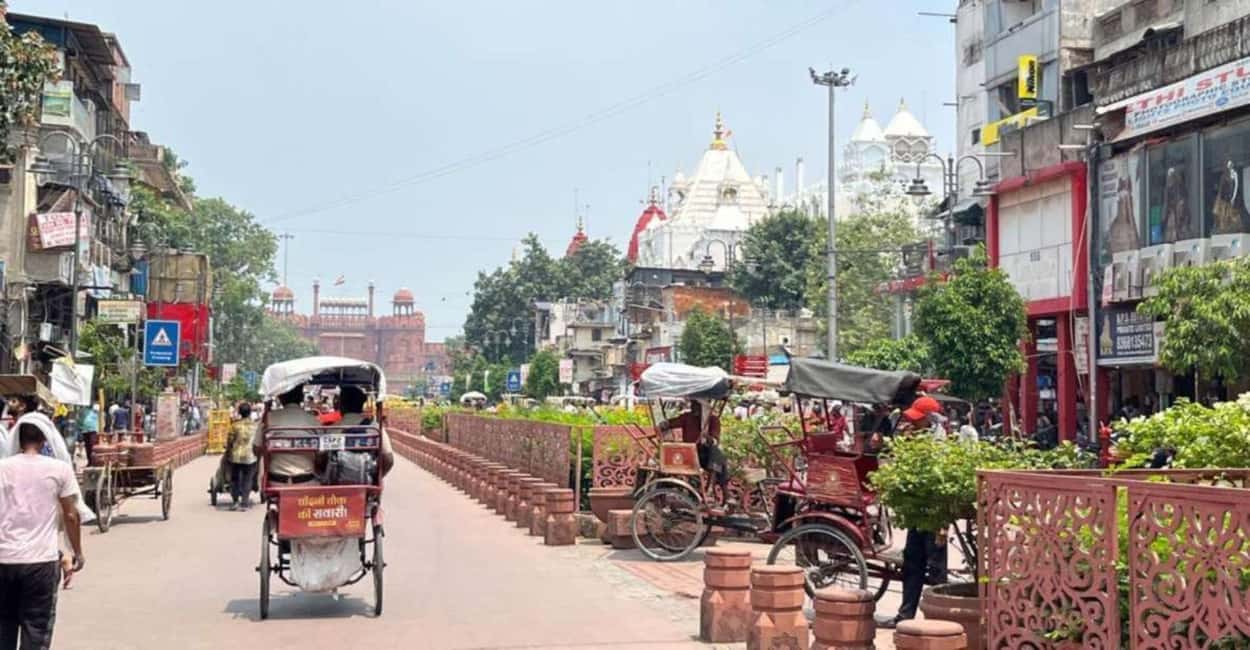
Chandni Chowk is famous for a reason. It’s one of those places where the city looks like it’s been doing the same daily job for centuries—shops, crowds, noise, and constant movement.
You get a rickshaw ride through Chandni Chowk, plus guided sightseeing time. I love this setup because it protects you from the hardest part: navigating that chaos on your own. A rickshaw lets you get the sensory hit without turning your day into a map puzzle.
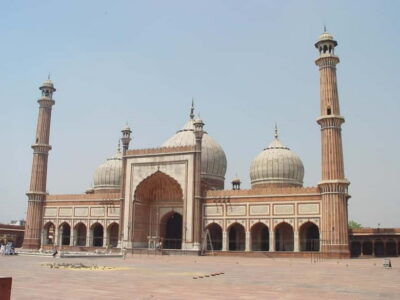
Then you head to Jama Masjid, the 17th-century mosque that’s described here as the largest in India. This is a different kind of experience than the market lanes. The mosque’s size and presence can feel almost architectural-theater. When you arrive with a guide, you’re better able to notice the design choices and understand why the place is so significant.
Timing helps too. The tour allocates about an hour for Jama Masjid, so you have enough space to move slowly, take photos (without flash), and actually look. Just remember the rules: smoking isn’t allowed and flash photography isn’t allowed. And dress matters—smart casual is the baseline, but comfortable coverage helps you feel better inside religious spaces.
Local Lunch That Keeps the Day on Track
After Old Delhi, the tour stops for a local lunch with about an hour allotted. This is one of those underrated inclusions. Delhi is full of food options, but if you’re trying to keep a schedule, “where should we eat?” can become a time sink.
What you should expect from lunch inclusion here is simple: you’ll have a local meal included, and personal drinks and snacks aren’t included. If you’re the type who likes a cold drink with lunch, plan to purchase it separately. If you’re sensitive to spicy food, you can usually ask for milder options when ordering, but this depends on the restaurant.
The best part is that lunch doesn’t turn into a long break. It’s there to refuel you so you can keep moving to the next set of sights.



Qutub Minar: The Tall Brick Story You Can See in One Hour
Next comes Qutub Minar, described as the world’s tallest brick minaret. The tour gives about an hour for the guided visit and sightseeing. One hour is a good amount of time because Qutub Minar isn’t just tall—it’s a landmark you want to view from multiple angles while your guide explains what makes it significant.
If you’ve ever seen photos of Qutub Minar, you’ll recognize it instantly. In person, the scale feels different. And with guidance, you’ll get more than the label “tallest.” You’ll understand how the monument became a point of reference in Delhi’s changing architectural timeline.
This is also where the tour starts shifting from crowd energy to a more spaced-out monument experience. You’ll feel the contrast: Old Delhi’s close walls and sudden turns vs. New Delhi’s more open sightlines and planned spaces.
Humayun’s Tomb, Humayun’s Era: Why Delhi’s Architecture Feels Connected
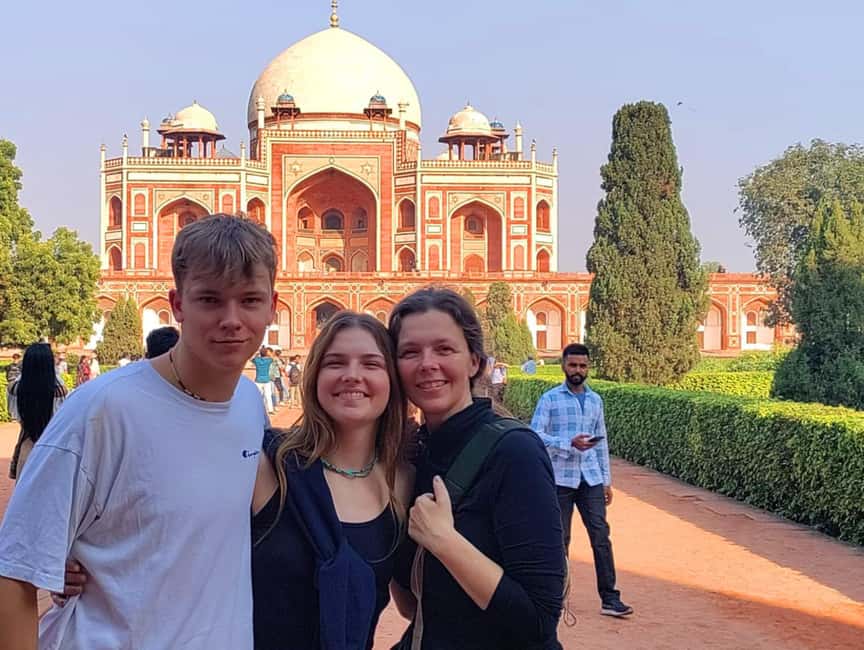
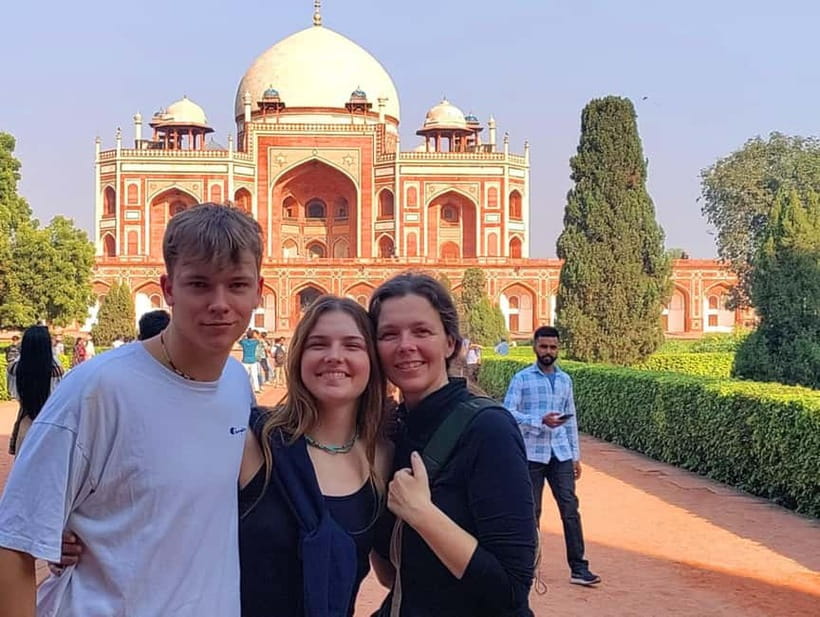
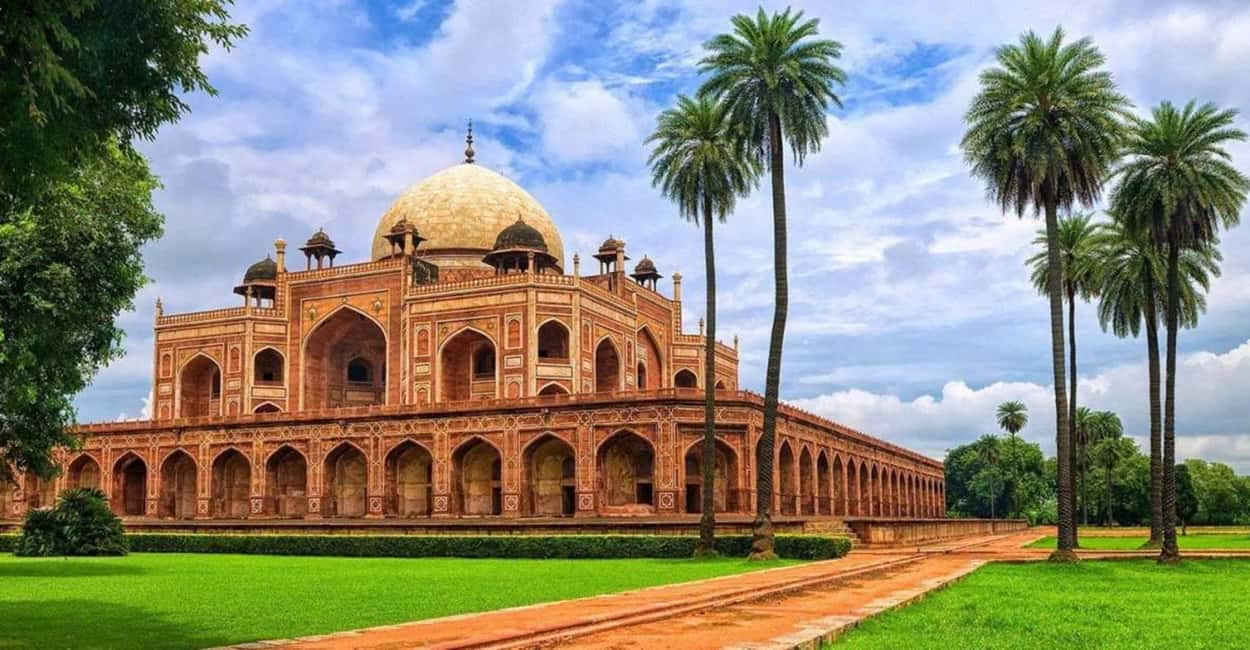
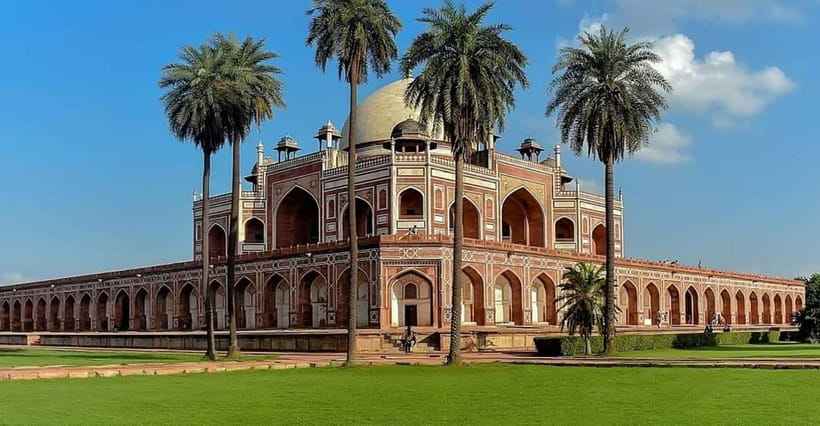
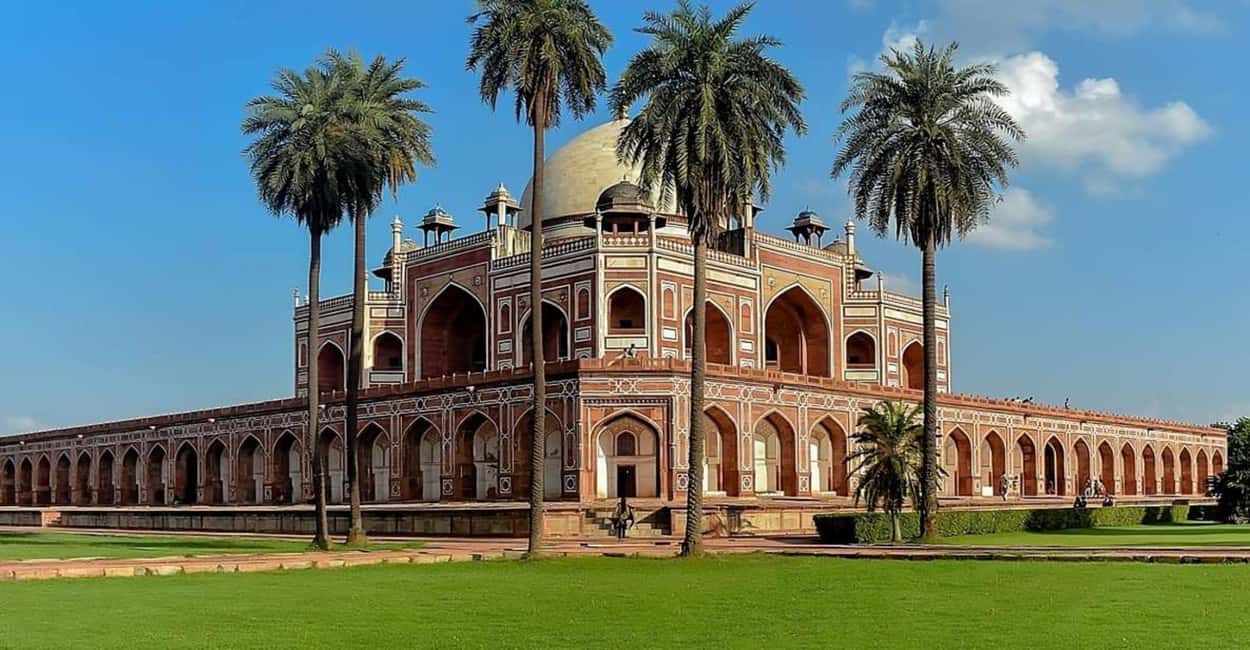
Then you move to Humayun’s Tomb, with about 100 minutes allotted. This longer stop is smart. Humayun’s Tomb benefits from time, because it’s the kind of place where looking carefully pays off.
What I like about this stop is the way it connects you to the broader Mughal footprint in Delhi. Once you’ve seen Red Fort earlier, Humayun’s Tomb feels like a continuation—same big era of power, but a different expression through garden layout and tomb architecture.
A guide here matters a lot. Without explanation, you might only see a beautiful complex. With guidance, you start to notice how the setting, the symmetry, and the overall design work together to create a sense of order and dignity.
India Gate and Lotus Temple: Memorial and Modern Faith in One Stretch
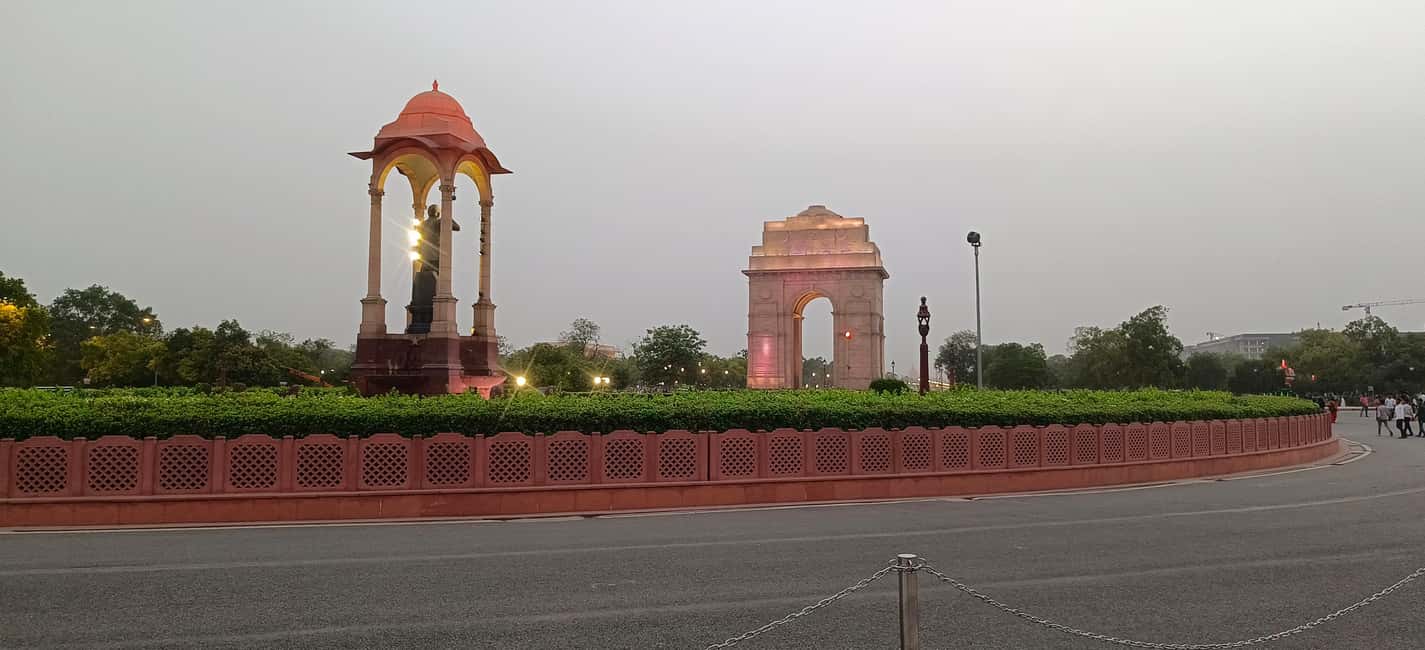
India Gate gets about 15 minutes. Short stop, yes—but it’s enough if you come prepared to read it. India Gate is a memorial to Indian soldiers who died during World War I. Even in a brief visit, the message lands because you can connect the structure to its purpose.
After that, the tour heads to Lotus Temple, where you get around an hour for guided visit and sightseeing. Lotus Temple is known here for its elegant lotus-flower shape. What makes it a good complement to India Gate is the mood shift. India Gate is solemn and grounded in remembrance. Lotus Temple is calm, with a design that feels intentionally peaceful.
This is a nice pairing because it shows how Delhi can honor the past while still building something contemporary and restful. If you need a breather in the middle of a long day, this is often it.
Presidential House and Parliament Drive-By: What You’ll Notice From the Road
You’ll also drive past the Presidential House and the Parliament Buildings. This is not a guided walkthrough stop. It’s more like a quick “see the look and placement” moment from the vehicle.
Still, it’s worth it. Delhi’s government district has a different rhythm than the historic areas. You get a sense of how the city’s layout changes when you move from Mughal landmarks to the seat of modern governance.
If you’re the type who likes to compare urban design, keep an eye on the wide roads and the way buildings are framed. You don’t have long here, but you can still get something useful from it.
The Guides Matter: Himansh, Mayank, and Zeeshan
One of the strongest parts of this experience is the guide quality. The reviews attached to this tour highlight guides named Himansh, Mayank, and Zeeshan. The shared theme is simple: the guides make the day feel comfortable and engaging, not just instructional.
You’ll get English and multiple other languages, including French, German, Italian, Japanese, Russian, and Spanish. That lineup is a big deal if you’re not traveling in English-only mode. It also usually means the guide can focus on real explanations rather than struggling through language.
In my view, the guide is what turns major sights into personal understanding. When someone can connect Red Fort and Mughal context, or explain why Qutub Minar matters, you leave with a mental map. The places become part of one story instead of isolated stops.
Price and Value: What $18 Gets You (And When It’s a Smart Deal)
At about $18 per person, this is priced for value. You’re not just paying for entry tickets. You’re paying for hotel pickup/drop-off, air-conditioned transport, guided visits at major sites, a rickshaw ride in Chandni Chowk, a local lunch, and entrance fees.
That combination is what makes it competitive. In many cities, even half of those pieces adds up fast: taxis or rideshare time, ticket lines, and the hassle of coordinating multiple stops on your own. Here, you’re buying a built-in plan.
When it’s especially a good deal:
- You want to see the big highlights without planning every detail.
- You’re traveling on a budget but still want a guide for context.
- You want Old Delhi and New Delhi in one day.
When you might think twice:
- If you prefer slow travel with lots of independent wandering, a structured schedule can feel tight.
- If you’re only interested in one or two sites, the included route might be more than you need.
Practical Tips Before You Go: Shoes, Photos, and Smart Casual
Do not underestimate Delhi walking. Bring comfortable shoes first. Then add a hat, sunscreen, and water because you’re spending time outdoors in sun and moving between neighborhoods.
For photos, bring your camera, but remember: flash photography isn’t allowed. That’s common in many religious and historic spaces, and here it’s explicitly part of the rules.
Dress code is smart casual. For religious sites, you’ll be happier if your clothes feel respectful and comfortable. If you’re sensitive to heat, choose breathable fabrics you can walk in.
Also note: the tour isn’t wheelchair accessible, so if that matters for you, you’ll want to choose a different option.
Should You Book This Delhi Tour? My Honest Take
If you want a smart way to get your bearings in Delhi—Old Delhi energy, major monuments, and a guided thread connecting it all—this is a strong pick. The value is real: pickup and transport, rickshaw fun, lunch, and entrance fees are rolled into the price, and the route hits Red Fort, Jama Masjid, Qutub Minar, Humayun’s Tomb, India Gate, and Lotus Temple without making you chase them yourself.
I’d book it if you like structure, you want context from a live guide, and you’re okay with a day that moves. I’d skip or adjust if you’re aiming for a relaxed, do-it-anywhere pace or if your travel dates fall on a Monday, since Red Fort is closed that day.
FAQ
How long is the Delhi tour?
The tour duration is listed as 4 to 8 hours, depending on availability and starting times.
Which major sites do you visit?
You’ll visit Red Fort, Jama Masjid, Qutub Minar, Humayun’s Tomb, India Gate, and Lotus Temple, plus you’ll drive past the Presidential House and Parliament Buildings and ride through Chandni Chowk by rickshaw.
Do I get hotel pickup and drop-off?
Yes. Hotel pickup and drop-off are included, with pickup options covering Delhi, New Delhi, Noida, Ghaziabad, Greater Noida, Faridabad, and Gurugram.
Is lunch included?
Yes, the tour includes lunch at a local restaurant for about 1 hour. Food or drinks beyond that are not included.
Are there rules about photography and smoking?
Smoking is not allowed, and flash photography is not allowed.
What languages are available for the guide?
The live tour guide is available in English, French, German, Italian, Japanese, Russian, and Spanish.