REVIEW · NORTH GOA
Goa: Chorao Island E-Bike guided Tour veg breakfast included
Book on GetYourGuide →Operated by CyclingZens · Bookable on GetYourGuide
Chorao Island has a way of sneaking up on you. One minute you’re in Goa village lanes, the next you’re ferrying between islands, then cruising past churches and temples while looking for birds around Dr. Salim Ali Bird Sanctuary. I love the combo of e-bike freedom plus ferry breaks, and I also really like how the route centers on wetlands and birding hotspots instead of just the usual beach stops. The one thing to consider is effort: even with support, you’ll cover about 25 miles and you’ll want a bike-comfort level to enjoy it.
The morning-friendly pace is a big plus. You start at Salvador do Mundo Panchayat, meet your guide, then roll into the Chorao day with helmet and an electric assist bike that’s set up for a mix of flats and little hills. If you do the afternoon version, you’re still out for the scenery and ferries, but you won’t get the veg breakfast.
My advice: show up with water and sunscreen, and treat it like a fun ride with nature stops, not a casual stroller-walk. If you can’t ride a bike for any stretch of time, this won’t feel good—either mentally or physically.
In This Review
- Why the ferry-and-birding combo works so well
- Meeting point in Salvador do Mundo: what to look for
- The e-bike setup: how much help you actually get
- Guided ferry hops to Chorao: Pomburpa to island time
- Churches, Indo-Portuguese houses, and temples on two wheels
- Dr. Salim Ali Bird Sanctuary area: when your eyes do the work
- Breakfast and snacks: veg food, then back on the bike
- Duration and pace: choosing the right departure time
- Price ($27) and what you truly get for it
- Who this Chorao e-bike tour fits best
- Should you book Chorao Island on an e-bike?
- FAQ
- How long is the Chorao Island e-bike guided tour?
- Is breakfast included, and is it vegetarian?
- What bike do I get, and is there a helmet?
- Do I need to be able to ride a bike?
- Is there a ferry ride involved?
- Who provides the tour, and what languages are offered?
- Where do I meet the guide?
- Is transportation from my hotel included?
- What should I bring, and is smoking allowed?
Why the ferry-and-birding combo works so well
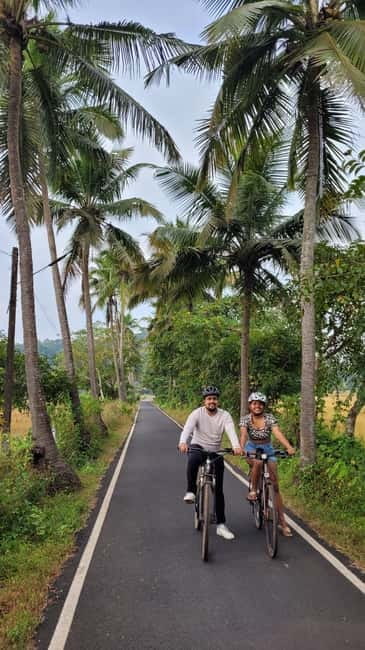
This is the kind of Goa outing that feels like you’re seeing the real geography, not just the coastline. Chorao Island sits in a watery, bird-heavy area, and the tour uses that fact as the backbone. You don’t just ride past scenery. You stop where the birds and the habitats are.
Here’s what makes that smart for you: wetland birding is best when you move slowly enough to notice things, and this route naturally builds in that rhythm. You’ll pedal through village backroads, then pause at birding hotspots around Dr. Salim Ali Bird Sanctuary. That mix keeps the day from turning into a “pedal nonstop” exercise.
Also, the ferry hop is more than a photo moment. It breaks up the ride, gives your legs a reset, and helps you feel how close Goa’s islands are—without the hassle of planning transport yourself.
One note from the rhythm of the route: you’ll also see religious and heritage spots along the way, including churches, Hindu-Indo-Portuguese houses, and temples. That context helps the nature stops land better, because you’re seeing how people and waterways share the same space.
Meeting point in Salvador do Mundo: what to look for
You’ll start at Salvador do Mundo Panchayat. The clearest way to find the group is the specific landmark meeting spot given by the operator:
- Union bank Britona is the landmark
- Stand facing the bank, and look for three houses to the left
- There’s a blue house with cycles inside, opposite a chapel
Parking is convenient nearby, with ample public car parking within about 20 meters of the start.
One practical thing to know: there’s no included hotel taxi. You’ll need to arrange your own transport to and from the start point.
You can also read our reviews of more tours and experiences in North Goa.
The e-bike setup: how much help you actually get
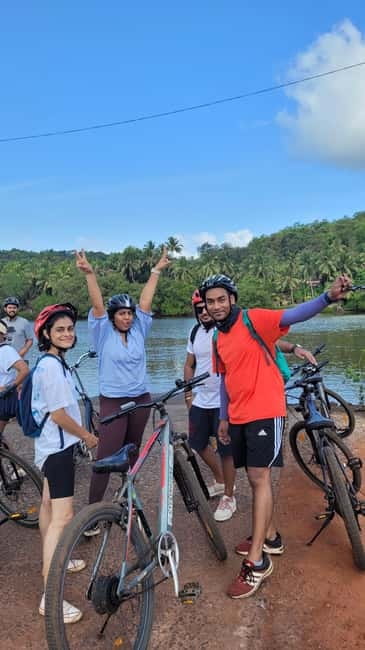
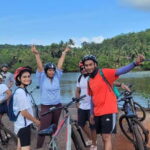
The tour includes an electric bicycle (or bicycle) and a helmet. There’s also a support vehicle on standby, which is reassuring if someone needs a breather.
But here’s the honest part. One account of the route described only minimal support on most parts, with assist kicking in more on hills by choice (not just a constant power mode). That means you still do real pedaling. If you expect the motor to do all the work, you might feel disappointed. If you treat the bike as a leg-friendly tool that helps you keep going, you’ll feel great.
The distance is part of the story. It’s around 25 miles, spread over roughly 2.5 to 4.5 hours depending on the departure. So yes, it’s active. No, it’s not a full-day endurance challenge—still, you’ll want decent legs and comfortable bike posture.
Your gear matters too. Bring a hat, sunscreen, water, and comfortable clothes. If you’re sensitive to sun, a light long-sleeve layer can help more than you’d think.
And one small rule: no smoking on the tour.
Guided ferry hops to Chorao: Pomburpa to island time
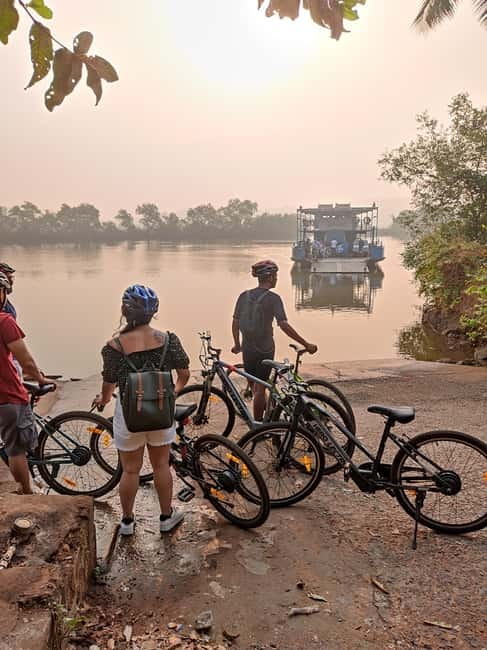
The tour’s route starts with a ferry element that makes the day feel like an adventure, not a loop. You hop on a quick ferry at Pomburpa village to reach Chorao Island.
Why I like this setup for you: it turns island time into a built-in moment. Instead of searching for timetables or negotiating transport, you just show up, follow your guide, and use the ferry as a natural pause in the day.
Once you land on Chorao, you ride alongside the view, then break for breakfast (morning) or drinks (afternoon). That ordering is nice. You’re not hungry and tired at the same time. You get the food before the most scenic cycling stretches.
If you’re someone who likes variety, the ferry-and-bike rhythm is a win. It keeps your brain switched on: pedal, pause, glide across water, then back to pedaling.
Churches, Indo-Portuguese houses, and temples on two wheels
One reason this tour works as a Goa experience beyond nature is that the ride threads through culture. You’ll cycle past churches, see Hindu-Indo-Portuguese houses, and visit temples along the way.
The practical value for you is context. Even if you’re not a “history researcher,” those stops help you understand that Goa’s villages aren’t just scenic—they’re living spaces with layers of influence. The guide provides explanations as you go, so the stops feel connected instead of random.
There are also brief stops for a mix of places, including a working temple and a ruined site. Those pauses keep the day balanced: you get time to look, listen, and take photos without turning it into a lecture.
If you want a tour where you can keep moving most of the time but still get culture points, this route is built for that.
Dr. Salim Ali Bird Sanctuary area: when your eyes do the work
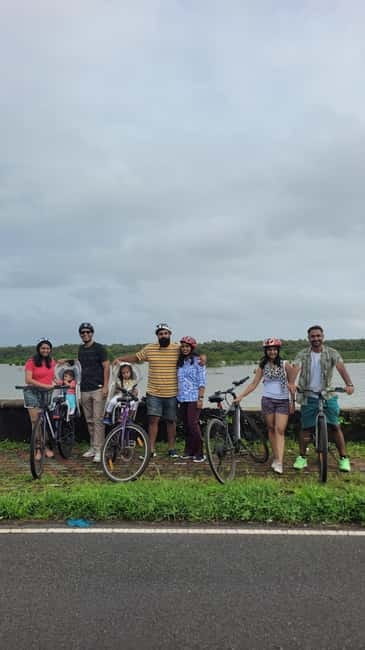
The birding part is the heart of the island experience here. You’ll pedal through village backroads and visit birding hotspots around Dr. Salim Ali Bird Sanctuary.
What you should expect: you’ll be outdoors and scanning. This isn’t about sprinting between lookouts. It’s about slow cycling, short stops, and giving your eyes time to catch movement—especially around wetlands and marshy areas.
The best part of this for most people is that it doesn’t require expert bird knowledge. Even if you can’t name every species, you can still enjoy what the guide helps you notice: habitats, patterns, and why this area draws birds.
Also, the wetlands make the ride feel cooler and calmer than you might think. One person noted that heat was manageable and the ride timing helped. If you’re planning your day, that’s a reminder not to treat this like a “beach midday” outing. It’s more nature-paced.
Bring your camera. And if you’re tempted to skip it, don’t. Birds can be fast, but the scenery around the wetlands and the villages is often worth capturing too.
Breakfast and snacks: veg food, then back on the bike
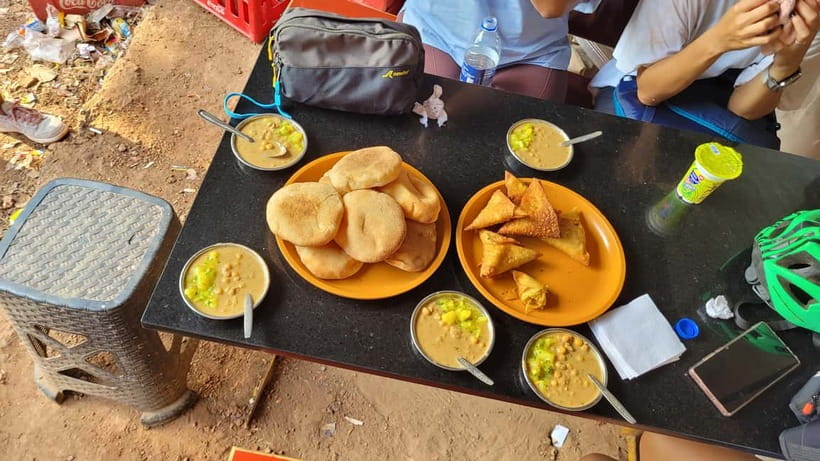
Breakfast is included, and it’s described as veg. The morning departures are set up for that: you’ll reach a local café, have your breakfast with beverages, then head back onto the bikes.
If you do the afternoon version, don’t plan on the same meal. In that slot, you’ll get drink stops instead of the veg breakfast. So choose your time based on what you care about more—food early, or a shorter ride window later.
This matters for your comfort. When the breakfast is built in, you avoid the classic travel mistake: arriving hungry, then eating something random and heavy. Here, you get a local café stop that supports the ride.
You’ll also get snacks with beverages as part of what’s included, which helps keep the cycling energy up without making the day feel like one long sugar crash.
Duration and pace: choosing the right departure time
This tour runs about 2.5 to 4.5 hours. There’s a guided portion around 3 hours, with start and finish at Salvador do Mundo Panchayat.
If you want a lighter day, the 2.5-hour afternoon option is your friend. You still get the ferries, the cycling, and the culture stops, but you lose the veg breakfast portion.
If you want the full experience rhythm—ride, ferry, breakfast, and more time outdoors—choose the longer morning slot.
One more pacing thought: because you cover about 25 miles, you’ll want to arrive ready to ride, not to “figure it out on the fly.” The guide keeps things moving, and the support vehicle is there if something goes wrong, but your best odds for enjoyment come from showing up prepared.
Price ($27) and what you truly get for it
At about $27 per person, this tour sits in the category of “good value if you actually want something active.” You’re not only paying for a bike. You’re paying for a route, a guide, and transportation that would be annoying to arrange yourself.
What’s included:
- Guided tour with an experienced tour leader
- Electric bicycle / Bicycle and helmet
- Breakfast/snacks with beverages (morning veg breakfast, afternoon drink stops)
- Support vehicle on standby
You’re also getting a ferry hop at Pomburpa village, plus the structured stops through churches, temples, and birding hotspots around Dr. Salim Ali Bird Sanctuary. That combo is hard to replicate cheaply on your own without planning and timing.
The only real reason the price might not feel like a bargain is if you’re not comfortable riding or you’re expecting the motor to do the whole job. If you’re comfortable with bikes and you like nature stops, this feels like an efficient day.
Who this Chorao e-bike tour fits best
This tour is a great match if you:
- Can ride a bike and don’t mind a moderate distance
- Like nature-focused sightseeing, especially wetlands and birding areas
- Want culture mixed in: churches, Indo-Portuguese houses, and temples
- Enjoy guides who explain what you’re seeing while you move
It’s also a smart intro to areas beyond Goa’s beach lanes. You get the island feel, water views, and village life without spending days planning transport.
Who should skip:
- People with back problems (cycle time and posture can be an issue)
- People who can’t ride a bike
- Children under 10 are not suitable for the standard bike tour
There is an option for younger kids: children under 10 can be accompanied with a guide on a scooter or car, but adult pricing applies. The key takeaway is that it’s not a simple “bring the kids and everyone cycles” setup.
Should you book Chorao Island on an e-bike?
Book it if you want a Goa day that feels local and outdoorsy, not just coastal. The ferry-to-island flow, the wetlands birding stops, and the cultural sights together create a full picture of Chorao that you won’t get by sitting still.
Don’t book it if you want zero effort or if you can’t handle bike riding. This is cycling-forward. Even with e-bike help, it’s still active.
If you’re deciding between morning and afternoon, pick morning for the veg breakfast and a fuller pace. Pick afternoon if you want a shorter ride window and you’re fine with drinks stops instead.
Overall, this is one of those rare tours that balances nature, culture, and practical logistics in the same half-day. You’ll leave with the feeling that you actually traveled through Goa’s real places.
FAQ
How long is the Chorao Island e-bike guided tour?
The duration ranges from 2.5 to 4.5 hours, with a guided tour component of about 3 hours.
Is breakfast included, and is it vegetarian?
Breakfast/ snacks with beverages are included. The experience is described as including a veg breakfast, but the afternoon version does not include the veg breakfast and instead includes drink stops.
What bike do I get, and is there a helmet?
You get an electric bicycle (or bicycle) and a helmet as part of the tour.
Do I need to be able to ride a bike?
Yes. The tour is not suitable for people who can’t ride a bike.
Is there a ferry ride involved?
Yes. You take a quick ferry at Pomburpa village to reach Chorao Island.
Who provides the tour, and what languages are offered?
A live tour guide leads the experience. The tour is offered in English, Hindi, and Marathi.
Where do I meet the guide?
Meet at Salvador do Mundo Panchayat. The landmark is Union bank Britona: three houses to the left when you face the bank, in a blue house with cycles inside, opposite a chapel. Parking is available nearby.
Is transportation from my hotel included?
No. Taxi from your hotel to the start point and back has to be arranged by you.
What should I bring, and is smoking allowed?
Bring a hat, camera, sunscreen, water, and comfortable clothes. Smoking is not allowed.