REVIEW · NEW DELHI
New Delhi: Private 3-Day Golden Triangle Tour with Lodging
Book on GetYourGuide →Operated by Fame India Tours · Bookable on GetYourGuide
Three days can feel like a week, thanks to a private plan that pairs UNESCO Delhi stops with an Old Delhi rickshaw ride. You’ll move at a smart pace for a tight schedule, with guided context at the big sites and time carved out for real street-level India.
I especially liked how sunrise Taj Mahal feels when you’re met early (around 5:30) and taken in with less waiting thanks to express security. I also loved the monument explanations from guides such as Firoz and Mohsin, who make the buildings feel like stories instead of postcards.
My only caution is the itinerary can include time for shopping stops. Some guides may steer more toward selling than toward sightseeing, so if you’re not in the mood, you’ll want to set that expectation right away—early and politely.
In This Review
- Key points at a glance
- Day 1 in Delhi: Quick orientation, UNESCO sights, and a rickshaw jolt
- The drive between Delhi and Agra: how to make hours in the car feel easier
- Day 2 in Agra: sunrise Taj Mahal and the Mughal lineup
- Fatehpur Sikri: the City of Mughals stop that feels like time travel
- Day 3 in Jaipur: Amber Fort to Hawa Mahal, with the real Pink City vibe
- Jaipur bazaars and shopping time: what to do if you’re not into the sales push
- Price and value: is $107 per person a good deal for this route?
- Practical tips that make this 3-day plan actually work
- Should you book this Golden Triangle tour?
- FAQ
- Which cities does the tour cover?
- How long is the trip and how many nights are included?
- Where do you get picked up, and where do you get dropped off?
- Is there an Old Delhi rickshaw ride?
- When do you visit the Taj Mahal?
- Is Fatehpur Sikri included?
- What major sights are included in Jaipur?
- What’s included in the price?
- What cancellation and pay-later options are offered?
Key points at a glance
- Taj Mahal sunrise pickup around 5:30 to start the day with the best light
- Express security check to reduce time lost before entrances
- Old Delhi rickshaw ride as a real-feel neighborhood moment
- Fatehpur Sikri stop for a major Mughal-era “ruins city” experience
- Jaipur core icons: Amber Fort, City Palace, Jantar Mantar, Hawa Mahal, plus Jal Mahal viewpoints
- Private air-conditioned transportation with bottled water and punctual handoffs
Day 1 in Delhi: Quick orientation, UNESCO sights, and a rickshaw jolt
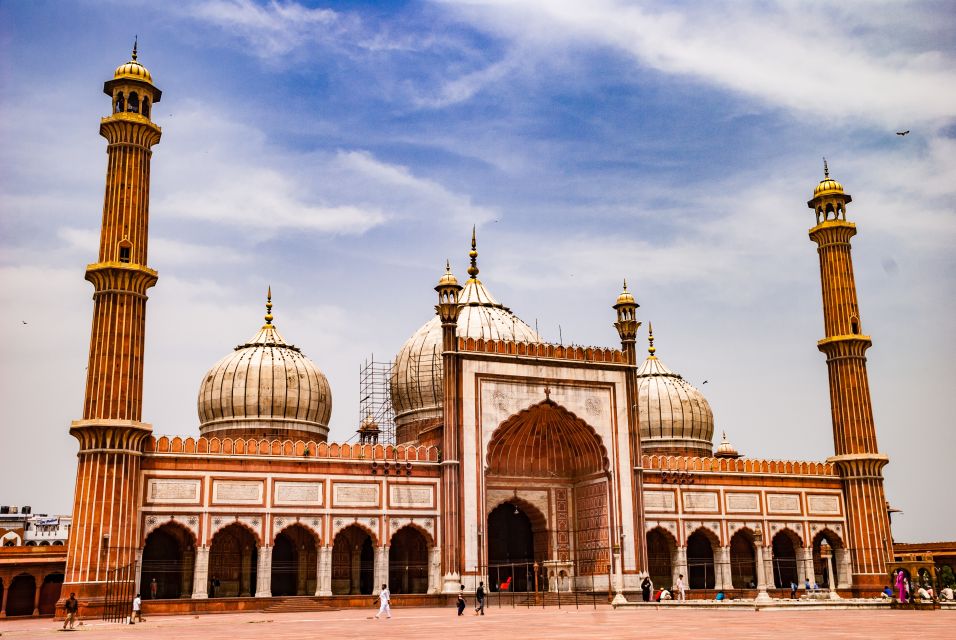
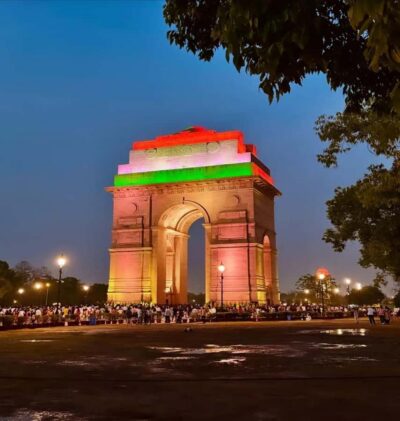
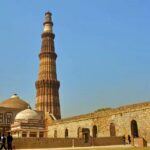
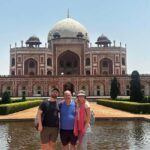
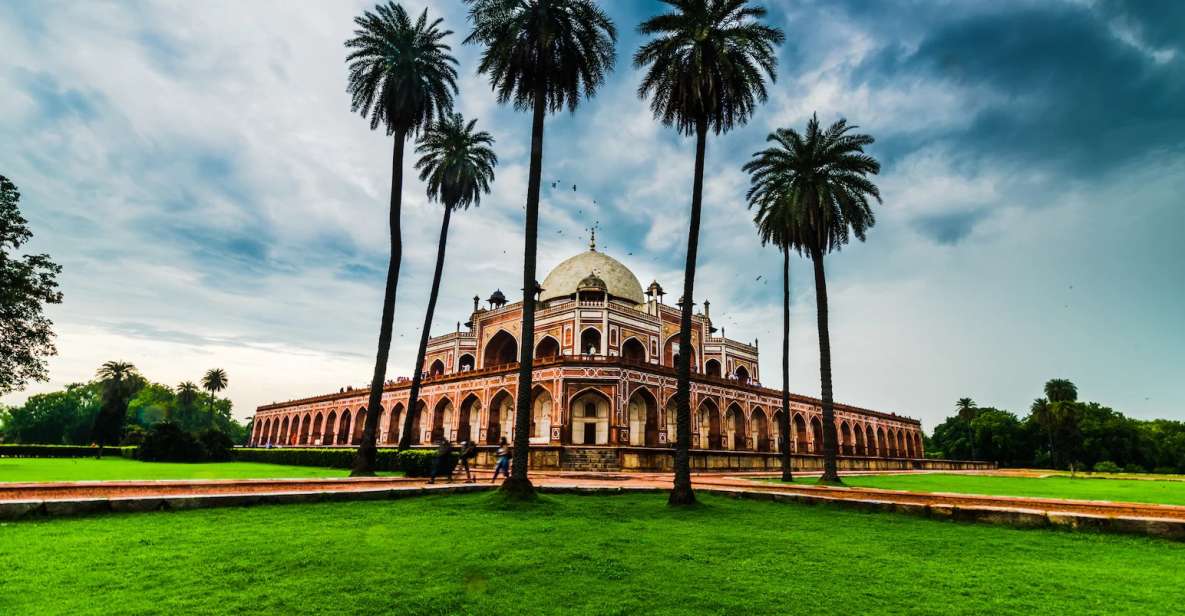
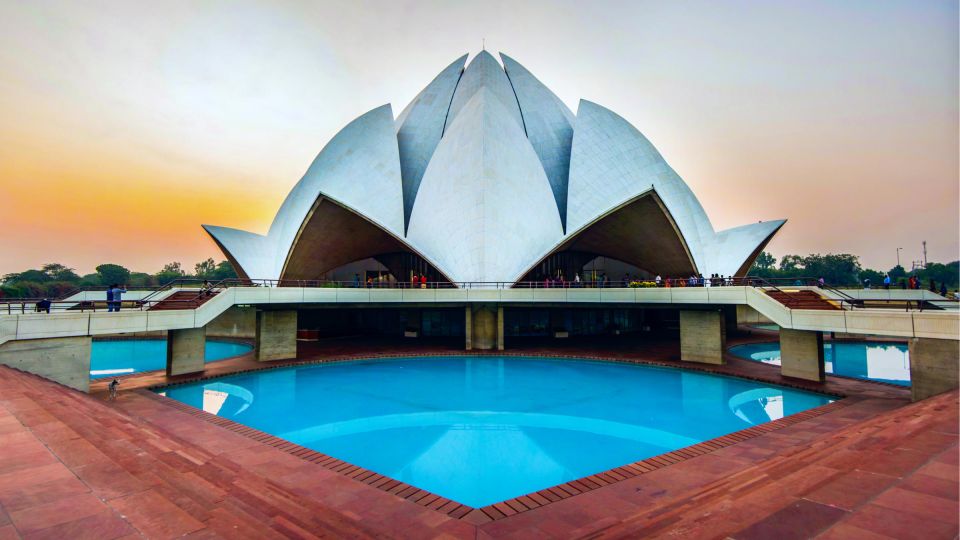
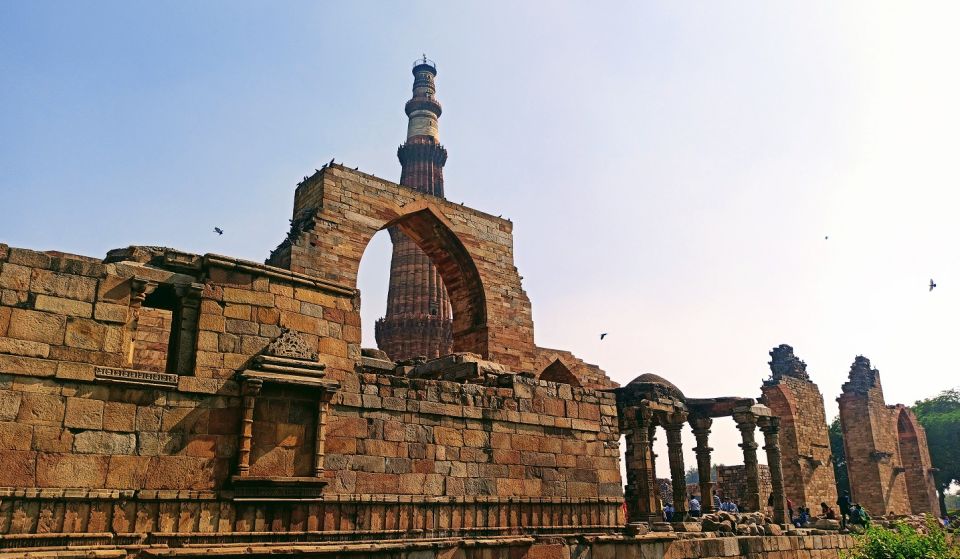
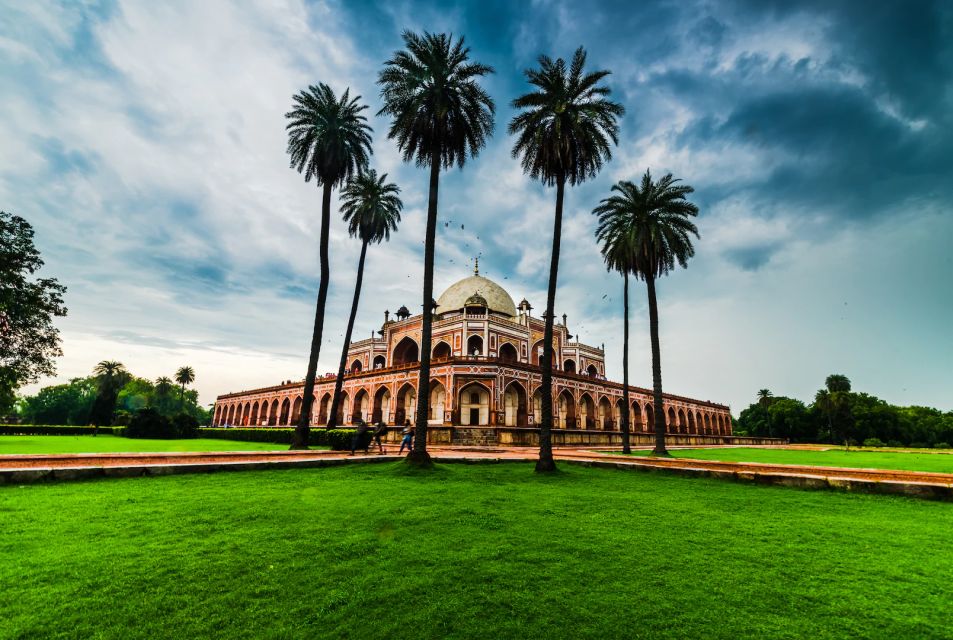
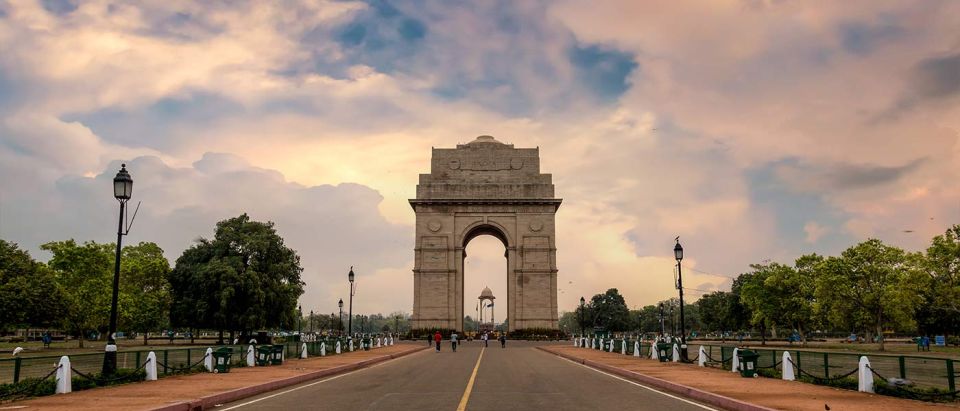
Day 1 starts gently, even though Golden Triangle trips always move fast. Your driver meets you in Delhi at your hotel or at the airport. If your flight gets you in early, you can squeeze in a few major sights first—Humayun’s Tomb, Qutab Minar, and the Lotus Temple are specifically mentioned as options.
Then you’ll shift gears toward Old Delhi for a rickshaw ride. This is the kind of add-on that matters because it changes the rhythm. Instead of only looking out the car window, you get a slower glide through lanes where life is close-up. It’s short, but it’s memorable, and it sets you up for the rest of the trip’s mix of grand monuments and human-scale streets.
You’re also promised guided sightseeing in Delhi that covers UNESCO World Heritage sites. That’s a big deal for a first-time visit, because Delhi’s layers can feel confusing without a guide. The best part of a short tour is focus: you see the major landmarks and you get the “why” behind them before you run out of energy.
By evening, the schedule switches from Delhi sightseeing to the road. You’ll drive about 210 km (roughly 3 hours) to Agra, check in, and call it a day.
You can also read our reviews of more private tours in New Delhi

The drive between Delhi and Agra: how to make hours in the car feel easier
The reality of this tour is simple: you’ll be in a vehicle a lot. The good news is that it’s private, air-conditioned, and built around clear pickup and drop-off timing. That matters when you’re traveling across different cities in only three days.
For value, pay attention to what’s included with the ride. You get private transport, bottled water, and a dedicated driver, not a random shared bus. Some guides and drivers are specifically praised for being prompt and calm on the road, which is exactly what you want when traffic can be chaotic.
Also, the tour uses timed planning to reduce dead time. Instead of forcing you to guess arrival windows, you’re guided from hotel to pickup to entrance to next stop. When you’re short on days, “smooth handoffs” is more valuable than adding one extra viewpoint.
If you’re the type who needs flexibility, this is where it helps. The driver can pick you up from your desired location in Delhi, and the trip ends with an evening transfer to Delhi aligned with your flight schedule.
Day 2 in Agra: sunrise Taj Mahal and the Mughal lineup
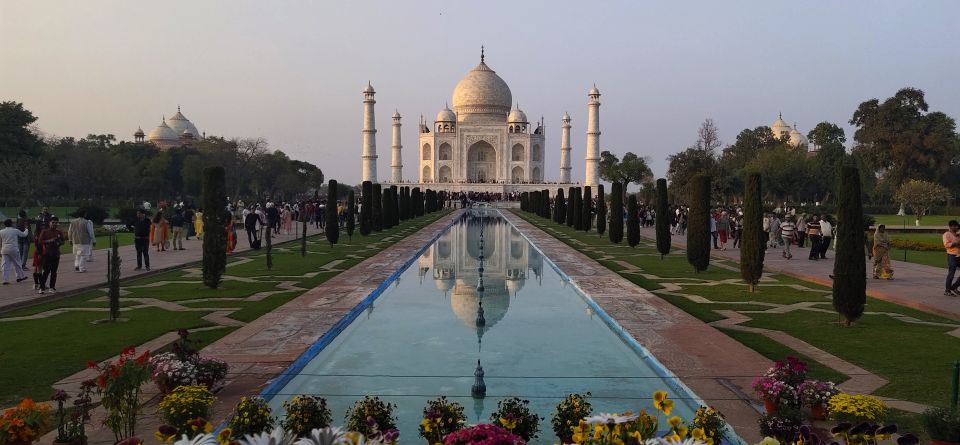
Agra is where the tour earns its name. Day 2 is built around the Taj Mahal early in the morning. Pickup is around 5:30, and this is one of those rare cases where “early” is not a gimmick. Sunrise light makes the marble look more alive, and starting before the busiest stretches helps you avoid feeling rushed.
The Taj Mahal visit is guided, with time to appreciate the structure as more than a famous photo backdrop. You’ll learn the basics that give it meaning: it’s an ivory-white marble mausoleum commissioned in 1631 by Mughal emperor Shah Jahan to house the tomb of his wife, Mumtaz Mahal. If you only remember one thing from this trip, remember that love story context—it explains the obsession with symmetry, materials, and calm grandeur.
After the Taj, the tour doesn’t just toss you into another long queue. It keeps the momentum in a good way. Back at the hotel, you get breakfast, then you move to Agra Fort.
Agra Fort is a former imperial residence of the Mughal Dynasty and also a UNESCO World Heritage site. It’s the kind of stop that changes your understanding. Seeing the fortress after the Taj Mahal helps you connect how rulers lived, controlled power, and shaped the city around them.
Your Day 2 continues by heading to Jaipur, with drive time of about 224 km (roughly 3.5 hours). On the way, Fatehpur Sikri is included, and the tour adds another worthwhile offshoot.
Fatehpur Sikri: the City of Mughals stop that feels like time travel
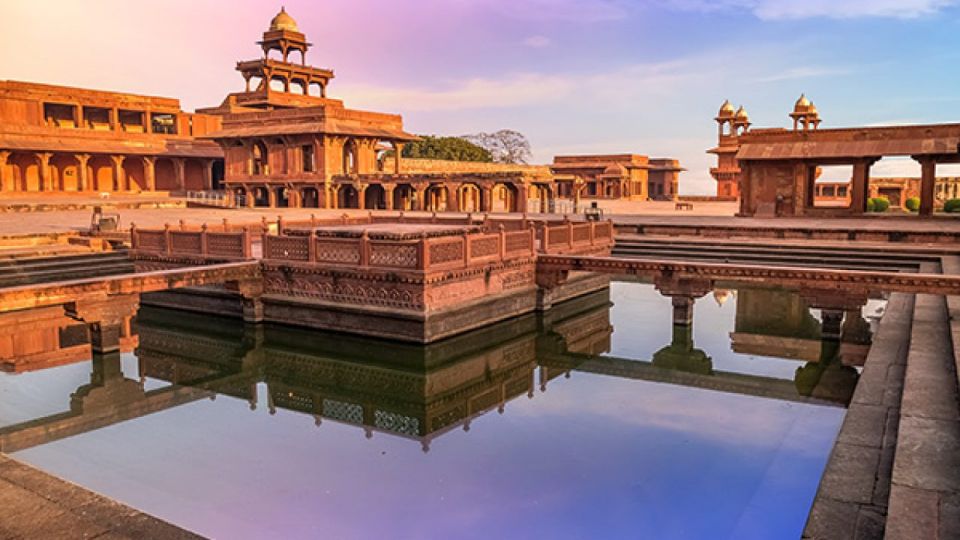
Fatehpur Sikri is one of the most interesting “abandoned grandeur” stops on the route. You’ll travel from Agra toward Jaipur and visit this former city founded in 1569 under the Mughal emperor. The tour frames it as the abandoned City of Mughals, which is exactly the right mindset: you’re looking at what’s left of a place built for a specific moment in Mughal rule.
This is one of those sights where you’ll be glad you have a guide. Without context, you can walk through ruins and just think, cool rocks. With context, you understand why a complex city site matters—how architecture, religion, and royal ambition showed up in physical form.
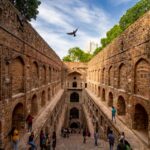
There’s also a mention of Chand Baori, a stepwell built over a thousand years ago in Abhaneri (Rajasthan). The phrasing in the plan suggests it can be visited as an extra stop. If that stop is important to you, ask your guide ahead of time to confirm timing during the transfer day. Stepwells have a specific visual payoff, and this is the kind of add-on people often remember longer than they expect.
Then you reach Jaipur for hotel check-in and overnight rest.
Day 3 in Jaipur: Amber Fort to Hawa Mahal, with the real Pink City vibe
Jaipur is where Golden Triangle tours go from “big monuments” to “big imagination.” Day 3 starts after breakfast with a guided tour of the city’s major sights. The lineup is classic, but it’s still strong—because each stop supports a different angle on Jaipur.
First up is Amber Fort, located in Amber about 11 km from Jaipur. The fort sits high on a hill and is the principal tourist attraction in the area. You can also enjoy an elephant ride at Amber Fort, though the plan doesn’t say it’s a guaranteed included activity. If you want it, plan to confirm pricing and availability on site.
Next is City Palace, a palace complex in Jaipur that includes Chandra Mahal and Mubarak Mahal and other buildings. This part helps you move from forts-as-battlements to palaces-as-living spaces.
Then you’ll hit Jantar Mantar, the astronomical site with nineteen architectural instruments built by Rajput king Sawai Jai Singh and completed in 1734. This stop gives you a different kind of history—science and empire planning fused into structures you can still interpret today.
After that comes Hawa Mahal, the Wind Palace. It’s famous for the screen-like facade designed so women of the royal household could observe street festivals while remaining unseen from outside. It’s one of the clearest examples on the route of architecture being used for privacy, movement, and social life all at once.
And there’s also Jal Mahal, the Water Palace, located in the Man Sagar Lake. The plan notes it was renovated and enlarged in the 18th century by Maharaja Jai Singh II. You’re likely to appreciate it more from viewpoints around the lake than as a hands-on museum stop.
You can also read our reviews of more tours and experiences in New Delhi






Jaipur bazaars and shopping time: what to do if you’re not into the sales push
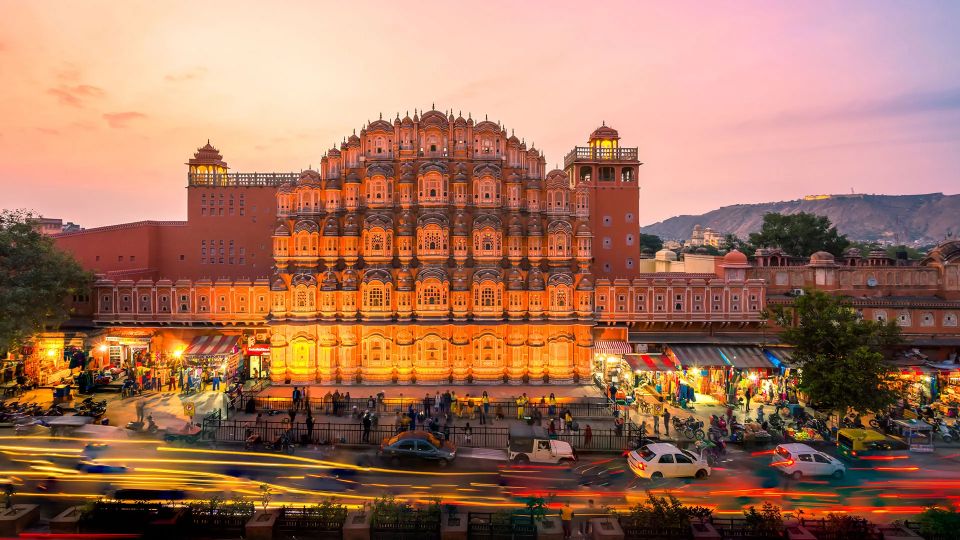
This tour’s marketing includes shopping specialty items, and in practice that can show up as time spent at craft stops. This can be fine if you enjoy browsing, bargaining, and picking up small handmade souvenirs. It’s less fun if your idea of a perfect day is uninterrupted sightseeing.
Here’s my practical advice: decide before you go. If shopping is part of the experience you want, great—bring small bills and move slow. If you’d rather keep your time focused on monuments and streets, tell your guide early that you want fewer stops and more time at the sights. One Jaipur guide was noted for spending time steering guests toward stores, and another guide was praised for staying on topic. You can influence that vibe by communicating your preferences at the start of the day.
Also, plan your energy. Jaipur is the day you’ll see the most variety in a single schedule: fort, palace complex, astronomy instruments, iconic facade views, and lake-side visuals. If shopping takes over, you can lose the “see it all” feeling.
Price and value: is $107 per person a good deal for this route?
$107 per person for a private three-day Golden Triangle tour is the kind of price that only makes sense if you’re getting real inclusions, not just “transport and good luck.” This plan’s value comes from the bundle:
- Private air-conditioned transportation for multiple city-to-city drives
- Two nights in 4-star hotels if you select that option
- Daily breakfast if that option is selected
- Guided tours at the major stops
- Entrance fees if you select that option
- Old Delhi rickshaw ride
- Bottled water and a dedicated driver
If you choose the lodging option, it’s especially good value because you’re not coordinating hotels yourself across three cities. And if you choose entrance fees, you avoid the hassle of figuring out what’s covered once you’re on the ground.
The one “value risk” is this: if you want fewer shopping stops and your guide leans commercial, you might feel like the trip costs you sightseeing time, not just money. That’s not a dealbreaker for everyone, but it’s the main thing to watch given how tight the schedule is.
In short, this is a good deal when you want a private, guided hit of the big names—Taj Mahal, Agra Fort, Fatehpur Sikri, Amber Fort, and Jaipur’s signature landmarks—without the stress of self-planning.
Practical tips that make this 3-day plan actually work
This tour hits a lot of famous places, so your success depends on small choices.
Wear comfortable shoes. Even on guided days, you’ll be walking through courtyards, lanes, and viewpoints. Bring a light layer too—mornings can feel cooler when you’re up early for Taj Mahal sunrise.
Bring the right documents. You’ll need a passport or a copy accepted, and children should bring passport or ID card.
Plan around meals. Breakfast is included only if you select that option. For other meals, the plan doesn’t list them as included, so expect to pay for lunch and dinner yourself unless your provider arranges it during the day.
Finally, know who this is not for. The tour plan says it’s not suitable for pregnant women. That’s usually about long days, walking, and vehicle time.
If you’re in a wheelchair, the plan says wheelchair accessible, so it’s worth confirming the exact route and transfer details with the operator before you go.
Should you book this Golden Triangle tour?
Book it if you want a private three-day route that hits the headline monuments without making you manage logistics across Delhi, Agra, and Jaipur. I’d especially book it if you care about Taj Mahal timing, want guides to explain what you’re seeing, and like the comfort of air-conditioned private transport.
Skip or choose a different style if you dislike shopping stops and you don’t want any time diverted to craft-store visits. This tour can still work—just communicate your preferences on Day 1 and keep your expectations clear.
If you do book, go in knowing the trade-off: it’s packed. You’ll feel the drive days, but you’ll also see the big icons in a way that’s easier than trying to stitch it together yourself.
FAQ
Which cities does the tour cover?
The route covers Delhi, Agra, and Jaipur.
How long is the trip and how many nights are included?
The experience runs for 3 days with 2 nights of hotel accommodation.
Where do you get picked up, and where do you get dropped off?
Your driver picks you up from your hotel or from the airport in Delhi. At the end, you get transferred back to Delhi to match your flight schedule, to the airport or your hotel.
Is there an Old Delhi rickshaw ride?
Yes. A rickshaw ride in Old Delhi is included.
When do you visit the Taj Mahal?
You’ll do an early morning sunrise visit to the Taj Mahal, with pickup around 5:30.
Is Fatehpur Sikri included?
Yes. Fatehpur Sikri is part of the Day 2 transfer time on the way to Jaipur.
What major sights are included in Jaipur?
Jaipur includes stops at Amber Fort, City Palace, Jantar Mantar, Hawa Mahal, and Jal Mahal, plus local bazaars.
What’s included in the price?
The included items list private air-conditioned transportation, guided tours, a private driver, bottled water, and a rickshaw ride in Old Delhi. It also notes that 2 nights in a 4-star hotel, daily breakfast, and entrance fees are included if you select those options.
What cancellation and pay-later options are offered?
The plan offers free cancellation up to 24 hours in advance for a full refund, and a reserve now & pay later option is available.