REVIEW · NEW DELHI
4-Days Private Golden Triangle Tour: Delhi, Agra & Jaipur
Book on GetYourGuide →Operated by Amin Tours · Bookable on GetYourGuide
Sunrise in the Taj is the main event. This 4-day private route stitches Delhi, Agra, and Jaipur into one smooth plan, with a guide who helps you see more than just the postcard angles.
I really like the way this tour builds around the big moments: Taj Mahal at sunrise with your own guide, plus a day in Delhi that actually touches the old-city details (Chandni Chowk, Jama Masjid, and the stepwell at Agrasen ki Baoli).
One thing to keep in mind: it’s a quick hit, so Day 4 can feel more like a transfer than a full sightseeing day, and you’ll likely budget for monument entry fees paid on arrival.
Key points to know before you go
- Taj Mahal sunrise with a private guide to help you time it right and get great views
- Old Delhi day: markets and major religious sights, plus a real stepwell stop at Agrasen ki Baoli
- Agra Fort and Baby Taj for more than just the Taj photo
- Jaipur forts and palaces with Jantar Mantar added for the tech-and-history fans
- Private car + driver means less hassle in traffic and safer-feeling logistics
In This Review
- Golden Triangle in a private bubble: what 4 days gets you
- Day 1 in Delhi: modern icons, then Old Delhi step-by-step
- The comfort transfer to Agra: why sleeping there matters
- Taj Mahal sunrise with your own guide: how the timing changes everything
- Agra Fort and Baby Taj: the quieter wins beyond the main icon
- Heading to Jaipur the same trip: switching gears without losing momentum
- Day 3 Jaipur: forts, palaces, and Jantar Mantar in one well-packed day
- Day 4 wrap-up: drop-off in Jaipur or drive back to Delhi
- Hotels and daily breakfast: where comfort shows up, and where it can vary
- Private driver and guides: why service quality matters here
- Price and value vs entry fees: what $147 buys, and what to budget
- Who should book this private Golden Triangle route?
- Should you book it? My practical take
- FAQ
- How does pickup and drop-off work?
- What languages are offered for the live tour guide?
- Is the Taj Mahal included with sunrise timing?
- What’s the hotel style and meal included?
- Are rooms twin-sharing?
- Can the itinerary be customized?
- What documents do I need?
Golden Triangle in a private bubble: what 4 days gets you
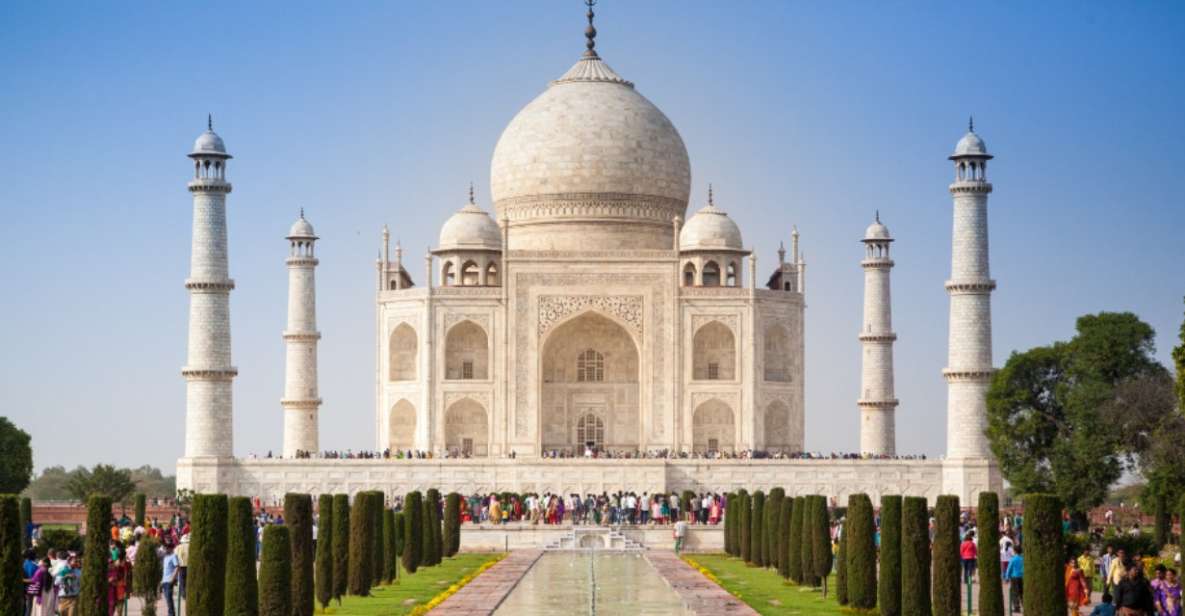
The Golden Triangle is famous for a reason. But doing it “on your own” can turn into a lot of shouting over traffic, searching for tickets, and losing time between places. This private setup is built to reduce that friction. You get a dedicated driver and a guide (English among many other languages), plus a car that shuttles you point-to-point between Delhi, Agra, and Jaipur.
For me, the value isn’t just comfort. It’s time saved. In a short trip, that matters. You’re not spending hours coordinating transport or figuring out which stops are worth your energy. The plan also gives you a guide’s eyes on the best photo moments and the right pacing—especially for the Taj Mahal sunrise.
If you like structure but still want flexibility, this tour can be customized. That’s useful when you’re trying to match your interests—architecture, street life, photography, or simply moving efficiently without rushing.
Day 1 in Delhi: modern icons, then Old Delhi step-by-step
Delhi can feel huge, so I like that Day 1 gives you both sides: big, recognizable sights and the older lanes where the city’s daily rhythm shows up.
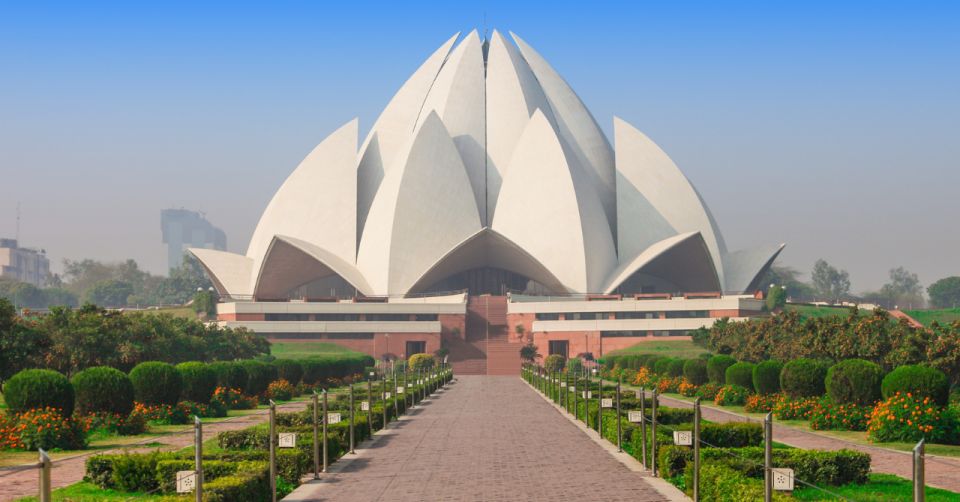
Your day starts with stops around South/Central Delhi. You’ll visit places like Qutub Minar, the Lotus Temple, and Humayun’s Tomb. Then you get panoramic pass-bys of major landmarks such as Red Fort, India Gate, and government buildings including Parliament House and the President’s House. Even when you’re only driving past, it helps you build a mental map fast.
The real payoff comes later with Old Delhi. You’ll spend time around:
- Chandni Chowk, one of the best-known market corridors in India
- Jama Masjid, a major mosque and a strong visual anchor
- Khari Baoli, known for spice trading energy
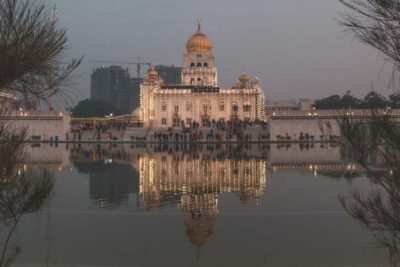
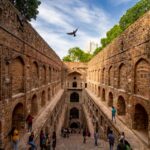
- Agrasen ki Baoli, a historic stepwell that’s easy to miss when you’re not guided
If you’ve never walked a big Indian market before, your guide’s role is more than pointing. They help you navigate crowds and keep you oriented. And since you’re going with a private driver, you’re not dealing with the stress of finding your way back to a meeting point across a maze of lanes.
Practical tip: wear shoes you can walk in for a while. Delhi’s Old City is not the place for fragile soles.
You can also read our reviews of more private tours in New Delhi


The comfort transfer to Agra: why sleeping there matters
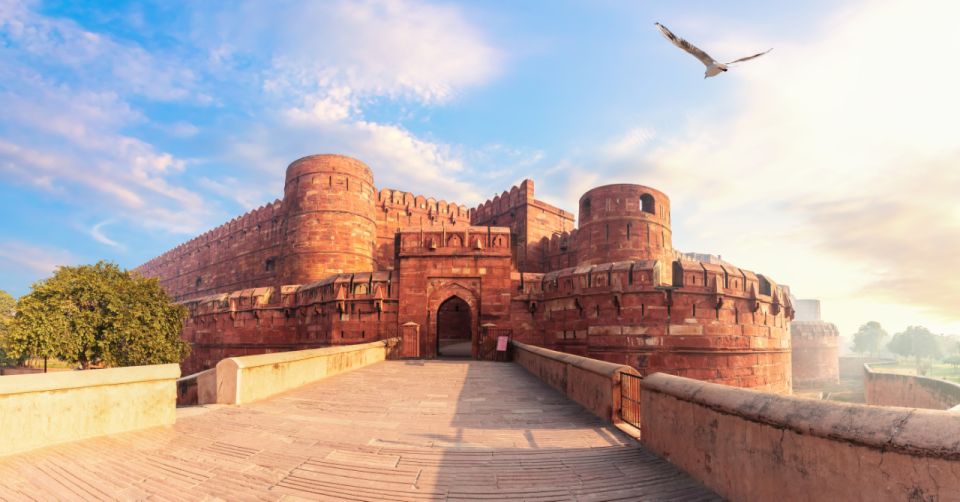
After the Delhi day, you drive to Agra for an overnight stay. That night is what sets up Day 2’s best moment: the early-morning Taj Mahal.
A lot of Golden Triangle itineraries try to “do the Taj” as a quick sunrise-and-leave situation. The difference here is that you’re already in Agra. That usually means less wasted time and fewer last-minute scramble problems. Your driver and guide handle the morning timing, which is the part that can make or break the experience.
Also, Agra is the right base for focusing on the Taj area and Agra’s historic core. You get a more coherent day rather than hopping from one city schedule to another.
Taj Mahal sunrise with your own guide: how the timing changes everything
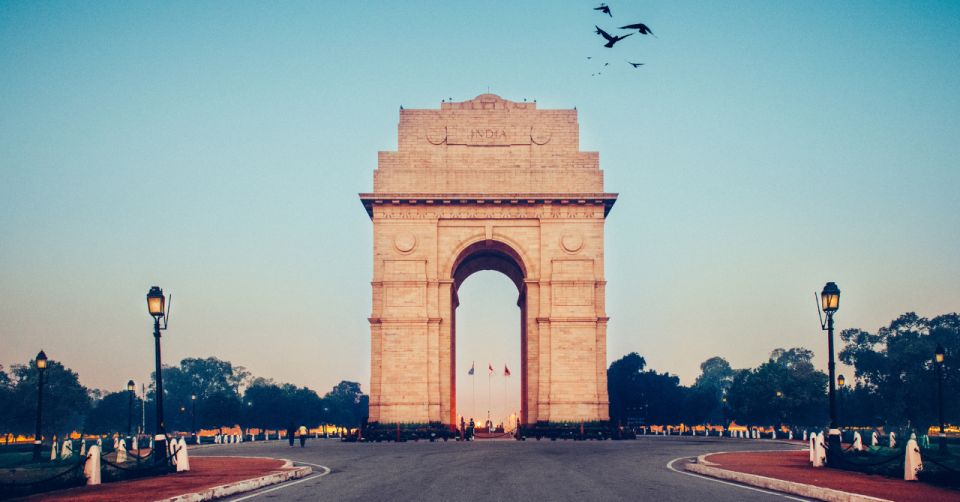
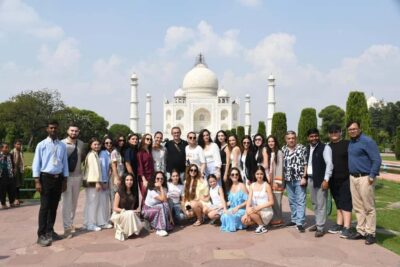
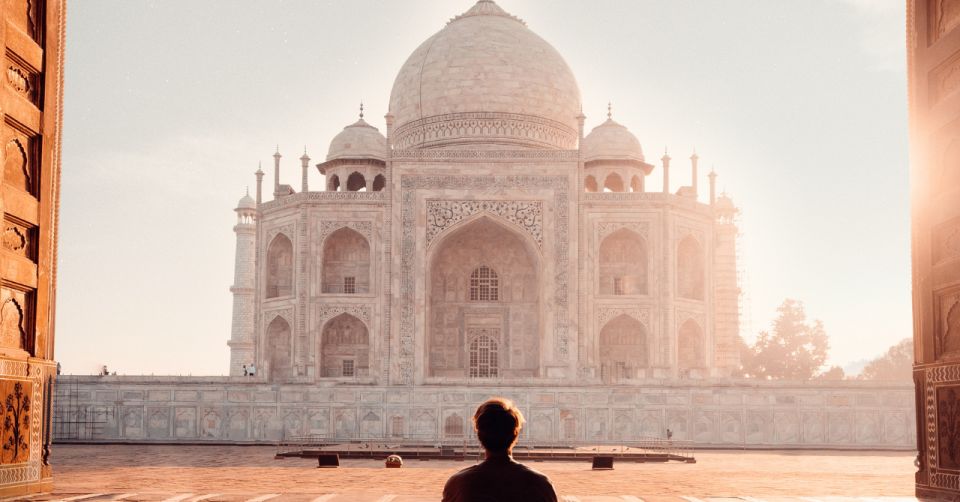
Day 2 starts with the sunrise plan at the Taj Mahal, and this is where the tour earns its reputation. The Taj is special at any hour, but sunrise gives you softer light and a calmer vibe than later in the morning. Your private guide matters here because they can help you choose viewing angles and avoid wasting time standing in the wrong spot.
One thing to take seriously: weather and visibility. Fog can happen, and when it does, the Taj experience shifts from sharp-and-sparkling to a more muted, almost ghostly look. That’s still unforgettable, but it’s good to know your best-view plan may depend on the morning conditions.
After the Taj, you continue with Agra Fort and the Baby Taj. This is smart pacing. You’re not leaving Agra immediately after the most famous monument. You’re building context for how the Mughals shaped the city.
Agra Fort and Baby Taj: the quieter wins beyond the main icon
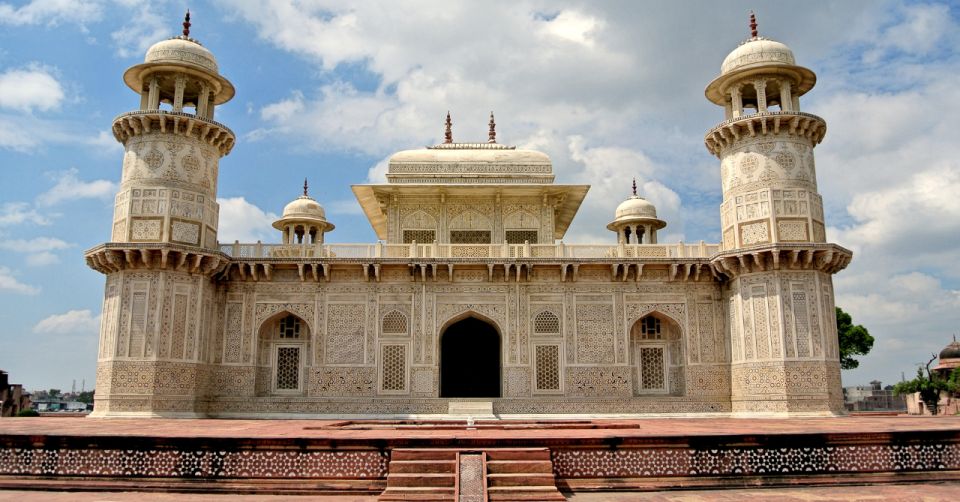
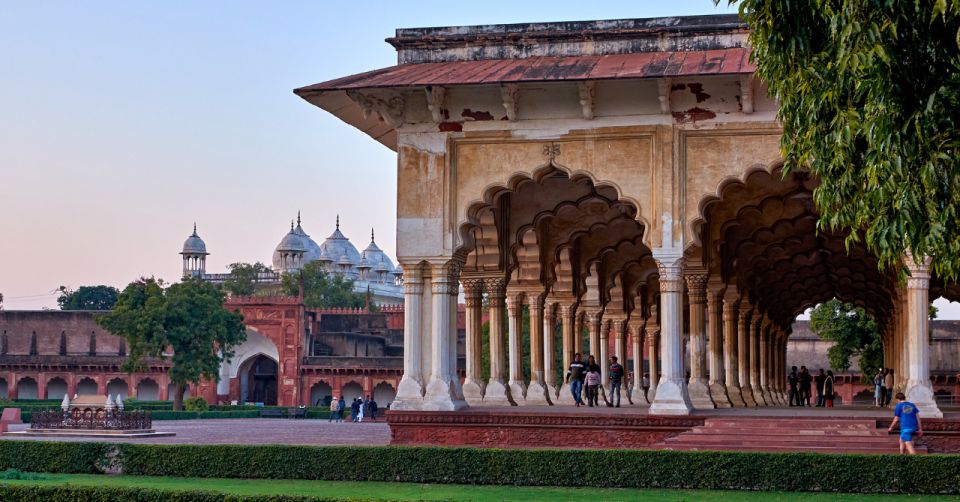
The Taj Mahal is the headline, but Agra has depth. Agra Fort brings you from romantic architecture into the feeling of a fortified capital. You see how power was built, guarded, and displayed. It also gives your Taj morning extra meaning, because you start recognizing the design language connecting different sites.
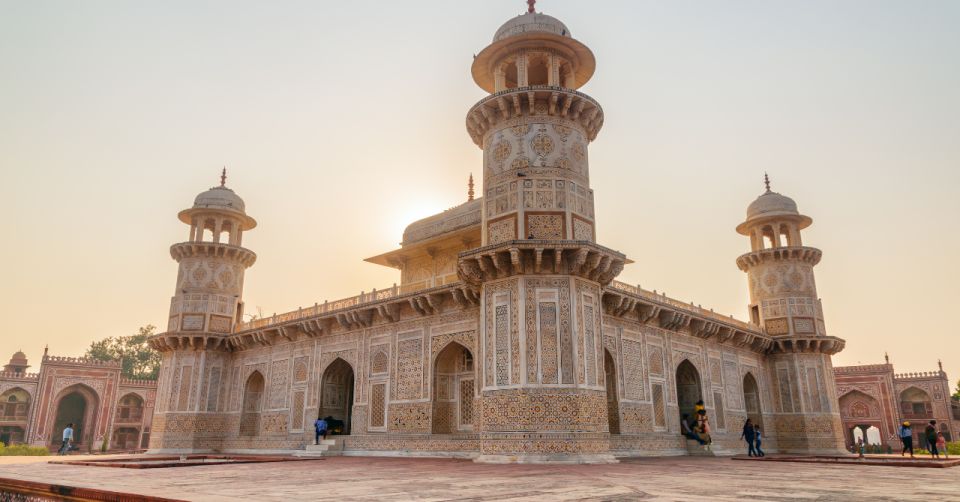
Then there’s Baby Taj. It’s smaller, more intimate, and a great palate cleanser after the intensity of the main complex. I like that this tour includes it because it helps you avoid the trap of spending every minute chasing one famous landmark.
Photo note: many guides are good at “tour commentary.” What makes the experience better is when they know where to stand for good pictures without you doing trial-and-error all morning. In the feedback for this kind of tour, that photo-help shows up again and again.
Heading to Jaipur the same trip: switching gears without losing momentum
You’ll drive to Jaipur after Agra. The schedule is built so you check into your hotel for a relaxing night and don’t try to force more major sightseeing late in the day.
This matters because Jaipur rewards slower wandering. When you arrive tired, you miss details like how the light hits palaces or how the city layouts affect your views. Even a short break helps you enjoy Day 3 with more energy.
If you start the tour on a Thursday, your second day will be in Jaipur, which can shift your exact city order. The core highlights stay the same—you’re just flipping the sequence of the route.


Day 3 Jaipur: forts, palaces, and Jantar Mantar in one well-packed day
Jaipur can look like a set from a movie: pale walls, big horizons, and dramatic architecture. The tour uses that look but also gives you stops that explain how the city worked—socially, politically, and scientifically.
You’ll visit:
- Jaigarh Fort, which adds a commanding view-from-the-top feel
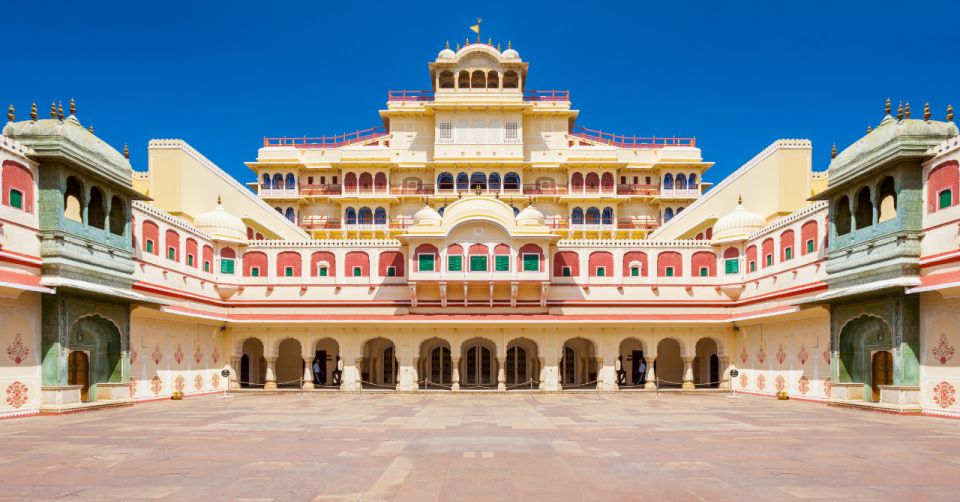
- City Palace, for royal-era context and design details
- Jal Mahal, the “water palace” perspective point
- Hawa Mahal, the iconic facade that people often recognize even before they reach it
- Jantar Mantar, the observatory where you can see how measurement and astronomy were built into daily knowledge
This mix is good because it doesn’t turn Jaipur into only a photo hunt. You also get structure: fort strategy, palace life, and then the observatory’s practical science.
And yes, you’ll also get to enjoy authentic Rajasthani flavors. Food is where a short trip becomes memorable, not just “seen.”
If you’re a photography person, this day is a strong match. In the feedback for this style of tour, guides are often praised for helping with angles and for taking care of group photos. Even if you’re traveling solo, having guidance for picture spots saves a lot of awkward repositioning.
Day 4 wrap-up: drop-off in Jaipur or drive back to Delhi
On the final day, you can choose a drop-off in Jaipur or take the comfortable drive back toward Delhi. This is practical if you’re already planning something else at either end.
Keep your expectations realistic: Day 4 is usually lighter on sightseeing. Some itineraries try to squeeze one more monument into the schedule, but here the emphasis is on ending cleanly and letting your next plan start without stress.
That also affects value. If you prefer a heavier “every day is a new adventure” itinerary, you may feel the Day 4 portion more as logistics than sightseeing. If you’re more about seeing the big sights with less fatigue, it works well.
Hotels and daily breakfast: where comfort shows up, and where it can vary
The tour includes handpicked 4-star or 5-star hotels with daily breakfast. That’s a big deal in India. After long sight days, breakfast plus a comfortable room helps you recover instead of spending your evening hunting for decent food or dealing with messy accommodations.
The quality can vary by the specific hotel available on your dates. For example, one stay in Agra was praised as excellent, while a Jaipur hotel on another date was described as run down with Wi-Fi issues. That doesn’t mean your booking will be like that, but it’s a useful reality check: “4-star or 5-star” depends on what’s available when you travel.
Room setup is typically twin-sharing. If you book as 3 people, the default is triple-sharing unless you pay for a different arrangement. If you want two rooms for 3 guests, plan for the extra cost.
Practical tip: if hotel comfort is a top priority for you, ask your operator what property is confirmed for your exact travel dates.
Private driver and guides: why service quality matters here
The best part of this tour type isn’t a checklist. It’s the people doing the work behind the scenes: driver safety, guide pacing, and smooth communication.
Across the experiences for this route, several guide names come up with consistent praise:
- Vishal Garg for deep context around the Taj Mahal and Agra Fort
- Harshit Patel for strong Delhi navigation and clear explanations
- Kevin for a well-run Agra day and guide-and-driver teamwork
- Vimal Mathur for history plus practical photo help
- Zuper and Somaan for keeping the experience lively and easy to follow
- Sadiq for getting the best Taj viewpoints
- Kishore Soni and Azhar Uddin for strong Jaipur and fort/palace understanding
Drivers also earn repeat kudos for safe driving in tough traffic and for being attentive. Names like Buhpinder, Dilipbagh, Raja, Parminder, Sunder Singh, and others appear with praise for punctuality and careful handling.
There’s another small service detail that matters: flexibility day-to-day. In feedback tied to similar itineraries, the best-run trips mention quick problem-solving and day adjustments via messaging, which helps when you hit weather changes or timing shifts.
Price and value vs entry fees: what $147 buys, and what to budget
At $147 per person for 4 days, this tour can be a strong deal if you value three things: private transport, guided site time, and hotel stays with breakfast. Golden Triangle itineraries add up fast if you price hotels, entry tickets, private drivers, and tour guides separately.
Here’s the budget reality check. One downside that shows up with this kind of package is that monument entry fees are usually paid separately on arrival. The tour package is mostly built around transport, hotels, and a set amount of guide time. So you should add a chunk of money for tickets, plus meals beyond breakfast.
Also plan for special date costs. On December 24 and December 31, you may face hotel blackout dates with a mandatory gala dinner that adds $99 per person if you book accommodations during that period. If you’re traveling around New Year, this can change the total trip price more than you’d expect.
Bottom line: the $147 price looks best when you treat the trip as a “bundle” of logistics. If you already planned your own driver or you’re only after self-guided wandering, it may not beat cheaper options.
Who should book this private Golden Triangle route?
This is a great fit if:
- you want a private car instead of fighting for seats or meeting points
- you care about Taj Mahal sunrise timing and want a guide to help with the photo/view strategy
- you like having a plan but still want customization
- you prefer 4-5 star hotels and breakfast included rather than hunting daily
I’d think twice if:
- you dislike early starts. Sunrise is the heart of Day 2
- you want a packed “sightseeing every day” schedule without transfer-heavy moments
- you’re trying to keep costs super low, since entry fees and non-breakfast meals will likely add up
For families, couples, and solo travelers who want less stress and more clarity, it’s an efficient way to do the Golden Triangle.
Should you book it? My practical take
I’d book this tour if your priority is classic highlights—Taj Mahal sunrise, Agra Fort, and Jaipur’s forts/palaces—done with minimal hassle. The private driver and dedicated guide time are the parts that make a short trip feel like it’s working for you, not against you.
If you’re price-sensitive, do the math early: entry fees on arrival, lunches/dinners, and any date-specific gala dinner costs. Then decide if you’d rather spend your time saving money with a DIY plan, or spending it buying smoother logistics.
If you want my quick decision checklist: choose it when you value time, guidance, and comfort. Skip it when you’d rather handle transport and ticketing yourself and you don’t care about sunrise timing.
FAQ
How does pickup and drop-off work?
Pickup and drop-off are available to or from any location in Delhi NCR, including hotels, airports, train stations, and private residences in Delhi, Noida, Gurugram, Ghaziabad, and Faridabad.
What languages are offered for the live tour guide?
The tour guide can speak English, Hindi, Spanish, German, French, Italian, Russian, Japanese, or Chinese.
Is the Taj Mahal included with sunrise timing?
Yes. The tour includes a sunrise Taj Mahal visit with your private guide.
What’s the hotel style and meal included?
Hotels are generally handpicked 4-star or 5-star properties, and daily breakfast is included.
Are rooms twin-sharing?
Rooms are generally provided on a twin-sharing basis. For 3 guests, triple-sharing is the default unless 3 people prefer 2 rooms, which requires an additional charge.
Can the itinerary be customized?
Yes. The tour can be customized according to your requirements.
What documents do I need?
You’ll need a passport or ID card.