REVIEW · NEW DELHI
Delhi: 2-Day Delhi & Taj Mahal Tour by Car
Book on GetYourGuide →Operated by Keeper Landwey · Bookable on GetYourGuide
Two days in India can feel like a week. This private car tour strings together Old Delhi culture, New Delhi landmarks, and then the Taj Mahal at sunrise in Agra.
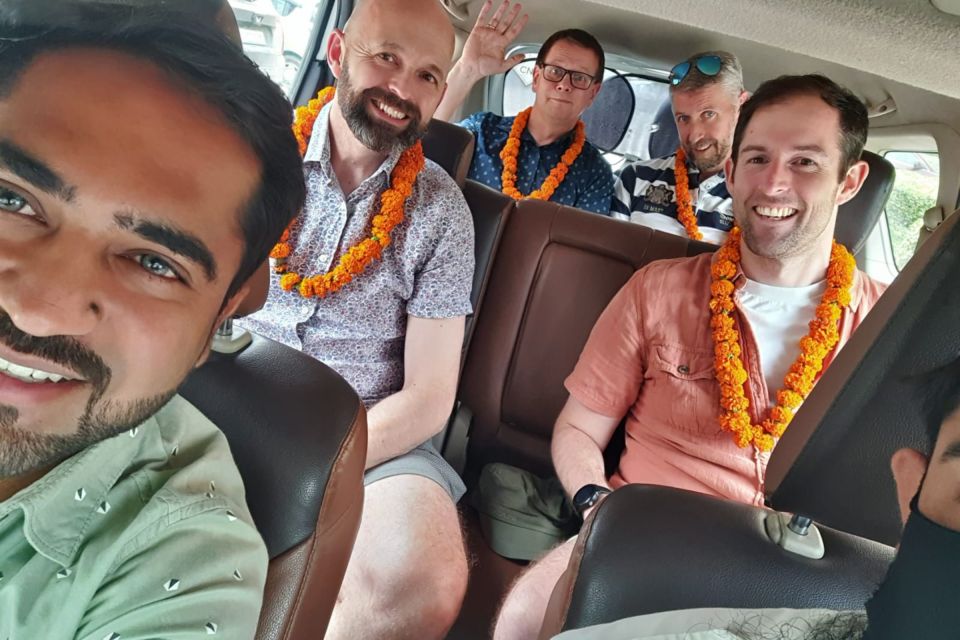
I especially like the pairing of a personal guide with an in-the-background driver. On the Delhi side, guides such as Arun have a knack for slowing the story down just enough so you notice details, and on the Agra side, Nasir’s passion makes the Taj Mahal feel less like a postcard. I also like that the driver (for example, Raja) is praised for safe, steady driving, which matters in Delhi and Agra traffic.
One thing to consider: this is a fast-hit itinerary. You’ll be early for the Taj Mahal, there’s a 3.5-hour drive to Agra, and the Taj Mahal is closed every Friday—so your day of travel really matters.
In This Review
- Key highlights worth your attention
- Why This Private Delhi + Agra Car Tour Feels Easier Than DIY
- Day 1: Old Delhi + New Delhi Landmarks Packed Into One Smooth Flow
- Specific Stops on Day 1: What’s Special (and What to Watch For)
- The Evening Drive to Agra: 3.5 Hours That You’ll Actually Need
- Day 2 Sunrise Taj Mahal: The Main Event, Done Right
- How to make the sunrise experience work for you
- Agra After the Taj: Red Fort and What Your Guide Adds
- A possible bonus stop: Baby Taj (if time and guide plan align)
- How the Skip-the-Line and Guide Team Keep the Pace Bearable
- Safety, Comfort, and the Car Factor (Especially in Traffic)
- Price and Value: Is $390 per Person Fair for This Two-Day Setup?
- Who This Tour Is Best For (and Who Should Rethink It)
- Quick Planning Tips Before You Go
- Should You Book This Delhi and Taj Mahal Sunrise Tour by Car?
- FAQ
- Where can pickup happen for this Delhi and Agra tour?
- Does the tour include skip-the-line entry?
- Is the Taj Mahal open every day?
- What languages can the live tour guide speak?
- Is the tour wheelchair accessible?
- What should I bring with me?
- What is the cancellation policy?
Key highlights worth your attention
- Private guide + air-conditioned car means you’re not guessing how to order your day
- Old Delhi to New Delhi gives you two different Delhi vibes with minimal hassle
- Sunrise at the Taj Mahal is the big centerpiece, with outside and inside time
- Agra Red Fort rounds out the trip beyond just one monument
- Safety and comfort in heavy traffic come up again and again in the feedback
- Multilingual guides make the explanations easier, especially on tight schedules
Why This Private Delhi + Agra Car Tour Feels Easier Than DIY
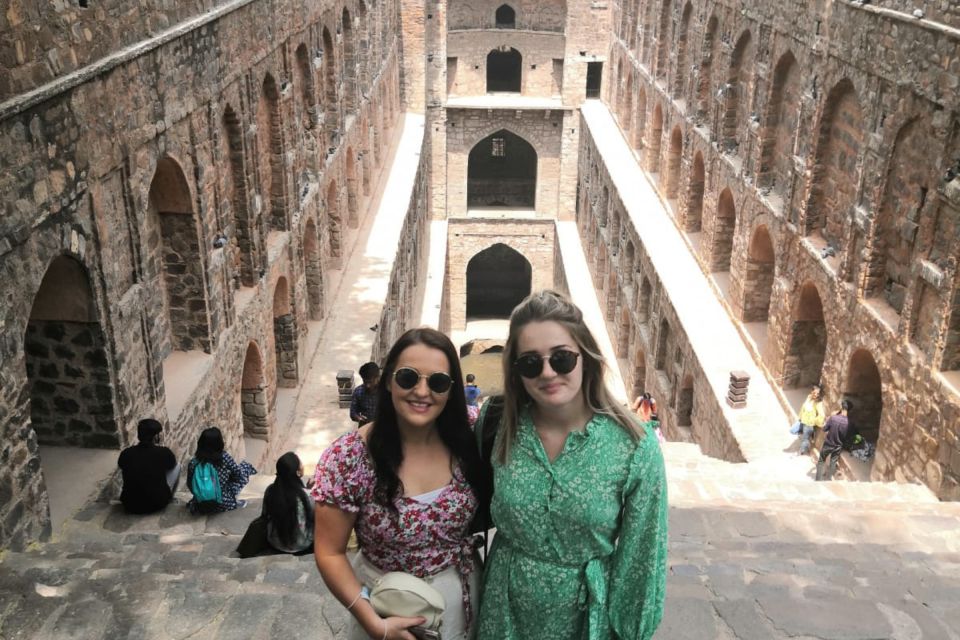
Delhi and Agra are not a place where you want to spend your energy figuring out transport, tickets, and timing. This tour hands you a private driver and a live guide, then keeps your movement practical: pickup, sightseeing blocks, and the intercity transfer to Agra without the usual scramble.
The best part is how the “big sights” get organized into a route you can actually enjoy. Instead of hopping between scattered neighborhoods with multiple taxis, you ride in one air-conditioned car while your guide connects the dots—religion, empire, architecture, and even why certain places sit where they do.
And yes, you’re paying real money. But you’re also paying for time saved: skip-the-line entry, a guide who can explain what you’re looking at, and a driver who’s focused on getting you there safely.
You can also read our reviews of more tours and experiences in New Delhi



Day 1: Old Delhi + New Delhi Landmarks Packed Into One Smooth Flow
Day 1 is designed to cover the Delhi “starter pack,” but with order. Your day begins with pickup (from your hotel or the airport area within the National Capital Region), then you set out across Old and New Delhi so you don’t waste your limited hours on travel back and forth.
In Old Delhi, the tour hits major religious and historic stops, plus the old-market feel. Expect stops such as Jama Masjid and Chandni Chowk, which are exactly the kind of places where a guide’s context makes your photos and your walking feel purposeful rather than random.
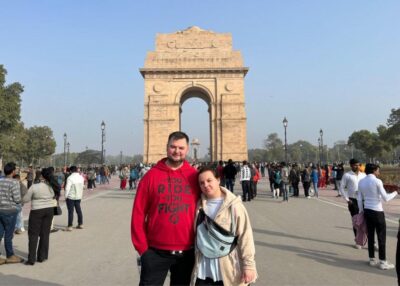
In New Delhi, you pivot to monumental government and diplomatic landmarks—places like India Gate and Parliament House. This shift is useful. Old Delhi shows you Delhi as lived religion and trade; New Delhi shows you Delhi as a planned capital with grand axes and imperial-era design.
Specific Stops on Day 1: What’s Special (and What to Watch For)
Here’s what stands out among the Day 1 list, and why it’s worth your attention:
Gandhi Smriti
This stop gives you the human scale behind India’s modern story. It’s a quieter contrast to the louder streets around Jama Masjid and the market lanes.
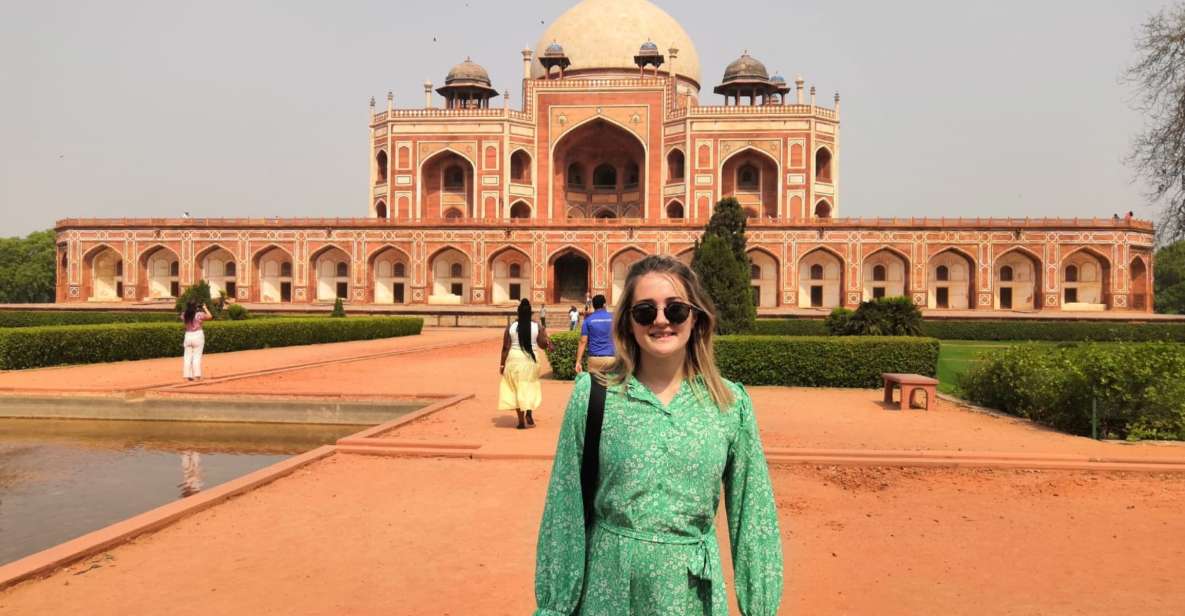
Humayun’s Tomb
If you like Mughal architecture, this is one of the stops where details matter. A guide can point out design ideas and the logic behind the complex symmetry, not just the fact that it’s old.
Akshardham
This is the kind of place that can be hard to read without help. With a guide, you’re more likely to notice the symbolism and the care that went into the visual program.
Jama Masjid and Chandni Chowk
These two work as a pair. Jama Masjid is the big spiritual anchor; Chandni Chowk is the real-world street-energy around it. Wear comfortable shoes and expect your pace to slow when you want to look up at carvings and domes.
Qutub Minar
This is one of those “how is this still standing” moments. The guide’s explanations help you understand why it’s a landmark and not just a tall tower.
India Gate and Parliament House
These stops help you see why New Delhi feels different. If you’ve only ever heard Delhi described as chaotic, this part gives you proof of the capital-city planning behind the scenes.
Potential drawback on Day 1: the timing can feel intense. You’ll be moving across neighborhoods, and Delhi traffic can swing your schedule. The good news is you’re not driving yourself, and the guide can help keep your day from turning into a stress marathon.
The Evening Drive to Agra: 3.5 Hours That You’ll Actually Need
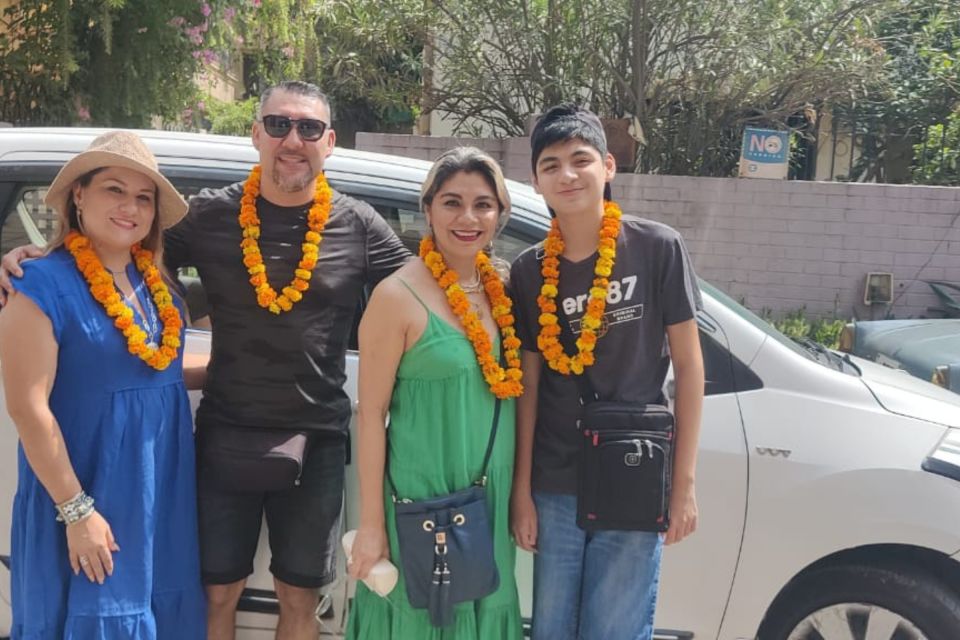
In the late part of Day 1, you’ll depart Delhi for Agra, a 3.5-hour journey by car. This is a key part of the itinerary, because it sets you up for the early morning plan.
A private car makes a huge difference here. Reviews repeatedly mention drivers who are safe and careful in traffic, even when roads feel chaotic. If you’re prone to motion sickness, this is one of the places where a careful driver matters—feedback specifically notes comfort and safe driving in the car.
Practical tip: if you’re carrying luggage, the tour notes you can leave it in the car while you visit the different sights. That’s one less thing to worry about when you’re hopping between stops.
Day 2 Sunrise Taj Mahal: The Main Event, Done Right

Day 2 starts early for the sunrise at the Taj Mahal, and that time choice is not random. Sunrise light tends to flatten shadows and bring out the stone color in a way that feels almost unreal. The result is that you see why this monument gets treated like more than a tourist stop.
The tour is set up so you don’t just glance and leave. You get time to view the Taj Mahal outside and inside. Going inside matters because you start noticing proportions, materials, and layout choices that you won’t catch from the outside alone.
A very important planning note: the Taj Mahal is closed every Friday. If your trip lands on a Friday, you’ll want to avoid booking this exact format for that day, or you’ll need an alternate plan.






How to make the sunrise experience work for you
You’ll want to treat this like a photographic moment but also like a historical moment. The guide’s job is to keep you from just watching the light change on stone—so you learn what you’re looking at while the crowd energy stays manageable.
If photos are high on your list, there’s a consistent theme in the feedback: guides are praised for taking great pictures with your phone. It’s worth asking your guide for a few shot ideas when you arrive, because angles change fast once the sunrise window tightens.
Agra After the Taj: Red Fort and What Your Guide Adds
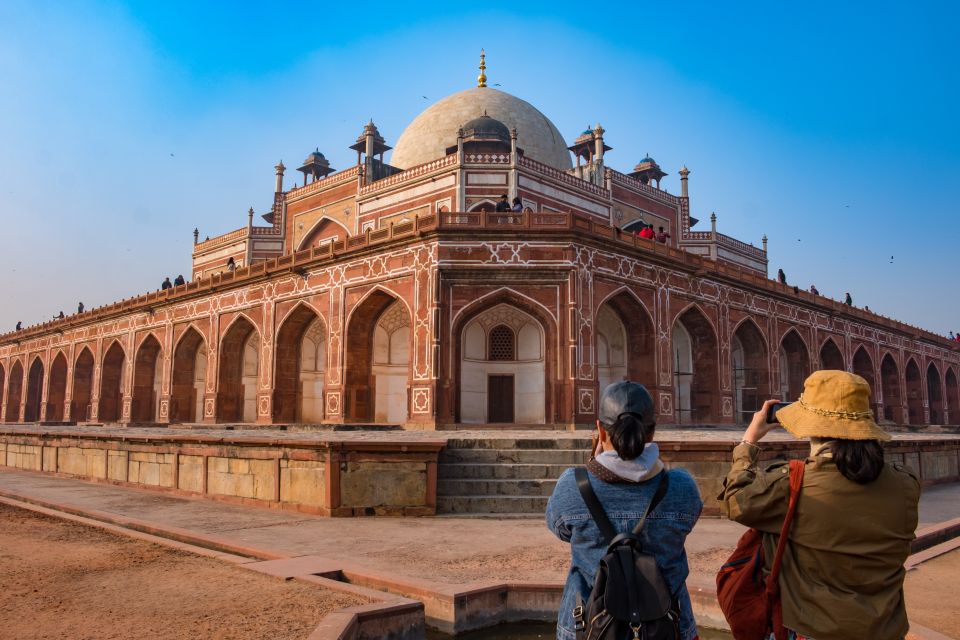
After sunrise and Taj Mahal time, the tour returns for breakfast and then transitions again. You check out and head to the Agra Red Fort, where the focus shifts from marble to power—brick, stone, and Mughal-era design choices.
Red Fort is a strong second anchor because it broadens the story. The Taj Mahal is about legacy and devotion; the Red Fort is about administration, defense, and the way rulers marked authority in architecture.
A detail that shows up in feedback: your guide may explain not just what Red Fort is, but why it matters in the larger arc of the Mughal empire and how the Taj fits into that worldview. That’s the kind of context that turns a site visit into a real memory.
A possible bonus stop: Baby Taj (if time and guide plan align)
Some Agra guides also add time for Baby Taj, which several people in the feedback described as spectacular and often less crowded. It’s not guaranteed as a formal promise in every version of the tour format, but it’s something your guide may suggest if your timing allows.
How the Skip-the-Line and Guide Team Keep the Pace Bearable

A two-day plan like this lives or dies on scheduling. This tour includes skip-the-ticket-line, and that one element can save a surprising amount of time when you’re dealing with high visitor volumes.
The guide experience is the other half. The feedback is filled with examples of guides adjusting to pace and spending real time explaining. Names that come up include Arun and Nasir for the Delhi and Agra portions, plus guides like Aamir, Abhishek, Riyaz, and Pradeep who are repeatedly praised for clear, patient explanations and good English.
This matters because Delhi and Agra can feel overwhelming on your own. A good guide helps you do three things fast:
- notice what to look for (not just where to stand)
- understand why it was built (so it sticks)
- keep you from feeling rushed by the clock
Safety, Comfort, and the Car Factor (Especially in Traffic)

You’re in a private car for both days, and that’s a big deal in this part of India. Traffic is unpredictable, and you don’t want to spend your trip tense.
Across feedback, the drivers are repeatedly described as safe, careful, and punctual. There’s even specific mention of drivers helping passengers feel secure and comfortable during long drives, including support for motion sickness.
Comfort-wise, the tour notes an air-conditioned vehicle, and reviews also mention cold water being offered. Small touches like that add up when you’re walking, waiting, and moving through heat.
Price and Value: Is $390 per Person Fair for This Two-Day Setup?

At $390 per person for a 2-day private Delhi-and-Agra car tour, the price only makes sense if you factor in what’s included—not just what you see.
Here’s what you’re paying for:
- a private air-conditioned car (not shared shuttles)
- a live guide (not a generic audio tour)
- skip-the-ticket-line
- a structured two-city route with the intercity transfer
- a sunrise-centered Taj schedule and Agra Red Fort follow-up
If you try to DIY this with separate taxis, ticket lines, and the guesswork of timing, your costs can creep up fast. Plus, your real expense is time and mental load. This tour is basically buying you sanity in exchange for money.
That said, it’s not a bargain for everyone. If you love slow travel and want to spend extra time in fewer places, you might feel the schedule is tight.
Who This Tour Is Best For (and Who Should Rethink It)

This is a smart choice if you:
- have a short stop in Delhi and want to tick off the must-sees
- prefer private transport and guided explanations
- want the Taj Mahal at sunrise without worrying about logistics
- care about safe, careful driving in heavy traffic
It may not be the best fit if you:
- want a relaxed day with lots of free time wandering
- dislike early mornings (sunrise is the core plan)
- are traveling on a Friday and can’t adjust for the Taj Mahal closure
Quick Planning Tips Before You Go
A few practical notes help this trip go smoothly:
- Bring your passport or ID card, since it’s listed as needed for entries.
- Wear comfortable shoes. Day 1 includes multiple major sites with walking.
- If you have luggage, you can leave it in the car while you visit sights.
- For flights or late-day departures, plan extra buffer. The tour notes traffic can be unpredictable during return transfers to New Delhi.
Also, check what you booked. Some people in the feedback mention an accommodation option in Agra, with one example being the Courtyard by Marriott. If you want a hotel night included, choose the right option when booking.
Should You Book This Delhi and Taj Mahal Sunrise Tour by Car?
I’d book it if your top priority is: see the Delhi classics, then see the Taj Mahal properly at sunrise, all without spending your days wrangling transport.
The strongest reasons to choose this tour are the private guide setup, the repeated emphasis on safe driving, and the fact that the itinerary is built around meaningful time—not just quick photo stops.
If you’re flexible and your dates avoid Friday closure, this is one of those short-itinerary formats that gives you a lot of value for money. Just go in knowing it’s active, early, and schedule-driven—exactly the tradeoff that makes it work.
FAQ
Where can pickup happen for this Delhi and Agra tour?
Pickup is possible from your hotel in Delhi, Noida, Gurgaon, Faridabad, or Ghaziabad. Pickup may also be available from the airport in Delhi, and it covers the National Capital Region.
Does the tour include skip-the-line entry?
Yes, it includes skipping the ticket line.
Is the Taj Mahal open every day?
No. The Taj Mahal is closed every Friday.
What languages can the live tour guide speak?
The live tour guide is offered in Chinese, English, French, Japanese, Russian, Spanish, and German.
Is the tour wheelchair accessible?
Yes, the tour is listed as wheelchair accessible.
What should I bring with me?
Bring your passport or ID card, and wear comfortable shoes.
What is the cancellation policy?
You can cancel up to 24 hours in advance for a full refund.