REVIEW · BANGALORE
Bangalore: Mysore Tour with Lunch and Guide
Book on GetYourGuide →Operated by 5 Senses Tours · Bookable on GetYourGuide
Mysore hits different in one packed day. You get the royal drama of Mysore Palace plus Tipu Sultan’s Indo-Saracenic summer world, all guided in English from a comfortable private car. I also love how the day mixes big-name monuments with sensory city stops like Devraja market.
What I like most is that the itinerary doesn’t treat these places like museum pieces. At Tipu’s summer palace, you’ll focus on murals tied to the war story of 1799, and at Mysore Palace you’ll move through halls like the Public Hall, Private Hall, Dolls Pavilion, and the Royal Wedding Hall—so the architecture and court life connect.
One drawback to plan for: it’s a long day. Even with hotel pickup at 7:30AM or 8:30AM, you’ll spend serious time in the car between Bangalore and Mysore-side sites, and traffic can eat into your pace.
In This Review
- Key highlights worth planning for
- A 12-hour Bangalore-to-Mysore schedule that starts early
- Sri Rangapatna and Dariya Daulat Bagh: Tipu Sultan’s Summer Palace in murals and story
- Bailey’s Dungeon: why the scary part matters
- Mysore Palace: the Indo-Saracenic showpiece you’ll walk through hall by hall
- St Philomena Church and Devraja Market: Mysore’s everyday texture
- St Philomena Church: a European chapter in Mysuru
- Devraja Market: what a bazaar smells like
- Somnathpur as an alternative: choosing UNESCO and temple sculpture over Tipu sites
- Lunch that’s included, plus how to handle food without stress
- Guide and driver impact: why the day feels smooth when someone knows the flow
- Price and value: what $137 covers, and what you may still pay
- Who should book this tour, and who should skip it
- Should you book this Bangalore: Mysore Tour with Lunch and Guide?
Key highlights worth planning for
- Indo-Saracenic Mysore Palace with a 145 ft five-storied tower and guided hall-to-hall routing
- Dariya Daulat Bagh (Tipu’s Summer Palace) with murals on the British conflict and a famous painting tied to Srirangapatna
- Bailey’s Dungeon for the darker side of the Tipu-versus-British story
- Devraja Market: a real-feeling old bazaar of flowers, fruits, jaggery, puffed rice, coconuts, and more
- UNESCO-listed Somnathpur option with the Chennakesava temple’s three shrines and banana-flower ceiling art
A 12-hour Bangalore-to-Mysore schedule that starts early
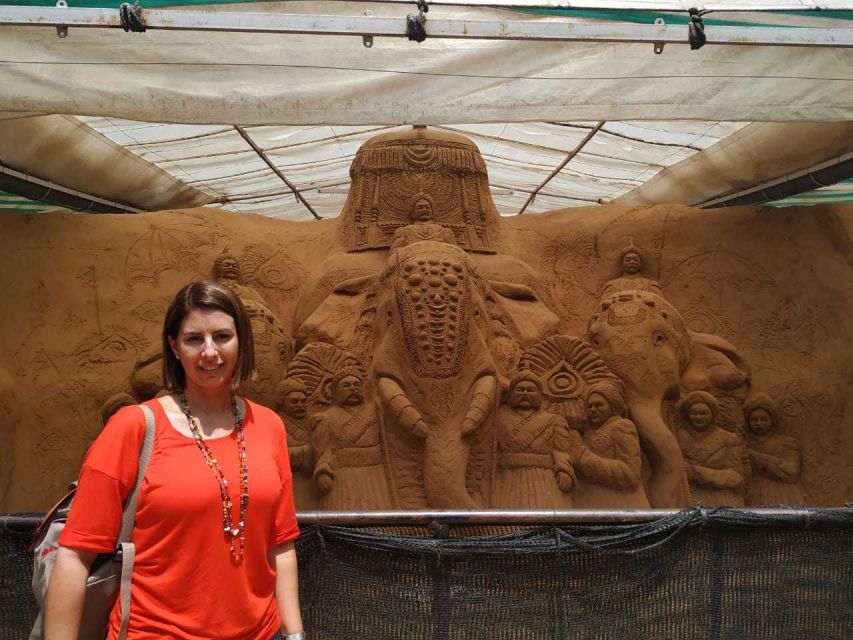
Your day begins with pickup from your Bangalore hotel at 7:30AM or 8:30AM, depending on the starting time you choose. Then it’s straight into road time, heading toward the historical sphere of Mysore and Tipu Sultan. This kind of trip is all about rhythm: a morning run-up, a cluster of major sights mid-day, and a return that still leaves you with a full day of energy left—if you’re prepared for early starts and a bit of wheel time.
Because it’s private, you’re not stuck in a big shuffle where you lose minutes to random group pacing. A guide travels with you, and the included hotel pickup and drop-off makes the day feel less like logistics and more like a guided outing. And since entrance fees are included, you won’t be hunting for tickets right when you arrive.
Tip from experience on this route: wear layers. You’ll move between open courtyards, church interiors, and temple spaces where air and light feel different. If you’re sensitive to sun, bring a cap and sunglasses; that’s the easiest quality-of-life upgrade for this kind of day trip.
You can also read our reviews of more guided tours in Bangalore

Sri Rangapatna and Dariya Daulat Bagh: Tipu Sultan’s Summer Palace in murals and story
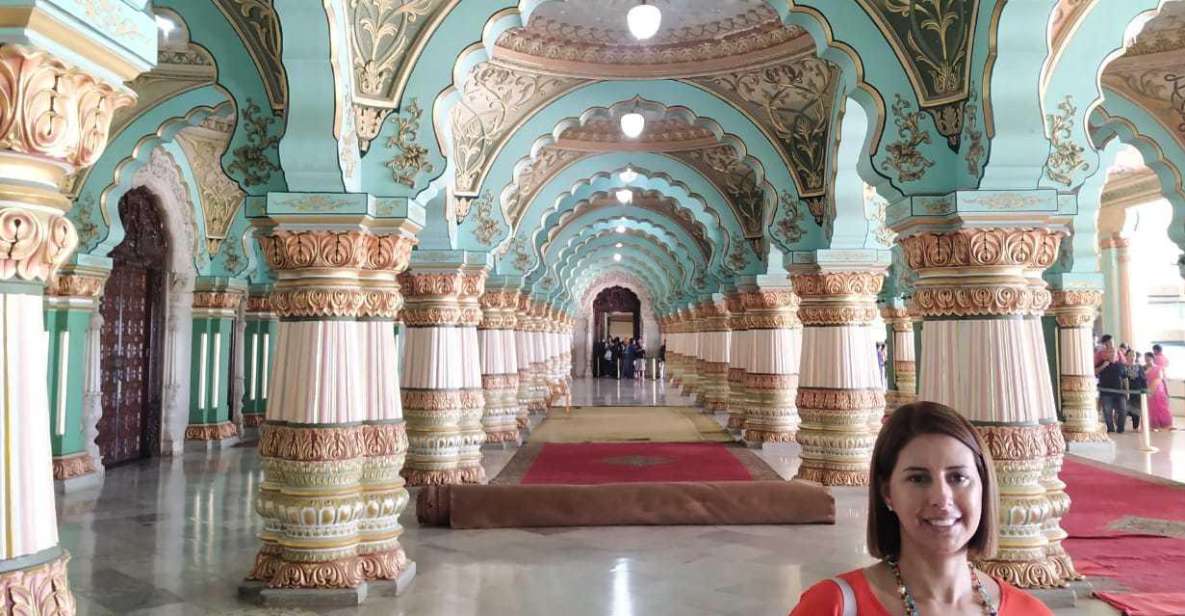
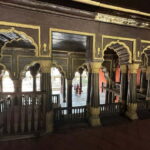
Your first big cultural hit is the Sri Rangapatnam area, closely linked to Tipu Sultan’s world. Here, you visit Dariya Daulat Bagh, commonly described as Tipu Sultan’s summer palace complex. The standout is the style: it’s built in an Indo-Saracenic approach, with architectural blend elements that mix Hindu, Muslim, Rajput, and Gothic influences across the broader Mysore-era landscape.
You’re not just looking at stonework—you’re being guided through context. The palace has murals that relate to the conflict between Tipu and the British. One of the most famous pieces connected with this story is the painting Storming of Srirangapatna by Sir Robert Ker Porter. It’s tied to the final fall of Srirangapatna on 4 May 1799, when British forces defeated Tipu’s side. Even if you don’t read every plaque, the guide’s explanation gives you a mental map: the art is there because the court wanted to record power, strategy, and defeat in a visual language.
What I like about this stop is that it sets up the day’s tension. Mysore Palace later feels like royal theater—more celebratory. Dariya Daulat Bagh feels like the royal mind under pressure.
Practical note: this is a palace visit, so expect some walking over uneven or sunlit ground. Comfortable shoes matter here. Also, keep water in mind even though beverages aren’t included on the tour; if you need drinks, you’ll likely have to buy them separately.
Bailey’s Dungeon: why the scary part matters
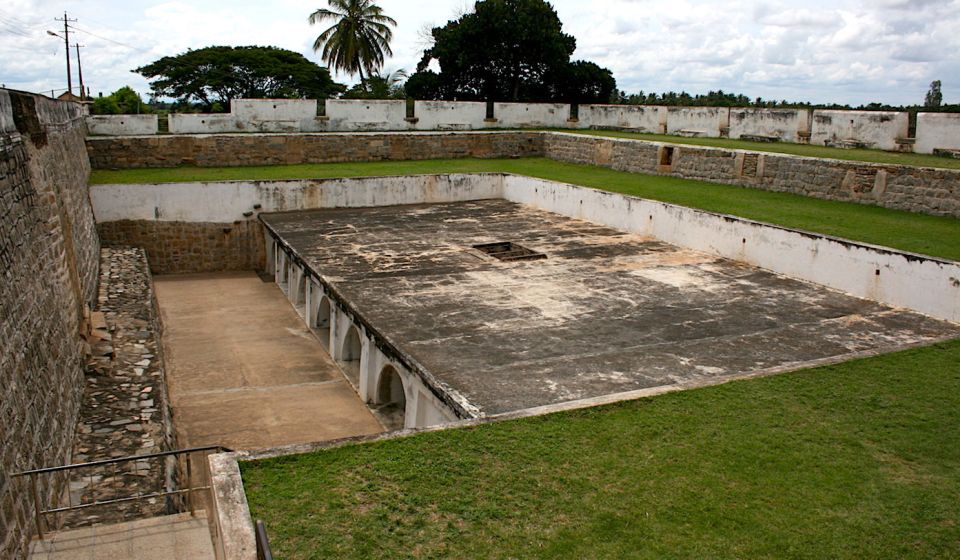
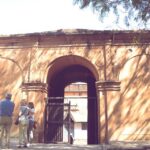
Right after Dariya Daulat Bagh, the program takes you to Colonel Bailey’s Dungeon. This is the place built around one simple idea: power can turn into punishment fast. Tipu imprisoned British officers here during the war, and the guide uses that fact as a story engine—explaining why the dungeon is remembered and how it fits into the wider timeline of the conflict.
The reason this stop works is tone. Without it, the day could feel like you’re only touring “beautiful palaces.” Bailey’s Dungeon adds consequence. You start to understand that the same region that produced stunning Indo-Saracenic design also lived through brutal wartime realities.
If you’re a photo person, you’ll still get your shots here, but you may run into camera charges depending on the site rules. Since camera charges aren’t included, assume you might pay a small extra fee and plan accordingly.
And if you’re the type who likes real history over vague tales, this is where the guide’s narrative style matters most. The best moments tend to happen when your guide connects murals, dates, and locations into one story you can hold in your head.
Mysore Palace: the Indo-Saracenic showpiece you’ll walk through hall by hall
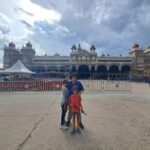
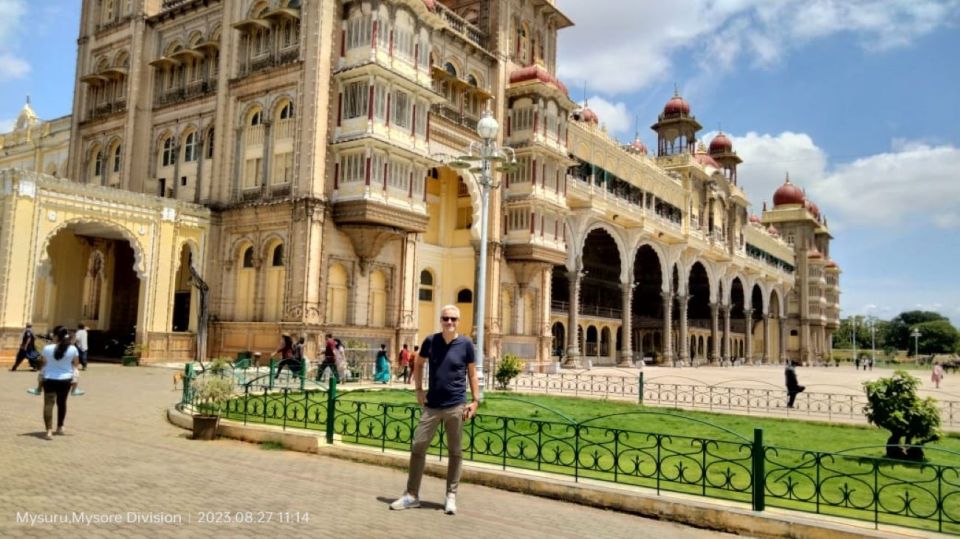
Then comes Mysore Palace, the big-ticket stop. This is where the day’s royal atmosphere peaks. The palace is described as a three-storied stone structure with marble domes and a 145 ft five-storied tower—a scale that looks even bigger once you’re standing close enough to see the details.
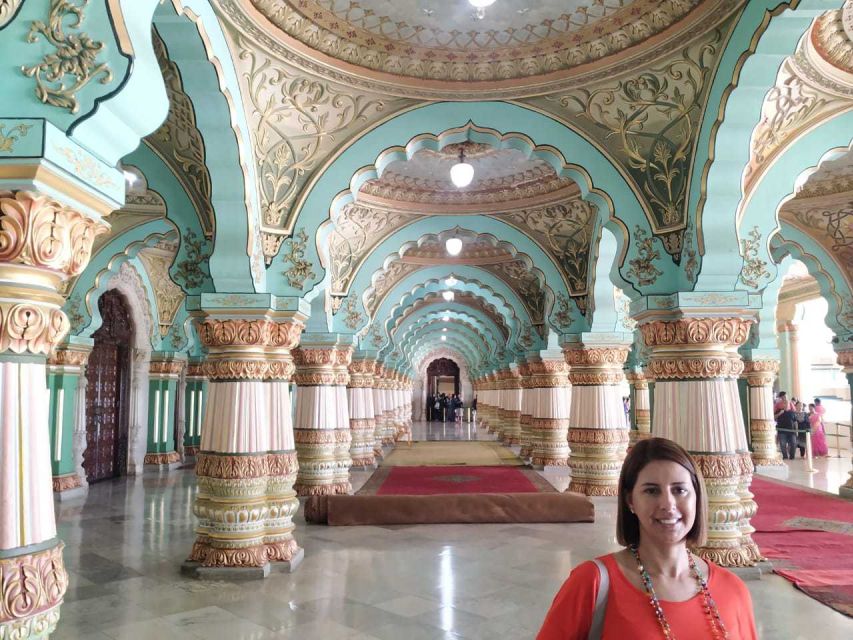
The key here is how you visit. You don’t just wander. The guided circuit typically takes you through major rooms and spaces including the Public Hall, Private Hall, Dolls Pavilion, and Royal Wedding Hall. That routing helps you make sense of why different spaces exist. Public-facing areas feel ceremonial; private spaces feel personal; and rooms like the Dolls Pavilion give you a glimpse of how the court collected culture and display.
The palace’s architectural style is a blend—Indo-Saracenic with influences that connect to Hindu, Muslim, Rajput, and Gothic traditions. The practical value for you is that your guide can point out design choices that otherwise look like decoration only. When you know what to look for, photos get better and the building becomes easier to understand.
One more practical detail: shoes. On this sort of palace visit in Mysore, shoes are not allowed in the palace itself. That’s not a vague warning; it’s a real-life rule you’ll want to prepare for. Wear slip-on or easy-to-remove footwear so you don’t waste time at the entrance.
This is also where you’ll notice the crowds. A guided visit helps you avoid getting stuck in slow lines. Still, take your time in the main areas—Mysore Palace rewards a slower glance at decorative elements once you’re past the rush.
St Philomena Church and Devraja Market: Mysore’s everyday texture
After the palace, you shift to two places that add a different texture to the city: a church and a market.
You can also read our reviews of more tours and experiences in Bangalore

St Philomena Church: a European chapter in Mysuru
You visit St Philomena church, built in 1840. Earlier it was called St. Joseph Chavez, and the name later changed to its present form. It grew into its current form in 1933 during the reign of Maharaja Krishnaraja Wodeyar IV.
What I find useful to know is why it exists. In 1843, Mysore King Mummadi Krishnaraja Wodeyar built the church to serve European residents in Mysore at the time. Today, it’s described as the second largest church in Asia—and that size tells you this is more than a small side stop.
This visit gives you a break from palace architecture. It’s still a “heritage” experience, but it’s a different kind of heritage: community life, colonial-era connections, and how Mysore served multiple cultures.
Devraja Market: what a bazaar smells like
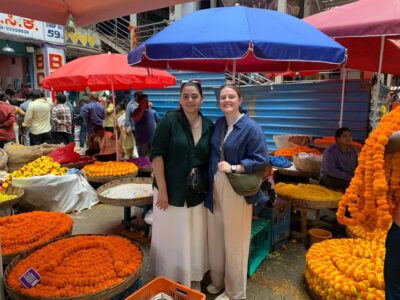
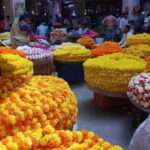
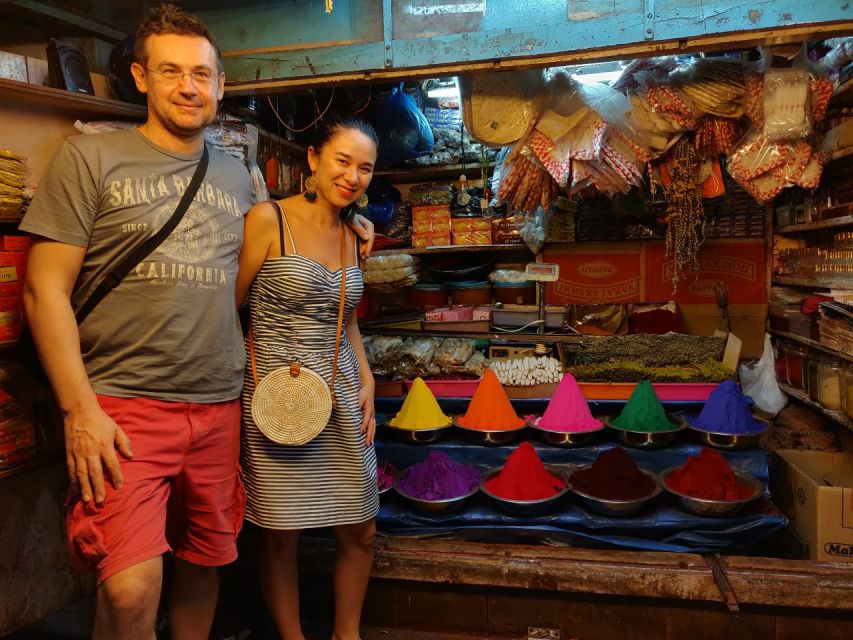
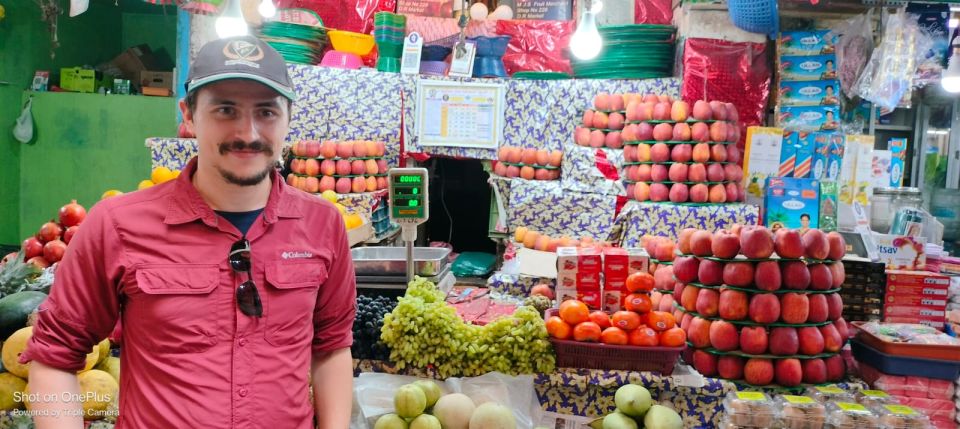
Next is Devraja market, described as the charming old bazaar of Mysore. This stop is less about monuments and more about your senses. You’ll see displays connected to everyday life: flowers, vegetables, fruits, jaggery, onions and potatoes, puffed rice, and coconuts.
A market is a quick way to understand a city’s rhythms. It also helps break the emotional intensity of Tipu and royal palace stories. Even if you don’t shop, the guide can explain what you’re seeing and why it matters locally.
If you’re shopping, go in with a plan. Markets in India can tempt you, especially with spices, sweets, and small handicrafts. Decide what you want before you arrive and set a budget—so you enjoy the experience instead of spending the whole time bargaining in a panic.
Somnathpur as an alternative: choosing UNESCO and temple sculpture over Tipu sites
You have a real decision built into this tour. Your program offers a choice: Srirangapatna (including Dariya Daulat Bagh and Bailey’s Dungeon) or Somnathpur.
If you opt for Somnathpur, the focus shifts to a UNESCO-listed heritage site: the Chennakesava temple. It was built in 1268 by Somanatha, a general of King Narasimha III. The visit centers on the temple’s design: three shrines, three wonderfully carved peaks, and a common Mandapa.
One of the best details is the ceiling work. You’ll spend time appreciating 16 different ceilings, each depicting a different stage of a blooming banana flower. The central wall areas are adorned with images of deities wearing jewelry and accessories like bangles, crowns, and anklets. That level of specific detail is the difference between a generic “temple tour” and a guided visual reading of art.
This matters for your experience because it changes what kind of day you’re having:
- Pick Srirangapatna if you want Tipu’s story and darker wartime context.
- Pick Somnathpur if you want sculptural artistry and a UNESCO-grade architectural experience.
Both choices fit into the same overall itinerary structure, so you’re not giving up comfort. But you are choosing the mood of the day.
Lunch that’s included, plus how to handle food without stress
Lunch is included, which is a big deal on a 12-hour day trip. When lunch is taken care of, you avoid the common travel failure: arriving starving, picking something random, and losing time.
The itinerary mentions lunch as part of the program, and that restaurants are local. In past trips with this kind of format, guides often pick an Indian restaurant that works for most people, so you can expect something satisfying rather than a “sad tour sandwich.”
Still, food preferences vary. If you’re not used to Indian spice levels or you dislike certain textures, plan to communicate clearly with your guide on the day. A simple approach works: tell your guide what you want to avoid (very spicy, oily foods, or specific ingredients) before you sit down.
Also remember: beverages aren’t included. If you want a soda, juice, or bottled water, you’ll likely need to buy it at the restaurant or at a stop along the way.
Guide and driver impact: why the day feels smooth when someone knows the flow
This tour is designed around having a guide in English and using a private car with hotel pickup and drop-off. That setup is the foundation. But the real difference comes from how the guide handles pacing, explanation, and questions.
I like this format because it tends to create two layers:
- Broad storytelling while you drive and between sights
- Specific interpretation once you’re standing in front of the building or object
From the guide names that often come up—people like Divakar, Mohan, Harish, Manjunath, Shiva, and Mahesh—the common theme is clear communication and practical attention to comfort. People also mention washroom and stop management, which matters when you’re spending hours on the road. The driver experience can also affect how pleasant the day feels during traffic, so it’s worth seeing this as part of the product, not just transportation.
One note for your expectations: if your main goal is deep scholarly history, you might still feel your time is short in each location. This is a 12-hour day trip, so it’s more about guided highlights with strong context, not hours of one site.
Price and value: what $137 covers, and what you may still pay
At about $137 per person for a 12-hour private guided day from Bangalore, the value depends on what you want out of the trip.
Here’s what you’re getting included:
- Hotel pickup and drop-off
- Private car
- Guide (English)
- Lunch
- Entrance fees
When you compare that to booking separately—transport, guide time, and tickets—this format can feel efficient, especially for first-time visitors. For me, the best part is that the day’s major sights are grouped logically: Tipu-related sites, royal architecture, and one or two additional cultural stops that round out the picture.
What’s not included:
- Beverages
- Camera charges (if any apply)
Also, there’s no way around the time cost. This is not a quick in-and-out trip. If you’re someone who hates being in a car, you’ll feel that drawback every time traffic slows down.
Who should book this tour, and who should skip it
This is a smart pick if you:
- Want the highlights of Mysore in one day without building a schedule yourself
- Like history that’s explained with dates, places, and visual clues (murals, halls, and art details)
- Prefer a private guided format with English support
It may be less ideal if you:
- Hate long car days and get restless easily
- Have very strict interests (for example, only temples or only palace architecture), because you’ll also spend time on church and market stops
- Need a specific dietary style for every meal; lunch is included, but the menu type isn’t spelled out here, so you’ll want to communicate preferences early
Should you book this Bangalore: Mysore Tour with Lunch and Guide?
If your goal is a high-impact day that covers Mysore Palace, Tipu Sultan’s summer palace, and Bailey’s Dungeon (or the Somnathpur UNESCO alternative), I’d say it’s worth considering. The biggest win is the guidance: the murals, the hall layout, and the UNESCO ceiling detail are much easier to appreciate with context from someone who can connect them.
Before you book, make two decisions:
- Choose your mood: Srirangapatna for Tipu’s story or Somnathpur for temple artistry
- Plan your comfort: shoes that work for heritage sites and snacks for long road time (since beverages aren’t included)
If you handle those, you’ll get a memorable Mysore day that feels like more than a checklist.