REVIEW · DARJEELING
Darjeeling Cultural & Nature Walking Guided Tour
Book on GetYourGuide →Operated by Ashmita Trek & Tours · Bookable on GetYourGuide
Darjeeling on foot beats the quick photo stops. This guided walk gives you Himalaya views and local spirituality without needing a multi-day trek, plus a route that reaches sites most people miss. I especially like the chance to visit Bhutia Busty Monastery, then follow it with the Tibetan Refugee Centre’s handicraft work; it makes Darjeeling feel lived-in, not staged. The one drawback to plan for is the hills: it’s a walking day, and it is not suitable for people over 70 or those who struggle with uphill stretches.
You’ll start at 9 AM on Mall Road near Ashmita Trek & Tours, then spend six hours moving between viewpoints, museums, villages, and monasteries, with breaks built in. Expect an English- or Hindi-speaking local guide, a private group, and a pace that can flex to your needs. Just note meals and hot drinks are not included, so you’ll want to plan for tea or snacks yourself.
In This Review
- Key Points You’ll Feel on Day One
- Why a 6-Hour Walking Tour Makes Sense in Darjeeling
- Starting at Mall Road: How the Morning Gets You Oriented
- HMI and the Tenzing Norgay Everest Museum: Mountain History You Can Actually Tie to the Views
- Walking Through Local Villages and Forest Edges for Real Darjeeling
- Tibetan Refugee Centre: Handicrafts, Rehabilitation, and Why It Matters
- Bhutia Busty Monastery (Karma Dorjee Chyoling): Old Stones, Real Story
- The Return Uphill to Chaurasta Mall Road: Your Legs Vote
- Guides, Pace, and That Nice Feeling of Not Getting Lost
- Price and Value: What $38 Really Covers
- Who Should Book This Tour (and Who Should Skip It)
- Should You Book? My Practical Take
- FAQ
- How long is the Darjeeling Cultural & Nature Walking Guided Tour?
- Where does the tour start, and what time do we meet?
- What are the main places visited during the tour?
- Are meals or hot drinks included?
- What’s included in the price?
- What language is the guide?
- Is transportation included?
- Is the Tibetan Refugee Centre open on all days?
- Who can join, and who should not?
Key Points You’ll Feel on Day One
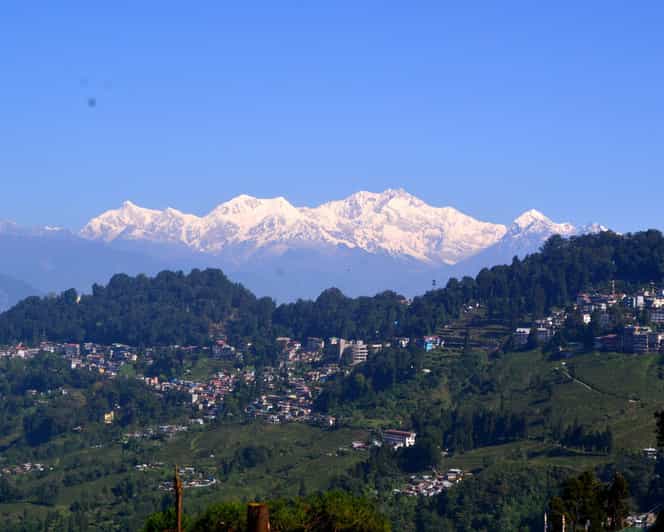
- Himalaya views without a long trek: you’ll see big scenery while staying close to Darjeeling’s core
- Bhutia Busty Monastery details: history tied to Sikkim and Darjeeling’s Buddhist heritage
- Tibetan Refugee Centre for crafts: real rehabilitation work focused on handicrafts
- Village-and-forest walking: culture and nature in one continuous day
- Museum stop at HMI: a practical way to connect mountaineering history to what you’re seeing outside
- A real uphill finish: a gentle return walk to Chaurasta Mall Road, about 2 km over an hour
Why a 6-Hour Walking Tour Makes Sense in Darjeeling
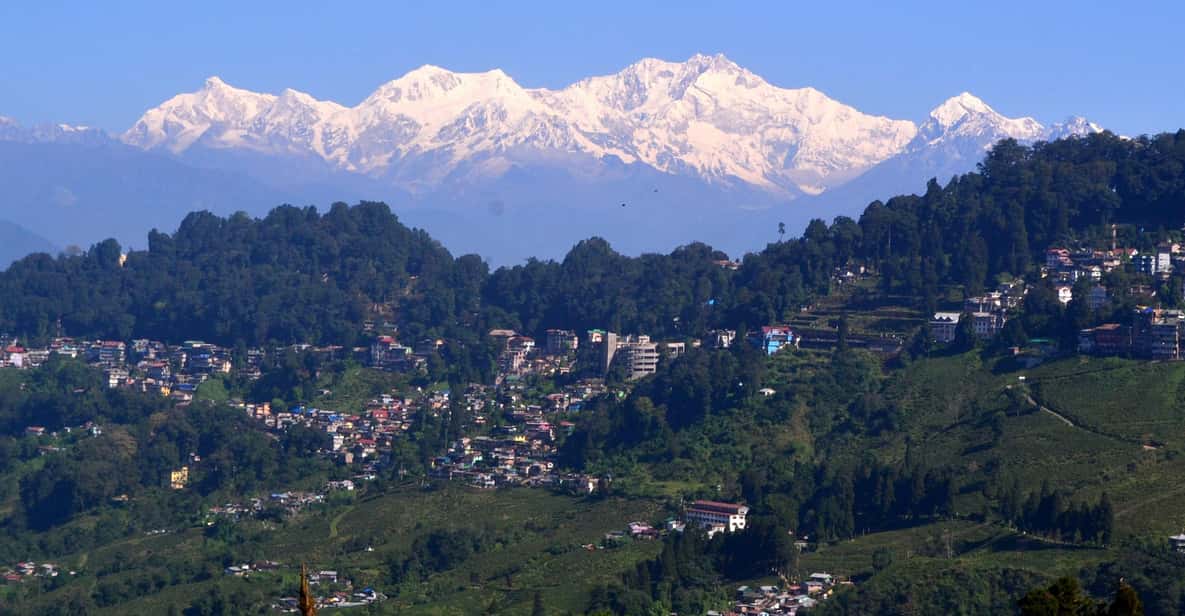
Darjeeling is one of those places where half your trip can disappear into logistics. This tour is designed to keep your day efficient without making it feel rushed. Six hours is long enough for a real walking rhythm—enough time for a museum stop, a couple of culture stops, and a stretch through local areas—yet short enough that you can still eat well afterward and keep your energy for the rest of your itinerary.
The best part is the balance. You get nature time through village and forest walking, then you get cultural meaning through monasteries and Tibetan community sites. That combination matters in Darjeeling because the town’s identity is tied to mountain life, religion, and refugee history as much as it is to scenic overlooks.
The price is also refreshingly straightforward: $38 per person. For that, you’re paying for a professional local guide, permits, taxes/fees, and even charges related to still video cameras. You’re not paying for someone to drive you around all day. Instead, your money goes into guiding and access, which is the value move in a place where routes are walkable and views are best seen from on-the-ground paths.
You can also read our reviews of more walking tours in Darjeeling
Starting at Mall Road: How the Morning Gets You Oriented
You’ll meet around 9 AM near Ashmita Trek & Tours on Mall Road. This matters because Mall Road is the easiest place to anchor your day: you get your bearings fast, and you’re close to the center without starting in the middle of traffic chaos.
From there, the tour begins with a walk toward the Darjeeling Himalayan Mountaineering Institute, a distance of about 1.5 kilometres. That’s a manageable opener—close enough to warm up, long enough to shake the sleep off your legs, and long enough that you start seeing how the town steps up toward the viewpoints.
There are also built-in moments like photo stops and breaks. That’s helpful if you want the memories without turning the day into a nonstop march. I also like that this is a private group. With a smaller group, the guide can adjust pacing and timing to the fitness level you bring.
One small thing to keep in mind: since hot drinks and meals are not included, you’ll want to decide in advance whether you’ll grab tea during breaks or after the tour ends.
HMI and the Tenzing Norgay Everest Museum: Mountain History You Can Actually Tie to the Views
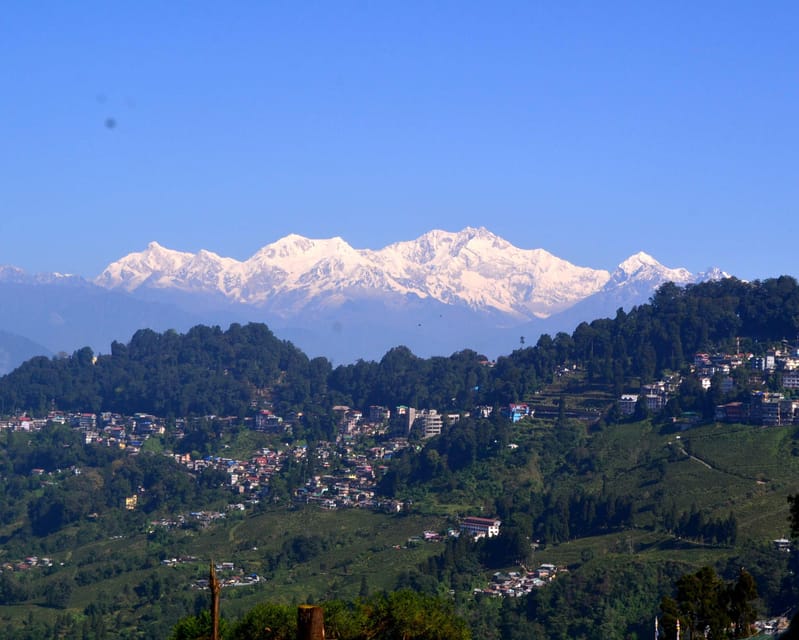
The Darjeeling Himalayan Mountaineering Institute stop is your first “big meaning” moment. It’s not just a museum detour; it’s a way to connect what you’re seeing outside with the real mountaineering story of the region.
The highlight here is the Tenzing Norgay Everest Museum, reached on the way as part of the guided walk. If you’re trying to understand why Darjeeling matters to climbing history, this is a solid early stop. You’ll learn the context while you’re still fresh and before your legs start negotiating with your ego.
Also, because this tour includes the permits and any charges for carrying still video cameras, you’re less likely to feel awkward about bringing a camera and using it where it’s allowed. That’s a practical win for people who shoot photos beyond smartphone snapshots.
Drawback to consider: museums can slow you down if you prefer only outdoors time. Still, here it works well because it anchors the rest of the day. After seeing the museum, you’ll be better at reading what you’re about to notice during the walking portions—cloud shifts, ridgeline angles, and why locals treat the mountains as more than a backdrop.
Walking Through Local Villages and Forest Edges for Real Darjeeling
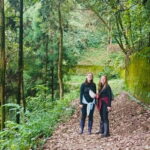
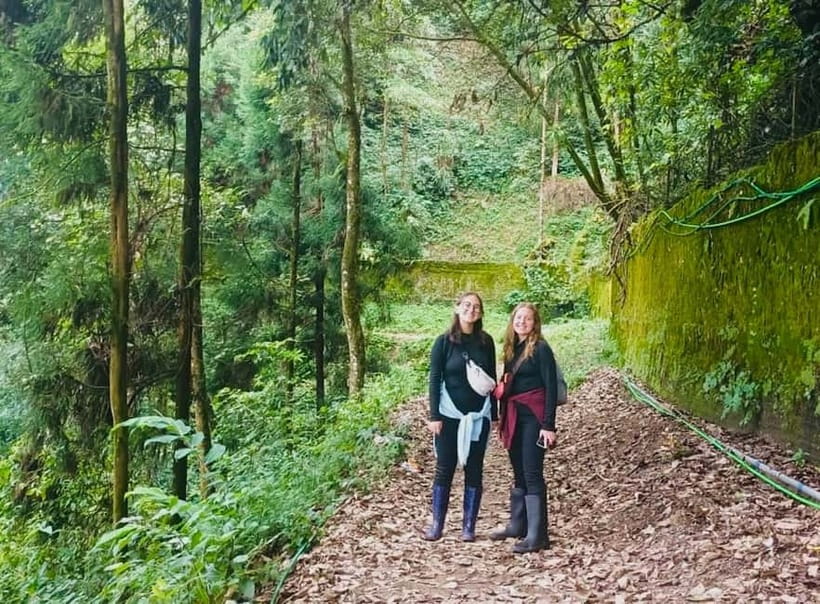
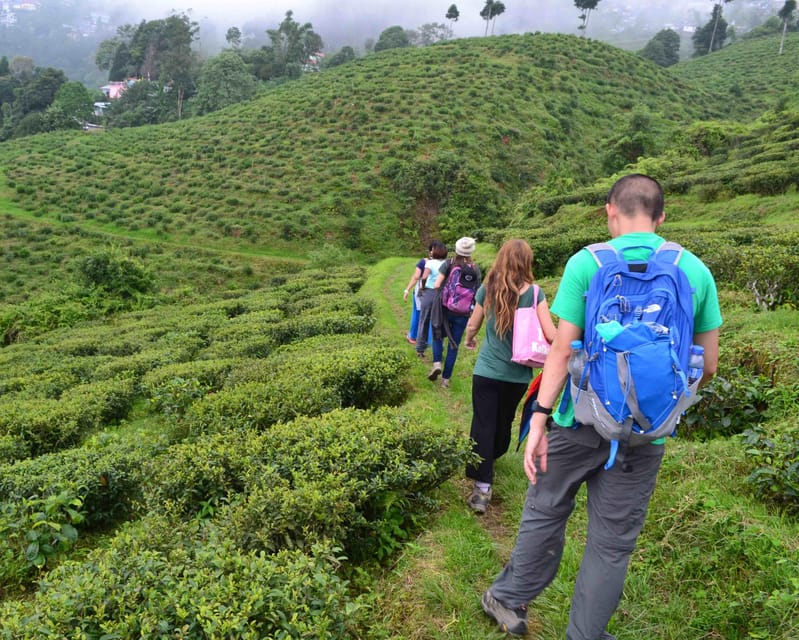
After the museum, the tour continues with a nature walk. You’ll pass through a local cultural village area with picturesque views, about 4 kilometres ahead from the museum portion.
This is where the tour starts feeling different from a typical city stroll. Instead of only moving through major streets, you’re getting a slice of how people actually live and build community in and around Darjeeling’s terrain. The village stop isn’t just a scenery bonus; it’s where you can connect with daily life—how locals shape space, how they move along paths, and what kind of views are part of routine rather than a rare event.
You should expect uneven walking. Comfortable shoes are non-negotiable here. Even when the tour is described as gentle in spots, Darjeeling terrain can be a little slippery or steep depending on the weather and foot traffic.
One practical note: keep your daypack light. You’ll want room for water and a jacket if the temperature drops near the late part of the day, but you don’t want a heavy load slowing you down during the longer walking stretches.
Tibetan Refugee Centre: Handicrafts, Rehabilitation, and Why It Matters
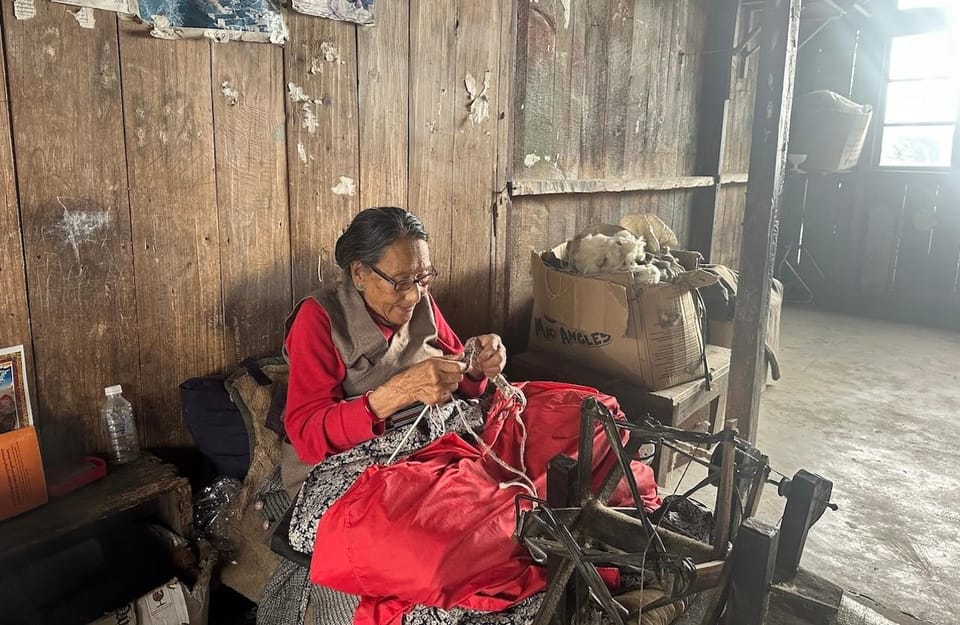
Next comes one of the most meaningful stops on the route: the Tibetan Refugee Centre. It was founded on October 2, 1959, and it functions as a rehabilitation facility for Tibetan refugees who fled Tibet with the Dalai Lama. Alongside that work, the centre focuses on producing Tibetan handicrafts.
For me, this is the kind of visit that changes how you understand souvenirs. You’re not just buying items; you’re seeing what the crafts support. When rug-making and textile work are part of livelihood and rehabilitation, the products carry more weight than “pretty decor.”
Look for the details in the handicrafts—skills that take time to develop. In past tour experiences, the rug-makers’ craftsmanship has been described as incredible, and the shop experience has been praised for being reasonably priced with no aggressive hard sell. That combination makes it more likely you’ll browse calmly and learn without feeling pressured.
Timing consideration: the Tibetan Refugee Centre has been reported closed on Sundays. If the day you’re traveling might land on Sunday, plan for an alternate day so you don’t lose this key stop.
You can also read our reviews of more guided tours in Darjeeling

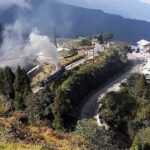
Bhutia Busty Monastery (Karma Dorjee Chyoling): Old Stones, Real Story
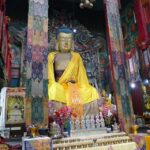
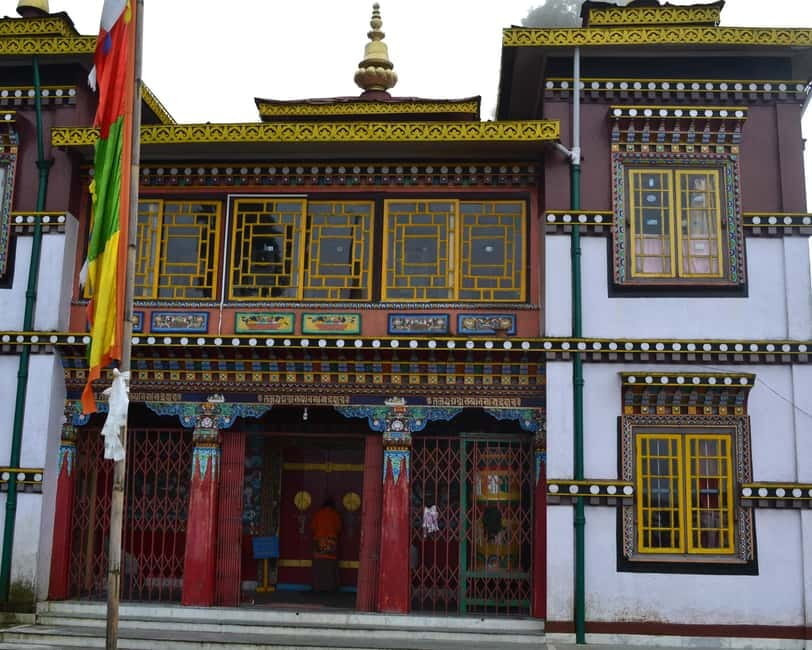
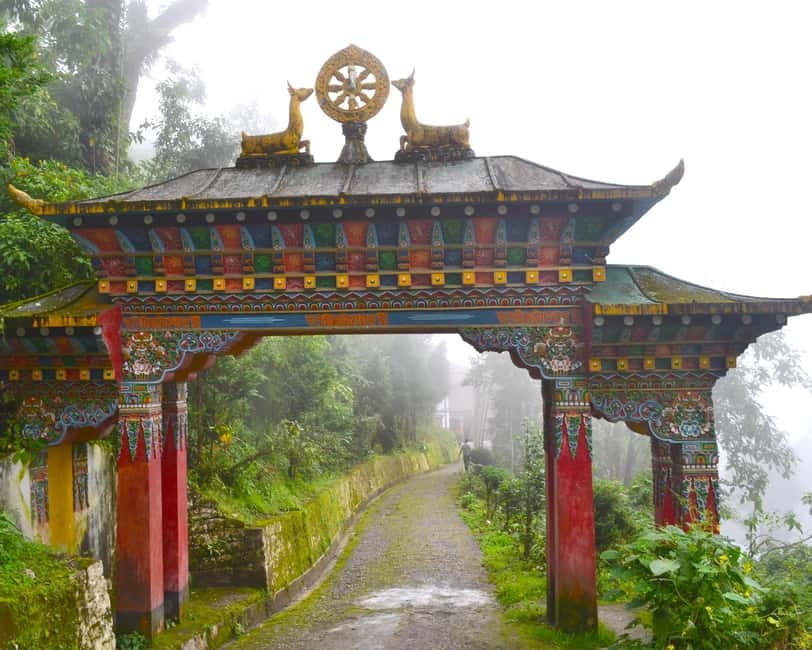
Then you reach Bhutia Busty Monastery, also known as Karma Dorjee Chyoling Monastery. This is a Buddhist establishment, and it has deep roots in the region’s migration and religious ties.
The monastery originally was a branch of the Kagyupa sect’s Phodang Monastery in Sikkim, then it was relocated to Darjeeling in 1879. That relocation detail matters because it explains why the monastery feels both local and inherited—it’s tied to a wider Himalayan tradition, not just one-town history.
This stop is also where the tour earns its “culture and nature” label. You’ll take time to appreciate the monastery setting before heading back toward the main walking return. Past participants have singled out the wall paintings as high quality, and that’s exactly what you want to slow down for. Stand, look, and notice the finish and detail. If you rush, you miss the work.
Basic etiquette helps here: speak softly, dress respectfully, and keep your camera use considerate. You’re not just sightseeing—you’re walking into an active religious space.
The Return Uphill to Chaurasta Mall Road: Your Legs Vote
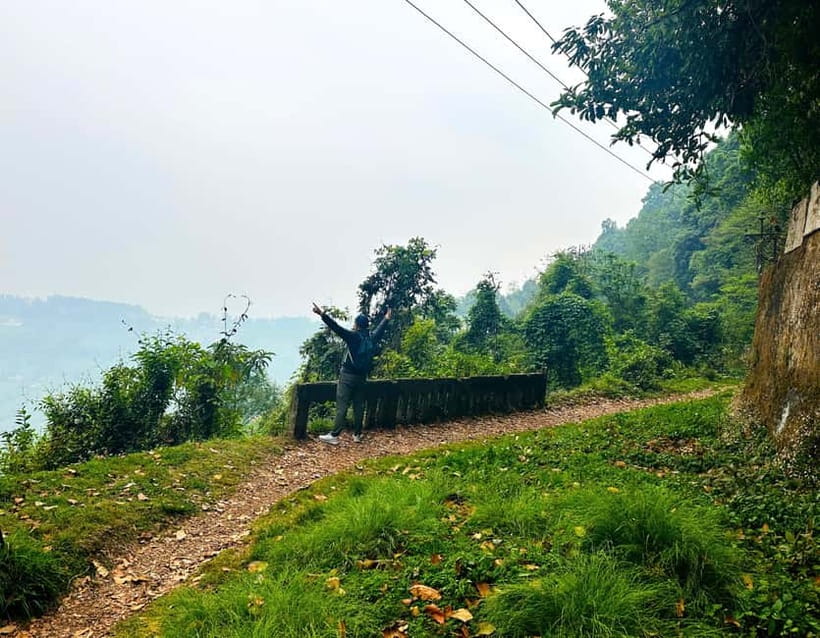
After the monastery visit, the tour turns back toward Mall Road. The return includes a gentle uphill walk of about 2 kilometres, taking roughly an hour, ending at Chaurasta Mall Road.
This part is important because it’s where your day either feels manageable or annoying—depending on your shoes and your energy level. The good news is that it’s described as gentle, and the route is built to finish strong rather than exhaust you.
Still, don’t underestimate the uphill. Even on a “gentle” day, Darjeeling can feel steep. If you’re bringing a family member or someone with moderate fitness, this is the stretch to evaluate. Plan to take breaks as needed and listen to your guide’s pacing advice.
The payoff at the end is psychological. You finish back at Chaurasta Mall Road, which is convenient for grabbing a meal and regrouping without needing additional transport plans.
Guides, Pace, and That Nice Feeling of Not Getting Lost
The tour is run with professional, experienced local mountain guides who speak English and Hindi. You can also feel the “local” advantage in the way the stops are chosen and explained. This isn’t just directions; it’s interpretation.
I’ve seen names come up like Mr Rupez, Dawa, and Sangay. Guides like these are often the difference between a walk that feels like sightseeing and a walk that feels like understanding. If you want your questions answered—about religion, the meaning of monastery traditions, or what you’re seeing in the village—this kind of guide is what makes it click.
Also, the tour has a private group setup. That doesn’t mean it’s only for VIPs; it means you’re less likely to feel boxed into a rigid pace. One family example was shared where a 7-year-old could handle the day, with the guide adapting to needs and fitness level. That’s a good sign if you want flexibility rather than a one-size-fits-all trekking mindset.
Price and Value: What $38 Really Covers
At $38 per person for a 6-hour walk, you’re paying for more than “someone to lead you somewhere.” The included items are the real value levers:
- Professional local guide with hiking-safe guidance
- Permits and charges for carrying still video cameras
- Guide expenses and all taxes/fees/handling charges
What’s not included is equally important for planning:
- Meals and hot drinks like tea or coffee
- Transportation cost if required
- Tips for the guide
So the best way to think about it is: the tour fee buys access and guidance; you buy your comfort. If you’re the type who needs tea breaks to function, budget a bit extra. If you carry snacks or plan to eat at the end, you’ll glide through the day easier.
If you’re comparing costs to hiring a driver for multiple stops, this is often the smarter play. You’re saving on transport while getting the benefit of walking—fresh air, better viewpoints, and a slower rhythm that helps you actually notice the places.
Who Should Book This Tour (and Who Should Skip It)
This tour fits best if you want a day that balances culture + nature and you’re open to walking on uneven ground with some uphill. It’s also a great option if you don’t have time for a longer trek but still want to feel the mountains close by.
It’s especially suitable if you:
- like monasteries, local traditions, and community-focused visits
- want Himalayan context tied to mountaineering history at HMI
- prefer a guide-led pace over planning every turn yourself
- value a route that reaches places beyond the busiest center streets
Skip it if you:
- are over 70 years old, since it is not suitable for that age group
- struggle with uphill walking or limited mobility
- are traveling with very young children (not suitable for babies under 1 year)
- are over 95 years old (not suitable)
And if Sunday is your only option, double-check the Tibetan Refugee Centre schedule since it has been reported closed on Sundays.
Should You Book? My Practical Take
If your goal is a meaningful Darjeeling day without committing to a heavy trek, I think this is a smart booking. The combination of mountaineering context at HMI, a community-driven stop at the Tibetan Refugee Centre, and a historically important monastery gives you more than “nice views.” You get a fuller understanding of how Darjeeling holds together—mountains, faith, and resilience.
I’d book it if you can comfortably handle several kilometres of walking and you’re okay buying your own tea or lunch. I wouldn’t book it if hills are a deal-breaker for you or if you’re relying on Sundays to see the Tibetan Refugee Centre.
FAQ
How long is the Darjeeling Cultural & Nature Walking Guided Tour?
It runs for 6 hours.
Where does the tour start, and what time do we meet?
The tour begins on Mall Road near Ashmita Trek & Tours at 9 AM.
What are the main places visited during the tour?
You’ll visit the Darjeeling Himalayan Mountaineering Institute area with the Tenzing Norgay Everest Museum, then walk through a local cultural village area, stop at the Tibetan Refugee Centre, and visit Bhutia Busty Monastery (Karma Dorjee Chyoling Monastery). The tour ends back at Chaurasta Mall Road.
Are meals or hot drinks included?
No. Meals and hot drinks like tea or coffee are not included.
What’s included in the price?
The tour includes necessary permits and charges related to carrying still video cameras, an experienced English-speaking local mountain guide, guide-related expenses, and all taxes, fees, and handling charges.
What language is the guide?
The live tour guide is available in English and Hindi.
Is transportation included?
No. Transport costs are not included if you need it.
Is the Tibetan Refugee Centre open on all days?
It has been reported closed on Sundays, so it’s worth planning around that if this stop is a must for you.
Who can join, and who should not?
The tour is not suitable for babies under 1 year, people over 95 years, or people over 70 years.