REVIEW · BANGALORE
Day Excursion of Belur, Halebeedu & Shravanabelagola
Book on GetYourGuide →Operated by INDIATOR · Bookable on GetYourGuide
Hoysala art packs into one big day. I love the Chennakeshava Temple sculptures in Belur and the sheer scale of the Gomateshwara monolith at Shravanabelagola, both famous for their craft and symbolism. The main drawback to plan for is that the experience can run long and English guidance may not be equally available at every stop, so you’ll want to set expectations early.
This is a classic triangle of Karnataka temple stops: early pickup around 6:30am from your Bangalore hotel, then breakfast near Yediyur village, lunch on the route, and visits to Hoysala-era sites plus the Jain pilgrimage center at Shravanabelagola. It’s a private group with a live tour guide in English, but your comfort level will depend on how smoothly the guiding is arranged for each location.
At $165 per person for an 11-hour private excursion, you’re paying mostly for time and transport: a chauffeur, a structured route, and help interpreting what you’re seeing—especially if you’re a first-timer with lots of carvings to sort out. If you want strict, uninterrupted English narration at every temple and you have tight dietary needs, I’d treat that as a planning item, not an afterthought.
In This Review
- Key highlights at a glance
- Why this Belur–Halebeedu–Shravanabelagola route feels so rewarding
- 6:30am pickup, long drives, and how to pace your day
- Yediyur village breakfast: a small stop that can set the tone
- Shravanabelagola and the Gomateshwara monolith: the star attraction
- Belur’s Chennakeshava Temple: why the sculptures feel rare
- Halebeedu and the Hoysaleshwara Temple: two shrines, one story-filled shell
- Lunch on the route: local and filling, but plan for basics
- Price and logistics: is $165 good value?
- Practical tips that make this day feel manageable
- Who should book this tour?
- Should you book this Belur–Halebeedu–Shravanabelagola day trip?
- FAQ
- What time does the tour start and how long is it?
- Do you pick up and drop off from Bangalore hotels?
- Is there an English guide?
- What places are included on the day trip?
- How does the cancellation policy work?
- Is there a lot of climbing at Shravanabelagola?
Key highlights at a glance
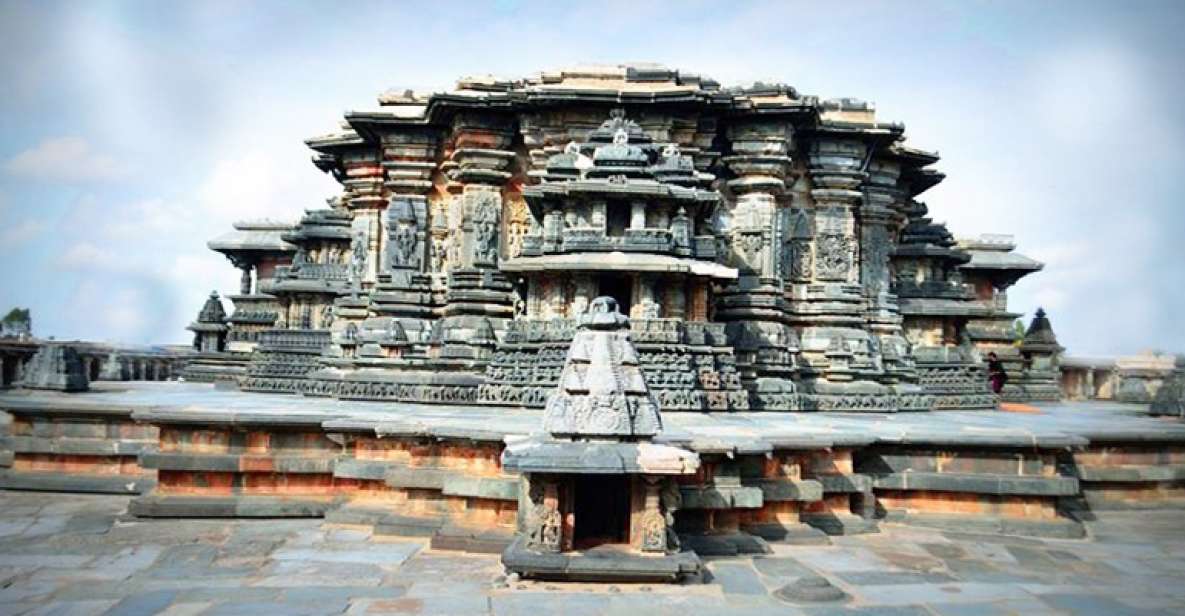
- Chennakeshava Temple in Belur: rare sculpture work and a dedication tied to Hoysala King Vishnuvardhana’s 1116 AD victory
- Gomateshwara at Shravanabelagola: Asia’s tallest monolithic stone statue, plus the Manjunath Temple setting
- Bahubali shrine: a stop that adds meaning beyond the statues, tied to renunciation and self-control
- Hoysaleshwara Temple in Halebeedu: two Shiva shrines (Hoysaleshwara and Shanthaleshwara) and story-filled outer walls
- Private day-trip flow: pickup and drop-off from your Bangalore hotel, with a chauffeur and planned meals
Why this Belur–Halebeedu–Shravanabelagola route feels so rewarding
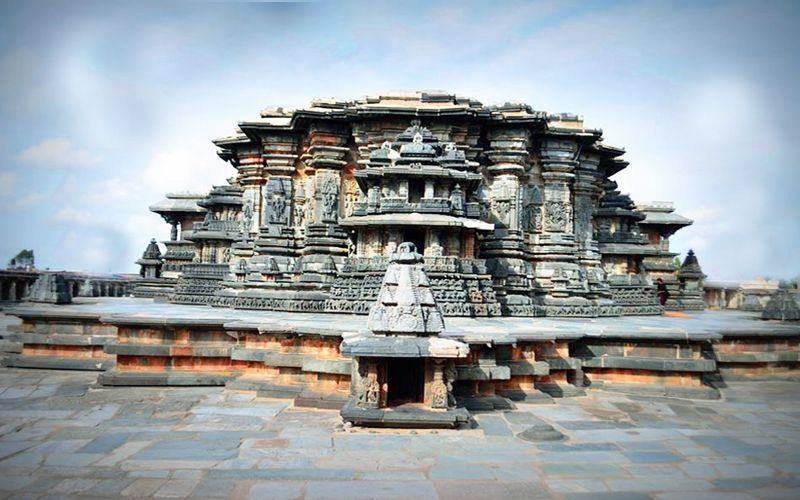
This tour works because it strings together three very different ways to experience temple Karnataka. Belur and Halebeedu focus on Hoysala temple art—the kind that makes you walk slower because the stone has so much going on. Shravanabelagola shifts the mood: it’s pilgrimage-focused, dramatic, and built around one gigantic Jain icon.
If you care about architecture and storytelling, the contrast is the point. You go from carved Hindu myth narratives and epic scenes at Belur and Halebeedu to the Jain tradition of renunciation and salvation at Shravanabelagola. You also get perspective on why this region mattered so much during the Hoysala period—and why the temples survived long enough to still impress you today.
The best part is that it’s realistic as a day trip. You’re not trying to “see everything in Karnataka.” You’re seeing three heavyweight sites, in a sensible order, with local meals and a driver handling the road grind.
You can also read our reviews of more tours and experiences in Bangalore.
6:30am pickup, long drives, and how to pace your day
The schedule starts early—around 6:30am pickup from your Bangalore hotel. That early start matters because traffic in Bangalore can be chaotic, and the drive between the city and the temple towns takes hours. You should assume a big chunk of your day is spent in the car.
One lesson from past bookings is simple: treat this as a full-day commitment, not a quick outing. Even though the tour is listed as 11 hours, the one-way travel time can be lengthy, so your visit time can feel more compressed than you expect if you’re used to city breaks.
Practical move: plan your energy for two phases. Phase one is the road (bring what you need for comfort), and phase two is the temples (bring patience and good shoes). When you arrive, the reward hits fast—Belur and Halebeedu especially.
Yediyur village breakfast: a small stop that can set the tone
After you reach Yediyur village, you’ll enjoy breakfast before heading toward Shravanabelagola. This is one of those “quiet” parts of the day that can affect how the rest goes, because it’s your fuel before you deal with crowds, stone steps, and lots of standing.
Food is described as a local, truck-stop-style breakfast in at least one experience, and the same booking also noted communication issues around dietary requirements. That’s not a reason to skip the tour—it’s a reason to be proactive. If you have dietary restrictions, clearly share them in advance and repeat them at the start of the day through the guide or driver, not just in your booking message.
If your appetite is flexible, you’ll probably enjoy the chance to taste something local before the main sights. Either way, use breakfast as your reset button.
Shravanabelagola and the Gomateshwara monolith: the star attraction
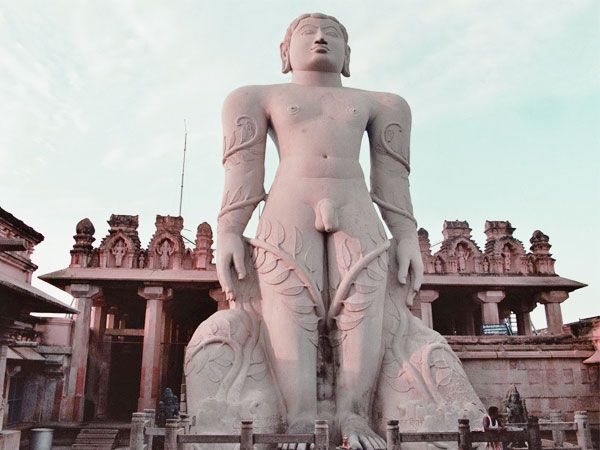
Shravanabelagola is a Jain pilgrimage center, and the headline is the statue of Lord Gomateshwara (Gommateshwara). The tour calls it Asia’s tallest monolithic stone statue, and it’s set at the Manjunath Temple in Dharmasthala. When you stand near a monolith that size, it changes how you look at everything else. It’s not just a sculpture; it’s scale as a kind of message.
There’s also a shrine of Lord Bahubali on the itinerary. The tour frames Bahubali symbolically—renunciation, self-control, and subjugation of ego as steps toward salvation. That detail matters because it turns the visit from sightseeing into a more grounded cultural stop. You’re not only looking; you’re learning what the image is supposed to mean.
Movement tip: at Shravanabelagola, you should be prepared for climbing. One verified booking notes a climb of about 1600 steps carved into the rock face to reach the first temple. If stairs are difficult for you, you’ll need to think hard about whether you can comfortably manage that portion.
Also, don’t underestimate the practical side. Past participants described bathrooms as rustic. If that’s the kind of detail that affects your comfort, plan for it. Bring what you need so you’re not hunting for convenience in a hurry.
Belur’s Chennakeshava Temple: why the sculptures feel rare
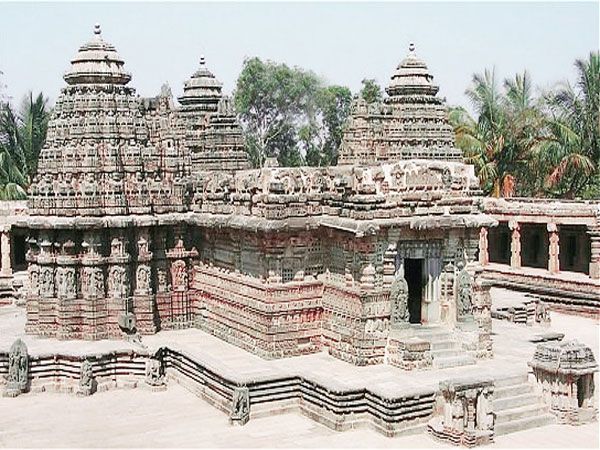
Belur is where you get a heavy hit of Hoysala artistry, and the tour specifically targets the Chennakeshava Temple. The site is described as a fine example of Hoysala architecture and includes a powerful historical tie-in: it was consecrated by King Vishnuvardhana in 1116 AD to mark victories against the Cholas.
What I like about Chennakeshava is how the temple experience rewards attention. The highlights here are the rare sculptures. Even if you’re not a stone-carving expert, you can feel the difference between a decorative temple and one that’s built as a whole storytelling system. A guide helps a lot because carvings can look like patterns until someone explains what you’re actually looking at.
One caution from an experience you should take seriously: in at least one case, the English guide didn’t fully cover the first temple stop. If you arrive and there’s no one explaining what to notice, you might end up spending your time guessing. The fix is easy: ask your guide at the start of the day what each stop focuses on—stories, iconography, or architectural features—so you know what to look for even if the narration at a specific temple is lighter.
When it’s going well, Belur is the kind of place where you keep turning back to find the next detail you missed.




Halebeedu and the Hoysaleshwara Temple: two shrines, one story-filled shell
Halebeedu is described as the ancient capital of the Hoysala dynasty, and the name Halebeedu is explained as meaning ruined city—ruined twice by the Moghul sultanate. That context adds weight to your visit: you’re not just viewing “old buildings,” you’re seeing a culture’s architecture that survived disruption.
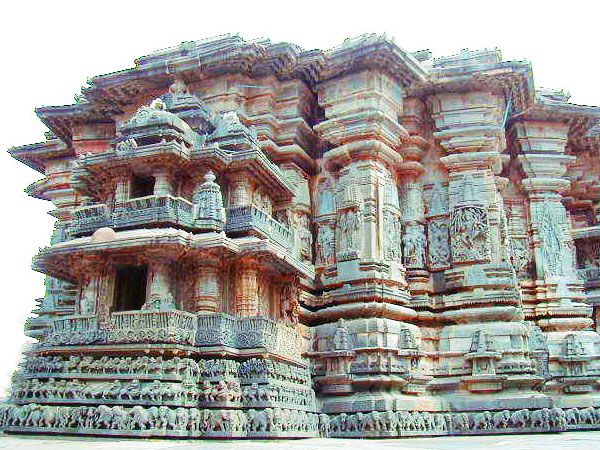
The central stop is the Hoysaleshwara Temple, made up of two shrines dedicated to Shiva: Hoysaleshwara and Shanthaleshwara. That matters because it’s not one shrine with one mood—you get a sense that worship and sacred space were designed as a system.
Then there’s the reason people photograph Halebeedu: the walls are covered with carvings of Hindu mythology and scenes from the Mahabharata, Ramayana, and Puranas. This is where a guide can turn frustration into fascination. Without guidance, you can still enjoy the craft, but with guidance you’ll understand why the carvings are arranged the way they are and what stories they’re pointing to.
Practical note: Halebeedu is not a quick stop. Take your time walking the perimeter and scanning wall details. It’s easy to rush if the drive ahead is looming—but this is one of those places where slowing down gives you a better return on your effort.
Lunch on the route: local and filling, but plan for basics
You’ll have a lunch at a local restaurant after visiting Shravanabelagola and before driving to Belur. Lunch is described as “sumptuous” by the tour flow, and other bookings mention tasty meals such as dosa.
Still, keep in mind that communication can be uneven during busy travel days. One experience included difficulty communicating dietary requirements at lunch. Again, the safest move is to be clear in advance and keep your expectations realistic: you might not get fine-tuned dietary handling at every roadside restaurant.
My advice: if you have dietary restrictions, message them early and keep a simple fallback option in mind. If you don’t have restrictions, consider lunch a chance to recharge without overthinking it. Then you can focus on the temples, which are the real reason you’re here.
Price and logistics: is $165 good value?
$165 per person for an 11-hour private day trip from Bangalore is not cheap, but it can be fair value when you break it down. You’re paying for the things that are hard to DIY: a chauffeur, a route that strings three significant temple sites together, and a guide to help you interpret what you’re seeing.
The value also depends on guide coverage. The tour is advertised as having a live tour guide in English, but one verified booking reported limited English guidance across the three temples. If you’re traveling specifically for English interpretation, that’s a point to confirm before you go.
Here’s a practical way to think about it: if you can enjoy temples even with minimal explanation, you’ll still get a lot from the architecture and statues. If you need guided context to fully appreciate carved stories, make sure you’re comfortable that guidance will be present at each temple you care about most.
Practical tips that make this day feel manageable
A day like this is simple on paper and intense in real life. A few smart habits make a big difference.
- Wear shoes you trust on uneven temple surfaces and stair climbs. Shravanabelagola includes a major climb (about 1600 steps mentioned in a booking note).
- Bring a small kit for basic comfort. One experience specifically mentioned that bathrooms can be rustic, and bringing tissues was helpful.
- Build a food plan if you have dietary needs. At least one booking noted trouble communicating dietary requirements at breakfast and lunch.
- Expect lots of standing and looking up. Hoysala carvings demand close attention, and temple visits can quietly turn into endurance walks.
- If English guide access seems uncertain, ask your guide early what each stop will cover. Even a short orientation helps you read the carvings on your own.
Who should book this tour?
This tour is a great match if you want a high-impact temple day from Bangalore without doing stressful route planning. I especially think it fits:
- First-timers who want a clear order: Shravanabelagola, then Belur, then Halebeedu.
- People who love architecture and sculpture work and want help noticing the right details.
- Travelers who can handle a long car day and a stair climb.
I’d be cautious if:
- You need consistent English narration at every stop (one experience reported uneven guide coverage).
- You have mobility limitations that make stairs hard.
- You require strict dietary accommodations and don’t want to negotiate with local restaurant options.
Should you book this Belur–Halebeedu–Shravanabelagola day trip?
I’d recommend booking if you’re excited by Hoysala temple art and want to see both the giant Gomateshwara monolith and the carved Belur/Halebeedu temples in one go. The structure of the day—hotel pickup, breakfast, the three major temple stops, then the drive back—makes this an efficient way to get temple Karnataka without spending days switching plans.
Before you book, do one practical check: confirm that the English guide will accompany you at each of the temples you care about most (Belur, Halebeedu, and Shravanabelagola). If they can’t guarantee that, you might still enjoy the sights, but your experience will lean more toward self-guided looking than story-based learning.
If you’re okay with a long day and want organized access to three of the region’s best-known sacred sites, this is a solid choice.
FAQ
What time does the tour start and how long is it?
The tour typically starts with pickup around 6:30am, and the total duration is listed as 11 hours.
Do you pick up and drop off from Bangalore hotels?
Yes. Pickup and drop-off are from any Bangalore hotel. The driver reports at the hotel lobby, picks you up for the tour, and returns you to your hotel after the day trip.
Is there an English guide?
The tour includes a live tour guide in English and is offered as a private group.
What places are included on the day trip?
You’ll visit the Hoysala period temples at Belur and Halebeedu (Chennakeshava Temple and Hoysaleshwara Temple) and see the Gomateshwara monolithic statue at Shravanabelagola, including the shrine of Lord Bahubali.
How does the cancellation policy work?
The tour offers free cancellation up to 24 hours in advance for a full refund. It also lists additional rules by timeframe, including no cancellation charges 30 days before the tour, 25% travel cost for 29-10 days before, 50% travel cost for 9-3 days before, and no refund less than 3 days before the tour.
Is there a lot of climbing at Shravanabelagola?
You should expect stairs. One verified booking notes that the first temple at Shravanabelagola involves a climb of about 1600 steps carved into the rock face.