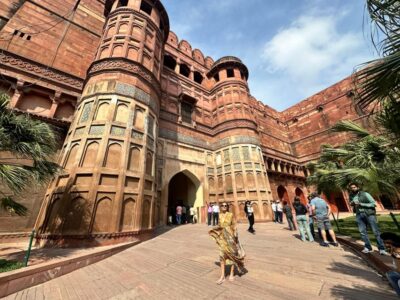
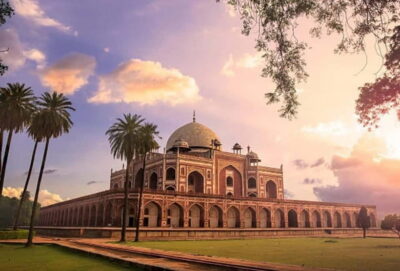
Delhi has a softer side. This 5-hour, small-group route mixes Mehrauli Archaeological Park with Lodhi Art District, so you get both the old layers of Delhi and the street-level creativity people actually live with. I love how the day gives you context, not just photos. I also love the art stops because they feel like you’re walking through a city conversation.
There is one catch to plan for: expect a real walking pace, and you’ll be mostly on your feet through parks and photo stops, so comfortable shoes matter. Also, one part tied to recycled-products shopping has been reported as not running at times, so don’t count on every optional add-on being identical on your day.
The payoff is that the tour stays efficient and calm: air-conditioned car transfers, an English-speaking guide, and a max group size of 12. You finish back in New Delhi feeling like you saw more than the usual highlights, without getting crushed by Delhi traffic for an entire day.
In This Review
- Key things to love about this South Delhi route
- A 5-hour loop that makes sense in Delhi traffic
- Mehrauli Archaeological Park: reading 800 years of Delhi in one walking circuit
- Lodhi Art District: street murals that feel like everyday Delhi
- Sunder Nursery: Mughal-era garden calm and practical sightseeing
- The coffee stop: supporting local culture instead of just passing through
- How the small-group format changes the whole experience
- Price and what you’re really paying for ($36 in context)
- A couple of practical considerations before you book
- Who this tour suits best (and who might want something different)
- Should you book this Delhi art-and-heritage tour?
- FAQ
- How long is the tour?
- Where does the tour start and end?
- Is hotel pickup included?
- What stops are included?
- What language is the tour guide?
- What is the group size?
- Is the tour wheelchair accessible?
- What should I wear or bring?
- Is this tour carbon neutral?
- Can I reserve now and pay later?
- Is there free cancellation?
Key things to love about this South Delhi route

- Mehrauli Archaeological Park’s scale: A guided walk through 100+ monuments dating back to the 12th century helps you read the park like a timeline.
- Lodhi Art District as public art: It’s described as India’s first open-air public art space, so you’re seeing art made for everyday streets, not museum walls.
- Sunder Nursery as a reset: Mughal-era monuments and garden paths give you a breather from traffic and noise.
- Coffee stop with a sustainability focus: You’re not just sightseeing; you’re also supporting local cafés working with eco-minded practices.
- Small-group pace: With up to 12 people, you get conversation time without feeling rushed or lost.
- A mix of car time and walking: The route is designed for a half-day, so it’s easier to fit into a busy itinerary.
A 5-hour loop that makes sense in Delhi traffic
South Delhi can be a confusing sprawl. What I like about this tour is that it’s built like a practical loop: car transfers that keep you moving, then short stretches where walking actually adds value. In a city where distances can feel bigger than they look on a map, this “small bites, big variety” approach is a smart way to get oriented.
You’re out for about 5 hours total, and the pacing is balanced: enough walking to feel like you’re in the places, but not so much that you’re wiped out before the day even ends. That matters if you’re doing other sights later or if you’re arriving from a flight and you still want quality over exhaustion.
And because it’s a small group (maximum 12), the guide can slow down for questions—especially useful when you’re moving between archaeology, street art, and garden heritage where the stories are different and the language matters.
You can also read our reviews of more historical tours in New Delhi


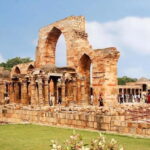
Mehrauli Archaeological Park: reading 800 years of Delhi in one walking circuit
Mehrauli is where the past stops being an abstract concept. This archaeological park is home to 100+ historic monuments, with origins reaching back to the 12th century. That’s not a “look from the gate” kind of place. It’s a guided walking experience where the guide helps you connect what you’re seeing to what you’re learning.
What makes Mehrauli special on this tour is the way it frames the park. Instead of treating ruins as isolated photo spots, you get a sense of how the monuments relate to each other in space and time. Even if you’re not a hardcore history person, the guide’s storytelling helps you notice details you’d otherwise miss: how structures sit in the landscape, how different eras leave different marks, and why this park has remained significant enough to protect and interpret.
A practical note: archaeological areas can mean uneven ground and occasional steep bits depending on where you’re walking that day. If you show up in flat but slick footwear, you might feel it. Choose shoes you can stand in for a while.
One more thing: Mehrauli is also a calmer pocket compared with main-road Delhi. That quiet contrast is part of the charm—this is where the day starts to feel like you’re slowing down.
Lodhi Art District: street murals that feel like everyday Delhi
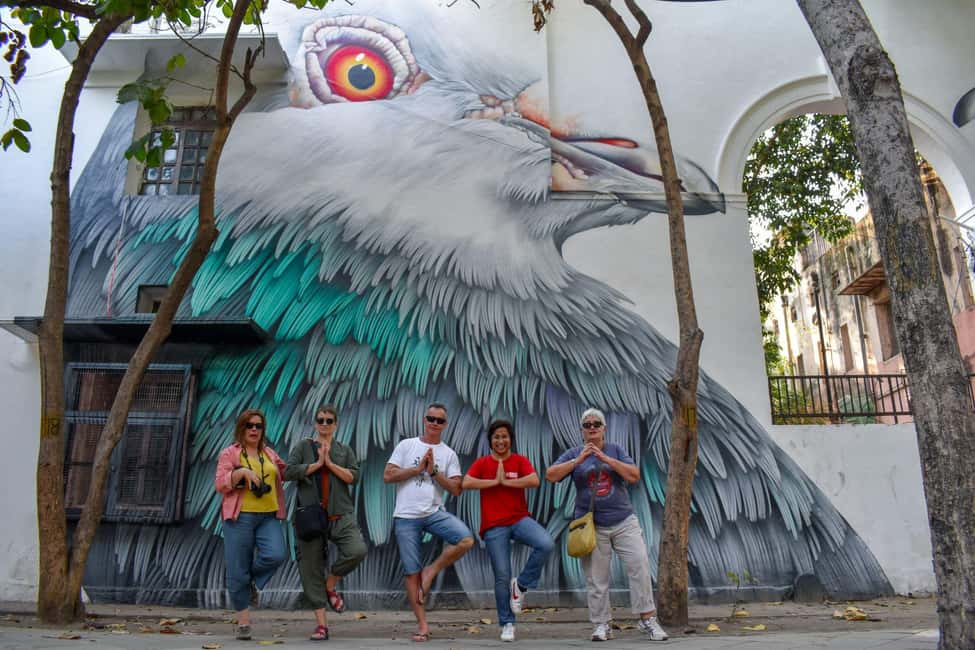
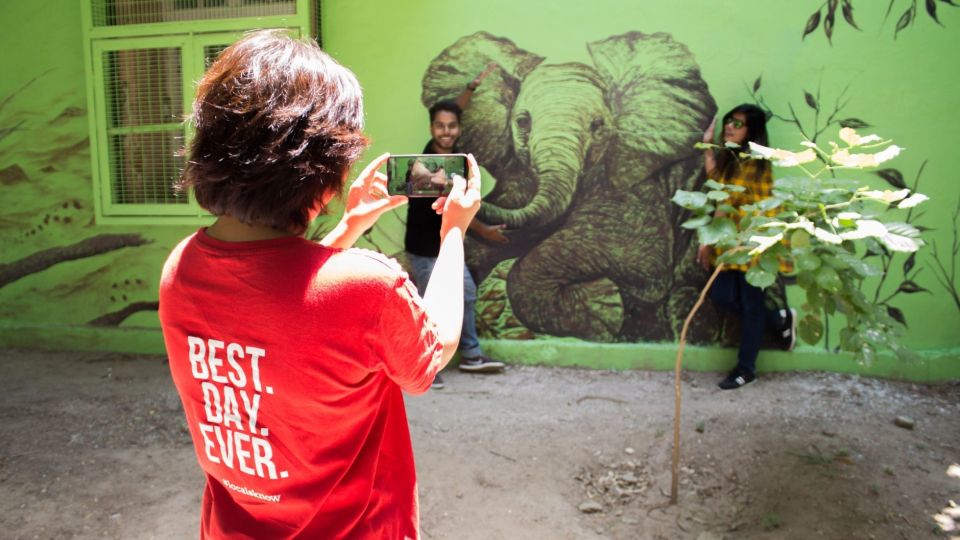
After Mehrauli’s monuments, the tour shifts gears to Lodhi Art District, which is described as India’s first open-air public art space. That phrase matters. You’re not seeing art behind museum glass. You’re seeing murals integrated into streets and building facades—art meant for people who pass through daily.
This stop works well because it’s a change of tempo. The guide helps you look beyond the obvious color and composition. You start paying attention to how murals interact with architecture and how the neighborhood’s creative culture shapes the street feel. The result is that you come away understanding the art as communication, not decoration.
Expect a walk paced for photos and explanations. It’s not a “rushing between five murals” scenario. You’ll have time to pause, look closer, and connect the art to its setting—especially when the guide points out why certain walls and alleyways become canvases.
Also, Lodhi is more “modern city” than the archaeology park. That’s good for contrast. You’ll likely feel like the day is transitioning from Delhi’s deep timeline to Delhi’s present-day voice.
Sunder Nursery: Mughal-era garden calm and practical sightseeing
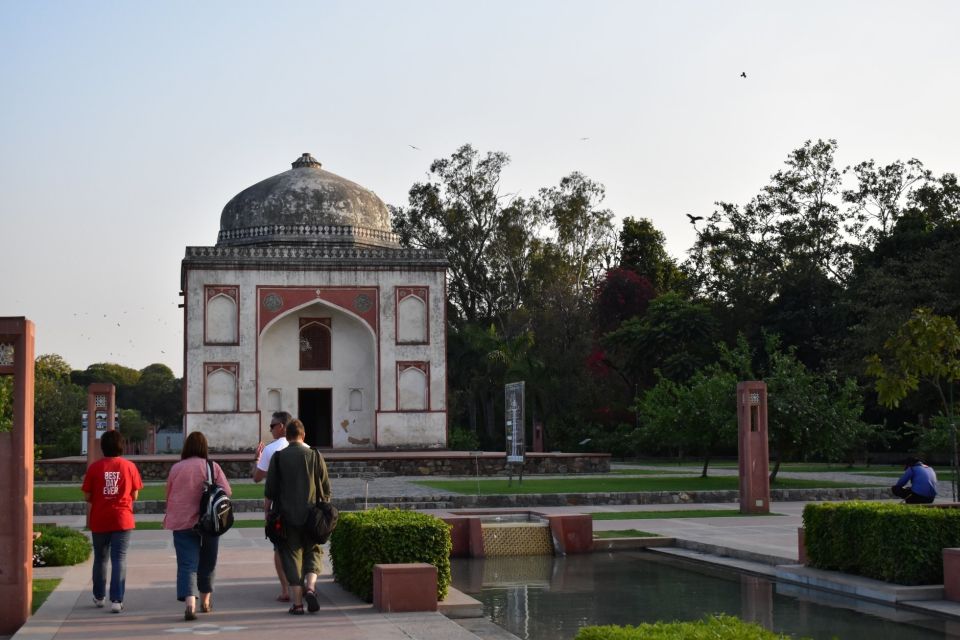
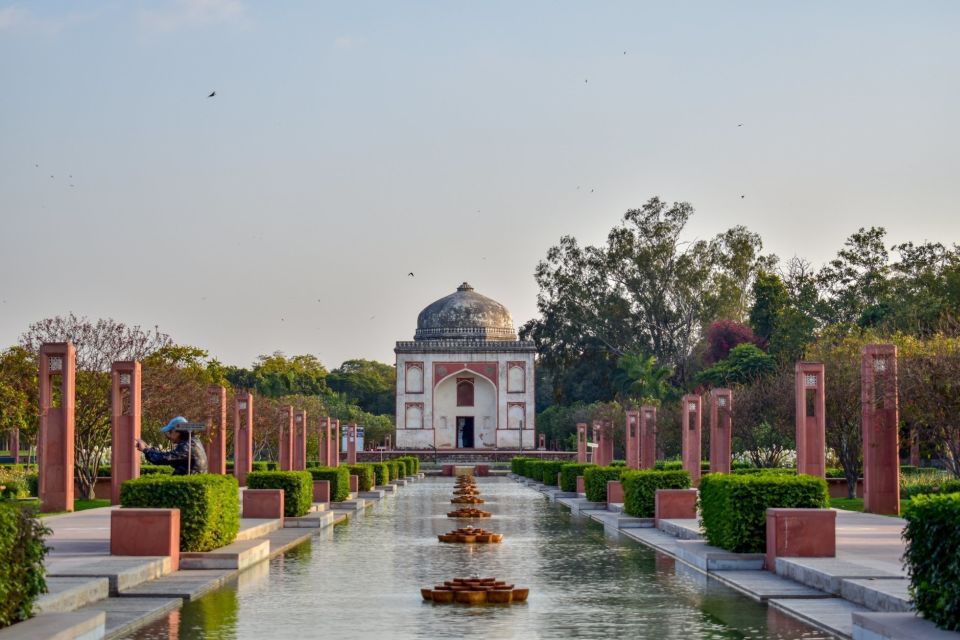
Then comes Sunder Nursery, and it plays a key role in why this itinerary feels good. After art and walking, you land in heritage gardens where the pace naturally eases. This park includes Mughal-era monuments along with lush garden paths, making it an easy place to reset your senses.
What you’ll likely enjoy most here is the contrast between built structures and open space. In a city where heat and noise can wear you down fast, a garden environment helps your brain breathe. You can slow down without forcing it. The monuments are there, but the setting makes it feel less like you’re rushing from landmark to landmark and more like you’re moving through a living historical landscape.
Practical tip: garden paths still involve walking. Even if it feels “easy,” wear shoes that can handle light unevenness and keep your feet happy. If you’re planning to wear sandals, I’d skip it.
Sunder Nursery works especially well if you like your Delhi sightseeing with a bit of green and quiet—something you can’t always count on when the city seems to run on traffic and horns.
The coffee stop: supporting local culture instead of just passing through
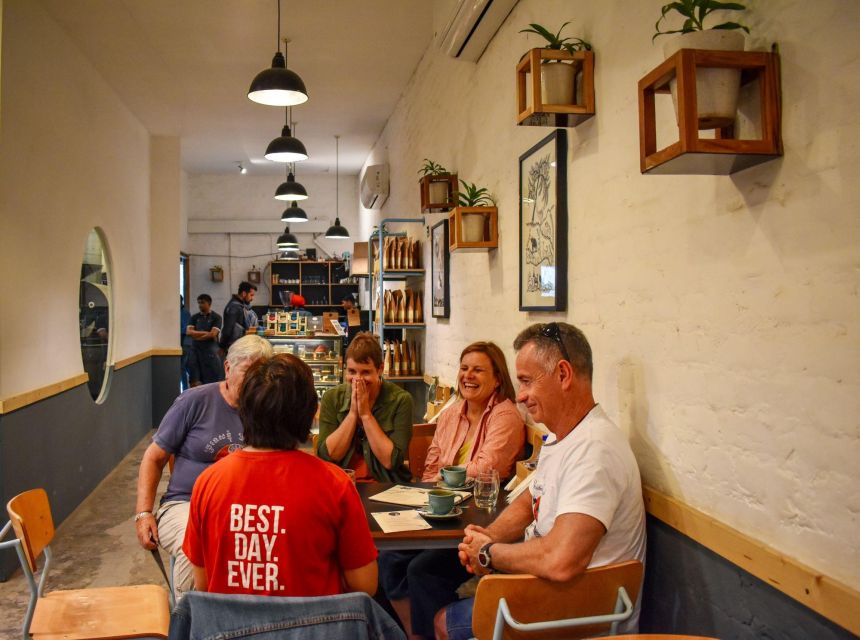
Between the monuments and murals, there’s a break built around coffee in a tucked-away area of art and culture. The tour specifically calls out a sustainability-focused café, and this is where you get a tangible feel for the local “scene,” not just the tourist layer.
Here’s why this matters: Delhi can be fast and transactional for visitors. Stopping in a smaller alley setting—where cafés, art, and everyday culture share space—helps you experience the city as locals do. Plus, the tour is positioned to support local artists and eco-friendly café initiatives, so your time and money aren’t just going to transportation and sightseeing tickets.
You’ll also get a moment to catch your breath. Even a short coffee stop changes your mood for the next stretch of walking and looking, and you’ll probably finish the last part of the day feeling less rushed.






How the small-group format changes the whole experience
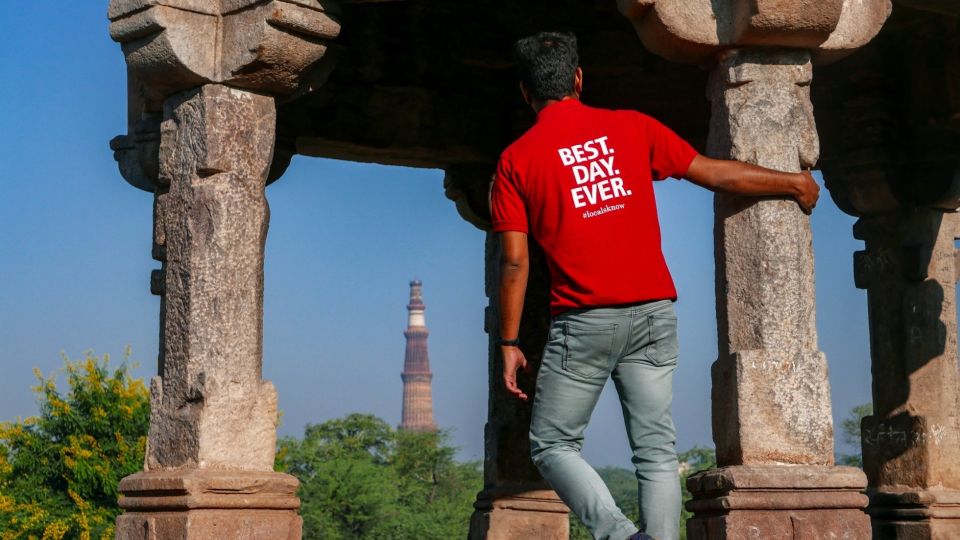
This is not a big-bus tour. It’s designed as a small-group outing with a maximum of 12 people. That changes everything from pacing to question time.
With a smaller group, you spend less time waiting. You also get more guide attention, which is important when the tour is moving between very different environments:
- archaeology with 12th-century roots,
- street art meant for open air neighborhoods,
- and Mughal garden heritage.
In a larger group, it can become “follow the leader.” Here, the guide can slow down for explanations and adapt to what you’re curious about—especially if you’re trying to understand why a street mural or a monument matters beyond its appearance.
There’s also hotel pickup from a centrally located place in New Delhi. That’s a real quality-of-life benefit in a city where coordinating transport can eat up time. A car transfer through traffic is still traffic, but you’re not wrestling with navigation before you even start.
And yes, the tour is live and in English, so you should feel comfortable asking questions.
Price and what you’re really paying for ($36 in context)
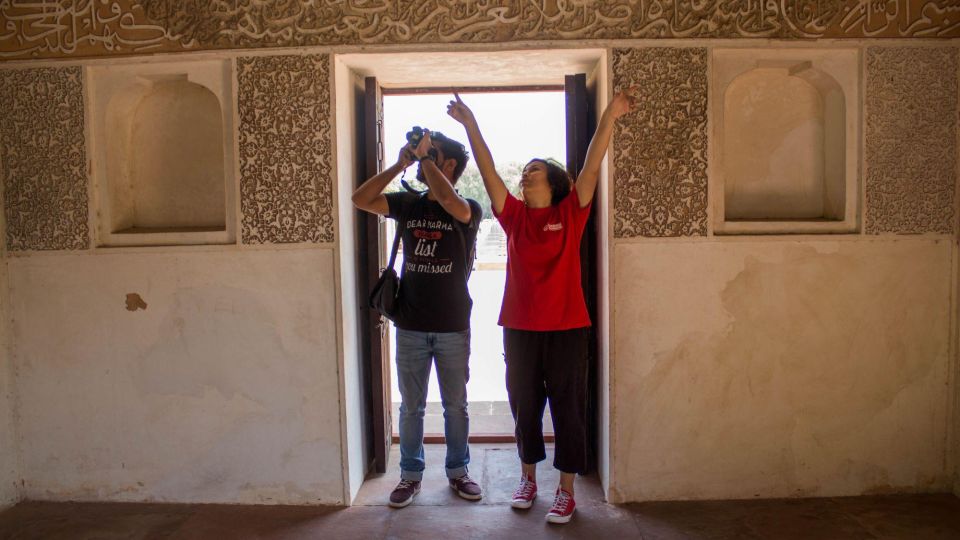
At about $36 per person for a 5-hour guided loop, this feels like the kind of experience that’s priced for visitors who want value without sacrificing quality. You’re not paying for an all-day marathon. You’re paying for guided interpretation plus transport within South Delhi’s most promising art and heritage pockets.
The real value is the combination:
- Guided time at Mehrauli Archaeological Park (with 100+ monuments),
- Lodhi Art District street-mural walking,
- and Sunder Nursery garden heritage.
Add a coffee break, and you get a well-rounded day that balances history, creativity, and a practical reset in between. If you tried to DIY it, you’d likely spend more time figuring out where to go, what to notice, and how to sequence it without wasting daylight.
One more detail: the tour is described as carbon neutral and operated by a B Corp certified company committed to using travel as a force for good. That doesn’t magically erase all the environmental impact of any transport, but it signals that the operator is paying attention to how the experience is run.
A couple of practical considerations before you book
A few things can shape how your day feels.
First, walking time is real. You’re moving through parks and open-air areas, so bring shoes you can trust. Also, the tour asks for modest dress and comfort, which makes sense for heritage sites.
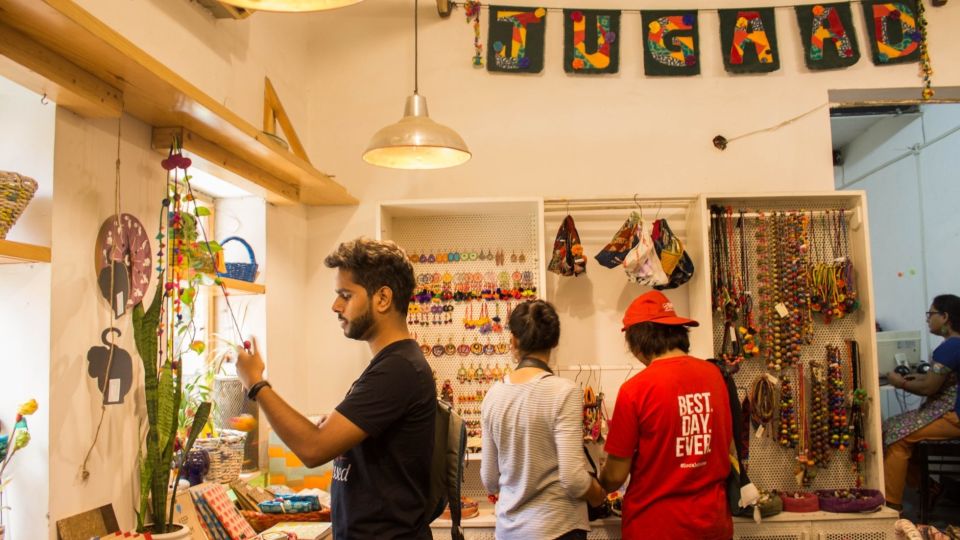
Second, be aware that one recycled-products charity shopping stop described in some versions of the experience may not always be running. One guide reportedly explained that it had not existed since Corona times and the provider revised the tour. So if your goal is specifically to buy recycled souvenirs from that exact stop, keep expectations flexible.
Third, you’re going to be in Delhi traffic at least some of the time—this is unavoidable. The good news is that the tour keeps it to a half-day structure and uses an air-conditioned car, so you’re not trapped outside for long stretches.
Who this tour suits best (and who might want something different)
I think this tour is a great fit if you want more than the headline sights. If you like art that you can walk up to, heritage parks that let you slow down, and guided storytelling that helps you connect monuments to meaning, you’ll probably enjoy this route a lot.
It’s also a strong choice if you’re traveling with limited time. You’re seeing three very different areas in one outing, which helps you understand South Delhi as a place rather than as a checklist.
It may be less ideal if you only want the most famous, high-drama monuments. Mehrauli and Sunder Nursery are impressive, but the experience is built around interpretation and atmosphere, not “big spectacle” in the usual way.
Families are included too. The tour is child-friendly, allowing children age 6 to 11 at the listed rate.
Should you book this Delhi art-and-heritage tour?
Book it if you want a smart, half-day introduction to South Delhi that blends archaeology, street art, and garden heritage without requiring a full-day commitment. The small-group format, English guidance, and the built-in coffee break make it feel like a complete experience rather than a rushed hit list.
I’d only hesitate if you’re hard-focused on one specific shopping add-on or if long walking on park paths is a problem for you. Otherwise, this is exactly the kind of tour that turns a “quick visit” into a day you actually remember.
FAQ
How long is the tour?
The tour lasts 5 hours.
Where does the tour start and end?
Pickup is in New Delhi, and the tour returns you to New Delhi.
Is hotel pickup included?
Yes. You’ll be picked up at a centrally located hotel in Delhi. Plan to wait in the hotel lobby about 5 minutes before pickup.
What stops are included?
You’ll visit Mehrauli Archaeological Park, Lodhi Art District, and Sunder Nursery.
What language is the tour guide?
The live tour guide speaks English.
What is the group size?
The tour is a small group with a maximum of 12 people.
Is the tour wheelchair accessible?
Yes, it is listed as wheelchair accessible.
What should I wear or bring?
Wear comfortable shoes and dress modestly.
Is this tour carbon neutral?
Yes. It’s described as carbon neutral and operated by a B Corp certified company.
Can I reserve now and pay later?
Yes, it offers reserve now & pay later.
Is there free cancellation?
Free cancellation is available up to 24 hours in advance for a full refund.