REVIEW · NEW DELHI
Delhi: Ethical Sanjay Colony Slum Tour
Book on GetYourGuide →Operated by Reality Tours and Travel Private Limited · Bookable on GetYourGuide
Delhi’s slums can teach you how a city works. This Sanjay Colony tour is built around a respectful, non-intrusive walking route that shows the real rhythms of daily life, with local people guiding the conversation about work, home, and dignity. I like the way the group is kept grounded in real observations, not shock value, and how the tour connects what you see to ongoing community support.
Two things I really like: first, the textile recycling stops, where you can watch how fabric scraps turn into workable material and new products through small local shops. Second, the guides. In the last stretch of the tour, names like Komal, Kiran, Naresh, Kavita, and Dolly come up again and again in how they explain what you’re seeing, answer questions in English or Hindi, and keep the experience safe and thoughtful.
One consideration: this is not a “photo walk.” The tour has a strict no-photography policy and modest clothing rules, and some areas can get dirty depending on the season.
In This Review
- Key highlights at a glance
- Entering Sanjay Colony: what makes this tour different
- Where Sanjay Colony sits in Delhi and what you’ll notice first
- Meeting points, timing, and how the walk stays manageable
- The textile recycling stops: where the local economy becomes real
- Small business visits: S.K Beri & Brothers and VIJAY PRATAP
- Faith, community, and the mosque and temple you’ll pass
- The view point and the Reality Tours & Travel stop: connecting dots
- Being the kind of visitor this tour needs
- Cost and value: why $18 can feel like a bargain
- What this is best for (and who should skip)
- Should you book the Delhi Ethical Sanjay Colony Slum Tour?
- FAQ
- How long is the Sanjay Colony Slum Tour?
- Where do I meet the guide?
- How much does the tour cost?
- Is photography allowed?
- What is included in the price?
- Is food included?
- Is the tour private or shared?
- What should I wear or bring?
- Is it suitable for wheelchair users?
Key highlights at a glance
- Ethical community-first approach focused on respectful conversation and privacy
- Textile recycling and micro-industries (garment-related work, plus other small-scale trades you’ll encounter)
- Local guides who translate the social reality, often answering everything from work routines to community structure
- Stops that include faith sites like a Hindu temple and a mosque to show daily life beyond work
- A short business visit to workplaces inside the colony’s local economy, not just streets and homes
- You link your ticket to education support, via Reality Gives and local NGO partnerships
Entering Sanjay Colony: what makes this tour different

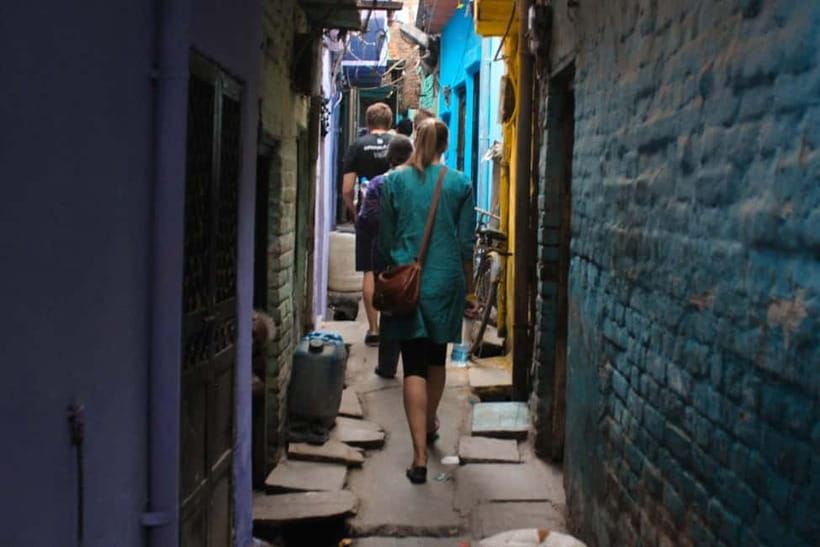
Sanjay Colony isn’t a postcard destination, and that’s exactly the point. The tour is designed as a walking experience through a real community where people live, work, pray, and raise families in very close quarters. It’s small enough to cover in a couple of hours, yet big enough to feel like a whole working world.
The big value for you is mindset. You’re asked to leave stereotypes at the door and treat the visit like an education in how an informal economy works. Instead of chasing dramatic sights, you learn what daily life looks like when resources are stretched and solutions are local. In the process, you also get a view of Delhi that most visitors miss completely.
It also helps that the tour is structured. There’s a short safety briefing at the start, then a guided route that mixes residential lanes with small businesses and community spaces. That structure matters because it keeps the tone respectful and it keeps you from feeling like you’re wandering into someone’s private day.
You can also read our reviews of more tours and experiences in New Delhi.

Where Sanjay Colony sits in Delhi and what you’ll notice first
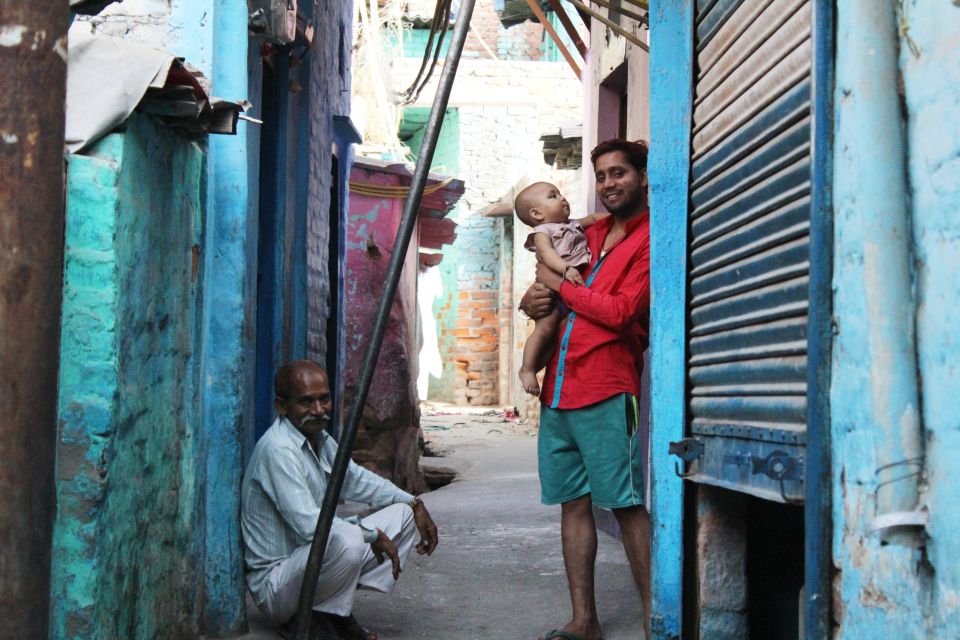
Sanjay Colony is in south Delhi near two famous landmarks: the Bahá’í Lotus Temple and the ISKCON Hare Krishna Temple. The area sits on about 25 acres and is home to roughly 50,000 people. It was built on forest land, and today it’s surrounded by large industrial areas, which helps explain why the local economy includes manufacturing and recycling work.
When you arrive, don’t expect big monuments. What you’re really looking for is the logic of the place: how people have organized space for work, how neighbors support each other, and how faith and routine show up in everyday corners of the colony. The tour route takes you through that “between” world—between residential life and the small workspaces that power it.
And you’ll likely notice the atmosphere your guide creates. The goal is to show that slum communities are not just problems to photograph. They’re places with pride, routines, humor, and community energy—along with real challenges.
Meeting points, timing, and how the walk stays manageable
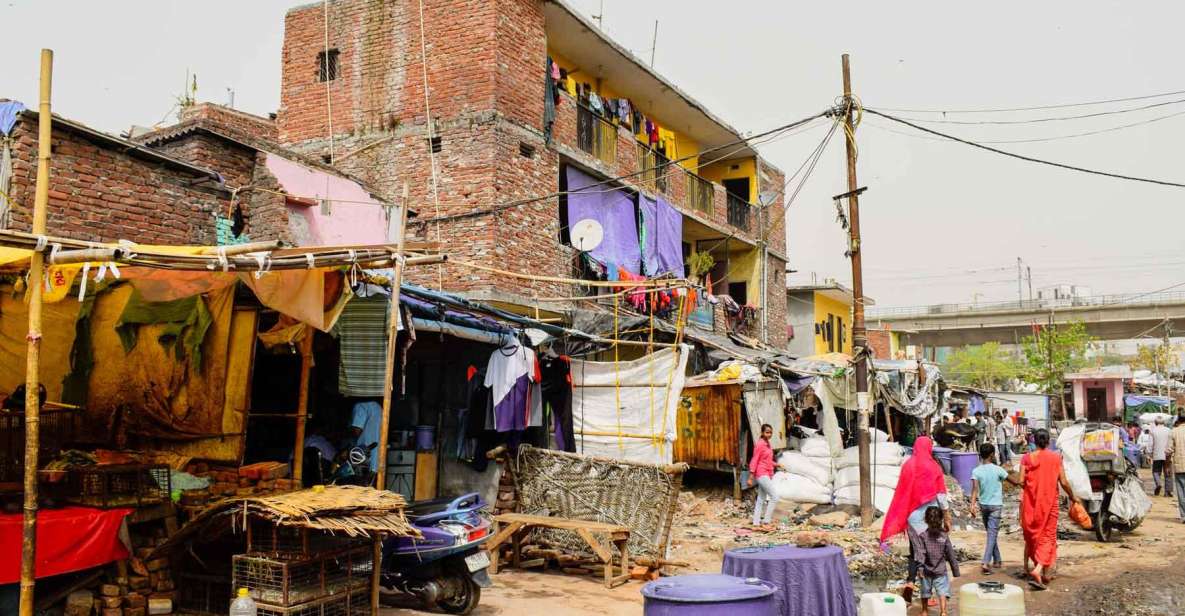
The tour lasts about 2 to 3 hours, so plan it like a focused half-day activity rather than a casual stroll. You’ll typically start from one of three metro-adjacent locations: Harkesh Nagar, Harkesh Nagar Okhla, or Rajiv Chowk Metro Station. Your drop-off options mirror that area (Harkesh Nagar, Harkesh Nagar Okhla, or Harkesh Nagar Okhla Metro Station).
There’s no hotel pickup listed, so you’ll want to choose the meeting point that’s easiest for you to reach. If you’re using metro for the rest of your day, picking the Rajiv Chowk option can make sense since it’s a major hub. If you’re already staying near south Delhi, the Harkesh Nagar options can feel simpler.
The walk itself is designed to be doable in small time blocks. You’ll move between stops on foot, with short visits inside and outside workshops. Expect a route that changes pace depending on what’s happening around you—work moving, people passing through, kids playing nearby.
Two practical points that affect comfort:
- Wear comfortable closed-toe walking shoes, because some areas can be dirty, especially during monsoon season (June to mid-September).
- Dress modestly. Low-cut or sleeveless tops and short shorts aren’t allowed.
The textile recycling stops: where the local economy becomes real
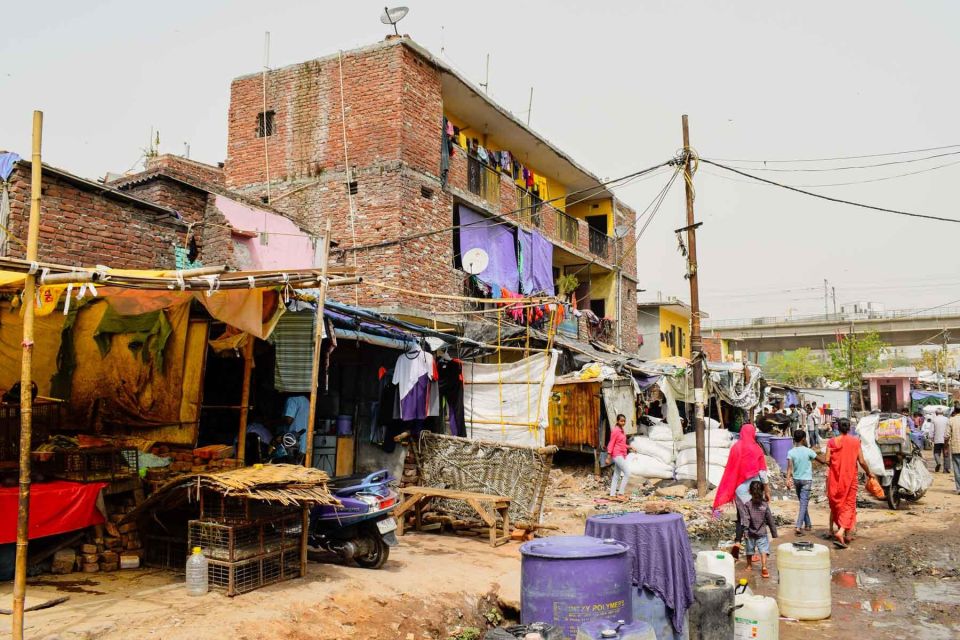
The heart of this tour is the work. Sanjay Colony is closely tied to garment recycling and related manufacturing. That means your guide will talk you through the idea that a lot of labor, sorting, and repair happens locally—turning fabric waste into something usable again.
What you’ll likely see (and what you should pay attention to) is the workflow. Instead of thinking of “recycling” as one big machine, you’ll see how the process relies on people: sorting, separating, preparing materials, and sending parts of the workflow through small workshops. In the reviews, people describe seeing fabric piles being sorted on the street and men working in sewing-style setups in small shops—so keep your expectations focused on work in motion.
This stop isn’t there to make you feel guilty. It’s there to show you how complex the informal supply chain can be. When you understand that, you stop seeing poverty as only a lack of things and start recognizing it as an alternative system that still produces goods, jobs, and opportunities.
Also, your guide should help you connect the dots. If questions come up—How does this get sourced? Who hires? How do skills transfer?—this tour is built for conversation, not passive watching.
Small business visits: S.K Beri & Brothers and VIJAY PRATAP
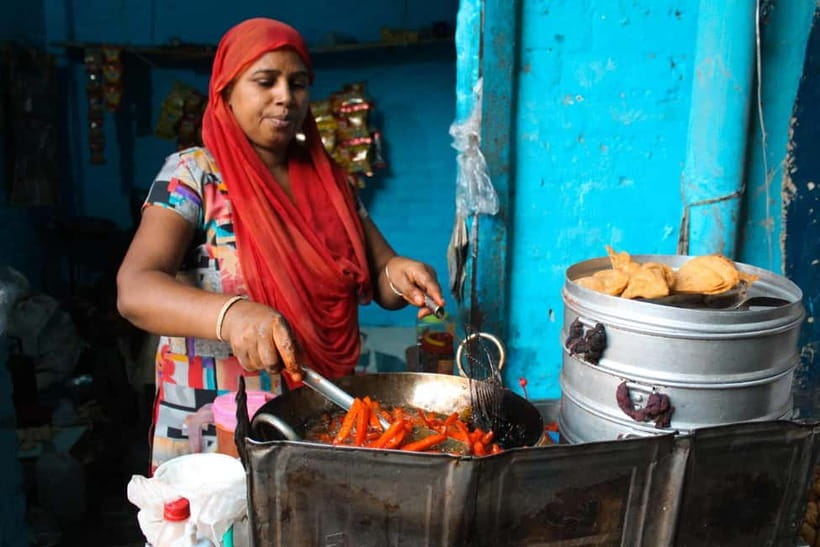
A big part of the itinerary is dedicated to workplaces, not just streets. You’ll have time at a business stop called S.K Beri & Brothers Private Limited (about 15 minutes). You’ll also visit another stop called VIJAY PRATAP (about 10 minutes).
The exact product focus at each stop isn’t laid out in detail in your tour overview, so treat these visits as windows into the colony’s micro-economy. Your guide’s job is to explain what you’re seeing and how it fits into the bigger system of work in Sanjay Colony.
For you, this is where the tour becomes practical. You can watch how a workday is organized in tight spaces. You can ask why certain tasks are done where they are. And you can see how the same industry theme—materials, repairs, production—shows up across different small workplaces.
The drawback here is simple: because these are working spaces, you’ll want to be attentive and quiet when the guide asks you to. This isn’t a showroom. It’s labor.

Faith, community, and the mosque and temple you’ll pass
One of the best ways to understand a community is to see the places where people pause. In this tour, you’ll visit a Hindu temple and also Jama Masjid Sanjay Colony (about 5 minutes). These stops matter because they show that religious life isn’t separate from work life.
In a place like Sanjay Colony, faith is also social structure. It affects timing, shared spaces, and community identity. You’ll learn how residents describe living with diversity in close proximity, and you’ll see interactions that don’t match the harsh stereotypes that follow slums in public conversation.
The tone on these stops is respectful and explanatory. Your guide will likely point out what’s meaningful about the spaces and how residents relate to them. This is also a good moment to ask bigger questions—How do people handle community needs? How do neighbors support each other?—because your guide can tie those ideas back to what you saw in the shops and lanes.
The view point and the Reality Tours & Travel stop: connecting dots
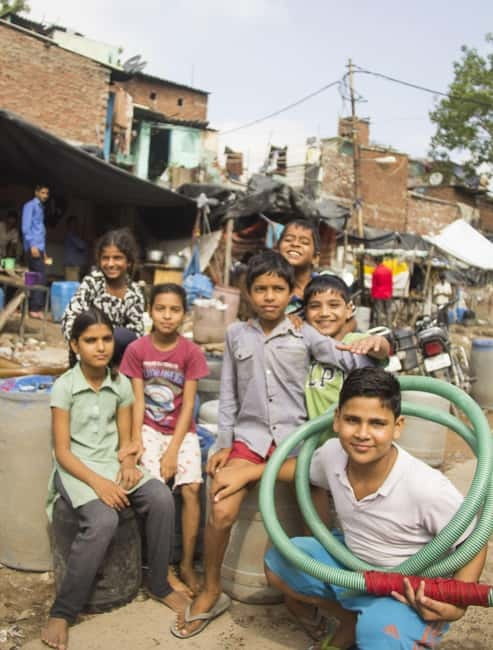
After you’ve seen enough street-level work and daily life, the itinerary includes a view point stop (about 20 minutes). View points can feel touristy, but here it’s useful. From a higher angle, you can understand how tightly the colony is built, how lanes connect, and why “walking through” is the only way to grasp the layout.
Then you’ll spend time at Reality Tours & Travel – Delhi (about 20 minutes). This part of the tour is about transparency: learning how Reality Gives supports local NGOs and how education programs connect to what you pay for the tour.
If you want a real-world reason to care, focus on this segment. The tour isn’t just a look at problems. It’s a statement that the tourism money has a purpose. In the experiences shared by previous visitors, a large share of profit is described as going back into community support such as education and youth programs. That doesn’t remove hardship—but it does show where the support flows.
Being the kind of visitor this tour needs
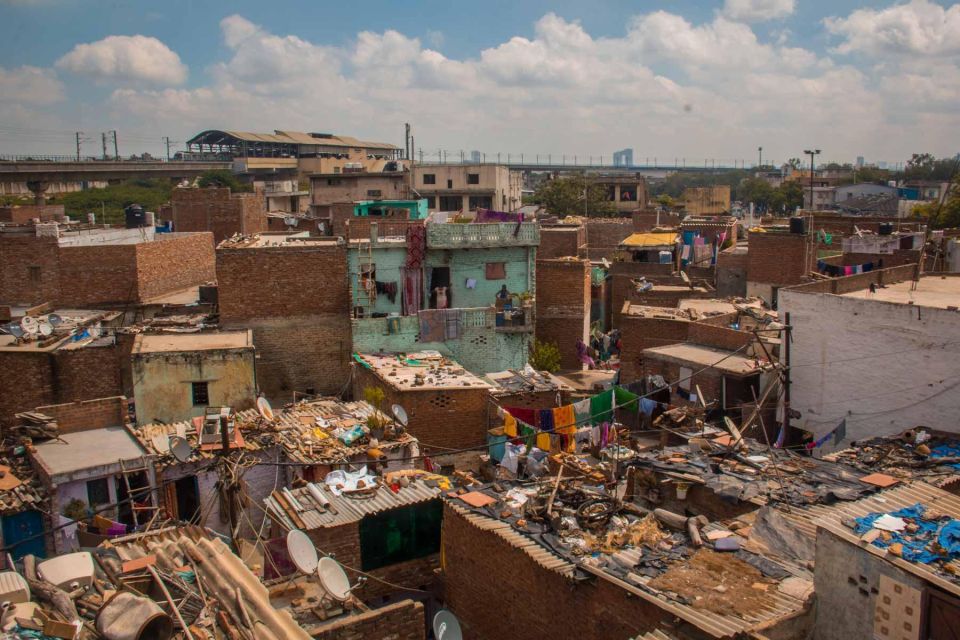
This is a respectful visit, so you need to act like one. The tour’s most important rule is the strict no-photography policy. Cameras aren’t allowed, and it’s enforced for privacy of local residents. For you, that’s actually a gift: you’ll notice more, and you’ll stop turning people into background.
You also don’t want to show up overpacked. Not allowed items include pets, baby strollers, and luggage or large bags. Bring only what you can comfortably carry for a couple of hours.
One more mindset tweak: treat kids with normal kindness. The tour often includes moments where you may see children playing and waving as you pass. The right behavior is simple—smile, be polite, and let your guide handle any interaction so it stays comfortable for everyone.
Cost and value: why $18 can feel like a bargain
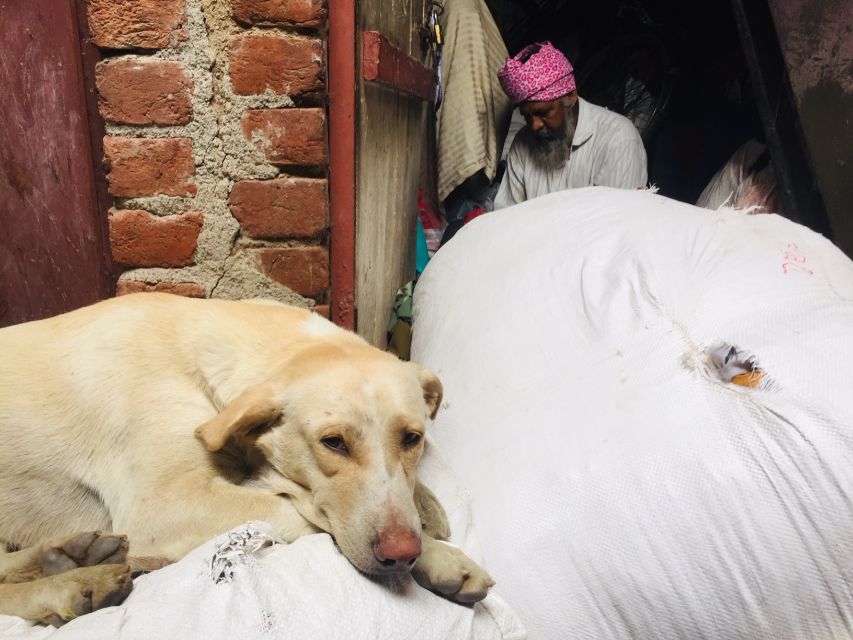
At $18 per person for a 2–3 hour guided walk, this tour is priced in a way that’s hard to argue with. You’re not paying for monuments or a fancy bus. You’re paying for a guided route that requires time, local knowledge, and coordination with residents and workplaces.
The value gets stronger when you factor in what’s included:
- a local English-speaking guide (English and Hindi tours are supported)
- a water or cold drink
- a private or shared walking tour depending on what you choose
And the tour links your participation to community support through Reality Gives and partner NGOs. If you care about ethical travel spending, this is one of the cleaner ways to do it in Delhi—because the “why” is explained during the route.
Just remember: it’s not a food tour. Food is not included, so plan a meal before or after.
What this is best for (and who should skip)
This tour is a strong match if you want an honest look at modern India beyond the usual sights. It works well for:
- people who like guided context and Q&A
- travelers who want to understand work and informal industries, not just culture headlines
- anyone interested in how local organizations support education and youth
It’s less suitable if you need heavy infrastructure access. The tour is not suitable for wheelchair users, and it also isn’t recommended for people over 95 years. If that applies to you or your group, you’ll want to look at other options.
Also skip it if you want to take lots of photos or if you’re uncomfortable with areas that can be dirty depending on the season. This tour asks for modest clothing, closed-toe shoes, and patience.
Should you book the Delhi Ethical Sanjay Colony Slum Tour?
I’d book it if you’re looking for more than a checklist. This is one of the few Delhi experiences that can change how you see the city’s economy and social structure. The walking format keeps you close to daily reality, and the combination of garment recycling work, small business stops, and faith/community spaces helps you understand how the community is stitched together.
I’d hesitate only if the no-photography rule and modest dress requirements would make you frustrated, or if mobility limits make a walking route hard. If you’re okay with those boundaries, you’ll likely leave with a calmer, clearer understanding of how people build stability in tough circumstances—and how your visit can be part of education-focused support through local partnerships.
If your goal is authentic Delhi, this is a solid choice.
FAQ
How long is the Sanjay Colony Slum Tour?
The tour runs about 2 to 3 hours.
Where do I meet the guide?
You can meet at one of three starting options: Harkesh Nagar, Harkesh Nagar Okhla, or Rajiv Chowk Metro Station. The exact meeting point can vary depending on the option you book.
How much does the tour cost?
The price is listed as $18 per person.
Is photography allowed?
No. Cameras are not allowed on this activity, and the tour follows a strict no-photography policy to respect residents’ privacy.
What is included in the price?
You get a local English-speaking guide, a water/cold drink, and a private or shared walking tour (depending on the option selected).
Is food included?
No. Food is not included.
Is the tour private or shared?
Both are available. You can choose a shared walking tour or a private/small-group option.
What should I wear or bring?
Wear comfortable clothes and comfortable closed-toe walking shoes. The areas you walk through can be dirty, especially during the monsoon season.
Is it suitable for wheelchair users?
No. The tour is not suitable for wheelchair users, and it is also not recommended for people over 95 years.