REVIEW · CHENNAI
Chennai: St. Thomas Trail & Madras War Cemetery
Book on GetYourGuide →Operated by 5 Senses Tours · Bookable on GetYourGuide
St. Thomas’ footsteps turn history into a route. This 5-hour private tour strings together three major places tied to Christianity’s early arrival in India—Santhome Basilica, Little Mount, and St. Thomas Mount—and then adds a truly quiet stop at the Madras War Cemetery. I love how the tour makes the story feel physical, from relics and shrines to the handprints people associate with the saint. I also like that it’s not only faith-focused; the war cemetery gives you a respectful pause that hits in a different way. One possible drawback: the itinerary includes walking, and these are active religious sites, so you’ll want comfy shoes and modest clothing.
A highlight for me is the way the guide can shape your experience in small, human ways. In particular, Hareesh (a guide connected with this tour) has been praised for being sensitive to the moment—helping with flowers and working around a closed gate so a guest could pay respects. That kind of attention matters when you’re switching from ancient sacred sites to a place of remembrance.
If you want a straightforward, guided way to see key Chennai locations connected to St. Thomas, and you don’t mind a compact schedule, this tour fits well.
In This Review
- Key Things You’ll Really Notice on This Tour
- The 2,000-Year St. Thomas Trail: Why This Route Feels Different
- Santhome Basilica Over St. Thomas’ Burial: Portuguese Neo-Gothic Meets Ancient Meaning
- What to watch for at Santhome
- Little Mount Cave and the Handprints Linked to AD 68
- Practical note for Little Mount
- St. Thomas Mount: The Martyred Saint, Shrines, and a Date in Stone
- Where this stop can feel intense
- Madras War Cemetery: Commonwealth Graves, Personal Messages, and Real Quiet
- Why this stop adds value (even if you’re not into war history)
- Price and Logistics: What You’re Paying For, and When It’s Worth It
- Practical Tips That Make This Day Easier
- Who Should Book This St. Thomas Trail and War Cemetery Tour?
- Should You Book This Tour?
- FAQ
- How long is the St. Thomas Trail & Madras War Cemetery tour?
- Where does the tour start?
- What’s included in the price?
- Is this tour private or shared?
- Do I need to pay extra for admission?
- Is there walking involved?
- What kind of lunch is provided?
- Is there a dress code?
- What is the cancellation policy?
- Is the tour available in English?
Key Things You’ll Really Notice on This Tour
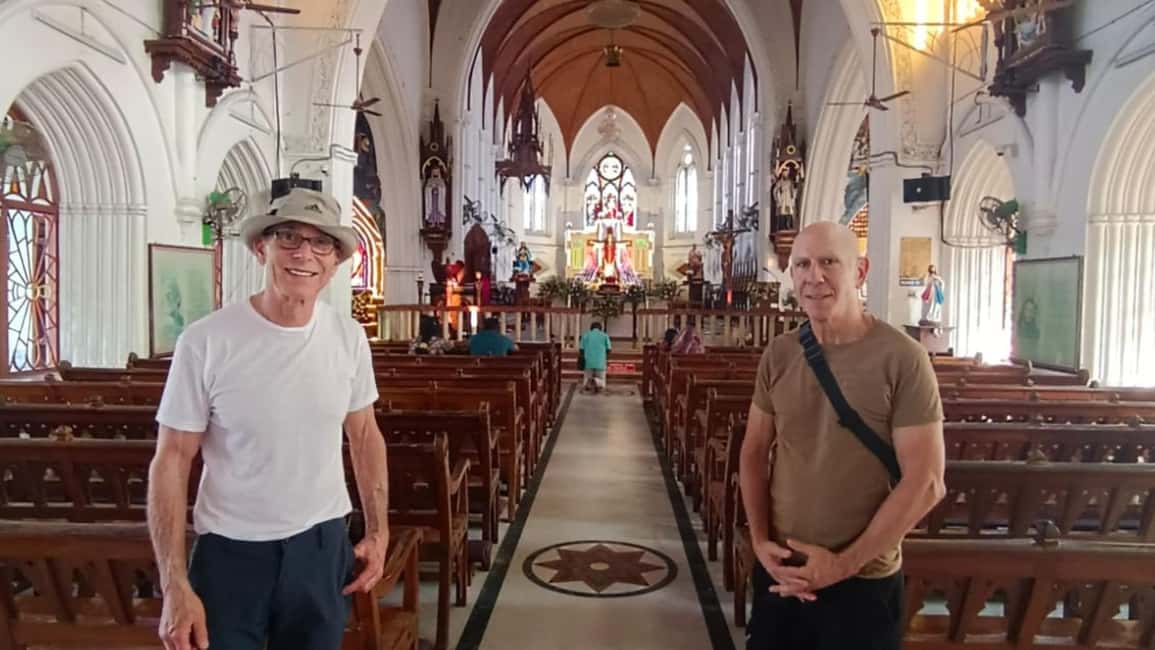
- Santhome Basilica’s neo-Gothic look over St. Thomas’ burial site, shaped by Portuguese-era builders
- The relic shrine details, including a small bone and the head of the lance associated with the martyr
- The handprints at Little Mount, linked to the story of hiding and penance in AD 68
- St. Thomas Mount’s martyrdom focus, marked by shrines and altars tied to the spot
- Madras War Cemetery’s Commonwealth Graves Commission care, with personal messages carved on headstones
- A private-group feel, with English narration and the chance to ask questions without rushing
The 2,000-Year St. Thomas Trail: Why This Route Feels Different
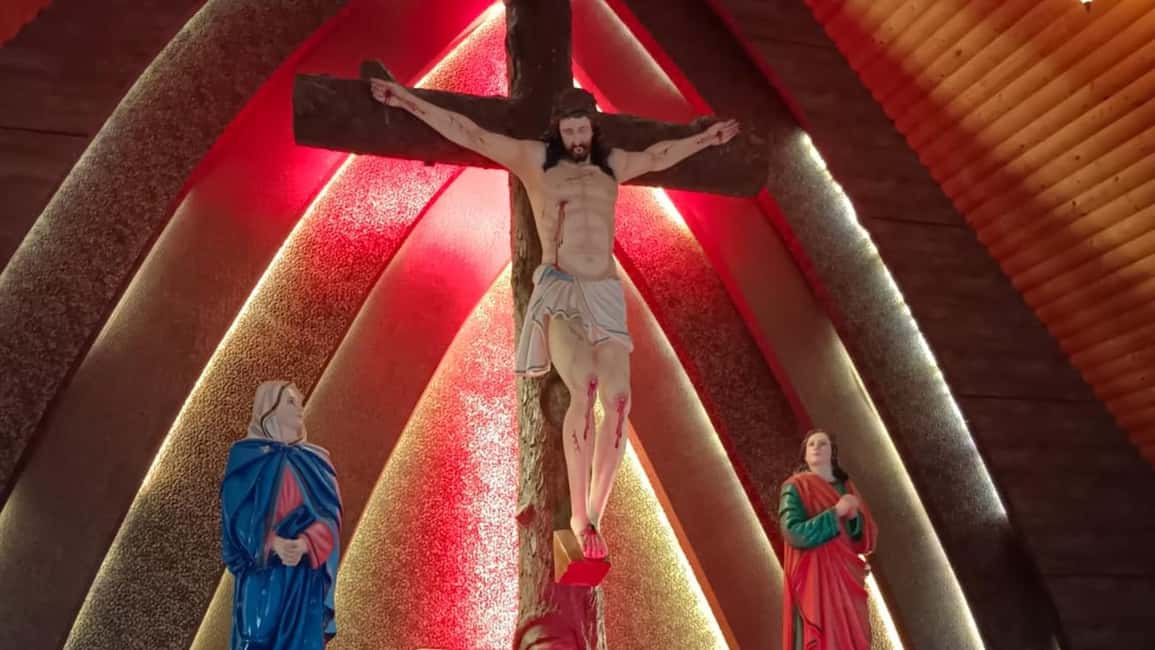
Chennai doesn’t just have churches and viewpoints. It has a living “map” of belief built around one man’s journey—often called St. Thomas, or Doubting Thomas. What makes this tour compelling is that it treats the story like geography. You’re not only hearing dates; you’re moving between places tied to that timeline.
You’ll start at Santhome, then continue up to Little Mount and on to St. Thomas Mount. Each stop frames a different chapter: burial and relics, hiding and penance, then martyrdom. Even if you’re not deeply religious, the structure works. It gives you a clear sense of what people long ago believed happened here—and how those beliefs hardened into specific sites, shrines, and traditions.
And then the route pivots. The Madras War Cemetery doesn’t extend the St. Thomas story. Instead, it creates a second emotional arc: sacrifice and remembrance. That contrast is powerful when you’re in a city full of movement.
You can also read our reviews of more tours and experiences in Chennai.

Santhome Basilica Over St. Thomas’ Burial: Portuguese Neo-Gothic Meets Ancient Meaning
Santhome Basilica is the kind of place that looks like it belongs to a specific era—and still connects to something older. You’ll get a guided visit focused on the church built over the burial site of St. Thomas. The day begins here for a reason: this is the anchor point, the site that pulls the rest of the trail into context.
One detail I really like is the background of the area itself. The village around Santhome was founded in the 10th century by Christians from Persia. That helps you see Christianity here as something influenced by travel, trade, and migration—not only by one origin story.
Inside the basilica, the guide will point out a shrine that preserves relics tied to St. Thomas, including a small bone and the head of the lance with which he was pierced. You also get a sense of how later European visitors shaped the building you see today. The neo-Gothic structure you’re admiring was built by Portuguese explorers in the 16th century. So you’re looking at layered architecture: older sacred association, later building style, and ongoing religious use.
What to watch for at Santhome
- The site is religious, so dress modestly and plan for a respectful pace.
- Lighting and crowd flow can affect how long you can linger, so let the guide help you prioritize the key spots first.
If you like churches with visible history—where the walls tell you who arrived later and changed the look—this stop will feel like a strong start.
Little Mount Cave and the Handprints Linked to AD 68
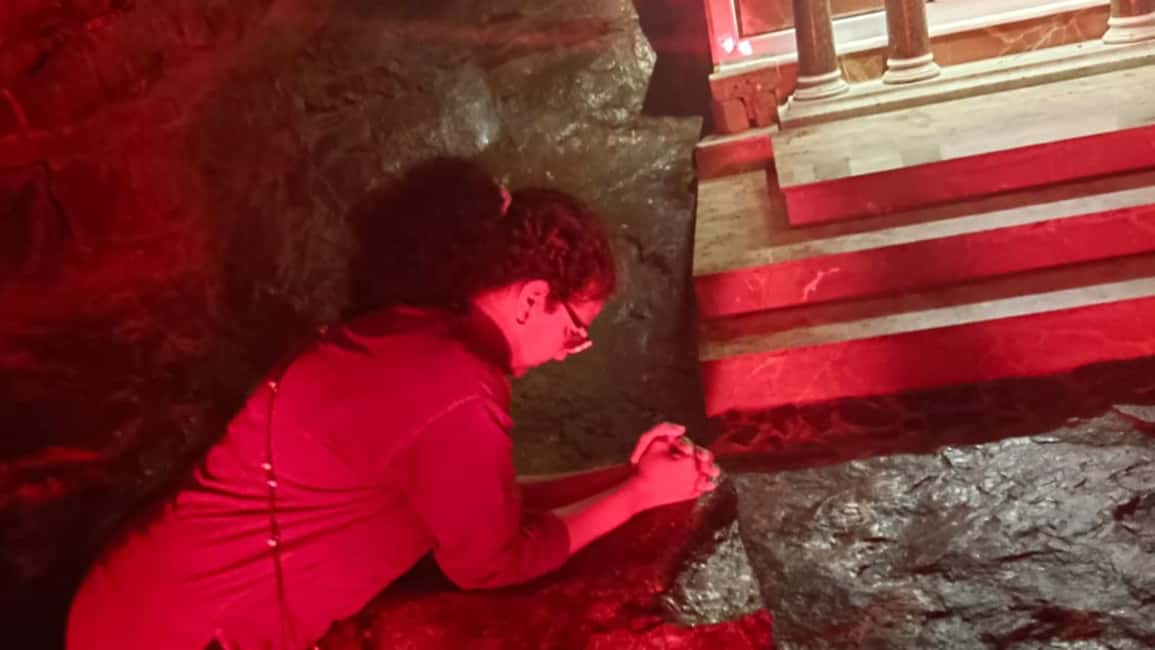
Next comes Little Mount, a change of mood from a grand basilica to a more enclosed, story-heavy stop. This is the cave associated with St. Thomas’ hiding in AD 68 and his time of penance. The tour focuses on the cave experience and the marks tied to the saint’s presence.
The most talked-about feature here is the handprint area near the entrance. You’ll see both a palm print and handprint near the tunnel’s entrance, believed to be those of St. Thomas himself. Even if you treat the identification as tradition rather than scientific fact, the human logic is still clear: early communities want physical evidence in the places where they believe the key events happened.
This is also where the tour starts to feel more personal. You’re not just learning a timeline; you’re standing near a “moment in a cave” and hearing how people connected that space to the saint’s choices. It’s a different kind of storytelling than what you’d get from a museum placard.
Practical note for Little Mount
Because this is a cave and includes some walking and moving around, wear comfortable shoes. The tour is manageable, but you’ll be happier if your footing feels secure.




St. Thomas Mount: The Martyred Saint, Shrines, and a Date in Stone
St. Thomas Mount shifts everything into the martyrdom chapter—where the story becomes more dramatic and more commemorated. The guided visit is centered on the belief that St. Thomas was murdered here on December 21, AD 72.
You’ll see shrines associated with the site, including a dedication to Our Lady of Expectation built in 1523. That’s a useful reminder that sacred sites can carry multiple layers of devotional focus over time. Even when the core story is one person’s martyrdom, the ways later worshippers honor it can change.
The tour also highlights an altar built on the spot where St. Thomas was murdered. That “spot marking” matters. It’s how sacred places become legible to visitors: you’re given a point in space that people treat as meaningful.
Another striking feature is the gateway with four impressive arches, topped by a cross bearing an inscribed date of 1547. It’s the kind of detail that makes you look up and realize this wasn’t built as a simple marker. It was designed as a lasting entrance into a sacred narrative.
Where this stop can feel intense
St. Thomas Mount is about death and remembrance, but it’s also a place of worship. Keep your pace steady, and give yourself time to absorb the atmosphere without rushing photos.
Madras War Cemetery: Commonwealth Graves, Personal Messages, and Real Quiet
The last leg is the emotional curveball: Madras War Cemetery. In the middle of Chennai’s daily energy, this place offers a calm reset.
The cemetery is maintained meticulously by the Commonwealth War Graves Commission, and it holds the memory of over 850 Commonwealth service personnel who sacrificed their lives during World War II. There’s also a separate memorial stone honoring over 1,000 who fell in World War I. Those numbers don’t need added drama; they do the work.
What hits hardest is what you’ll see as you walk the rows of white Portland stone headstones. Each headstone includes a personal message chosen by families. That means you’re not only reading names and dates—you’re reading tiny pieces of someone’s relationship to the person they lost.
The lawns are manicured, and the overall feeling is orderly, which may sound “clinical” at first. But it actually makes the grief clearer. You’re surrounded by neat spacing and quiet attention, so each headstone feels distinct rather than lost.
Why this stop adds value (even if you’re not into war history)
It gives you a chance to reflect in a way that matches the rest of the day. Earlier you’re following a saint’s story through specific locations. Here, you’re honoring lives through a physical landscape built for remembrance. The shared idea is human sacrifice—and how communities choose to keep it from fading.
Price and Logistics: What You’re Paying For, and When It’s Worth It
At $87 per person for about 5 hours, this tour can feel like a bargain—or like a lot—depending on how you like to travel.
Here’s what you’re actually getting for the price:
- A live English guide
- Entry charges
- A South Indian vegetarian lunch
- Pick-up and drop-off by AC car from your hotel lobby
- A private-group style, so the pace and focus can be guided by your questions
For me, the best value part is the guide’s role. Santhome, Little Mount, and St. Thomas Mount are meaningful, but they’re also easy to skim if you’re just “passing through.” With a guide, you learn what to look for—relic details, the specific shrine focus at each site, and how the different chapters of the St. Thomas story connect.
The main reason it might not be worth it for you is if you prefer full independent exploring. This is a route that benefits from structure and interpretation. Also, because it involves walking and religious sites, the tour may feel tight if you want minimal movement.
If you’re comfortable with a compact schedule and you want someone to smooth the day into a coherent story, the price makes sense.
Practical Tips That Make This Day Easier
This is a day of sacred stops, so a few basics help you enjoy it more:
- Wear comfortable shoes. The route involves walking, and you’ll feel better if your footing is solid.
- Dress modestly. These are religious sites, so plan clothing that covers in a respectful way.
- Keep your energy for reflection. The Madras War Cemetery is the kind of place where rushing feels wrong. If you’re the type who likes to quietly absorb, this tour supports that.
- Ask questions early. In a private setting, it’s smart to use the guide’s attention at the start—so later stops feel more meaningful rather than informational.
And one more human note: this kind of tour can be emotionally important. If you’re visiting for personal reasons (like honoring a family member), guides can sometimes help with small logistics so you can actually make it to where you need to go. Hareesh has been specifically noted for being sensitive in those moments.
Who Should Book This St. Thomas Trail and War Cemetery Tour?
This tour is a great match if you:
- Want a guided route connecting Santhome Basilica, Little Mount, and St. Thomas Mount in one clean sweep
- Like stories that connect faith, architecture, and specific places
- Care about the emotional weight of remembrance and want an orderly place to reflect
- Prefer a private-group feel with an English-speaking guide
It may be less ideal if you:
- Want a long, unstructured day with no guidance
- Have difficulty with walking and would rather avoid religious-site movement
- Prefer sites without any devotional or commemorative intensity
Should You Book This Tour?
Yes, if you want a well-paced route that does more than “see sights.” The combination of sacred sites tied to St. Thomas plus the Madras War Cemetery gives your day both meaning and variety. The inclusion of a guide, entry fees, lunch, and AC pick-up also makes it feel practical, not just ceremonial.
Skip it if you’re mainly chasing casual sightseeing and you don’t want walking in religious places. But if you like structure, stories, and a respectful ending, this is a strong way to spend your time in Chennai.
FAQ
How long is the St. Thomas Trail & Madras War Cemetery tour?
The tour lasts about 5 hours.
Where does the tour start?
You’ll be picked up from your hotel lobby in Chennai.
What’s included in the price?
It includes a live English guide, entry charges, a South Indian vegetarian lunch, and AC car pick-up and drop-off.
Is this tour private or shared?
It’s listed as a private group.
Do I need to pay extra for admission?
Entry charges are included.
Is there walking involved?
Yes, the tour involves walking, so comfortable shoes are recommended.
What kind of lunch is provided?
You’ll get a South Indian vegetarian lunch.
Is there a dress code?
Since the stops are religious, modest dress is recommended.
What is the cancellation policy?
Free cancellation is available up to 24 hours in advance for a full refund.
Is the tour available in English?
Yes, the live tour guide speaks English.