REVIEW · VARANASI
Guided Excursion to Buddhist Trail (Tour of Sarnath)
Book on GetYourGuide →Operated by Yo Tours · Bookable on GetYourGuide
You can feel the weight of centuries at Sarnath fast. This guided Buddhist Trail tour turns the key sights into a story, from Buddhism’s earliest spotlight (Buddha’s first sermon after enlightenment) to the ruins, temples, and stupas you’ll photograph along the way. I especially like the English-and-Hindi storyteller guide (you get context, not just directions) and the hands-on, respectful touch where the group gathers scattered pieces together and makes a garland as part of the cultural experience.
One thing to plan for: the visit can shift if sites are closed on the day—like the museum or park—and you’ll also want to budget for entrance fees where they apply since they’re not included.
In This Review
- Key highlights worth your time
- Sarnath in four hours: why this Buddhist trail matters
- Your guide’s job: making ruins understandable, not tiring
- Sarnath Buddhist Trails: the sights and the stories behind them
- A respectful twist: the garland moment and why it’s memorable
- Sarnath Museum: context before you rush back outside
- Sarang Nath and the Shiva stop: why this pairing is interesting
- Transport, pace, and why the private group works
- Price and value: $70 per group for two
- What you’ll likely carry away from the tour
- Timing and site-closure reality check
- Who should book this Sarnath excursion
- Should you book this tour?
- FAQ
- How long is the Sarnath Buddhist Trail tour?
- What does the tour cost?
- Is this a private tour?
- What languages are available with the guide?
- What’s included in the price?
- Are entrance fees included?
- Do I get pickup from my hotel?
- When should I be ready for pickup?
- Is there free cancellation?
Key highlights worth your time
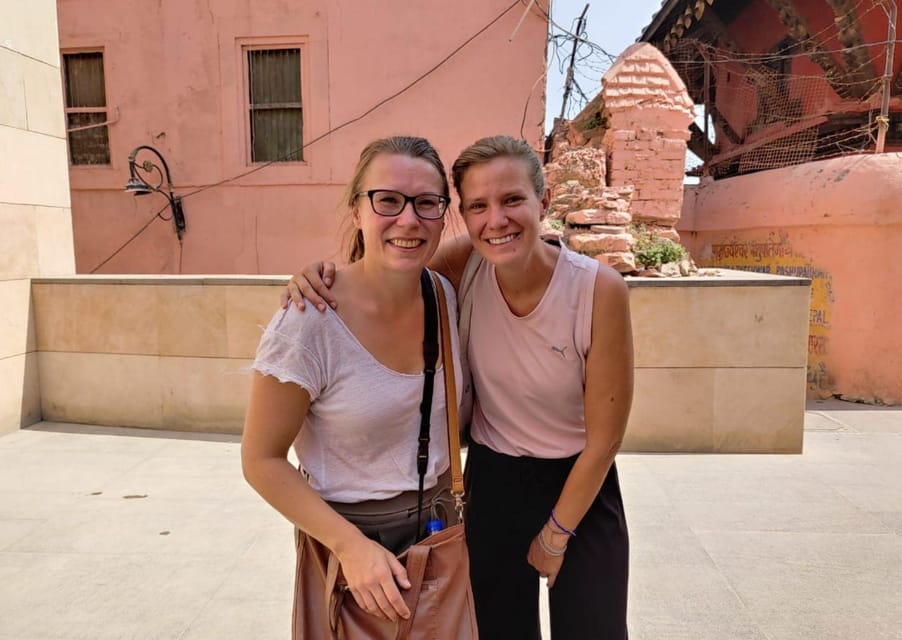
- Buddha’s first sermon setting: you focus on the Sarnath locations tied to his first teaching after enlightenment.
- Sarnath Museum stop: you get context that helps ruins, monuments, and symbols make sense.
- A cultural crossover at Sarang Nath: you visit Sarang Nath, dedicated to Shiva.
- Infotainment-style guidance: the pacing is designed so history doesn’t drag.
- Door-to-door AC car transport: pickup and drop-off keep your day simple.
- Private-group feel (up to 2 people): you can ask questions without fighting the pace.
Sarnath in four hours: why this Buddhist trail matters
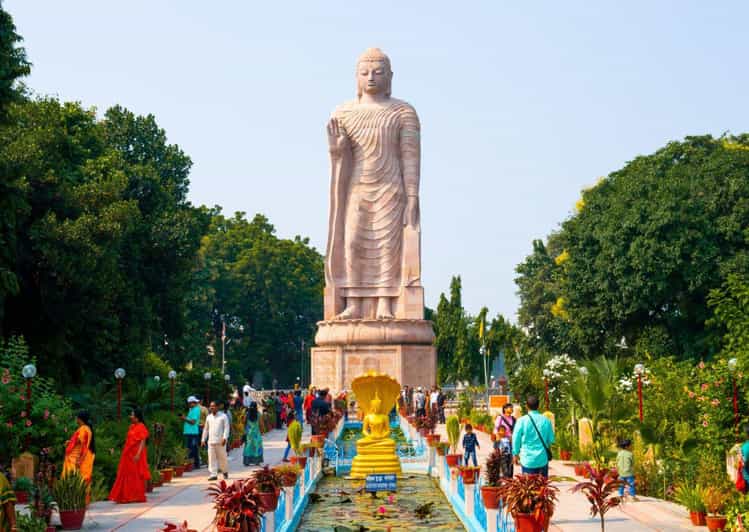
Sarnath is one of Buddhism’s four holy cities, and it’s also the place you go when you want the start of the story to feel real. Instead of treating it like a checklist of monuments, this tour leans into how a city becomes part of a religion—how belief settles into daily life, architecture, and pilgrimage routes.
You’ve got a tight time window—just 4 hours—so the tour works like a concentrated briefing. You’ll see key sights tied to early Buddhist significance, then round things out with additional cultural perspective, including a Shiva-dedicated stop at Sarang Nath.
You can also read our reviews of more guided tours in Varanasi


Your guide’s job: making ruins understandable, not tiring
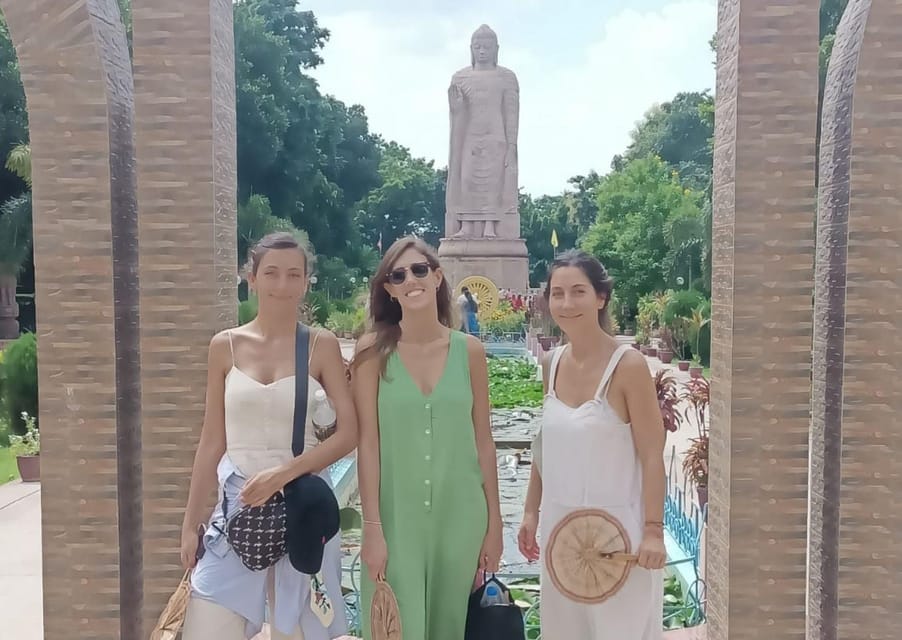
The biggest value here isn’t that someone drives you around. It’s the storytelling guide who speaks both English and Hindi, and uses a friendly, structured approach so you don’t lose the thread.
The tour’s described as infotainment, which is a fancy word for: you’ll get explanations while you walk, and you’ll get breaks from pure lecture. That matters if you’re traveling with mixed interests—say you want spiritual context, but your companion doesn’t want a wall of facts.
I also like that the guide handles the “local importance” side with practical, in-the-moment conversations. You’ll pick up small insights that help you read the space correctly—where to look, what symbols mean in everyday religious life, and how locals treat these places.
Sarnath Buddhist Trails: the sights and the stories behind them
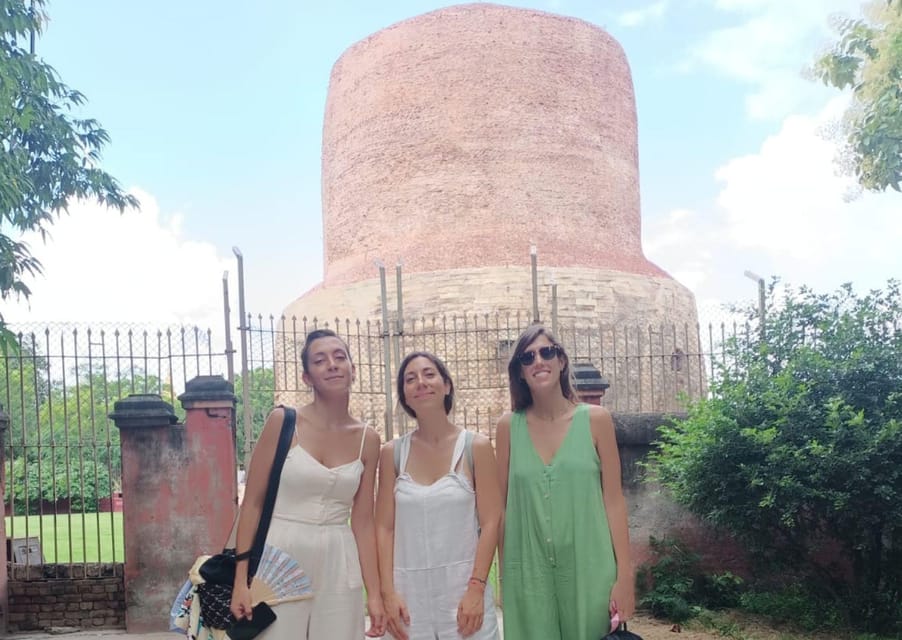
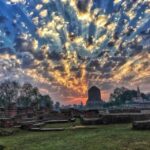
This is the core of the outing: the Sarnath Buddhist Trails route, a major Buddhist pilgrim spot where Buddha delivered his first sermon after enlightenment. Walking this area with a guide changes the experience. The temples, stupas, monuments, and ancient ruins stop being random stone and start feeling like a physical map of belief taking shape.
The tour also emphasizes photography. You’ll have time to capture the visual layers—ruins and relic areas, plus the temple-and-stupa feel that makes Sarnath instantly recognizable to anyone who’s seen photos. If you like lenses and angles, this is the kind of place where you’ll want a few different shots: wide scene for context, close views for textures, and a couple of steady framed portraits of the religious structures.
One detail I found useful for planning: the tour time is limited, so your guide will likely help you prioritize what to see inside the 4 hours. That’s a good thing. It means you’re not wandering alone trying to figure out what’s the “main” point.
A respectful twist: the garland moment and why it’s memorable
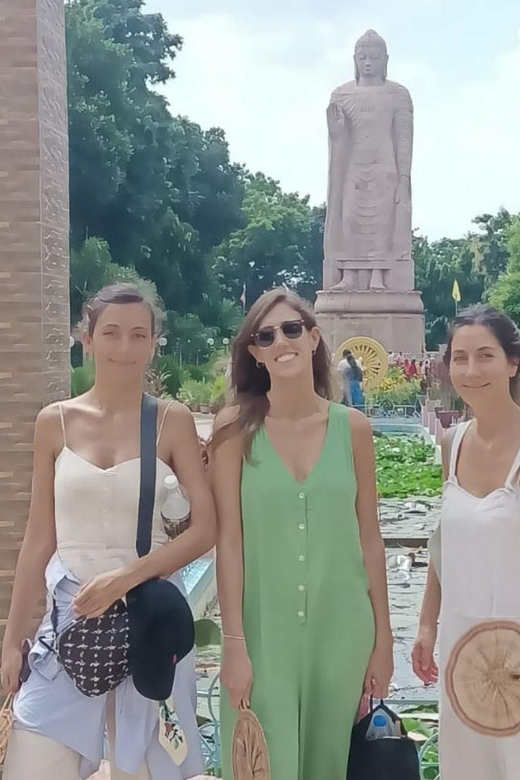
A standout part of this tour is the cultural/heritage engagement described as picking up scattered pieces of Buddhist remains together and making a beautiful garland during the excursion. Even if you only watch from the side, it gives the day a different tone than a normal sightseeing loop.
Why that matters: it shifts you from passive observer to respectful participant. You’re reminded that these sites are not just for photos—they’re tied to ongoing faith and memory. It also helps the experience feel personal, because the group is doing something together, not just moving from gate to gate.
Sarnath Museum: context before you rush back outside
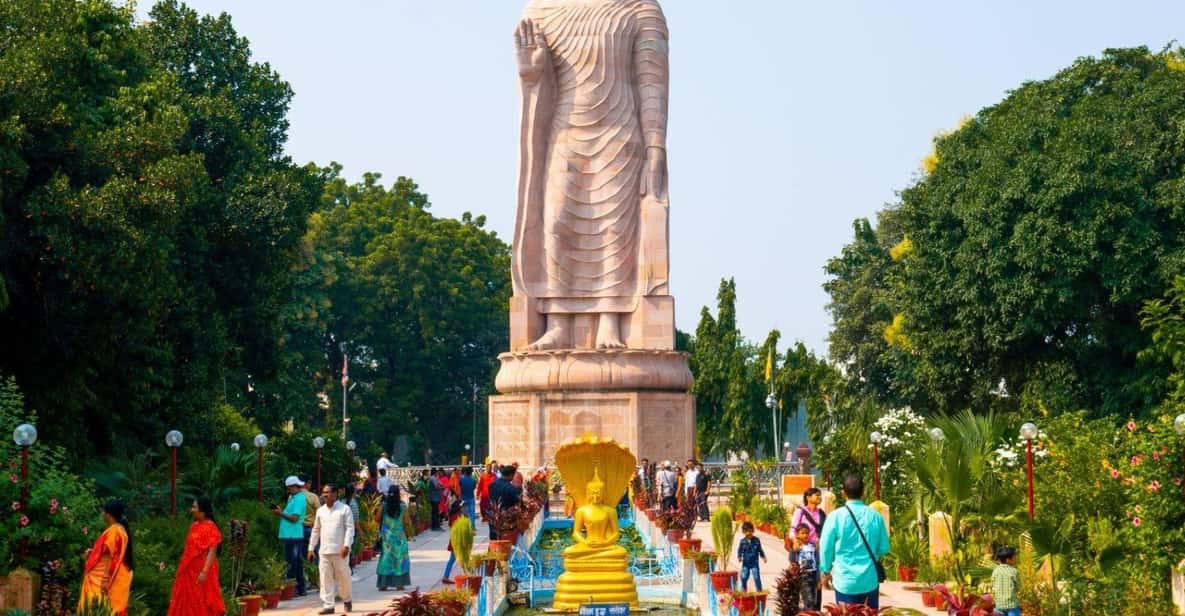
After you’ve started orienting yourself on the trail, the Sarnath Museum stop helps tie the story together. Museums work best when they’re used like a translation—first you see the place, then you understand what you’re looking at.
The tour includes this museum visit, but there’s one practical caveat: you can’t always assume it will be open. If the museum is closed on the day, expect the tour to get shorter, since there isn’t time to fully replace it.
When it is open, I like thinking of the museum as a “set up” for your eyes. You’ll likely leave the ruins feeling you understand more of what you noticed—why certain elements appear where they do, and how the place fits into the bigger arc of Buddhist heritage.



Sarang Nath and the Shiva stop: why this pairing is interesting
This tour doesn’t only stay within Buddhist spaces. You also visit Sarang Nath, dedicated to the god Shiva.
That matters because religious landscapes in India are rarely single-track. Even within a place strongly associated with Buddhism, you can also find other devotional threads. Seeing Sarang Nath on the same day gives you a clearer idea of how faith is layered in real locations—shared space, shared history, and overlapping practices.
If you’re the type who likes learning how different traditions coexist in the same city, this stop gives you that. And if you’re purely focused on Buddhism, it still helps because it makes the region feel lived-in instead of frozen in one era.
Transport, pace, and why the private group works
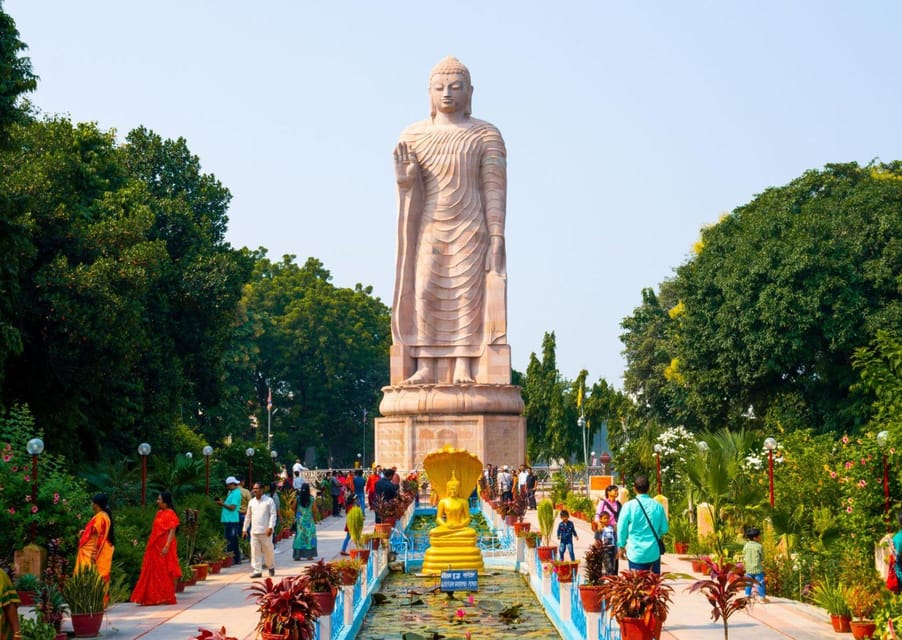
You get transport around the sites by AC car, plus hotel pickup and drop-off. For a 4-hour plan, that’s a big deal: it reduces decision fatigue and keeps you from burning time on finding meeting points or sorting out local transit.
This is a private group, and the price is set for a group size up to 2. That turns the experience into a “do it your way” format. You can ask questions, slow down for the shot you really want, or move faster when you get the point.
There’s also a small but helpful comfort bundle: water bottle and snacks are included. It doesn’t replace a meal, but it keeps the tour realistic—especially if the day is warm.
Price and value: $70 per group for two
At $70 per group (up to 2 people), the pricing works best when:
- you’re traveling as a couple or small group (so you split the cost), or
- you want a guide’s time focused tightly on one neighborhood and one theme.
Here’s the value math in plain terms: if you book for two, you’re effectively paying about $35 each for a guided half-day with AC transport and included refreshments. If you’re booking solo, you’ll pay the full group price, so the value depends more on whether you’ll use the guide heavily—asking questions, taking your time, and getting interpretation rather than just walking.
One more cost to keep in mind: entrance fees are not included for historical sites. That can be a deal-maker or breaker depending on what fees apply on the day, so build a little buffer.
What you’ll likely carry away from the tour
Even if you’re not a “history person,” this tour is designed to land emotionally and visually. You’ll leave with:
- a clearer sense of why Sarnath is treated as a starting-point location for early Buddhist teaching,
- a better read on the relationship between ruins, temples, and pilgrimage spaces, and
- at least one extra perspective from Sarang Nath that shows religion as something practiced in layers.
The garland moment also tends to make the day stick. It’s not a typical add-on like a souvenir stop—it’s tied to the heritage tone the guide is going for.
Timing and site-closure reality check
The tours you want most are the ones that match the day’s conditions. This one can be affected by closures—especially the museum or park—which can shorten the visit.
So my practical advice is simple: if you’re on a tight schedule, treat the museum stop as a bonus, not a guarantee. If you have a flight or another timed commitment later, keep extra buffer time in your plan so a shorter tour doesn’t throw off the rest of your day.
Also, because Yo Tours runs the experience, you should stay alert to pickup execution. There have been reports of missed pickup and last-minute cancellation tied to major events in the broader region. That doesn’t mean it’ll happen to you—but it does mean you should confirm the pickup details and be ready with a backup plan for getting to Sarnath independently if things go sideways.
Who should book this Sarnath excursion
Book it if you fit one of these:
- You want a guided, theme-based day rather than self-guiding through confusing ruins.
- You like the idea of learning how a major faith takes shape in a real place.
- You’re traveling with someone who needs less lecture and more story pacing.
- You want private time for questions in English or Hindi, not a crowded group shuffle.
Skip it if:
- you’re extremely budget-sensitive and don’t want to pay entrance fees on top,
- you hate any chance of schedule compression due to closures, or
- you prefer fully independent exploration with no guided interpretation.
Should you book this tour?
I’d book it if you want Sarnath to feel meaningful in a short window. The combination of Buddhist Trails, a Sarnath Museum context stop, and the Shiva-focused visit at Sarang Nath makes it more than a single-theme walk.
Just go in smart: expect that a museum/park closure could shorten the day, and remember entrance fees are extra. If you’re willing to treat the tour as a guided story-first experience (not a strict itinerary), this is a solid way to spend a half-day in one of Buddhism’s key pilgrimage areas.
FAQ
How long is the Sarnath Buddhist Trail tour?
The tour lasts 4 hours.
What does the tour cost?
It costs $70 per group, up to 2 people.
Is this a private tour?
Yes, it’s a private group.
What languages are available with the guide?
The live guide speaks English and Hindi.
What’s included in the price?
Transport by AC car, hotel pickup and drop-off, a water bottle and snacks, and a trained storyteller/guide. You also get local tips and recommendations related to the religious sites.
Are entrance fees included?
No. Entrance fees to historical sites are not included.
Do I get pickup from my hotel?
Yes, hotel pickup is included. If your hotel is outside the city limits, there is an additional charge for hotels located outside the city limits (5 km).
When should I be ready for pickup?
Please wait in the hotel lobby 10 minutes before your scheduled pickup time.
Is there free cancellation?
Yes. You can cancel up to 24 hours in advance for a full refund.