REVIEW · NEW DELHI
Delhi: Old and New Delhi Private City Tour by Car
Book on GetYourGuide →Operated by Zaara Tour & Travels · Bookable on GetYourGuide
Old Delhi can feel like sensory overload, so I like tours that give you shape and context fast. This one strings together Jama Masjid and Chandni Chowk with a smart route through the Red Fort area and the big New Delhi landmarks. The main thing to weigh is that some stops are short, so you’ll need to be ready to move quickly and skip deep, slow museum-style wandering.
What I really like is the mix of iconic sights and hands-on street time. You get a live guide to explain what you’re looking at, and you do a tuk-tuk ride through Chandni Chowk instead of slogging it on foot. One caution: early pickup and a tight schedule can feel like a lot if you’re sensitive to crowds, noise, or long days.
Also, guide quality looks like a strong point here. In feedback, Hemant and Nawin were both singled out for clear English and a genuine love for the places you’re visiting. With that, you’re less likely to just take photos and more likely to actually understand what you’re seeing.
In This Review
- Key Things to Know Before You Go
- First Taste of Delhi: Pickup, AC Comfort, and a Tight Route
- Jama Masjid: One of India’s Biggest Mosques
- Chandni Chowk by Tuk-Tuk: Market Chaos, Managed
- Red Fort Photo Stop: Landmark Views in a Short Window
- India Gate to Parliament: New Delhi’s Power Corridor
- Qutb Minar and Humayun’s Tomb: Two UNESCO-Level Stops
- Lotus Temple and the Quiet Side of Delhi
- Raj Ghat and a Few Extra Stops If Time Allows
- Lunch Break: Keep It Simple and Keep Energy
- Guide Quality and What It Means for Your Day
- Price and Value: Why $13 Can Make Sense
- Who This Tour Fits Best (and Who Should Rethink It)
- Should You Book This Delhi Old and New City Tour?
- FAQ
- How long is the Delhi Old and New City Tour?
- Where does pickup happen?
- Which major sights are included on the route?
- Is the tuk-tuk ride in Old Delhi included?
- Are monument entry tickets included?
- What languages are available for the live tour guide?
- What should I bring, and is anything not allowed?
Key Things to Know Before You Go
- Jama Masjid first: You’ll start with one of India’s largest mosques, built by Shah Jahan.
- Chandni Chowk by tuk-tuk: You get market sights without the full walking burden.
- Red Fort outside photos: A quick stop designed for landmark views and angles.
- New Delhi government landmarks: India Gate, Parliament House, and Rashtrapati Bhavan are on the route.
- Qutb Minar and Lotus Temple: Two world-class stops with enough time to feel them.
- Short add-ons if time: Gurudwara options (Bangla Sahib or Sis Ganj Sahib) may fit depending on the day.
First Taste of Delhi: Pickup, AC Comfort, and a Tight Route
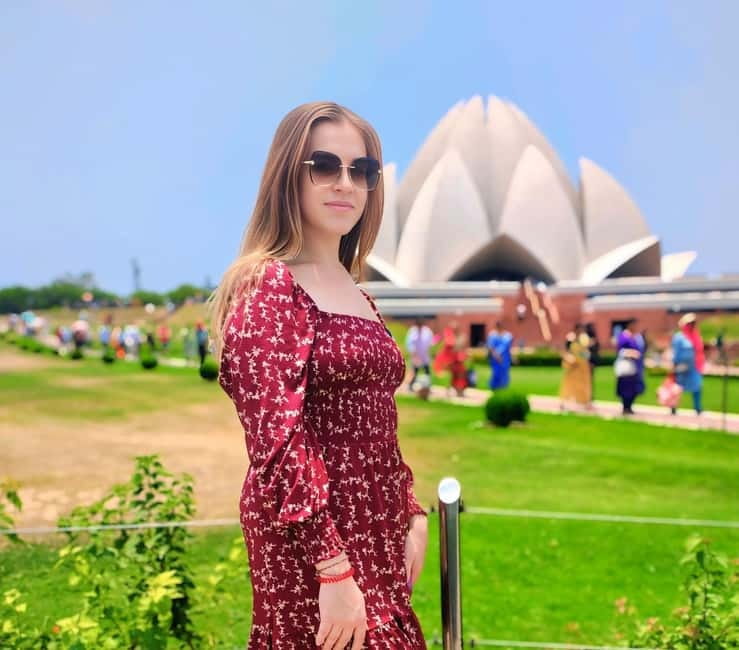
This is a private city tour by car, with hotel pickup from Delhi, Gurgaon, Noida, Ghaziabad, Faridabad, or from Delhi airport. Then you’re set loose on a classic two-part formula: Old Delhi first, New Delhi second. The timing is flexible across the day, so confirm your exact start time with your booking details and don’t plan a separate appointment right after pickup.
You’ll ride in an air-conditioned car with a professional driver, plus water bottles in the vehicle. That matters in Delhi. Even when the itinerary looks simple on paper, the comfort helps you stay patient through traffic and transitions.
This style also means you’ll see more, but not everything is treated equally. Some stops are guided and longer (like Humayun’s Tomb and Qutb Minar), while others are quick photo-and-walk moments. If you want a slow, deep pace at every monument, you might find this route a bit fast.
You can also read our reviews of more city tours in New Delhi


Jama Masjid: One of India’s Biggest Mosques

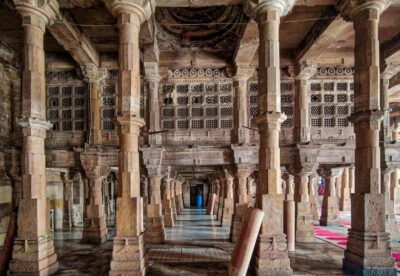
Jama Masjid is the Old Delhi anchor stop, and it’s a great place to start because it immediately explains the area’s religious and civic importance. The mosque is known as the Friday mosque, and it was built by the Mughal emperor Shah Jahan. Standing back and taking in the scale gives you a sense of why this has always been a major gathering spot.
You’ll have guided time inside, not just a quick glance from the sidewalk. That helps you spot what to look for—architectural details, how worship space is used, and how the mosque fits into the surrounding neighborhood. In practical terms, it’s also one of the best places on the trip to take structured photos because the layout gives clear sightlines.
Dress and behavior matter here. Plan clothing that’s respectful and easy to manage. If you’re unsure, bring something that covers shoulders and knees, and expect you may need to adjust what you’re wearing when you enter.
Chandni Chowk by Tuk-Tuk: Market Chaos, Managed
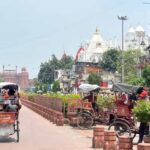
Next comes Chandni Chowk, the famous heart of Old Delhi. This is where the city feels most alive—spice shops, dried fruit stalls, jewelry counters, sarees, and all sorts of everyday commerce packed into narrow lanes. You’ll do a tuk-tuk ride through the area, which is a smart compromise: you get speed and visibility without burning all your energy on walking.
The guided time here is also where you can shift from wandering to shopping with purpose. If you’re looking for spices, textiles, or small gifts, your guide can help you understand what each area is known for and what you’ll likely find. You don’t have to buy anything, but you’ll be less lost if you know what you’re looking at.
The main drawback is the same one with all major Delhi markets: crowds and tight spacing. Keep your phone secure, expect foot traffic to move unpredictably, and be ready for the air to smell strongly of spices as you pass shopfronts. It’s part of the experience, but it can be intense if you’re tired.
Red Fort Photo Stop: Landmark Views in a Short Window
You’ll reach the Red Fort area after Chandni Chowk. On this route, the time is designed around quick, memorable photos from outside rather than a long interior visit. Even so, it’s a worthwhile stop because the Red Fort is one of those landmarks that changes your mental map of the city. You’ll also learn its connection to Shah Jahan and the Mughal era while you’re there.
Fifteen minutes sounds short, but it can be enough if you treat it like a photo mission. Decide where you want to stand before you lift your camera—then move once for a second angle. Delhi has many viewpoints, and you’ll want to avoid spending the entire stop repositioning.
One practical note: the atmosphere around the fort is busy, so keep your group together and be ready to step out of the flow of foot traffic when you pause. You’ll get better photos if you’re quick and organized.
India Gate to Parliament: New Delhi’s Power Corridor
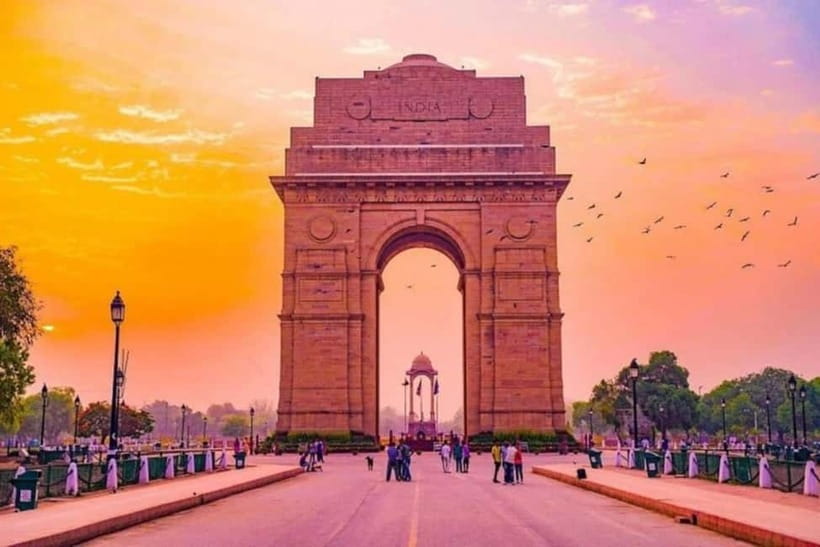
After lunch, the tour shifts gears into New Delhi. You’ll drive past India Gate, a war memorial dedicated to troops of British India who died in the First World War. Seeing it in context on a guided route helps because it isn’t just a standalone photo spot—it’s part of a wider civic layout.
Then you’ll pass Parliament House, which gives you a look at the modern administrative heart of the country. In just a few minutes, you’re moving from Mughal-era symbolism and old street life into government architecture and national-scale public spaces. That contrast is one of the reasons this tour works for first-timers. It shows Delhi as layers, not a single era.
Because the time for these stops is limited, manage expectations. You’re there to see and understand, not to linger. If you want long walks or deep reading at each monument, you’d add separate visits later.
You can also read our reviews of more private tours in New Delhi




Qutb Minar and Humayun’s Tomb: Two UNESCO-Level Stops
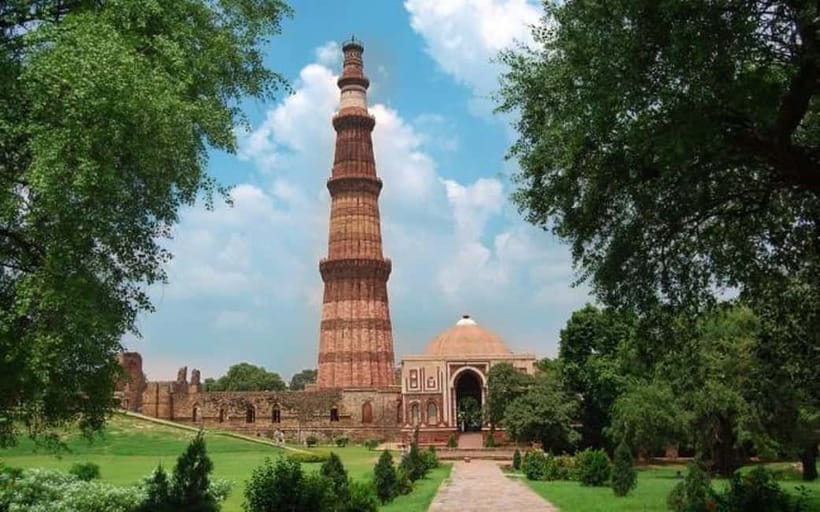
One of the best stretches on the route is the time allotted to Qutb Minar and Humayun’s Tomb. You’ll have around an hour at each, which is what you want for monuments where details matter.
Qutb Minar is a minaret and also a World Heritage Site. When you look at it in person, the verticality hits you fast—this is the kind of structure that makes the surrounding grounds feel secondary. Guided time here helps you connect what you’re seeing to the historical context behind the site.
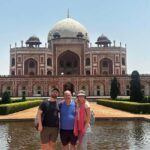
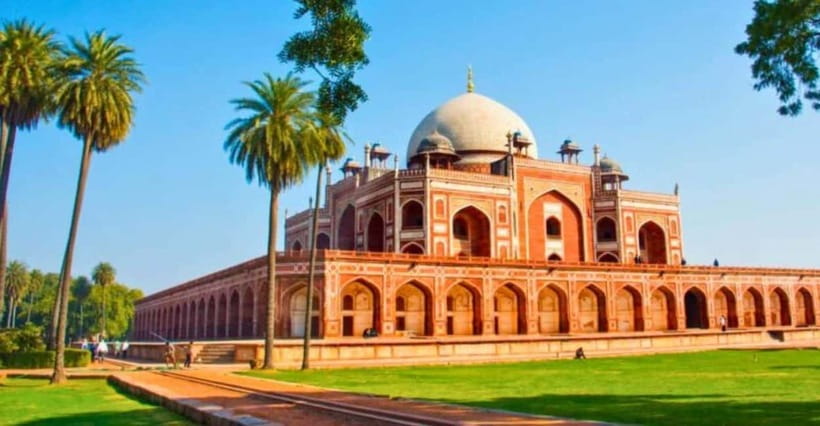
Then comes Humayun’s Tomb, another World Heritage Site with enough time for a proper walk around the complex. This is the moment where the tour feels less like a sprint. You can slow down, look at the layout, and get a better sense of how Mughal garden and tomb design works together.
If you’re photographing, these are the places where you’ll get the most satisfying payoff. Move calmly and give yourself room to step aside when other people stop for photos.
Lotus Temple and the Quiet Side of Delhi
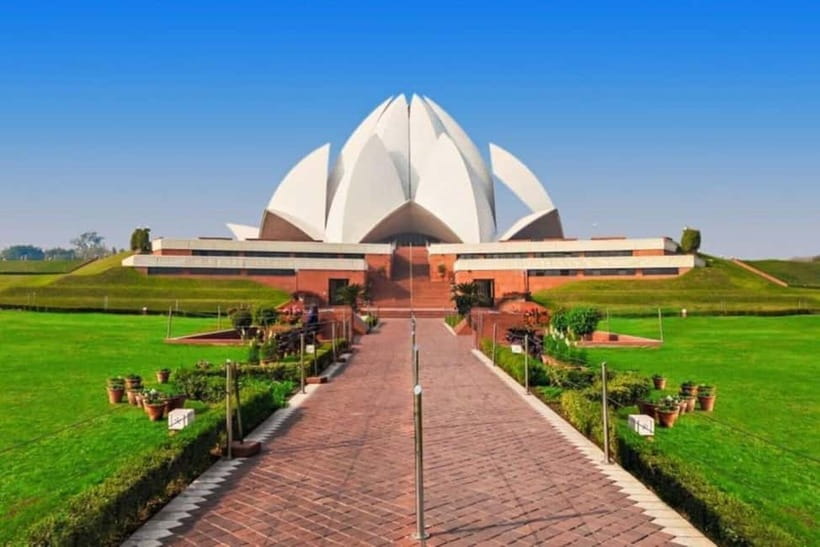
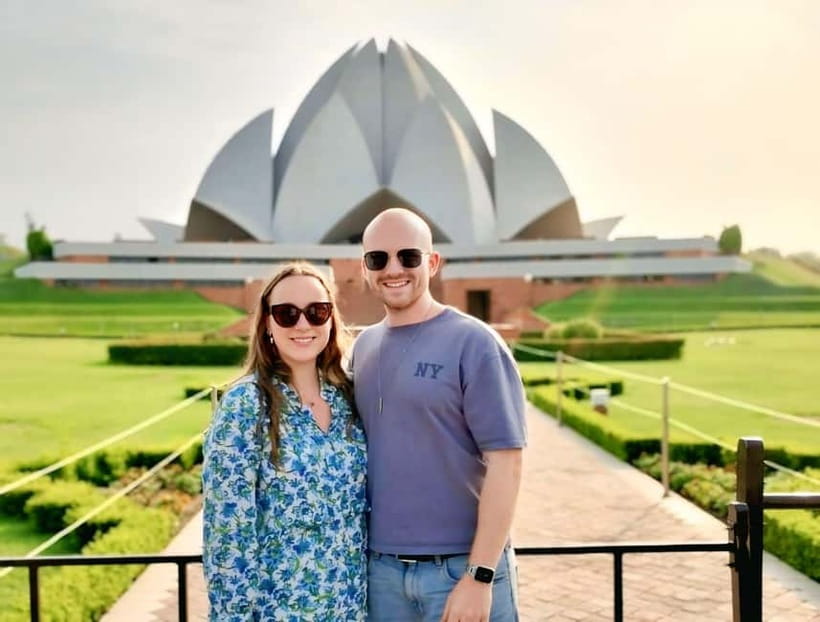
After the tomb and minaret, the itinerary includes Lotus Temple, a Bahai House of Worship. You’ll have about an hour here, which is a comfortable window to appreciate the building without rushing.
The Lotus Temple is visually distinctive, but the real value is that it changes the mood of the day. After Old Delhi’s markets and the historical complexes, this is a calmer pause. Even if you’re not there for a faith experience specifically, it offers a different kind of architecture and space.
You’ll have guided time, which can be helpful if you want to understand what makes the temple different from the other religious sites on the route. It’s also a nice reset for your senses before you head back.
Raj Ghat and a Few Extra Stops If Time Allows

The itinerary also includes Raj Ghat, with a short guided stop. It’s a moment designed for reflection rather than sightseeing theater. Even with limited time, it’s useful because it connects national history to a specific place, and your guide can help you understand why it matters.
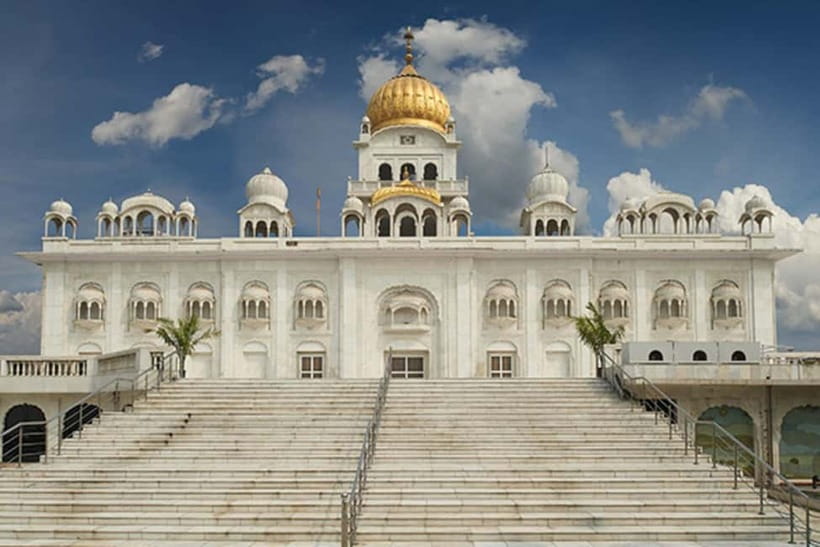
There’s also a possibility of visiting one of the gurudwaras: Gurudwara Bangla Sahib or Sis Ganj Sahib if there’s time. That flexibility is practical in a city where traffic and daylight can shift your schedule. If you’re specifically interested in Sikh places of worship, ask your guide early in the day how much time is left so you can decide what matters most.
Lunch Break: Keep It Simple and Keep Energy
You’ll get a lunch break in New Delhi, around 30 minutes. This isn’t a slow sit-down meal, so treat lunch like fuel. If you’re picky about food, use this window to pick something that you’ll actually enjoy in a hurry.
Because drinks and food aren’t included, bring cash or a payment method that works for quick meals. You can also bring a small snack if you know you get hungry fast, but don’t plan on long extra stops unless your guide has time.
Guide Quality and What It Means for Your Day
This is a live guided tour, with English plus several other language options including German, Spanish, Japanese, Russian, Italian, French, and Portuguese. That matters because you’re not just looking at monuments; you’re hearing what they mean and how they connect.
In feedback, Hemant was praised as the best guide ever, and Nawin received strong notes for very good, clear English and a kind, attentive style. Another thing that comes through is that the guides explain a lot, which reduces the mental work you’d otherwise do on your own.
Even if you don’t consider yourself a history person, a good guide makes the route feel less chaotic. You understand why you’re stopping, so you take better photos and enjoy the day more.
Price and Value: Why $13 Can Make Sense
At around $13 per person, this tour sits in the low-to-mid budget range for a private car with a live guide and a full day of major sights. The biggest value driver is the combination: air-conditioned transport, guide support, and multiple monuments without you needing to plan the route yourself.
A key detail: monument entry tickets are included only if you choose the option with tickets. Similarly, the tuk-tuk ride in Old Delhi is included only if you select the tuk-tuk option. Before you book, check what you’ve opted into so you’re not surprised later.
Also, the tour offers skip-the-line access through a separate entrance. That can save time at busy sites, which is important when your day includes many stops.
For solo travelers, pairs, or families who want structure, this price can feel like a bargain. For people who only care about one or two monuments, you might find it better to pick a smaller tour. The route is designed for maximum seeing.
Who This Tour Fits Best (and Who Should Rethink It)
This fits best if you want a first-time Delhi overview that mixes Old and New Delhi. You’ll probably love it if you like:
- seeing big landmarks plus one real market area (Chandni Chowk)
- having a guide to explain what you’re looking at
- taking photos without spending all day inside every site
You should rethink it if you want long, slow stays at each monument. The schedule has several short stops, like the Red Fort photo time and the quick passes at India Gate and Parliament House.
One more point: it’s not suitable for pregnant women. That doesn’t mean the tour is unsafe in general, but you should follow that guidance.
Should You Book This Delhi Old and New City Tour?
If you want a well-structured, guided highlight reel—plus a tuk-tuk ride through Chandni Chowk—this is a solid choice. The guide quality appears to be a major strength, and the route hits major landmarks that most first-timers want: Jama Masjid, Red Fort, India Gate, Qutb Minar, Lotus Temple, and Humayun’s Tomb.
I’d book it if you’re traveling efficiently and you like getting context as you go. I’d skip it or swap to a slower tour if you prefer unhurried time at fewer sites, or if you’re sensitive to busy crowds and tight schedules. In short: this is a great “see Delhi fast and understand it” day, not a relaxed wandering marathon.
FAQ
How long is the Delhi Old and New City Tour?
The duration is listed as 4 to 8 hours, depending on the schedule and stops.
Where does pickup happen?
Pickup is available from Noida, Delhi, Ghaziabad, Faridabad, Gurugram, Greater Noida, and also from Delhi airport (based on the pickup options listed).
Which major sights are included on the route?
The tour includes Jama Masjid, Chandni Chowk, Red Fort (photo stop), India Gate (pass by), Parliament House (pass by), Qutb Minar, Lotus Temple, Humayun’s Tomb, and Raj Ghat. Rashtrapati Bhavan is also included in the itinerary.
Is the tuk-tuk ride in Old Delhi included?
A tuk-tuk ride in Old Delhi is included if you select that option.
Are monument entry tickets included?
Monument entry tickets are included only if you choose the option that includes them.
What languages are available for the live tour guide?
The live guide is available in English, German, Spanish, Japanese, Russian, Italian, French, and Portuguese.
What should I bring, and is anything not allowed?
Bring a passport or ID card. Alcohol and drugs are not allowed, and alcoholic drinks are not allowed in the vehicle.