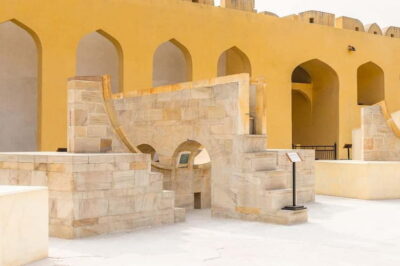
REVIEW · NEW DELHI
Delhi: Old & New Delhi Full or Half-Day Private Guided Tour
Book on GetYourGuide →Operated by Mahi Tour Solution · Bookable on GetYourGuide
Delhi hits you from every direction. This private tour is a fast, friendly way to see how Old Delhi and New Delhi grew side by side, with a real local guide doing the explaining in plain English. I especially like the mix of big-picture stops and hands-on street time, plus you’re not stuck figuring out routes or where to stand for photos.
What I like even more: you get practical support without feeling rushed—air-conditioned rides between sights, hotel or airport pickup, and little extras like water bottles and umbrellas. One drawback to plan for: this is a “see a lot” day, so even the half-day version can feel like you’re going from one highlight to the next (bring comfortable shoes and a light layer).
In This Review
- Key highlights worth knowing
- How this Delhi route fits 4 to 8 hours without wasting time
- Jama Masjid: the first stop that sets the whole tone
- Chandni Chowk on foot and by rickshaw: shopping lanes with a mission
- Red Fort exterior views: what you’re actually learning from the stops
- Gurudwara Bangla Sahib: Sikhism, community food, and calm inside the noise
- Lunch break: keep it simple, keep it moving
- Lotus Temple and Humayun’s Tomb: two styles, one story
- Qutub Minar and Lodhi Gardens: the afternoon where details pay off
- India Gate, Parliament, and Rashtrapati Bhavan: learn while you pass
- Monday changes the plan: Lotus Temple and Red Fort closures
- Transportation and comfort: the stuff that makes or breaks the day
- Price and value: why $8 can make sense (and what to check)
- Who should book this tour?
- My practical booking verdict: should you book this tour?
- FAQ
- What duration options are available?
- Is pickup and drop-off included?
- Does the tour include entrance fees?
- Is the rickshaw ride part of the tour?
- Are meals included?
- Which languages does the guide speak?
- What happens on Mondays?
- Can I cancel for a refund?
Key highlights worth knowing

- Old Delhi by rickshaw if you pick that option, plus a guided walk through Chandni Chowk’s market lanes
- Jama Masjid with guided context that helps you understand what you’re actually looking at
- Gurudwara Bangla Sahib and the Sikh community kitchen that serves over 50,000 people daily
- New Delhi monuments in a smart order: Lotus Temple, Humayun’s Tomb, Qutub Minar, and more
- Drive-by national landmarks with explanations so they don’t feel like scenery
How this Delhi route fits 4 to 8 hours without wasting time

Delhi can feel like two cities that never stop arguing with each other: the tight, historical lanes of Old Delhi and the broad, designed boulevards of New Delhi. This private tour keeps that contrast front and center, but it’s also built to be practical. You choose a half-day or full-day plan, and pickup is flexible from your hotel or the airport between 7:00 AM and 4:00 PM.
The biggest value is that you don’t just “get dropped” at monuments. You move through neighborhoods with a guide who ties places together—religion to architecture, street markets to empire-era power, modern government spaces to what’s underneath them. That’s why a private setup matters here: Delhi rewards context, and you’ll feel it most at Jama Masjid, Humayun’s Tomb, and Qutub Minar.
Also, the pace is adjustable. If you need to sync with your flight, the itinerary can be modified—handy when you’re working within a tight travel schedule.
You can also read our reviews of more guided tours in New Delhi



Jama Masjid: the first stop that sets the whole tone
Most Delhi tours start with a big sight. This one starts with Jama Masjid, and that’s smart. It’s India’s largest mosque, and it’s not only impressive from the outside. Once you’re inside, the guide’s explanations help you notice the details: how the space works, what the setting means, and why this place is still central to the community.
You’ll get a guided visit (about 40 minutes) rather than a quick photo stop. That time matters because Jama Masjid is visually busy. Without someone pointing out what to look for, it can turn into “big building, lots of people.” With a guide, it becomes a clear introduction to Delhi’s spiritual side.
Two practical notes:
- Dress expectations are real at religious sites—plan on modest, comfortable clothing.
- If you’re sensitive to crowds, go in ready to slow your breathing and take your time.
Chandni Chowk on foot and by rickshaw: shopping lanes with a mission

Then the tour shifts gears hard—into Chandni Chowk. If you pick the option that includes it, you’ll ride a traditional rickshaw through Old Delhi’s lanes. It’s not a theme-park ride. It’s the most efficient way to cover narrow streets while staying oriented.
After the rickshaw, you’ll walk and explore the market area (about an hour). This is where you’ll see colorful shops, piles of spices, and everyday life that keeps moving even when the tourists pause for pictures. You’ll also hit the famous Spice Market area, which is one of those places you can taste with your eyes.
The practical gift here is guidance on how to behave and what not to stress about. Markets like this run on flow. Your job is to move with it—pause, look, then go. Your guide helps you do that without feeling like you’re in the way.
If you love photography, you’ll also appreciate the timing. The tour structure helps you see the market without getting lost in it.
Red Fort exterior views: what you’re actually learning from the stops
You’ll pass by the Red Fort for an exterior view. That can sound like a half-choice, but the tour timing makes it useful: you’ll see the fort in context, then you’ll keep moving through other areas that explain how power, architecture, and daily life connected in different eras of Delhi.
In other words, even as an exterior stop, it works as a visual anchor for the day. If you want more than a view, the tour offers entrance-ticket options—so you can decide how deep to go based on your time and interests.
One real planning note: the Red Fort remains closed on Mondays. If your schedule falls on Monday, the tour can swap to other nearby sites (like Raj Ghat and Jantar Mantar), so you don’t lose your day.
Gurudwara Bangla Sahib: Sikhism, community food, and calm inside the noise

After the Old Delhi energy, Gurudwara Bangla Sahib offers a different rhythm. You’ll visit and learn about Sikhism with a guided visit (about an hour). The highlight for many people is the community kitchen, which serves over 50,000 people daily.
That number lands differently when someone explains it. It’s easy to treat a temple like a monument. Here, you’re reminded it’s a working institution—part worship, part community service, part everyday hospitality. The tour guide’s explanations help you see the meals as part of the values behind the site, not just a feature for visitors.
It’s also a good breather in the day. Even if Delhi is loud outside, inside the atmosphere shifts. You’ll likely feel it most when you slow down and watch how people move through the space.
You can also read our reviews of more private tours in New Delhi




Lunch break: keep it simple, keep it moving

There’s a lunch stop included in the full-day flow (about 40 minutes). Since food isn’t included in the price, you’re paying for the experience, not buying your meal automatically. The upside is flexibility—you can choose what fits your tastes and dietary needs.
A practical tip: treat lunch as refuel time, not sightseeing time. With a full-day itinerary, a longer lunch can steal time from the afternoon monuments.
Lotus Temple and Humayun’s Tomb: two styles, one story
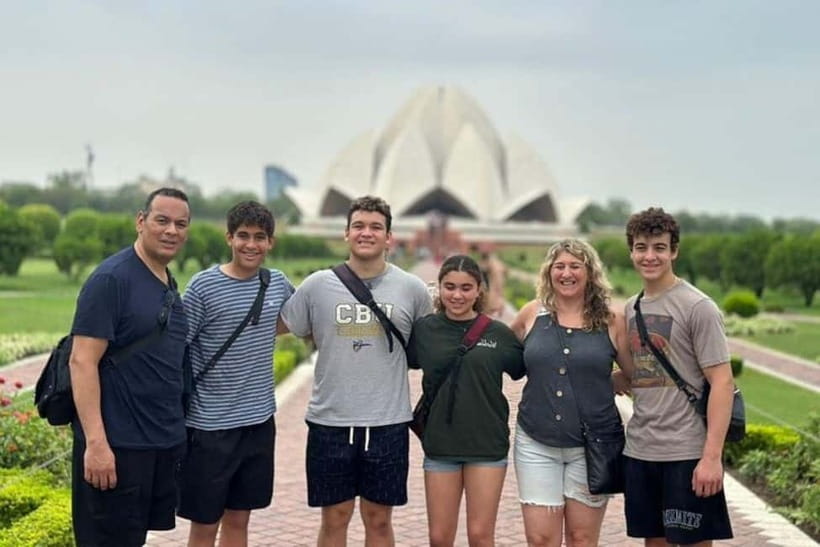
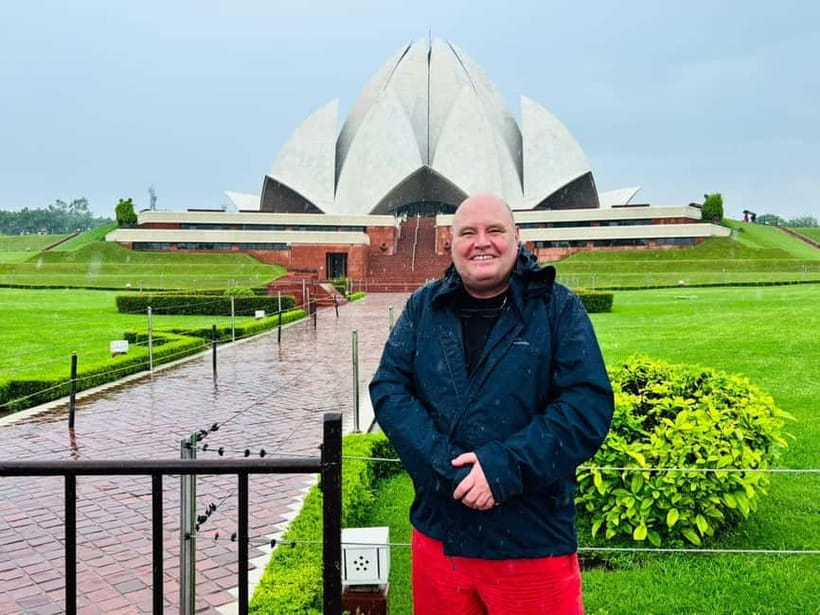
When the tour moves into New Delhi, it becomes calmer—but not less interesting. First up is the Lotus Temple, dedicated to the Baha’i faith. You’ll have guided time (about an hour), which helps you understand why the building looks the way it does and how the space is used.
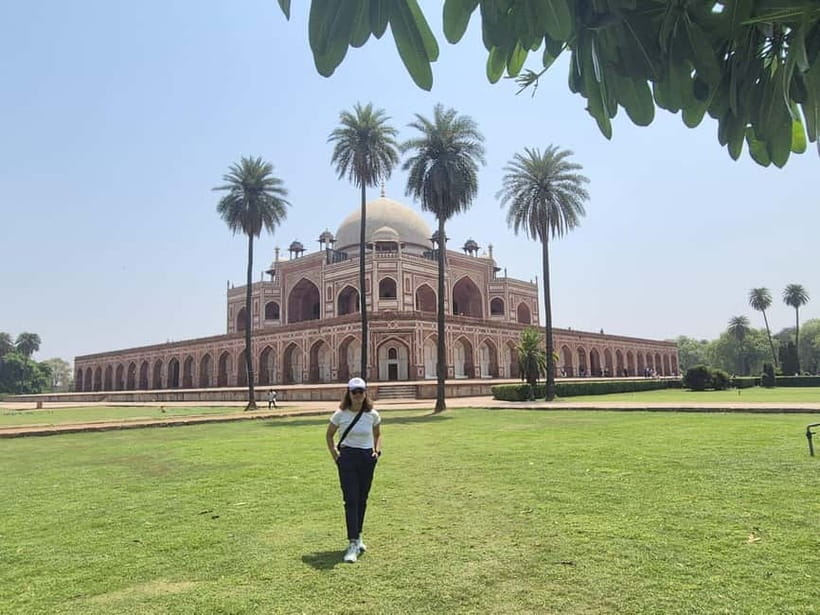
Then comes Humayun’s Tomb, visited for about 1.5 hours. This is a major stop, because it’s known as a precursor to the Taj Mahal. That connection matters. If you see it without context, it can read like “an impressive tomb.” With a guide, you’ll understand the architectural ideas that influenced later masterpieces.
The tour pacing works here too. You’re not just jumping between far-apart points in a straight line. You’re building a timeline in your head—spiritual architecture, then royal architecture, then the larger network of monuments that shaped Delhi’s skyline.
Qutub Minar and Lodhi Gardens: the afternoon where details pay off
Next, you’ll go to Qutub Minar for about an hour. This is one of those Delhi sights where the scale hits you quickly, but the meaning needs a guide. You’ll explore with context so it doesn’t become just a tall tower you walked around.
After that, the tour includes time for Lodhi Gardens and tombs (about 30 minutes). This is a nice contrast: fewer street crowds, more space to breathe and observe. It’s also a good moment to slow your brain after the big structures, especially if you’re visiting with kids or anyone who gets tired by constant movement.
Then there’s a short stop at Agrasen ki Baoli (about 20 minutes). It’s a stepwell that feels mysterious in a way big monuments don’t. You’ll get guided explanations, which are key here—stepwells aren’t always intuitive to first-time visitors.
India Gate, Parliament, and Rashtrapati Bhavan: learn while you pass

Not every stop needs you to get out and walk. The tour includes drive-by passes for major national landmarks such as India Gate, Parliament House, and the Presidential Palace. Each pass includes short guided context (usually 10–15 minutes).
Why this works: you get the “you should know this exists” layer without spending a chunk of the day waiting for entrances or walking far distances. And because you have explanations, these aren’t just recognizable from postcards—they become part of Delhi’s modern identity.
Monday changes the plan: Lotus Temple and Red Fort closures
If your travel date lands on a Monday, keep this in mind: Lotus Temple and the Red Fort remain closed. The tour accounts for this by swapping in visits such as Raj Ghat and Jantar Mantar.
This is a good reason to choose a private guide-based format. A flexible plan reduces the frustration of arriving at a closed gate and figuring out what to do next on your own.
Transportation and comfort: the stuff that makes or breaks the day
A day in Delhi is not only about the sights. It’s also about surviving the logistics. This tour includes air-conditioned transportation during the activity, plus hotel or airport pickup and drop-off.
You’ll also have practical extras:
- water bottles and umbrellas
- parking fees and taxes covered
- comfortable pickup/drop at many areas like Noida, Gurugram, Ghaziabad, Faridabad, and multiple parts of Delhi
- private group setup
That last point matters. In a crowded country like India, a private group often makes the experience feel calmer—even when the streets around you are hectic.
And the guide languages are helpful if English isn’t your strongest: English, French, German, Italian, and Spanish.
Price and value: why $8 can make sense (and what to check)
At around $8 per person with a 4–8 hour private guided format, this is priced aggressively low for what you’re getting. The value isn’t just the sites—it’s the organization behind them:
- pickup and drop-off
- air-conditioned transport
- a live guide
- rickshaw ride in Old Delhi if you choose that option
- water and umbrellas
- monument entry tickets if you select the entrance-fee option
- the benefit of skipping the ticket line
If you want to make the most of the price, decide up front what matters to you:
- If you want maximum time at interiors, select the entrance-ticket option.
- If you mostly want exterior views and guided storytelling, you can keep it lighter and let the guide do the heavy lifting.
Also remember: food and drinks are not included. That’s normal, but it affects your total daily spend.
Who should book this tour?
I think this is a strong choice if:
- you want Old Delhi and New Delhi in one go (and you don’t want to piece it together yourself)
- you like seeing big monuments and understanding how they connect to daily life
- you value a guide who can steer you through markets and religious sites respectfully
It’s especially good for first-time visitors who want to get bearings fast without “tour-bus fatigue.” People who enjoy photography also benefit from the structured route.
If you have a very low tolerance for walking or crowds, you’ll want to pick the half-day option or talk with the guide about where you can cut the walking portion, since the market walk and several monument stops can add up.
My practical booking verdict: should you book this tour?
Yes—with two conditions. First, wear comfortable shoes and plan for a packed day if you choose the full route. Second, pick the option that matches your style: entrance tickets for more inside time, or a lighter plan if you’re happy with guided exteriors.
If you’re the kind of traveler who wants to walk through Chandni Chowk, understand what you’re seeing at Jama Masjid and Humayun’s Tomb, and still end the day with New Delhi landmarks, this is a smart use of your time.
FAQ
What duration options are available?
The tour runs for 4 to 8 hours. You can choose a half-day or full-day experience.
Is pickup and drop-off included?
Yes. Pickup and drop-off are included, with options from your hotel or directly from the airport. Drop-off is also offered across Delhi and nearby areas like Gurugram, Noida, Ghaziabad, and Faridabad.
Does the tour include entrance fees?
Entrance fees are included only if you select the option that includes monument entry tickets. If you don’t select it, entry tickets are not included.
Is the rickshaw ride part of the tour?
A rickshaw ride in Old Delhi is included if you choose the option that includes it.
Are meals included?
No. Food and drinks are not included. Lunch is part of the daytime flow, but you’ll pay for what you eat.
Which languages does the guide speak?
The live tour guide is available in English, French, German, Italian, and Spanish.
What happens on Mondays?
On Mondays, the Lotus Temple and the Red Fort stay closed. The tour can visit Raj Ghat and Jantar Mantar as substitutions instead.
Can I cancel for a refund?
Yes. Free cancellation is available up to 24 hours in advance for a full refund.