REVIEW · SHIMLA
Discover the Colonial Trails of Shimla- Guided Walking Tour
Book on GetYourGuide →Operated by Yo Tours · Bookable on GetYourGuide
Shimla has British buildings you can actually touch. This 2-hour walking tour strings together colonial landmarks, Himalayan air, and a storyteller who keeps the pace moving and the facts clear. I especially like how the route starts at Rashtrapati Niwas (Viceregal Lodge) and ends at a real temple on Jakhoo Hill, so you get both imperial leftovers and local spiritual life in one loop.
What I like most is the guide-led “infotainment” style: you’ll get stories, but you won’t sit through dry lectures. Names that keep popping up in the guide mix include Dev and Jagdeep ji, plus Sunny Thakur, and they’re described as attentive and conversational in English and Hindi.
One caution: it’s a hill-town walk, and Kalibari Temple sits on Jakhoo Hill, so plan for some uphill effort. Also, no water bottle is included, so bring your own and wear comfortable clothes.
In This Review
- Key highlights worth showing up for
- Entering Shimla’s Colonial World the Easy Way
- Rashtrapati Niwas (Viceregal Lodge): Where Power Took a View
- Himalayan Bird Park: Picture-Friendly Nature Without Needing a Full Day
- Himachal State Museum: Coins, Paintings, and Pahari-Inspired Art
- Vidhan Sabha Chowk and Old Library: The Capital’s Everyday Heart
- Gorton Castle: Neo-Gothic Drama in the Hills
- Rail-Era Craft: Shimla-Kalka Track and St. Michael’s Cathedral
- Kalibari Temple on Jakhoo Hill: Ending Where Worship Takes Over
- Price and Timing: $14 for 2 Hours That Actually Hit the Points
- What to Wear, What to Bring, and How to Get the Best Photos
- Should You Book This Colonial Trails of Shimla Walking Tour?
- FAQ
- Where does the Colonial Trails of Shimla walking tour start?
- How long is the tour?
- What stops are included during the walk?
- Where does the tour end?
- How much does it cost?
- What is included in the tour price?
- Are hotel pickup and drop-off included?
- Is a water bottle provided?
- What should I wear or bring?
- Is free cancellation available?
Key highlights worth showing up for
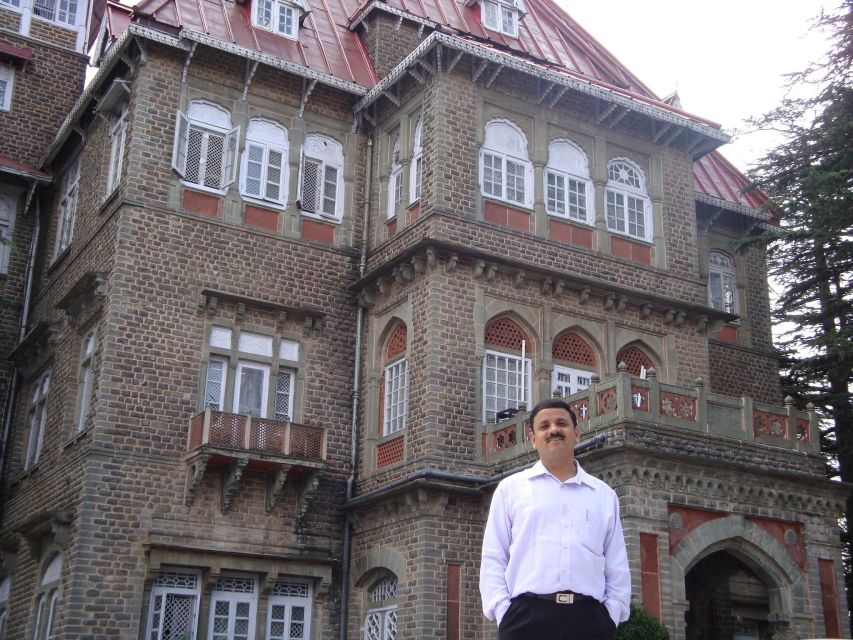
- Viceregal Lodge / Rashtrapati Niwas: guided look at the former British Viceroy’s residence on Observatory Hills
- Gorton Castle: 19th-century neo-Gothic architecture that looks more like a storybook set than a school project
- Himalayan Bird Park + Himachal State Museum: small stops with strong local flavor, from state birds to Pahari-influenced art
- Shimla-Kalka Railway Track area: a key witness to British-era craftsmanship, plus nearby cathedral architecture
- Kalibari Temple on Jakhoo Hill: a 1845 temple dedicated to Goddess Kali to close the tour spiritually
- English/Hindi storyteller: live guidance, local tips, and access to quieter lanes instead of just the obvious streets
Entering Shimla’s Colonial World the Easy Way

Shimla can feel like a place you’re supposed to “see” with a car and a timetable. This tour flips that. You walk through old capital areas at a human pace, which means the city’s layers make sense: empire-era buildings here, everyday bazaars and houses there, and mountain air always hovering in the background.
I like that the tour is designed for mixed interest. Even if you only care about pretty structures, you’ll still hear why those buildings matter. And if you care about history, the story doesn’t stay stuck in dates—it connects to people, power, and religion as the route changes from palace grounds to temple space.
Rashtrapati Niwas (Viceregal Lodge): Where Power Took a View
The tour begins at Rashtrapati Niwas, also known as Viceregal Lodge, up on Observatory Hills. The setting is built for watching the world below. You get a guided look at the mansion’s colonial-era role as the residence of the British Viceroy of India, and the guide helps you read the building as more than a façade.
What makes this stop valuable is the context. Once you understand what a viceroy’s residence represented—administration, control, and ceremony—you’ll start noticing details you’d otherwise miss. It’s not just architecture; it’s the messaging of empire placed right in the hills.
Practical note: this is a guided portion first, so arrive ready to listen. If you prefer taking notes, keep your notebook handy. The tour is short overall, and this start is one of the best places to catch the big picture.
Himalayan Bird Park: Picture-Friendly Nature Without Needing a Full Day
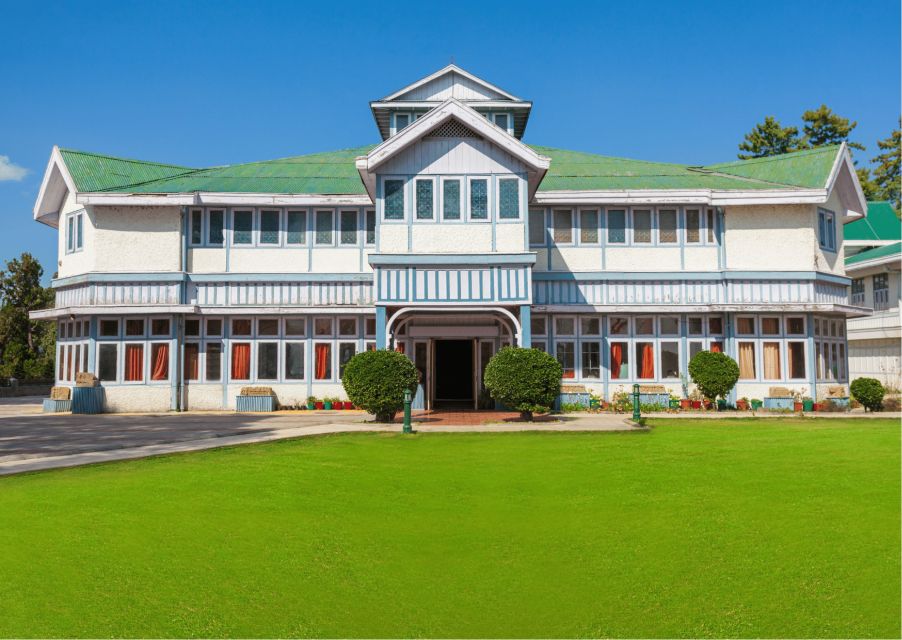
Next comes a walk through Himalayan Bird Park. The focus here is on Himachal state birds, and it’s timed so you’re not stuck for hours. You’ll have enough time to slow down, look closely, and capture photos—without needing a separate nature outing.
I like that this stop acts like a reset. After mansion architecture, the bird park brings you back to what makes Shimla feel different: mountains, cooler air, and a calmer rhythm. It also gives the tour a local angle that isn’t strictly colonial.
One consideration: if you’re not a bird-and-photo person, treat this as a quick palate cleanser. You still get breathing room before the museum.
Himachal State Museum: Coins, Paintings, and Pahari-Inspired Art
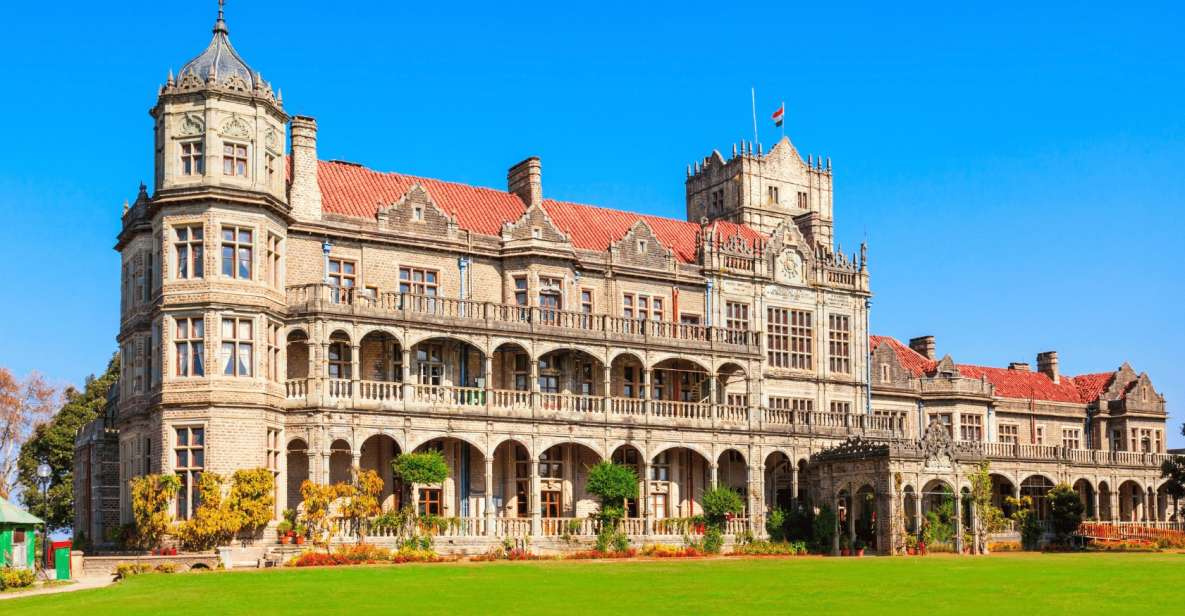
Then you move into Himachal State Museum, where the vibe shifts from outdoors to carefully collected objects. The tour points out collectibles such as ancient coins, paintings, and handicraft items shaped by Pahari art influences.
This is one of those stops that helps the entire city make sense. Colonial Shimla is the headline, but the museum reminds you that Himachal’s own artistic traditions were always part of the region’s identity. You’ll walk away with a stronger sense of what local culture looks like when it’s not just background.
If you enjoy museums, this time block is comfortably paced. If museums aren’t your thing, don’t worry—you’re not there forever. You’re getting a guided highlight tour meant to connect objects to stories you’ll carry to the next building.
Vidhan Sabha Chowk and Old Library: The Capital’s Everyday Heart
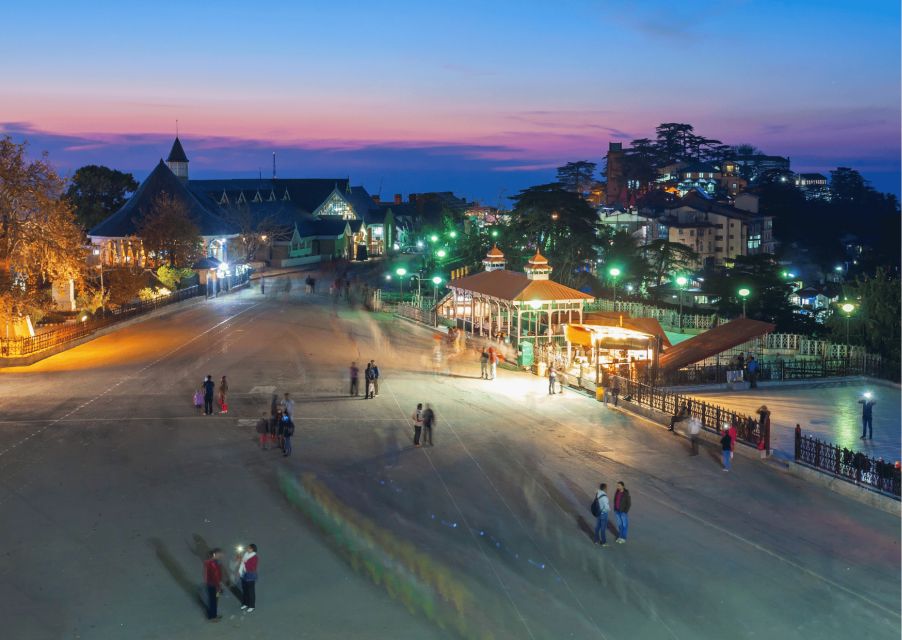
A quick pass brings you to Vidhan Sabha Chowk, plus nearby heritage building character (including an old library). This isn’t a long museum-style stop. It’s a look at how civic power and public life show up in architecture and street layout.
This part matters because it anchors the route in modern Shimla. You’re not only touring relics of British rule; you’re also seeing how Shimla’s political center lives on in daily surroundings.
If you’re the type who loves street-level details—gates, facades, and how buildings sit on streets—this short segment will work. If you only want major monuments, it may feel like a breather between longer stops.
Gorton Castle: Neo-Gothic Drama in the Hills
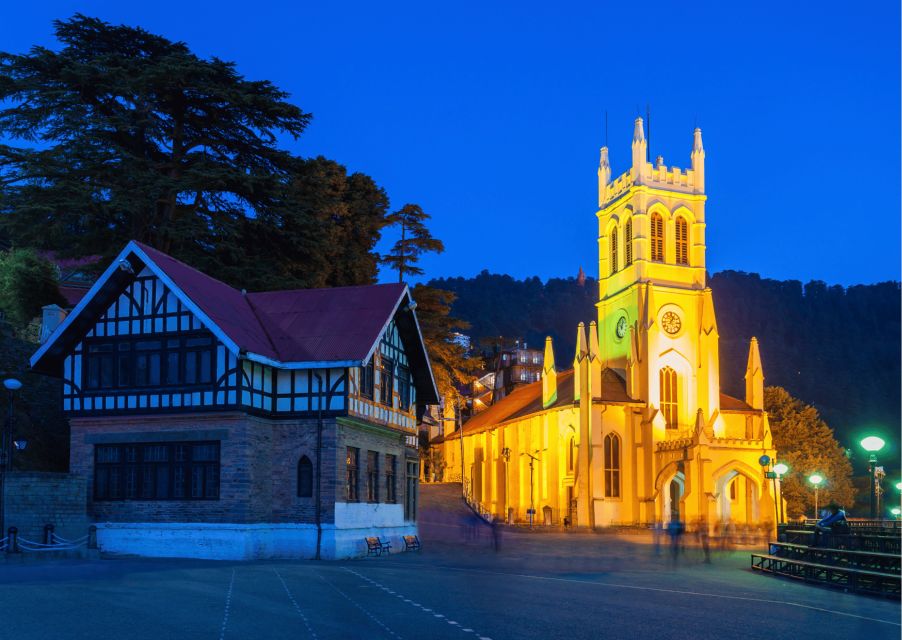
One of the most photogenic moments arrives at Gorton Castle, built in the 19th century with neo-Gothic architecture. Think pointed shapes, dramatic styling, and that slightly theatrical European look that makes you pause and stare.
What I appreciate is how this stop balances the tour. The Viceregal Lodge is official and stately. The castle, by contrast, feels more like a design statement—still colonial-linked, but with a stronger architectural personality.
Timeline-wise, you’re given a solid visit window to take photos and absorb the look. Just remember: castles are best when you slow down. Walk around, angle your shots, and let your eyes adjust to the shapes before the guide moves on.
Rail-Era Craft: Shimla-Kalka Track and St. Michael’s Cathedral
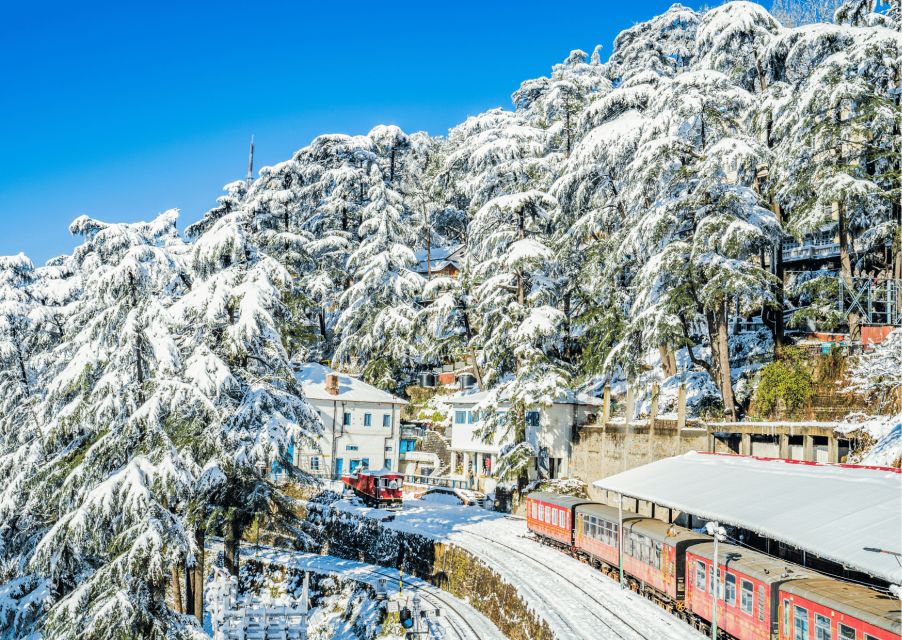
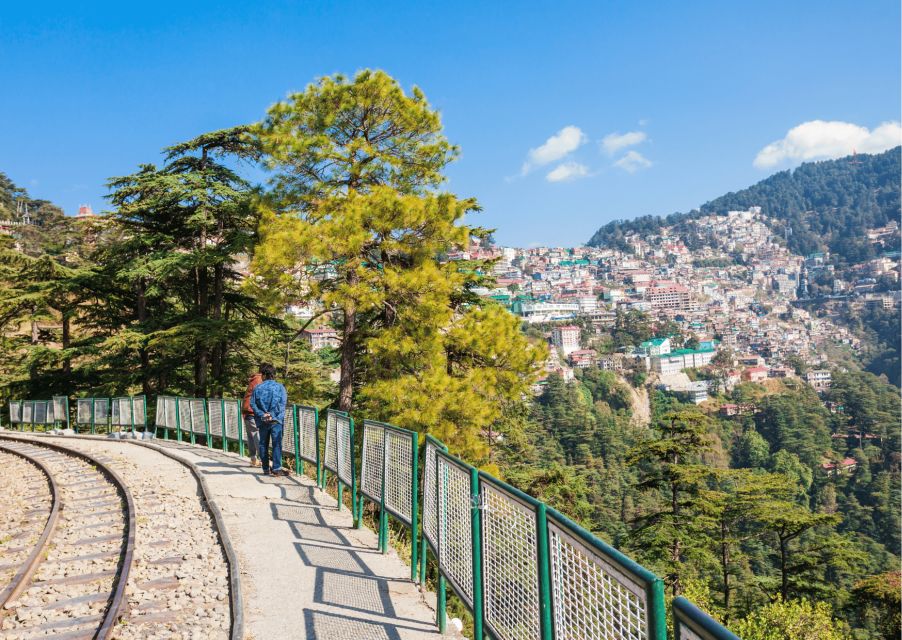
The route then passes by the Shimla-Kalka Railway Track, described as one of the most important witnesses of British craftsmanship. Even if you’re not a rail-history person, the idea is simple: the hill station world ran on engineering, and this track is the spine that helped make it all possible.
In the same stretch, you’ll also pass St. Michael’s Cathedral, noted for its French-Gothic style. Seeing these two architectural themes near each other is a neat trick. You get an empire-of-rail story alongside a church that shows how European design ideas were transported and reinterpreted.
A small tip: if your phone battery runs low, charge earlier. This section can tempt lots of photos, especially when cathedral lines and track views line up.
Kalibari Temple on Jakhoo Hill: Ending Where Worship Takes Over

The tour closes at Kalibari Temple on Jakhoo Hill, dedicated to Goddess Kali and built in 1845. This final stop changes the energy of the walk in a good way: less imperial storytelling, more spiritual atmosphere.
I like endings like this because it prevents the day from becoming only “old buildings tour.” When you reach a temple in an active religious setting, you get a reminder that the city’s meaning isn’t stuck in the past. It’s still moving.
One consideration for your comfort: Jakhoo Hill means you should expect some uphill effort. Wear shoes you trust on uneven ground, and don’t plan to rush the last stop. The temple visit is where you’ll want to slow down and just be there.
Price and Timing: $14 for 2 Hours That Actually Hit the Points
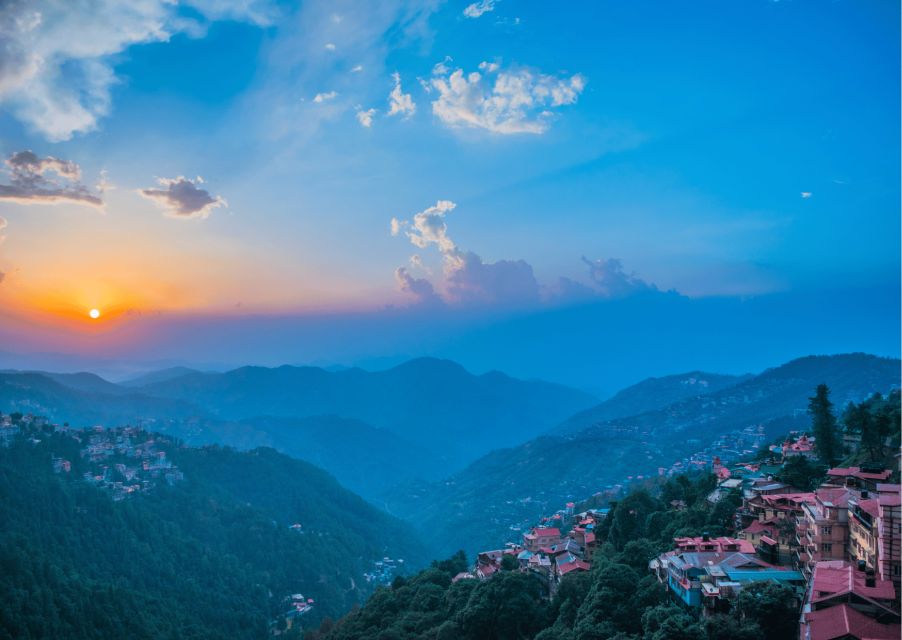
At $14 per person for a 2-hour guided walking tour, the value comes from how tightly the route is designed. You get a mix of major colonial landmarks (Viceregal Lodge, Gorton Castle), cultural stops (bird park and state museum), and a spiritual finish (Kalibari Temple) without turning it into an all-day marathon.
You also get practical benefits that don’t show up on a monument sign. The tour includes local tips and recommendations to help you save money and explore further. It also includes conversations and access to hidden lanes and places—exactly the kind of “small route difference” that makes walking tours feel more real than just sightseeing off a bus window.
Two practical drawbacks to keep in mind:
- You should bring a water bottle, since it isn’t included.
- The schedule is packed enough that you’ll want to stay mentally ready for walking and short transitions, especially near Jakhoo Hill.
If you’re short on time in Shimla, this is a strong pick. If you love slow, long museum hours, you may want a separate day for deeper indoor exploring. This tour is meant for momentum and meaning, not long browsing.
What to Wear, What to Bring, and How to Get the Best Photos
Keep it simple. The tour asks for comfortable clothes, and I agree. Plan for hill-town walking and cooler mountain air. Even on days that feel mild, mornings and evenings can change quickly in Shimla’s weather.
Bring:
- Comfortable shoes (the last part on Jakhoo Hill is where you’ll thank yourself)
- A water bottle
- A camera or phone with enough battery for cathedral lines and castle angles
If you hate rushing, you can still take your time: just do it at the stops that allow it most (Viceregal Lodge, Gorton Castle, and Kalibari Temple). The quick pass segments are for getting your bearings and hearing what to notice.
Should You Book This Colonial Trails of Shimla Walking Tour?
Book it if you want Shimla’s colonial-era story without losing the local side. The route makes sense: starting at Viceregal Lodge, adding nature and cultural context at the bird park and state museum, then finishing with a temple visit that feels grounded in living tradition.
Skip it (or pair it with something else) if you prefer long indoor time at museums or want a very slow stroll with lots of free wandering. This tour is intentionally tight. It’s built for you to learn, walk, and photograph key moments in a short window.
If you choose to go, my advice is to show up ready to listen. The biggest payoff is how the storytelling connects the buildings—so you come away with more than photos. You get a mental map of how Shimla’s past and present sit side by side.
FAQ
Where does the Colonial Trails of Shimla walking tour start?
The tour starts at Viceregal Lodge (Rashtrapati Niwas).
How long is the tour?
It lasts about 2 hours.
What stops are included during the walk?
Key stops include Rashtrapati Niwas (Viceregal Lodge), Himalayan Bird Park, Himachal State Museum, a pass by at Vidhan Sabha Chowk (and an old library area), Gorton Castle, pass by the Shimla-Kalka Railway Track and St. Michael’s Cathedral, and a visit to Kalibari Temple on Jakhoo Hill.
Where does the tour end?
It ends at Kalibari Temple, Shimla (on Jakhoo Hill).
How much does it cost?
The price is $14 per person.
What is included in the tour price?
Included items are a live English/Hindi storyteller/guide, local tips and recommendations, access to hidden lanes and places, and guided conversations and stories.
Are hotel pickup and drop-off included?
No. Hotel pickup and drop are not included.
Is a water bottle provided?
No. A water bottle is not included.
What should I wear or bring?
Wear comfortable clothes. You may also want to bring a water bottle since it isn’t provided.
Is free cancellation available?
Yes. You can cancel up to 24 hours in advance for a full refund.