REVIEW · NEW DELHI
DELHI: NEW AND OLD SELF ITINERARY FULL DAY OR HALF DAY TOUR
Book on GetYourGuide →Operated by R R Voyages · Bookable on GetYourGuide
Delhi changes gear every few blocks, and this private route stitches together Jama Masjid and Akshardham with a guide who puts the sights in context. I especially like the AC pickup plus the included rickshaw ride through Chandni Chowk, and I also like the mix of faith sites from Sikh langar to Mughal tombs. One catch: monument entry fees and lunch are not included, so you’ll need extra money on the day.
The flow is built to keep things practical: your driver meets you at your hotel or airport (name board at the terminal), you get a local guide in English plus options in Spanish, German, or French, and you’ll also skip the ticket line for included sites. In groups using this tour, guides such as Sumit, Ravi, Chetan, Vikram, and Nawin have been praised for moving smoothly and answering questions on the spot. You do have to plan for walking—markets and monument areas will be on your feet.
In This Review
- Key things I’d circle before you go
- Old Delhi and New Delhi, All Packed into One Private Day
- Jama Masjid: Go Early-So You See It Without the Crush
- Chandni Chowk by Foot and Rickshaw: The Market Sensory Overload (In a Good Way)
- Gurudwara Bangla Sahib: A Peaceful Place With Real Community Energy
- Humayun’s Tomb and India Gate: Mughal Design Meets a War Memorial
- Parliament and Presidential Palace Views: A Glimpse of Modern Delhi
- Qutb Minar and Lotus Temple: The Minaret and the Calm Symbol
- Akshardham at Sunset: Big Views and Strong Architecture
- How the AC Vehicle, Guide, and Timing Keep It From Feeling Like a Marathon
- Price and Value: What $2.50 per Person Really Buys You
- Who Should Book This Old-and-New Delhi Route?
- Should You Book This Tour?
- FAQ
- How long is the Delhi New and Old self itinerary tour?
- Where does pickup happen?
- Is this tour private?
- What’s included in the tour price?
- Are monument entry fees included?
- Is lunch included?
- What languages do guides speak?
- Is the tour suitable for wheelchair users?
Key things I’d circle before you go
- Old and New Delhi in one outing so you don’t waste a trip day zig-zagging across town
- Jama Masjid + Chandni Chowk rickshaw ride for the Mughal-meets-market contrast
- Bangla Sahib’s langar kitchen where you see how Sikh community food works at huge scale
- UNESCO Humayun’s Tomb + Qutb Minar mixing palace-era design with an iconic minaret story
- Lotus Temple and Akshardham after lunch for a calm change of pace and big sunset views
- Private format with a real guide so the day doesn’t turn into a rushed bus stop circuit
Old Delhi and New Delhi, All Packed into One Private Day
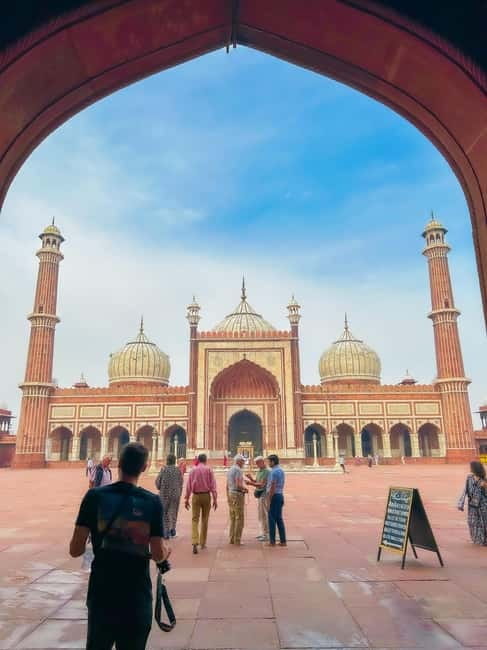
This tour is built for people who want Delhi to make sense fast. You start in the heavy history zone—mosques, tombs, and old bazaars—then you shift into New Delhi’s broad avenues and monumental complexes. The big win is that the itinerary doesn’t treat the city like a checklist. Your guide connects the architecture, the religions you’ll see in action, and the reasons those places were built where they were.
You’ll travel by AC vehicle, with pickup from New Delhi, Delhi hotels and also areas like Noida and Gurugram. If you’re arriving by air, the driver will meet you at the airport holding your name on a paging board. That matters in Delhi, because once you’re through the first hour of traffic and directions, the rest of the day feels less chaotic.
I like that it’s a private group. That means you’re not sharing a strict pace with strangers who don’t care about the details. It also helps when you need quick timing adjustments—something guides on this route have been known to handle well, including meeting location tweaks.
You can also read our reviews of more tours and experiences in New Delhi

Jama Masjid: Go Early-So You See It Without the Crush
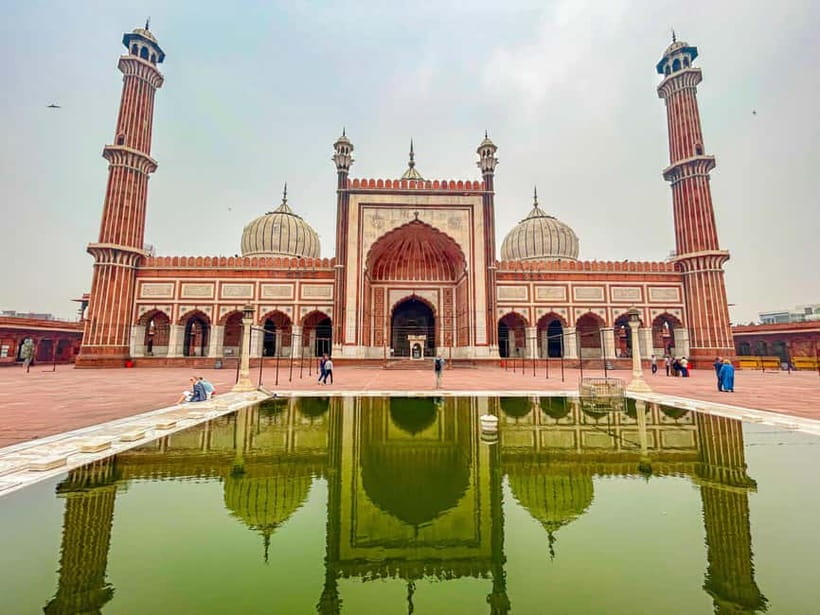
Jama Masjid is the anchor for Old Delhi’s skyline. It’s India’s largest mosque, and your stop includes guided time (about an hour) so you’re not just taking photos from the outside. Even without knowing the finer details, you can feel the scale: it’s designed for crowds, ceremonies, and daily worship rhythms.
This is one of those places where your guide’s explanations pay off. You’ll learn what the mosque represents historically and why its layout works the way it does. Also, because it’s a living place of worship, it’s usually quieter and more respectful when you’re smart about timing and behavior.
Practical tips that make this easier:
- Dress modestly. For temples and mosques, you’ll want clothing that covers shoulders and knees.
- Expect security checks and some waiting, especially when crowds move through.
- Bring your camera, but be aware you might need to pause filming when people are praying.
The tour doesn’t include monument entry fees, so double-check what’s required for each stop that charges. Your guide will point you toward what you need, and you’ll have less stress if you’re already carrying cash or a payment method.
Chandni Chowk by Foot and Rickshaw: The Market Sensory Overload (In a Good Way)
After the mosque, the day shifts from grand architecture to street life. Chandni Chowk is one of Delhi’s oldest markets, and the tour gives you guided time plus a walk (about an hour). The highlight here is the included rickshaw ride through narrow streets—perfect for getting a feel for the lanes without spending your whole day trying to navigate crowds.
Your guide also sets you up to understand what’s actually happening in the market. Yes, you’ll see spices, shops, and people moving with purpose. But the value is in learning how traders and food sellers operate in this kind of old market environment. It’s not just shopping. It’s a living economy.
One smart consideration: markets can get hot and crowded fast, especially around midday. If you’re prone to feeling rushed, keep your plan flexible. You won’t cover every single shop, and you don’t need to. I like the way the tour focuses on a core route so you get the atmosphere without losing hours.
Also note that lunch isn’t included, and this is usually where you start thinking about it. Your guide can recommend places after India Gate, but if you prefer a specific cuisine, tell them early so the timing works for you.
Gurudwara Bangla Sahib: A Peaceful Place With Real Community Energy
Next comes Gurudwara Bangla Sahib, a Sikh house of worship. Your stop includes guided time and a longer walk (about 1.5 hours). If you’ve never visited a gurudwara, this is a great introduction because it’s not just architecture. You’ll see the religion in action.
The standout here is the donation kitchen, the langar. The tour notes that it serves thousands of meals daily, and that’s exactly what makes this stop special. You’re watching community organization at work—food as service, not charity as an exception.
What I like about this stop is the emotional contrast it creates after Old Delhi’s intensity. The vibe is more inward, more grounded. Your guide’s explanations help you understand what you’re seeing instead of treating it like scenery.
A practical heads-up:
- Plan to follow instructions from staff during worship times.
- Keep your phone use respectful.
- Wear comfortable shoes. You’ll be on foot for part of this segment.
Humayun’s Tomb and India Gate: Mughal Design Meets a War Memorial
Then the tour moves toward two major landmarks: Humayun’s Tomb and India Gate.
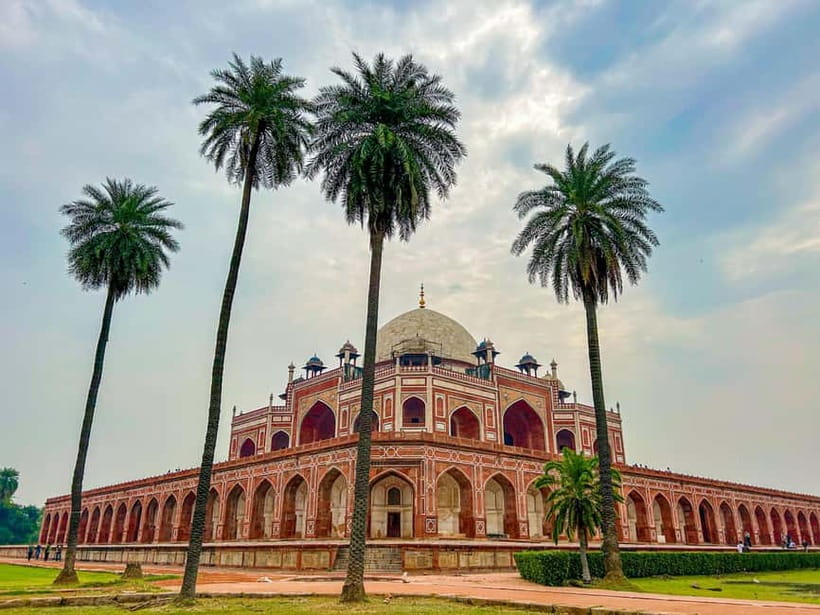
Humayun’s Tomb is a UNESCO World Heritage Site and dates to the 16th century. Your guided visit and walk (about 1.5 hours) gives you time to notice the palace-like logic behind Mughal-era design. Even if you’re not a history buff, you’ll appreciate how symmetry and gardens work together here. It feels like the city planned around beauty, not just power.
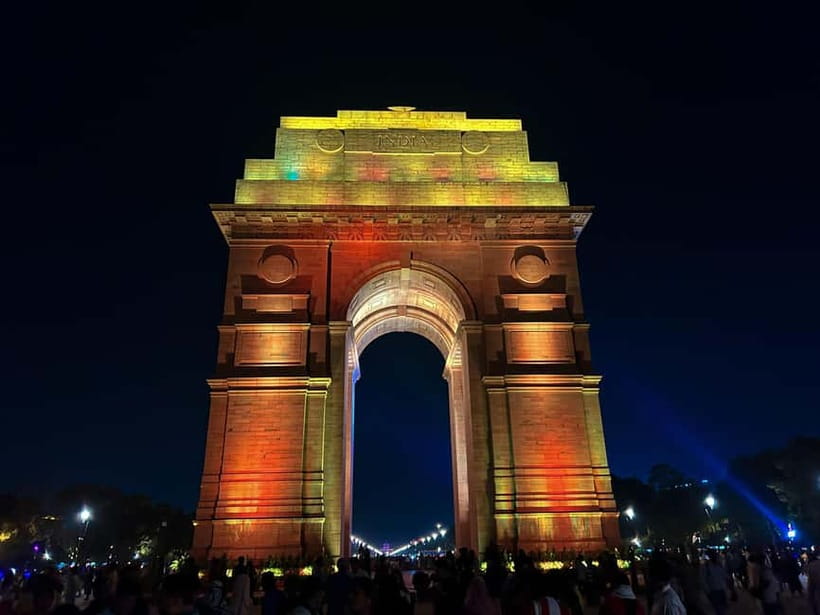
After that, you’ll drive past India Gate, which is a major war memorial. Your itinerary includes time at India Gate around lunch (about an hour). This isn’t a guided museum stop in the same way. It’s more of a pause—time to re-set and grab a meal.
Lunch planning is on you. The guide can recommend North Indian and Mughlai restaurants for authentic food, and you’ll have a full hour for it. I’d use that hour intentionally:
- If you want classics like butter chicken or kebabs, ask your guide where locals go for good consistency.
- If you want something lighter, still use the hour to avoid rushing back to the next monument.
After lunch, you’ll have a photo stop and a short guided segment at India Gate (about 30 minutes). This gives you the benefit of learning what the memorial represents, not just snapping pictures.




Parliament and Presidential Palace Views: A Glimpse of Modern Delhi
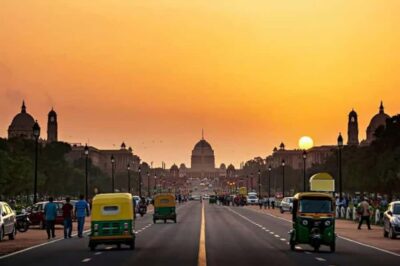
Between the big heritage stops, the tour includes a drive past Parliament House and Presidential Palace. You won’t be spending hours there, but it’s a useful mental reset. Delhi isn’t only ancient monuments. It’s also government—decision-making happening in real time.
This is a moment where your guide’s running commentary matters. Even from the vehicle, you’ll start noticing how New Delhi is planned differently from Old Delhi: wider roads, stronger sightlines, and a different architectural language.
If you want photos, don’t wait until the last minute. The tour gives limited time windows here, and traffic and security lines in the city can make a quick stop feel longer than you expect.
Qutb Minar and Lotus Temple: The Minaret and the Calm Symbol
After India Gate, you’ll head to Qutb Minar, where the tour includes a guided visit and sightseeing time (about 1.5 hours). Qutb Minar is famous as the tallest brick minaret in the world, and it’s one of those sights that makes the scale obvious even when you’re just walking around.
This is also where the day starts feeling more “monument-forward.” You’ll spend enough time here to take in details rather than just passing through.
Next up is Lotus Temple, with photo-stop time and guided explanation (about 30 minutes). It’s a symbol of unity and peace in the Baha’i faith. The structure is instantly recognizable—like a lotus made into a building—and it’s a nice tonal shift after the harder angles of older stone and brick.
If you prefer quieter moments, Lotus Temple can be a welcome break. You’re not just cramming more history; you’re giving your brain a rest while still learning what the building stands for.
Akshardham at Sunset: Big Views and Strong Architecture
Akshardham Temple ends the tour with a guided visit and sightseeing (about 2 hours), plus sunset and scenic views on the way. This part matters because it changes the mood of the whole day. After mosques, tombs, markets, and government buildings, you end with a place designed for spectacle and reflection.
Your guide’s time here helps you connect the visuals to the architectural intent. Even without deep religious study, you’ll understand it as a statement: a modern era temple complex built to communicate values through form.
The sunset timing is a practical advantage. Delhi light can change fast, and this schedule tries to catch the nicer window for photos and atmosphere. Wear sunscreen and bring water breaks where you can, especially if you’re traveling in hotter months.
How the AC Vehicle, Guide, and Timing Keep It From Feeling Like a Marathon
A Delhi day can spiral quickly if your transport and pacing aren’t handled well. This tour reduces that stress in three ways:
- AC vehicle from pickup to drop-off
Your comfort matters when you’re moving between distant areas and waiting during short stops.
- A live guide who explains while you travel
You get context during the ride as well as at each major site, so the day adds up to more than a sequence of photos.
- A private group pace with included rickshaw time
You don’t have to squeeze through narrow lanes on foot the whole time, and you avoid the chaos of trying to negotiate transport alone.
From the guide examples linked with this tour, one common theme is that they handle questions easily and make small adjustments when needed. Some guides have also helped with practical things like recommended lunch spots. That’s not a small detail. In Delhi, those choices can be the difference between a smooth day and a frustrating one.
One thing to watch: the itinerary mixes guided time with walks. Even if you’re a strong walker, you’ll want comfortable shoes and breathable clothing.
Price and Value: What $2.50 per Person Really Buys You
The listed price is extremely low at $2.50 per person, and that’s the first thing you should sanity-check at checkout. Still, even at a higher real-world price point, the value concept here is clear: you’re getting AC transfers, a local English-speaking guide, and an included rickshaw ride, plus a mineral water bottle per person per day.
What you should budget separately:
- Monument entry fees (not included)
- Lunch (not included, though the day sets aside time)
- Any drinks beyond water
- Personal costs
When a tour includes transport and guiding, it saves you from arranging multiple legs yourself. In Delhi, where time can vanish in traffic and navigation, paying for “someone else to handle the route” is often worth it even if you end up paying extra at monument entrances.
If you’re trying to get the best value, this is a strong choice because you hit both Old Delhi and multiple New Delhi icons without paying for separate tours that duplicate the same ground.
Who Should Book This Old-and-New Delhi Route?
This tour is a good match if you want:
- A first-time Delhi overview that connects old monuments to newer city landmarks
- A mix of architecture and active worship sites (mosque, Sikh gurudwara, Baha’i temple)
- A structured day that still leaves room for short practical choices like where to eat
It’s also ideal if you’re traveling with someone who wants variety. One person can focus on Mughal design and memorials, while the other enjoys the market streets and the calm of Lotus and Akshardham.
It may not fit you if:
- You need wheelchair accessibility (the tour is not suitable for wheelchair users)
- You want a slow, unplanned day with lots of free time
Should You Book This Tour?
Yes, I’d book it if you want a guided, private Old-and-New Delhi day that hits the big landmarks and keeps transport simple. The combination of Jama Masjid, Chandni Chowk via rickshaw, Bangla Sahib, Humayun’s Tomb, Qutb Minar, Lotus Temple, and Akshardham gives you a balanced sample of what Delhi is: faith, power, markets, and monumental design.
Book it with eyes open about two things: monument entry fees and lunch aren’t included, and you’ll do real walking. If you pack comfortable shoes, plan a modest budget for entrances and food, and show up ready for a full day of sights, this route is a solid way to make Delhi click.
FAQ
How long is the Delhi New and Old self itinerary tour?
It lasts 4 to 8 hours, depending on the starting time and the version you choose.
Where does pickup happen?
Pickup is included from New Delhi, Delhi and also from New Delhi Airport or hotels in Delhi, Noida, and Gurugram. At the airport, the driver will hold your name on a paging board.
Is this tour private?
Yes. It’s a private group.
What’s included in the tour price?
Included items are all transfers by an AC vehicle, a local English speaking guide in Delhi, a rickshaw/tuk tuk ride, and one mineral water bottle per person per day.
Are monument entry fees included?
No. Monument entry fees are not included.
Is lunch included?
Lunch isn’t included. The itinerary includes time at India Gate for lunch, and your guide can recommend restaurants.
What languages do guides speak?
Guides are available in English, Spanish, German, and French.
Is the tour suitable for wheelchair users?
No, it is not suitable for wheelchair users.