REVIEW · NEW DELHI
From Delhi: 5 Days Golden Triangle Tour
Book on GetYourGuide →Operated by Agra Voyage · Bookable on GetYourGuide
Delhi to Jaipur in five days sounds fast. It’s the kind of trip where you’ll see the big sights early, then spend the rest of the day making sense of how these cities connect. I like this route because it mixes Old Delhi street life with Mughal masterpieces and Jaipur’s royal-era geometry.
Two things I really like: the itinerary builds in sunrise Taj Mahal (plus a second Taj viewing angle from Mehtab Bagh), and the tour can be run in a private-group style with a driver who keeps you moving safely. One thing to consider: you may run into scheduled stops at tourist shops along the way, and those can be pushy if you want to keep things strictly sightseeing.
In This Review
- Key things to know before you go
- A 5-day Golden Triangle with the most important sights where they belong
- Day 1 in Delhi: Old Delhi by rickshaw, then Qutub and Lotus
- Day 1 worth your energy
- Day 1 possible downside
- Day 2 in Agra: sunrise Taj Mahal and two different viewpoints
- Day 3 from Agra to Jaipur: Fatehpur Sikri and a step well stop
- Day 3 worth your time
- Day 3 possible downside
- Day 4 in Jaipur: Amber Fort, City Palace Museum, and Jantar Mantar
- Day 5: Jaipur morning, then back to Delhi
- Who this tour fits best (and who might not love it)
- Guides and drivers: where the experience can feel truly first-class
- The trade-offs: shop stops, pacing shifts, and hard moments
- Price and value: what $129 per person usually buys you
- Practical tips to make this Golden Triangle feel smooth
- Should you book this Delhi–Agra–Jaipur tour?
- FAQ
- Is the Taj Mahal included on the sunrise schedule?
- What cities does this 5-day tour cover?
- Are pickup and drop-off included?
- Do I need to worry about long security lines?
- What languages are the live guides available in?
- Will I be in a group or alone?
- Is this tour wheelchair accessible?
- What should I bring for the sightseeing days?
- Is the tour suitable for pregnant women?
- What time does the tour end?
Key things to know before you go
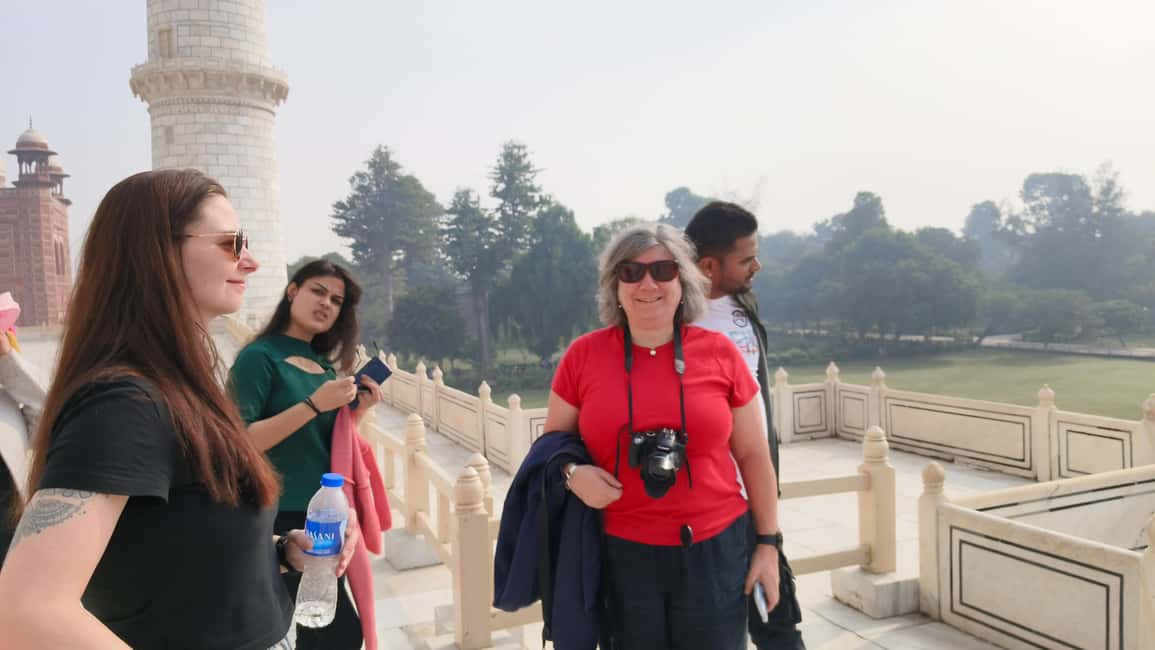
- Sunrise Taj Mahal plus an evening Taj view from across the Yamuna at Mehtab Bagh
- Old Delhi by rickshaw through Chandni Chowk’s traditional bazaar streets
- Multi-style architecture in one loop: Indo-Islamic, Mughal, and British-era landmarks
- Jantar Mantar UNESCO and Amber Fort’s mirror work and gold-painted interiors
- Private-group structure with live guiding in English and several other languages
- Shop stops are a real possibility, so set expectations for pace and purchasing
A 5-day Golden Triangle with the most important sights where they belong
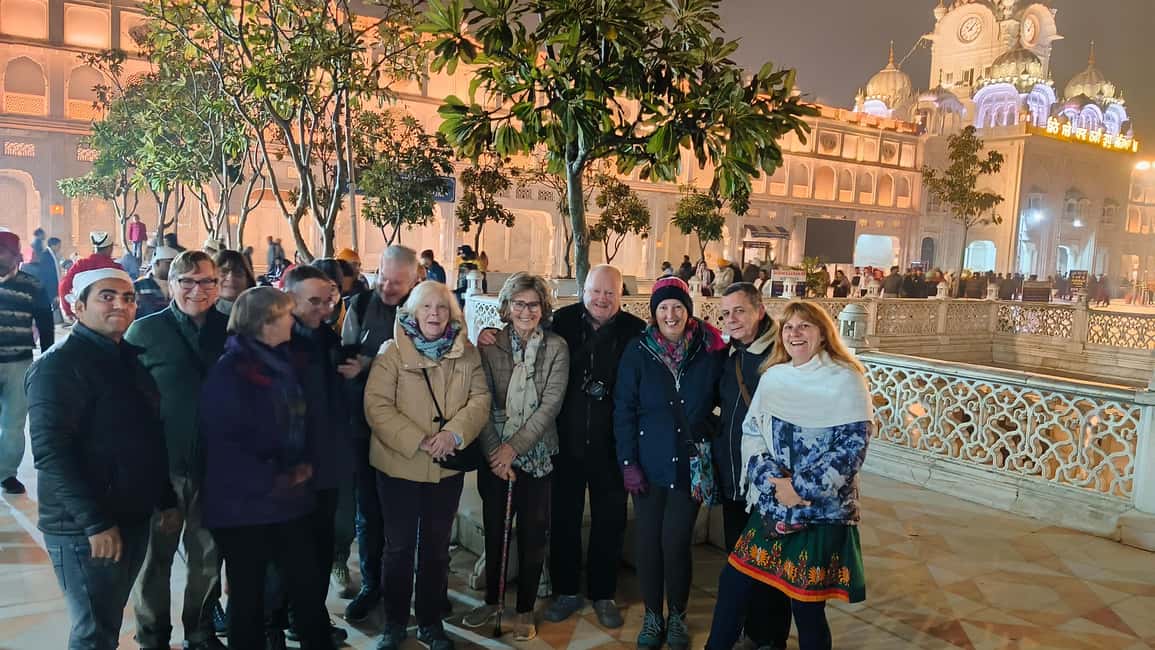
This is the classic Delhi–Agra–Jaipur circuit, but the timing makes it feel smarter. The big monuments are placed early enough that you can see them at their best light, not just when the day is already worn out. You’ll spend time in each city, not just pass through.
The big value here is how the itinerary ties sights to stories. In Delhi you’ll connect religious life (like Jama Masjid and Gurudwara Bangla Sahib’s langar) with city-era power (Rajghat, India Gate, and the colonial-era look of some government buildings). In Agra, you’re pointed straight at the Mughal legacy—Taj Mahal, Agra Fort, and the famous earlier marble tomb often called the Baby Taj.
Finally, Jaipur is where you’ll feel the shift from Mughal stonework to Rajput design. Amber Fort’s mirror-and-paint details, plus Jantar Mantar’s astronomical instruments, help you understand why this wasn’t only a palace city—it was also a science-and-planning city.
You can also read our reviews of more tours and experiences in New Delhi



Day 1 in Delhi: Old Delhi by rickshaw, then Qutub and Lotus
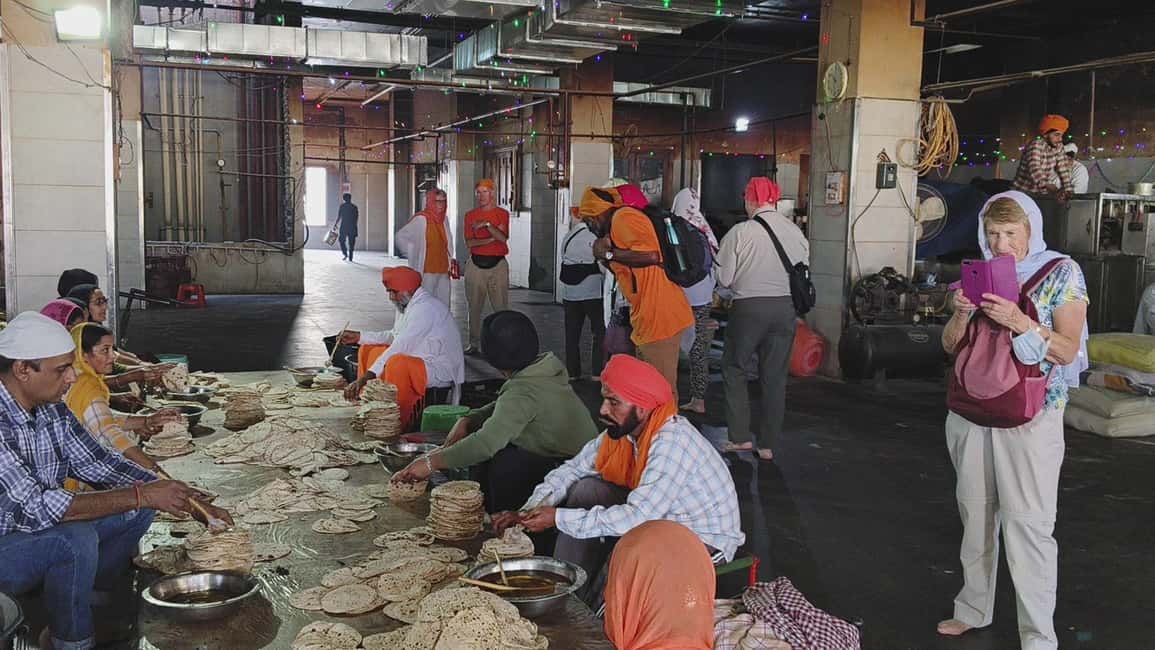
Your day starts with pickup from a Delhi hotel/airport/place of stay. Then you’re set loose on a mix of old and new Delhi sights, walking and short drives depending on timing.
Jama Masjid is first. It’s one of those places where you quickly understand why big congregational mosques matter in the city’s rhythm. Next comes the rickshaw ride through Chandni Chowk, which is one of the best ways to get your bearings fast—bright stalls, narrow lanes, and a feel for how markets move.
You’ll also hit Rajghat, linked to Mahatma Gandhi, and then move past Red Fort rather than doing a long stop there. After that, India Gate gives you a British-era war memorial vibe—built for remembrance of 84,000 soldiers—and it’s a useful contrast to the older Mughal-style buildings.
Two more stops help round out Delhi’s religious and cultural balance. Gurudwara Bangla Sahib is a Sikh temple where the langar (community kitchen) concept means people of all backgrounds can eat together. And Qutub Minar brings you to one of the most important early Islamic-era monuments in India; it’s a landmark you’ll see credited to long historical roots, including the 12th-century brick tower connection.
Later, Lotus Temple adds a different kind of calm. It’s built in the shape of a lotus flower, and it’s visually distinct from everything else on your route. In a short day like this, that contrast is good for your brain.
At the end of Day 1, you drive to Agra and sleep there.
Day 1 worth your energy
- You get Old Delhi street texture plus major landmarks without feeling like you’re in a rush marathon.
- The variety of architectural styles in one day is genuinely helpful for first-time visitors.
Day 1 possible downside
- This day is packed. If you dislike moving quickly between stops, bring patience and comfortable shoes.
Day 2 in Agra: sunrise Taj Mahal and two different viewpoints
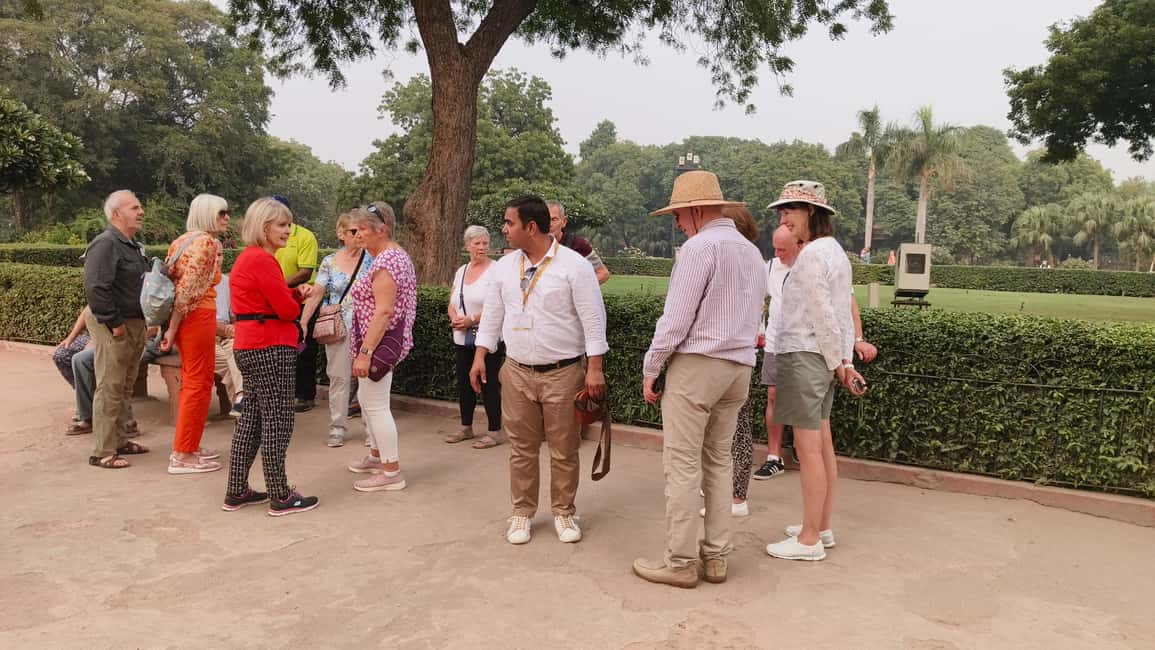
Agra is where the trip’s headline moment lands. You wake early for Taj Mahal at sunrise, which is the best move if you care about the Taj’s surface glow and softer crowd energy.
A key detail: Taj Mahal remains closed on Fridays. If your dates include a Friday, you’ll need to adjust expectations for that day’s centerpiece and follow your guide’s plan.
After sunrise viewing, you return for breakfast and then go into the Mughal layers. Agra Fort is next, known as the Mughal dynasty residence area built by Emperor Akbar. Even if you’re not a “fort person,” it’s worth it because it gives you the power structure behind the romance of the Taj.
Then you visit Tomb of Ethmad-Ud-daulah, often called the Baby Taj. What you’ll like here is the early marble artistry—especially the white marble look and the decorative ceiling painting reputation that often surprises people who expected only one level of Taj-style grandeur.
For sunset, the plan shifts across the river to Mehtab Bagh. Seeing the Taj from there gives you a second composition—less framed by palace grounds and more by the Yamuna and open garden space. That “two angles” approach is one reason this tour feels more complete than basic day trips.




Day 3 from Agra to Jaipur: Fatehpur Sikri and a step well stop
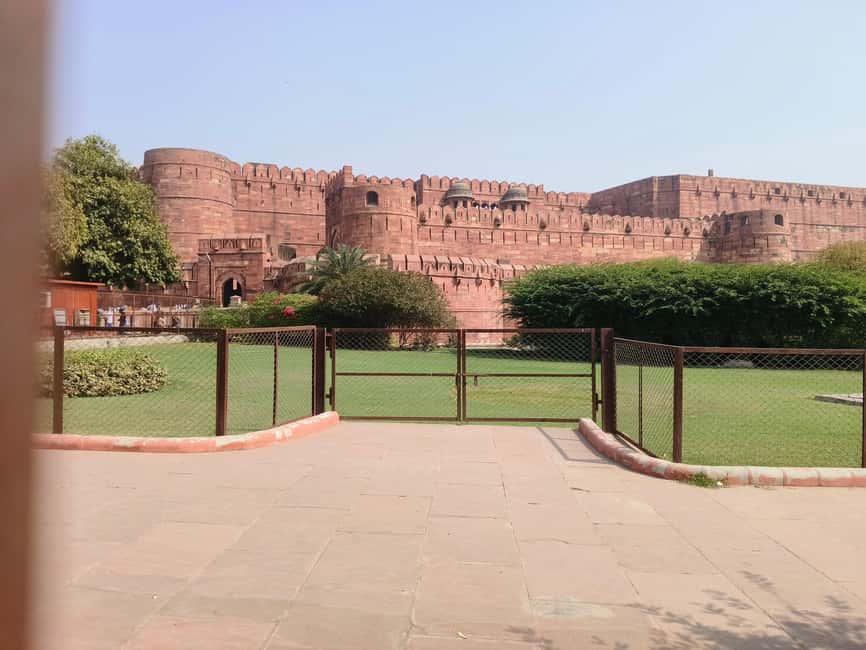
Today is mostly a drive day, but it’s not wasted time. You head to Jaipur via Fatehpur Sikri, which is often described as an abandoned or ghost city. It was built by Mughal Emperor Akbar, so you’re continuing the Mughal story instead of switching to something totally unrelated.
Fatehpur Sikri is fascinating because it’s not only about buildings—it’s about why something that grand could become still. That makes it a good “think” stop on a travel day when you’re mentally tired but still curious.
Then comes the stop that’s easy to overlook in the planning: a step well built in the 8th century AD. Step wells in India are practical engineering, but they also create their own atmosphere. If you like quiet corners, this is the kind of place where you can slow down for a moment.
You arrive in Jaipur and overnight there.
Day 3 worth your time
- Fatehpur Sikri keeps the Mughal theme alive and gives you a change of scenery.
- The step well adds human-scale engineering, not just monumental architecture.
Day 3 possible downside
- This is a “by-the-road” style stop. If your group is tired, plans can shift, and you might not get every exact stop on a strict timetable.
Day 4 in Jaipur: Amber Fort, City Palace Museum, and Jantar Mantar
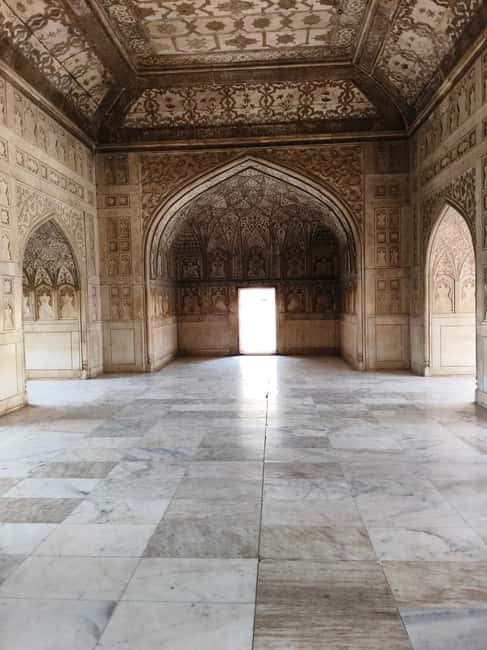
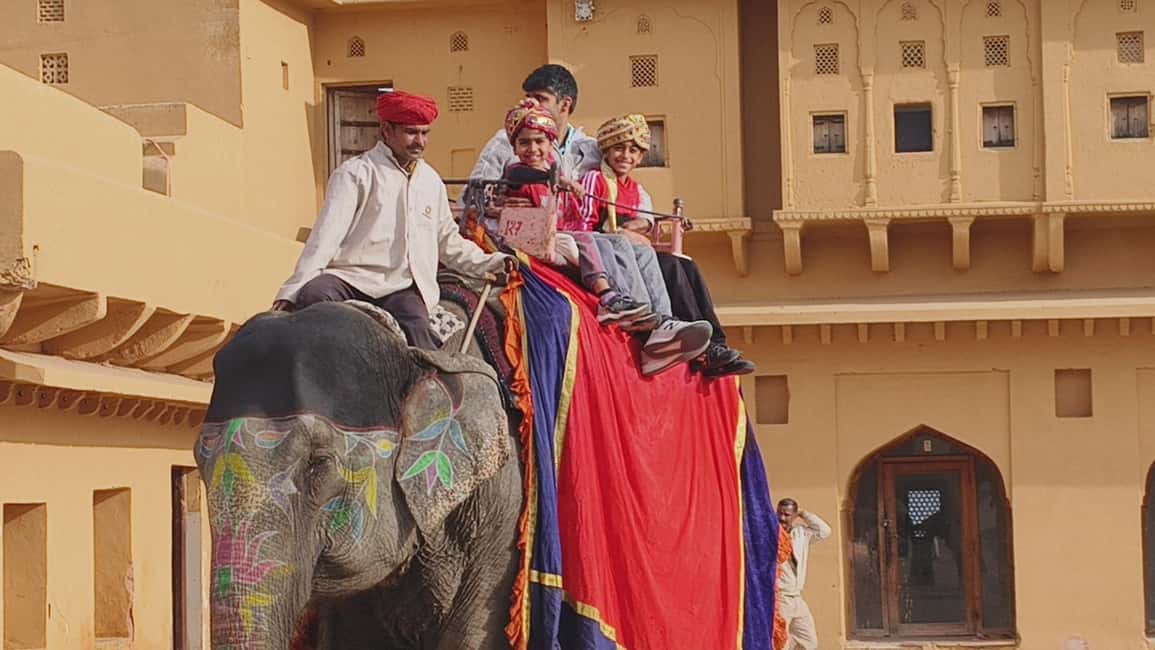
Jaipur is where the tour turns from “big names” into “craft and design.” Day 4 starts with Amber Fort, set on the Aravalli hill range. What people tend to remember is the combination of style: Indo-Islamic influences mixed with gold-plated painting, mirror work, and European architectural touches. That mix makes the fort feel like a living collage instead of a single-style museum piece.
Next is City Palace, the seat of the Maharajas of Jaipur. A big section is now a royal museum, so you’re not only viewing courtyards and gates—you’re also seeing private collections connected to the rulers.
Then comes Jantar Mantar, the set of nineteen astronomical instruments built by Rajput king Sawai Jai Singh and completed in 1734 CE. If you’ve ever seen old-world science and thought it looked cool but confusing, this is your chance to watch it become concrete. The site includes the world’s largest stone sundial and is recognized as a UNESCO World Heritage site.
You’ll also get practical photo stops. Hawa Mahal is included as a photo stop because its facade is instantly recognizable, and Jal Mahal is another quick visual moment that shows the palace style extended into a water setting.
To keep Jaipur from feeling like only sightseeing stops, you also have time to explore local arts of Jaipur.
Day 5: Jaipur morning, then back to Delhi
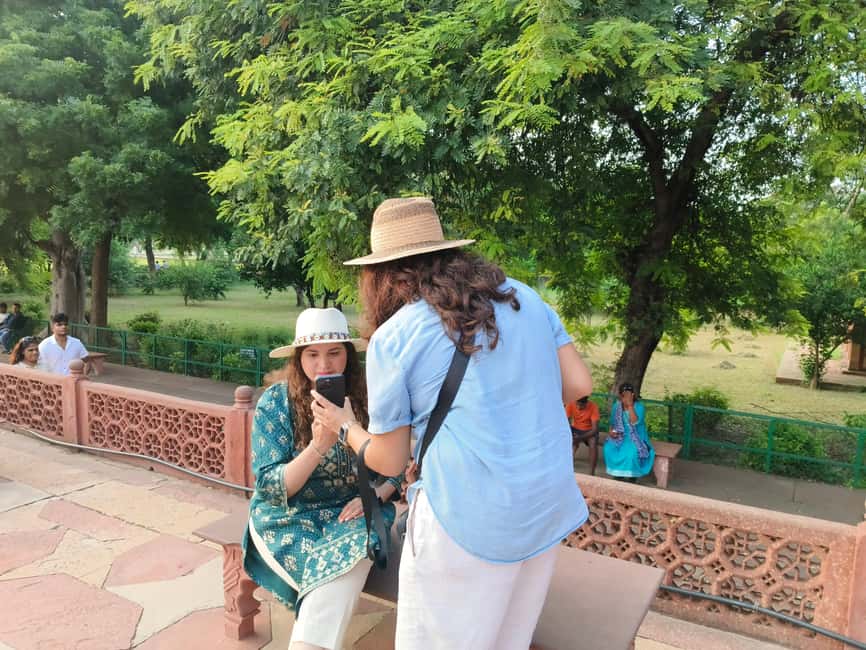
Your final day is a lighter wrap-up. After breakfast, you explore City highlights in Jaipur, then drive back to Delhi.
Your driver drops you at the airport or another preferred place for your onward journey. That “end clean” format matters if you’ve got a flight the same day.
Who this tour fits best (and who might not love it)
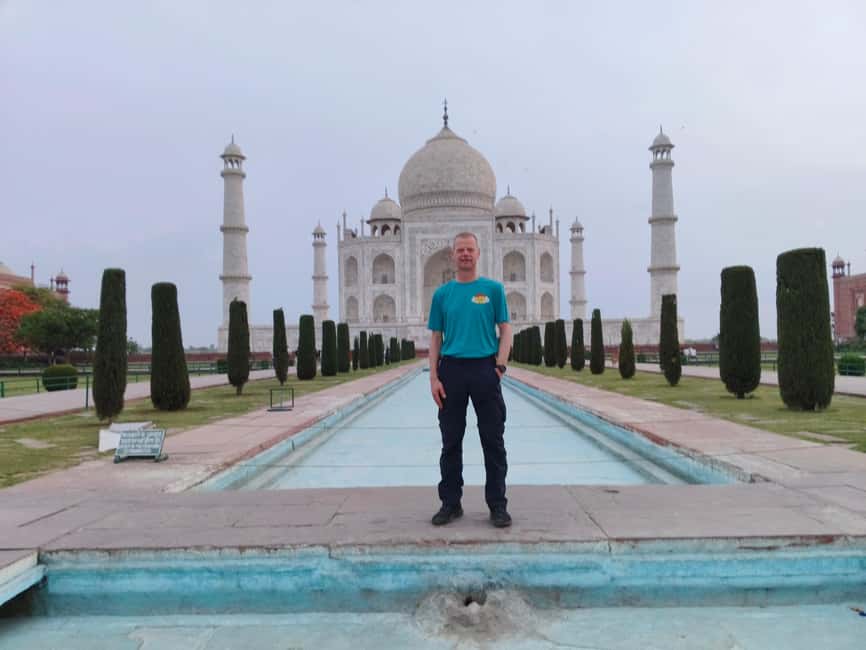
This tour works best if you want a first-time Golden Triangle that covers the core sights without you having to plan transport between cities. It’s also a good fit if you prefer a private-group setup, because you can often move at a pace that matches your energy level instead of being swallowed by a huge herd.
It’s less ideal if you need a slow, medical-pace itinerary. The tour data says it’s not suitable for pregnant women. And because the days are packed—especially Delhi and sunrise Taj days—people who hate early mornings or lots of walking may struggle.
If you like photo-heavy moments plus at least a few “story stops,” this fits you well: Old Delhi’s lanes, Taj Mahal from more than one viewpoint, Fatehpur Sikri’s haunting scale, and Jaipur’s Jantar Mantar and Amber Fort design.
Guides and drivers: where the experience can feel truly first-class

One of the strongest parts of this tour is the human factor. In past experiences shared for this route, the driving has been described as careful and confidence-building, including mention of Guddu as a driver name that came up more than once.
Guides can vary in how they explain, but the best versions of this tour are led by people who connect what you see to why it exists. Names that appeared in delivered experiences include Brajesh Kumar in Delhi, Kaleem in Agra, and Hitesh in Jaipur. If your team includes guides of that caliber, you’ll likely get clearer explanations and less wasted waiting time between stops.
The trade-offs: shop stops, pacing shifts, and hard moments
Here’s the honest part. Some versions of this itinerary include stops at expensive souvenir shops between major monuments. If you know you’ll be irritated by pushy sales tactics, set your plan before you arrive: decide what you’ll buy (if anything) and be firm about skipping. You can also keep your energy by focusing on photos and leaving quickly.
Pacing can also shift slightly. One experience noted that the step well stop on the way to Jaipur was skipped and replaced with another step well later, usually because the group was tired. That’s not automatically a problem, but it’s a reminder that the exact order can flex.
Finally, there was a complaint about a tour-operator representative pushing for a positive review. That’s the kind of situation you don’t want to deal with mid-trip. If something feels off, you should address it calmly and immediately. You still deserve to finish the tour on your terms.
Price and value: what $129 per person usually buys you
At $129 per person for 5 days, this tour can be good value if you want transport, a driver, and live guiding that stitches the cities together. For many first-timers, the cost isn’t just the monuments—it’s not having to research train schedules, book separate guides per city, and manage the logistics of crossing these distances yourself.
Two value drivers to watch in this package:
- Skip the line via express security check, which can cut waiting at busy entry points.
- Private group structure, which often makes the trip feel more personal than standard group tours.
Where value can drop is if you end up spending too much time at shops you don’t want and too little time on extra photo stops you do. That’s why I’d treat this tour as a sightseeing plan first, then be prepared to manage the optional “shopping detours.”
Practical tips to make this Golden Triangle feel smooth
- Wear comfortable shoes with support. You’ll walk more than you think across markets, courtyards, and fort steps.
- Plan for early wakeups. Sunrise Taj Mahal is worth it, but you need sleep to enjoy it.
- Bring water and small snacks if your guide allows short breaks. Long sightseeing blocks can get hot fast.
- Set boundaries early about shopping. A simple, calm no prevents most problems.
- If your dates fall on Friday, remember Taj Mahal is closed. Ask your guide what replaces it and what you’ll prioritize that day.
Should you book this Delhi–Agra–Jaipur tour?
Book it if you want a straightforward first Golden Triangle with the essentials done well: sunrise Taj Mahal, Agra Fort and Baby Taj, Fatehpur Sikri, and Jaipur’s Amber Fort and Jantar Mantar. The private-group style and live guides can make it feel organized instead of chaotic, and the driver quality can really change your stress level.
Don’t book it (or at least go in prepared) if you hate shopping interruptions, get frustrated by schedule changes, or want a slower, lighter pace. Also, if your travel window includes a Friday, plan your expectations for the Taj Mahal closure.
If you’re flexible, comfortable walking, and happy to treat shop stops as something you can decline, this is a solid way to connect India’s capital, Mughal center, and royal-design city in just five days.
FAQ
Is the Taj Mahal included on the sunrise schedule?
Yes, the itinerary is set up for Taj Mahal at sunrise. Note that Taj Mahal is closed on Fridays, so your sunrise plan would need to change if your dates fall on a Friday.
What cities does this 5-day tour cover?
It covers three heritage cities: Delhi, Agra, and Jaipur.
Are pickup and drop-off included?
Yes. Pickup is included from your desired location in Delhi, and on the last day the driver drops you at the airport or your preferred place for onward travel.
Do I need to worry about long security lines?
The tour includes express security check to help you skip the usual line at entrances.
What languages are the live guides available in?
Live tour guides are available in English, Spanish, French, Russian, and German.
Will I be in a group or alone?
The tour is listed as a private group.
Is this tour wheelchair accessible?
The tour is marked as wheelchair accessible.
What should I bring for the sightseeing days?
Bring comfortable shoes and comfortable clothes, since you’ll be walking and moving between multiple sites.
Is the tour suitable for pregnant women?
No. It is listed as not suitable for pregnant women.
What time does the tour end?
The tour ends after the Jaipur morning exploration and the drive back to Delhi, with drop-off at the airport or your chosen location for onward travel.