REVIEW · JAIPUR
From Jaipur: Pushkar and Ajmer Private Day Trip
Book on GetYourGuide →Operated by Parikshit Tour and travels · Bookable on GetYourGuide
Pushkar and Ajmer hit you fast. One day, two pilgrimage cities, and a lot of Rajasthan in motion. I like that this trip is built around Pushkar’s spiritual core and keeps the rest simple: a private AC ride, an on-the-ground route plan, and a calm return to Jaipur.
Two things I’d highlight right away. First, the Brahma Temple visit in Pushkar gives you a focused reason to be there, not just photos and walking. Second, the trip’s organization matters: a comfortable private vehicle, water bottles, and a live English guide on the day’s Pushkar portion (drivers like Manoj have been noted for smooth, friendly service, and guides such as Pradeep or Yogesh have shown up on past bookings).
The main drawback to keep in mind is pricing transparency around optional extras and on-site payments. Some experiences with camel/jeep safari add-ons and donation-style requests have been reported as stressful when expectations weren’t clear up front.
In This Review
- Key things to know before you go
- Jaipur to Pushkar to Ajmer: How the 11-Hour Day Works
- Pushkar on Foot: Brahma Temple and the Lake-Temple Setting
- The Pushkar Desert Options: Camel, Jeep, and Horse Safaris
- Engaging Local Life Without Getting Pulled Off Track
- Ajmer’s Pilgrimage Focus: Streets to the Khwaja Shrine
- Private Transport, English Guidance, and the Skip-the-Line Detail
- Price and Value: What $43 Typically Covers
- Timing, Walking, and What to Bring (So You Don’t Hate Day 11)
- When This Trip Makes Sense (and When It Doesn’t)
- Should You Book This Jaipur to Pushkar and Ajmer Day Trip?
- FAQ
- How long is the Jaipur to Pushkar and Ajmer private day trip?
- What’s included in the price?
- Is there an English guide?
- Are camel safaris or jeep safaris included?
- Are food and drinks included?
- Do I need to pay for monuments entry?
- What should I bring?
Key things to know before you go
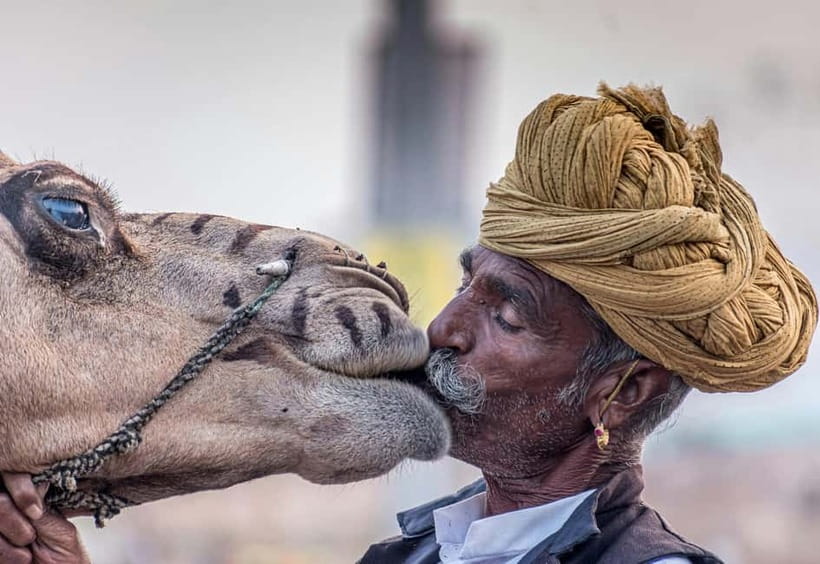
- Pushkar guided walk centers on the Brahma Temple and the town’s sacred routines
- Optional safaris (camel, jeep, horse) can add cost, and you’ll want to confirm duration and price first
- Ajmer stop is religiously focused, finishing at the Khwaja Muin-ud-din Chishti Shrine
- Private AC transport from Jaipur with fuel, tolls, and parking handled
- Skip-the-line access via a separate entrance can save time at the major stop
- Expect lots of walking, so shoes and sun protection are not optional
Jaipur to Pushkar to Ajmer: How the 11-Hour Day Works
This is an 11-hour private day trip with pickup and drop-off in Jaipur. You’ll travel from Rajasthan’s Pink City into two different spiritual atmospheres: Pushkar first, then Ajmer, and back again before the day stretches too far.
The transport is private and air-conditioned. That sounds basic, but it matters in Rajasthan, where the sun and traffic can turn a long day into a draining one fast. You also get water bottles, plus fuel charges, tolls, and parking are covered, so you’re not constantly negotiating logistics mid-trip.
The schedule is straightforward: you leave Jaipur, spend your main on-foot time in Pushkar, then continue to Ajmer for the key shrine visit, and finally return. If you’re the type who likes to see a lot without running on fumes, this format usually fits well.
You can also read our reviews of more private tours in Jaipur

Pushkar on Foot: Brahma Temple and the Lake-Temple Setting
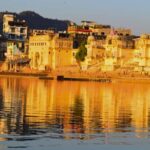
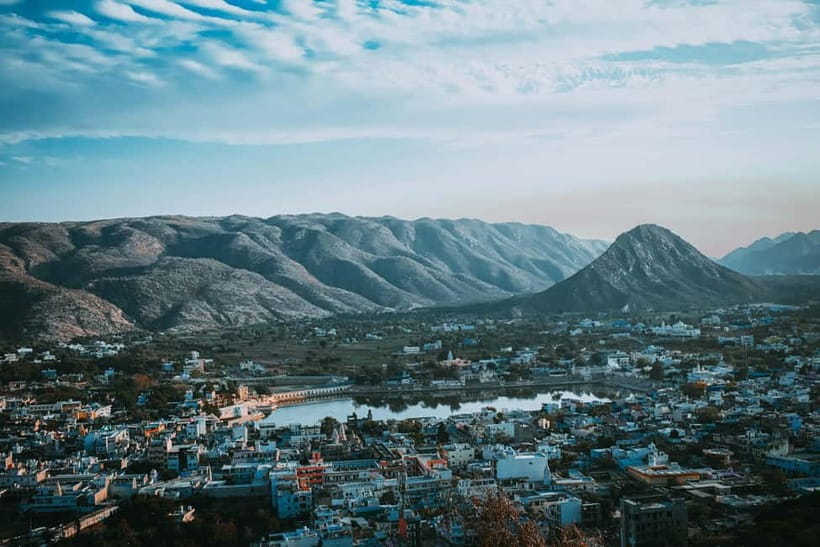
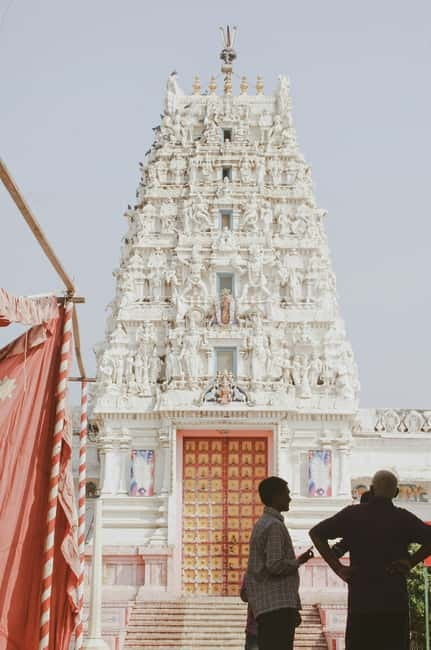
Pushkar is a small town, but it has a big spiritual pulse. It sits near Ana Sagar Lake with the Aravalli Hills in the background, and that contrast—quiet water, sacred routines, and nearby hills—sets the tone immediately.
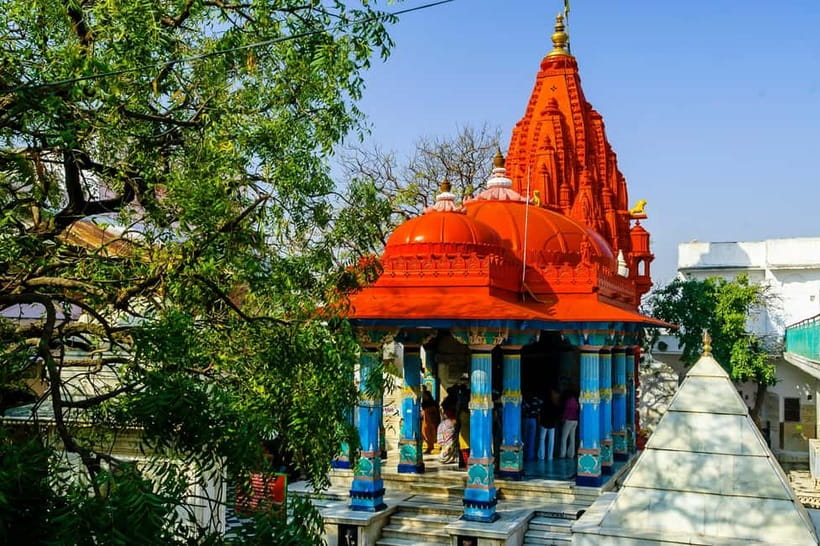
Your Pushkar time is guided, with a focus on the town’s religious sites. The centerpiece is the Brahma Temple. This is the iconic stop, and it’s worth treating it as more than a landmark: it’s a place where people come with devotion, so the vibe is calmer than typical sightseeing.
A practical note: you’ll be doing a fair amount of walking. Comfortable shoes are essential because Pushkar’s streets and temple areas involve steps and uneven surfaces. If you’re prone to sore feet, plan to pace yourself and take breaks when you can.
Also, there’s mention of skip-the-line access via a separate entrance. That can help you keep the day from becoming a long queue day, especially if you’re traveling in peak hours.
The Pushkar Desert Options: Camel, Jeep, and Horse Safaris
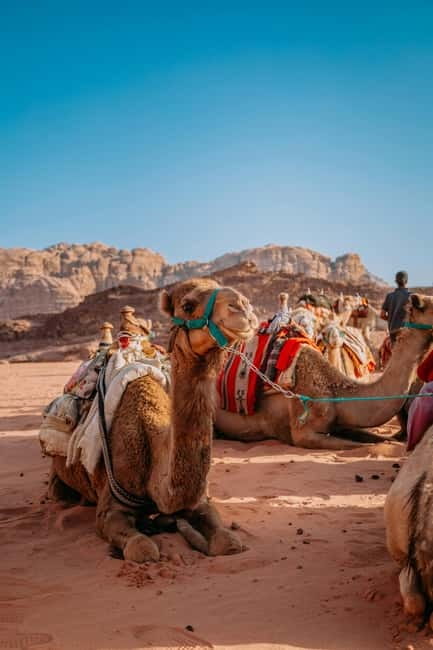
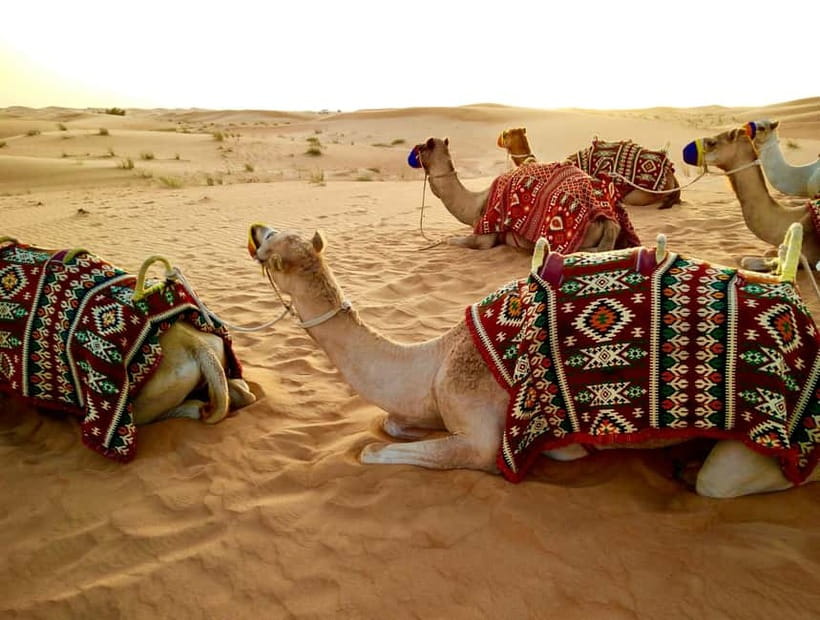
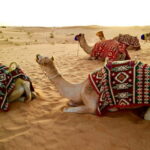
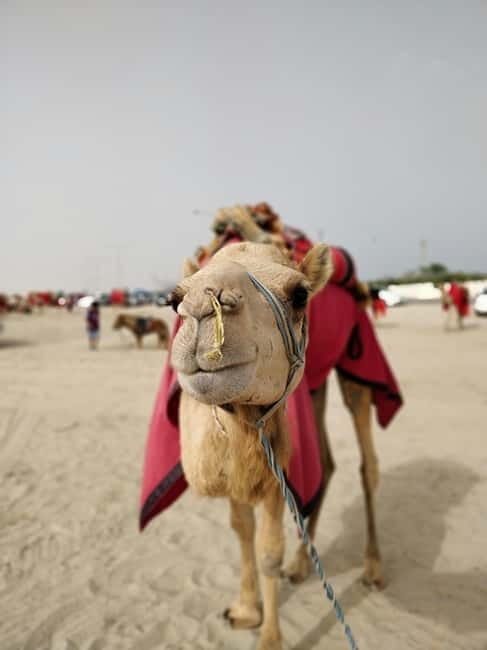
One of the most attractive parts of this trip is the chance to experience Pushkar’s desert edge with a safari style outing. You may have access to camel safaris, jeep safaris, and horse safaris, but they are not included in the base price.
This is where I’d be extra careful. Optional safaris can feel like part of the “real Pushkar experience,” yet they’re add-ons with separate pricing and sometimes different trip lengths. One past guest reported being steered into a safari after arrival and described the experience as shorter than expected, with a high cost for the short duration. Another report was positive about the overall day, but didn’t emphasize the safari itself.
So here’s my advice before you say yes: confirm three things in plain language:
- which vehicle option you’re choosing (camel, jeep, or horse),
- the total time you’ll actually spend out there,
- the exact price in rupees and whether it’s per person.
If you’re comfortable with extra spending and want a taste of desert scenery and sand tracks, safaris can be fun. If you came for temples and town life, treat the safari as optional—not automatic.
Engaging Local Life Without Getting Pulled Off Track
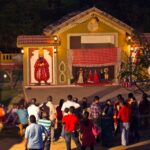
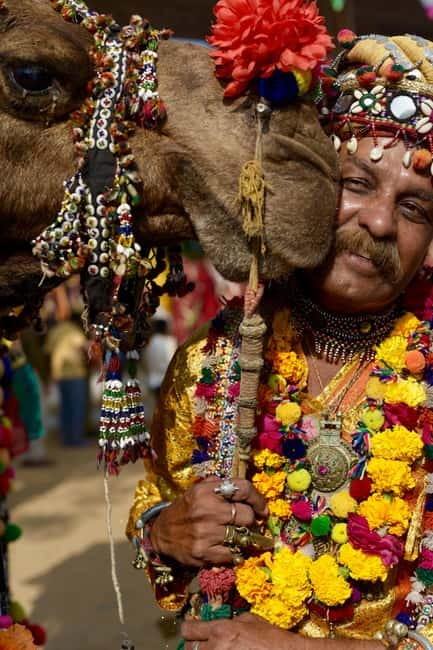
Pushkar is known for traditional customs and everyday scenes that look very photogenic. The description for this day trip points to a hands-on feel: meeting locals in traditional attire and seeing quaint houses with stories behind them.
In practice, that kind of experience can go two ways. It can be respectful and genuinely interesting—just walking with a guide who explains what you’re seeing. Or it can become a photo stop dressed up as cultural access.
If you want the respectful version, keep control of the pace. Ask your guide to explain what you’re looking at before you pay for anything extra. If someone suggests an add-on and the terms are fuzzy, pause. A calm no goes a long way in places where tourist spending can be a key income source.
Ajmer’s Pilgrimage Focus: Streets to the Khwaja Shrine
After Pushkar, you head to Ajmer. Ajmer is a major pilgrimage destination for Muslims, and the day trip’s main spiritual finish line is the Khwaja Muin-ud-din Chishti Shrine.
This shrine has a strong atmosphere of devotion. Even when you’re not religious yourself, you can feel why people come back again and again. The day’s structure helps here: you’ve already experienced Pushkar’s Hindu sacred focus, so Ajmer’s Islamic pilgrimage energy lands as part of a bigger Rajasthan cultural story.
You’ll likely walk through busy lanes and get close to the shrine area. The key is to behave respectfully and move with the flow of worshippers rather than trying to out-muscle the crowds for a better angle.
Also, be mentally prepared for small on-site costs. One negative experience described sandal storage fees and donation-style requests that escalated for a foreign visitor. You can’t guarantee how any individual moment plays out, but you can control your boundaries: decide ahead of time whether you want to donate, and stick to your comfort level.
You can also read our reviews of more tours and experiences in Jaipur


Private Transport, English Guidance, and the Skip-the-Line Detail
This is a private group trip, so you’re not fighting for space with strangers every time you stop for photos. You’re also traveling in a private air-conditioned vehicle, which is a big deal for an 11-hour schedule.
There’s a live tour guide in English, and the guide role is specifically listed for Pushkar. That matters because Pushkar is where most of the “interpretation” happens: Brahma Temple context, what you’re seeing on the street, and how to understand the sacred significance without guessing.
Drivers and guides can vary by day. Past bookings mention drivers like Manoj and staff like Pradeep or Yogesh, and the tone of those experiences ranged from excellent and smooth to disappointing when optional costs and pressure don’t match expectations.
Still, the vehicle quality and the general structure are a plus. If your driver is attentive and the guide keeps things organized, the whole day feels lighter.
Price and Value: What $43 Typically Covers
At around $43 per person, this trip is priced as a budget-friendly day out rather than a luxury circuit. That makes sense because the included value is mainly transport, pickup/drop-off, and the guided Pushkar walk.
What’s included:
- hotel pickup & drop-off from Jaipur,
- a private air-conditioned vehicle,
- guided tour in Pushkar,
- water bottles,
- fuel, tolls, and parking.
What’s not included:
- food and drinks,
- camel/jeep safaris (extra cost),
- monuments entry fees,
- personal expenses.
Here’s the value math I’d use. If you’re happy with temples and town wandering, and you skip most add-ons, the base price can feel fair. If you want a safari and you end up paying extra on top of entry fees and on-site costs, the trip can climb quickly.
Also, treat “monuments entry fees” as a budget item, even though the exact amounts aren’t listed here. In real life, those small fees can add up across two sacred towns in one day.
Timing, Walking, and What to Bring (So You Don’t Hate Day 11)
This day trip includes a lot of walking. You’ll want:
- comfortable shoes,
- sunscreen,
- water (you get bottles, but having more in your day bag is smart),
- a camera.
Heat and sun are the usual enemies. Even on cooler days, temples and walking lanes can tire you out. If you want to take photos, wear shoes that you can stand in for a long time without blaming your feet later.
One more practical thing: keep your phone charged. You’ll be in two towns with lots of small moments to capture, and you’ll also want map access if your route timing shifts.
When This Trip Makes Sense (and When It Doesn’t)
This private day trip is a solid fit if you want:
- a focused Pushkar temple experience,
- a straightforward Ajmer shrine visit,
- comfortable transport without the headache of planning two cities in one day.
It’s also a good match if you’re traveling with a small group and want flexibility around walking pace, photo stops, and what level of on-site spending you’re comfortable with.
It may not be the best choice if you:
- have back problems or mobility limitations,
- are pregnant (not suitable as listed),
- use a wheelchair (also not suitable).
And if you strongly dislike surprise costs, this is the one to handle carefully. Optional safari add-ons are clearly not included, but experiences can go off-script when expectations aren’t aligned.
Should You Book This Jaipur to Pushkar and Ajmer Day Trip?
If you want a simple, private way to connect Jaipur with two major pilgrimage cities, this trip can be a good use of a single day. The Brahma Temple focus in Pushkar and the Khwaja shrine finish in Ajmer give the day clear spiritual structure, not random sightseeing.
I’d book it if you go in with a plan: keep safaris optional, confirm any add-on price and duration before you start, and be ready for possible on-site fees. If you’re worried about pressure to donate or pay extras, decide your boundaries early and keep them.
FAQ
How long is the Jaipur to Pushkar and Ajmer private day trip?
The duration is 11 hours.
What’s included in the price?
Hotel pickup and drop-off from Jaipur, a private air-conditioned vehicle, a guided tour in Pushkar, water bottles, and fuel, toll, and parking charges are included.
Is there an English guide?
Yes. The tour includes a live tour guide in English.
Are camel safaris or jeep safaris included?
No. Camel and jeep safaris are available for an additional cost.
Are food and drinks included?
No. Food and drinks are not included.
Do I need to pay for monuments entry?
Monuments entry fees are not included.
What should I bring?
Bring comfortable shoes, a camera, sunscreen, and water.