REVIEW · GOA
Divar Island Excursion with a Native Islander
Book on GetYourGuide →Operated by The Divar Island Project · Bookable on GetYourGuide
A day on Divar starts with a real storyteller. I like how this tour pairs native islander guidance with the kind of everyday history you don’t get from generic tours, and you’ll also see a 1910 Indo-Portuguese family home in its original state. The trade-off is simple: there’s a fair bit of walking and it’s not suitable for people with mobility impairments, or those who are visually or hearing impaired.
You start at Viceroys Arch in Goa, then do a quick Old Goa stroll past historic landmarks before heading for the ferry. In about 4 hours, you cross the Mandovi River and return the same way, with a private group and a local guide holding a signboard that helps you spot them fast.
After the ferry, the day shifts to nature and place. The shaded mangrove walk can bring chances at otters, crocodiles, and estuarial birds, and you’ll mix in village life, faith sites, and a hilltop viewpoint before winding down on the way back.
In This Review
- Key highlights worth planning around
- Why a native islander guide changes Divar
- Viceroys Arch meeting point and the Old Goa warm-up
- Crossing the Mandovi River by ferry (and why it’s part of the value)
- Scenic drive toward Divar: birds before you even start walking
- Shaded mangrove walk: the best wildlife-chance window
- Temples, churches, chapels, and a hilltop viewpoint
- The 1910 Indo-Portuguese home and its vintage artefacts
- River boat time: slowing down on the water
- Break time on Divar: make it count
- Price and value: what $27 buys you in real terms
- What to pack (and what to do) for birds and comfort
- Who this Divar Island excursion fits best
- Should you book this Divar Island excursion?
- FAQ
- How long is the Divar Island excursion?
- Where do I meet the guide?
- What is the price per person?
- Is the group private?
- What languages are the tour guide available in?
- What’s included in the tour price?
- Is the ferry and river boat ride included?
- What should I bring for the trip?
- Can I record video or audio during the tour?
Key highlights worth planning around
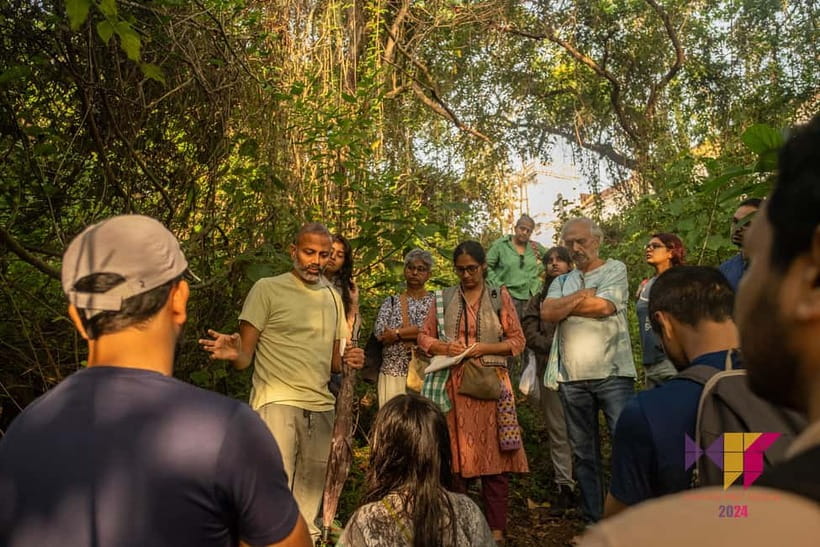
- Native-led context: You get stories grounded in community memory, not just dates and plaques.
- 1910 family home visit: Mud, wood, and roof tiles, plus vintage artefacts that feel like time travel.
- Mangrove bird-and-wildlife walk: A shaded trail with chances of otters, crocodiles, and estuarial birds.
- Mandovi River ferry + river boat time: Two water segments that shape the pace of the day.
- Village faith sites and viewpoints: Temples, churches, chapels, and a hilltop panorama stop.
- Birdwatching focus: The tour’s set up for biodiversity explorers and bird people, and binoculars help.
Why a native islander guide changes Divar
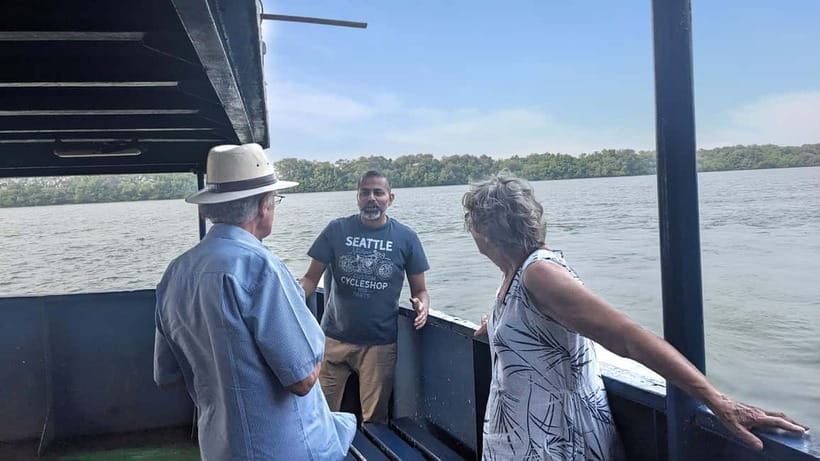
Divar Island is close enough to Goa for a day trip, but it doesn’t feel like a copied-and-pasted tourist stop. The real difference here is that your guide is rooted in the island’s rhythms. You’re not just moved from sight to sight—you’re guided through how locals remember the past and read the present.
That local grounding shows up in two places. First, the tour uses community stories to connect historic sites, daily life, and even what you notice in nature. Second, the visit to the old home isn’t treated like a museum display. It’s presented as a living heritage space, with vintage artefacts that echo family memory.
One more practical point: the guide isn’t only talk. They’re also watching for wildlife cues. That’s why you’ll get suggestions like staying off loud calls, avoiding strong perfumes, and bringing binoculars if you want a better shot at spotting birds.
You can also read our reviews of more tours and experiences in Goa.

Viceroys Arch meeting point and the Old Goa warm-up
You meet at Viceroys Arch, a large structure with a carved Vasco da Gama figure at the top. It’s a useful meeting marker because the road funnels both pedestrians and vehicles toward the Divar Island ferry area. Your guide helps you connect by holding a signboard that reads DIP.
Once you’re together, there’s a short walk through Velha Goa—about 20 minutes—serving as a warm-up and orientation. You pass historic landmarks on the way to the jetty, and this leg matters more than it sounds. It gets you into the mindset of the day: slow enough to notice details, quick enough that you don’t lose the morning to logistics.
If you’re sensitive to sun, plan for it here. The tour’s pace is active, and you’ll be outdoors before the water and shade start doing their work.
Crossing the Mandovi River by ferry (and why it’s part of the value)
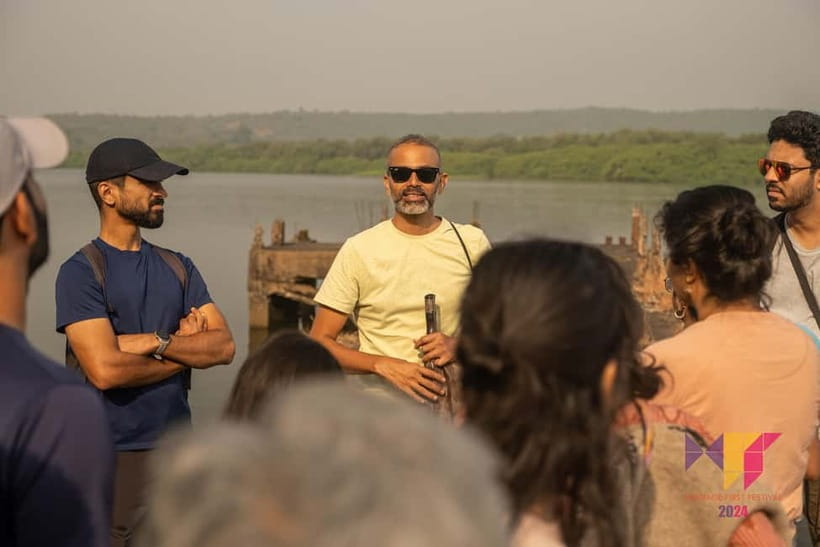
The ferry crossing across the Mandovi River is only about 10 minutes, but it sets the tone. You’re going from Goa’s Old Goa area into a slower, more island-shaped world. It also keeps the day efficient—no long road-only transit.
This is also where the tour’s “skip the ticket line” detail helps. It doesn’t sound exciting, but when you’re on a schedule, skipping small bottlenecks means more time for the parts you actually came for: mangroves, birdlife chances, and the home visit.
Once you’re across, you’re not stuck with a generic bus ride. You’re taken onward by scenic roads toward Divar, and the route is part of the experience because it feeds into the bird spotting along the way.
Scenic drive toward Divar: birds before you even start walking
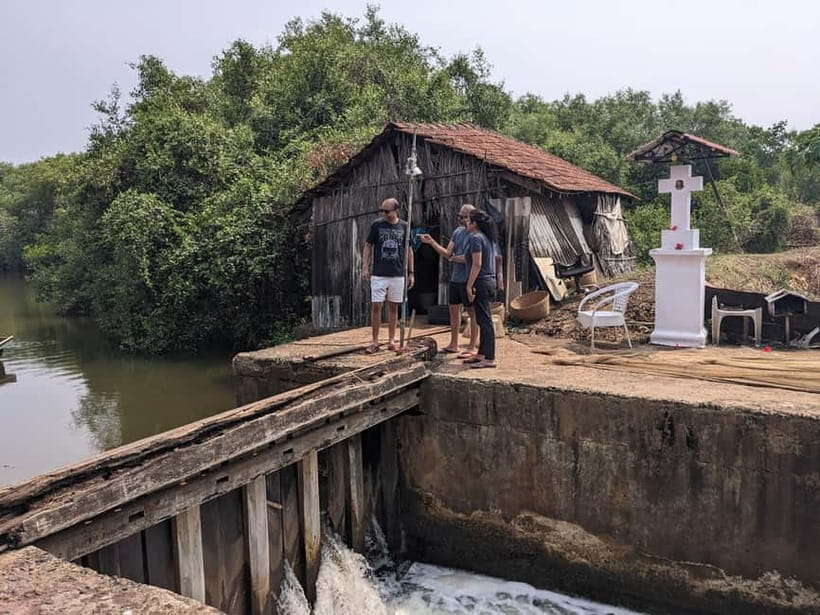
Right after the ferry, the plan includes a scenic drive to Divar Island with chances to spot local birdlife. This is smart. You’re not forcing birds to be in the exact mood you want—your guide is setting you up where the island’s natural signals are most likely.
From what I’ve learned about how guides like Russell work on this route, they tend to watch movements and patterns, not just wait for a perfect photo. That’s why this part feels less like “transport” and more like a first taste of what you’ll do later in the mangroves.
You’ll also want to keep the no-loud-speaker rule in mind. The idea is to reduce disturbance so you don’t spook the quieter animals. You can still enjoy the ride—just keep it low-key.
Shaded mangrove walk: the best wildlife-chance window
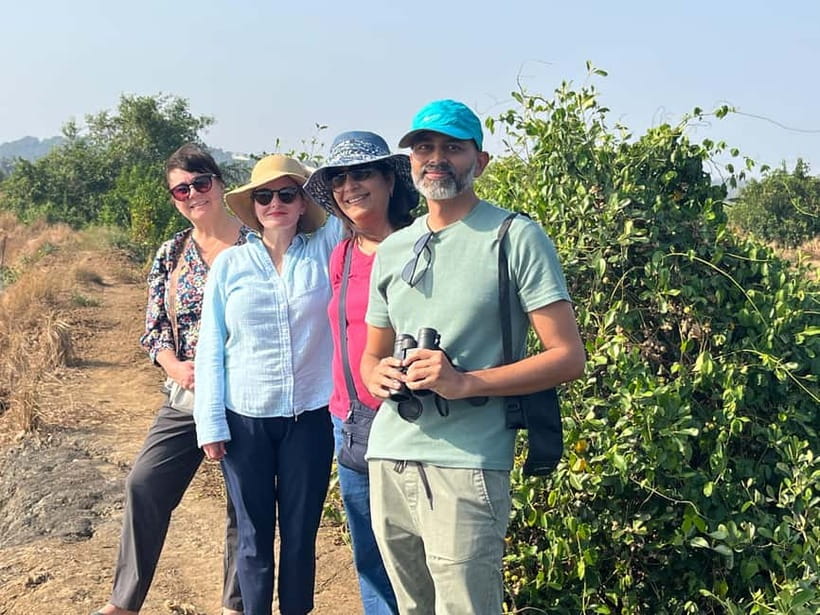
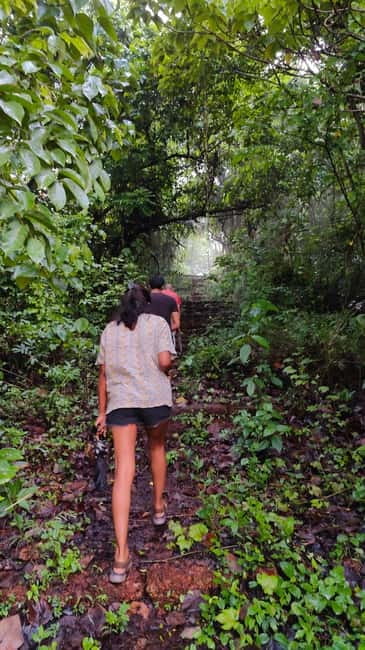
The heart of the nature portion is the mangrove walk. Expect shaded paths and a slower stroll through the kind of habitat where birds and small wildlife rely on cover and tidal rhythms.
This stop is built for biodiversity explorers and wildlife enthusiasts because the guide will be actively scanning for estuarial birds, and you’ll have a chance of spotting otters and crocodiles. Is it guaranteed? No—wildlife follows weather, time, and luck. But the tour is clearly designed to maximize your odds rather than rushing through a pretty walkway.
A few tips matter a lot here:
- Keep your voice down and avoid phone calls.
- Use biodegradable insect repellent (it’s explicitly suggested).
- Bring sunglasses, sunscreen, and a hat, because even in shade you can still get a strong dose of sun.
If you’re the binocular type, bring them. Even when animals don’t show perfectly, birdwatching improves when you can read distant behavior without crowding the habitat.





Temples, churches, chapels, and a hilltop viewpoint
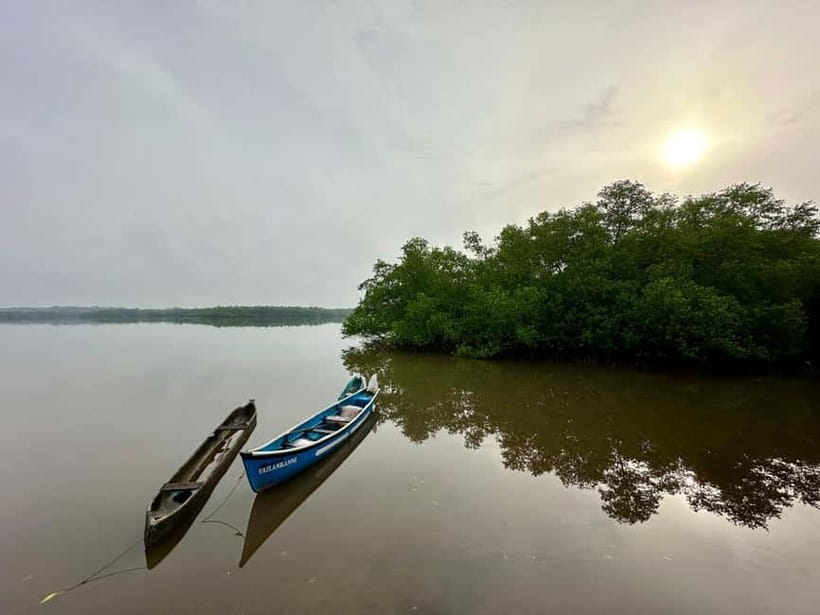
Divar isn’t just nature. It’s also a place shaped by faith communities and local landmarks. After the mangrove portion, you’ll explore historical importance and heritage across lush village areas, with stops that include temples, churches, and chapels.
This mix is part of what makes the island feel real. You’re not seeing one single “theme.” You’re seeing how different layers of history and belief sit side by side in ordinary village life.
You’ll also reach a hilltop viewpoint with stunning panoramas. This is a good mental reset after the mangrove shade—your eyes get a wider view, and you can feel the scale of the island and surrounding water.
One note: the tour includes walking and some scenic roads. Sturdy shoes are strongly recommended, so you’re not fighting slippery or uneven ground while trying to look around.
The 1910 Indo-Portuguese home and its vintage artefacts
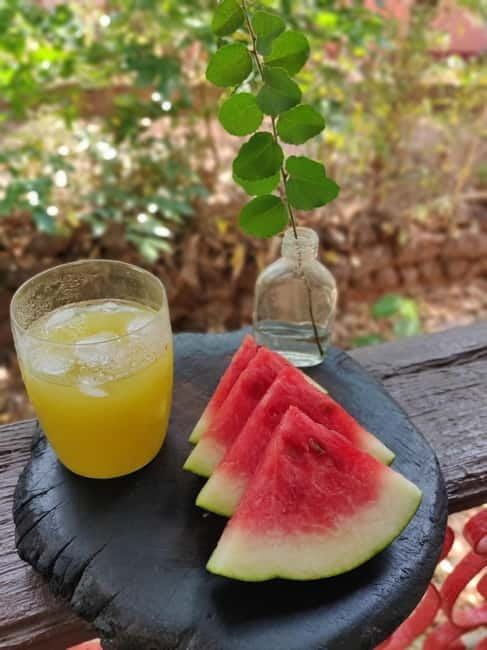
This is the part most people remember. The tour includes a visit to an old Indo-Portuguese home built in 1910, made with mud, wood, and roof tiles. What you’re seeing isn’t just architecture—it’s a window into how a family lived, stored, worked, and remembered.
Inside, you’ll encounter vintage artefacts that echo memories of the past. The guide frames these objects with family stories, so you’re not just staring at items. You’re understanding what they might have meant and how they link to the island’s longer timeline.
It’s also where you get something you can’t easily capture from a guidebook: the tone of local heritage. You might hear how families identify with the island, how traditions carried forward, and what these old objects still symbolize.
You’ll likely spend time on the veranda too—time to sit, listen to birds singing, and soak up island tranquility in a way that doesn’t require you to be “on” the entire time.
River boat time: slowing down on the water

After the inland exploring, you’ll have river boat time for about 1.5 hours. This is a great counterbalance to the walking. The water gives you space to watch the edges of the habitat and slow your pace so you actually notice things.
It’s also a practical way to see Divar from a different angle. From the way the tour is structured, this segment works as both scenery time and wildlife-friendly time—especially in areas where animals use the waterline.
If you care about birds, bring that binocular habit back here. Many bird sightings are easier when you can focus on motion patterns rather than searching the whole scene at once.
Break time on Divar: make it count
There’s a break period of about 1 hour where you can handle hotel or resort activities. You can use it to rest, freshen up, and plan your next hour of walking with energy intact.
This break also matters because the full day includes multiple types of movement: walking in Velha Goa, ferry and roads, mangrove paths, village stops, and two water segments (ferry plus river boat). If you go in expecting a fully casual stroll the whole time, you’ll be surprised by how active the full experience is.
Bring cash in case you want to buy something along the way, since shopping and bar/restaurant costs aren’t included. But keep in mind water bottles aren’t included too.
Price and value: what $27 buys you in real terms
At about $27 per person for a 4-hour, guided Divar Island excursion, the value comes from three things.
First is the access and time. You’re getting transport across the Mandovi River, guided walks, and a longer river boat segment. That’s not just “a walk with a guide”—it’s a structured route.
Second is the home visit. Access to a 1910 Indo-Portuguese family house in its original state, plus the vintage artefacts and ancestral story context, is hard to replace with any self-guided approach.
Third is the native-led recommendations. This tour is built around a guide who can point you toward what matters on the island—less about checklists, more about what’s worth your attention right now. That’s especially valuable if you’re into birds and biodiversity, or if you want history that feels personal rather than ceremonial.
What to pack (and what to do) for birds and comfort
This tour asks you to be comfortable outdoors, and the small choices really help.
Bring:
- Sun hat and sunscreen
- Weather-appropriate clothing
- A daypack
- Biodegradable insect repellent
- Hand sanitizer or tissues
- Walking shoes (sandals or slippers aren’t ideal)
- Cash (for personal spending not included)
- Sunglasses and a face towel (practical if it’s bright)
Optional but smart:
- Binoculars, since the guide focuses on birdwatching and wildlife chances.
Keep these rules in mind during the excursion:
- No video recording or audio recording.
- No loud music on speakers.
- Avoid taking calls and wear minimal perfume so you don’t scare wildlife.
- Don’t eat in the vehicle.
- Alcohol and drugs aren’t allowed.
Also note the suitability limit: people with mobility impairments, and those who are visually or hearing impaired, aren’t listed as suitable for this experience. It’s not just “a bit of walking”—the route includes uneven and natural terrain.
Who this Divar Island excursion fits best
This is a strong match if you want:
- Birdwatching and biodiversity (mangroves, estuarial birds, wildlife chances)
- Cultural history tied to family memory (the 1910 home and vintage artefacts)
- A day trip that moves beyond monuments into community life
It’s also a good option if you like smaller, private-group pacing. The tour is listed as a private group, which usually means less crowd pressure and more room for questions in the moment.
If you’re expecting a purely luxury-relax resort day, you may feel the day’s active schedule. But if you enjoy walking, water views, and guided context, you’ll likely find it very satisfying.
Should you book this Divar Island excursion?
Book it if you want a Goa day trip that feels like you’re being shown around by people who actually belong here. The combination of a native guide, a 1910 Indo-Portuguese home visit, and the mangrove-and-bird focus makes it more than a standard sightseeing loop.
Skip it if you need step-free mobility, or if visual or hearing support is essential for you. And if wildlife spotting is your top priority, treat the rules (quiet behavior, no strong perfume, no calls) as part of the deal—not annoying extras.
If you’re going for history, nature, and a story-forward approach at a fair price, this one is worth your time.
FAQ
How long is the Divar Island excursion?
The experience runs for about 4 hours.
Where do I meet the guide?
You meet at Viceroys Arch in Goa, then you’ll be directed toward the ferry area.
What is the price per person?
It’s listed at $27 per person.
Is the group private?
Yes, it’s a private group.
What languages are the tour guide available in?
The guide can speak Hindi, English, and Marathi.
What’s included in the tour price?
Included items are the native-led guided excursion of Divar Island, the Indo-Portuguese home visit built in 1910, personalized recommendations and permits.
Is the ferry and river boat ride included?
Yes. The plan includes crossing by ferry and also a river boat segment.
What should I bring for the trip?
Bring a sun hat, cash, weather-appropriate clothing, a daypack, biodegradable insect repellent, and hand sanitizer or tissues. Walking shoes are preferred.
Can I record video or audio during the tour?
No. Video recording and audio recording aren’t allowed.