REVIEW · THIRUVANANTHAPURAM
Heritage & Cultural Walk of Trivandrum Guided Walking Tour
Book on GetYourGuide →Operated by Yo Tours · Bookable on GetYourGuide
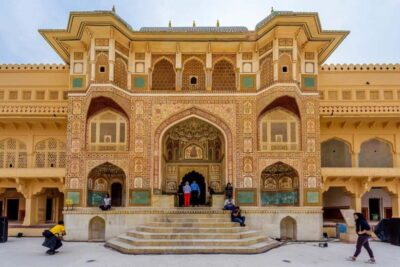
Trivandrum rewards slow walking with sharp stories. This guided heritage walk threads together Kanakakunnu Palace and Napier Museum with real local context, so the city feels less like a checklist and more like a place with characters and consequences. You’ll hear history explained in plain language, plus those slightly cheeky asides about past leaders and famous names that shaped Kerala and India.
What I like most is the guide approach: you get English and Hindi support, and the storytelling style is built for people who want answers, not just sights. Guides such as Siddharth and Hareesh Das come through with strong cultural history and an easygoing way of talking that makes the walk feel manageable. Second, I really appreciate how the route mixes big public landmarks with smaller lanes, so you’re not stuck only at the usual postcard stops.
One consideration: the timing can feel a bit tight, and start times may occasionally shift. If you’re the type who wants lots of time to linger at each place, plan for a more “see and learn” pace. Also, it’s smart to double-check your starting time with the operator when you confirm.
In This Review
- Key takeaways
- Starting at Kanakakunnu Flag Post: the easiest way to get oriented fast
- Kanakakunnu Palace and the tallest national flag in India
- Napier Museum: art meets natural history in one guided stop
- Keralam Museum of History and Heritage: understanding Kerala beyond postcards
- Rama Rao Lamp and old houses: where the city feels lived-in
- Memoriam of Men of the Indian Army: a reflective pause on Palayam
- St. Joseph’s Latin Catholic Metropolitan Cathedral (Palayam): faith in the city center
- Connemara Market, Palayam: the most practical way to experience local commerce
- Finishing at Kerala Government Secretariat: turning the walk into a day plan
- Price and value: what $14 buys you in real-world terms
- Who this tour is best for (and when to skip it)
- Should you book this Heritage & Cultural Walk of Trivandrum?
- FAQ
- Where is the meeting point for the tour?
- How long is the Heritage & Cultural Walk of Trivandrum?
- What languages are the guides able to speak?
- What is included in the price?
- What should I bring?
- Is free cancellation available?
Key takeaways

- Kanakakunnu Palace flag stop gives you an instant sense of scale and pride in the city
- Napier Museum mixes art and natural history, so one stop covers multiple interests
- Keralam Museum of History and Heritage helps you understand Kerala through objects and stories
- Old lanes + Rama Rao Lamp area feel like Trivandrum at human speed, not big-road sightseeing
- Connemara Market Palayam adds a real shopping-and-architecture snapshot, with an arched entrance
- Finish at Kerala Government Secretariat makes it easy to continue exploring by foot or local transport
Starting at Kanakakunnu Flag Post: the easiest way to get oriented fast
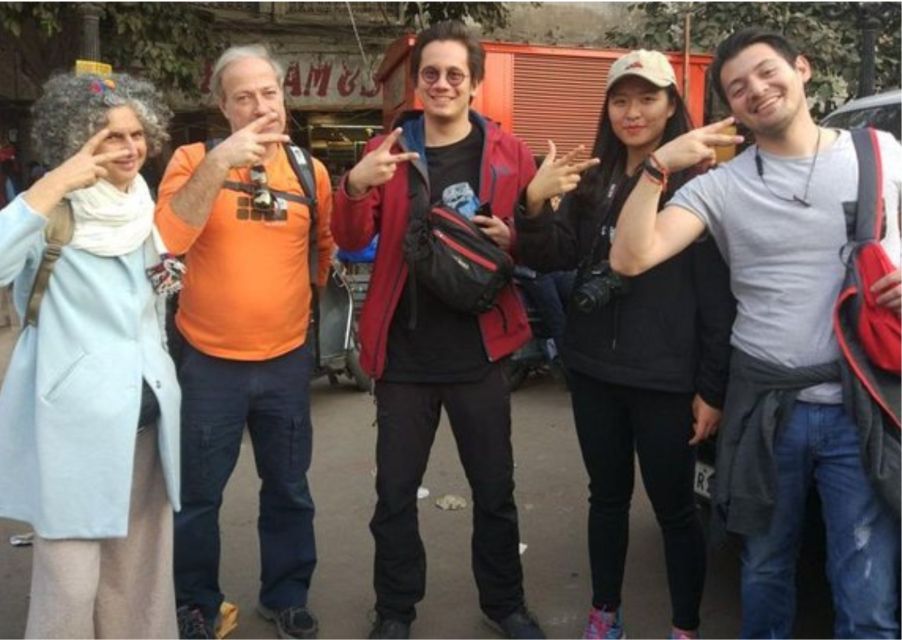
This tour is built for first-timers. You begin at the Kanakakunnu Flag Post, which is a clever move because it quickly anchors you in the geography of central Trivandrum. From the start, the guide sets the tone: you’re not just walking between museums. You’re learning why certain places matter, who used to control what, and how the city’s identity formed over time.
The whole experience is about two hours, which means it’s short enough to fit into a busy day, but long enough for the guide to explain things that you would normally miss while rushing on your own. You’ll be walking from stop to stop at a steady pace, and the route includes several pass-by moments where you still get context.
A practical note: this is a walking tour, and the included focus on “hidden lanes and forgotten nooks” only works if you show up in comfortable clothes. Wear shoes you can trust on uneven sidewalks and crowded areas. If you get hot easily, consider planning this earlier in the day.
You can also read our reviews of more walking tours in Thiruvananthapuram

Kanakakunnu Palace and the tallest national flag in India
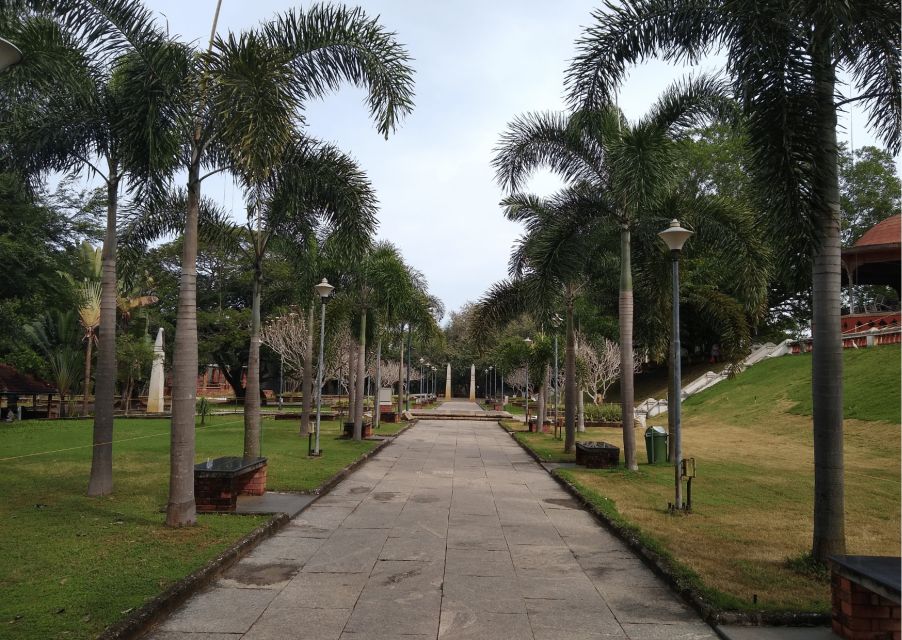
The first real landmark is the flag itself, flying at Kanakakunnu Palace. The tour’s hook here is simple: it’s visually dramatic, and it also opens the door to discussion about how national pride shows up in public spaces. You get the sense that Trivandrum isn’t only about temples and markets, but also about state-level symbols and how communities publicly express identity.
This stop also helps you learn the local rhythm of the area. Even if you’ve never been to Kerala before, you’ll quickly notice how the city organizes itself around civic and heritage zones. The guide uses that moment to explain what you’re seeing, so the palace surroundings become more than a background.
If you’re traveling with kids or people who tire easily, this is one of the easier stops to enjoy because you can take in the view without needing to hunt for details.
Napier Museum: art meets natural history in one guided stop

Next up is Napier Museum, which the tour frames as an art and natural history museum with historical artifacts. That combo matters. Many museums split into separate worlds, but here you can get multiple kinds of interest in one building—visual art, curated objects, and natural history material that helps connect Kerala’s environment to human life.
The guided format is useful because museums can feel overwhelming when you’re on your own. The guide doesn’t just point out rooms. They connect what you see to wider context—why certain collections exist and what they say about how people have studied the world in this region.
The tradeoff is time. You won’t have hours to roam. It’s more of a guided orientation through key themes, with just enough direction to understand what’s worth returning to later if you want a deeper visit.
Keralam Museum of History and Heritage: understanding Kerala beyond postcards
After Napier Museum, the tour shifts into Keralam – Museum of History and Heritage. This is the kind of stop that changes how you interpret everything else you’ll see that day. Instead of treating Kerala as a collection of scenes, you start seeing it as a timeline of culture, people, and local traditions.
If you like museums but hate feeling lost, this is a good fit. The guide’s storytelling style turns the museum into a narrative—what shaped local life, what got preserved, and what changed. Even if you don’t read every label, you’ll leave with a better mental map.
There’s also a nearby religious stop: Mateer Memorial Church. Including it on the walk is practical. You see how different communities mark faith in the city center, and you get a more complete view of Kerala’s cultural mix than you’d get from a single-category itinerary.
Rama Rao Lamp and old houses: where the city feels lived-in
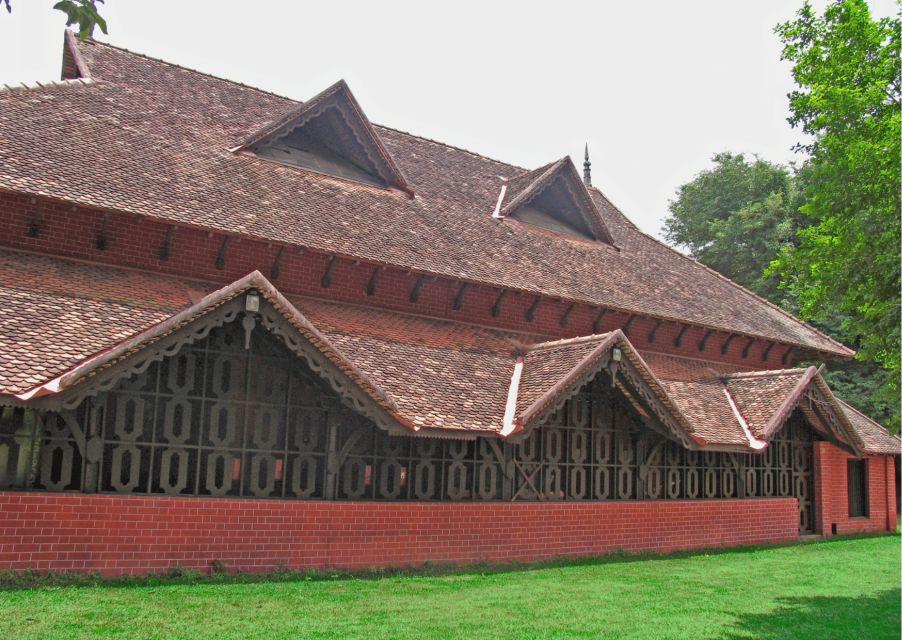
One of the tour’s best skills is moving from institutions to neighborhoods. The Rama Rao Lamp area is presented as a place where you can understand older Kerala life through details like old houses, and the broader setting connects to key city institutions such as the state library and an old university.
This portion is valuable because “heritage” isn’t only what’s inside ticketed buildings. You learn how built form and street layout express social life. Even the small moments—what kind of building looks typical, how the street behaves, where people gather—help you understand the city’s pattern.
If you enjoy architecture or street-level history, this part will likely be your favorite. It’s also the section where a good guide’s anecdotes really matter. The tour description points to stories that mix historical explanation with curious talk about past and present famous figures and defunct royals. Whether you love that style or not, it’s effective at keeping the walk from turning into a lecture.
You can also read our reviews of more guided tours in Thiruvananthapuram

Memoriam of Men of the Indian Army: a reflective pause on Palayam
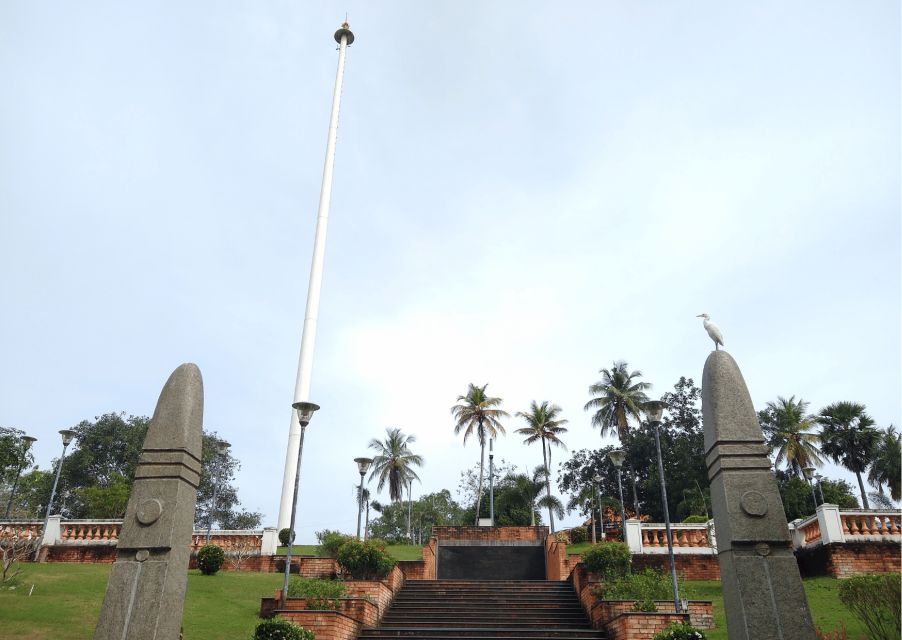
The tour then includes the Memoriam of Men of the Indian Army. A memorial stop is always a balancing act on a walking tour: you’re squeezing it between other sights, but you still need a moment to respect what it represents. The advantage here is that the guide can contextualize it so it doesn’t feel like a random photo spot.
Even with a shorter visit time, these memorial stops add depth. They show that Trivandrum’s heritage includes modern national stories, not only older dynasties or classical architecture. It’s a good reminder that history keeps getting written, not just preserved.
If you’re someone who likes to understand how public memory works, you’ll probably appreciate the stop even if you’re not a hardcore history buff.
St. Joseph’s Latin Catholic Metropolitan Cathedral (Palayam): faith in the city center
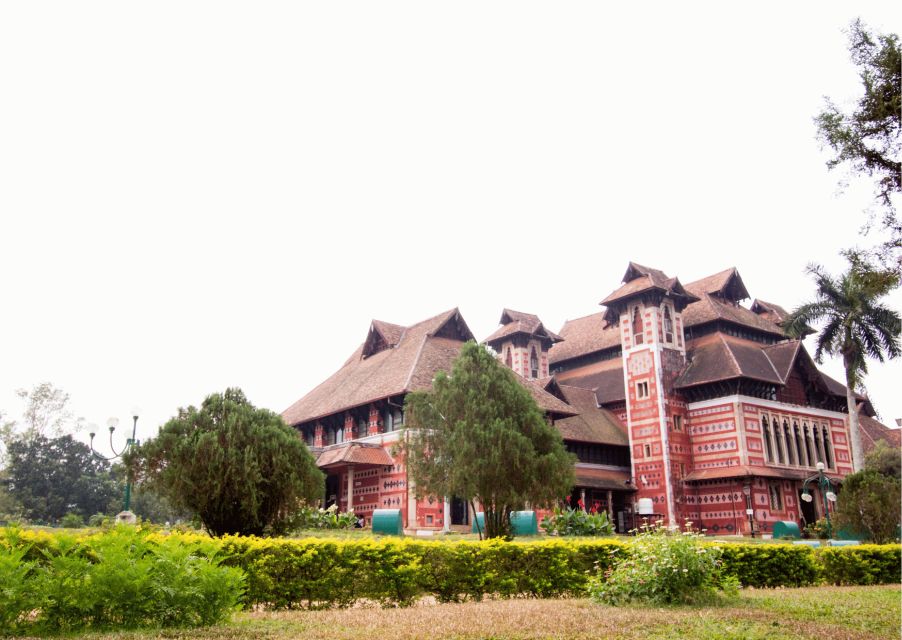
Next is St. Joseph’s Latin Catholic Metropolitan Cathedral, Palayam. Having a cathedral on the route makes the walk feel more honest. Kerala isn’t a single-style religious map. You see different traditions coexisting in visible ways.
The guide’s explanation matters here, because cathedrals can be visually impressive but easy to misread if you don’t know what to look for. This stop helps connect the dots between the museum narrative and real city architecture.
Timing is still a factor. You’re not expected to treat this like a full worship visit, but rather to understand what makes the place significant and how it fits into Palayam’s identity.
Connemara Market, Palayam: the most practical way to experience local commerce
By the time you reach Connemara Market, Palayam, the tour shifts gears from monuments to everyday life. The market is described as one of the oldest Connemara Markets, known for variety, and it includes an arched entrance that’s both architectural and functional.
This is the kind of stop that helps you travel smarter. You see how people shop, what kinds of items are offered, and how the market environment shapes daily routines. Even if you’re not buying anything, it’s a sensory way to understand the city.
A guided market stop also gives you permission to ask questions. The guide’s local recommendations can help you decide what’s worth purchasing (if anything) and where to look for better value later. Just remember: the market portion is time-limited, so treat it as an orientation stop rather than a full shopping spree.
Finishing at Kerala Government Secretariat: turning the walk into a day plan
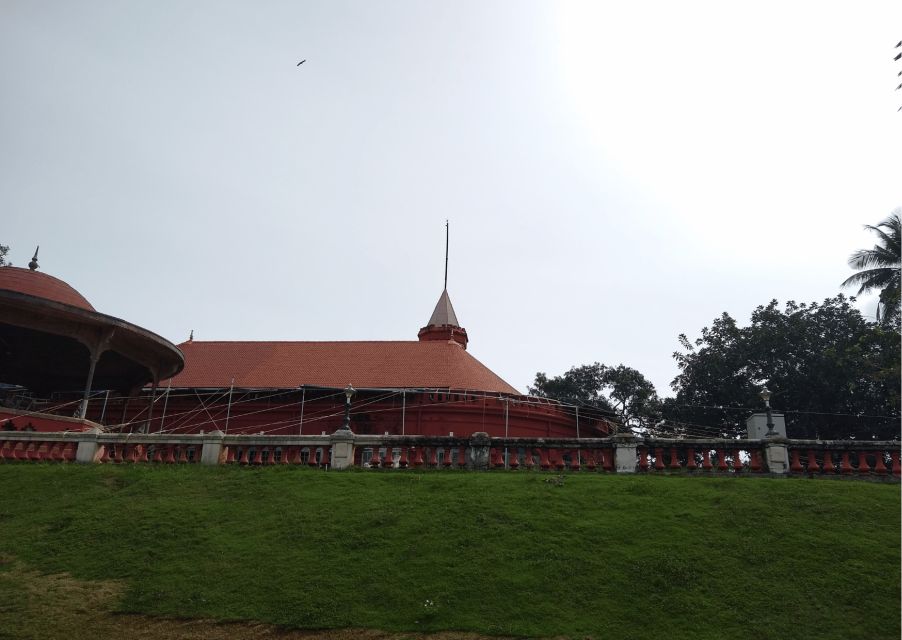
You wrap up at the Kerala Government Secretariat. That finish point is useful because it’s central. After the tour, you’re not stranded in a corner of town. You can keep going with less uncertainty about direction.
I like finishing with a civic building area because it gives you a strong mental anchor. You know where you are relative to major zones, and that makes the next phase of your day easier—whether you’re continuing to more museums, heading toward a neighborhood walk, or looking for a meal.
If you want to extend the day, plan on looking for local food nearby and leaving time for a slow walk back through streets you might now recognize from the tour’s stories.
Price and value: what $14 buys you in real-world terms
At about $14 per person for a two-hour guided walk, the value mostly comes from one thing: you’re paying for interpretation. Museums and landmarks are everywhere, but good guides help you understand what you’re seeing, why it exists, and what you should care about.
The tour also includes several elements that add value without raising the price: a guide who speaks English and Hindi, local tips that can help you save money, and access to hidden lanes and places that are hard to find on your own. The pacing is fast enough to cover multiple stops, which matters if you don’t have many days in Trivandrum.
What you should account for: water bottle isn’t included, and there’s no hotel pickup or drop-off. Bring water if you need it, and plan your own route to the meeting point. Also, since the schedule involves pass-by moments, you’re buying context more than long sightseeing pauses.
Who this tour is best for (and when to skip it)
This walk is a strong choice if you’re:
- In Trivandrum for a short time and want a fast city induction
- Interested in how museums connect to real neighborhoods and daily life
- The type who likes learning from a person, not just reading signs
- Traveling with friends who enjoy stories, including a little cheeky humor about famous figures and past rulers
It may be less ideal if you:
- Want long time inside each building
- Prefer a very slow pace with lots of quiet time to explore on your own
- Have a strict schedule and can’t handle occasional start-time adjustments
One of the reviews notes a faster pace and limited time at some sights. That’s consistent with how a two-hour walking tour has to work. If you want to linger, consider pairing this with a separate, self-guided return later to the places that grabbed you.
Should you book this Heritage & Cultural Walk of Trivandrum?
I’d book it if your goal is to get oriented and learn why Trivandrum feels the way it does. The best reason is the mix: big landmarks, museum themes, and street-level lanes in a short window. You also get bilingual guidance and local recommendations that can help you plan the rest of your trip more smoothly.
If you can handle a quick pace and you’re open to stories—some serious, some playful—this is an efficient way to experience the city beyond the obvious stops.
If your schedule is tight or you hate rushing, I’d still consider booking, but I’d treat it like a foundation walk. Then plan extra time afterward for whatever you want to see again in a calmer way.
FAQ
Where is the meeting point for the tour?
Meet your guide at the Kanakakunnu Flag Post side.
How long is the Heritage & Cultural Walk of Trivandrum?
The walk lasts 2 hours.
What languages are the guides able to speak?
The tour guide can speak English and Hindi.
What is included in the price?
Included items are the English/Hindi storyteller/guide, local tips and recommendations, and access to hidden lanes and places, plus guided conversations and stories.
What should I bring?
Bring comfortable clothes. A water bottle is not included, so it’s smart to plan for hydration.
Is free cancellation available?
Yes. Free cancellation is available up to 24 hours in advance for a full refund.