REVIEW · JAIPUR
From Jaipur: Same Day Taj Mahal Tour with Fatehpur Sikri
Book on GetYourGuide →Operated by Janu Private Tours · Bookable on GetYourGuide
Early starts can be worth it. This same-day Agra run strings together three UNESCO stops and gives you a guided look at the big hitters: the Taj Mahal, Agra Fort, and Fatehpur Sikri. Two things I especially like are the private chauffeur-driven comfort for the long haul and the fact that you’re not left “winging it” at each monument. One real consideration: you’re signing up for a very full day with early pickup and moderate walking, plus the Taj Mahal is closed every Friday.
I also like how the day is structured for real sightseeing time, not just sitting in traffic. Guides such as Imran khan, Shubham, Mehraj, and Asif Malik are repeatedly praised for clear explanations and steady pacing, including help handling the usual crowd-pressure around photos and souvenirs. If you want maximum flexibility on where to linger, this itinerary can feel slightly time-bound, but it’s built to hit the must-sees efficiently.
Finally, there are a couple practical bits you’ll want to plan around. Bring a passport or ID, wear comfortable shoes, and stick to smart casual since short shorts or sleeveless tops aren’t recommended at temples. If you go on a Friday, you’ll need a plan B for the Taj Mahal closure.
In This Review
- Key highlights worth aiming for
- Jaipur to Agra: the 6:30 AM start and why it’s smart
- Fatehpur Sikri: one hour to grasp a whole palace complex
- Taj Mahal with a guide: how to see the details without losing your patience
- Agra Fort: the red sandstone fortress that explains the city’s power plays
- Baby Taj (I’timād-ud-Daulah): the calmer jewel-box pause
- Lunch and breaks: keeping the day human, not just packed
- Price and what you get for about $80
- Who this tour is best for (and who should skip it)
- Small practical tips that make the day smoother
- Should you book this same-day Taj Mahal tour from Jaipur?
- FAQ
- What time does the tour start?
- How long is the trip?
- Which UNESCO sites are included?
- Is the Taj Mahal included every day?
- Is the tour private or shared?
- Are entrance tickets included?
- What about lunch?
- What should I wear and bring?
- How much walking is involved?
- Is the tour suitable for wheelchair users?
Key highlights worth aiming for

- Private car from Jaipur keeps the 250 km journey manageable, with an English live guide at the sites
- Taj Mahal guided visit (plus photo time) helps you look past the postcard view
- Agra Fort at a fortress scale gives you a strong sense of why empires fought over this site
- Fatehpur Sikri on the way back adds a completely different layer of Mughal-era architecture
- Baby Taj (I’timād-ud-Daulah) is a calmer, detailed stop that complements the Taj Mahal
- Entrance tickets and meals are optional depending on what you select, so double-check inclusions
Jaipur to Agra: the 6:30 AM start and why it’s smart
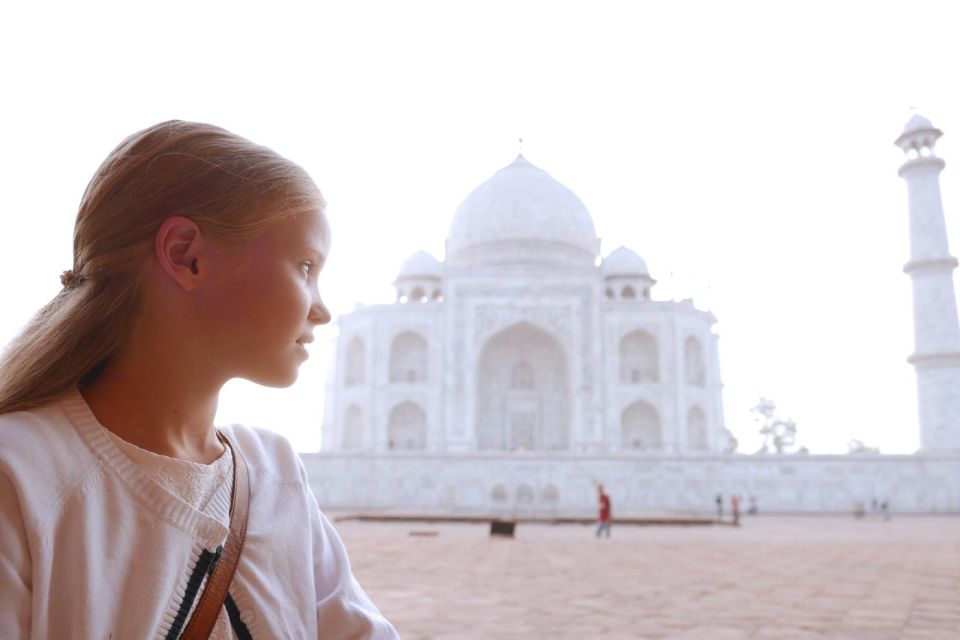
Your day kicks off early. At about 6:30 AM, your driver picks you up in Jaipur and the car heads toward Agra, with the drive clocking around 4.5 hours (traffic can change that). It sounds punishing, but that early departure is exactly what helps you see the Taj Mahal and the forts without racing the clock.
You’re traveling in a private, air-conditioned vehicle (when that option is chosen), which makes the long trip feel far less like a slog. In the feedback, drivers like Jaheer Khan, Rakeshji, Ramavtar ji, and Naveen are repeatedly described as professional and careful—one review even calls out feeling safe in the car. That matters because Agra days can go from smooth to stressful fast if transport isn’t handled well.
One more reality check: the schedule includes walking at multiple sites, and not everyone can tolerate that kind of day. This tour isn’t suitable for wheelchair users, and people with pre-existing medical conditions should be cautious due to the amount of movement. Comfortable shoes are not optional here.
You can also read our reviews of more tours and experiences in Jaipur.



Fatehpur Sikri: one hour to grasp a whole palace complex
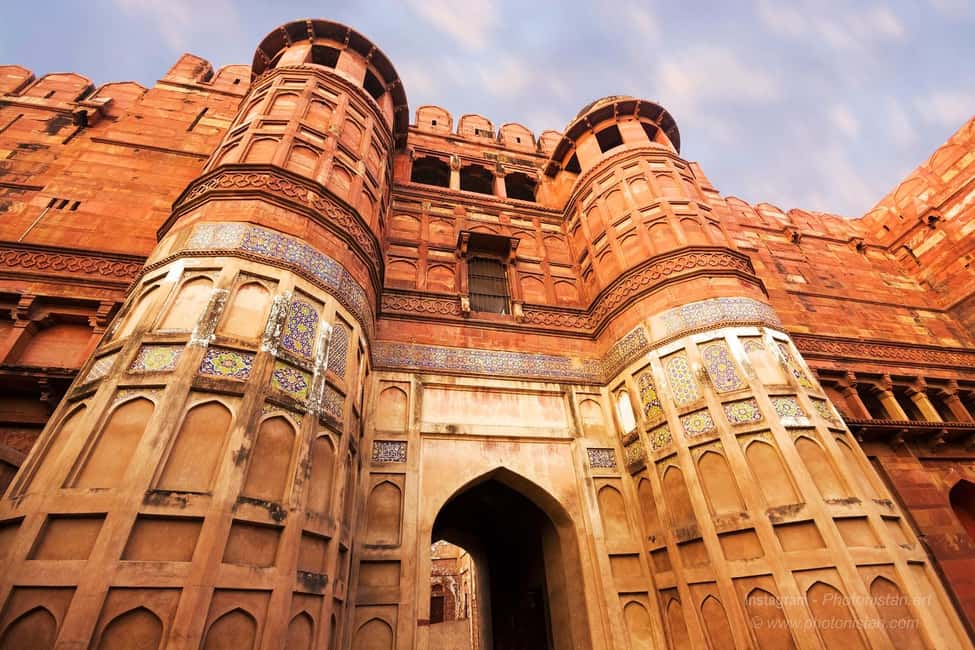
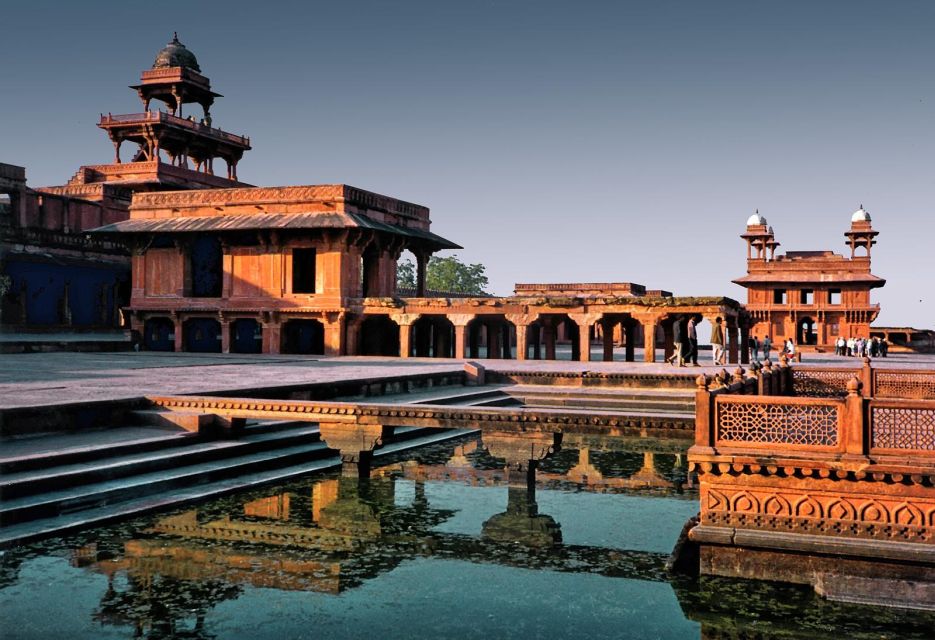
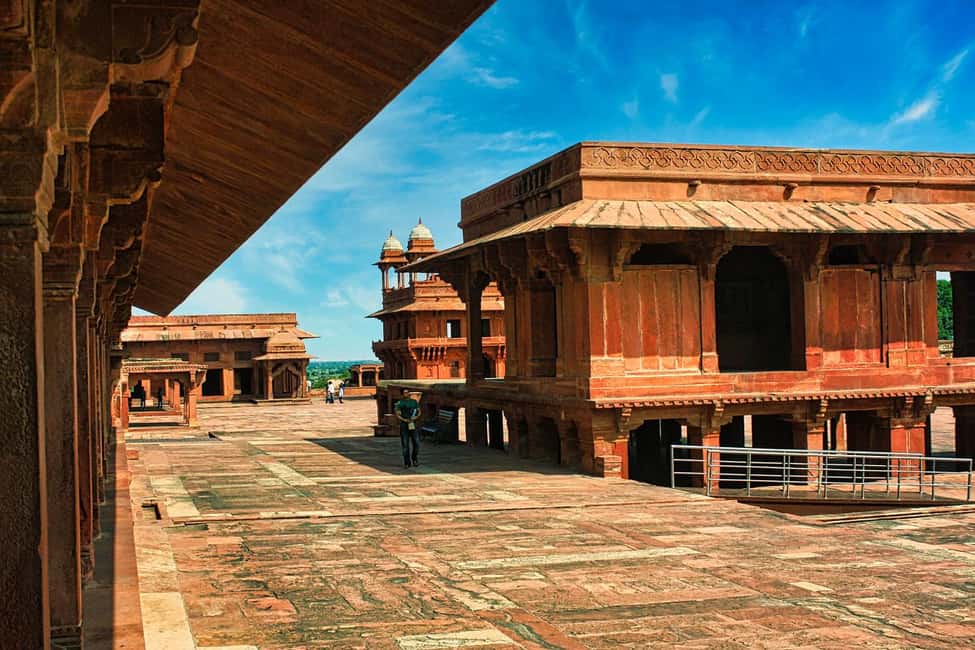
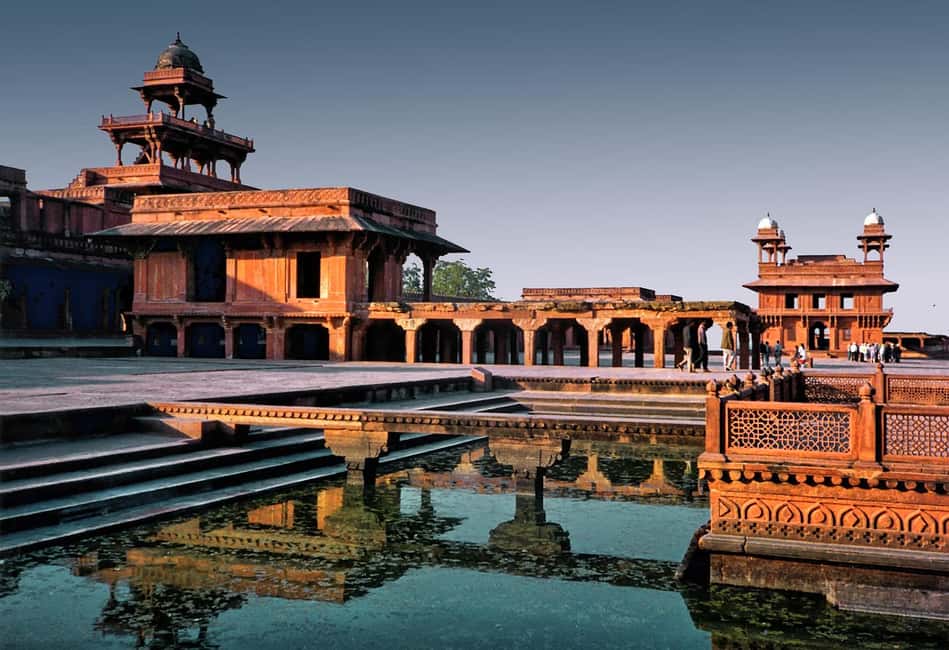
On the way to Agra, you stop at Fatehpur Sikri, a UNESCO World Heritage site designated in 1986. The time block is about an hour, which means you won’t “cover everything,” but you can still get your bearings quickly—especially with a guide who can point out what to notice.
Think of Fatehpur Sikri as your architectural warm-up before the Taj. It’s palace-complex territory, so you’re shifting from the romantic marble focus of the Taj to a more ceremonial, court-and-empires vibe. You’ll have time for a photo stop, a guided walk/visit, and general sightseeing—enough to understand the place as more than a quick roadside stop.
The biggest drawback of a short stop is the attention span challenge: if you hate crowds or hate rushing, 60 minutes may feel tight. But if you like seeing “how the story evolves” in a single day, this stop works well because it happens before you reach Agra’s peak.
Taj Mahal with a guide: how to see the details without losing your patience
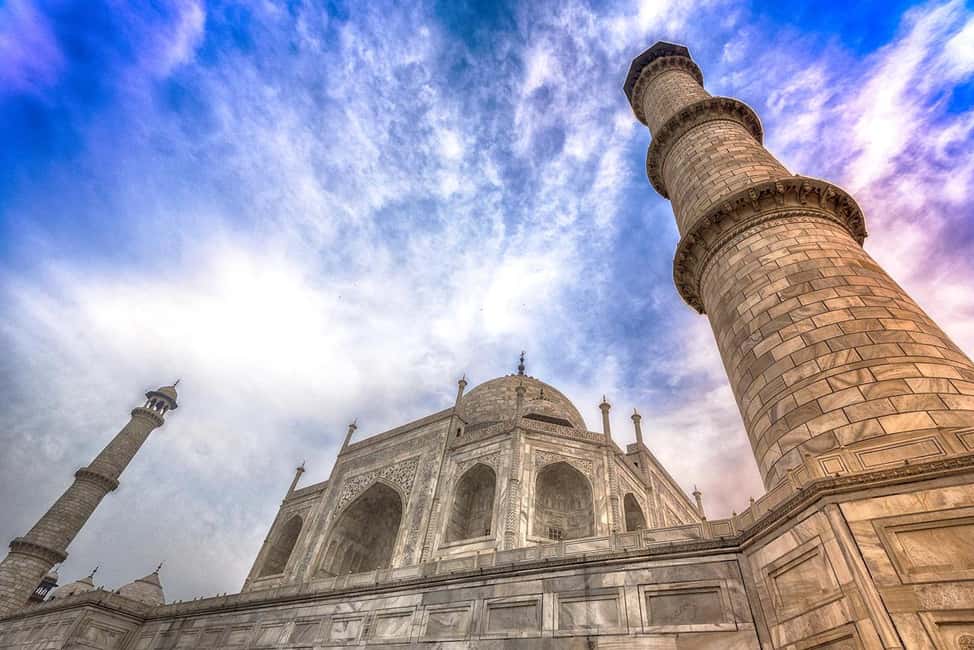
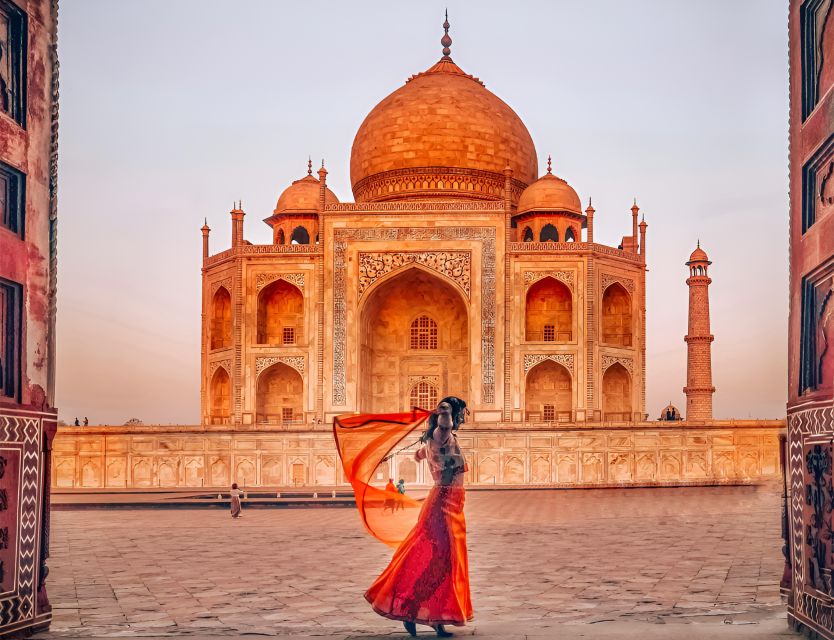
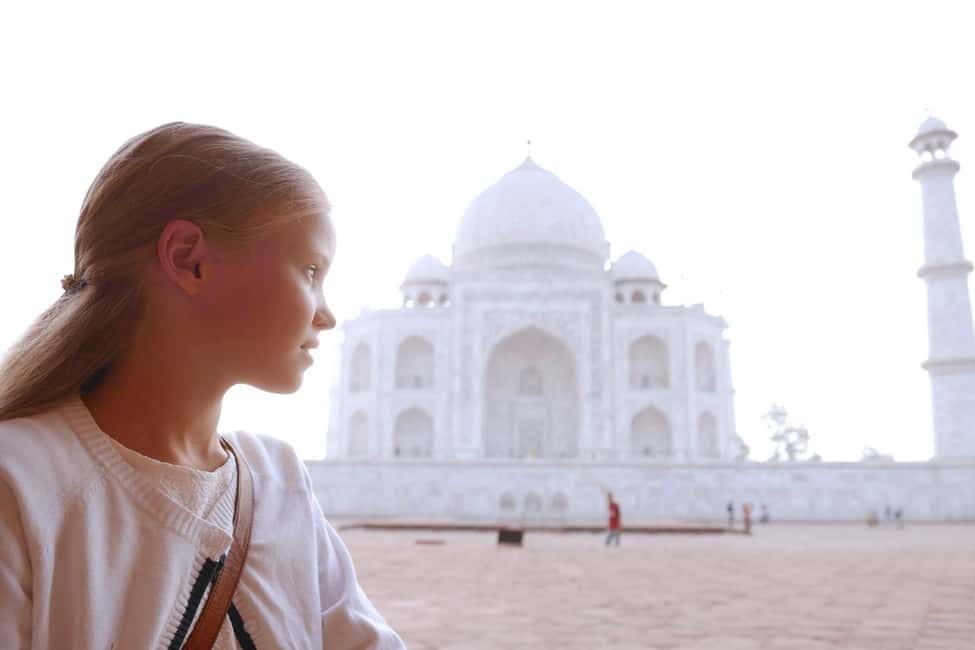
Arriving in Agra, the highlight comes next: the Taj Mahal. Even if you’ve seen photos a hundred times, the real thing hits differently. Your guided visit includes a photo stop, time inside, and a couple hours for sightseeing and walking.
Here’s why a guide matters at the Taj. Without one, it’s easy to spend the day staring at the main view and missing the craft that makes the building feel alive—marble, inlay, and the way the light changes as you move around. In the feedback, Shubham is specifically praised for knowledge about marble, inlays, and overall architecture, and that’s the kind of guide who helps you look slower.
Another practical plus: you also get help navigating the usual distractions around souvenirs and photos. Reviews mention guides “shooing away” the constant photo-selling pressure and keeping the focus on the experience, not on bargaining. A good local guide can help you get the shots you want without turning the day into an argument.
Two things to plan before you go. First, the Taj Mahal is closed every Friday, so avoid that day if the Taj is the centerpiece of your trip. Second, dress smart casual—short shorts or sleeveless tops aren’t recommended. If you show up underdressed, expect to feel awkward at best and turned away at worst.
Agra Fort: the red sandstone fortress that explains the city’s power plays
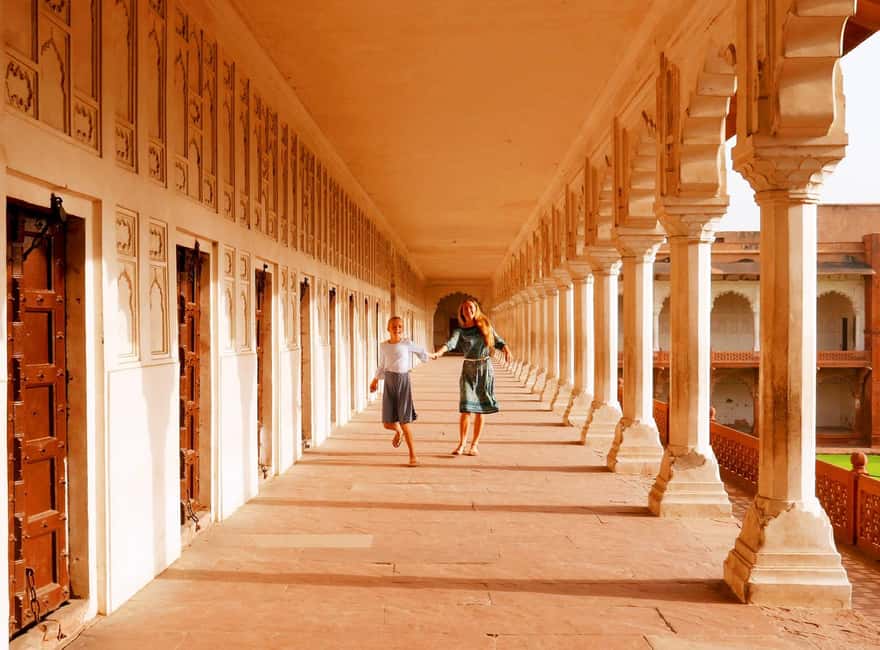
After the Taj, you head to Agra Fort (often called the Red Fort). This one is huge—spread over 94 acres—and it sits parallel to the Yamuna River, about 2 kilometers northwest of the Taj Mahal. You’ll have around an hour, including a photo stop, guided visit, and about an hour of sightseeing and walking.
This is a great counterpoint to the Taj. If the Taj is romance and monumentality, Agra Fort is strategy. The fort’s story runs through multiple rulers: it was originally occupied by Sikarwar Rajputs, later captured by the Lodi rulers, taken by Babur in 1526 after the Lodi’s defeat at the Battle of Panipat, and eventually reclaimed by Akbar who made Agra his capital.
That background matters because the fort isn’t just walls and gates—it’s a physical record of shifting power. A good guide can help you connect the layout to the political changes. Reviews praise guides like Imran for strong knowledge, pacing, and even taking photos for the group, which turns Agra Fort from “I walked around” into “I understood why it was built this way.”
A small consideration: Agra Fort is a fortress, so you’ll likely be in open areas more than you expect. Bring water (you’ll have bottled water), and plan for sun exposure depending on the season.
Baby Taj (I’timād-ud-Daulah): the calmer jewel-box pause
Next comes Baby Taj, the Tomb of I’timād-ud-Daulah, a Mughal mausoleum in Agra. It’s often described as a “jewel box,” and it’s frequently treated as a kind of rehearsal for the Taj Mahal because of how it showcases detailed marble work.
Your stop is about an hour, including photo time, a guided visit, and about an hour of sightseeing and walking. I like this part of the day because it breaks the emotional rhythm: after the grand scale of the Taj and the fort’s militarized feel, Baby Taj gives you a closer, more delicate experience.
If you’re the type who gets obsessed with architectural detail, this is where you’ll start noticing patterns and craftsmanship in a new way. And even if you’re not, the “smaller but smarter” tempo makes the day feel less like a checklist.




Lunch and breaks: keeping the day human, not just packed
Lunch is built into the schedule, with your group going to a restaurant of your choice. If you want guidance, suggestions are available on where to eat. This matters because one of the hardest parts of a same-day trip is getting stuck with food that’s convenient but not great, or safe but bland.
You’ll have bottled water included, and there’s also high tea mentioned in the inclusions. That’s a nice buffer on long travel days when energy dips. Still, don’t treat lunch as “bonus time” that stretches endlessly—the day is structured to keep you moving between sites.
If you’re sensitive to heat or crowds, consider bringing a small amount of patience and snacks for the ride. Not everything is listed as included beyond bottled water and the stated breaks, so it’s wise to be ready.
Price and what you get for about $80
This tour is priced around $80 per person for a 1-day format from Jaipur. On paper, that looks straightforward, but value comes from what’s actually included and how the day is organized.
Here’s the good value structure: you get private transport (when selected), a professional English-speaking guide, bottled water, parking, tolls, taxes (including GST), and monument entrance tickets if you choose that option. There’s also pickup and drop-off in Jaipur, plus time-saving help like skipping the ticket line.
So you’re not just paying for cars and entry fees. You’re paying for someone to manage the flow so you can spend your energy looking, not figuring out logistics. In the reviews, guides and drivers are repeatedly called out for professionalism, clear communication, pacing, and photo help—those are the kinds of “invisible” benefits that make a long day feel workable.
What can add cost: alcoholic drinks, souvenir photo packages, camera fees, national park entrance fees (if any), and personal expenses are not included. If you want a full-service experience with lunch and entrances covered, make sure you select the options that include them.
Who this tour is best for (and who should skip it)
This is a strong fit if you want a big-hit Agra day without planning. It’s also a good match if you like guided explanations and want help handling crowds—especially around the Taj.
It works especially well for:
- First-time visitors to Agra who want the full set: Taj Mahal + Agra Fort + Baby Taj + Fatehpur Sikri
- People who prefer a private setup over group chaos
- Travelers who value calm driving and clear communication (drivers like Rakeshji, Jaheer Khan, Ramavtar ji, and Naveen show up often in positive comments)
I’d be cautious if:
- You can’t handle moderate walking and long driving days
- You need wheelchair access (this isn’t suitable)
- You have pre-existing medical conditions that make heat, walking, or schedule rigidity hard
- You’re traveling on a Friday when the Taj Mahal is closed
Small practical tips that make the day smoother
A few things will help you enjoy this kind of tour more:
- Wear comfortable shoes. Walking is part of every main stop, not just “quick photos.”
- Follow smart casual. If you show up with very bare legs/arms, you might feel slowed down during temple areas.
- Plan your expectations: you’ll get guided time, but not the kind of lingering that a multi-day Agra trip allows.
- Bring your passport or ID card. A current valid document is required on the day of travel.
- Don’t bring large luggage, and note that pets and unaccompanied minors aren’t allowed.
Should you book this same-day Taj Mahal tour from Jaipur?
If your goal is a one-day sampler that still feels guided and well-managed, I think this is an easy yes—especially at the roughly $80 level. You get the essentials with private comfort, English guidance, and enough time at each stop to actually see them, not just pass through.
Book it if you want the Taj Mahal without stress, like the idea of adding Fatehpur Sikri for context, and you’ll appreciate Agra Fort and Baby Taj as more than background scenery. Pass or reconsider if you’re visiting on a Friday, if you need wheelchair-friendly access, or if you know a long, active day will strain you.
FAQ
What time does the tour start?
Pickup from Jaipur is at 6:30 AM, and then you drive to Agra for the day.
How long is the trip?
It’s a 1-day tour. The transfer drive from Jaipur to Agra is about 4.5 hours each way, depending on traffic.
Which UNESCO sites are included?
You’ll visit Fatehpur Sikri, the Taj Mahal, and Agra Fort. You also stop at Baby Taj (I’timād-ud-Daulah).
Is the Taj Mahal included every day?
No. The Taj Mahal is closed every Friday.
Is the tour private or shared?
It’s a private group tour, with a live guide in English.
Are entrance tickets included?
Entrance to monuments is included if you choose the option that includes monument entrance.
What about lunch?
Lunch is included if you choose the option that includes lunch. Otherwise, you eat at a restaurant of your choice, with suggestions available.
What should I wear and bring?
Wear smart casual and bring comfortable shoes plus a passport or ID card.
How much walking is involved?
There is moderate walking at the sites, including guided visits and sightseeing time.
Is the tour suitable for wheelchair users?
No. It’s not suitable for wheelchair users and may not be appropriate for people with pre-existing medical conditions.