REVIEW · NEW DELHI
6 Day Golden Triangle Tour with Varanasi from Delhi
Book on GetYourGuide →Operated by WOW Tour Guide · Bookable on GetYourGuide
Golden Triangle heat, plus Varanasi at dawn. This 6-day private route strings together Delhi, Jaipur, Agra, and Varanasi with live guides, guided sightseeing, and ticket-line skipping so you spend less time stuck in planning mode. I love how the history is explained city by city, and I love the report of clean, air-conditioned hotels between big sight days. The trade-off is pace: you’ll be on the move constantly, including an overnight train.
A big reason this tour works is the team approach. In past groups, the Delhi guide Shaily and organizer Vishnu got called out for professionalism and for helping even when people felt a little nervous at the start. Even the driver, Omveer, shows up as a steady presence in the experience, which matters when you’re changing cities on a tight schedule.
You’ll also get the signature moments without guessing. Expect Old Delhi sights like Jama Masjid and Chandni Chowk, the Mughal stop at Fatehpur Sikri, a sunrise Taj Mahal visit (with a Friday closure note), and Varanasi’s river energy with Ganga Aarti plus boat rides at Dasaswamedh Ghat.
In This Review
- Key things that make this tour worth your time
- Is This Delhi–Agra–Jaipur–Varanasi Route Good Value at $134?
- Delhi in One Day: Chandni Chowk Energy Plus Qutub Minar Grandeur
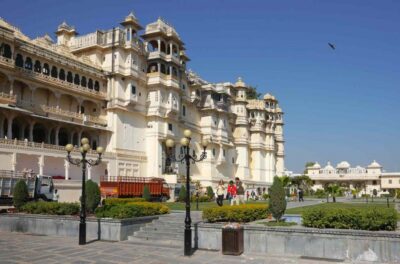
- Jaipur Half Day (Day 2): City Palace, Jantar Mantar, and Hawa Mahal
- Day 3: Amber Fort, Jal Mahal, and Fatehpur Sikri’s Deserted Silence
- Sunrise Taj Mahal Day 4: The One Moment You’ll Remember
- Agra to Varanasi: Overnight Train and How to Prepare
- Varanasi Day 5: Temples, Aarti, and Dasaswamedh Ghat by Boat
- Day 6 in Varanasi: Early Boat Ride, Then Back to Delhi
- Why the Guides Matter More Than You Think
- Practical Tips so You Don’t Feel Worn Out
- Should You Book This Tour?
- FAQ
- What cities are included in the 6-day tour?
- Is Taj Mahal included at sunrise, and is it affected by the day of the week?
- How do you travel from Agra to Varanasi?
- Is pickup included in Delhi?
- What languages are available for the live tour guide?
- Is free cancellation available, and is it suitable for pregnant women?
Key things that make this tour worth your time
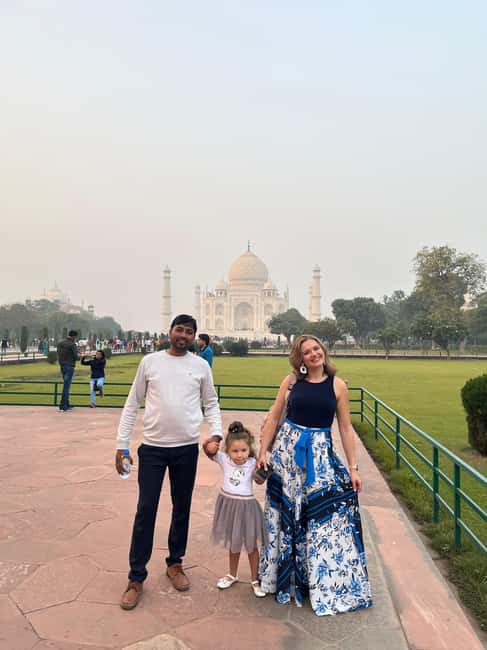
- Delhi guided contrast: Jama Masjid and Chandni Chowk plus New Delhi landmarks in one day
- Named, supported team: organizers and guides like Vishnu and Shaily are repeatedly praised
- Sunrise Taj Mahal timing with the important Friday closure heads-up
- Fatehpur Sikri stop to break up the Delhi–Agra drive with a world-heritage detour
- Varanasi by water and temple stops including Ganga Aarti and boat rides
- Ticket-line skipping so you keep momentum during peak monument hours
Is This Delhi–Agra–Jaipur–Varanasi Route Good Value at $134?
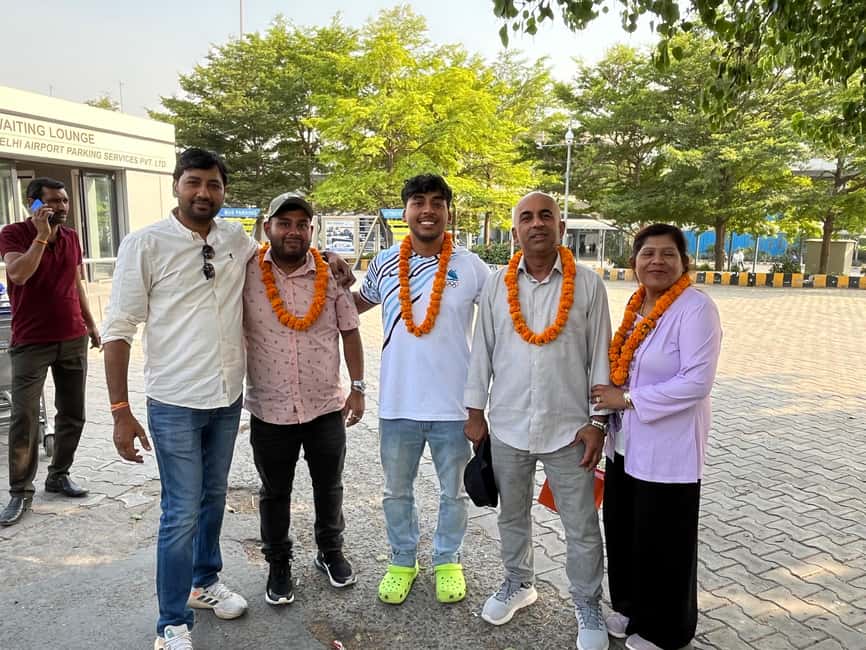
At $134 per person for 6 days, you’re paying for structure more than just transportation. You get pickup in Delhi (including the airport meeting point), a live English-speaking (and many other languages) guide, hotel nights, sightseeing in multiple cities, and an overnight train leg that would be annoying to coordinate on your own.
This is also a “time-saver” style of tour. The Golden Triangle is popular for a reason, but it’s also crowded, and ticket lines can eat hours. Add in the Varanasi religious circuit, and suddenly you’re juggling timing, routes, and where to stand for the best river views.
The fair warning: this price is possible because the itinerary is efficient, not slow. Long travel days are built in, and you’ll likely feel it. If you want breathing space after each monument, this may feel like too much.
You can also read our reviews of more tours and experiences in New Delhi



Delhi in One Day: Chandni Chowk Energy Plus Qutub Minar Grandeur
Delhi day one is a fast pairing: Old Delhi’s religious-and-market core, then New Delhi’s major landmarks, then two of the city’s best heritage sites.
You’ll start with Old Delhi coverage that includes Jama Masjid and the Chandni Chowk complex. This area isn’t just famous for photos; it’s where you can feel how Delhi moves. Walking with a guide helps because you’re not stuck trying to match what you see to what it means.
After that, you shift to New Delhi highlights: India Gate, Parliament House, Raj Ghat, Akshardham, and the Lotus Temple. These stops give you a sense of Delhi’s different layers—monumental, ceremonial, and modern in the same day.
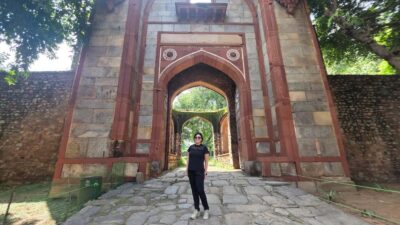
Then comes the heritage anchor: Qutub Minar and Humayun Tomb. Even with a tight schedule, these are the kinds of places where a guide’s explanations matter. You’re seeing buildings, sure, but you’re also learning what the designs were trying to communicate.
Practical note for your comfort: wear shoes you trust. You’ll do a lot of walking across varied areas, and Delhi traffic means you’ll spend some time in transit.
Jaipur Half Day (Day 2): City Palace, Jantar Mantar, and Hawa Mahal
Day two pivots to Jaipur with a half-day sightseeing plan. The idea is smart: you get a first “wow” block without overwhelming you before the Agra leg.
You’ll visit City Palace, Jantar Mantar, and Hawa Mahal. City Palace sets the tone with royal-era grandeur and the feel of Jaipur’s ruling history. Jantar Mantar is especially interesting because it’s not only about architecture—it’s about measurement. It helps you see how science, design, and royal ambition connected in the past.
Then you reach Hawa Mahal, the Palace of Winds. The famous facade is the star here, but what you’ll enjoy most is learning why it looks the way it does and how it fit into daily life.
The downside is that half-day plans can feel like snapshots. If you love museum-style time (slow pacing, long reading, deep photo sessions), you may wish Jaipur had more hours. But as a first introduction, it’s a strong opener.
Day 3: Amber Fort, Jal Mahal, and Fatehpur Sikri’s Deserted Silence
This is a full, high-impact day because it links two different moods: Jaipur’s forts and then Agra’s road-trip detour.
In Jaipur, you’ll see Amber Fort and Jal Mahal. Amber Fort is one of those stops where the setting does half the work. Jal Mahal (the water palace view) gives you a break from stone-only sightseeing and a more scenic perspective before you hit the road again.
Then you drive toward Agra with a major interruption: Fatehpur Sikri. This is described as a deserted Mughal city, and that’s exactly what makes it compelling. You’re walking in a place that feels paused, with monuments that tell the story of Akbar’s vision—without modern crowds pressing in the same way you might expect in a living city.
After exploring Fatehpur Sikri’s monuments, you continue to Agra and check into the hotel.
Consideration: it’s a long day. You’ll be traveling and touring back-to-back, so keep your energy for the heritage blocks—especially the later drive.
Sunrise Taj Mahal Day 4: The One Moment You’ll Remember
Agra day four is built around one of the best reasons to take a tour: timing. You’ll visit the Taj Mahal at sunrise, which is when the monument’s presence feels most timeless.
There’s one key scheduling note: the Taj Mahal is closed on Friday. If your dates fall on a Friday, plan for the tour to adjust within that reality, since the note is explicit.
After sunrise, you’ll continue with Agra Fort, Itimad-ud-Daulah’s tomb (the tour describes it as Id-Mat-Ud-Dauhla’s tomb), and Mehtab Bagh. This combination is valuable because it doesn’t only sell you one famous building. You get fortifications, another Mughal-era mausoleum experience, and a riverside view angle at Mehtab Bagh that helps you understand the Taj setting rather than seeing it as a standalone postcard.
Practical tip: sunrise means early wake-up. Set yourself up the night before—water, a warm layer, and anything you’ll need for photos—so you’re not rushing in low light.





Agra to Varanasi: Overnight Train and How to Prepare
Your schedule shifts in the evening on day four. After finishing the Agra sightseeing block, you’ll transfer to the train station for the ride to Varanasi, with an overnight journey.
This is where you either love the design or feel the strain. The train leg saves you a full day of travel, but it means you’re sleeping on a moving schedule.
To make this part smoother, pack like it’s a hotel night plus a commute: keep essentials accessible, bring something for comfort (a layer can help), and accept that your sleep quality may be lighter than normal.
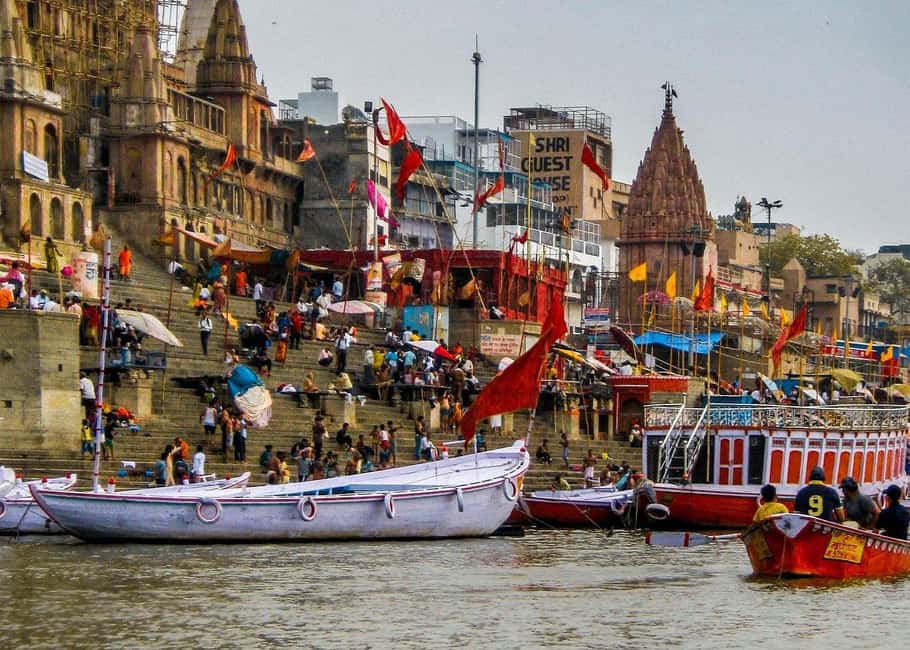
Varanasi Day 5: Temples, Aarti, and Dasaswamedh Ghat by Boat

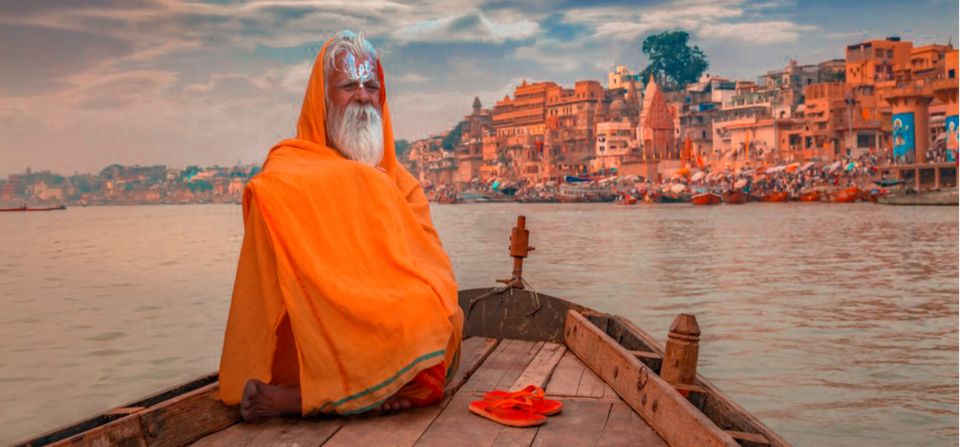
Varanasi is its own planet of sights. Day five starts with arrival and hotel check-in with a traditional welcome, then you move into temple-focused sightseeing.
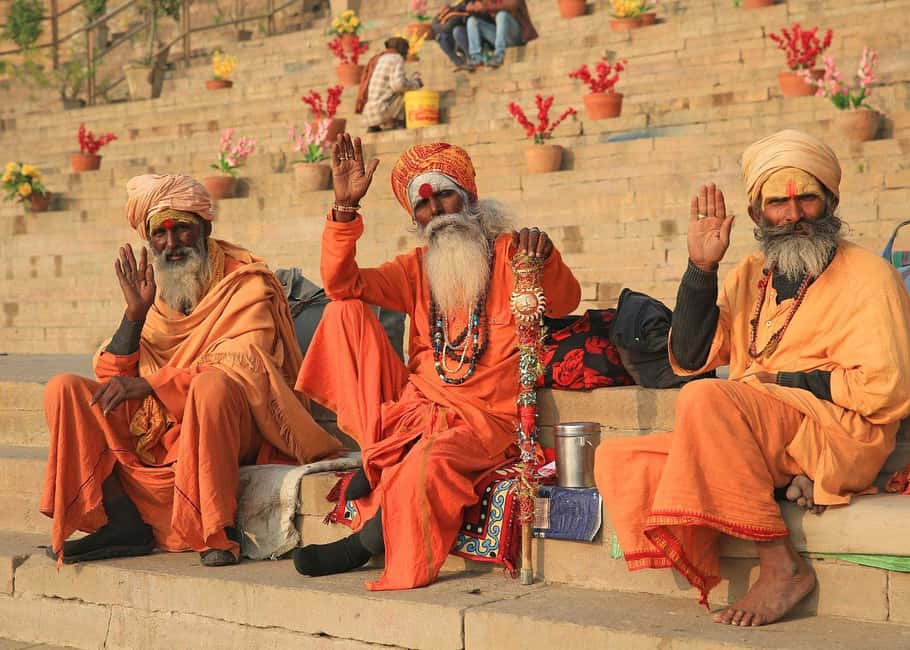
You’ll visit New Vishwanath Temple (BHU), Sankat Mochan Temple, Tulsi Manas Mandir, Durga Mandir, and Tridev temple. The mix matters: Varanasi is not one temple tour. It’s a sequence of sacred spaces that reflect different aspects of devotion, architecture, and local practice.
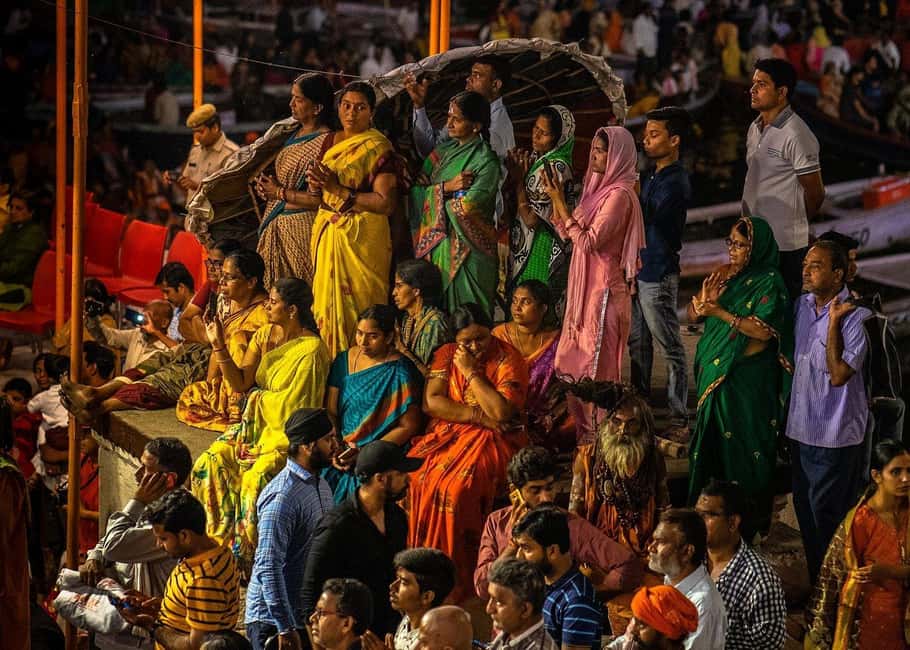
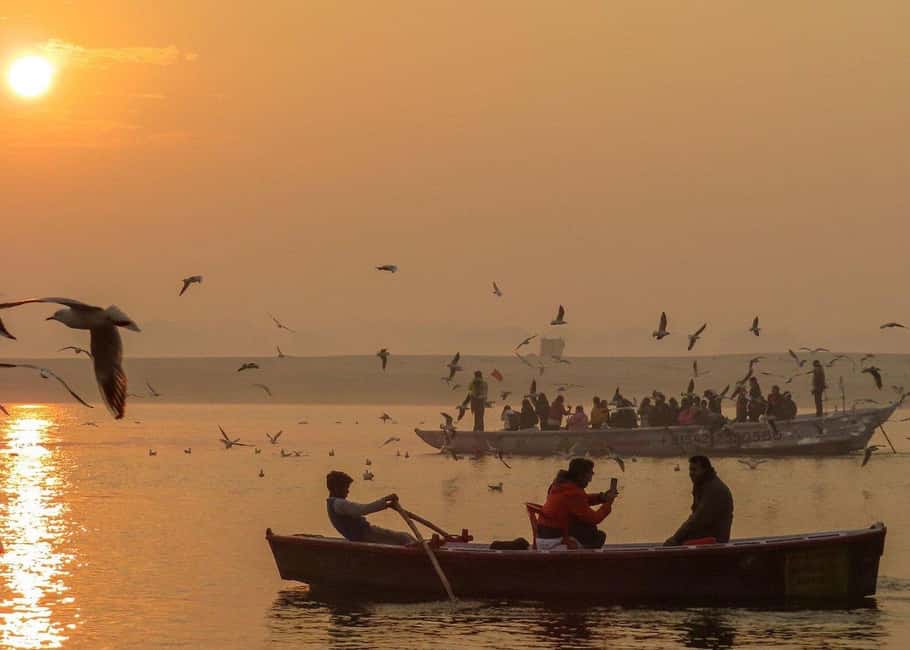
Then the evening becomes the emotional peak. You’ll experience Ganga Aarti and a boating stop on the River Ganga at Dasaswamedh Ghat. This is one of the highlights called out for being exhilarating, and it’s easy to see why: you’re not watching from far away. You’re in the flow of river life.
After that, the tour continues with more temple stops: Golden Temple, Main Kashi Vishwanath Temple, Annapurna Temple, and Vishlakshi Temple. That’s a lot of sacred ground in one day, but it keeps the theme consistent.
Day 6 in Varanasi: Early Boat Ride, Then Back to Delhi
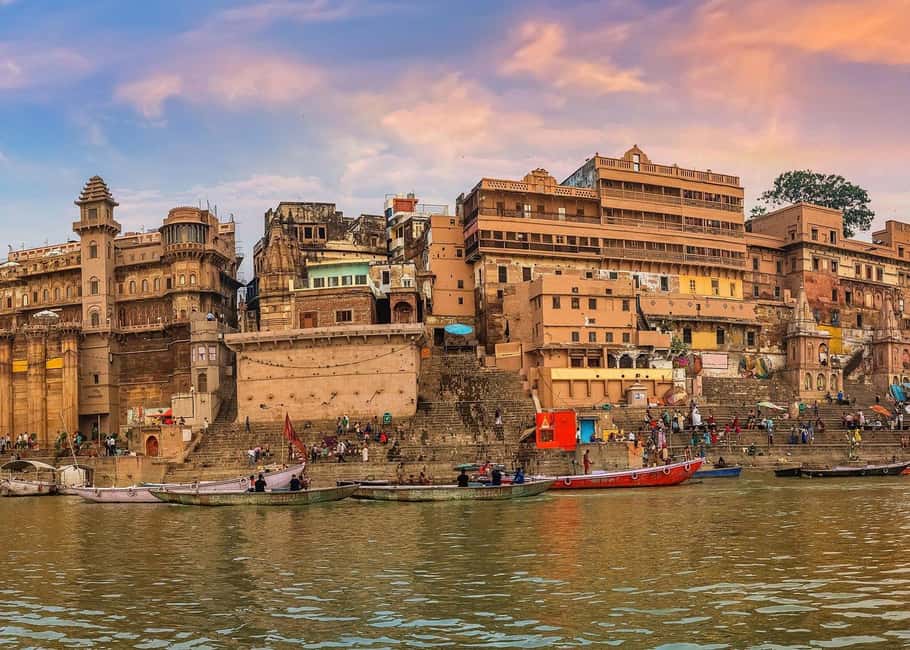
Your final morning in Varanasi includes another Ganges boat ride, early enough to catch the river in a calmer rhythm.
After the boat ride, you’ll have breakfast, then transfer to the railway station for the train back to Delhi. On arrival, you’ll get assistance meeting the international airport for your departure.
This closing structure is practical. It means you’re not squeezing one last full sightseeing day before heading home. You’re ending with the river experience and then moving into travel mode.
Why the Guides Matter More Than You Think
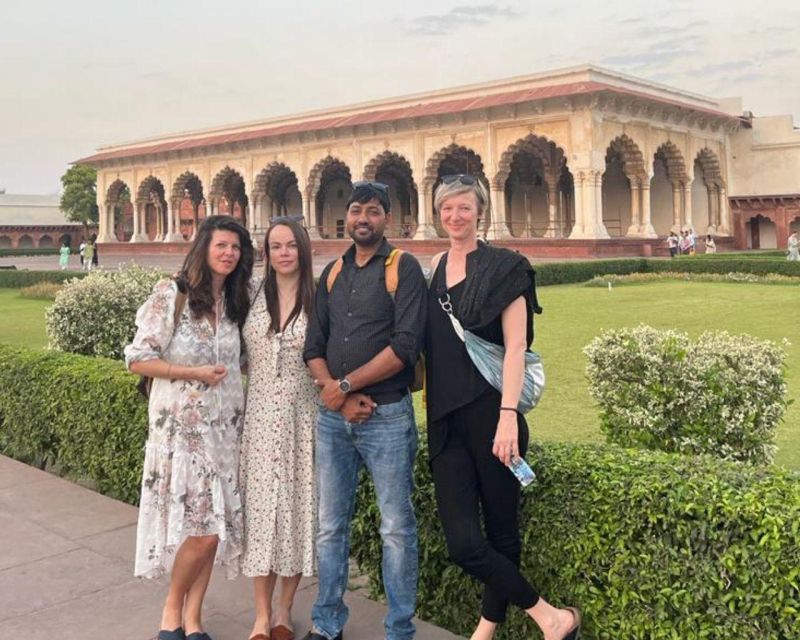
A lot of monument tours look similar on paper. The difference here is the guide style and how you’re supported.
You’ll have a live tour guide with languages listed as English, German, Italian, Russian, Spanish, French, Japanese, Chinese, and Portuguese. That matters if you want the meaning behind the stone, not just the name of the place.
In feedback, guides are praised for explaining history clearly and speaking slowly, which is a real quality-of-life detail for anyone who doesn’t feel fluent in English. There’s also praise for a guide who acted as a professional photographer, which sounds small until you’re in a place like the Taj Mahal grounds or a tight temple area and you want your photos to come out.
And it’s not only the guide. The tour organizer Vishnu is repeatedly mentioned for helping throughout the trip, while the driver Omveer shows up as part of the smoothness. For a route that jumps city to city, that coordination is the invisible value.
Practical Tips so You Don’t Feel Worn Out
Here’s how I’d set you up to enjoy this route instead of just surviving it.
- Plan for early starts. Sunrise Taj Mahal is the big one, and it affects everything around it.
- Bring comfortable walking shoes. Delhi, Agra, Jaipur forts, and Varanasi temple areas all involve real walking.
- Keep a light layer for cooler mornings. Sunrise and early boat time can feel chilly compared with midday.
- Bring passport or an ID card. It’s explicitly listed as required.
- Accept the pace. This tour is built for people who want key sights in limited time, not for slow travel.
- Skip it if you’re pregnant. It’s stated as not suitable for pregnant women.
Should You Book This Tour?
Book it if you want a well-managed first-timer Golden Triangle + Varanasi experience, with guides who explain what you’re seeing and a schedule that doesn’t leave you stuck making decisions every day.
Don’t book it if you know you hate long travel days, tight sightseeing windows, or overnight train segments. Also, if you want lots of downtime after each city stop, this route will feel like a sprint.
If your ideal trip includes Taj Mahal at sunrise, Mughal-era stops like Fatehpur Sikri, and Varanasi Ganga rituals with a boat ride, then this is a strong match for your style and your time.
FAQ
What cities are included in the 6-day tour?
You’ll visit Delhi, Jaipur, Agra, and Varanasi. The route starts in Delhi and ends with travel back to Delhi for your onward flight.
Is Taj Mahal included at sunrise, and is it affected by the day of the week?
Yes, you’ll enjoy the Taj Mahal at sunrise. The tour notes that the Taj Mahal is closed on Friday.
How do you travel from Agra to Varanasi?
You’ll transfer to the train station in the evening and catch a train to Varanasi, with an overnight journey.
Is pickup included in Delhi?
Yes. Pickup is included from your hotel or airport in Delhi, Noida, or Gurgaon, or directly from Delhi Airport. At Terminal 3, Exit Gate No. 4, the driver meets you holding a board with your name.
What languages are available for the live tour guide?
The live tour guide is available in English, German, Italian, Russian, Spanish, French, Japanese, Chinese, and Portuguese.
Is free cancellation available, and is it suitable for pregnant women?
The tour offers free cancellation up to 24 hours in advance for a full refund. It is not suitable for pregnant women.