REVIEW · JAIPUR
Elefun Best Elephant Sanctuary in Jaipur
Book on GetYourGuide →Operated by Elefun Activities And Tours · Bookable on GetYourGuide
A calm elephant day is rare in India. At Elefun Best Elephant Sanctuary in Jaipur, I like the ethical focus and the hands-on time you get without rides. You’ll learn how elephants live, eat, and communicate, plus you’ll do activities like natural elephant painting on the animals’ skin. The only real consideration: in colder months (October to March), you should expect the elephant shower/washing part to be limited or not offered due to weather.
This is also built for real comfort and trust. Many of the elephants here are rescued from circuses across India, and the sanctuary runs with eco-friendly habitats, caretakers, and individual space for each elephant. The experience runs about 3 hours, so it’s short enough to fit into a Jaipur plan, but you will want comfortable shoes and a little patience while elephants decide how close they want to be.
In This Review
- Elefun Elephant Sanctuary at a Glance (Why This One Works)
- Why Elefun’s Jaipur Sanctuary Feels Different Than a Ride
- 3 Hours of Elephant Time: From Pickup to Drop-Off
- Meeting the Elephants: Trust-First Greetings and What You’ll Learn
- Feeding Without Faking It: Diet Basics and Hand-Feeding
- Elephant Painting With Natural, Skin-Friendly Paints
- Walking Instead of Riding: The Ethical Engagement Part
- Elephant Washing and Shower: A Seasonal Detail You Should Plan For
- Care Standards You Can Actually See: Individual Space and Rescued Herd
- Price and Value: Is $60 Worth It?
- What to Bring (So You Don’t Spend the Day Uncomfortable)
- Who This Is Best For (And Who Might Want to Rethink It)
- Quick Safety and Comfort Notes That Matter
- Should You Book Elefun in Jaipur?
- FAQ
- How long is the Elefun Elephant Sanctuary experience?
- What does the experience cost?
- Where are the pickup and drop-off points?
- Do you offer elephant rides?
- Is elephant painting included?
- Do you wash the elephants during the visit?
- What languages are available?
- What should I bring, and what’s not allowed?
Elefun Elephant Sanctuary at a Glance (Why This One Works)
- No rides, just ethical walking alongside elephants, based on the animal’s comfort
- Hand-feeding with guidance so you understand what elephants like and how to interact safely
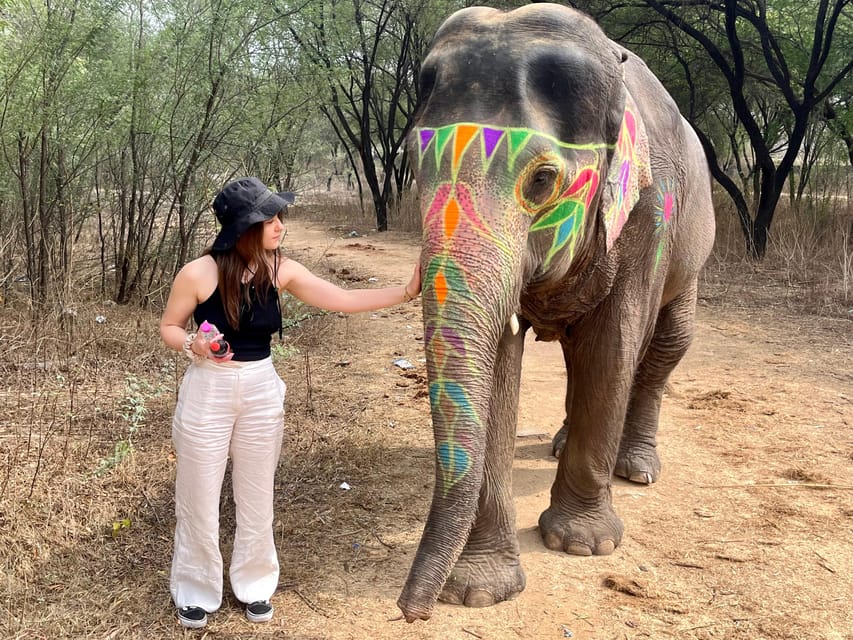
- Elephant painting using traditional, natural, skin-friendly paints
- Washing and shower time (but only when weather allows, October–March may be different)
- Rescued herd and individual attention from dedicated caretakers in eco-friendly living spaces
Why Elefun’s Jaipur Sanctuary Feels Different Than a Ride

Jaipur has plenty of elephant experiences. What makes Elefun feel different is the clear line they draw: no elephant rides, no forcing an animal to perform, and no “turn it into a show” energy. Instead, the day centers on calm, close contact that follows the elephant’s mood and body language.
I also like how practical the experience is. You’re not just watching from a distance. You’re meeting the elephant, learning feeding basics, and doing activities designed around gentle, respectful interaction. It’s the kind of experience that helps you understand the animal as a living being, not a photo prop.
And that matters, because the ethics show up in small decisions. The sanctuary describes eco-friendly habitats, personal space for each elephant, and caretakers who support daily routines. In other words: they’re treating elephants like residents, not attractions.
You can also read our reviews of more tours and experiences in Jaipur.



3 Hours of Elephant Time: From Pickup to Drop-Off
The whole experience is paced to feel manageable. In about 3 hours, you’ll go from pickup to sanctuary visit and then back to Jaipur. The day includes on-arrival welcome drinks, a guided tour, a window of free time, and a walk component with the elephant.
Pickup is offered from your accommodation area, and the sanctuary also lists Hawa Mahal (Jaipur) as a pickup/drop-off option. I recommend confirming the exact pickup point when you book, especially if you’re staying outside central Jaipur. It’s a city where distances can add up once traffic and detours enter the picture.
A small detail I appreciate: the experience includes a complimentary drop-off back to your accommodation. That saves you the “Now what?” scramble after a hands-on activity—especially if you’re tired, sunburned, or carrying stuff.
Meeting the Elephants: Trust-First Greetings and What You’ll Learn
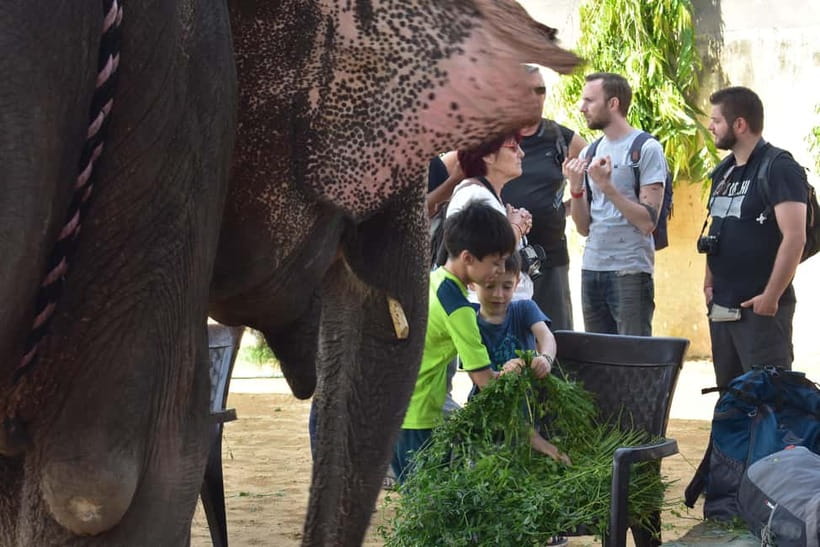
Your visit starts with an introduction designed around trust. You’ll begin by letting the elephant catch your smell and interact at its own pace. That sensory greeting is simple, but it’s a smart start: elephants use scent and body signals to assess safety and comfort.
From there, you’ll get a guided explanation of the elephant’s daily routine and temperament. You’ll also learn about dietary habits and what the elephant likes during feeding. The point isn’t trivia. It’s practical context so you know what you’re doing and why.
In one of the strongest review details, I saw how this trust-first approach makes the interaction feel personal. People describe meeting one female elephant and building a bond step by step—feeding, painting, walking, and more—without rushing the process.
Feeding Without Faking It: Diet Basics and Hand-Feeding
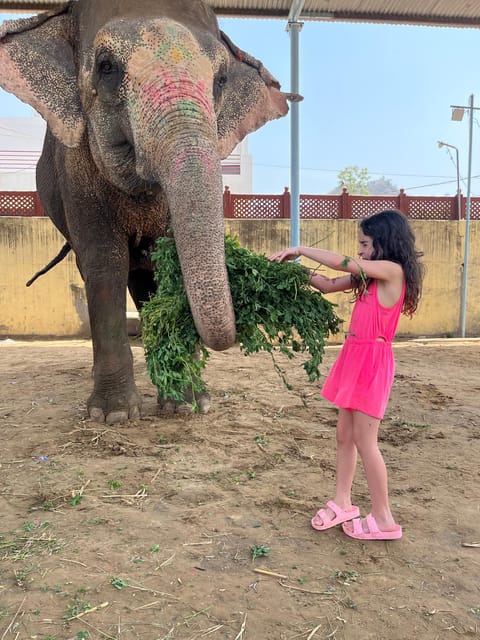
Hand-feeding is one of the main highlights, and for a good reason. When it’s done responsibly, feeding turns you from a spectator into a careful participant. The sanctuary teaches you how to feed in a way that helps the elephant feel comfortable, and you learn what foods and feeding habits matter.
This is also where the ethics become visible to you, not just claimed. Elefun states they focus on strengthening your bond through gentle, guided interaction and explicitly avoids rides. In reviews, people point out that elephants look well cared for, and they don’t have obvious signs of being chained or forced into unnatural routines.
A useful tip: stay relaxed and follow the caretaker’s cues. Elephants are powerful, but they’re also calm when the interaction is consistent and respectful. If you treat the feeding like a quick “photo moment,” you’ll likely slow the experience down. If you treat it like a patient conversation, the whole visit feels smoother.
Elephant Painting With Natural, Skin-Friendly Paints
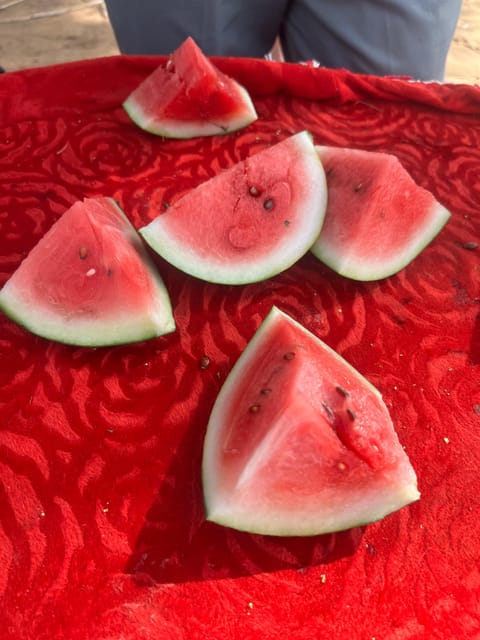
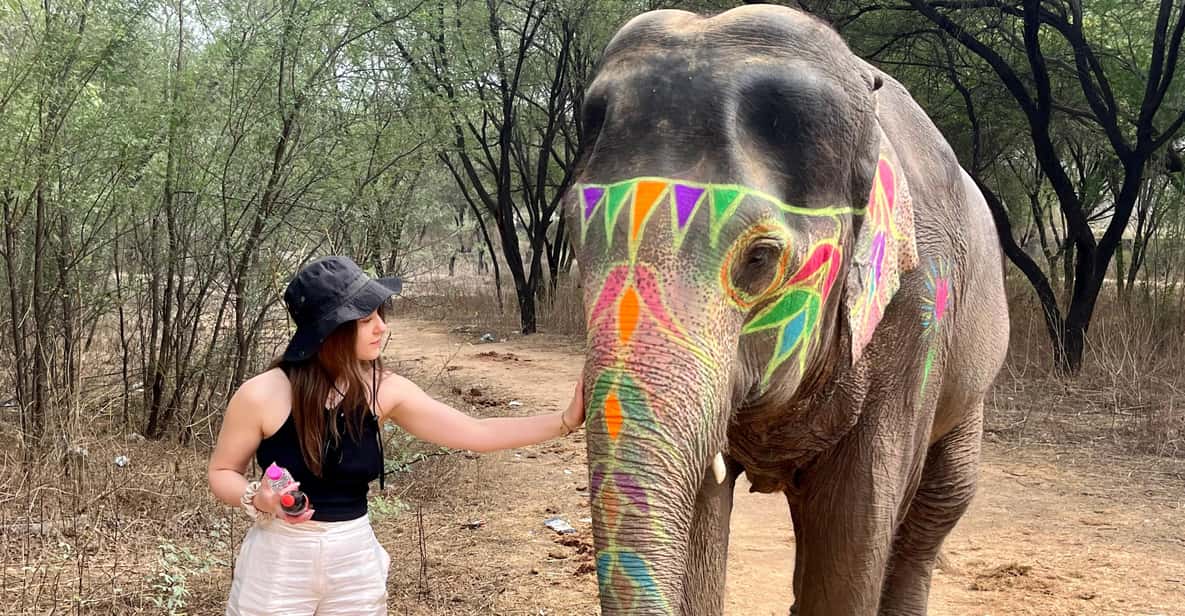
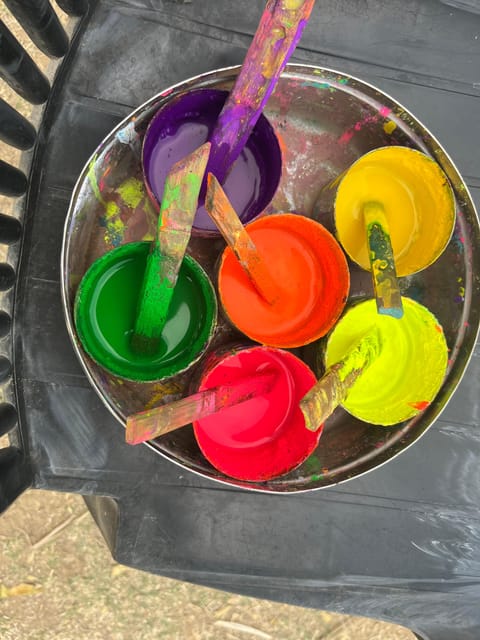
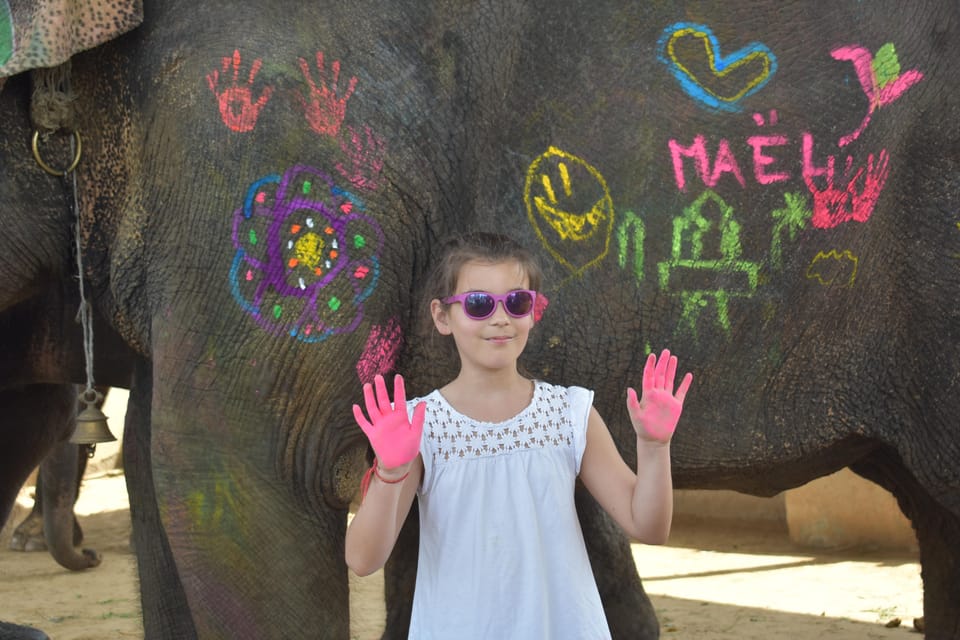
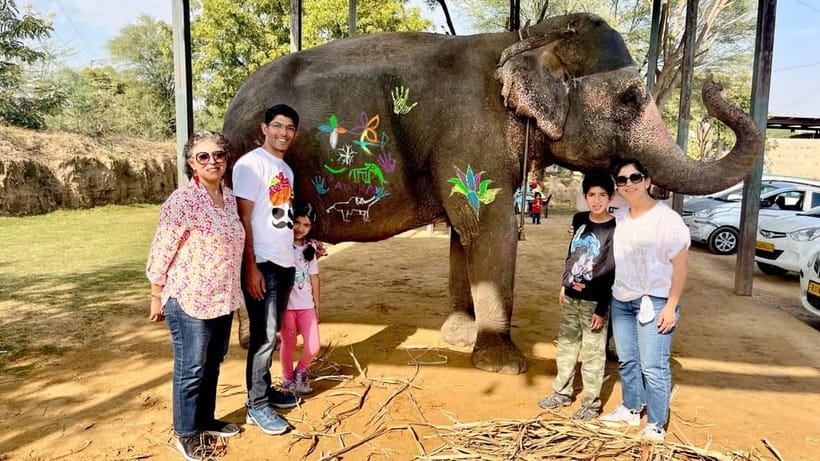
One of the most memorable parts of Elefun is the painting activity. You’ll do traditional elephant painting using natural, skin-friendly paints. The idea is simple: you get a creative activity while still staying in the ethical framework of the sanctuary.
This isn’t just for fun, though (even though it’s fun). It gives you a reason to pay attention. You watch how the elephant reacts, how the caretakers guide the activity, and how gentle handling changes the whole dynamic.
Reviewers consistently call elephant painting a highlight. People describe a full sequence—painting, then drinking/feeding, then showering/washing (when weather allows)—and that structure helps the day feel like a story instead of scattered activities.
If you’re artistically inclined, you’ll enjoy it. If you’re not, you can still take it as a hands-on souvenir made with respect for the animal, not cheap gimmicks.






Walking Instead of Riding: The Ethical Engagement Part
Elefun’s walk-with-the-elephant component is where your expectations should be set up correctly. You won’t sit on an elephant. You’ll walk alongside it, based on ethical engagement and the elephant’s preferences.
This is valuable because walking changes what you notice. Riding tends to reduce the animal to movement. Walking helps you see the elephant’s pace, comfort signals, and the caretakers’ focus on welfare. In a couple of review notes, people explicitly mention that Elefun does not offer riding, and that switching from tourist-style rides to walking is a big part of why the experience felt worthwhile.
You’ll probably spend more time in close proximity than you expect, so choose footwear that can handle dust and uneven ground. And don’t rush your own comfort zone—if the elephant chooses to move away, follow the caretakers’ guidance.
Elephant Washing and Shower: A Seasonal Detail You Should Plan For
Elephant washing and showering is included in the itinerary, but the sanctuary notes an important seasonal adjustment: October to March may not include elephant showering because of cold weather.
That means the experience might still include scrubbing or a different routine, or the washing portion could be changed. Either way, the key is to go in knowing that wet, warm shower time depends on the season. If you’re visiting in peak summer, you may get more of that playful shower element. If you’re visiting in winter, don’t assume it will look like summer videos.
One review detail made this clear: people describe the elephant washing as playful, even involving the elephant splashing the person. That can happen, but plan your clothes accordingly and bring a change.
Care Standards You Can Actually See: Individual Space and Rescued Herd
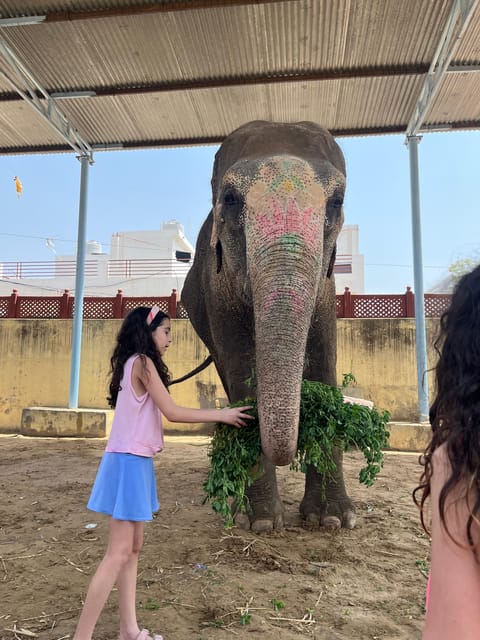
Elefun describes eco-friendly living habitats, caretakers for dedicated attention, and individual space for each elephant. You can also see how the sanctuary frames rescued elephants, with many having been rescued from circuses across India and now living in a safe environment.
What matters to you is what this suggests about daily life. Individual housing and attentive care mean less chaos and fewer forced interactions. And it typically means caretakers can guide elephant routines in ways that support welfare.
Reviews back this up with comments about elephants being happy, unmarked by obvious signs of being chained, and limited to interactions the elephants want to do. I can’t verify the animals’ history beyond what the sanctuary and participants share, but the overall pattern is consistent: the day is designed to keep contact gentle, not constant.
Price and Value: Is $60 Worth It?
At $60 per person, you’re paying for a structured, guided, welfare-centered elephant interaction in Jaipur—plus hands-on activities like feeding and painting, and likely time for walking and learning.
Here’s what you’re actually getting for the money:
- Pickup and drop-off from your accommodation area (including Hawa Mahal area)
- Welcome drinks on arrival and tea during the visit
- Guided introduction and instruction for feeding
- Natural elephant painting (traditional and skin-friendly)
- Hand-feeding and guided interaction focused on comfort
- Walk with the elephant (no rides)
- Elephant washing/scrubbing and shower when weather allows
Compared with elephant rides that feel short and performative, this pricing can make sense because the time and activities are designed to be more than a 10-minute photo stop. You’re also spending effort on education—learning routines and feeding habits—so the experience isn’t just sensory. It becomes knowledge you can use when you compare sanctuaries later.
If you want the cheapest option, you might find less expensive alternatives in the Jaipur area. But if you care about ethical engagement and a meaningful time window, $60 feels like fair value for the structure you’re receiving.
What to Bring (So You Don’t Spend the Day Uncomfortable)
The experience asks for the basics, and I agree. Bring comfortable clothes and something you don’t mind getting dusty, wet, or paint-adjacent. The sanctuary’s list is a good starting point.
Pack:
- Comfortable shoes (non-slip helps)
- Sunglasses and a sun hat
- Sunscreen and water
- A camera
- Change of clothes
- ID or passport
Also note what’s not allowed: alcohol and drugs. Keep it straightforward so you and the caretakers can focus on the elephants.
If you’re planning to take photos, wear clothing that you’re okay re-wearing. You might come back with dust, and possibly water, on your outfit.
Who This Is Best For (And Who Might Want to Rethink It)
This sanctuary experience fits best if you want:
- An ethical elephant encounter with no rides
- Hands-on activities like feeding and painting
- A learning-focused visit that explains routine and dietary habits
- A shorter, half-day style plan (about 3 hours)
It’s also a strong choice for families and people who want an animal-focused day without the adrenaline of riding. The experience is wheelchair accessible, which is helpful if mobility is a concern.
You might reconsider if:
- You’re only interested in a ride (this isn’t that kind of experience)
- You want a guaranteed shower/washing experience in winter (October–March may change that part)
- You don’t like close animal contact and prefer purely viewing from a distance
Quick Safety and Comfort Notes That Matter
Elephants are gentle when the interaction is respectful, but you should still treat the process like a guided activity, not a free-for-all.
Do:
- Follow caretaker instructions for feeding and walking
- Use comfortable footwear and keep your balance in outdoor areas
- Bring water and stay aware of sun exposure
Don’t:
- Try to pressure interaction
- Assume showering will happen in all seasons
- Bring alcohol or drugs
The best experiences come when you slow down and let the elephant set the pace.
Should You Book Elefun in Jaipur?
Yes, if your goal is a welfare-forward elephant visit with real engagement. The biggest reasons to book are the ethical no-ride format, the step-by-step trust greeting, and the hands-on activities like feeding and elephant painting. You’ll also like that you get guided education, not just spectacle.
If you’re visiting in October–March, go in prepared for the shower/washing routine to be adjusted by cold weather. And if you only want a quick photo and ride, this won’t match that style.
FAQ
How long is the Elefun Elephant Sanctuary experience?
The experience lasts about 3 hours, including pickup, the sanctuary visit, guided tour, tea, free time, and the elephant walk.
What does the experience cost?
The price listed is $60 per person.
Where are the pickup and drop-off points?
Pickup is offered from accommodation in Jaipur, with Hawa Mahal listed as an option. Drop-off is also listed for Jaipur and Hawa Mahal.
Do you offer elephant rides?
No. The experience specifically notes that elephant rides are not offered, and walking with the elephant is part of the ethical engagement.
Is elephant painting included?
Yes. You can paint on the elephant using traditional and natural, skin-friendly paints.
Do you wash the elephants during the visit?
Elephant washing and showering is included, but October to March may not include the elephant shower due to cold weather.
What languages are available?
Languages listed include English, Hindi, Spanish, German, and French (English and Spanish are specifically referenced in the activity details).
What should I bring, and what’s not allowed?
Bring comfortable shoes, sun hat, sunglasses, sunscreen, water, a change of clothes, and a camera. Alcohol and drugs are not allowed.