REVIEW · AGRA
Agra: Monkey Safari Guided Walking Tour
Book on GetYourGuide →Operated by Fortunate Agra Tour · Bookable on GetYourGuide
Agra’s monkeys have a whole neighborhood routine. This 3-hour guided walking safari takes you into places where langurs and rhesus macaques share the city with people, and your local guide explains what you’re seeing. I especially liked how the guide turns random monkey sightings into clear behavior lessons, and how the walk mixes wildlife time with Agra cultural storytelling. The one drawback to plan for: it’s still a walking tour in active street areas, and you should expect close-up monkey moments that come with rules (you won’t be feeding them).
The best part is how practical it feels. You get a briefing before you start, then you move through temple lanes and quieter routes where monkeys are commonly seen, with plenty of pause time for photos. If you’re hoping for a guaranteed sighting of every species every minute, keep expectations flexible—wildlife moves on its schedule.
In This Review
- Key things you’ll notice on this Monkey Safari walk
- Entering Agra’s monkey world on foot (and why that matters)
- Meeting your guide in Agra: briefing, route, and how close you’ll get
- Walking through temple areas and older lanes where monkeys hang out
- Monkey observation time: langurs, rhesus macaques, and how to read behavior
- Cultural insights with Hanuman legends and real-life coexistence
- Photography moments: how to get safe, sharp shots on crowded streets
- Chai break with rooftop views: the calm reset you’ll appreciate
- Return to Agra: wrap-up questions and how to keep exploring
- Price and value: is $54 worth it for 3 hours?
- Who this Monkey Safari tour suits best (and who should skip it)
- Should you book the Agra Monkey Safari Guided Walking Tour?
- FAQ
- Where does the tour start and end?
- How long is the Monkey Safari guided walking tour?
- Is the tour guide English-speaking?
- Do I get pickup and drop-off?
- Is there an AC car involved?
- Will I be able to feed the monkeys?
- What’s included in the refreshments?
- What’s the cancellation policy and timing?
- Is it wheelchair accessible?
Key things you’ll notice on this Monkey Safari walk
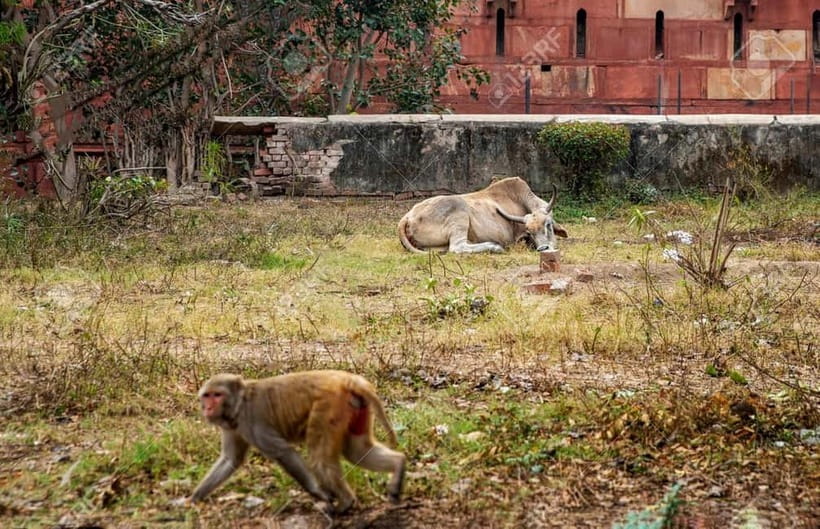
- A guide-led safari, not a zoo visit: you’re watching monkeys in an urban habitat with context for what behavior means.
- Species spotting focus: you’ll look for langurs and rhesus macaques, plus other native monkeys you happen to encounter.
- Monkey behavior + safety briefing first: you learn how to handle close encounters responsibly before you walk.
- Historic lanes and temple areas: the route is designed around places where monkey activity is common.
- Cultural layers with local legends: you’ll hear monkey stories tied to Lord Hanuman and daily coexistence.
- A real break with masala tea: you get Indian masala tea and a short reset during the walk.
Entering Agra’s monkey world on foot (and why that matters)
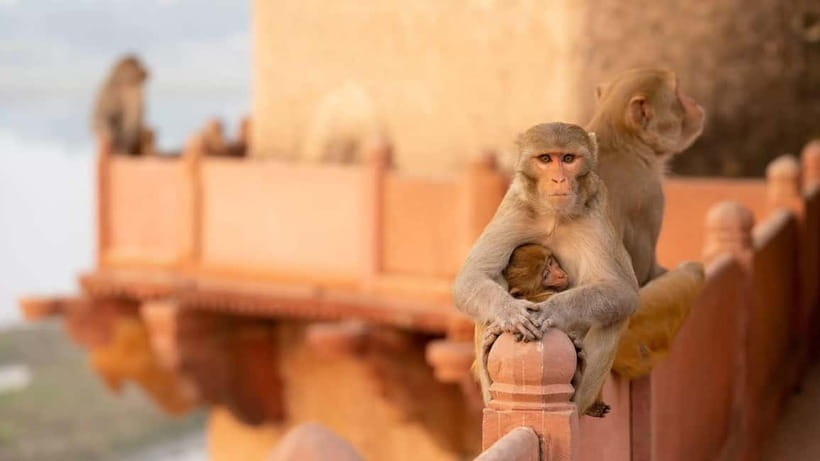
A walking safari in Agra feels different from a typical wildlife tour. Instead of standing behind fences, you’re moving through the same kind of streets and temple areas where monkeys already live their lives. That means you see more than faces—you notice patterns: how groups travel, how they react to people, and how they balance curiosity with caution.
For you, that translates into better learning and better photos. When a guide points out what behavior to watch for, you’re no longer just thinking: Wow, a monkey. You start thinking: Why is it acting that way, and what does that usually mean?
Still, this isn’t a “sit quietly and everything comes to you” experience. Monkeys choose where to be. Your goal is to follow your guide’s route, watch closely, and be ready when activity spikes.
You can also read our reviews of more walking tours in Agra



Meeting your guide in Agra: briefing, route, and how close you’ll get
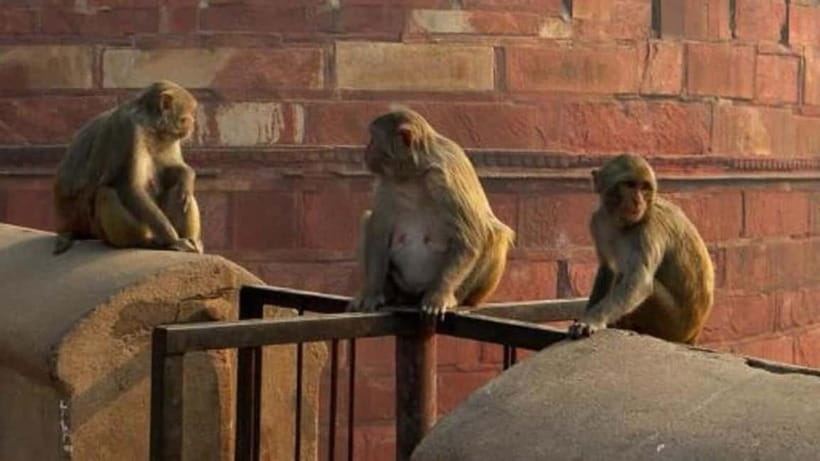
Your experience starts with pickup in Agra, then you meet your guide and get a clear intro to what you’re doing and where you’ll walk. Before you step into the monkey-active areas, the guide covers monkey behavior and basic safety guidance. That briefing matters because it sets the tone: you’re there to observe, not to interfere.
From there, you’ll get an overview of the walk route and the cultural highlights you’ll pass along the way. This is where the tour earns its keep. Without a guide, you might wander past temple areas and see monkeys, but you’d miss the explanations that help you understand what you’re seeing in the moment.
The tour stays in English, so you can ask questions as you go. It’s one of those formats where the best learning happens naturally—when something interesting happens, you already have the “why” in your head.
Walking through temple areas and older lanes where monkeys hang out
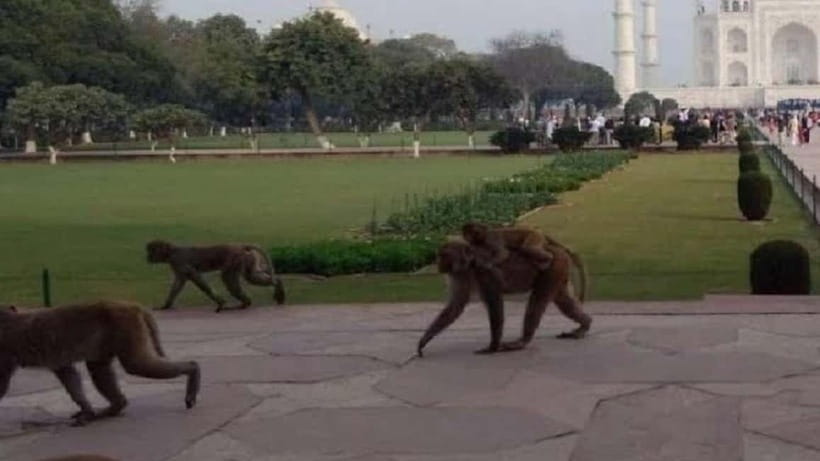
The route is designed for sightings. You’ll spend time in a historic neighborhood or temple complex area, moving through lesser-known lanes and spots where rooftop and street monkey activity is common. That “hidden lanes” feel is real here: small turns, close views, and little pockets of activity that larger tours often skip.
A big part of why this works is simple geography. Monkey movement isn’t random. They use structures and cover, and they return to the kinds of places that make daily life easier—shelter, sight lines, and access to what they look for.
For you, this means the walk becomes a guided scavenger hunt for animal cues. You’ll look for langurs and rhesus macaques first, and then you’ll be alert for other native species that show up along the way. The guide also helps you spot where activity is likely, so you aren’t guessing the entire time.
Monkey observation time: langurs, rhesus macaques, and how to read behavior
Once you’re in the monkey zone, you get guided observation time. This is the heart of the tour. You’ll focus on rhesus macaques and langurs, learning what to look for in their social behavior and habits.
One key point your guide emphasizes is monkey feeding and coexistence. The tour is built around observation, so you won’t be allowed to feed the monkeys yourself. Even so, you’ll still learn about feeding habits and why monkeys are drawn to certain urban spaces.
Another reason this section feels satisfying is how it connects behavior to daily reality. Your guide doesn’t treat monkeys as cartoon characters. Instead, you learn how monkeys live alongside humans in urban India, how they move around homes and food sources, and why “respect and distance” isn’t just a safety slogan—it’s part of keeping the experience positive for everyone.
Based on the tone of the tour, you should expect a lot of quiet looking and short bursts of action when a group shifts location. That rhythm is ideal if you like wildlife watching but also want a guide to keep you oriented.
Cultural insights with Hanuman legends and real-life coexistence
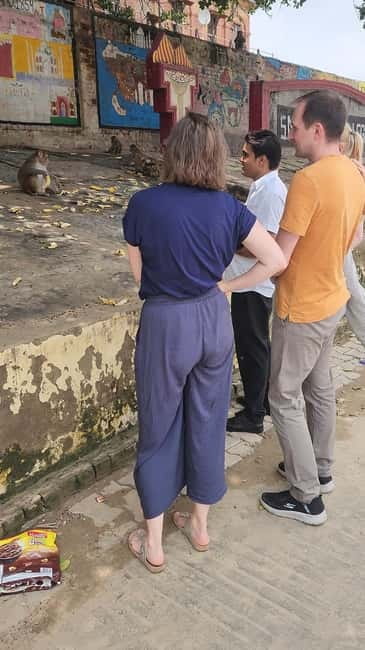
Wildlife is one half. The other half is culture, and it’s woven into the walk. You’ll hear local legends and stories involving monkeys, including tales of Lord Hanuman—the monkey god. Even if you don’t know the stories ahead of time, the guide makes them feel tied to place instead of like a museum lesson.
What I think you’ll enjoy most is how the cultural talk connects directly to what you’re seeing. You’ll hear how locals live with monkeys, and how people protect food and homes while sharing the same environment.
This is where the tour becomes more meaningful than just a checklist of species. You’re not only watching animals; you’re also learning why monkeys are part of Agra’s everyday landscape—spiritually for many people, and practically for everyone who lives near them.
You can also read our reviews of more guided tours in Agra






Photography moments: how to get safe, sharp shots on crowded streets
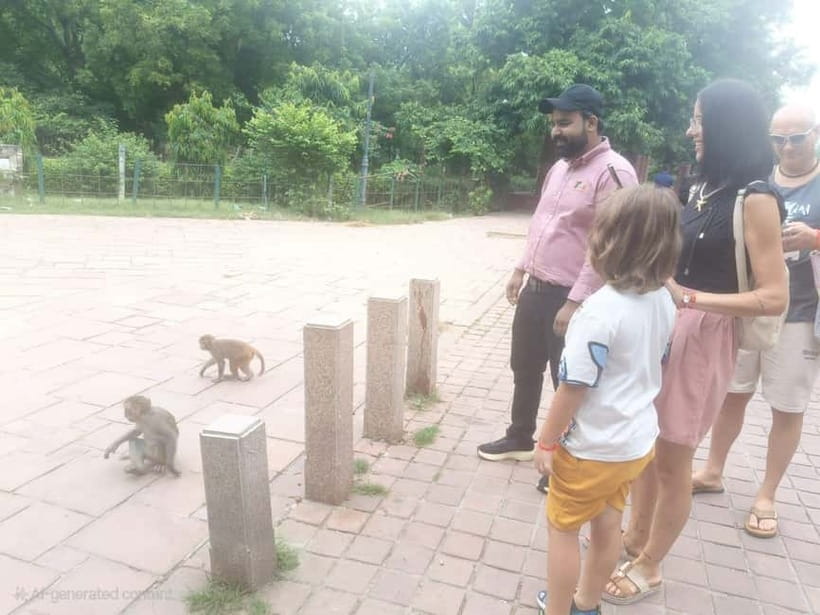
This tour gives you ample time for wildlife and street photography. You’re not pushed along at sprint speed. Instead, you pause when your guide spots a good moment, then you take photos while you’re still thinking about safety and animal behavior.
Your guide also helps you find safe angles, which is a big deal in an urban monkey setting. It’s not just about getting a picture—it’s about positioning yourself where you can observe without making things stressful for the monkeys.
For your planning: if you care about photos, bring a camera setup you can use quickly while standing and walking. Also, dress for sun and dust. A mid-day slot can get hot, and one simple advantage of choosing timing (when you can) is that monkeys may be more active earlier or later in the day.
Chai break with rooftop views: the calm reset you’ll appreciate
About halfway through your walk, you’ll get a refreshment break. Expect Indian masala tea as part of the included experience, plus a light snack, and you may also be offered lemon water depending on what’s available nearby. The break happens at a local eatery or rooftop café setup where you can still enjoy monkey views without being in the busiest areas.
This stop is more than a snack. It’s your chance to cool down, drink water, and let your eyes recover after a long period of looking up and tracking movement. After the break, you’ll rejoin the walk with less fatigue and better focus—which helps your photography and attention.
If you’re the type who gets distracted by finding shade, this is a tour that solves that problem for you.
Return to Agra: wrap-up questions and how to keep exploring
When the walk finishes, you return to your starting point area in Agra at a leisurely pace. You’ll end with a Q&A session, which is where you can ask follow-up questions about monkey behavior, what you missed, or what to watch for if you explore on your own later.
This “wrap and ask” style is useful because the tour covers a lot in just 3 hours. You’re bound to have questions after seeing multiple interactions, especially if you’re new to monkey behavior in cities.
You also get a smooth end-to-end service setup: pickup and drop-off, plus an AC private car handling transportation around the walking portion. That’s a quality-of-life win in Agra’s heat.
Price and value: is $54 worth it for 3 hours?
At around $54 per person for a 3-hour guided walking safari, the value comes from what’s included. You’re paying for a professional guide, pickup and drop-off, an AC private car, mineral water, and Indian masala tea. You’re also paying for a route that’s focused on monkey activity and cultural stops tied to why monkeys are there in the first place.
If you were to do this solo, you might manage to see monkeys, but you’d lose the behavior coaching and the cultural context. You’d also spend time figuring out where to go, and you might not feel as comfortable around the safety side of close encounters.
So for the right traveler—someone who likes guided context and doesn’t mind walking—this price feels fair. It’s not the bargain end of the spectrum, but it also isn’t overpriced for the time, transport, and specialist guiding involved.
Who this Monkey Safari tour suits best (and who should skip it)
This is a great fit if you want wildlife viewing with explanations and you like moving through real local neighborhoods and temple areas. It’s especially good for families, since the tour pacing allows observation time and includes a break.
It’s also ideal if you enjoy street photography and want a guide helping with angles and safe positioning.
Two important cautions:
- You won’t be feeding the monkeys yourself, so if that’s a must-have for you, you may feel limited.
- The activity is a walking tour, and while it’s listed as wheelchair accessible, it’s also noted as not suitable for people with mobility impairments. If that applies to you, confirm first so you don’t get surprised by the walking demands.
Should you book the Agra Monkey Safari Guided Walking Tour?
I’d book it if you want a short, focused experience that blends monkey behavior with culture, and you like having a guide translate what you see into something you understand. The masala tea stop, the planned observation time, and the fact that you’re walking where monkeys actually show up make it feel like more than a casual stroll.
I’d think twice if you’re heat-sensitive and can’t choose a cooler time slot, or if you’re expecting a hands-on feeding experience. Also, if you have limited mobility, you should verify how much walking you’ll do before committing.
If you’re flexible, curious, and okay with wild animals setting the pace, this tour is an efficient way to experience Agra beyond the big-ticket sights—through the eyes of people who live with monkeys every day.
FAQ
Where does the tour start and end?
Pickup and the return are both in Agra. You’ll be collected from a pickup location in Agra and returned to Agra at the end of the 3-hour experience.
How long is the Monkey Safari guided walking tour?
The duration is 3 hours.
Is the tour guide English-speaking?
Yes. The live tour guide speaks English.
Do I get pickup and drop-off?
Yes. Pickup and drop-off are included.
Is there an AC car involved?
Yes. A private AC car is included for the entire tour activity.
Will I be able to feed the monkeys?
No. Guests will not be allowed to feed the monkeys, though you’ll learn about feeding habits and monkey behavior during the walk.
What’s included in the refreshments?
Indian masala tea is included. The tour also describes a refreshment break that may include lemon water and a light snack, depending on what’s available.
What’s the cancellation policy and timing?
Free cancellation is offered up to 24 hours in advance for a full refund.
Is it wheelchair accessible?
It is listed as wheelchair accessible, but it’s also listed as not suitable for people with mobility impairments. If that matters for you, it’s worth confirming the walking portion before you book.