REVIEW · AGRA
Agra: Street Food Walking Tour, Spice Market, & Tuk-tuk Ride
Book on GetYourGuide →Operated by Classic Tours India · Bookable on GetYourGuide
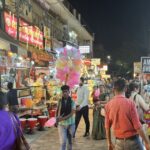
Old Agra hits your senses fast. This street-food and market walk layers Kinari Bazaar shopping with a guided route through iconic religious spots, all tied together by quick tuk-tuk hops.
I especially like the street-food tasting portion, because you’re eating the kinds of snacks locals order, not just posing with food.
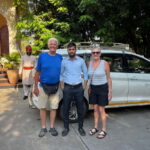
What really makes it work is the human factor. I like that your guide brings the stories to life at Jama Masjid and Shri Mankameshwar Mandir, linking architecture, faith, and everyday life in a way that feels practical. Names you’ll hear a lot include Farman and Amir, both known for keeping the group on track and comfortable.
One possible drawback: plan for about 90 minutes of walking, mostly on tight lanes, so comfortable shoes are not optional.
In This Review
- Key points to know before you go
- Why Old Agra street food beats the usual Taj-only plan
- Price and what you actually get for $14
- The tuk-tuk ride: fun, fast, and part of the experience
- Kinari Bazaar: crafts first, before you start eating
- Jama Masjid: Mughal architecture and real worship in one stop
- Shri Mankameshwar Mandir: the temple stop that balances the mosque
- Rawatpara spice market: color, scent, and “why this works”
- Seth Gali street-food tastings: where the tour earns its name
- How long you’ll walk (and how to handle it)
- Shopping stops and the craft-shop question
- Timing: choosing your afternoon or early evening slot
- What to wear and basic rules that keep it smooth
- Who this tour is best for (and who should skip it)
- Should you book this Old Agra street-food and spice-market tour?
- FAQ
- How long is the Agra Street Food Walking Tour, Spice Market, and Tuk-tuk Ride?
- Is hotel pickup and drop-off included?
- What’s included in the $14 price?
- Are monument entrance tickets included?
- What street food can I try on this tour?
- Are drinks included?
- What languages are the guides available in?
- Do I need to buy tickets to skip lines?
- What should I wear?
- Is this tour suitable for everyone?
- Is alcohol allowed during the tour?
Key points to know before you go
- Private tuk-tuk pickup and drop-off keeps you from getting lost in Old Agra’s twists and turns.
- Two major religious landmarks on foot give context to what you’re seeing beyond the photos.
- Rawatpara spice market is as much a smell tour as a shopping tour.
- Seth Gali street-food stops focus on snack-size bites that can cover your evening.
- Seasonal sweets show up, including winter-only options like gajar ka halwa.
- Guides take safety seriously, including helping you navigate busy traffic and crowded stalls.
Why Old Agra street food beats the usual Taj-only plan
Agra is famous for one landmark, but Old Agra is where the city actually breathes. This tour gives you a way to experience that daily energy without trying to read the maze of lanes on your own. You trade “look, admire, leave” for “walk, taste, ask questions, repeat.”
The mix of markets, temples, and food is what makes it feel complete. You’re not bouncing randomly between stops; you’re traveling through a connected part of the city, moving from crafts to worship to spices to snacks. Even if you’re only in Agra for a short time, it adds a different mood than the Taj area.
You can also read our reviews of more walking tours in Agra

Price and what you actually get for $14
At about $14 per person for a 2–3 hour outing, the value comes from the combination of transport + guide time + food sampling (if you choose the food option). You’re paying for a private local guide, plus hotel pickup and drop-off in a tuk-tuk, which is a lot harder to DIY in Old Agra.
What isn’t included matters too. Monument entrance tickets are not included, and any drinks are also not included. That means you should budget a little extra if you decide you want water, chai beyond what’s part of the tasting, or any paid entry.
Skip the ticket line is included, but tickets themselves are still your responsibility if an entrance fee applies. In plain terms: you’ll be helped with the process, but you’re not getting free monument admission.
The tuk-tuk ride: fun, fast, and part of the experience
The tuk-tuk is not just transportation here. It’s your orientation tool. Agra traffic can be intense, and the ride helps you cover distance while your guide points out what you’ll later recognize on foot.
You’ll typically start with hotel pickup, then a short transfer (around 15 minutes) before you reach the first major stop. After each cluster of walking, you hop back into the tuk-tuk to reset, which keeps the schedule realistic for a short evening.
A note worth taking seriously: the driving can feel intense if you’re sensitive to traffic. The good news is that multiple guides and drivers on this route are described as careful, and the pace is managed so you don’t end up sprinting between lanes.
Kinari Bazaar: crafts first, before you start eating
You begin the market portion at Kinari Bazaar, and that’s smart. It gets your eyes and nose warmed up before you start sampling food. This is the place for traditional jewelry and textiles—think fabric and accessories tied to local styles, not tourist trinkets.
I like this opening because it turns shopping into context. Your guide can explain what you’re looking at and why it matters in everyday life. It also gives you a safe starting point; you’re not thrown immediately into the busiest side streets without guidance.
If you want souvenirs, this is a strong stop. You’re likely to find plenty of options for scarves, embroidery-related items, and small gifts—plus the chance to compare and ask questions about quality and materials.
Jama Masjid: Mughal architecture and real worship in one stop
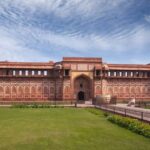
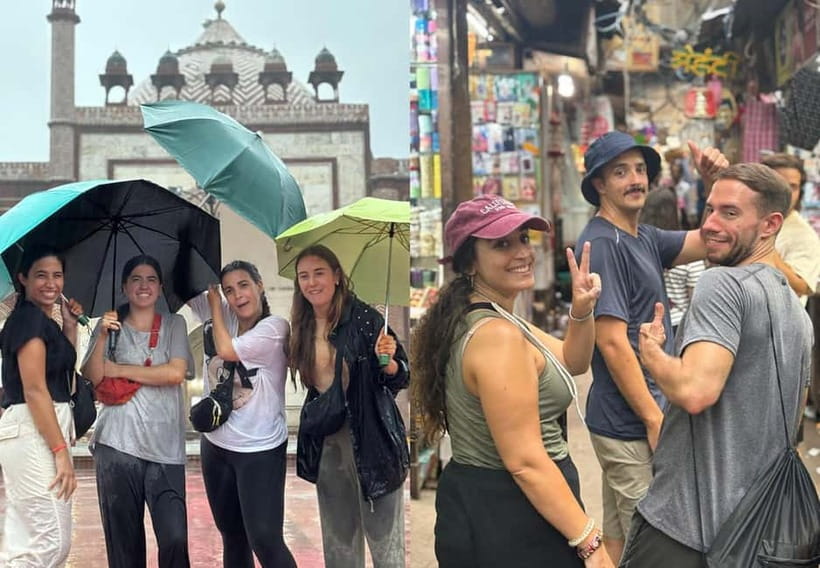
Next up is Jama Masjid, where the architecture does most of the talking. You get a photo stop plus time to visit and learn with your guide, and it’s one of the most recognizable religious landmarks in the route.
This is also where you learn how to behave in a place of worship. The tour includes visits to both a mosque and a temple, so you’ll need clothing that covers your knees and shoulders. That dress requirement isn’t just for etiquette—it changes how you feel in the space, because you’re participating respectfully rather than treating it like a backdrop.
Practical tip: go slowly during your visit. Crowd flow can change quickly near major prayer areas, and your guide will help you keep pace without getting stuck.
You can also read our reviews of more food & drink experiences in Agra


Shri Mankameshwar Mandir: the temple stop that balances the mosque
After the mosque, you’ll walk to Shri Mankameshwar Mandir, dedicated to Lord Shiva. The tone shifts, but the idea stays the same: you see how faith shapes the city’s rhythms in real time.
This segment usually includes another photo stop and guided visit, around 30 minutes. Because you’re on foot, you feel the transition—one lane is geared toward worship, the next is geared toward market life and snack breaks.
If you’re worried about religion-focused stops, keep this in mind: the tour isn’t about preaching. It’s about explaining what you’re seeing—how local tradition shows up in architecture, movement, and daily routine.
Rawatpara spice market: color, scent, and “why this works”
Then you head to Rawatpara, Agra’s famous spice market. This is where the tour leans hard into sensory learning. Spices aren’t just ingredients here; they’re a visual culture and a trading culture.
You’ll spend time at Rawatpara Road with guided sightseeing and food-related pauses (including chai in a clay pot). Even if you don’t buy anything, you’ll get a feel for how spices are displayed and talked about, and how vendors explain blends.
What makes this part valuable is the order. You’ve already been through a major market, and you’ve seen the religious stops. Now the “why” makes sense: food, spice, faith, and craft are linked in day-to-day Agra.
Seth Gali street-food tastings: where the tour earns its name
The tour’s heart is Seth Gali, where you’re looking for flavor you can’t get from a generic restaurant menu. This isn’t just one stop with one snack. It’s structured time for multiple tastings and browsing while you eat.
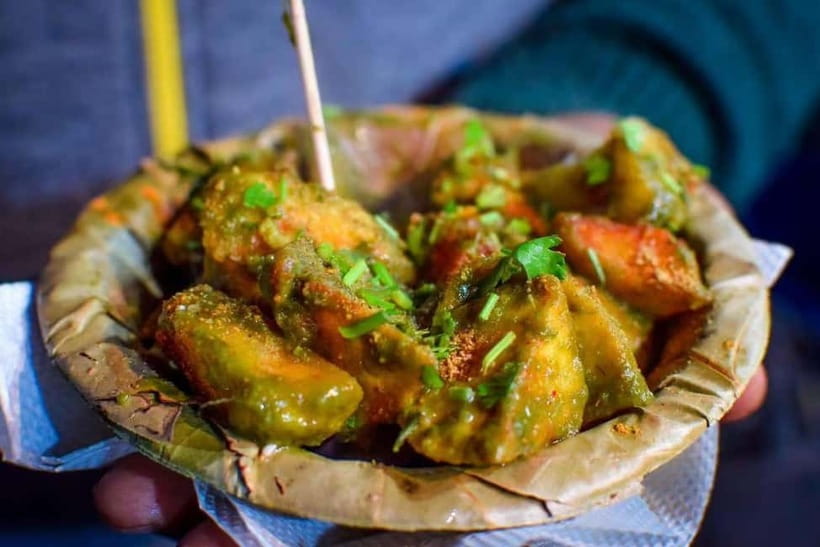
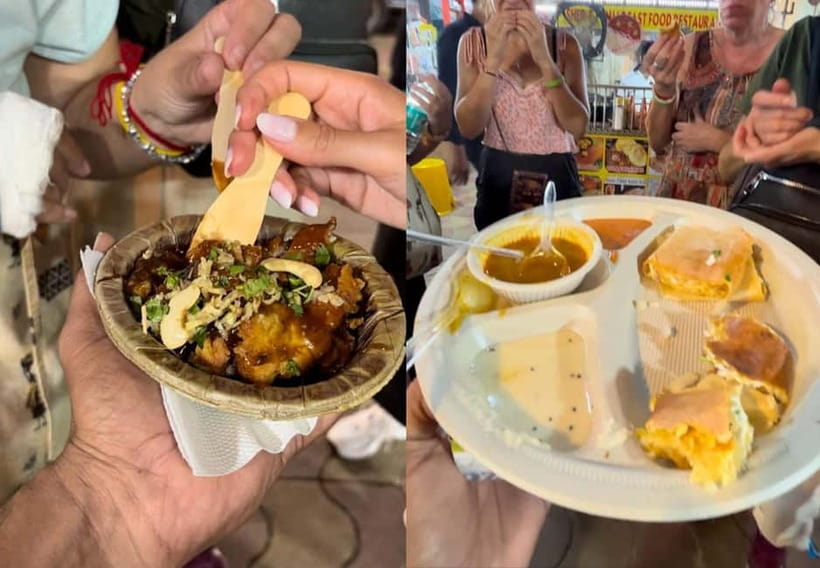
From the core itinerary, you may sample items like samosa, dhosa, aloo tikki, pani tikki, and sweets. Many guides also steer you toward dishes that match what’s available in season and what’s freshest that day.
A few extra highlights show up in real experiences on this route:
- Bhalla with curry, sometimes in small alleys where local life is visible
- Winter favorites like gajar ka halwa
- Sweet options such as barfi and sheermal (sweet naan)
And yes, you’ll likely have masala tea in a clay pot as part of the experience. That matters because it’s a local-style pause, not a quick caffeine grab.
Two practical notes so you don’t get surprised:
- This tour is about snacks and tastings, not full restaurant portions, though the quantity can be enough for dinner.
- Drinks aren’t included as a general rule, so stick to what’s part of the tastings unless your guide suggests otherwise.
How long you’ll walk (and how to handle it)
About 90 minutes of the tour is walking, even though the whole outing is only 2–3 hours. The remaining time is driving and visiting stops with your guide.
That means you should plan your shoes like you’re going for real street time. Flat, comfortable footwear wins. The lanes can be uneven, crowded, and a little unpredictable—especially when you’re moving between markets and religious areas.
Also, keep expectations realistic: you’re not strolling through a polished pedestrian zone. You’re in working neighborhoods. The guide’s job is to keep you safe and moving, and you’ll feel a big difference versus going alone.
Shopping stops and the craft-shop question
This route isn’t only eating and sightseeing. It includes shopping time, and in some versions of the experience, you may also get a craft-related stop where artisans show their work.
That can be genuinely interesting. You might see traditional approaches tied to jewelry, textiles, or crafts connected to marble/stone work, and it’s a good place to ask questions about materials.
Here’s the balanced take: a craft shop can turn into a sales pitch. Some people love the chance to watch the process and buy directly. Others get uncomfortable when pressure rises and you’re made to feel bad for not buying.
My advice: treat shopping as optional. You can browse, ask how items are made, and set a firm boundary early if you don’t want to spend.
Timing: choosing your afternoon or early evening slot
The suggested start time depends on season:
- In winter, you’re typically looking at 2 p.m. to 4 p.m.
- In summer, it’s often 4 p.m. to 6 p.m.
Choosing the right slot helps your comfort. In hotter months, later starts mean less heat while you’re walking. In cooler months, earlier can still work well, especially because markets and food activity tends to be lively across the afternoon.
If your schedule is tight—say, you’re also trying to time the Taj—this tour can be a great way to spend the earlier half of the day without waiting until night.
What to wear and basic rules that keep it smooth
You’ll visit both a mosque and a temple, so you’ll need clothing that covers your knees and shoulders. Comfortable clothing matters because you’ll be on your feet for a meaningful chunk of time.
Practical packing is simple:
- Wear comfortable shoes
- Use clothing that fits the modesty requirement
Rules are straightforward too. Alcohol and drugs aren’t allowed. That’s not a random policy—it keeps the experience focused on food, culture, and respectful visits.
Also, this tour isn’t suitable for pregnant women or for people with pre-existing medical conditions, which is important. The combination of walking and traffic exposure just isn’t a fit for everyone.
Who this tour is best for (and who should skip it)
This is a great fit if you want:
- A local-feeling tour of Old Agra without trying to navigate alone
- Street-food tastings that are guided, not random stall-hopping
- A meaningful mix of markets plus religious landmarks in a short window
It’s also a strong option for solo travelers who want structure. Multiple guides described here are careful about safety, including keeping you protected in busy areas and managing approaches from locals near the markets.
Skip it if:
- You can’t do about 90 minutes of walking
- You’re dealing with medical limits that make crowded streets and traffic a problem
- You’re looking for a quiet, sit-down food tour with minimal walking
Should you book this Old Agra street-food and spice-market tour?
I’d book it if you want an Agra “real life” experience that fits into a few hours. The price works because you get hotel pickup, private guide time, and tuk-tuk transport, plus structured tastings that go beyond a single snack.
The main decision is your comfort with street conditions. If you can handle a solid walking segment and you’re okay with markets that include shopping and possibly a craft stop, you’ll get a lot out of it.
If you hate sales pressure or you want a strictly food-only plan with zero shopping, you’ll need to manage that expectation ahead of time and keep control of your boundaries.
In short: this is one of the better ways to see Agra as more than one landmark.
FAQ
How long is the Agra Street Food Walking Tour, Spice Market, and Tuk-tuk Ride?
It runs about 2 to 3 hours.
Is hotel pickup and drop-off included?
Yes. Pickup and drop-off in Agra are included, and pickup can be from your hotel or another agreed location.
What’s included in the $14 price?
You get a private local tour guide, tuk-tuk transfer, and hotel pickup and drop-off. Street food snacks and sweets are included if you select the option.
Are monument entrance tickets included?
No. Monument entrance tickets are not included.
What street food can I try on this tour?
The tour can include samosa, dhosa, aloo tikki, pani tikki, and sweets. You may also try items like bhalla, chai, and seasonal sweets depending on what’s available.
Are drinks included?
No. Any kind of drinks are not included.
What languages are the guides available in?
The live tour guide is available in English and Spanish.
Do I need to buy tickets to skip lines?
You’ll skip the ticket line, but entrance tickets themselves are not included.
What should I wear?
Wear comfortable shoes and clothes that cover your knees and shoulders, since the route includes a mosque and a temple.
Is this tour suitable for everyone?
No. It is not suitable for pregnant women or people with pre-existing medical conditions.
Is alcohol allowed during the tour?
No. Alcohol and drugs are not allowed.