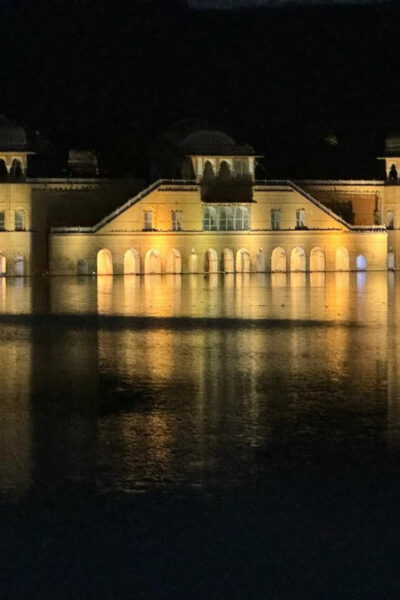
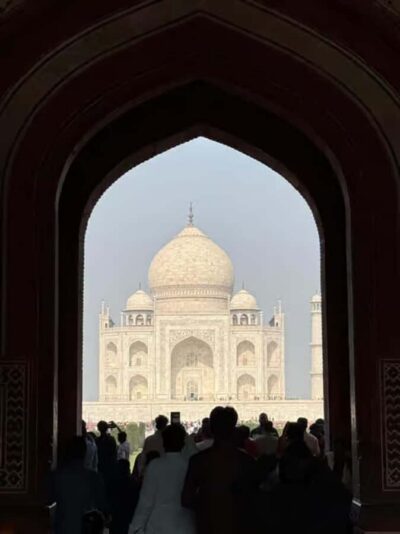
Delhi gets better away from the monuments map. This 8-hour loop turns up Purana Qila walls and the National War Memorial in one day, with a guide who keeps the stories clear. I liked how the route avoids the usual crowd magnets and gives you room to actually look.
Two stops I loved most were Lodhi Garden for its calm tomb-and-garden walking, and the switch in mood at Tughlaqabad Fort with big ruins and panoramic views. The one catch to plan for: monument entrance tickets and meals aren’t included, so you’ll want a little extra cash and a snack plan.
In This Review
- Key highlights
- The 8-hour structure: less crowd stress, more meaning
- Purana Qila: ancient walls you can actually picture
- The National War Memorial: a respectful pause with context
- Kalka Ji Temple: faith, legend, and everyday devotion
- Lodhi Garden: tombs, shade, and a better pace for photos
- Tughlaqabad Fort: ruins with serious scale and views
- Hauz Khas Fort: medieval structures in a modern city scene
- National Museum: making the monuments outside click
- Price and what $50 buys you in real terms
- Guides and driving: the difference between seeing and understanding
- Who this tour fits best—and who might want to rethink
- Should you book this tour?
- FAQ
- How long is the Delhi City Hidden Gems Tour?
- What is included in the tour price?
- Are monument entrance tickets included?
- Are meals included?
- What languages are the guides available in?
- Is hotel pick-up included, and where does it cover?
- Does the tour offer skip-the-line access?
- Is there free cancellation?
Key highlights
- A private, air-conditioned car for the full 8 hours so you spend less time fighting traffic stress and more time looking around
- Hotel pickup and drop included from Delhi (and the activity lists pickup from Agra and Jaipur too)
- Live multilingual guide service at every stop (English, Spanish, German, French)
- Skip-the-line access via a separate entrance to help time move faster
- Five distinct feels in one day: fort walls, solemn memorial, temple faith, tomb-garden calm, and fortress ruins/views
- National Museum as the final connector so the monuments outside make more sense
The 8-hour structure: less crowd stress, more meaning
This tour is built around a simple idea: you see Delhi at a human pace. With an included hotel pickup and return, you’re not burning time figuring out transport. The private air-conditioned car also means you get to keep moving even when traffic or weather changes.
The best part for me is the flow of moods. You start with massive fort history, then shift to a solemn national tribute, then to temple spirituality, then to a garden walk, and finally to two forts with views you can feel in your legs and eyes. It’s a smart day plan because each location adds a different piece of Delhi’s story.
One practical note: because it’s only 8 hours, you won’t have time to wander slowly for hours in one place. You’ll get a lot of highlights and context, but you still want comfortable shoes and a quick mindset.
You can also read our reviews of more city tours in New Delhi



Purana Qila: ancient walls you can actually picture
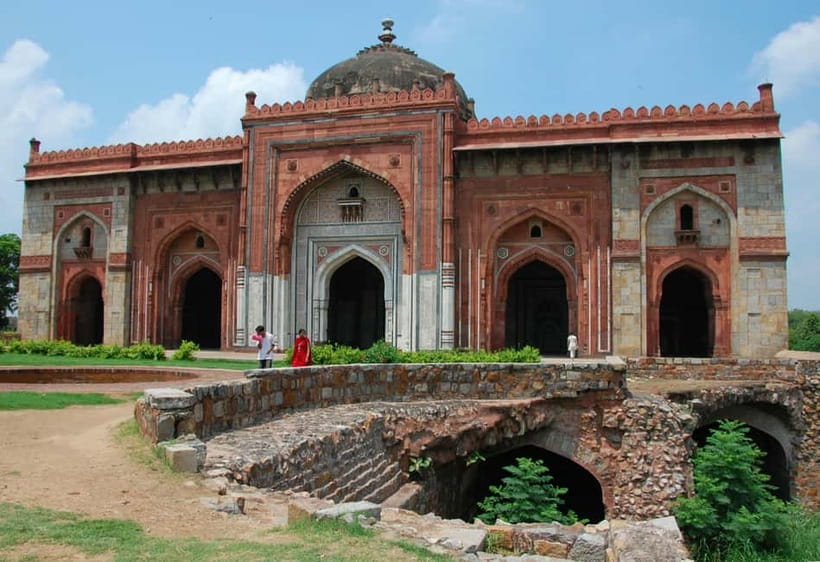
Purana Qila (Old Fort) is the kind of start that helps you get your bearings fast. The fort walls and older structures give you a sense of Delhi when it was still about fortifications, power, and protection. It’s not just a backdrop photo spot—you’ll walk along a scale that makes the city’s long timeline feel real.
What I like about this stop is that it’s early enough in the day to feel unhurried. You’re fresh, your eyes adjust, and you can take in the fort’s shapes without rushing. Your guide will help you connect what you see to the broader Delhi timeline, which is exactly what you want before you move on to memorials and later forts.
If you’re the type who enjoys ruins and stonework, this is a strong opening. Just remember: you may be on your feet quite a bit, so plan for a steady pace.
The National War Memorial: a respectful pause with context
After fort walls, the mood shifts to remembrance at the National War Memorial. This stop works because it’s not only visually striking—it’s also meant to be quiet in a good way. You’ll get a tribute to India’s brave soldiers, and your guide’s explanations help you understand what you’re looking at, not just where to stand for a picture.
I appreciate memorial stops more when someone gives you the background. Here, you’re not left guessing. Even if you’re not usually a memorial person, the experience tends to slow you down—in a useful way—before the day turns more historical again.
Practical tip: treat this as a moment to stand still and read. Even a few minutes of attention makes it feel more personal.
Kalka Ji Temple: faith, legend, and everyday devotion
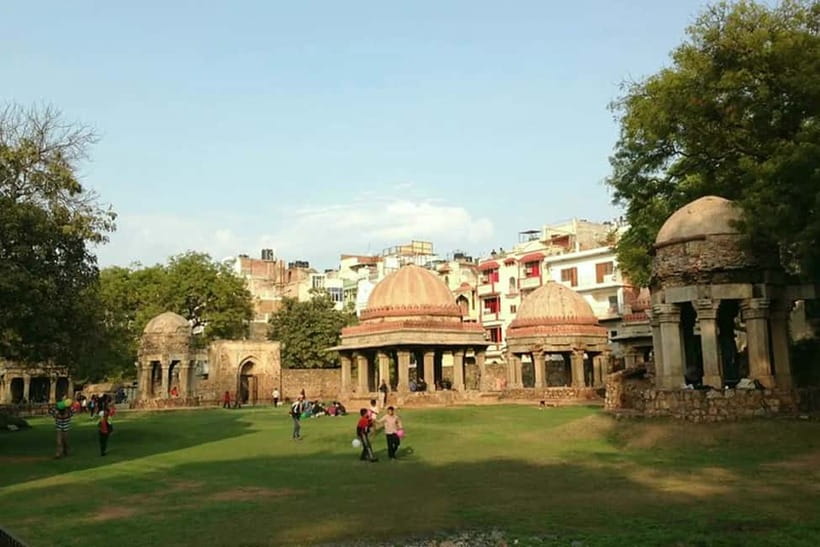
Shri Kalka Ji Temple is one of Delhi’s sacred sites, and it’s easy to feel that on arrival. The tour doesn’t just point you at the entrance; it frames the temple through its spiritual significance, including the belief that it dates back to the Mahabharata era.
That myth-to-faith connection matters because it changes how you interpret the place. Instead of seeing a stop on a route, you’re seeing something people carry in their daily lives. Your guide will keep the story grounded while you’re there, so you can follow along without getting lost in details.
Keep expectations practical: temple visits come with real-life sacred space rules and crowd flow. Wear clothing that fits a religious setting, and listen to what your guide recommends for respectful conduct.
Lodhi Garden: tombs, shade, and a better pace for photos
Lodhi Garden is a welcome change of rhythm. This is where you get greenery and the chance to walk among 15th-century tombs without the relentless museum-march feeling. For me, it’s one of the most comfortable stops on the day because it gives you space to breathe and look.
You’ll get a blend of history and nature, which is exactly why the garden works in the middle of a busy itinerary. After forts and temples, it’s a chance to reset your eyes and slow your feet. The tombs add the historical weight; the walking paths keep it from feeling like a checklist.
If you love landscape in the literal sense—trees, shade, open air—this is where you’ll notice it. And if you prefer quieter sightseeing, this stop usually feels calmer than the typical high-traffic landmark circuit.





Tughlaqabad Fort: ruins with serious scale and views
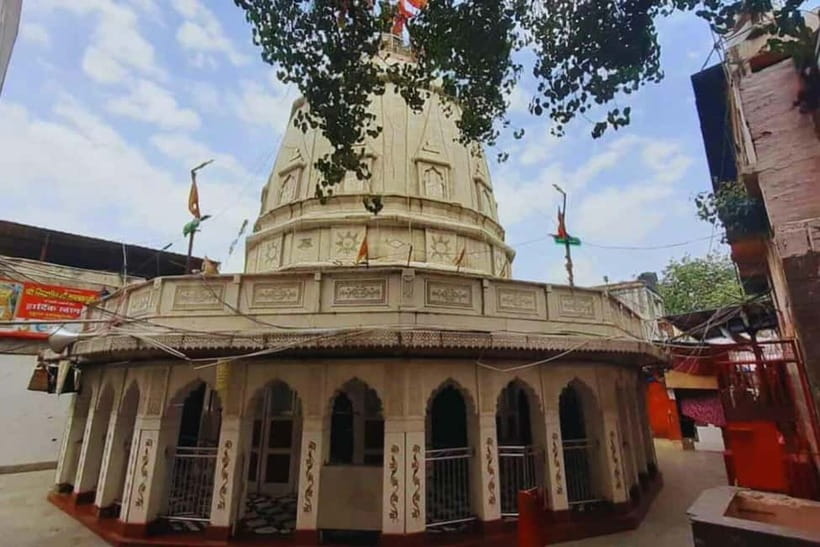
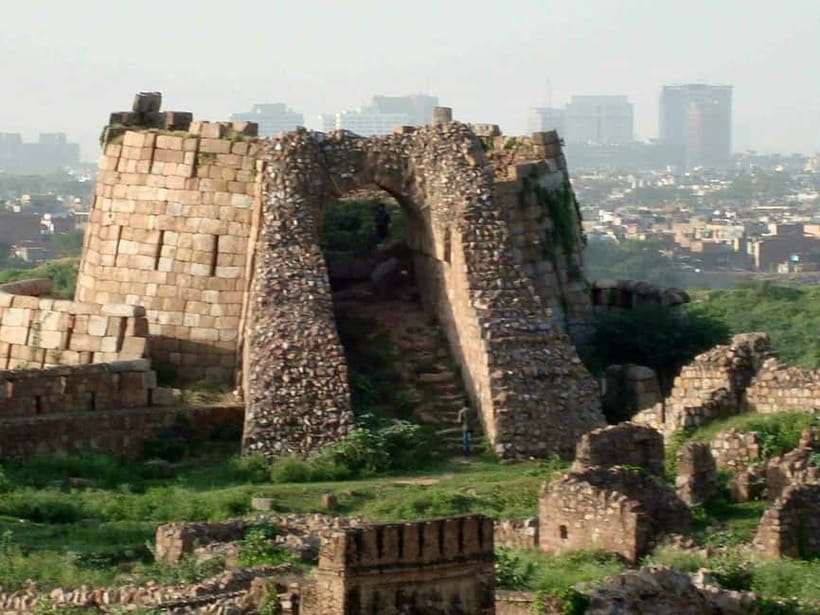
Tughlaqabad Fort brings the day back to big stone and big geography. This 14th-century fortress was built by Sultan Ghiyas-ud-din Tughlaq, and the ruins have a powerful presence. You’ll see the massive character of the fort while your guide explains why it’s remembered and what makes it feel mysterious.
The best part here is the views. Even if you’re not a “lookout view” person, the panorama helps you understand why forts were built where they were. You start to see Delhi as a strategic place, not just a modern city.
Possible drawback: fort ruins mean uneven walking. Wear shoes that handle rough ground and don’t plan on long, slow detours. Your guide will keep you moving at a good pace for the 8-hour structure.
Hauz Khas Fort: medieval structures in a modern city scene
Hauz Khas Fort is the “how does this fit here?” stop. The medieval structures blend with the more urban, contemporary vibe around them, and the historic water tank gives the site a practical, design-minded feel. It’s not only about walls and lookouts; it’s about how people managed space and water.
I like that this stop gives you contrast. By the time you get here, you’ve already seen tombs, temple faith, and fort ruins. Hauz Khas adds another layer: medieval architecture in a place that’s also alive today.
Your guide’s job is to connect what’s in front of you to what came before in the day. With that context, it doesn’t feel random or like a quick photo stop.
National Museum: making the monuments outside click
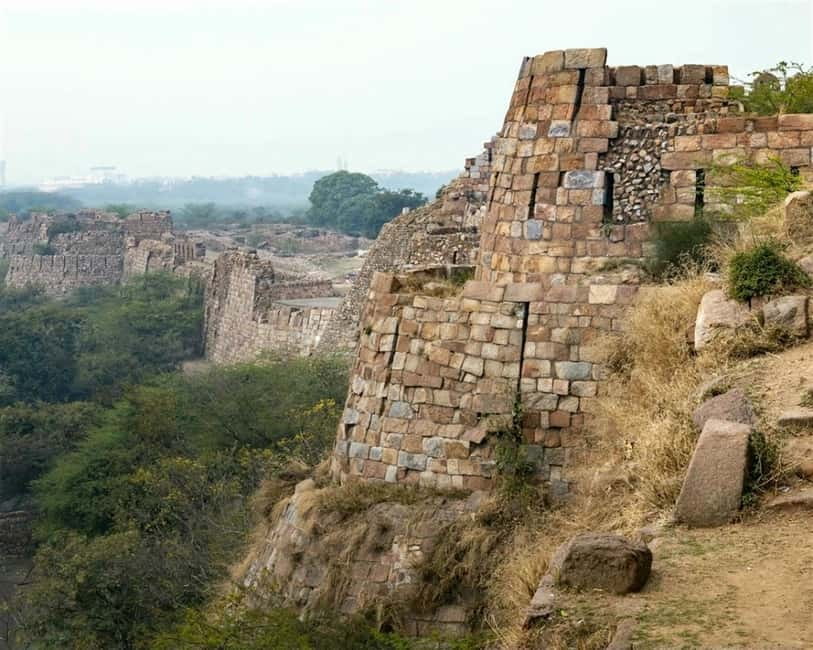
The National Museum is where the tour’s information stops feeling like separate pieces. You’ll look at artifacts spanning thousands of years, with ancient sculptures and royal treasures among what you’ll see. This works well as a finale because it ties into everything you’ve walked through outside.
I like ending with a museum for two reasons. First, it gives you a chance to slow down after forts and temple steps. Second, you leave with mental links: the stones outside make more sense once you’ve seen what objects and art were made and valued across time.
This is also a good stop if you’re a little history-hungry. If you’re not, don’t panic—your guide helps you focus on what’s most relevant to the day you just lived.
Price and what $50 buys you in real terms
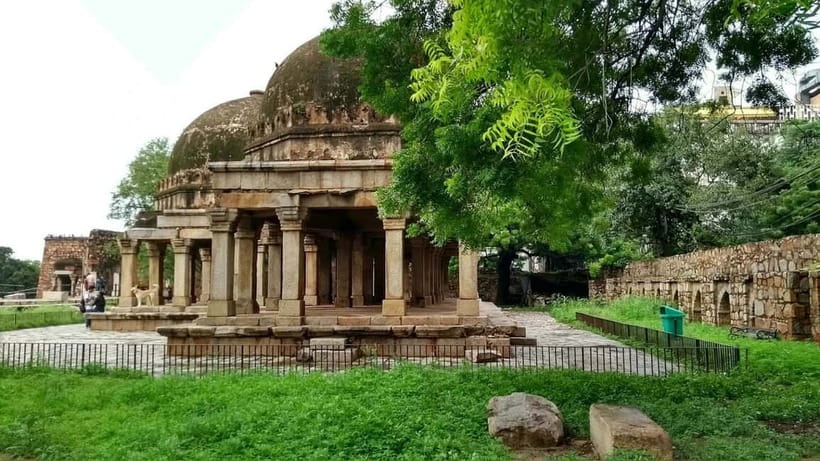
At about $50 per person for an 8-hour day, this tour is priced for value if you care about context—not just transportation. You’re paying for a private air-conditioned car with driver, hotel pickup and drop, live tour guiding at all places, and mineral water bottles. You’re also covered for driver allowances plus tolls, parking, and fees.
The part that can change your final spend: monument entrance tickets and meals aren’t included. That doesn’t make the tour overpriced; it just means you should budget for ticket costs on your own and grab snacks or lunch separately. If you already planned to enter sites anyway, the guide + car + coordination can still feel like a bargain.
For me, the biggest value is the guide time. When you’re moving between very different kinds of sites—forts, temple, memorial, museum—having someone explain what you’re seeing saves you from the “I saw it, but I didn’t get it” problem.
Guides and driving: the difference between seeing and understanding
The tour’s quality comes through in the human details. In different bookings, guides have been praised for high-level knowledge and careful attention to trip details. Names that came up included Vicky, Kaushal, and Gyanendra, and drivers named in feedback included Nawaz and Neerag.
Here’s why that matters to you: Delhi can be a lot. A smooth driver helps you relax and look out the window instead of watching the clock. A strong guide helps you connect what you see at Purana Qila, then make sense of the solemn memorial, then carry those threads into the forts and museum.
If you want an easier day, pick the option with live guiding in your language (English, Spanish, German, or French). It’s included, and it makes every stop feel more intentional.
Who this tour fits best—and who might want to rethink
This is a great fit if you:
- Want a full day of historical context without building a DIY route
- Prefer quieter sightseeing compared to the biggest tourist stampedes
- Like forts and monuments, but also appreciate a museum on the back end
- Travel with someone and want the comfort of a private car
You might rethink it if you:
- Only want one or two sites and would rather spend a slow half-day in one place
- Hate the idea that meals and entrance tickets are extra
- Want lots of free time to wander without a schedule (this day is packed by design)
If you like structure—but not rigid details—this one hits the sweet spot.
Should you book this tour?
Yes, you should book it if you want an efficient, guided day that shows Delhi beyond the usual headline stops. The mix of Purana Qila, the National War Memorial, Kalka Ji Temple, Lodhi Garden, Tughlaqabad Fort, Hauz Khas Fort, and the National Museum gives you a complete story arc: walls to faith to tombs to ruins to artifacts.
Book it with this mindset: bring comfortable shoes, budget for tickets and food, and let the guide do the heavy lifting. If you do that, you’ll walk away with a more connected Delhi in your head—and fewer “I saw it, but why?” moments.
FAQ
How long is the Delhi City Hidden Gems Tour?
The tour lasts 8 hours.
What is included in the tour price?
Included are hotel pick-up and drop, a private air-conditioned car with driver, live tour guide service at all places, mineral water bottles, driver allowances, and all tolls, parking, and fees.
Are monument entrance tickets included?
No. Monument entrance tickets are not included.
Are meals included?
No. Meals and drinks are not included.
What languages are the guides available in?
The live tour guide is available in English, Spanish, German, and French.
Is hotel pick-up included, and where does it cover?
Pick-up is included from any location in Delhi, Agra, and Jaipur (as listed for the activity).
Does the tour offer skip-the-line access?
Yes. It includes skip-the-line through a separate entrance.
Is there free cancellation?
Yes. You can cancel up to 24 hours in advance for a full refund.