REVIEW · VARANASI
Guide francophone à varanasi – Rakesh
Book on GetYourGuide →Operated by Guide francophone à varanasi - Rakesh · Bookable on GetYourGuide
One city can feel like a thousand stories. A 3-hour old-town walk with Rakesh is one of the easiest ways to understand what you’re seeing in Varanasi, from temple corners to the Manikarnika area. I like that he’s born and raised there, so the route feels like local knowledge, not a scripted checklist. I also like how clearly he explains the why behind Hindu traditions, including what surrounds cremation ceremonies. The only real drawback to consider is that it’s not suitable for everyone, since it’s listed as not ideal for wheelchair users and for people over 80.
This is a small-group tour (max 8) in French or English, paced for conversation and questions. You’ll have a bottle of water, entry fees are covered for the key stops, and you meet at Manmanidr Observatory on Dashashwamedh Road.
In This Review
- Key things that make this Varanasi walk special
- Why Rakesh’s French tour works in Varanasi
- Meeting at Manmanidr Observatory on Dashashwamedh Road
- Old city lanes: seeing Banaras like a local
- Nepali Temple entry: small space, strong meaning
- Vishalakshi Temple: learning the meaning behind the scenes
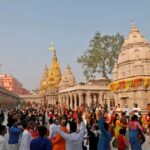
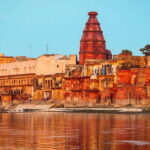
- Manikarnika Ghat: cremation ceremonies with context
- Hidden temple moments you’ll feel more than photograph
- Small group size and live French/English guidance
- Duration and pacing: 3 hours in a city that moves fast
- Price and value: why about $24 feels fair here
- Who this tour is a great fit for
- Who should skip it
- Should you book this Varanasi guide with Rakesh?
- FAQ
- What languages does Rakesh speak on this tour?
- How long is the tour?
- Where is the meeting point?
- What’s included in the price?
- Is there a small group size?
- Does the tour include entry to Manikarnika?
- Is the tour suitable for children or older adults?
- What are the cancellation and payment options?
Key things that make this Varanasi walk special
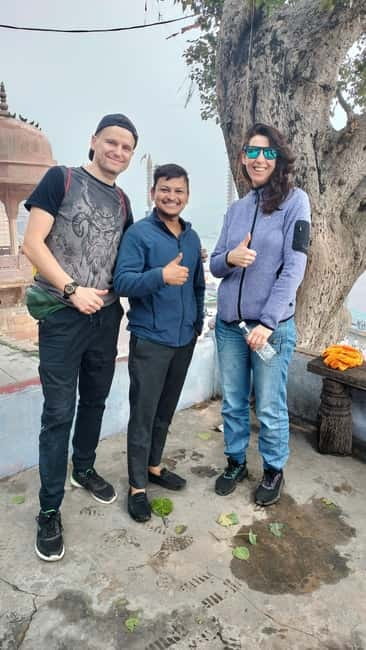
- Rakesh’s French that actually works on the street, not just in theory
- Hidden-temple style routing, with quiet corners you’d likely miss alone
- Temple entry fees included for Nepali Temple, Vishalakshi Temple, and Manikarnika
- Spiritual context for what you’re seeing, including cremation ghats and ceremony explanations
- Small group size (8 max) keeps the tour from feeling rushed or chaotic
Why Rakesh’s French tour works in Varanasi
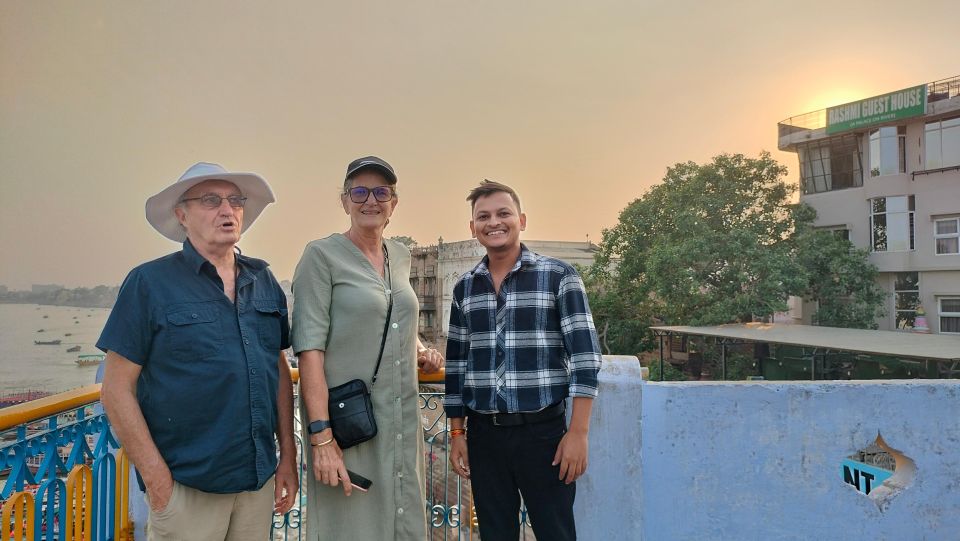
Varanasi can overwhelm first-time visitors fast. The streets twist, temples appear where you don’t expect them, and spiritual life is woven into daily routines. What I value most about this tour is that it treats the city like a living system, not a set of sightseeing stops.
Rakesh isn’t just a guide with facts. He’s a local who was born and raised in Varanasi, with a family that’s lived there for generations. That matters because it shows up in the way the tour flows: he can point to small details and connect them to traditions you’ll recognize later as you keep exploring.
Two things consistently shape the quality here. First, he communicates in clear, strong French, so you can follow the meaning without straining. Second, his explanations focus on the why and how of Hindu practice, which turns photos into understanding.
The pace also feels made for reflection. People often want Varanasi to be one big blur. Here, you slow down just enough to notice what’s happening around the temples, and why certain places matter.
You can also read our reviews of more guided tours in Varanasi

Meeting at Manmanidr Observatory on Dashashwamedh Road
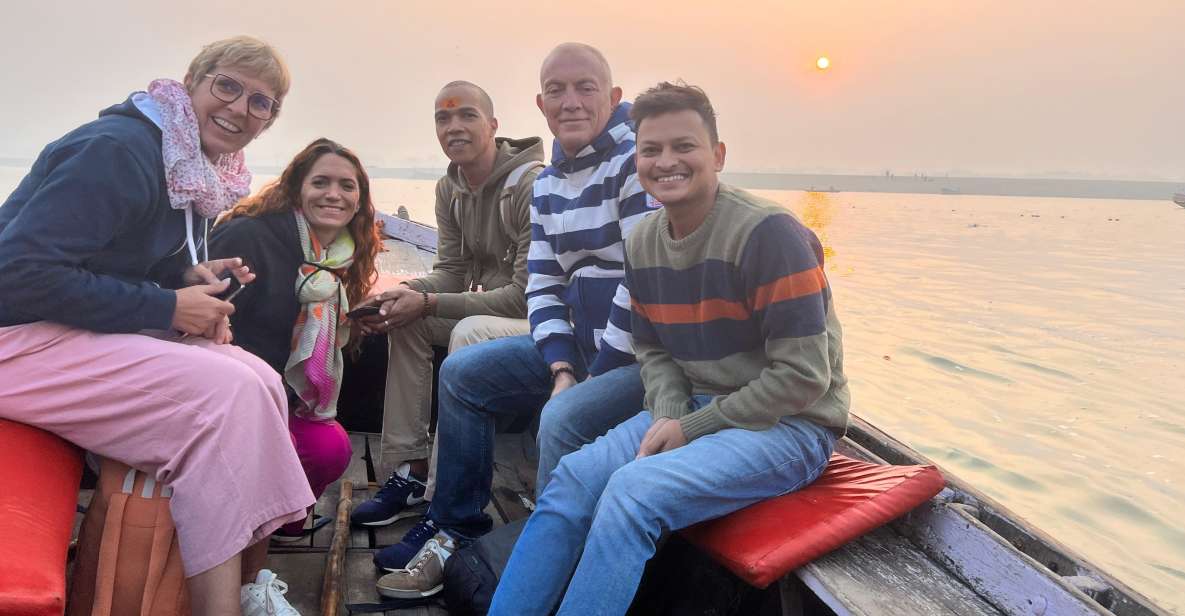
You start at Manmanidr Observatory on Dashashwamedh Road. That’s a practical choice because it gets you anchored to a known location before you move into the tighter old-city lanes.
In my experience planning city walks, the first 10 minutes can make or break the day. A solid meeting point helps you avoid stress, especially in a city where directions can shift street by street. With Rakesh, you’re also not just handed a map. You’re set up to understand what you’ll be passing.
One more thing I like: you don’t start cold. There’s a warm, human tone to the beginning of the tour, and some visitors find the welcome moment helpful for settling in before walking deeper into the old city.
Old city lanes: seeing Banaras like a local
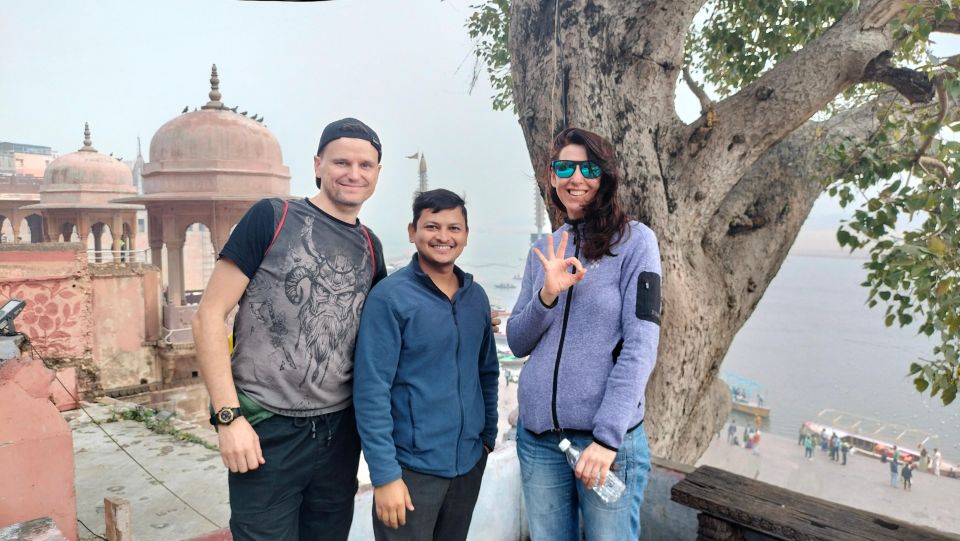
The core of the tour is walking through Varanasi’s older lanes, where you actually see how people live alongside religious landmarks. This is where Varanasi stops being abstract. You notice rhythms: where conversations happen, where foot traffic turns, and where a temple becomes part of the neighborhood’s everyday attention.
I like that the tour is framed as discovering Banaras like a local. That’s not marketing fluff. It shows up in the attention to smaller routes and less-obvious corners, including places described as hidden or quieter. You’re not only moving from one famous spot to the next. You’re building a mental map of the city’s spiritual geography.
This approach also helps with one common problem in Varanasi: you can stand in front of a temple and still feel lost about what you’re looking at. The guide’s job here is to give you a framework so the details make sense as they appear.
And because it’s a live guide in French or English, you can ask questions as you walk. That’s important in Varanasi, where the same symbol can mean different things depending on the tradition and context.
Nepali Temple entry: small space, strong meaning
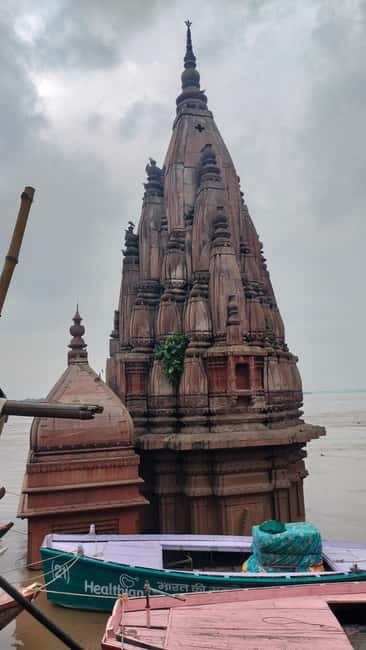
One of the included temple visits is the Nepali Temple, with entry fees covered. Temples like this often feel like they belong to a wider religious and cultural network across regions of India and beyond.
What I find valuable is not just stepping inside. It’s having an explanation for what you notice while you’re there. A guided context is especially useful in temples because architectural and devotional details can be symbolic, not just decorative.
You’ll also experience the tour as a sequence, not an isolated stop. A visit like the Nepali Temple works best when it’s tied to what you’ve already learned in the previous parts of the walk. That’s how the tour is set up: each stop adds a layer, so the next one doesn’t feel random.
If you’re the kind of visitor who likes understanding religious life in practical terms—how worship works, what different spaces communicate—this stop is a strong fit.
Vishalakshi Temple: learning the meaning behind the scenes
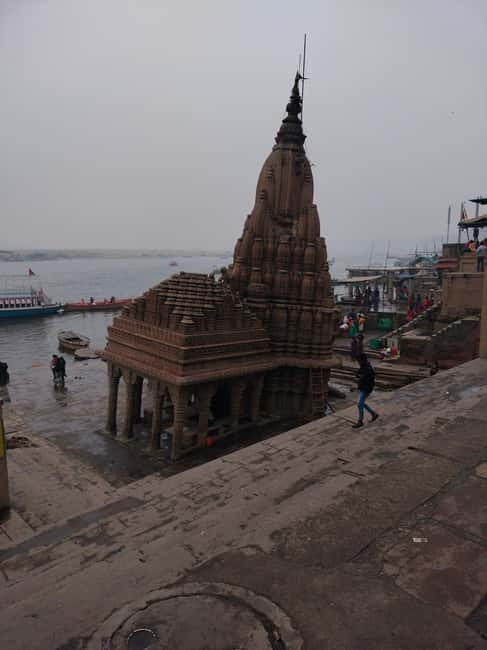
Another included entry is the Vishalakshi Temple. The tour doesn’t treat temples as background scenery. Instead, it gives you a way to interpret what you’re seeing.
I like this part because it’s one of the places where your questions can quickly become more than curiosity. Once you understand a tradition’s logic, you start noticing patterns: how devotees move, what attention is placed on, and how the space supports devotion.
The guide’s strength is in translating religious ideas into clear explanations. That’s what keeps the tour from becoming a quick photo run. You’re learning the background of Hindu concepts, then applying that understanding while you stand in front of the temple.
Also, because the tour is small group limited to 8 people, it’s easier to get personal pacing. You won’t feel like you’re competing with a line of strangers to ask what a symbol means or why a ritual happens.

Manikarnika Ghat: cremation ceremonies with context
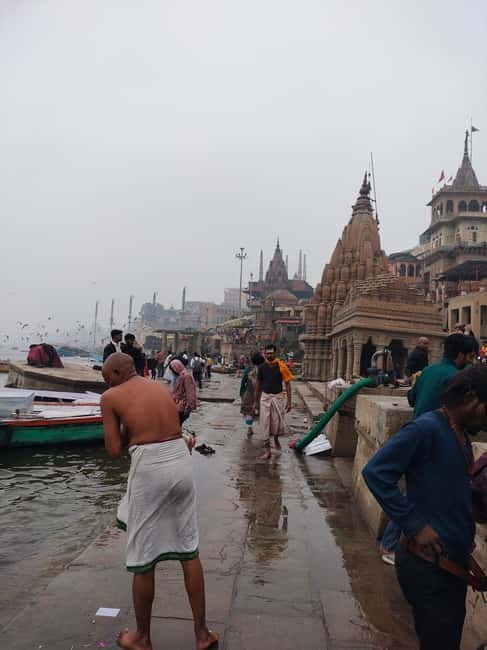
The tour includes entry fees for Manikarnika. This is the area most associated with cremation ceremonies in Varanasi, and it can be emotionally intense for visitors who have only seen related imagery from afar.
What I appreciate here is that the guide doesn’t leave you to guess. Explanations are part of the experience, including context that helps you understand why these ceremonies happen there and how people interpret them within Hindu belief.
This kind of stop is not about sensational viewing. It’s about comprehension and respectful presence. A good guide helps you avoid the two extremes: turning away because you’re uncomfortable, or staring because you don’t know what you’re seeing.
If you want to understand Varanasi’s spiritual logic, this stop matters. You can’t fully grasp the city without confronting the rituals connected to life, death, and belief.
Practical note: because the tour is listed as not suitable for wheelchair users and for people over 80, you should also think about physical comfort if you’re considering the Manikarnika portion. The tour is designed for walking through old-city areas.
Hidden temple moments you’ll feel more than photograph
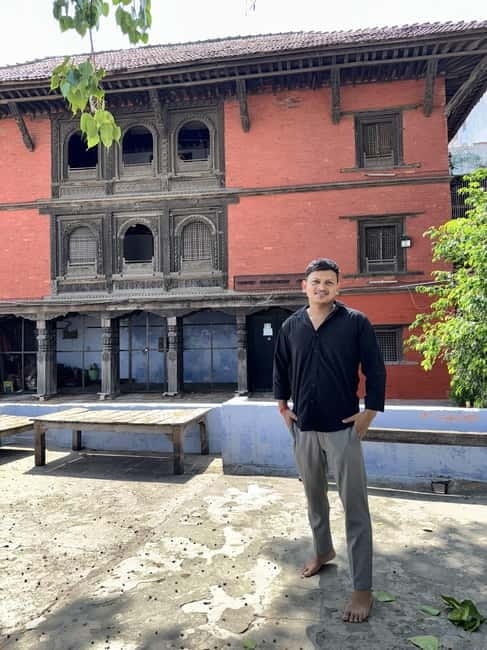
One of the highlights is discovering hidden temples in Varanasi. That phrase can sound vague, but the point here is specific: you’re guided to quieter spaces and less-obvious corners where the city’s spiritual atmosphere feels more intimate.
In Varanasi, famous landmarks get attention. Hidden places often show you the city’s quieter religious life. That’s where you understand how devotion fits into everyday routines, not just tourist routes.
I like that this tour leans into “hidden” rather than “famous.” It’s a better value choice if you’ve already seen a few temple exteriors in other cities, because it gives you something different: local pathways and smaller devotional spaces.
The guide’s local knowledge is the difference. Left to your own devices, you might walk past meaningful doors and side shrines because they blend into the street. With Rakesh, those details become part of a coherent walk.
Small group size and live French/English guidance
This is a small group tour limited to 8 participants. That changes the whole experience. You can ask questions without the guide having to keep repeating himself over a large crowd, and the pacing stays more human.
Language also matters. This tour runs with a French-speaking guide, and it’s also available in English. If you’re booking because you want French, you’re choosing an advantage: you’ll likely follow more nuance about traditions, symbols, and meanings.
I also like the tone described around the tour: Rakesh comes across as attentive and patient, with clear explanations. That combination is what helps when the subject matter is spiritual and complex.
Another small practical plus: one bottle of water is included. In a 3-hour walking experience, that’s not just comfort. It helps you focus on the tour instead of thinking about logistics every 15 minutes.
Duration and pacing: 3 hours in a city that moves fast
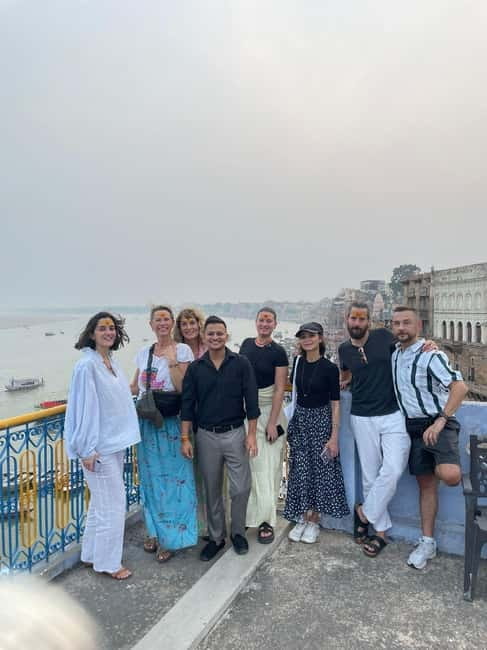
The tour lasts about 3 hours. That’s a smart duration for Varanasi because you get enough time to cover multiple key points—temples plus Manikarnika—and still feel like you can continue exploring afterward.
A 3-hour walk also keeps the emotional intensity manageable. For many visitors, Manikarnika is the heavy moment. If you were out there longer without context, it could tilt the whole day. Here, it’s built into a structured flow of explanations and sites.
This length also helps with planning. You can fit it into a half-day schedule, pair it with other parts of the city later, or use it as your orientation tour.
Price and value: why about $24 feels fair here
The price is listed at about $24 per person for a 3-hour guided walk. On paper, that sounds simple. In practice, the value comes from a few concrete elements.
First, entry fees are included for the Nepali Temple, the Vishalakshi Temple, and Manikarnika. That’s part of what you’re paying for. Second, you get a live guide in French or English, not an audio track. In a city where context is everything, that’s the real cost driver.
Third, the group is capped at 8. Smaller groups usually mean better interaction and less waiting. If you’ve ever been stuck behind people who ask the same question three times, you know why that matters.
Is it the cheapest option? Maybe. But if you care about understanding what you see instead of collecting snapshots, this is the kind of price that feels reasonable for what you receive.
Who this tour is a great fit for
This tour is a strong match if you want a structured way to understand Varanasi’s spiritual world without feeling forced into a fast itinerary.
You’ll likely enjoy it most if:
- You prefer a guide who speaks French clearly
- You like religious context and explanations about Hindu traditions
- You’re curious about the cremation ghats area and want an interpretive framework
- You want smaller-group comfort (8 max) during walking segments
It’s not suitable for children under 10, wheelchair users, or people over 80. If any of those apply to you, it’s worth choosing another format that better fits your needs.
Who should skip it
If you want only sightseeing and don’t want explanations tied to religious rituals, this may feel too explanatory. Likewise, if you know you’re not comfortable with the topic of cremation ceremonies, this stop may be challenging even with context.
Also, if you’re looking for a mostly seated, minimal-walking tour, this one is built around walking through lanes and reaching multiple temple areas in 3 hours.
Should you book this Varanasi guide with Rakesh?
Book it if you want the easiest path to understanding what Varanasi is doing spiritually, not just visually. The mix of temple visits (Nepali Temple, Vishalakshi Temple, Manikarnika) and the focus on the meaning behind rituals is exactly what makes this kind of guided experience worth it.
Skip it if you’re sensitive to cremation-related ceremonies or if your mobility needs don’t align with a walking, old-city route. Also, if French language support is not a priority for you, you might compare options based on what language and tone you prefer.
If you’re planning your first serious Varanasi experience, I’d treat this as a strong foundation tour. It helps you see more later, because you walk away with a framework, not just memories.
FAQ
What languages does Rakesh speak on this tour?
The guide speaks French and English.
How long is the tour?
The duration is 3 hours.
Where is the meeting point?
You meet at Manmanidr Observatory on Dashashwamedh Road.
What’s included in the price?
A bottle of water is included, and entry fees are covered for the Nepali Temple, Vishalakshi Temple, and Manikarnika.
Is there a small group size?
Yes. The group is limited to 8 participants.
Does the tour include entry to Manikarnika?
Yes. Entry fees in Manikarnika are included.
Is the tour suitable for children or older adults?
It is not suitable for children under 10 years, wheelchair users, or people over 80 years.
What are the cancellation and payment options?
You can cancel up to 24 hours in advance for a full refund, and there is a reserve-and-pay-later option.