REVIEW · NEW DELHI
Delhi: National Museum Tour
Book on GetYourGuide →Operated by Crystal India Holidays · Bookable on GetYourGuide
A museum can feel like a textbook—if you do it right, it doesn’t. This Delhi National Museum tour turns artifacts into stories, from Indus Valley seals to miniature paintings and decorative crafts, all guided in clear English. I especially like how the visit is organized by gallery so you don’t get lost, and I like the private setup with hotel-area pickup that saves time in traffic.
One thing to consider: the museum experience depends on what’s open that day. In one recent experience with guide Divi, not all areas were available, and the tour ran a bit shorter than expected, then he made up for it with extra time at a major photo stop in the city.
In This Review
- Key Highlights You’ll Notice Fast
- Private Pickup and a Car That Keeps the Day Moving
- Photo Stop + National Museum Entrance: Starting With a Plan
- Harappan Civilization Gallery: Indus Valley Clues You Can Read
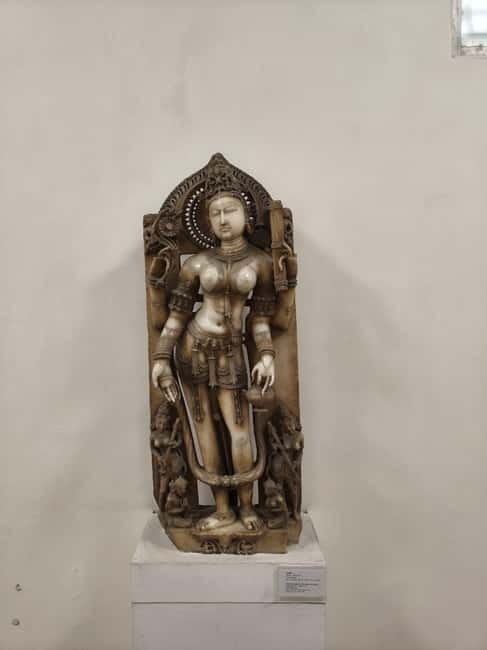
- Maurya and Gupta Art: When Power Shows Up as Sculpture
- Buddhist Art Gallery: Relics, Statues, and Murals Across Regions
- Miniature Paintings Gallery: Small Works, Serious Technique
- Decorative Arts Gallery: Jewelry, Textiles, and Everyday Craft Genius
- Arms and Armour Gallery: Weapons as Engineering and Craft
- Temporary or Special Exhibits: Extra Value If Time Allows
- Ending at the Museum Café and Shop: A Clean Wrap-Up
- Price and What You Actually Get for About $17
- Who This Tour Fits Best in Delhi
- Should You Book This Delhi National Museum Tour?
- FAQ
- How long is the National Museum tour?
- Does the tour include hotel pickup and drop-off?
- Is there an English-speaking guide?
- What galleries will I visit?
- Are entrance tickets and transport included?
- Are meals included in the price?
Key Highlights You’ll Notice Fast
- Harappan Civilization gallery with pottery, seals, and sculptures tied to Indus Valley life
- Maurya and Gupta art rooms showing how sculpture and design evolved through key periods
- Buddhist Art Gallery covering relics, statues, and murals across regions
- Miniature paintings gallery where small works show big technique and storytelling
- Decorative arts gallery featuring jewelry, textiles, and craft items worth slowing down for
- Arms and armour gallery for the craftsmanship behind weapons and protection
Private Pickup and a Car That Keeps the Day Moving
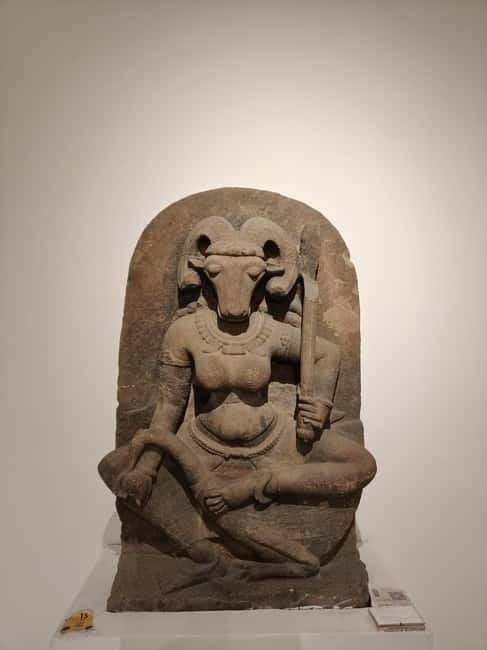
The biggest practical win here is the door-to-door plan. You can be picked up from your hotel, the airport, the train station, or any chosen spot in Delhi, Noida, or Gurugram. That matters because you’re not trying to coordinate buses or taxis right when you’d rather be walking inside a museum.
You ride in a private, air-conditioned car, and you get bottled mineral water during the journey. It’s a small detail, but it keeps the morning or afternoon from turning into a scramble. The tour is also a private group, so you’re not stuck waiting for other people’s photo timing or shopping pace.
The visit itself is guided in English. That’s a big deal at a museum like this, where names, dates, and regional styles can blur together if you’re reading only on your own. Your guide helps connect the galleries into one timeline rather than six separate rooms.
You can also read our reviews of more museum experiences in New Delhi


Photo Stop + National Museum Entrance: Starting With a Plan
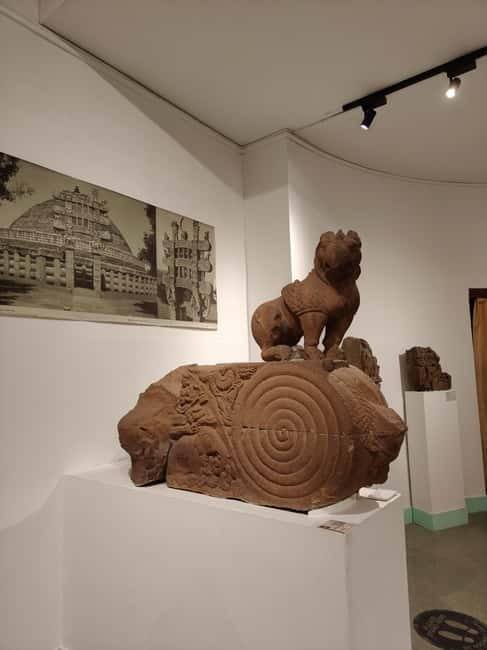
When you arrive at the museum, you’ll typically get a photo stop and then move into the visit. The tour is structured like a guided route through major sections, which is exactly what you want when you only have about 1.5 to 2.5 hours.
Think of the format like this: you’re not just seeing objects. You’re seeing how different eras and artistic traditions explain each other. The guide points out what to look for in each gallery, so you spend your time on details that actually change your understanding—like how materials and techniques shift from one period to another.
Harappan Civilization Gallery: Indus Valley Clues You Can Read
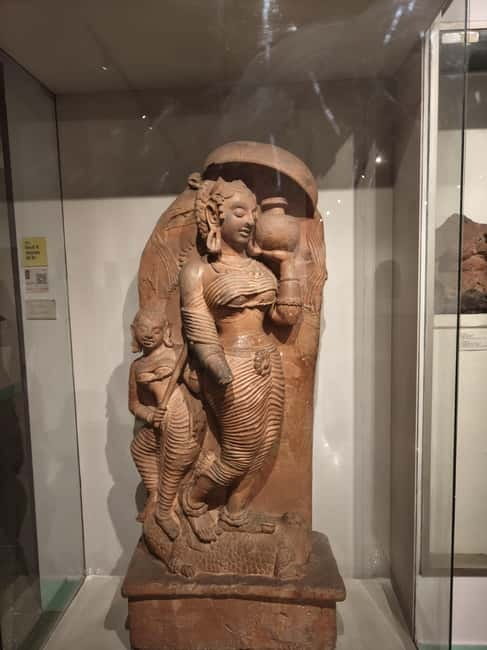
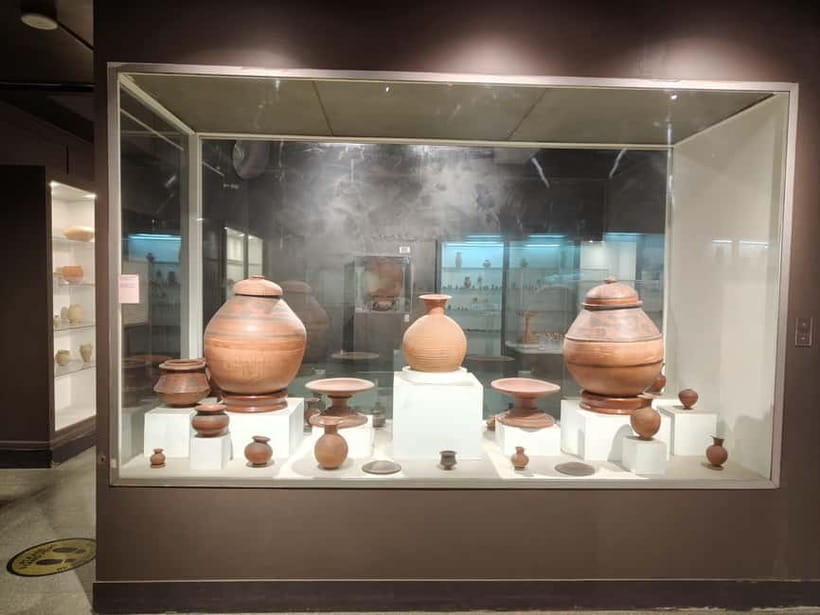
The first gallery takes you into the Harappan Civilization (Indus Valley Civilization) with artifacts such as pottery, seals, and sculptures. Even if you’re not a “history person,” this section works because it’s tangible. You can look at objects and then listen to how daily life and advanced city planning show up in what people made.
Here’s what I like about starting with this room: it sets a baseline. Later galleries make more sense when you’ve already seen how early urban life, craft, and design were organized. Your guide helps translate the artifacts from standalone items into evidence of how people lived—how they planned spaces, how they made things, and how their symbols and workmanship traveled.
If you’re the type who enjoys noticing patterns, this gallery gives you that. Seals and pottery don’t just look “old.” They show repeated styles and practical choices. You’ll likely walk out thinking about everyday organization, not only rulers and temples.
Maurya and Gupta Art: When Power Shows Up as Sculpture
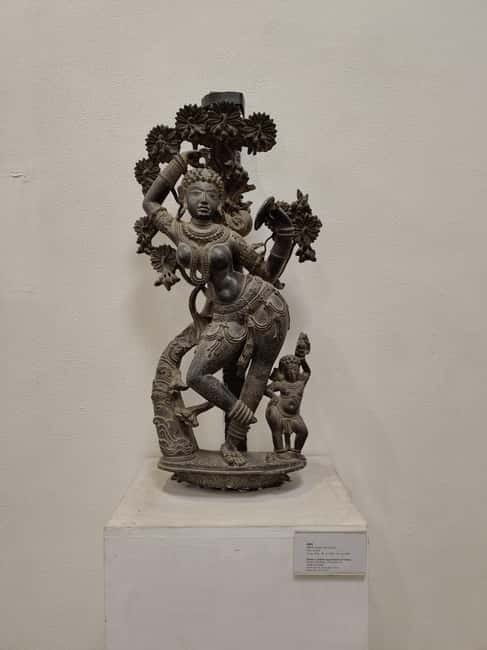
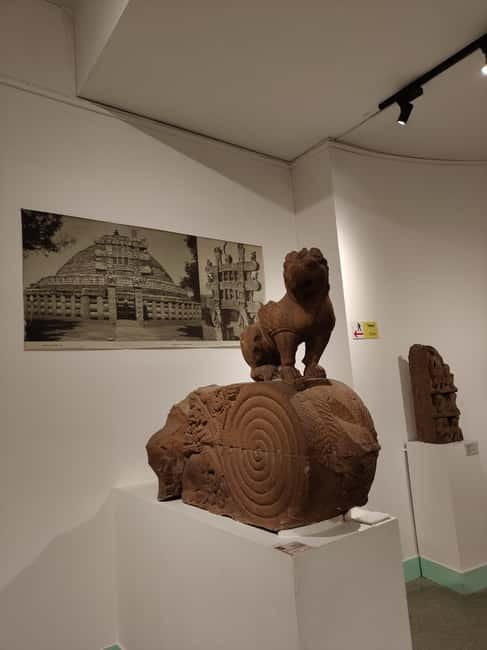
From the Harappan section, you move into the Maurya and Gupta Art areas. This is where the tour starts to feel like a cultural timeline. You’ll see sculptures and other artifacts tied to influential periods in Indian history, and your guide explains how artistic styles changed as ideas, power, and building traditions evolved.
In a museum setting, sculpture can be easy to skim if nobody points out why it matters. The value here is that you’re not left with vague “beautiful art” talk. You get help connecting the look of the pieces to what those periods were known for, so you can tell the difference between style and simply “prettiness.”
One more practical point: because the tour is private, you can slow down when you find a piece that pulls you in. If sculpture isn’t your favorite art form, you still get enough context to understand why the Maurya and Gupta period matters for what comes next.
Buddhist Art Gallery: Relics, Statues, and Murals Across Regions
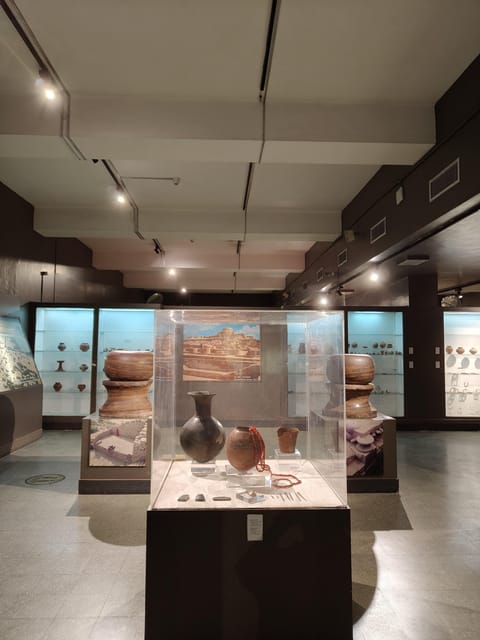
Next comes the Buddhist Art Gallery, with relics, statues, and murals from various regions. This is a good section for anyone who’s curious about how religions travel and how culture shifts along the way.
Your guide doesn’t just show objects here. The goal is to connect the spread of Buddhism across Asia with its cultural impact. That turns the gallery from a set of religious artifacts into a story about movement—people, ideas, and artistic expression traveling together.
I also like that this section adds texture. After Indus Valley and then the Maurya/Gupta periods, Buddhism brings a different kind of visual language through murals and iconography. Even if you’ve seen a few Buddhist images before, you’ll probably notice how the tour frames them as part of a larger regional network.

Miniature Paintings Gallery: Small Works, Serious Technique
The miniature paintings gallery is where the tour starts rewarding your patience. Miniatures are easy to underestimate because they look small from a distance, but the whole point is precision—colors, figures, and fine detail built into a compact space.
You’ll admire miniature paintings from different parts of India and learn about themes, techniques, and historical context. That’s important, because miniature art can feel abstract if nobody explains what the artists were aiming to show and how the style developed for its time.
Here’s the practical value: your guide helps you look past the surface. You’re learning what to notice—how themes are chosen, how detail supports storytelling, and how technique ties back to a place and period.
If you love art with craftsmanship, plan to spend a bit more mental energy here. This section is the one most likely to make you pause and think, because the skill is visible in a way that big sculptures sometimes hide.
Decorative Arts Gallery: Jewelry, Textiles, and Everyday Craft Genius
Then you move into Decorative Arts, where you can explore jewelry, textiles, and decorative objects. This gallery is especially good if you like the idea of art living in daily life, not only in monuments.
What you’ll take from this section is craftsmanship—how materials become wearable expression, how textiles reflect technique and design choices, and how decorative objects communicate cultural taste. Even if you don’t know the terminology yet, your guide’s explanations help you connect items to traditions and practical artistry.
This gallery also makes the tour feel less academic. Instead of a strict sequence of eras, you get a chance to appreciate design as a lived skill. It’s a strong contrast to the arms and armour section that comes later, too.
Arms and Armour Gallery: Weapons as Engineering and Craft
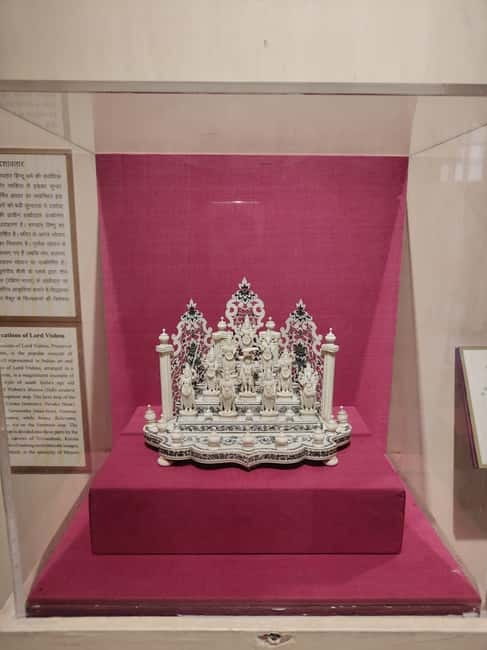
The arms and armour gallery can be surprisingly fascinating if you treat it as design and technology. You’ll see an array of weaponry and armour from different periods, and your guide helps explain how military technology evolved, plus the artistry involved in creating these pieces.
This section works best when you look at it as two stories at once: function and decoration. Weapon-making and protection weren’t only about effectiveness. They were also about materials, construction methods, and the skill it took to make something that had to survive real use.
If you’re not into weapons, don’t panic. The tour frames these objects as historical artifacts and highlights how craftsmanship and evolution connect across time.
Temporary or Special Exhibits: Extra Value If Time Allows
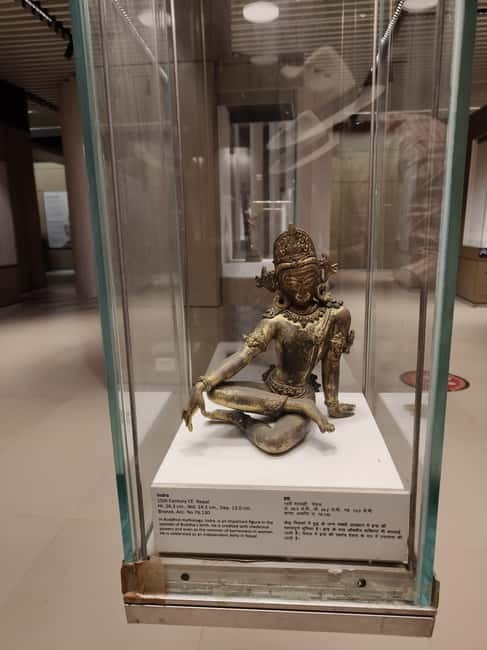
If there’s time, you may get a special exhibit or temporary gallery on the schedule. This can range from contemporary art to specific cultural artifacts, depending on what’s on view during your visit.
I like keeping this slot optional. Museums can be unpredictable on openings and scheduling, and a flexible add-on helps you get more out of your time without forcing a rigid plan. If a temporary exhibit is available, it’s a quick way to add variety to the core galleries.
If not, you still finish the structured route, so you’re not left without the main highlights.
Ending at the Museum Café and Shop: A Clean Wrap-Up
The tour typically finishes with two stops that make practical sense: the museum shop and then a light break at the café.
At the shop, you can buy souvenirs, books, and replicas of artifacts. The shop is also useful as a “memory tool.” If a gallery piece caught your attention, a book or replica can help you keep the details in your head for the rest of the trip.
At the café, you can relax with a light snack or refreshment before heading out. Meals aren’t included in the tour, so this café stop is your built-in chance to grab something easy. It’s also a good moment to review what you saw while it’s still fresh.
Price and What You Actually Get for About $17
At around $17 per person for a private tour, the value comes from the bundle. You’re paying for more than a ticket—you’re getting:
- a local government-approved guide
- entrance tickets
- private, air-conditioned transport
- bottled mineral water during the drive
- all taxes and handling charges
Meals are not included, so you’ll want to plan for food on your own (or use the café at the museum). But for 1.5 to 2.5 hours, the structure is what makes it feel worth it. You’re not spending the whole time figuring out what to see. You’re seeing key galleries with an English-speaking guide who keeps the visit coherent.
One more value signal: the private setup. You’re not waiting on strangers, and the timing is adjustable to your pace and the day’s conditions. In one experience with guide Divi, the tour ran shorter due to areas not being open, and he compensated with additional time at a major city photo stop, which shows how the day can be managed if the museum’s schedule changes.
Who This Tour Fits Best in Delhi
You’ll like this tour if you:
- want a guided overview of major collections without committing to a full day
- enjoy art and want context for what you’re seeing, not just descriptions
- like the mix of ancient civilizations, religious art, and decorative craft
- prefer the convenience of pickup and drop-off across Delhi-area neighborhoods
You might skip it if you’re the kind of visitor who wants to wander independently for long hours and go deep on one niche. This tour is designed for highlights and clarity, not for slow, specialized study.
Should You Book This Delhi National Museum Tour?
Yes, if you want an efficient, guided sampler of Delhi’s National Museum with real support from an English guide and the comfort of private car pickup. It’s priced like a budget-friendly day, but it includes the basics that usually add up fast on your own—guide time, tickets, and transport.
I’d book it especially if this is one of your first museum stops in India. You’ll come away with a clearer sense of how artifacts across periods relate to each other, from Harappan everyday design to Maurya/Gupta sculpture, then Buddhist art and miniature painting traditions. If you only have a short window, this tour is a smart way to make that time count.
FAQ
How long is the National Museum tour?
The tour lasts about 1.5 to 2.5 hours.
Does the tour include hotel pickup and drop-off?
Yes. Pickup and drop-off are available from your hotel, the airport, the train station, or any desired location in Delhi, Noida, or Gurugram.
Is there an English-speaking guide?
Yes. The tour includes a live guide in English.
What galleries will I visit?
You’ll visit the Harappan Civilization gallery, the Maurya and Gupta Art sections, the Buddhist Art section, the Miniature Paintings gallery, the Decorative Arts gallery, and the Arms and Armour gallery.
Are entrance tickets and transport included?
Yes. Entrance tickets for the National Museum and transport by a private, air-conditioned car are included.
Are meals included in the price?
No, meals are not included, though the tour ends with time at the museum café for a light snack or refreshment.