REVIEW · JODHPUR
jodhpur: street food tour with over 8 food tastings
Book on GetYourGuide →Operated by jodhpur blue city tour · Bookable on GetYourGuide
Eight tastes later, you’ll feel like a local. This Jodhpur street food stroll is built around 8+ tastings and ends up feeling like you’re getting the city’s food map from the inside, with clay-pot masala tea setting the tone early. You start in the old lanes, hit the Clock Tower market, and keep walking while the bites keep coming.
My favorite part is how the tour balances big flavor with real guidance: Nagendra walks you to stalls he clearly trusts, explains what you’re eating, and helps you choose portions so you stay comfortable. The one drawback is simple: come hungry, because you can get very full in 2 hours, and some snacks do bring heat.
In This Review
- Key things that make this tour worth your time
- Walking street food in Jodhpur: the simple formula that works
- Meet Nagendra and get ready for the 2-hour food sprint
- Clock Tower market: samosa, lassi, and chai in a clay pot
- Down the lanes: pani puri and dahi bada between bigger bites
- Kachori, mirchi bada, and other street snacks that shape the menu
- The sweet finale at Chatarbhj after the full street-food loop
- Market life and the Blue City walk you might get along the way
- What to eat before (and after) so you actually enjoy it
- Price in real terms: is $21 actually good value?
- Who should book this Jodhpur street food tour
- Should you book this Jodhpur street food tour?
- FAQ
- How long is the Jodhpur street food tour?
- What food and drinks are included?
- Do I get hotel pickup and drop-off?
- What languages does the guide speak?
- Is a guide tip included in the price?
- Can I cancel and get a full refund?
Key things that make this tour worth your time
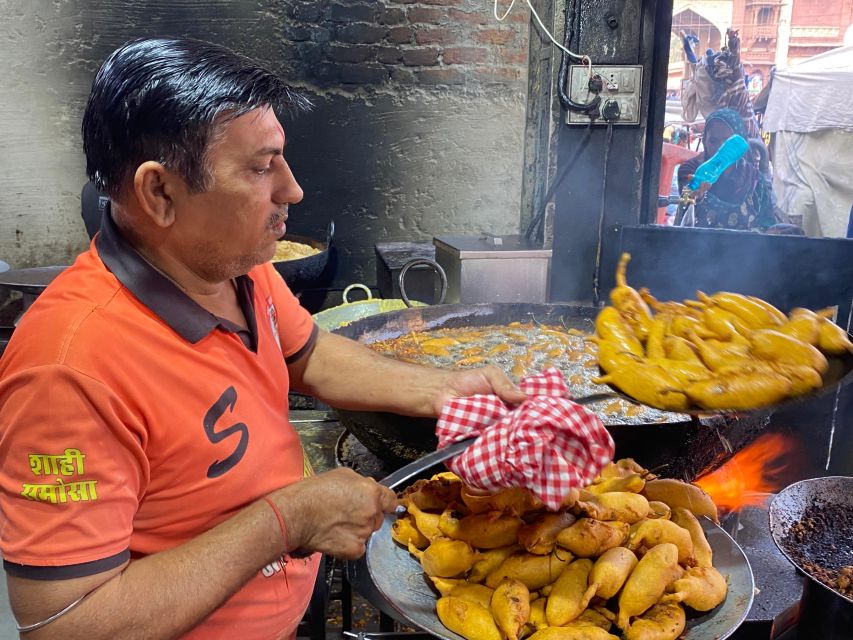
- Clock Tower market first: you ease into the chaos with iconic snacks like samosa and lassi.
- Masala tea in a clay pot: it’s a small detail, but it tastes like Jodhpur.
- Pani puri + dahi bada in the lanes: crunchy meets creamy, with quick, street-level explanations.
- Sweet stop at Chatarbhj: gulab jamun and other treats land at the right moment—when you’re already sold on the tour.
- Nagendra’s local connections: he knows vendors and helps point out what’s safe to eat.
- Private group pace: you get time to ask questions without getting lost in the crowd.
Walking street food in Jodhpur: the simple formula that works
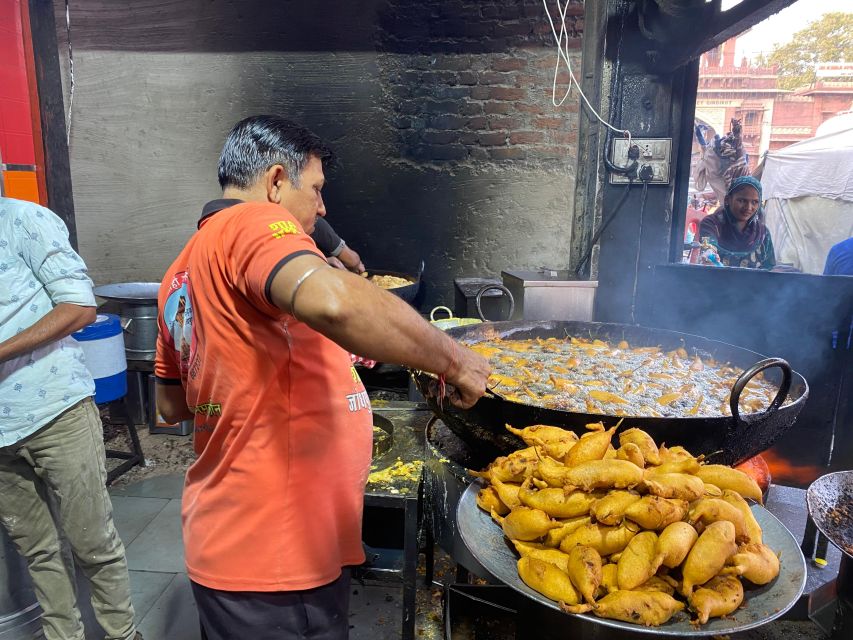
Jodhpur street food is the kind of eating plan that makes sense on foot. The stalls aren’t spaced like a museum or a food court. They’re tucked into small streets, around market corners, and in the constant flow of locals doing their day.
That’s why this tour feels efficient. In 2 hours, you cover the kinds of areas that would take you a long time to figure out alone. Plus, the guide keeps you moving at a pace that lets you sample instead of just snack-hopping randomly.
One thing I like: you’re not stuck doing one long tasting and then calling it done. The bites come in a sequence, so your palate gets a rhythm—savory, crunchy, cooling drinks, then sweet.
You can also read our reviews of more food & drink experiences in Jodhpur
Meet Nagendra and get ready for the 2-hour food sprint
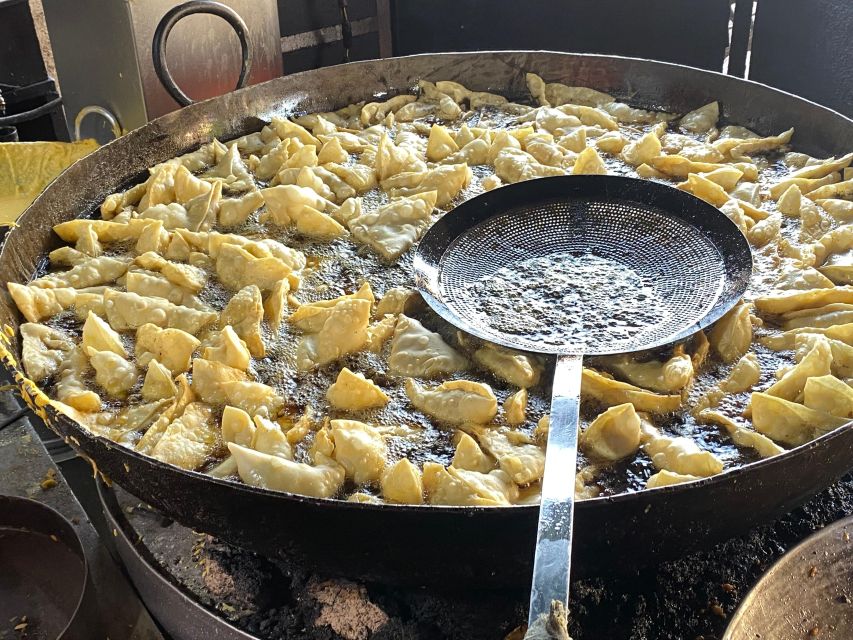
You’ll meet your guide at your hotel and get picked up about 5 minutes before the tour starts. This is handy in Jodhpur, where moving between neighborhoods can take longer than you expect once you’re walking and weaving through traffic.
The tour is a private group, and the guide speaks English and Hindi, so questions don’t feel like a problem. You also get a water bottle plus tea/coffee (and, importantly, the masala chai shows up during the walk in a clay pot).
Bring two things:
- a comfortable pair of shoes (you’re on your feet the whole time)
- an appetite you actually want to spend
If you’ve already eaten a big breakfast, you may struggle. Multiple people strongly recommended not eating for a few hours before. It’s not a casual sampler. It’s an eat-until-you’re-satisfied plan.
Clock Tower market: samosa, lassi, and chai in a clay pot
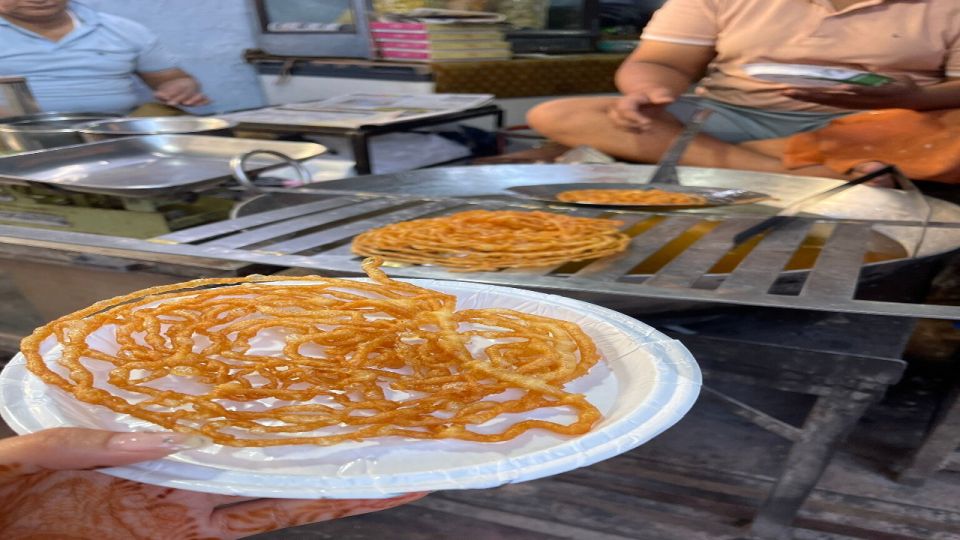
The first major stop is the Clock Tower market, and it’s a smart choice. You start where the action is, so you get food culture fast: spice in the air, vendors calling out, people picking up quick bites, and the hum of market life.
You begin with classic hits that make sense for first-time street food:
- Samosa with a spicy profile
- Lassi, served as a cool counterpoint
- Masala tea in a clay pot, which adds a distinct, earthy feel
What I like about starting here is that it sets expectations. You’ll understand the style of the food—frying, spice layering, and the way dairy drinks are used to cool things down. And since your guide is with you, you’re not stuck guessing what’s best or how busy stalls work.
This is also where you’ll likely get those small, practical tips that make the rest of the tour smoother. People mentioned that Nagendra helps point out what’s safe to eat and that he knows the vendors, so the experience feels guided instead of risky.
Down the lanes: pani puri and dahi bada between bigger bites
After the market, the tour keeps moving through the smaller streets. This is where street food tours should feel different from just eating in one area. You’re not only trying new dishes. You’re seeing how locals actually snack between errands.
The two highlights here are:
- Pani puri, often described as one of the best stops on the route
- Dahi bada, a creamy, savory follow-up
Think of this section as texture training. Pani puri brings crunch and bursts of flavor. Then dahi bada steps in with softness and cooling dairy notes. When you’re doing 8+ tastings, that balance matters. It keeps you from feeling like you’re eating only fried food for 2 hours.
A practical tip: eat at the pace your guide suggests. People said the tour can feel like it ramps up quickly. If you try to slow down too late, you can run out of room for the sweet finish.
Kachori, mirchi bada, and other street snacks that shape the menu
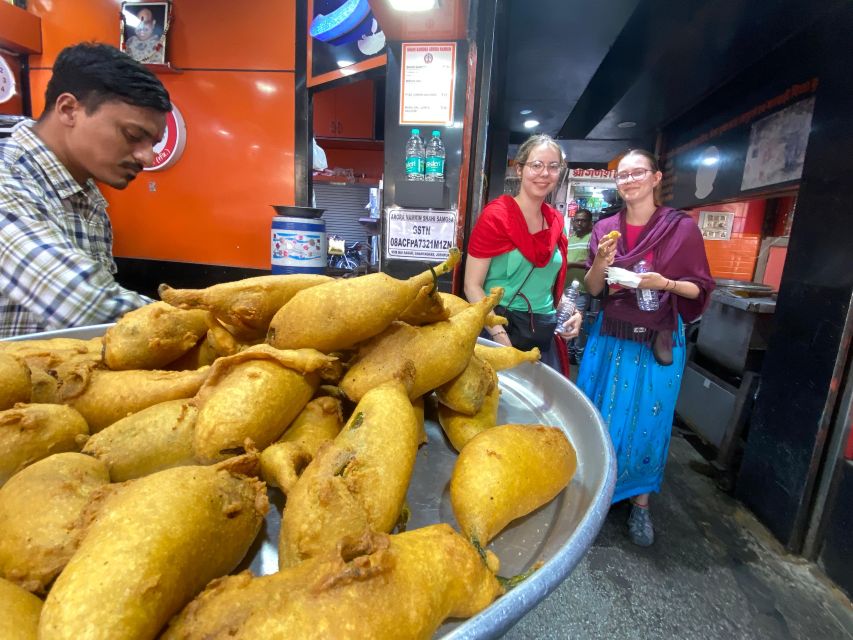
The tour includes tasting multiple local snacks beyond the big-name dishes. The exact order can vary, but you should expect familiar favorites like:
- Kachori (one review mentioned a condensed milk style)
- Samosa (including versions that can be onion-forward)
- Mirchi bada / fried chilli
- other savory bites that show up in the route, such as pakora or bhaji in some cases
- Paneer pakora and similar snack options, depending on what’s available
You may also see treats like:
- Cashew sweet
- condensed milk desserts
- sweets that blend nuts and syrupy flavors
What this section means for you: this isn’t just a checklist of famous Indian snacks. It’s tasting the local street-food logic. Spices are layered differently from stall to stall. Some items are more crunchy, some more creamy, and some are built around a sweet-salty contrast.
And if you’re a food question person, you’ll likely enjoy this part. One review noted that a chef asked lots of food-prep questions and got answers. That tells me the guide isn’t only reciting names; he’s explaining what’s going on.




The sweet finale at Chatarbhj after the full street-food loop
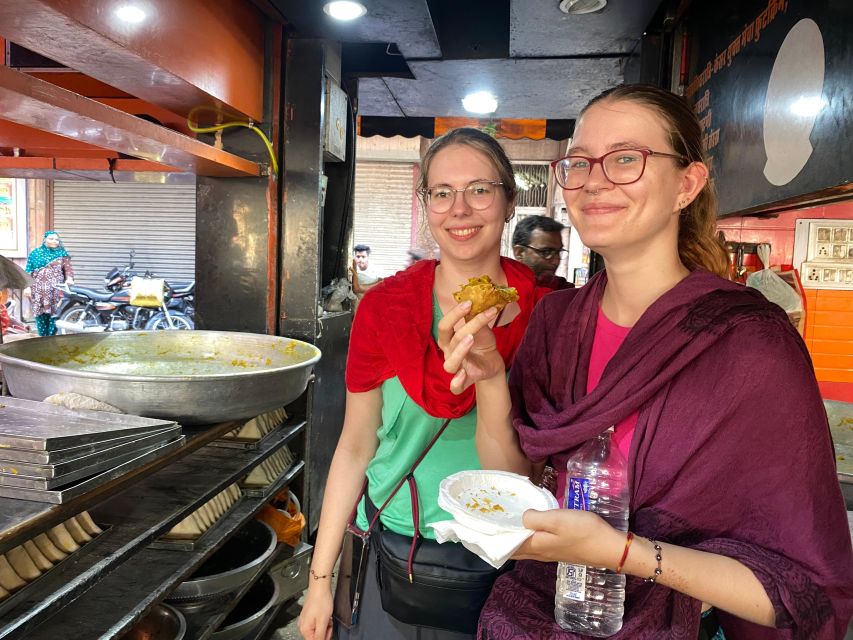
No street food tour in India feels complete without a proper sweet finish, and this one takes it seriously. You walk to a sweet stop known for 120 years of sweets at Chatarbhj, and gulab jamun is a core highlight.
You’re not just ending with one bite. You’re ending with a dessert that makes sense after all the salty and fried food you’ve already had:
- Gulab jamun (warm, syrupy, comforting)
- extra sweet options depending on the route
People also mentioned sweet additions like cashew sweet and other condensed milk-style desserts. The point is that your palate should shift gears right here: from street-level savory satisfaction to a dessert that feels like the final chapter.
If you think you might skip sweets because you’re worried about overeating, don’t. Just go in knowing you’re going to be full by the end. That’s part of the experience.
Market life and the Blue City walk you might get along the way
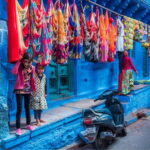
Food is the main event, but the tour can include extra city flavor. One review described an unexpected mini-walk through the Blue City streets, and another mentioned adding a Hindu temple visit when asked.
So here’s the practical way to handle it: if you’re interested in seeing more than just food stalls, tell Nagendra. Since it’s a private group, there’s more flexibility than you get on larger tours.
Even without extra detours, you’ll get something valuable: market pacing. You’ll see how the crowd moves, where people pause, and how street snacks fit into everyday life. That makes Jodhpur feel less like a photo backdrop and more like a living city.
What to eat before (and after) so you actually enjoy it
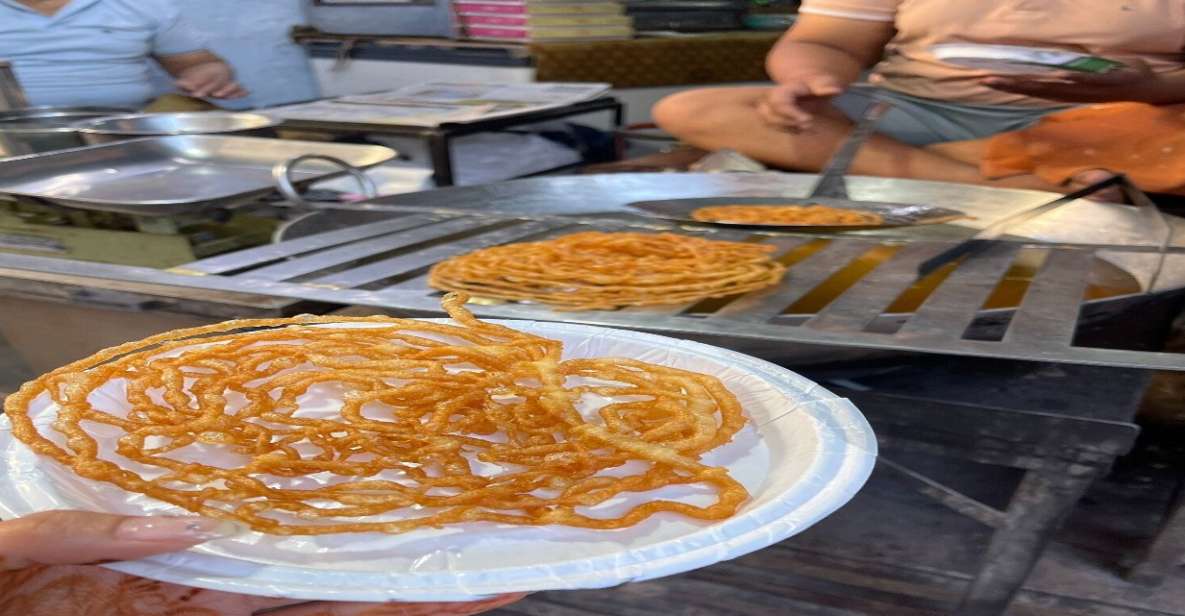
I’ll give you the blunt advice that keeps coming up: don’t start too full.
Multiple people emphasized that you should arrive with an empty stomach or at least not much food in your system. The route adds up fast. Even though the tour is only 2 hours, the number of tastings feels substantial because they’re not tiny. Portions are meant to be enough to taste differences, not just sample a crumble.
After the tour, plan for a lighter evening. You’ll likely want tea or a slow drink, not a heavy second meal. And if you’re sensitive to spice, it’s worth letting the guide know early, especially because fried chilli-style snacks like mirchi bada are part of the experience.
Price in real terms: is $21 actually good value?
At $21 per person for about 2 hours, this tour is priced like a budget street-food experience, but it includes more than people expect.
You’re getting:
- a guide speaking English and Hindi
- hotel pickup and drop-off
- 8+ food tastings
- beverages, including tea/coffee, plus other drink stops
- a water bottle
- a private group format
Could you buy street food for less on your own? Yes, in theory. But you’d lose two big things: guidance on what to eat and the ability to hit a tight set of stops without wasting time searching.
In other words, the value is in the route planning and the saved effort. You pay for someone to map the best flow of bites so you can focus on eating instead of figuring out the city.
One small cost note: guide tip is not included, so you’ll likely want to budget for that if the experience feels worth it.
Who should book this Jodhpur street food tour
This is a strong fit if:
- you’re in Jodhpur for a short time and want a fast food orientation
- you like street snacks in a guided format
- you want to try lots of dishes you might not pick on your own
- you enjoy markets and don’t mind walking through crowds
It’s also a good choice for couples and solo travelers since the private group keeps it comfortable. If you’re traveling with a friend who loves food, you’ll both appreciate the sequence—savory, crunchy, cooling, then sweet.
The one group that might struggle: people who hate spice or who get overwhelmed by lots of food in a short time. If that’s you, tell the guide early and expect to adapt your portions.
Should you book this Jodhpur street food tour?
Yes, if you want the quickest way to understand Jodhpur through taste. The combination of Clock Tower market, lane-food favorites like pani puri and dahi bada, plus the sweet finish at Chatarbhj makes this feel like a complete arc. Add in hotel pickup and a guide who knows vendors and can help you choose safely, and it’s a good deal for $21.
If you’re the type who prefers one or two careful tastings, this may feel like too much. But if you’re ready for a food-focused walk that keeps getting better, book it and show up hungry.
FAQ
How long is the Jodhpur street food tour?
It lasts 2 hours.
What food and drinks are included?
You’ll get food tastings plus beverage, water bottle, and tea/coffee. The included tastings specifically mention items like samosa, kachori, local food, and local sweet.
Do I get hotel pickup and drop-off?
Yes. Hotel pickup and drop-off are included, and pickup happens about 5 minutes before the tour starts.
What languages does the guide speak?
The guide speaks English and Hindi.
Is a guide tip included in the price?
No. Guide tip is not included.
Can I cancel and get a full refund?
Yes. There is free cancellation up to 24 hours in advance for a full refund.