REVIEW · NEW DELHI
Delhi: Old Delhi Slum Tour by Metro or Car
Book on GetYourGuide →Operated by India Tour Solution - ITS · Bookable on GetYourGuide
Old Delhi’s side streets can tell you more than the main sights. This 2-hour slum tour focuses on daily life in Sadipur, with visits to a community center, a local home, and small workplaces run right inside the neighborhood. It’s the kind of trip that trades postcard Delhi for the real rhythms of work, school, and family.
What I like most is the tone: your guide sets clear expectations for being safe, respectful, and non-intrusive. I also like how the walk explains everyday economics in plain language, from garment-making and other micro-industries to small entrepreneurship that keeps households going.
One consideration: it’s not a sightseeing loop. Expect tight lanes, modest-contact interactions, and a strict no-photography rule, so plan to take notes with your eyes, not your camera.
In This Review
- Key things I’d circle on your planning list
- Where the tour starts: Sadipur Metro and the guide’s tone
- Community center stop: education, training, and community support you can see
- Walking the narrow lanes: garment micro-work, street life, and real constraints
- Inside a local home: warmth, routines, and the conversation that changes your view
- Artisans at work: embroidery or pottery, plus a real-world souvenir option
- A small business stop: entrepreneurship in miniature, not a fairy tale
- Transport: Metro option, tuk-tuk rides, and when car pickup helps
- What to wear, what to bring, and what not to do in the lanes
- How the 2 hours are paced (and why it works)
- Safety and respect: how you should show up
- Value check: is $19 fair for a community-based tour?
- Who should book this, and who might want something else
- Should you book the Old Delhi Sadipur slum tour?
- FAQ
- Where do I meet the guide for the tour?
- How long is the Delhi Old Delhi slum tour?
- How much does it cost?
- What’s included, and is anything extra needed?
- Is photography allowed during the tour?
- What should I wear and bring?
- What transport options are available?
- Is the tour wheelchair accessible, and what’s the cancellation policy?
Key things I’d circle on your planning list
- Meet at Sadipur Metro near Burger King, then get oriented fast before you enter the neighborhood
- Community center visit for education and skills support, plus real conversation with local residents
- Micro-industries in action, including garment work and other small-scale production
- A home visit that swaps stereotypes for the everyday routines families discuss with you
- Artisans and small businesses, with a chance to buy handmade items only if you want to support local livelihoods
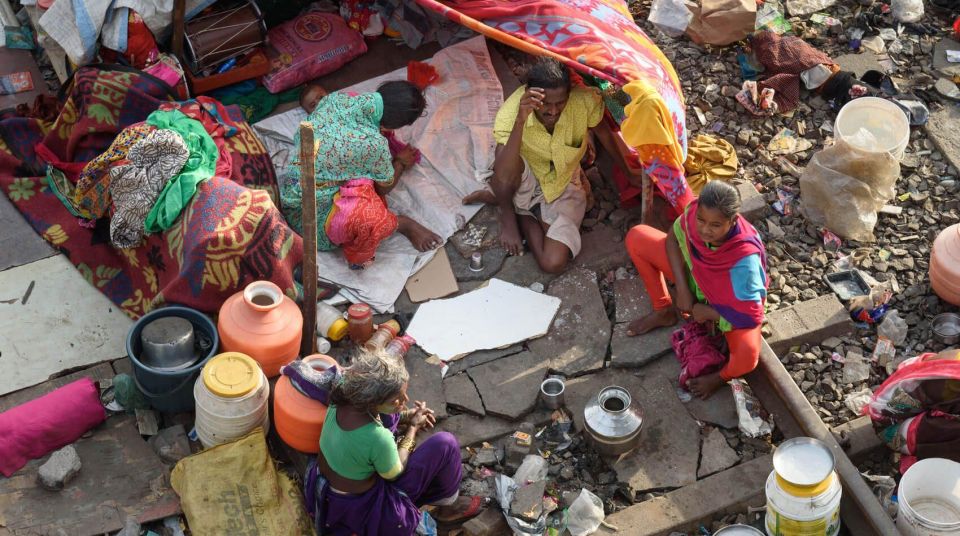
- No-photography policy, plus modest dress and closed-toe shoes for comfort in narrow, sometimes dirty areas
Where the tour starts: Sadipur Metro and the guide’s tone
You’ll meet at Sadipur Metro Station near Burger King. From there, the first chunk of time is about context—how Old Delhi works culturally, and what the Sadipur community is trying to do for itself.
This matters because a slum tour can go wrong fast if it turns into gawking. The whole format is designed to keep it grounded: a local English-speaking guide manages the route, the pace, and the etiquette so the visit stays respectful.
Guides you may see include people like Aamir and Sunny (both mentioned as standout guides in past bookings). Their big strength is translating social and economic realities into something you can actually understand on foot—without theatrics.
You can also read our reviews of more tours and experiences in New Delhi.



Community center stop: education, training, and community support you can see
About a half-hour goes to a community center, which acts like a hub for social life as well as practical support. This is where you’ll hear how the center supports education, vocational training, and wider community development.
Instead of talking about poverty as an abstract idea, the center brings it back to specifics: what skills people are building, what kids are learning, and what local volunteers and staff try to keep running day after day.
You’ll also get informal conversation time with community members. This is one of the most valuable parts for me because it’s where you stop thinking of the neighborhood as a set of buildings and start thinking of people as planners, teachers, and workers with schedules.
Walking the narrow lanes: garment micro-work, street life, and real constraints
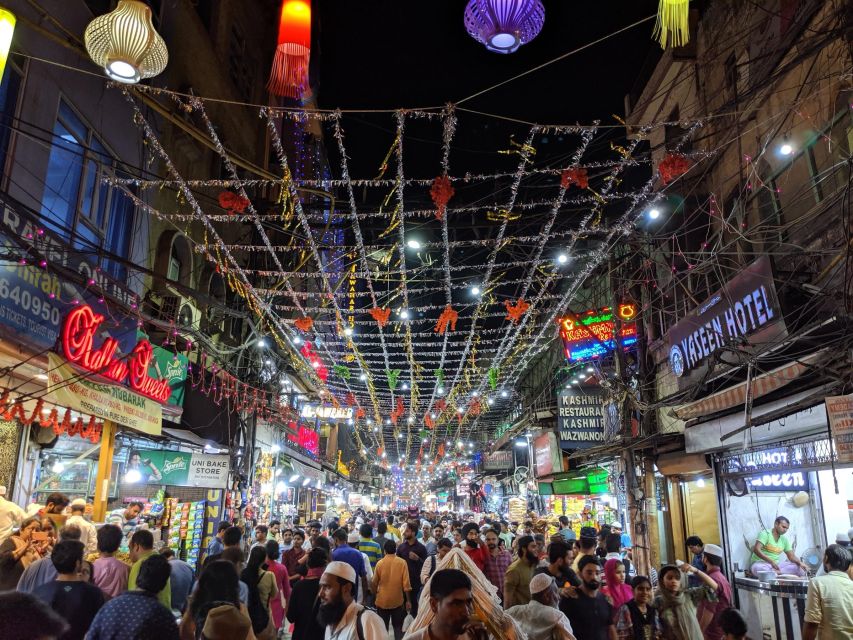
Next comes the main walk through the narrow lanes for roughly 40 minutes. This is where Delhi feels different—not the wide avenues and monuments, but the compressed world of daily errands, vending, and neighbor-to-neighbor motion.
This segment is also where the tour’s highlight about micro-industries really shows up. You’re set up to observe how small production and services function right alongside household life, with particular attention to garment-related work.
As you go, your guide points out both challenges and opportunities. The goal isn’t to shock you. It’s to show how residents adapt: where work happens, how families organize time, and why community support can matter as much as income.
A practical heads-up: expect close quarters. Bring comfortable closed-toe shoes, and keep your pace calm. In monsoon months (June to mid-September), the lanes can be dirty, so traction and comfort matter more than you’d think.
Inside a local home: warmth, routines, and the conversation that changes your view
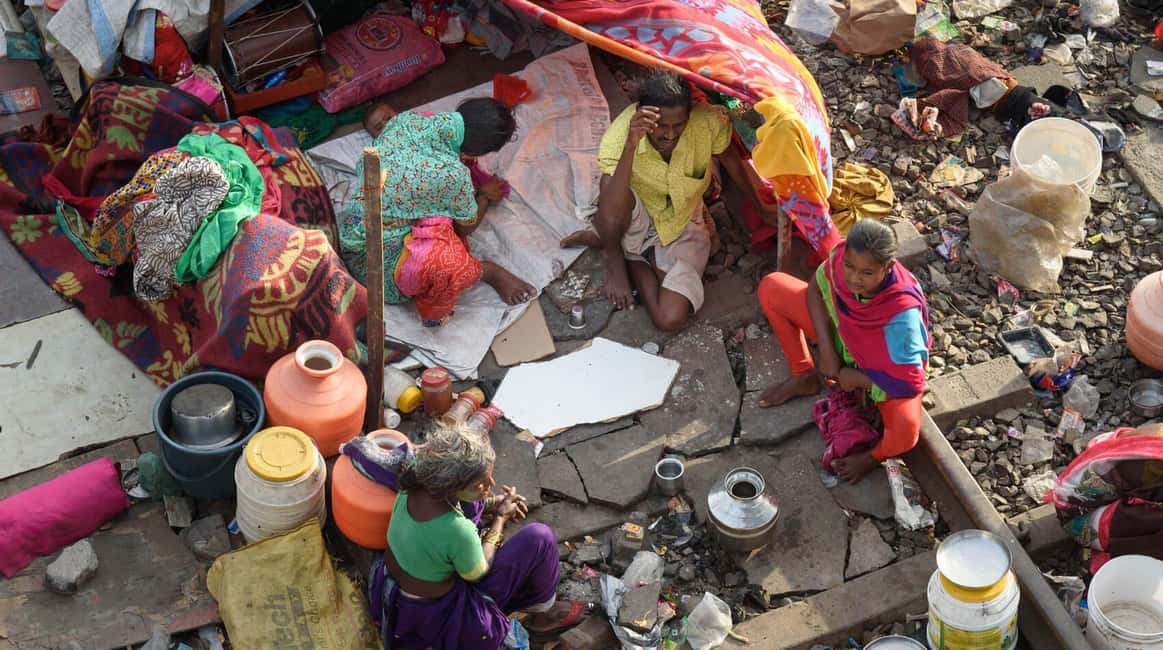
A visit to a local family’s home takes about 20 minutes. This stop is designed to show hospitality and daily routine, not to put anyone on display.
You’ll talk with the family about their routines, aspirations, and challenges. In past visits led by guides like Sunny, guests have described being welcomed with tea or chai and having a natural, human conversation rather than a rigid interview.
This is the part of the tour that can be emotionally clarifying. You’re not just looking at living conditions; you’re hearing what people want for themselves and their children. And you start to understand why small improvements—education access, skills training, steady work—carry outsized weight in places where budgets are tight.
Artisans at work: embroidery or pottery, plus a real-world souvenir option
About 10 minutes is set aside to visit local artisans’ workshops. The examples given include traditional crafts such as embroidery or pottery.
This is a useful contrast to the typical souvenir hunt. Instead of buying something that’s been mass-produced elsewhere, you get a chance to learn what craft work looks like when it’s tied to a livelihood in the same neighborhood you’re walking through.
If purchases are offered, treat it as optional. The most meaningful “souvenir” is usually the context your guide gives you: what the craft supports, how demand or skills training can help, and why paying fairly can matter.



A small business stop: entrepreneurship in miniature, not a fairy tale
Another about 10 minutes goes to a small business run by a resident. This stop helps you see entrepreneurship as a practical tool, not a motivational poster.
Your guide explains how local enterprise affects livelihoods—often through flexibility, local customer networks, and the ability to keep work close to home. There’s also an optional chance to support the business by making a purchase, if you want to.
I like this segment because it shows that economic life here isn’t only about survival. People also build, adjust, and try to improve their situation—sometimes with modest steps that don’t make headlines but do change household stability.
Transport: Metro option, tuk-tuk rides, and when car pickup helps
The tour is offered with different ways to reach the starting point and move between nearby areas. Depending on the option you book, you may use Metro and walking, or you may travel by tuk-tuk (tuk-tuk is included if you book that option).
Some bookings also include hotel pickup and drop-off. Reviews often mention a smooth ride with clean, on-time transport and a separate driver setup (names like Rehan show up as drivers in past experiences). If you’re staying far from Sadipur or you’re traveling with less stamina for street-level movement, the car or pickup option can make the day feel easier.
Also note that transport quality is highly rated in past feedback. That matters on this type of tour because your time is short—two hours flies—so you want getting there and getting back to be painless.
What to wear, what to bring, and what not to do in the lanes
This tour comes with clear on-the-ground rules that protect residents’ privacy and your comfort.
Wear modest clothing. No low-cut or sleeveless tops or short shorts. This keeps things respectful and helps you feel more at ease in close spaces.
Bring comfortable closed-toe walking shoes. Some areas can be dirty, especially during monsoon months. A little hand sanitizer or tissues is smart too, since you’re moving through an active neighborhood.
No alcohol and no drugs are allowed.
And the big one: leave the camera behind. There’s a strict no-photography policy to respect local residents. Plan on relying on your senses, your guide’s explanations, and notes afterward if you want to remember details.
How the 2 hours are paced (and why it works)
The entire experience is about two hours, so the pace is purposeful. You don’t get time to wander alone or slow down into indecision. Instead, you get a clear sequence: orientation, center visit, lanes walk, home visit, artisan/workplace stops.
That tight structure is part of the value. It keeps the tour focused on what you came for: a local perspective on social and economic realities in Indian slums, backed by specific places and conversations.
Also, because it’s a private guide setup (and a private group option is available), you can ask questions in a controlled way. That’s a big deal in a setting where it’s easy to accidentally be disruptive.
Safety and respect: how you should show up
“Safe” doesn’t mean locked gates and uniforms. It means your guide is managing how you move and how you interact.
The format emphasizes being safe, respectful, and non-intrusive. Your role is to follow your guide’s instructions about where you stand, when you speak, and how long you linger near any individual or doorway.
For solo visitors, that kind of guidance can be a comfort. Several past experiences mention feeling comfortable traveling solo because the guide helped set etiquette and keep things organized.
If you want to ask questions, do it calmly. If someone declines conversation, don’t treat it like rejection. In small communities, privacy is part of dignity.
Value check: is $19 fair for a community-based tour?
At $19 per person for roughly two hours, the price is positioned as an accessible way to see how the neighborhood works—without turning the visit into a paid spectacle.
What you get for that amount:
- a private local guide
- a community center visit
- a home visit
- artisan and small business stops
- water or a cold drink
- and, depending on your option, a tuk-tuk ride and/or hotel pickup/drop-off
What you don’t get:
- drinks beyond the included water/cold drink
Is it a bargain? For a short, guided experience with multiple community stops, it’s priced to be reasonable. The main thing you should ask yourself is whether your behavior matches the purpose. If you show respect, listen, and keep within the photo and etiquette rules, your money supports a structure that gives residents a more controlled way to engage with visitors.
Who should book this, and who might want something else
This tour is a good fit if you:
- want more than monuments and want a grounded view of Delhi life
- like small-group, conversation-forward travel
- are curious about how garment and other micro-industries function
- can handle walking in tight lanes and keeping your camera away
You might choose a different Delhi experience if you:
- want classic tourist photo opportunities
- are uncomfortable entering residential spaces
- expect a high-comfort, low-contact day
That said, the tone isn’t hostile or confrontational. It’s designed to be informational and human, with guides like Aamir and Sunny described as kind, respectful, and good at creating a safe-feeling experience.
Should you book the Old Delhi Sadipur slum tour?
If you care about authenticity and you’re prepared to act with respect, I’d say yes. This isn’t about “poverty tourism.” It’s about understanding how daily life runs—through a community center, a home conversation, and real small workplaces tied to residents’ livelihoods.
Book it if you:
- want a fast, focused day that adds depth to Old Delhi
- appreciate local guides who explain context in plain language
- can follow the no-photography rule and dress modestly
Skip it if you’re looking for postcard-style sightseeing. For that mood, Delhi will always have better options. But for a meaningful, short visit that gives you a local lens on social and economic realities, this one is hard to beat.
FAQ
Where do I meet the guide for the tour?
You meet your guide at Sadipur Metro Station near Burger King.
How long is the Delhi Old Delhi slum tour?
The experience lasts about 2 hours.
How much does it cost?
The price is $19 per person.
What’s included, and is anything extra needed?
The tour includes a private guide, water/cold drink, and—depending on your option—tuk-tuk ride and/or hotel pickup and drop-off. Drinks are not included beyond the water/cold drink.
Is photography allowed during the tour?
No. There is a strict no-photography policy to respect residents’ privacy.
What should I wear and bring?
Wear modest clothing (no low-cut or sleeveless tops, and no short shorts) and bring comfortable closed-toe walking shoes. Bring hand sanitizer or tissues as well.
What transport options are available?
Transport depends on the option you book. You may use Metro and walking, or book a tuk-tuk ride. Hotel pickup and drop-off are available if you select the option that includes them.
Is the tour wheelchair accessible, and what’s the cancellation policy?
The tour is wheelchair accessible. You can cancel up to 24 hours in advance for a full refund.