REVIEW · JAIPUR
Jaipur: Jhalana Amagarh Leopard Reserve 4×4 Jeep Safari
Book on GetYourGuide →Operated by Parikshit Tour and travels · Bookable on GetYourGuide
A leopard safari in the Aravallis beats most city zoos. What makes the Jhalana/Amagarh experience special is the 4×4 jeep ride right through the reserve and the chance to see leopards in a true habitat instead of behind fences. I especially liked the practical hotel pickup/drop-off and the way guides and drivers work hard on spotting—names like Vinay, Yogesh, Ashok, Uday, Rajendra, and Ganesh come up for a reason. One thing to plan for: leopard sightings are not guaranteed, so your day has to feel fun even if the cats stay hidden.
You’ll start with a smooth, air-conditioned transfer from Jaipur, then spend about 2:15 to 2:45 hours on safari inside the park. Along the way, you can also enjoy other wildlife sightings like spotted deer (chital), blue bull (nilgai), hyenas, jungle cats, and a lot of birds. Your main drawback is simple logistics reality: if you’re sensitive to cold or rain, timing matters a lot for animal activity.
In This Review
- Key things to know before you go
- Jhalana and Amagarh: Jaipur’s Leopard Reserve in the Aravallis
- Hotel Pickup and 4×4 Gypsy Safari Ride: Comfort on Rugged Tracks
- What You Might See: Beyond Leopards in Real Wildlife Habitat
- Safari Timing Tips: Morning Cold, Sunset Chances, and Rain Reality
- Monkey Temple and the Optional Elephant Village Stop: How to Choose
- Duration and Timing: Why 3.5–8 Hours Can Feel Very Different
- Price and Value Around $60: What You’re Really Paying For
- Real-World Guide and Driver Notes: Who Helps You Most
- Photo, Gear, and Comfort: Make Your Safari Easier
- Who Should Book This Safari in Jaipur, and Who Should Skip It
- Bottom Line: Should You Book the Jhalana Amagarh Leopard Jeep Safari?
- FAQ
- Where is the safari located?
- How long is the safari?
- Is a leopard sighting guaranteed?
- What’s included in the price?
- Is the Elephant Village Park visit included?
- What should I bring or avoid?
Key things to know before you go
- 4×4 safari time is the core of the trip (about 2:15–2:45 hours), with extra time for travel and optional stops
- Leopards are the headline, but other animals are common (hyenas, deer, birds, reptiles, and more)
- Early morning can be cold even in Jaipur, so pack layers for the jeep ride
- Rain changes everything because animals hide and sightings drop
- Optional elephant village add-ons can be a mixed value for some people, while monkey temple stops tend to be straightforward
- Your guide’s spotting effort affects your odds a lot, especially through brush and at watering points
Jhalana and Amagarh: Jaipur’s Leopard Reserve in the Aravallis
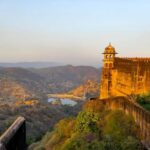
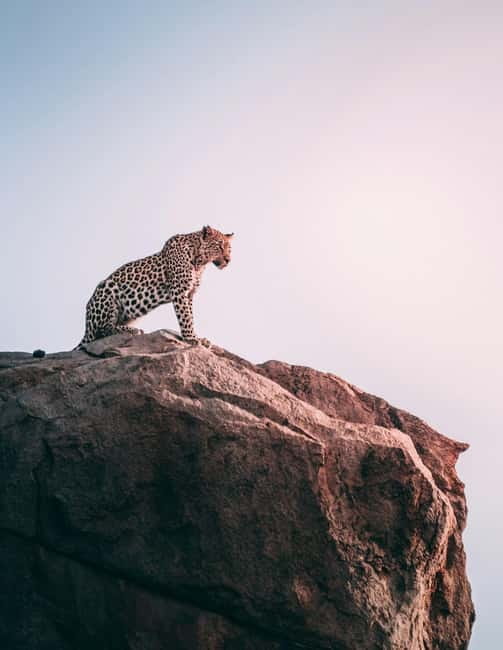
This safari is based in Jhalana/Amagarh, India’s first leopard reserve located within the Jaipur city area of Rajasthan. The reserve sits around the Aravali Hills, one of India’s oldest mountain ranges. That matters because you’re not just driving to an attraction—you’re entering a wooded, scrubby habitat where animals actually move through cover.
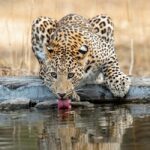
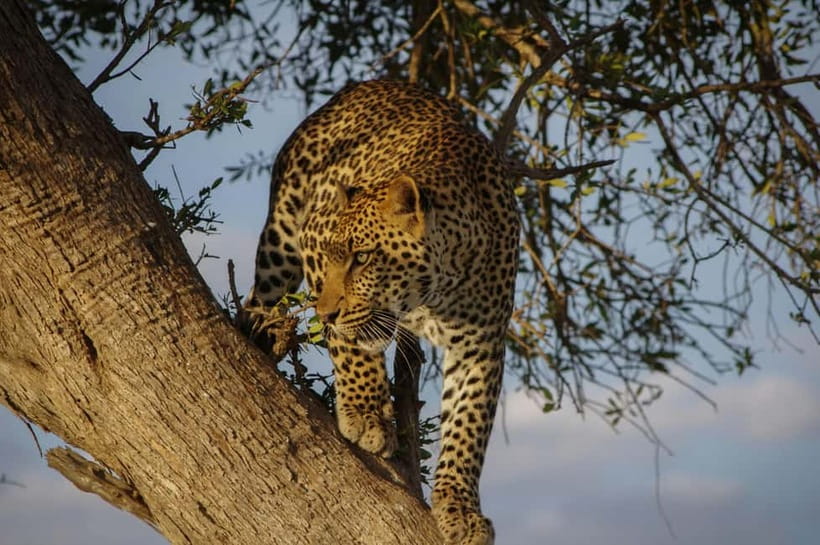
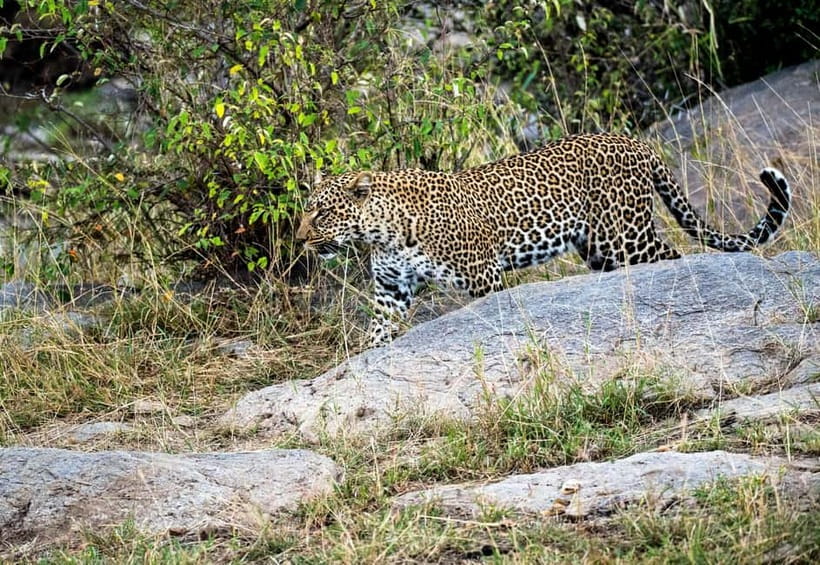
The park is described as home to more than 70 leopards and 5 cubs, which is a big reason this safari draws people who want a real chance at the star predator. Still, leopard behavior is famously seasonal and unpredictable. Some days you’ll see activity near clearings and watering points; other days the cats stay deep in the brush.
Even if leopards are sleeping, you still get plenty to look at. The reserve supports a mix of deer species (including chital/spotted deer and sambar deer), plus blue bull (nilgai), and predators or small carnivores in the background. If your goal is big cats only, you may feel the sting when the cats don’t show. If your goal is wildlife time outside Jaipur with a camera and patience, you’ll likely enjoy the day.
You can also read our reviews of more tours and experiences in Jaipur
Hotel Pickup and 4×4 Gypsy Safari Ride: Comfort on Rugged Tracks
The best “practical” part here is how the tour handles getting you to the reserve. You’re picked up from your hotel in Jaipur in an air-conditioned vehicle, then dropped back at the same place after safari. That turns a potentially fiddly day of transport into something easy.
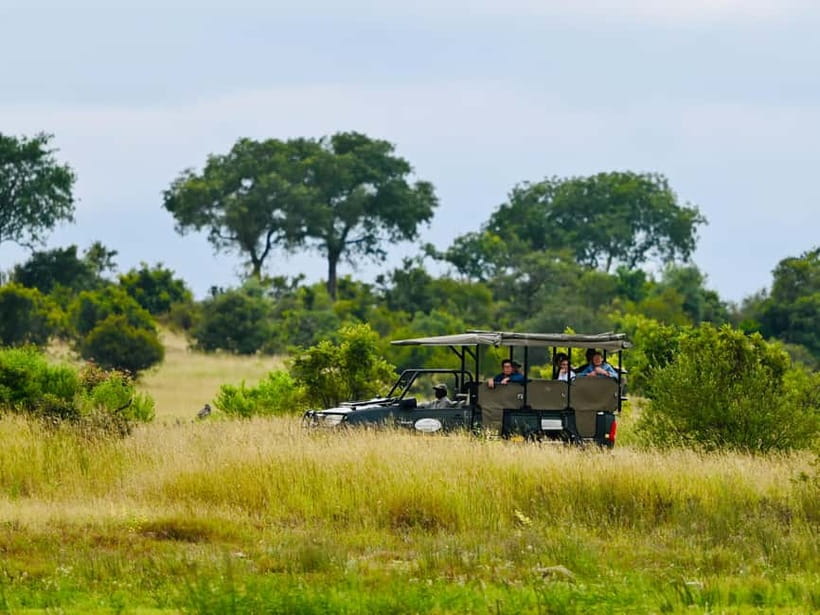
Once you reach the park, the safari itself runs in 4×4 jeeps. Many people comment on smooth driving and a comfortable vehicle, which matters because you’ll be seated while the driver navigates rocky, uneven ground. If you’re doing this as a solo traveler, it also helps that the transfer is handled through the same team and you’re not stuck figuring things out alone.
One small consideration: some jeeps can feel tight depending on how many people share the vehicle. If you’re tall, bring your comfort strategy (good posture, water, and don’t assume you’ll have wide legroom). You’re in a safari vehicle, not a limousine.
What You Might See: Beyond Leopards in Real Wildlife Habitat
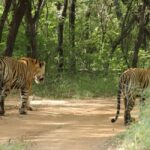
Let’s talk about the lineup. Leopards are the headline, and they do show up—sometimes close enough for phone and camera shots, sometimes at a distance where your binoculars earn their keep. But the reserve also hosts other mammals and wildlife you can actually enjoy even without the leopard moment.
You might spot:
- Hyenas, including striped hyena
- Small carnivores like Indian civets, jungle cats, and desert cats
- Desert foxes and jackals
- Porcupines, mongooses, and monitor lizards
- A range of birds (peacocks are commonly mentioned)
- Snakes (a reminder to watch where you place your attention on the ground)
On safari days, I like the idea that your “success” doesn’t depend on one animal. The people who had a perfect day still often mention other wildlife: hyenas, deer, and birds alongside the big cats. That’s why this works for families and first-time safari folks too—you’ll still get your wildlife fix even if the leopard is elusive.
There’s also a key detail about how guides operate. You’ll often hear that the guide tries hard to find leopards by reading the habitat and positioning the jeep. In many accounts, the guide’s job is to spot signs of activity and guide you to the right angle through brush. When you get a strong spotter—names like Ashok and Yogesh are praised—that patience can pay off fast.
Safari Timing Tips: Morning Cold, Sunset Chances, and Rain Reality
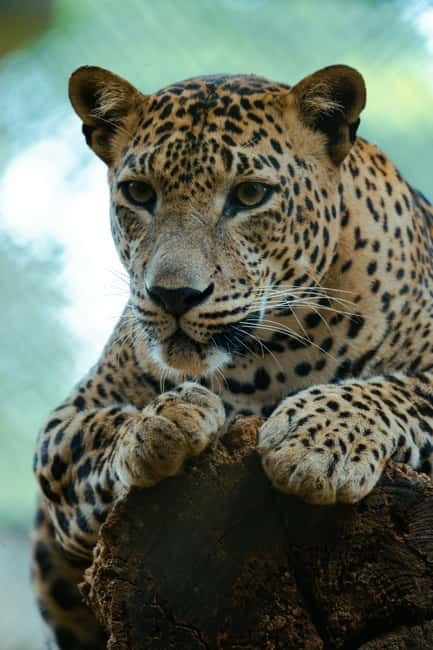
Timing is where you can meaningfully improve your odds and comfort.
Early morning safaris are popular because animals can be more active and you might catch cats moving. The trade-off is weather. Even in late February, the jeep safari can feel cold, and people recommend jumpers, jackets, and hats. If you go at dawn without layers, you’ll be distracted by shivering instead of watching.
Afternoon or sunset can be a smart option in winter. Some people found that mornings were very cold with fewer sightings, then had better luck later in the day. That doesn’t mean sunset always wins, but it’s worth considering if you hate the idea of early-morning chill.
Then there’s rainy weather. On a rainy day, animals can hide and sightings can drop. Even when the team tries hard, the reserve can feel quiet because wildlife doesn’t behave like it does on clear, dry days. If your schedule is flexible, try to choose a slot with better weather.
Finally, plan for the “waiting game.” Safari isn’t a drive-by show. One common rhythm is to stop, watch, and wait for an animal to move into view. Sometimes you might sit and scan while something sleeps. If you love action, you might need to recalibrate expectations and treat it like slow wildlife watching, not a theme-park ride.
Monkey Temple and the Optional Elephant Village Stop: How to Choose
Many departures include a stop near the Monkey Temple. This can be a pleasant extra because it’s short, close, and adds a cultural moment without wasting too much of your prime safari time. People describe it as a quick blessing stop and an enjoyable walk—especially when you arrive early.
Now the elephant option. The tour can include a visit to an Elephant Village Park if you choose that add-on. Importantly, activity with elephants is not included. Still, value can vary by what you decide to do there.
One review was strongly negative about the elephant sanctuary add-on, arguing it felt overpriced and not worth the extra spend for what was offered. That doesn’t mean every elephant-related stop is the same everywhere, but it’s a solid warning signal: if you’re sensitive to cost, crowds, or a “package pressure” feeling, consider skipping elephant add-ons and using that time for wildlife or a simple meal stop instead.
If you like temples and quick culture, keep the Monkey Temple. If you care most about wildlife photography and spend every hour on jeep time, you might skip the elephant add-on unless you’ve decided the experience is worth the price.


Duration and Timing: Why 3.5–8 Hours Can Feel Very Different
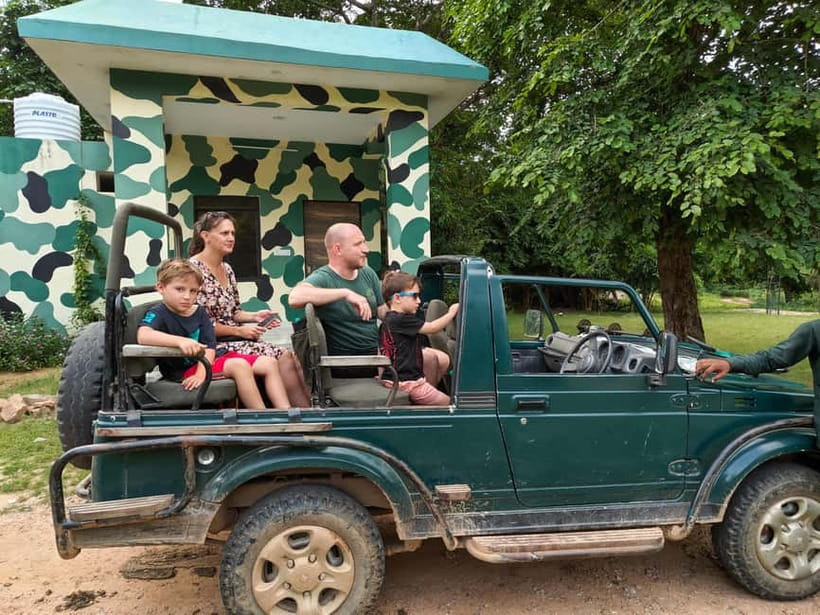
The duration range is 3.5 to 8 hours, and that’s not just marketing padding—it’s your day shape. The safari in the park runs about 2:15 to 2:45 hours. The rest of the time is pickup, travel, buffer, and any optional extra like the Monkey Temple and/or Elephant Village Park.
If you choose a shorter option, you’ll likely spend most of your time in the reserve and keep the add-ons minimal. That can be great if you only have one day in Jaipur and want to protect your energy.
If you choose a longer option, you’re buying extra hours for optional stops and a more relaxed pace. That can help if you want time for photos, a slower temple visit, or just less stress. For wildlife-focused trips, I usually prefer the option that gives you full safari time first, and only adds extras if they don’t cut into your main event.
Price and Value Around $60: What You’re Really Paying For
At around $60 per person, the value is strongest when you compare what’s included:
- Hotel pickup and drop-off by private vehicle
- Air-conditioned transport for transfers
- Safari park entrance charges
- Safari in a 4×4 jeep (often listed as Gypsy)
- Toll and parking charges
- All taxes
- A water bottle
- Optional: Elephant Village Park visit if you pick that option
What’s not included is also clear: food and drinks, plus personal expenses. Elephant interaction/activity is not included.
Where this price feels fair is the door-to-door convenience plus the dedicated safari transport. In many cities, you’d spend time and energy coordinating drivers, park entry, and jeep seating. Here, that structure is handled for you, which makes the experience feel smoother.
The only time the price feels frustrating is if you treat leopard sightings like a guaranteed product. This is wildlife. The team tries hard, and guides often position you well for sightings, but nature decides. If you go in knowing that and you’re happy with other wildlife sightings, the cost makes more sense.
Real-World Guide and Driver Notes: Who Helps You Most
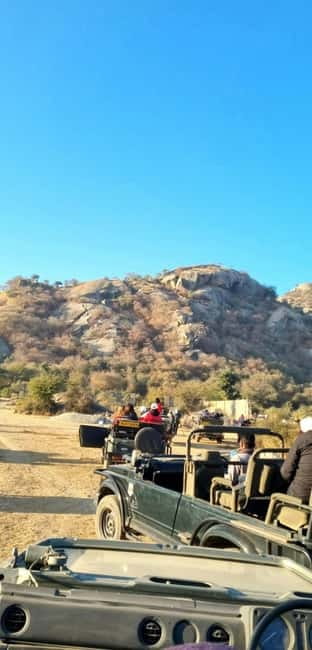
People consistently talk about punctual pickup, smooth driving, and guides who actively try to find cats.
Some names that show up in positive experiences include:
- Vinay (praised for punctuality and going out of the way when rain disrupted plans)
- Yogesh ji (credited with leopard and hyena sightings, plus great spotting)
- Ashok (described as excellent at spotting signs through specialized attention)
- Uday and Rajendra (praised for communication and punctuality, plus help positioning for photos)
- Ganesh (mentioned in the context of comfort and park familiarity)
- Singh (a recurring name for both hospitality and safari effort)
If you’re thinking about what makes the biggest difference, it’s the guide/driver combo. In safari terms, they’re not just driving. They’re scanning, reading behavior, and deciding when to stop versus move. That’s why the experience can feel totally different on different days.
If you’re hoping for leopard photos, your best strategy is simple: ask your guide to help with what to watch for and be patient when they stop. A good spotter can find activity you’d miss.
Photo, Gear, and Comfort: Make Your Safari Easier
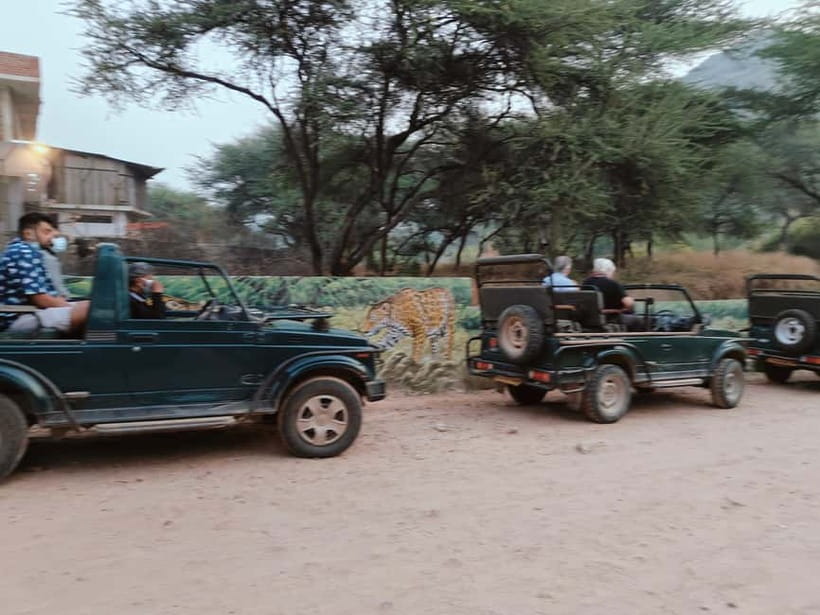
You’ll get the best experience with a few practical items:
- A camera (and keep it ready when the jeep stops)
- Binoculars if you have them
- Comfortable clothes for sitting and scanning
- Water (you’ll get a bottle, but bring more if you run hot)
- Layers for cold early mornings
One specific comfort tip: in winter, the sun can trick you early. People noted that Jaipur feels warm overall, but the jeep safari can turn cold fast. Bring a hat and a warm layer so you can focus on wildlife, not your own temperature.
Also, smoking is not allowed. Plan snacks accordingly (food isn’t included), and don’t expect a café stop inside the reserve.
Who Should Book This Safari in Jaipur, and Who Should Skip It
This safari is a great fit if:
- You want a serious chance at leopard sightings without spending time coordinating transport
- You love photography and want a real wildlife setting
- You enjoy wildlife watching even when the star animal stays hidden
It’s not a great fit if you have animal allergies. The reserve is wild, so you should take that seriously.
If you’re traveling solo, it can feel reassuring when the team is punctual and communication is clear. Several accounts highlight safety and smooth pickup timing.
If you’re expecting a fast, action-packed drive with guaranteed leopard sightings, you might feel disappointed. This is nature time. Your patience matters as much as luck.
Bottom Line: Should You Book the Jhalana Amagarh Leopard Jeep Safari?
I’d book it if your goal is a morning or late-day wildlife outing that’s easy to handle logistically and gives you a real shot at one of India’s most sought-after cats. At about $60 with hotel pickup and a proper 4×4 safari, the value is strong—especially if you’re happy to treat leopard sightings as a bonus, not a requirement.
I wouldn’t book it if elephant add-ons are a must for you, unless you’re ready to decide on your own terms once you arrive. Also, if you’re very sensitive to cold, plan your timing and pack layers. And if your trip coincides with rain, expect quieter wildlife and adjust expectations.
Go in flexible. Bring your camera and binoculars. And when the guide calls a stop, stay calm. That’s when the wildlife decides to show itself.
FAQ
Where is the safari located?
It takes place in the Jhalana/Amagarh Leopard Safari Park near Jaipur, in Rajasthan, India.
How long is the safari?
The total experience duration is listed as 3.5 to 8 hours, and the safari time inside the park is about 2:15 to 2:45 hours.
Is a leopard sighting guaranteed?
No. Leopard sightings cannot be guaranteed, and money will not be refunded if leopards are not seen.
What’s included in the price?
Included are hotel pickup and drop-off, an air-conditioned transfer for pickup and drop-off, safari park entrance charges, toll/parking/taxes, and the 4×4 jeep safari. A water bottle is also included.
Is the Elephant Village Park visit included?
It depends on the option you choose. The Elephant Village Park visit is included if that option is chosen, but activity with elephants is not included.
What should I bring or avoid?
Bring a camera, water, comfortable clothes, and binoculars for better viewing. Smoking is not allowed. Also, you’ll need to send passport details via WhatsApp or email after booking to obtain park entry.