REVIEW · NEW DELHI
Delhi: Private Old and New Delhi Day Trip with Local Guide
Book on GetYourGuide →Operated by Taj Expo · Bookable on GetYourGuide
A day in Delhi is a lot more fun when you’re not stitching together directions and tickets all on your own. This private Old and New Delhi route uses an air-conditioned car and a real local guide to connect the dots between monuments, neighborhoods, and daily life, with a great combo of Chandni Chowk rickshaw lanes and UNESCO stops.
I love how the pacing mixes major sights with street-level moments, and I also like that you can keep your day practical by traveling in one vehicle with your guide handling the flow. One thing to plan around: entrance fees and meals aren’t included, and some major places (Red Fort, Lotus Temple, and Akshardham Temple) close on Mondays.
In This Review
- Key things to know before you go
- A Private Old-Delhi to New-Delhi Loop That Actually Fits a Day
- Old Delhi Morning: Jama Masjid, Rickshaws, and Chandni Chowk
- Gandhi’s Trail to New Delhi: Raj Ghat and the Shift in Mood
- India Gate to Government Buildings: Photo Stops That Mean Something
- Humayun’s Tomb (UNESCO): Where Mughal Design Makes Sense
- Qutb Minar (UNESCO): The Tall Brick Minaret and Indo-Islamic Details
- Other Stops That Add Flavor: Gurudwara Bangla Sahib, Lotus Temple, Akshardham, Agrasen ki Baoli
- Pricing at $8 Plus Entrance Fees: Where the Value Really Comes From
- Time, Timing, and How to Prepare for a 5–8 Hour Day
- Who This Tour Fits Best (And Who Might Want Something Different)
- Should You Book This Delhi Day Trip?
- FAQ
- How long is the Delhi Old and New Delhi day trip?
- Where does pickup and drop-off happen?
- Is this a private tour?
- What’s included in the tour price?
- Are entrance fees included?
- Are meals included?
- Does the tour help you avoid long lines?
- Which places are closed on Mondays?
- What languages are available for the guide?
- What should I bring, and what’s not allowed?
Key things to know before you go
- Private guide, multiple languages: English, Hindi, Spanish, Italian, Russian, and French.
- Chandni Chowk by rickshaw: A short ride that makes the area feel immediate, not just photographed.
- UNESCO pair: Humayun’s Tomb and Qutb Minar are both included, with guided explanations.
- Skip-the-line option: You’ll use a separate entrance at key stops to save time.
- One smooth route, less hassle: Pickup and drop-off plus an AC car helps you avoid transit stress.
- Flexible add-ons: If time works, you may stop at Akshardham Temple or other cultural spots.
A Private Old-Delhi to New-Delhi Loop That Actually Fits a Day
This tour is built for people who want a lot of Delhi in one go, without turning the day into a frantic scavenger hunt. You start with hotel pickup and you stay in a private, air-conditioned car for the transfers, which matters because Delhi distances and traffic can eat up your energy fast.
The real win is the guide. In the reviews I saw, guides like Anas and Adin got called out for patience and for explaining things in a way that made the monuments feel connected, not like isolated postcards. Another guide, Ali, also earned praise for being courteous, which sounds small until you realize how much calm it adds when you’re moving between crowds, entrances, and prayer schedules.
There’s also room to customize the day. That doesn’t mean you can ignore the route, but it does mean you can nudge the experience toward your interests instead of accepting a rigid checklist.
You can also read our reviews of more guided tours in New Delhi



Old Delhi Morning: Jama Masjid, Rickshaws, and Chandni Chowk
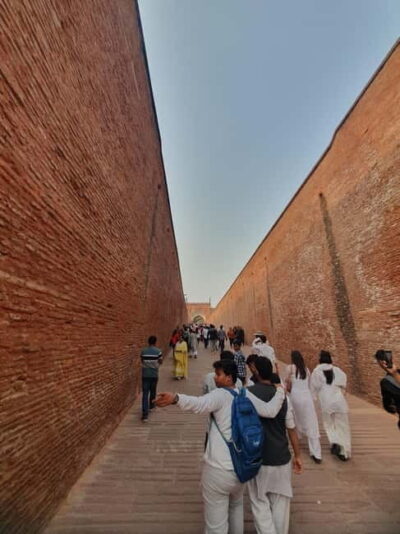
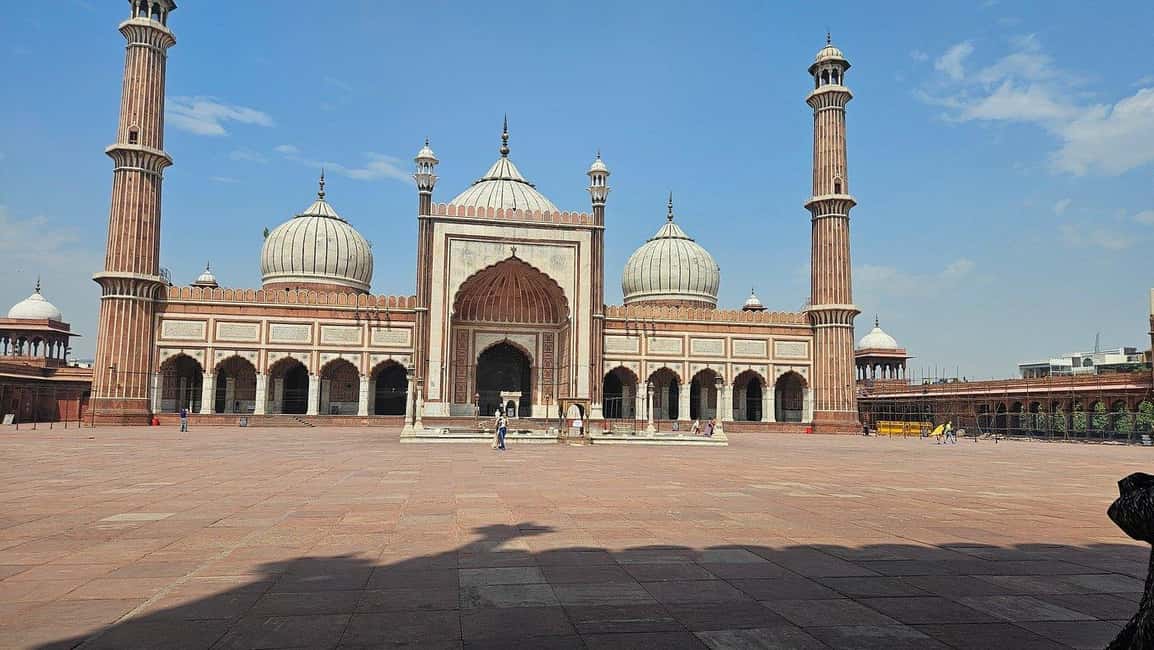
Old Delhi is where Delhi gets loud, sensory, and very real. You begin with Jama Masjid, one of the largest mosques in India, and having a guide here helps you understand what you’re seeing beyond the big name on the sign. The guide’s job is to point out the architectural logic and the way this area functions as a living part of the city, not a museum exhibit.
Then comes Chandni Chowk, and the tour smartly uses a rickshaw ride to get you through the busy lanes. Even if you’re not a big “street food” person, this is still useful because the rickshaw format helps you move at a human pace through narrow roads that are hard to navigate comfortably on your own. It’s also one of the best moments for photos, because the street geometry and shop fronts give you depth, not just a view from the curb.
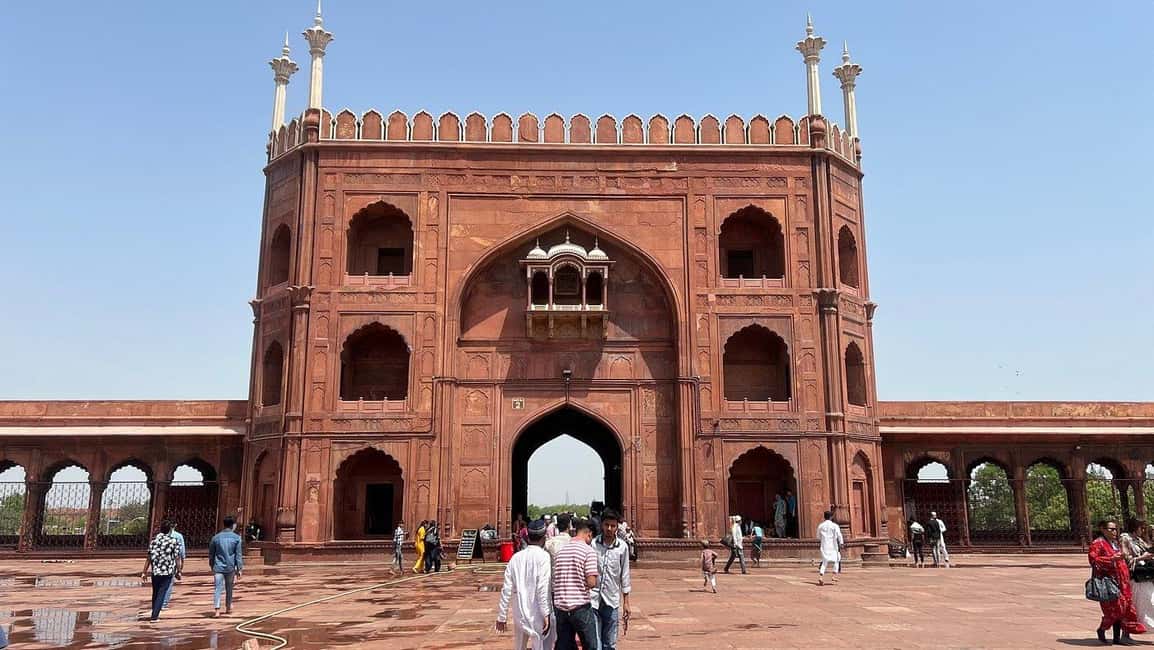
You’ll also pass key historic landmarks in Old Delhi, including the Red Fort area. The tour includes Red Fort as a guided visit, and there’s also time for photo stops depending on how the day unfolds. If you want a day that balances history with atmosphere, this Old Delhi block is the part you’ll feel most strongly.
One practical note: this part of the day tends to be the most active on your feet. Comfortable shoes are the real “must,” not a suggestion.
Gandhi’s Trail to New Delhi: Raj Ghat and the Shift in Mood
After the Old Delhi stops, the tour moves toward Raj Ghat, the peaceful memorial dedicated to Mahatma Gandhi. This is a nice tonal reset. After crowds and traffic energy, Raj Ghat gives you space to slow down and reflect, and a good guide can connect why this site matters in the larger story of India’s modern identity.
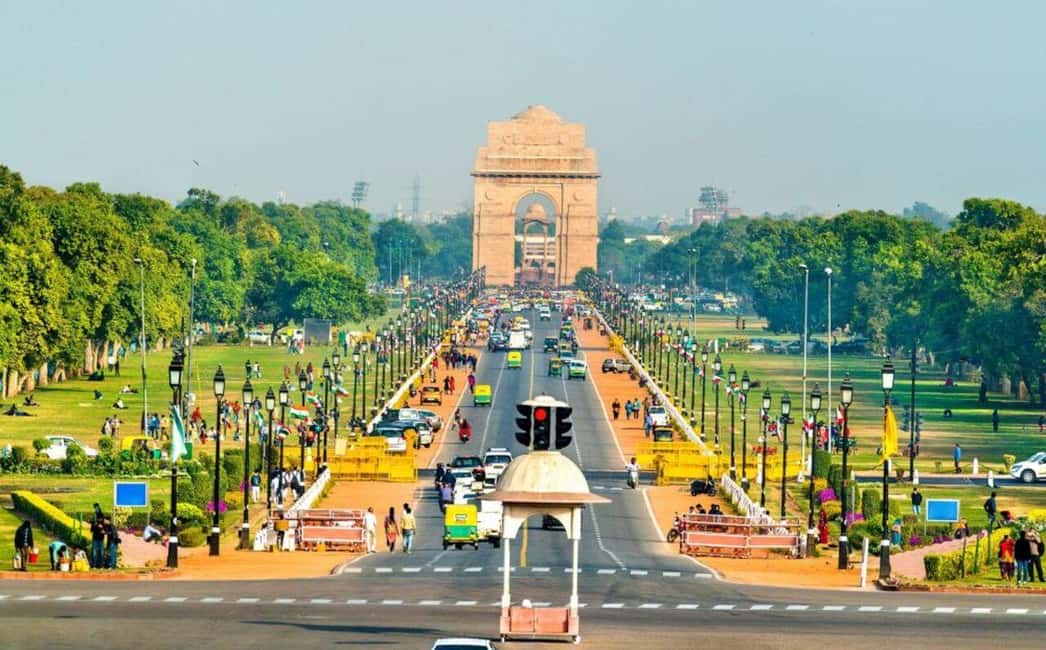
Then your route begins to tilt toward New Delhi, where you start seeing a different city design—wider roads, prominent government buildings, and architecture shaped by British-era planning. You’ll drive past India Gate and major political landmarks like Parliament House and the President’s House, with built-in photo opportunities.
If you’re the type who likes to understand what you’re looking at while you look at it, this is a strong transition. You’re not just moving location—you’re watching Delhi’s different eras change the streetscape.
India Gate to Government Buildings: Photo Stops That Mean Something
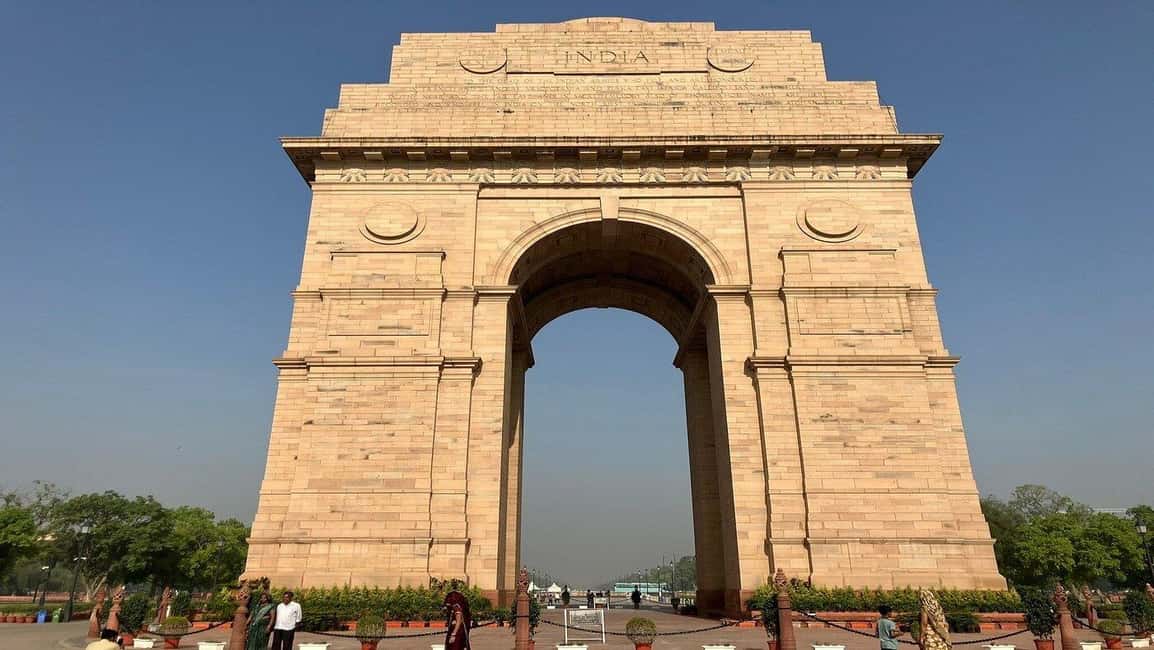
India Gate is more than a big monument. It’s a war memorial, and when your guide frames it that way, the landmark feels more intentional. You’ll pay homage at India Gate and learn context through guided explanations, which is especially helpful if you’re not already familiar with the memorial’s background.
The pass-by stops—Parliament House and the President’s House—are mainly there for orientation and photos. They’re not described as long interior visits, so think of them as “get your bearings fast” moments for New Delhi’s layout. Even so, it’s valuable because it helps you see why New Delhi feels planned in comparison with Old Delhi.
If your goal is to leave Delhi with a mental map, these photo-friendly drives help a lot.
Humayun’s Tomb (UNESCO): Where Mughal Design Makes Sense
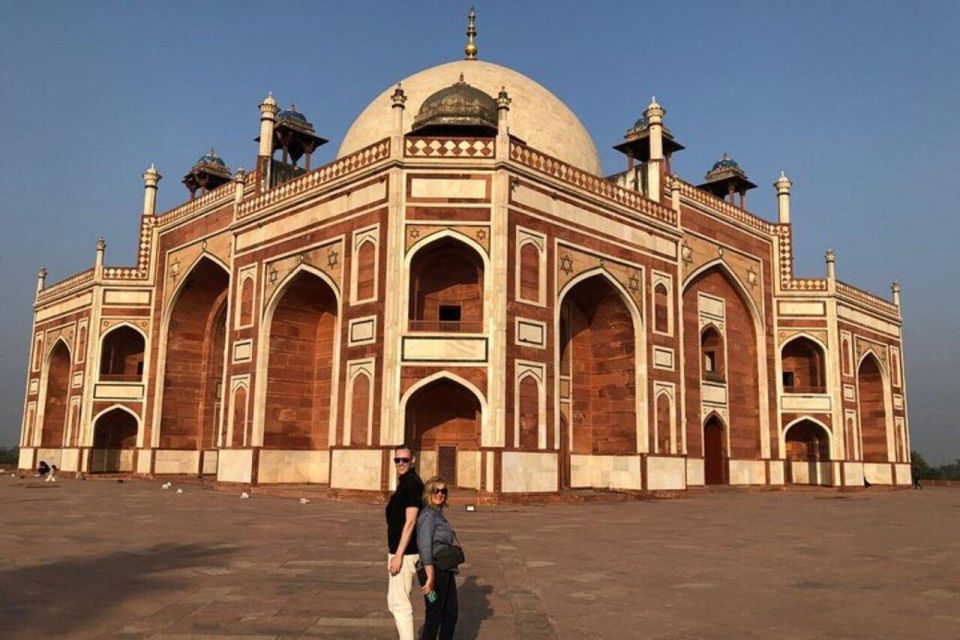
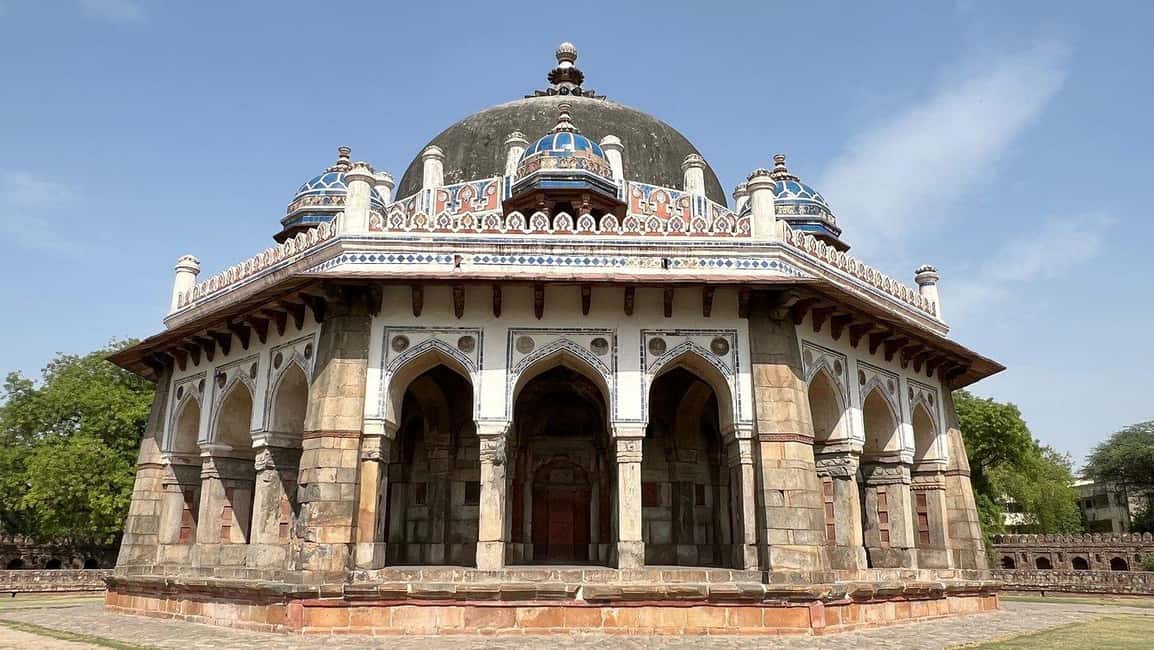
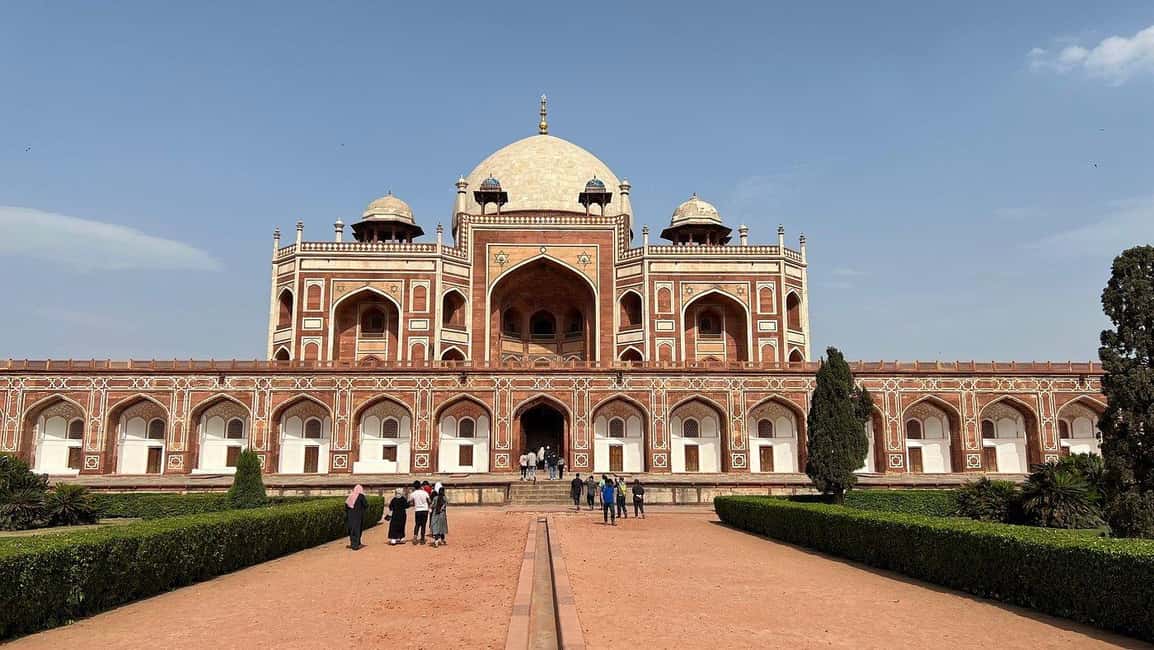
Humayun’s Tomb is one of those UNESCO stops where the guide’s interpretation really matters. The tomb sits within beautiful Mughal gardens, and your guide will help you read the structure: why the complex is laid out the way it is and how Mughal design shaped later monuments.
The tour also notes a key connection: Humayun’s Tomb inspired the Taj Mahal. That’s a simple statement, but it gives you a helpful lens while you’re standing there. You start looking for the design ideas that travel forward in time.
What I like about including Humayun’s Tomb here is timing. When you’ve already done Old Delhi, your brain is primed to notice differences in style. Humayun’s Tomb gives you a calmer, more architectural experience before you go to Qutb Minar, which is another UNESCO site but with a very different feel.
You can also read our reviews of more private tours in New Delhi




Qutb Minar (UNESCO): The Tall Brick Minaret and Indo-Islamic Details
Next is Qutb Minar, described as the tallest brick minaret in the world, and it’s a highlight for good reason. It’s not just “tall.” The guided focus is on Indo-Islamic architecture and the monument’s importance in the broader historical mix of Delhi.
If you’re someone who likes architecture but gets bored when tours stop at facts and don’t explain what to look for, this is where your guide earns their keep. The minaret’s form makes more sense when you understand how styles and builders influenced each other.
Also, because this is UNESCO terrain, you’re usually dealing with controlled entry points and more structured viewing. The tour includes skip-the-line access through a separate entrance, which can reduce the time you spend waiting around and give you more of the actual sight time.
Other Stops That Add Flavor: Gurudwara Bangla Sahib, Lotus Temple, Akshardham, Agrasen ki Baoli
Not every day will include every optional stop, but the itinerary you’re offered can cover several strong “Delhi variety” locations.
You may visit Gurudwara Bangla Sahib, which adds a different religious and cultural lens compared with the mosques and Mughal-era tombs. You’ll likely appreciate this if you want Delhi to feel like one city made of many communities.
You may also include Lotus Temple, a recognizable New Delhi landmark. Keep in mind that Lotus Temple is closed on Mondays, along with Red Fort and Akshardham Temple.
Akshardham Temple can be another add-on depending on time and your preference. It’s listed as a possibility, not a guaranteed fixed stop, so treat it as a flexible bonus if your schedule allows.
Another interesting included visit is Agrasen ki Baoli. If you’re tired of only visiting big-ticket names, this sort of site can be a refreshing change. It gives you a quieter, more specific Delhi structure to understand with your guide’s help, rather than another “big view” stop.
Pricing at $8 Plus Entrance Fees: Where the Value Really Comes From
Let’s talk money without pretending it’s the whole story. The price you’re seeing is low for a private, guided day trip. The value comes from what’s bundled: hotel pickup and drop-off, a private air-conditioned car, a professional guide, water, and all taxes and parking.
What’s not included is important: entrance fees and meals. That means your final cost will depend on which monuments require paid entry that day. Still, even with entrances added, you’re typically paying for time saved and expertise gained—two things that are hard to DIY in Delhi.
The skip-the-line through a separate entrance is another value lever. Waiting in queues is where a “cheap day” can quietly become an exhausting one. When your access is smoother, you get more actual sightseeing in the hours you booked.
This is the kind of tour that makes sense if you want structure. If you love wandering without guidance and you already know exactly where you’re going, you might feel this is more than you need. But if you’re trying to make Delhi fit into a short visit, the private format usually pays you back in comfort and clarity.
Time, Timing, and How to Prepare for a 5–8 Hour Day
The duration is listed as 5–8 hours, which is a wide window. That flexibility is helpful, but you should plan around it like a pro: keep your day active, and don’t schedule a second heavy commitment immediately afterward.
Bring passport or ID card, comfortable shoes, sunglasses, and a sun hat. Cash is also suggested, which matters in India because not every small purchase or extra fee plays nicely with cards.
Also, the tour isn’t set up for carrying lots of stuff. Oversize luggage and large bags aren’t allowed, and pets aren’t allowed. If you travel light, this tour will feel smooth. If you show up with baggage, expect hassle.
One more practical detail: Red Fort, Lotus Temple, and Akshardham Temple are closed on Mondays. If you’re traveling on a Monday, you’ll want a guide to help you swap priorities.
Who This Tour Fits Best (And Who Might Want Something Different)
This day trip is a strong match for couples, families, and solo travelers who want control without planning stress. It’s especially good if you’re not keen on negotiating routes, managing entry logistics, or figuring out what to prioritize across Old and New Delhi.
It also works well for travelers who value explanations. The reviews I saw consistently highlight guides like Anas and Adin for their patience and ability to make the story click, plus driver Sahib for getting everyone around efficiently and safely. If you like learning while you move, you’ll probably enjoy this format.
Who might want to choose something else? If your travel style is very independent and you enjoy spending long hours in one area, you may feel that a multi-stop day is too compressed. Also, because meals aren’t included, you might want to be ready to handle lunch on your own—or ensure the lunch stop timing works for you.
Should You Book This Delhi Day Trip?
I’d book this if you want a practical, private way to connect Old Delhi and New Delhi in one day, with UNESCO sites and street-level moments. The combination of Jama Masjid, a Chandni Chowk rickshaw ride, and UNESCO visits at Humayun’s Tomb and Qutb Minar gives you variety without randomness.
It’s also a smart pick if you’re traveling with limited time and you hate the uncertainty of doing it solo. Skip-the-line access plus hotel pickup and drop-off can turn Delhi from chaotic into manageable.
Just check your calendar. If you’re going on a Monday, confirm which stops are affected by closures, especially Red Fort, Lotus Temple, and Akshardham Temple. Then you’ll know you’re choosing a day that matches your must-sees.
If that lines up, this is a good-value way to experience Delhi with comfort, context, and less stress than self-planning.
FAQ
How long is the Delhi Old and New Delhi day trip?
The duration is listed as 5 to 8 hours. Starting times depend on availability.
Where does pickup and drop-off happen?
Pickup is available from Delhi, Noida, Gurgaon, or Ghaziabad, and you’re dropped back at your hotel or chosen location.
Is this a private tour?
Yes. It’s a private group experience with a private air-conditioned car and a live guide.
What’s included in the tour price?
Included items are pickup and drop-off, a private air-conditioned car, a professional tour guide, water bottle, a customized itinerary, and all taxes and parking.
Are entrance fees included?
No. Entrance fees are not included.
Are meals included?
No. Meals are not included, though the itinerary includes a local restaurant lunch stop.
Does the tour help you avoid long lines?
Yes. It includes skip-the-line access through a separate entrance.
Which places are closed on Mondays?
Red Fort, Lotus Temple, and Akshardham Temple are closed on Monday.
What languages are available for the guide?
The guide is available in English, Hindi, Spanish, Italian, Russian, and French.
What should I bring, and what’s not allowed?
Bring a passport or ID card, comfortable shoes, sunglasses, a sun hat, comfortable clothes, and cash. Pets, oversize luggage, luggage or large bags are not allowed. Firework and making fire are also not allowed.