REVIEW · BANGALORE
Discover Bangalore with Me
Book on GetYourGuide →Operated by Bangalore Storia · Bookable on GetYourGuide
Bangalore hits different on foot. This 5-hour, private walk is a smart way to understand the city through street-level stories, from MG Road storefronts to temple and palace architecture. I especially like the way Anand guides with personal context, and how you get a no-rush flow that still feels packed with real Bangalore details. The other big win for me is the market focus, where you learn what vendors do day to day, not just what a place is called.
One consideration: it’s moderate walking with crowded market moments and older sights, so it’s not a great fit if you have back problems or vertigo.
In This Review
- Key Things You’ll Notice on This Tour
- A 5-Hour Bangalore Walk That Actually Makes the City Make Sense
- Meeting at MG Road Metro: Fast Start, Clear Find
- MG Road to Brigade Road: The Main Street Story Behind the Buildings
- Cauvery Emporium and the Alleyways of Early Trade
- KR Market: Where Urban Life Feels Close Up
- Asia’s Largest Flower Market: Colors, Scents, and Vendor Work
- Bangalore Fort (Kempe Gowda Era): Small Footprint, Big Story
- Kote Venkataraman Temple: Early 17th-Century Roots
- Tipu Sultan’s Summer Palace: Teakwood Craft and Museum Artifacts
- Metro, Timing, and Walking Comfort: How to Prepare
- Price and Value: What You Pay for at $21 per Person
- Who Should Book This Walk (and Who Should Skip It)
- My Booking Verdict: Should You Choose Discover Bangalore With Me?
- FAQ
- How long is the Discover Bangalore with Me tour?
- Where does the tour start and where does it end?
- Is the Bangalore Metro included in the price?
- Is entry to Tipu Sultan’s Summer Palace included?
- What languages is the guide available in?
- What should I bring, and is it suitable for everyone?
Key Things You’ll Notice on This Tour
- Anand’s storytelling style: lots of answers to questions, calm guidance, and a pace that stays comfortable
- MG Road and Brigade Road orientation: history tied directly to landmark buildings and early street trade
- KR Market + flower market: you see how busy commerce works, including how a vendor’s typical day runs
- Kempe Gowda-era Bangalore Fort: a smaller stop that still carries major historical weight
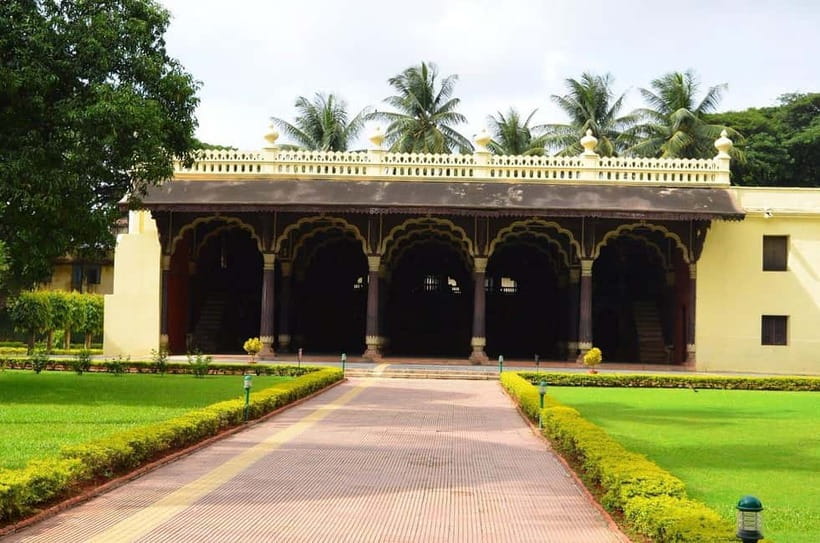
- Kote Venkataraman Temple and Tipu’s Summer Palace: faith and power, in two very different architectural styles
- Metro-based touring: you cover neighborhoods efficiently, while the guide helps you navigate busy areas
A 5-Hour Bangalore Walk That Actually Makes the City Make Sense
This tour is built around a simple idea: if you walk the right streets with a local guide, you start understanding how Bangalore grew and why certain places matter. You’re not just moving from photo spot to photo spot. You’re learning the logic behind the route—main roads, major markets, then iconic historic sites.
It’s also private, which changes the vibe. You won’t be stuck waiting on a big group. Your guide can slow down for questions, reroute a bit around foot traffic, and keep things feeling personal. And even with a packed route, it’s not rushed. You get the sense of a guided stroll with structured stops, rather than a timed sprint.
Another practical plus: the plan uses the Bangalore Metro to move between areas. That matters in a city where road traffic can slow things down and where you want your time spent on sights, not delays.
You can also read our reviews of more tours and experiences in Bangalore.
Meeting at MG Road Metro: Fast Start, Clear Find
You meet at MG Road Metro Station, in a location that’s both prominent and easy to reach. You’ll meet your guide at the entrance, by a statue of an elephant, and Anand will be carrying a small blue backpack bag. It’s an easy setup for a first-time visitor—no complicated “look for a specific doorway on a side street” moments.
From the beginning, the tour uses photo stops as a way to anchor your bearings. The first stretch is about getting the geography right: you’ll know where you are in the city by the time you start heading deeper toward markets and landmarks. For a first day in Bangalore, that orientation alone is valuable.
Also, this is an English-language tour with flexibility—Anand can guide in Hindi, Kannada, Malayalam, and Tamil too. If you prefer a specific language or want one partner to feel fully included, this helps.
MG Road to Brigade Road: The Main Street Story Behind the Buildings
The core walking portion moves along Brigade Road and MG Road. You begin at Cauvery Emporium, where the guide brings the street to life with stories about how the road developed and which landmark buildings shaped the area’s identity.
What I like about this part is the focus on everyday history. You don’t just get a list of names. You learn about the first shops and the “why” behind the streets—how commerce formed, how the neighborhood became known, and what patterns still show up today.
And because it’s a guided walk, you also get a better sense of what to notice while you’re there: which buildings look like “just another façade,” and which ones signal a bigger shift in the city’s story. It’s the kind of detail that turns a casual walk into a meaningful one—without needing to be a history student.
You’ll also get photo stops along the way, including a stop at the Samsung Opera House. Even if you’re not hunting photos, these breaks help you reset and keep moving at a steady pace.
Cauvery Emporium and the Alleyways of Early Trade
After the initial main-road orientation, the route shifts into the smaller spaces that most visitors miss. You’ll walk down alleys connected to the main streets, which is where the city’s older rhythm shows up.
This is one of the strongest “value-per-minute” segments. Big attractions are great, but the alleys and side lanes are where you start to feel the city’s working patterns. You’ll hear about the road’s history and how earlier shopfronts supported daily life, not just tourism.
The practical benefit: these quieter sections make the later market stops easier to handle. You’ll arrive at KR Market and the flower market with a clearer understanding of how these places fit into the bigger city center—commercial routes, foot traffic patterns, and the way people actually move through the day.
KR Market: Where Urban Life Feels Close Up
The tour then heads to KR Market, with a guided stop and time to take photos. This is where the atmosphere gets more “real Bangalore.” It’s not about calm museum lighting. It’s about a place that functions—traders, buyers, sellers, and the daily flow that keeps the city fed and supplied.
One smart thing about touring markets with Anand is safety and navigation. He helps you handle the practical side of being there: where to stand, when to move, and how to keep moving without getting swallowed by crowds. In busy market zones, that kind of guidance can make the difference between an enjoyable walk and an exhausting one.
KR Market is also a great mid-tour anchor. After several historic segments, it reminds you that Bangalore is still a working city. The city’s past and present sit in the same places, and this stop helps you connect those dots.



Asia’s Largest Flower Market: Colors, Scents, and Vendor Work
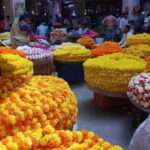
Next comes the flower market, described as Asia’s largest. This is the part that most clearly changes your senses. You’ll see bright colors and smell the scents that come with a daily supply chain built for fresh goods.
Beyond the visuals, the guide focuses on the human side of it. You’ll learn how a typical day looks for a local vendor—what keeps them moving, how the market works, and what the space means for trade.
Another meaningful detail: the market building has history tied to the British era. You’ll notice colonial-era architectural influences in the structures around the market. That combination—commerce, daily routines, and architecture shaped by a different time—turns the stop into more than a quick look.
If you’re the type who enjoys markets as living systems, this segment will feel like the “payoff” of the whole route.
Bangalore Fort (Kempe Gowda Era): Small Footprint, Big Story
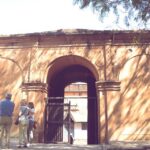
After the market energy, you move toward Bangalore Fort. This fort dates back to the Kempe Gowda era. It’s small, but it’s significant—perfect for a guided stop because you don’t need to spend all day to get the point.
The guide frames what you’re seeing in a wider narrative, so the fort doesn’t feel like a random piece of old stone. You’ll understand why it’s tied to the founding story of the city’s development and why it matters even if the site looks modest compared with larger fortifications.
It’s also a nice pacing change. Fort stops work well after busy markets because they slow things down without making you “sit around.” You’ll get a guided look, photo time, and a clear sense of what the place represents.
Kote Venkataraman Temple: Early 17th-Century Roots
Then you head to the Kote Venkataraman Temple, one of the oldest temples in Bangalore. Built in the early 17th century during the reign of the Mysore Wodeyars, this stop adds a different kind of context to your walk.
Temples like this are more than architecture. They also carry continuity—belief, tradition, and community identity across centuries. Even if you’re not deeply religious, you’ll likely appreciate how a long-lived place anchors a city’s identity.
The guide’s role matters here too. A temple visit can become “look and leave” if you don’t have context. With narration and historical framing, it becomes easier to notice what’s important and why the timing of construction matters in Bangalore’s broader story.
Tipu Sultan’s Summer Palace: Teakwood Craft and Museum Artifacts
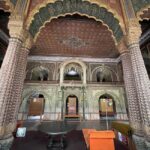
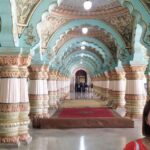
The tour finishes at Tipu Sultan’s Summer Palace, one of Bangalore’s most recognizable historic sites. This palace stands out for its teakwood architecture, and the visit includes access to a museum-style experience with exhibits.
You’ll see artifacts connected to Tipu Sultan, and you’ll learn facts that you might not pick up on your own. The guide helps translate the site from “famous place” into “specific story”—which is what you want out of a guided experience.
Important practical note: entry at Tipu Sultan’s Summer Palace costs about $2–3 USD and isn’t included in the tour price. If you budget ahead, this won’t surprise you. The payoff is that you don’t just stand outside and take a photo—you get the chance to connect the palace details to the people and power behind it.
Metro, Timing, and Walking Comfort: How to Prepare
This is a private tour using Bangalore Metro to commute. Metro use matters because it keeps the route efficient and helps you avoid losing time to slow traffic between neighborhoods.
In terms of comfort, the tour includes guided walking segments plus photo stops. You’ll be on your feet for long stretches, and you’ll encounter market crowds at least once. That’s why the tour notes a moderate fitness level, and it’s not recommended for travelers with back problems, those with vertigo, or pregnant women.
What to bring is simple:
- Hat
- Water
Bottled water and food aren’t included, so plan to grab water before or during the walk. Also note that pets and alcoholic drinks aren’t allowed in the vehicle, which is useful if you’re traveling with family or friends who might ask.
Price and Value: What You Pay for at $21 per Person
At about $21 per person for a 5-hour private experience, the value comes from what’s included and how much ground you cover with guidance.
Included items:
- Bangalore Metro tickets
- A private guide (your group only)
- 1 souvenir per guest
- Price for infants
Not included:
- Entry fee at Tipu Sultan’s Summer Palace (about $2–3 USD)
- Bottled water and food
So you’re paying for time, navigation, and context—plus the transportation piece via Metro tickets. If you were to DIY this route, you’d spend money on transit anyway and you’d likely miss a lot of the “why does this street matter?” storytelling that makes the walk feel coherent.
If your goal is learning Bangalore fast—without getting overwhelmed by crowded places alone—this pricing fits that plan. It’s not the cheapest city tour you’ll find. It is the kind where you feel the guide’s presence in every stop.
Who Should Book This Walk (and Who Should Skip It)
This tour fits best if you:
- want street-level history rather than only big monuments
- enjoy markets and want help navigating crowds
- like a private guide who answers lots of questions
- prefer moving by Metro to avoid too much road-time
Skip it or consider alternatives if you’re:
- dealing with back problems
- prone to vertigo
- traveling while pregnant
- needing wheelchair access (the tour is not wheelchair accessible)
Also consider your comfort with heat and crowd density. The flower market and major market stop can feel intense, even with a guide managing the flow.
My Booking Verdict: Should You Choose Discover Bangalore With Me?
I think this is a strong pick if you want a first-pass understanding of Bangalore that goes beyond checklist sightseeing. The route connects main streets (MG Road and Brigade Road), commerce (KR Market and the flower market), and signature historic sites (Bangalore Fort, Kote Venkataraman Temple, Tipu Sultan’s Summer Palace). That’s a clean storyline for people who want the city’s layers in one afternoon.
Book it if you’ll appreciate markets as cultural snapshots and you want Anand’s guidance for safe navigation through busy areas. Don’t book it if your mobility is limited or if crowded, walking-heavy segments would stress you out.
If you like the idea of learning why the city looks the way it does—through people, buildings, and daily routines—this walk is built for you.
FAQ
How long is the Discover Bangalore with Me tour?
The tour lasts about 5 hours.
Where does the tour start and where does it end?
It starts at MG Road Metro Station (meeting at the entrance by the elephant statue). It ends at KR Market Metro.
Is the Bangalore Metro included in the price?
Yes. Bangalore Metro tickets are included as part of the tour.
Is entry to Tipu Sultan’s Summer Palace included?
No. The entry fee is not included and is approximately $2–3 USD.
What languages is the guide available in?
The guide can conduct the tour in English, Hindi, Kannada, Malayalam, and Tamil.
What should I bring, and is it suitable for everyone?
Bring a hat and water. It’s not recommended for travelers with back problems or vertigo, and it’s not suitable for pregnant women. It is also not wheelchair accessible.