REVIEW · GOA
Goa: Spice Plantation Tour and Traditional Local Lunch
Book on GetYourGuide →Operated by Crossmiles Travel · Bookable on GetYourGuide
A spice plantation tour in Goa can feel like a blur of photos. This one is built for a slow reset from the beach, with a short guided walk where you can smell and touch plants, followed by a real Goan lunch.
I like that the day is structured and practical: air-conditioned hotel pickup brings you to the quieter south Goa countryside, then you get a focused explanation of spices and how locals use them. The one possible drawback is timing: the actual plantation walk is brief, so if you want a long botanical meander, you may feel the schedule moves fast.
In This Review
- Key Takeaways Before You Go
- Heading South From the Beach: Pickup, Drive, and Ponda Atmosphere
- Herbal Tea on Arrival and the Plantation Walk You Actually Get
- What the Guides Teach: Spice Uses, Health Tips, and Goa Stories
- Goan Lunch in Earthen Pots: What’s on the Buffet and What Makes It Worth It
- Feni Tasting With Lunch: A Quick Taste of Cashew Distillation
- Optional Temple Stop and Spice Shop Time on the Way Back
- Price and Timing: Is $60 Good Value for 4 Hours?
- Who This Trip Suits Best (and Who Should Skip It)
- Should You Book This Spice Plantation Tour in Goa?
- FAQ
- How long is the spice plantation tour in Goa?
- Does the tour include hotel pickup and drop-off?
- What’s included in the price?
- What kind of lunch is served at the plantation?
- What spices will I see on the walk?
- Is feni included, and what is it?
- Can wheelchair users join the tour?
- Are drinks other than what’s included available?
Key Takeaways Before You Go
- Small group pace (up to 10 people) means you’re not just herded through.
- Herbal tea welcome sets the tone as soon as you arrive.
- Touch, smell, taste is part of the point, not just looking.
- Spice variety depends on season, but you can often see classics like cardamom and cinnamon.
- Goan buffet lunch in earthen pots keeps the meal tied to the plantation theme.
- Feni tasting gives you a quick taste of cashew-based Goa liquor (with extra drinks available for purchase).
Heading South From the Beach: Pickup, Drive, and Ponda Atmosphere
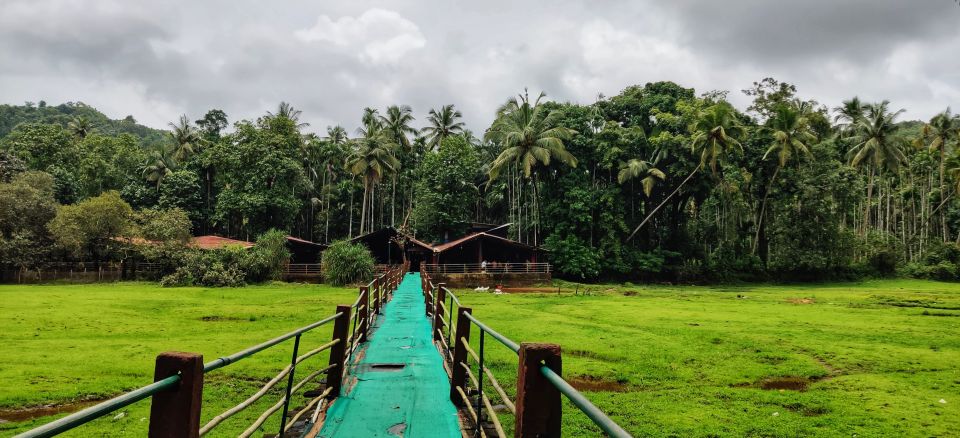
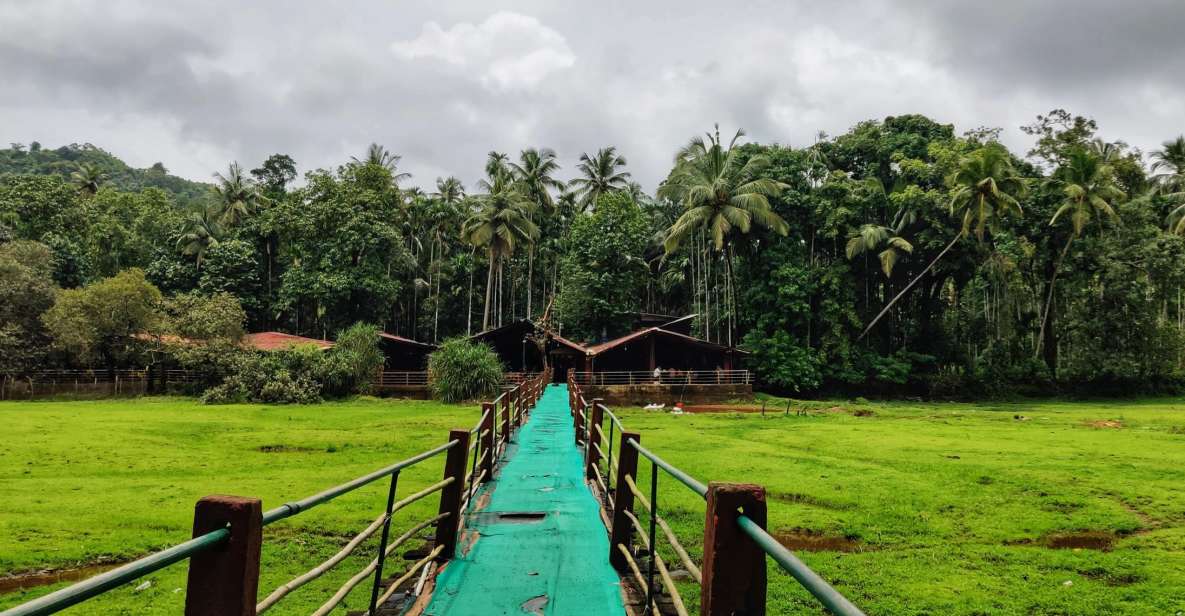
This tour is a true half-day getaway because you start with private pickup in an air-conditioned car. You’ll be picked up from your hotel or accommodation lobby in Goa, and the driver can usually make the trip more than just transportation. On the way, you pass paddy fields and village roads, and if you want, you can ask your driver for Goa stories and practical tips about daily life there.
The timing matters here. You’re not just meeting at a site. You’re using the drive to set expectations for what’s coming: plants, smells, and a different pace than the coast. It’s also helpful if you like a bit of control over your day. With the ride included, you’re not figuring out buses or taxis mid-trip.
One logistics note: if you’re starting from the Port of Mormugao cruise terminal, the tours may run as clubbed group tours. Translation: you might be mixed into a larger pooling setup for transfers, even though the experience itself is designed for a small group.
You can also read our reviews of more tours and experiences in Goa

Herbal Tea on Arrival and the Plantation Walk You Actually Get
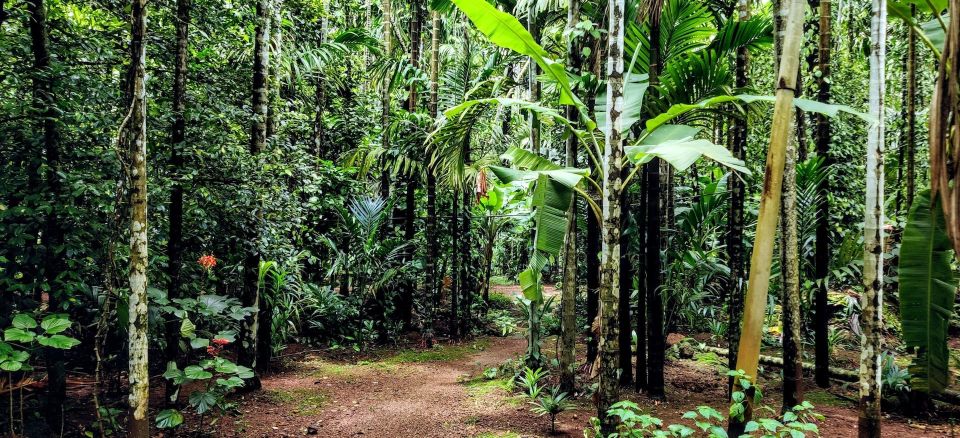
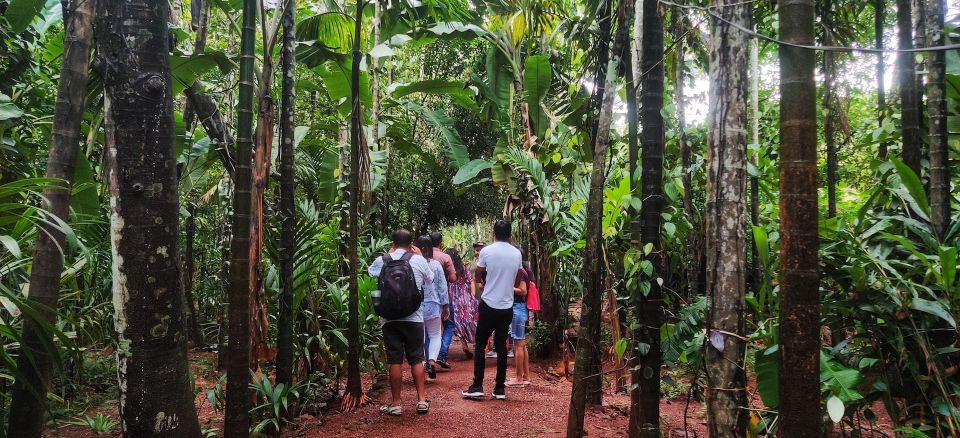
Once you reach the family-run plantation in Ponda (southern Goa), you’re met with a traditional welcome: a warm, soothing herbal tea. It’s a small moment, but it helps you shift gears immediately, from road dust and street noise to the scent-world of spices.
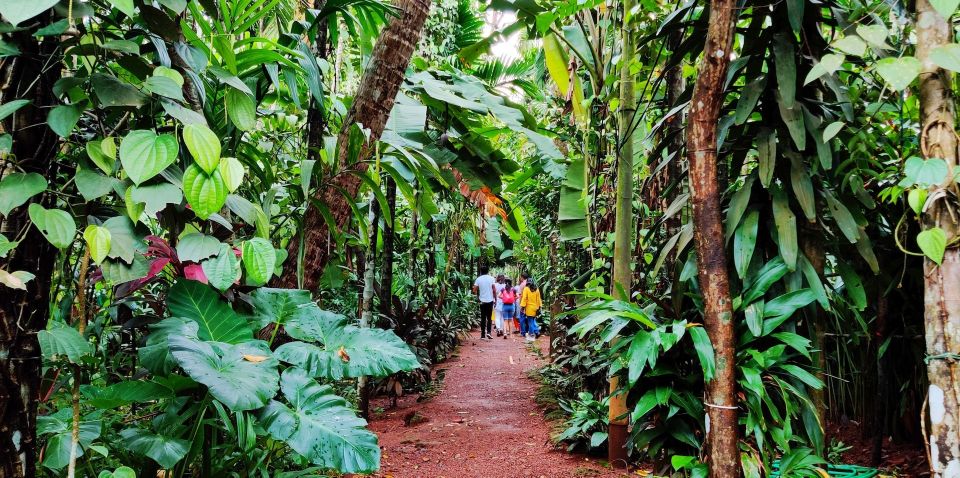
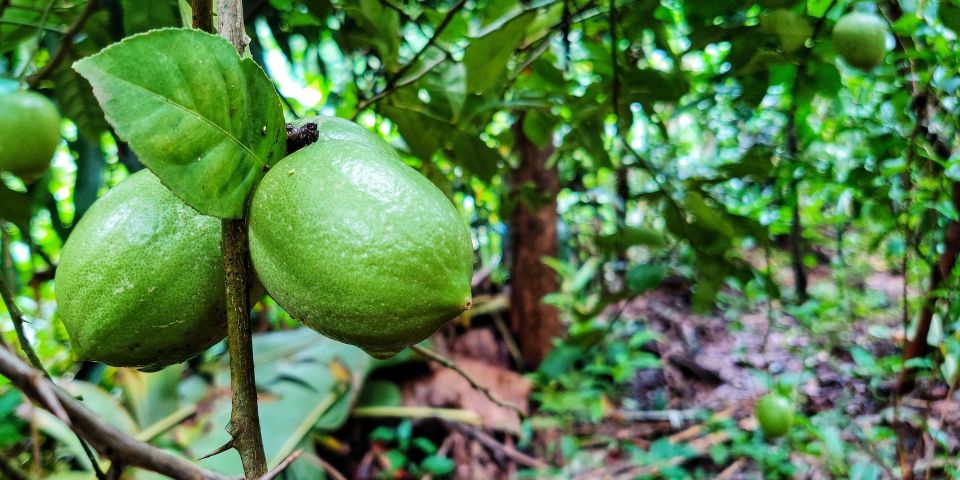
Then comes the guided walking portion. The tour is designed to be hands-on. You can touch, smell, and taste the different plants and trees as the guide points them out. Depending on the season, you might encounter plants such as:
- cinnamon
- black and green cardamom
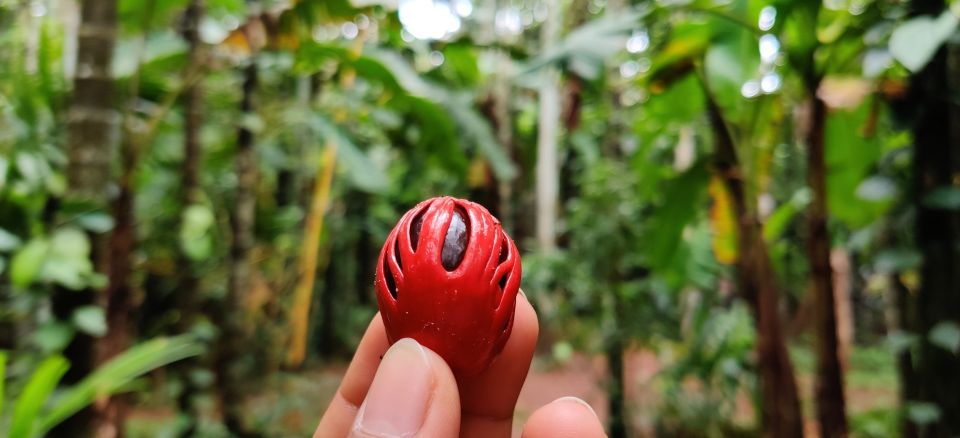
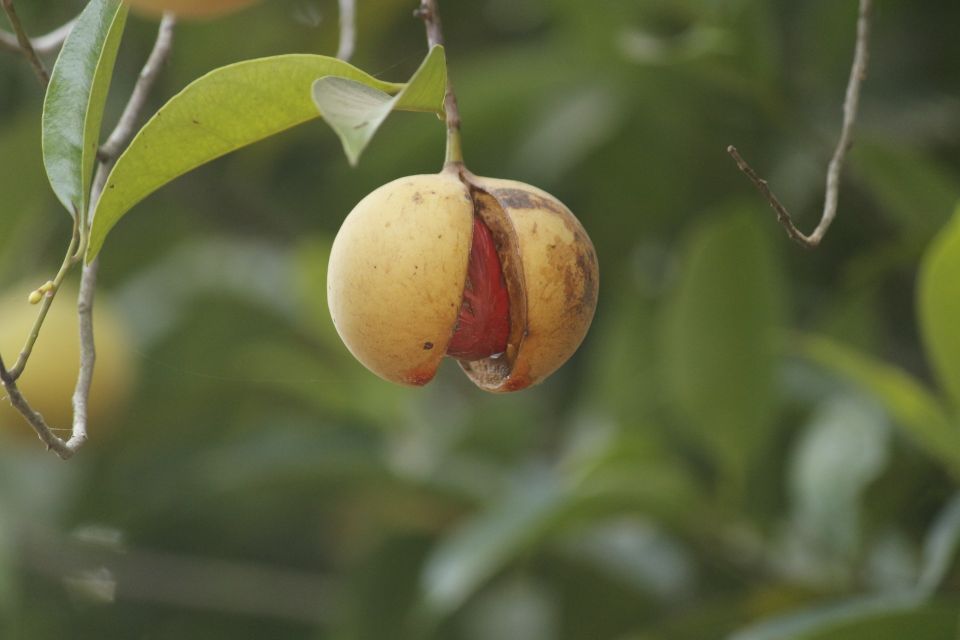
- mace
- piri-piri chilies
- coconuts
- green pepper
- allspice
The walk itself is short. That’s not necessarily bad if you’re looking for a simple, sensory introduction. But it is worth planning around. Some people found it closer to about 20–25 minutes for the walking segment, which can feel quick if you expected a longer stroll through the whole property.
If you’re traveling with a wheelchair, you’ll want to know the reality early: the property is listed as wheelchair accessible, but the walking surfaces can be narrow and rough, and parts of the plantation tour may not work for everyone.
What the Guides Teach: Spice Uses, Health Tips, and Goa Stories
The guide is the difference between a quick farm stop and something that feels personal. English-speaking staff lead the experience, and the best part is that the information is paired with real plant interaction.
From what I see in the guide-driven momentum, guides often do two things well:
- explain what each spice is used for (in cooking and home remedies), and
- connect the dots to Goa itself.
Names that come up in standout guides include Stanley, Sachin, and Pooja. One guide, Stanley, is noted for being helpful and generous with context, including stories about Goa’s past, plus giving people time and space to look around. Sachin is mentioned as both informative and funny during the drive, sharing fun facts about where you’re going and what you’re passing. Pooja is highlighted for an engaging approach and strong familiarity with the spices on display.
You’ll also hear about uses and health benefits as the staff explains how to incorporate spices into everyday well-being. Keep expectations grounded: this is practical guidance, not lab science. But it’s a nice way to leave with more than souvenirs—more like simple ideas you can actually use back at home.
Goan Lunch in Earthen Pots: What’s on the Buffet and What Makes It Worth It
After the walk, lunch is where this tour earns its keep. You’ll be served a Goan lunch buffet at the plantation, prepared fresh and served in earthen pots. That detail matters. It signals cooking style and helps tie the meal to the spices growing around you.
The buffet includes both vegetarian and non-vegetarian options, and it’s not limited to one kind of protein. You can expect a mix that includes vegetarian plates plus seafood and meat preparations. Since the meal uses spices grown locally, you’ll likely taste familiar flavors in a more grounded way than a spice shop’s sales pitch.
A big practical point: if you have food allergies, you need to tell the operator in advance and also mention it on the day of the tour. That’s not just good manners; it affects what gets served at the buffet.
Feni Tasting With Lunch: A Quick Taste of Cashew Distillation
You’ll also get feni tasting with lunch. Feni is a popular local liquor made from cashew fruit and distilled traditionally in a pot. This isn’t a full bar crawl—it’s a tasting—but it gives you a clear sense of what locals mean when they talk about the spirit of Goa.
Also know what’s included versus extra. The tasting is part of the tour, but additional drinks (including soft drinks, beer, feni, and wine) are available at an extra cost paid directly at the plantation. If you’re watching your budget, treat the tasting as your free sample and decide later if you want to add more.





Optional Temple Stop and Spice Shop Time on the Way Back
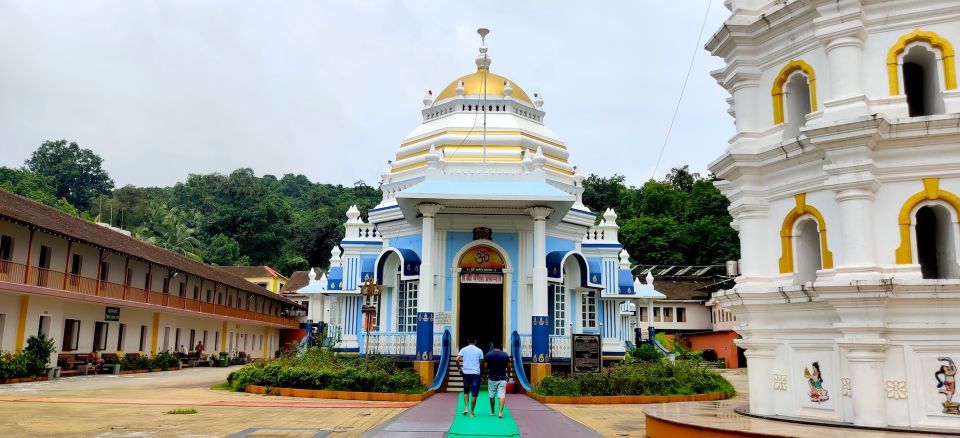
Before you head back to your hotel, you may have the option to stop at a local Hindu temple if you want. For some people, this feels like a meaningful add-on. For others, it can feel like a surprise detour—especially if you booked specifically for a longer spice-focus experience. My advice: go in ready for the fact that there may be a temple and shop moment, and keep your mental emphasis on the sensory plantation walk and the lunch.
You’ll also have time to purchase spices from the on-site shop. This is often the part where you decide what you tasted and what you want to bring home. Buy what you can explain to yourself: if a spice stood out at the plant, look for it here in a form you’ll actually use.
Price and Timing: Is $60 Good Value for 4 Hours?
At $60 per person for about 4 hours, the value comes down to what’s bundled. You’re not paying only for a walking tour. You’re getting:
- hotel pickup and drop-off
- plantation entrance
- buffet lunch
- herbal tea
- feni tasting
That combination is usually a fair deal in Goa because the transport plus meal can be pricey if purchased separately. Also, the small group size (limited to 10 participants) tends to make the experience feel more coordinated and less rushed than large-vehicle tours.
That said, set your expectations on timing. Even though the day is marketed as a half-day plantation experience, the walking component can feel short. If you want a long botanical tour, this might not satisfy. If you want a focused, family-run introduction to spice plants, plus a solid lunch and a real taste of Goa, it’s a good fit.
Who This Trip Suits Best (and Who Should Skip It)
This tour is best for you if:
- you want a break from beach crowds for a few hours
- you like food-focused sightseeing with hands-on sensory moments
- you enjoy guided storytelling, not just self-guided wandering
- you’re interested in Goa’s local flavors, including feni
It may be less ideal if:
- you’re hoping for a long, hour-plus walk through the full plantation
- you dislike any optional detours like a temple stop
- you want a meal upgrade beyond a plantation buffet format
The sweet spot is someone who wants a straightforward half-day that feels authentic, gets you smelling spices, and leaves you fed—without needing to plan transportation.
Should You Book This Spice Plantation Tour in Goa?
If you’re booking for value and a real taste of Goa, I’d say yes—with one honest expectation check. Plan for a short guided plantation walk, then settle in for the parts that tend to land well: herbal tea, sensory spice interaction, and lunch served in earthen pots. If you’re flexible about a possible temple or shop stop, you’ll likely enjoy the flow.
If your priority is deep botanical exploration with lots of time on foot, consider spending more time elsewhere in nature areas or pairing this with another activity that gives you more walking time.
Bottom line: this is a well-packaged half-day for people who want flavor, simple education, and a break from the beach.
FAQ
How long is the spice plantation tour in Goa?
The total experience is about 4 hours.
Does the tour include hotel pickup and drop-off?
Yes. Pickup and drop-off are included from your hotel or accommodation lobby in Goa, and pickup may also be available from Goa airports and the Mormugao port cruise terminal car/coach or paging area.
What’s included in the price?
The included items are hotel pickup and drop-off, entrance to the spice plantation, a buffet lunch at the plantation, herbal tea, and feni tasting.
What kind of lunch is served at the plantation?
You’ll get a lunch buffet with vegetarian and non-vegetarian options. The buffet includes vegetarian, seafood, and meat preparations, and the food incorporates spices grown locally.
What spices will I see on the walk?
Depending on the season, you may see spices and plants such as cinnamon, black and green cardamom, mace, piri-piri chilies, coconuts, green pepper, and allspice.
Is feni included, and what is it?
Feni tasting is included. Feni is a cashew-based liquor distilled in a traditional pot.
Can wheelchair users join the tour?
Wheelchair users are welcome to the property, but the walking portion may be difficult because some surfaces can be narrow and rough.
Are drinks other than what’s included available?
Yes. Soft drinks, beer, feni, and wine are available at an extra cost payable directly at the plantation.